
 Business License

Heat-Treated Carbon Steel Blades Sickle — Africa's Hottest Farm Tool
Carbon Steel Sickles: The Complete B2B Buying Guide for Harvest & Farm Work
Why the world's oldest harvesting tool is still the most practical investment for African and Middle Eastern buyers — and what to check before you order.
1. The Sickle Is Still the Backbone of Small-Scale Harvesting
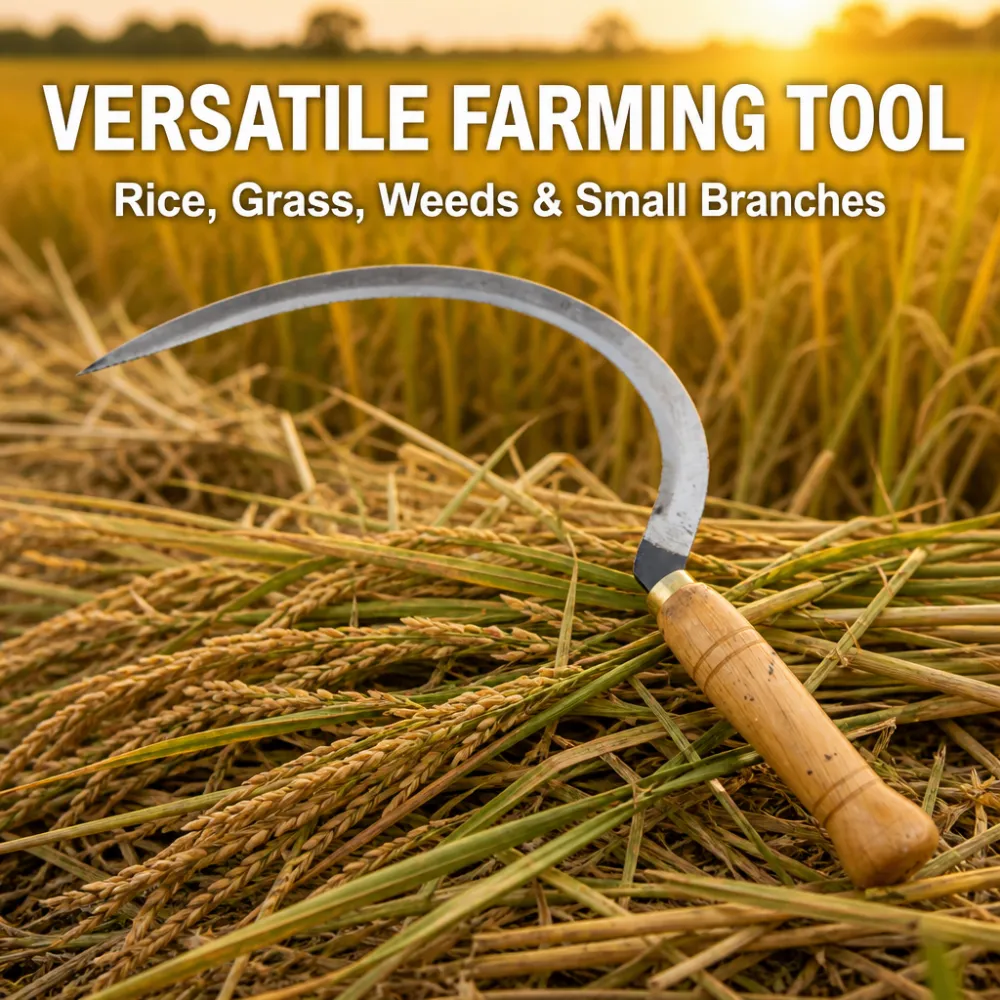
From the paddy fields of Nigeria to the wheat plains of the Middle East, the sickle remains the most widely used hand harvesting tool on earth. Millions of smallholder farmers — and countless construction crews — still depend on a well-made sickle for speed, precision, and near-zero running cost. That steady repeat demand makes the sickle one of the safest SKUs in the agricultural tools category — provided you source one with the right blade geometry, the right steel, and the right heat treatment.
2. Blade Types: Narrow Fan vs. Serrated
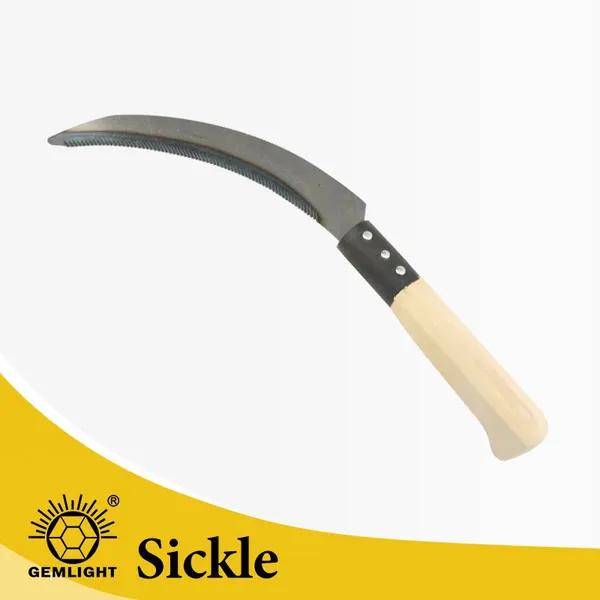
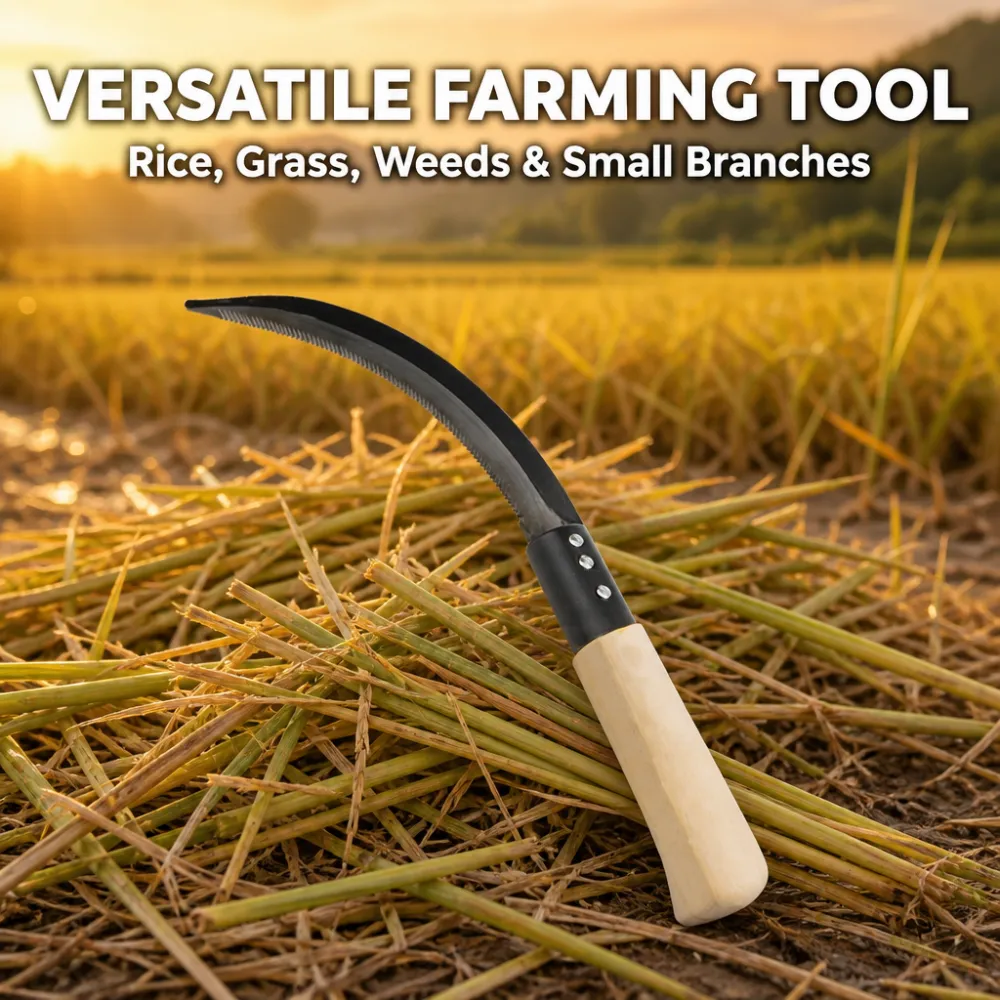
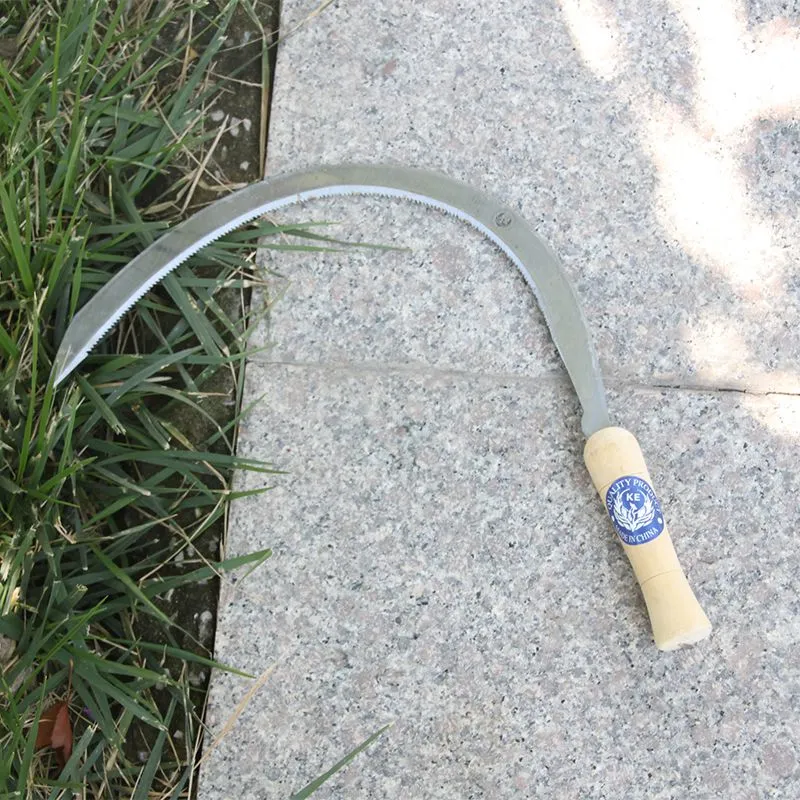
The narrow fan blade is the classic curved design, delivering a clean slicing cut ideal for rice, wheat, and grass, and it dominates the Middle East and North Africa. The serrated (saw-tooth) blade grips stems while cutting, making it far more effective on tough fibrous material such as dry brush and coarse weeds. Serious suppliers carry both, because market preference varies sharply by region.
3. Carbon Steel and the Black Blade You Should Trust
Quality sickles are forged from carbon steel, but the difference between a good and a bad tool is in the treatment. A genuine heat-treated blade shows a characteristic black or dark oxide finish — that is not paint and not a defect. It is the visible result of the hardening (quenching and tempering) process that gives the edge its long-lasting bite. A treated blade stays sharp through a full harvest, resists bending, and can be re-sharpened in the field. Always confirm steel thickness: our range runs from 1.2 mm lightweight blades up to 2.5–3.0 mm heavy-duty versions.
4. Handles: Wood, Plastic, or Steel Pipe?
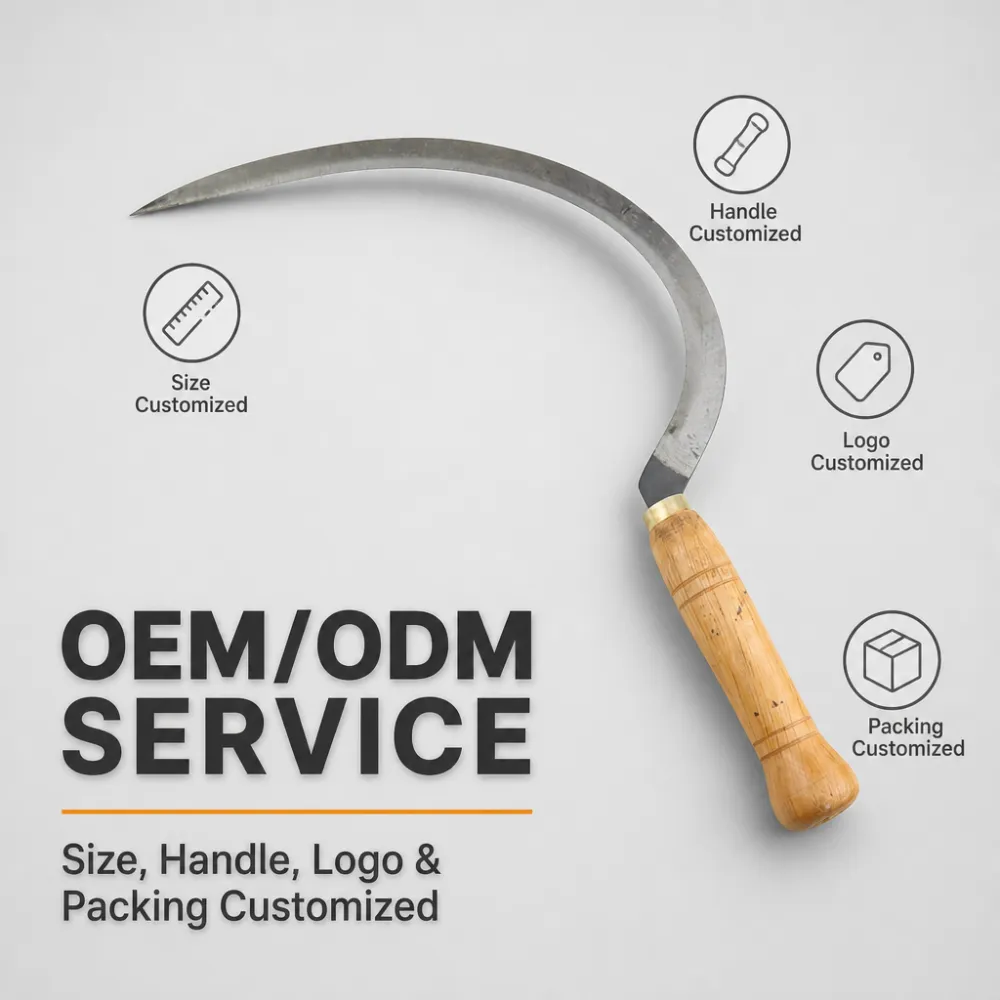
Handle choice drives both cost and durability, and different markets have clear favorites.
Wooden handles
● (poplar or mixed hardwood) are the traditional default — warm to the grip, inexpensive, and proven.
Plastic handles
● (including injection-molded styles) are moisture-proof and uniform, popular in humid coastal regions where wood can swell or split.
Steel pipe handles
● with a 20 cm grip and anti-slip PVC sleeve are the heavy-duty option, often fitted with a copper hanging ring — a strong differentiator in premium ranges.
5. Sizes and Thickness: Match the Tool to the Job
A good supplier offers a full size ladder. The classic 202 series spans 8 to 18 inches at a solid 2.0 mm blade thickness — the workhorse for rice and grass cutting across the Middle East. The 206D family adds curved small and large handles in 6.5 to 11 inches, with blade thickness from 1.2 mm light-duty to 2.0 mm heavy-duty. Heavy cutting models (the 33 and 34 series) come in at 2.5 mm, with 3.0 mm available on request. Stocking a range, rather than a single SKU, is the fastest way to grow reorder rates.
6. What a Sickle Can Actually Cut
The application list is broader than most buyers expect: harvesting rice and wheat; cutting water weeds and seaweed along waterways; clearing dry grass, brush, and small branches; even slicing nylon bags and thin metal sheeting in construction and recycling work. This versatility is why demand holds steady year-round — the same tool serves agriculture in the wet season and clearing work in the dry season.
7. Export Market Trends
Middle East markets (Saudi Arabia, Iran, Iraq, Yemen, Kuwait) remain the largest volume buyers, with strong preference for wooden-handle 202-series sickles in 60–120 piece cartons. African markets — Nigeria, Senegal, Ethiopia and beyond — are expanding fastest, driven by smallholder agriculture programs and rural infrastructure work; buyers there prioritize edge durability and price-per-piece. Smaller but notable demand flows to Japan (precision small-blade styles) and Spain (heavy-duty 2.5 mm models) — patterns that let you order the right mix per market.
8. The Importer's Inspection Checklist
Before you commit to a container, run this five-point check on any sample batch:
Edge test
1. — the blade should cleanly slice paper along its full curve after heat treatment, with no soft spots.
Hardness and flex
2. — a treated blade should spring back from moderate bending without permanent warping.
Handle fixing
3. — shake hard: the head must not rattle, twist, or pull free.
Balance and weight
4. — the tool should feel balanced in the hand; a flimsy blade fails fast.
Packaging and marking
5. — confirm carton counts, inner packaging, and printed branding match the PO.
9. Packaging That Protects and Sells
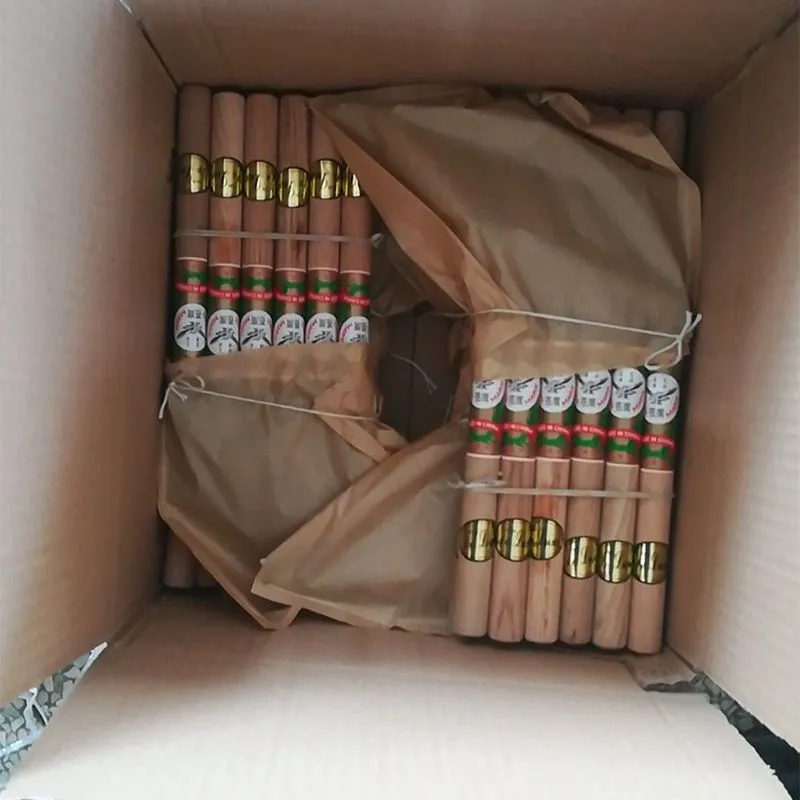
Good packaging prevents damage and doubles as shelf marketing. We offer button packaging, paper-card packaging, and kraft paper wrapping, with custom logo printing and color-coded hang tags on request. Carton loads are standardized at 60, 120, or 240 pieces to keep freight costs predictable. Buyers who invest in branded card packaging consistently report faster retail sell-through.
10. Why Source Direct from the Manufacturer
A direct factory partnership changes the economics. As a manufacturer, we control the full chain — hydraulic pressing of blades, precision grinding, heat treatment, handle fitting, and packing — which means consistent quality, honest lead times, and pricing importers can build a margin on. Custom branding, mixed-size containers, and special blade thicknesses (up to 3.0 mm) are standard conversation topics, not exceptions.
The takeaway: a well-made carbon steel sickle is a low-risk, high-turnover product with deep demand across Africa, the Middle East, and beyond. Source from a manufacturer who treats heat treatment, steel thickness, and handle quality as non-negotiables — and your customers will come back every season.
Looking for a reliable sickle supplier? We are a Chinese manufacturer exporting to the Middle East, Africa, Europe, and Asia for over a decade. Contact us for samples, spec sheets, and your market's best-selling sizes.
Recently Posted
-
Pry Bar vs Crowbar vs Wrecking Bar: What Buyers Actually Need to Know
September 8, 2026Pry Bar vs Crowbar vs Wrecking Bar: What Buyers Actually Need to KnowA practical guide written from the buyer's point of view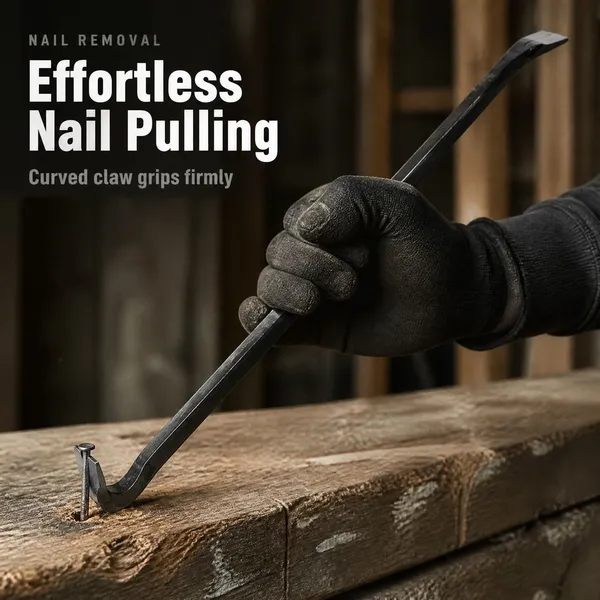 Read More
 -
Curved Sickle Blades for Importers: A Low-Risk, High-Turnover Line That Sells in Every Season
August 28, 2026Curved Brush Sickle Blades with Pre-Drilled Tangs: The All-Round Cutting ToolFrom grass and weeds to harvest and brush — why a fan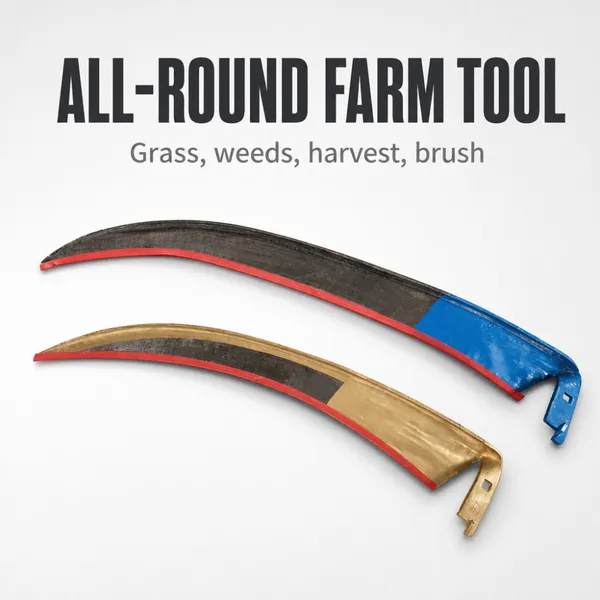 Read More
 -
Carbon Steel Sickles from China: The Complete Guide for Farm Tool Distributors
August 14, 2026How to Import Carbon Steel Sickles from China: The Complete Guide for Farm Tool DistributorsA practical step-by-step guide for dis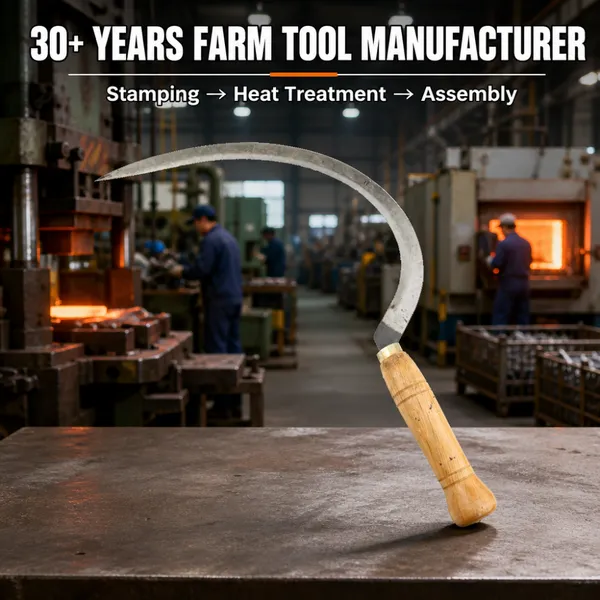 Read More
 -
Welded Manganese Steel Shovels Africa's Go-To Tool for Farming and Construction
July 30, 2026Welded Manganese Steel Shovels: Africa's Go-To Tool for Farming and ConstructionAcross Africa, the shovel is a daily workhorse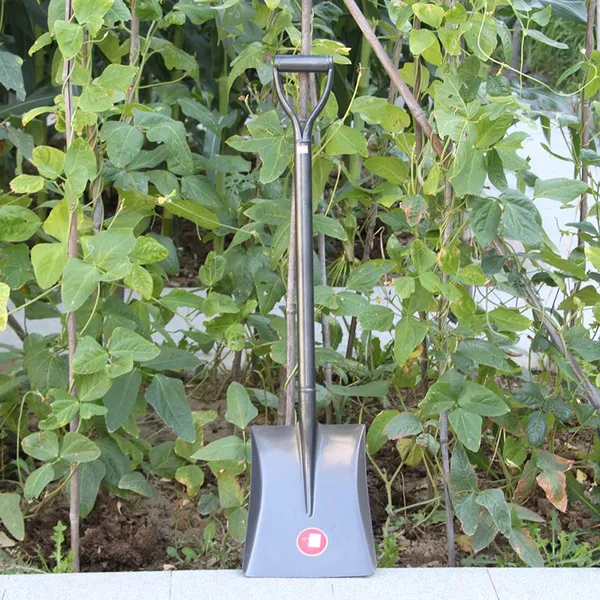 Read More

Contact Us
Recommended Products
-
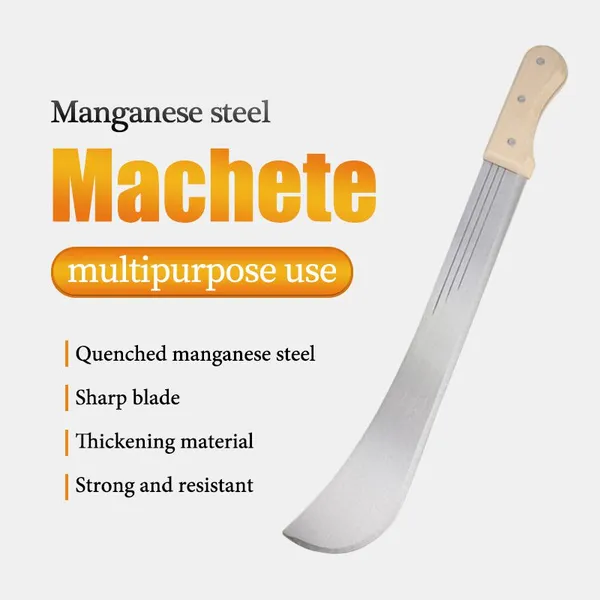
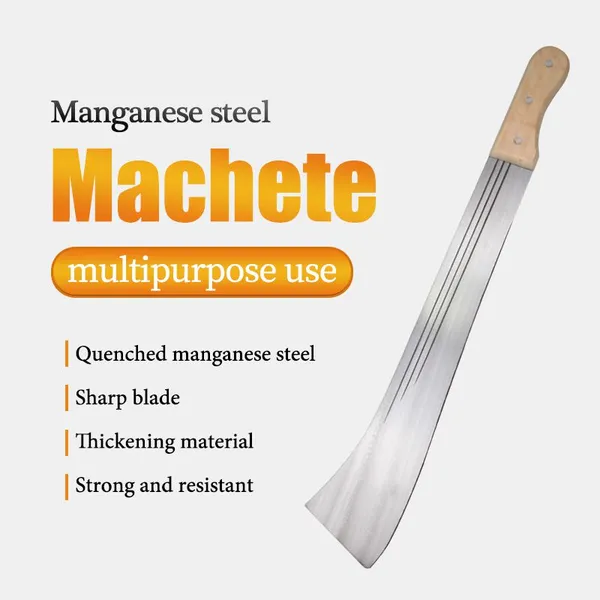
 Heavy Duty Cane Knife Machete for Wholesale Buyers Factory Direct Export for Rural Agricultural Projects Durable Hand ToolNegotiableMOQ: 1200 Pieces
 -
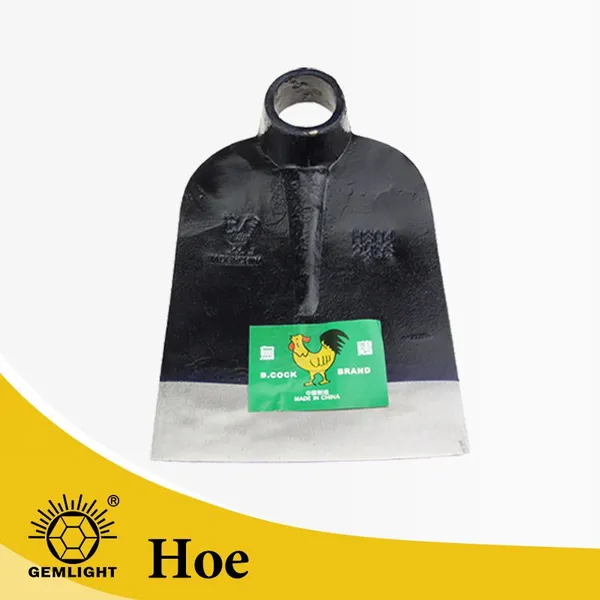
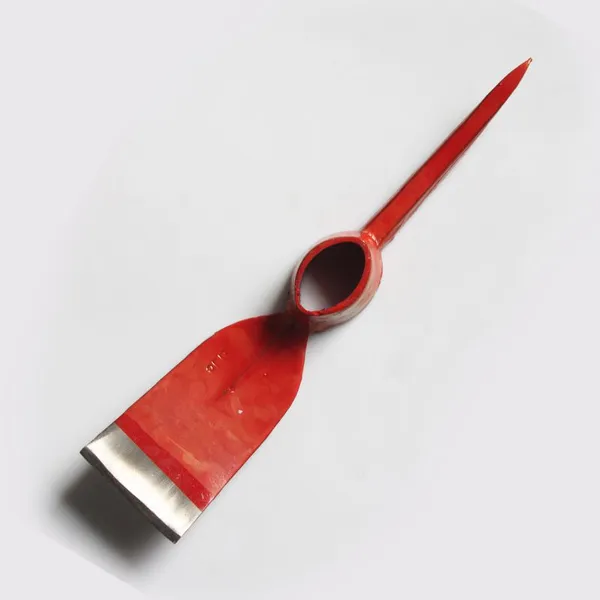
Agricultural Hoe Head Garden Rail Steel Tool for Tough Soil Cheap Price Hand ToolsUS$ 1.07 - 1.27MOQ: 1200 Pieces
-
Sturdy Rail Steel Hoe for Weeding, H305 Perfect for Agricultural and Garden TasksUS$ 1.07 - 1.27MOQ: 1200 Pieces
-
Heavy Duty Manganese Steel Garden Shovel Round Point Digging Shovel With Wooden Handle Farm Tool SupplierUS$ 2.14 - 2.36MOQ: 1200 Pieces
-
Big Shovel Wide Shovel Mud Shovel Heavy Duty Steel Blade for Farm Drainage Soil Moving Cleaning and Landscaping UseUS$ 2.14 - 2.36MOQ: 1200 Pieces
-
Strong Teeth Soil Rake for Farm Tool Suppliers Private Label Export for Farm Maintenance African Distribution Factory Bulk OrderUS$ 0.88 - 1.35MOQ: 2000 Pieces
-
Manual Cane Knife Machete for Wholesale Buyers Factory Direct Export for Rural Agricultural Projects Durable Hand ToolNegotiableMOQ: 1200 Pieces
-
Large High Carbon Steel Machete Knife Agricultural Machete for Farming Bush Cutting Garden Tool SupplierNegotiableMOQ: 1200 Pieces
-
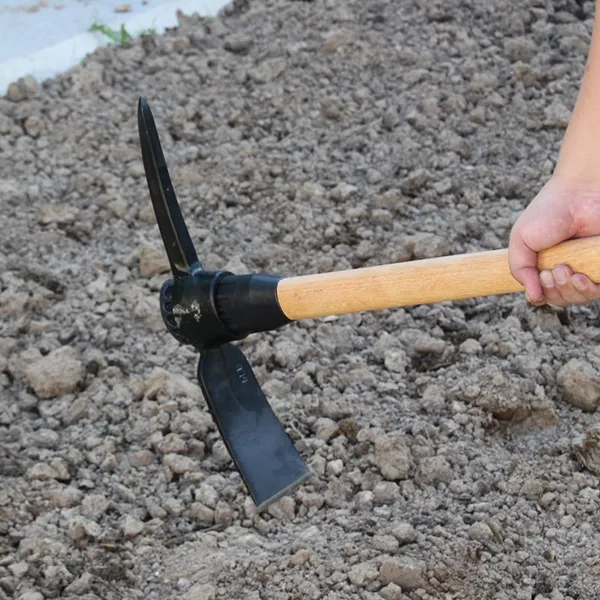
Wholesale Heavy Duty Pick Mattock for Mining Road Work and Farm Digging for Wholesale Tool Dealers With Bulk Order ServiceUS$ 1.85 - 2.3MOQ: 1200 Pieces
-
Carbon Steel Manual Pickaxe for Hard Soil Breaking and Trenching for African Importers With OEM Bulk Order Support Agricultural ToolUS$ 1.85 - 2.3MOQ: 1200 Pieces

-
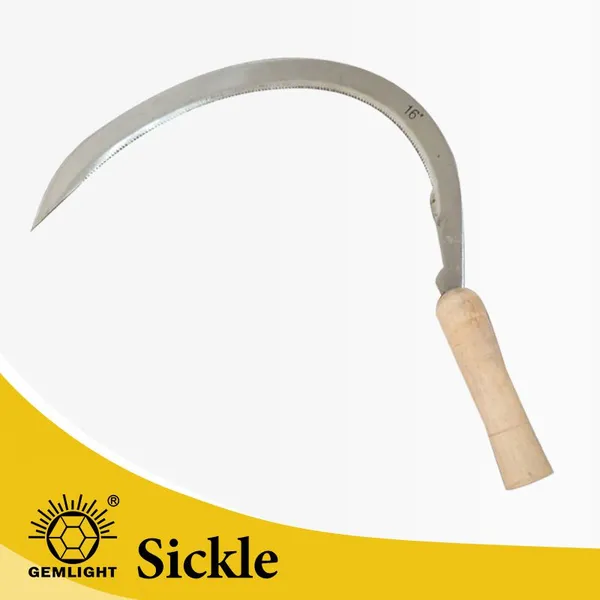
OEM Farm Sickle With Sharp Blade for African Importers OEM Bulk Order Support for Harvesting and Smallholder Farming for Wholesale BUS$ 0.28 - 0.33MOQ: 3000 Pieces
-
Heavy Duty Manganese Steel Round Point Shovel Garden Digging Shovel With Wooden Handle Agricultural Tool ManufacturerUS$ 2.14 - 2.36MOQ: 1200 Pieces
-
Farm Shovel Factory Supply for Regional Import Distributors Bulk Wholesale Supply for Garden Work and Trenching for Agricultural DealersUS$ 2.14 - 2.36MOQ: 1200 Pieces
-
Heavy Duty Garden Rake for African Importers OEM Factory Supply for Agricultural Use African Market Factory Bulk OrderUS$ 0.88 - 1.35MOQ: 2000 Pieces
-
Agricultural Soil Rake for Agricultural Dealers Export Supply for Garden Cleaning African Dealer Channels Factory Bulk OrderUS$ 0.88 - 1.35MOQ: 2000 Pieces
-
Manual Farm Machete for African Importers OEM Factory Supply for Farming and Land Clearing Durable Hand ToolNegotiableMOQ: 1200 Pieces
-
Large Heavy Duty Carbon Steel Garden Landscaping Digging HoeUS$ 1.07 - 1.27MOQ: 1200 Pieces
-
Heavy Duty Rail Steel Mattock Pick Axe With Wooden Handle for Digging Soil Mining and Agricultural Tool SupplierUS$ 1.85 - 2.3MOQ: 1200 Pieces
-
Forged Farm Sickle With Sharp Blade for African Importers OEM Bulk Order Support for Harvesting and Smallholder Farming for WholesalUS$ 0.28 - 0.33MOQ: 3000 Pieces
-
Strong Carbon Steel Farming Sickle for Uganda Tanzania Zambia Agricultural Tool DistributorsUS$ 0.34 - 0.47MOQ: 3000 Pieces