


 Business License

How to Pack Hoes for Sea Shipment: Rust Prevention and Damage Control
How to Pack Hoes for Sea Shipment: Rust Prevention and Damage Control
A hoe can pass every inspection at the factory and still arrive rusty after six weeks at sea.
Most of that damage happens for two reasons: moisture and movement.
Both are controlled by decisions made before the container is closed.
This article explains how to pack hoes so they arrive in sellable condition.
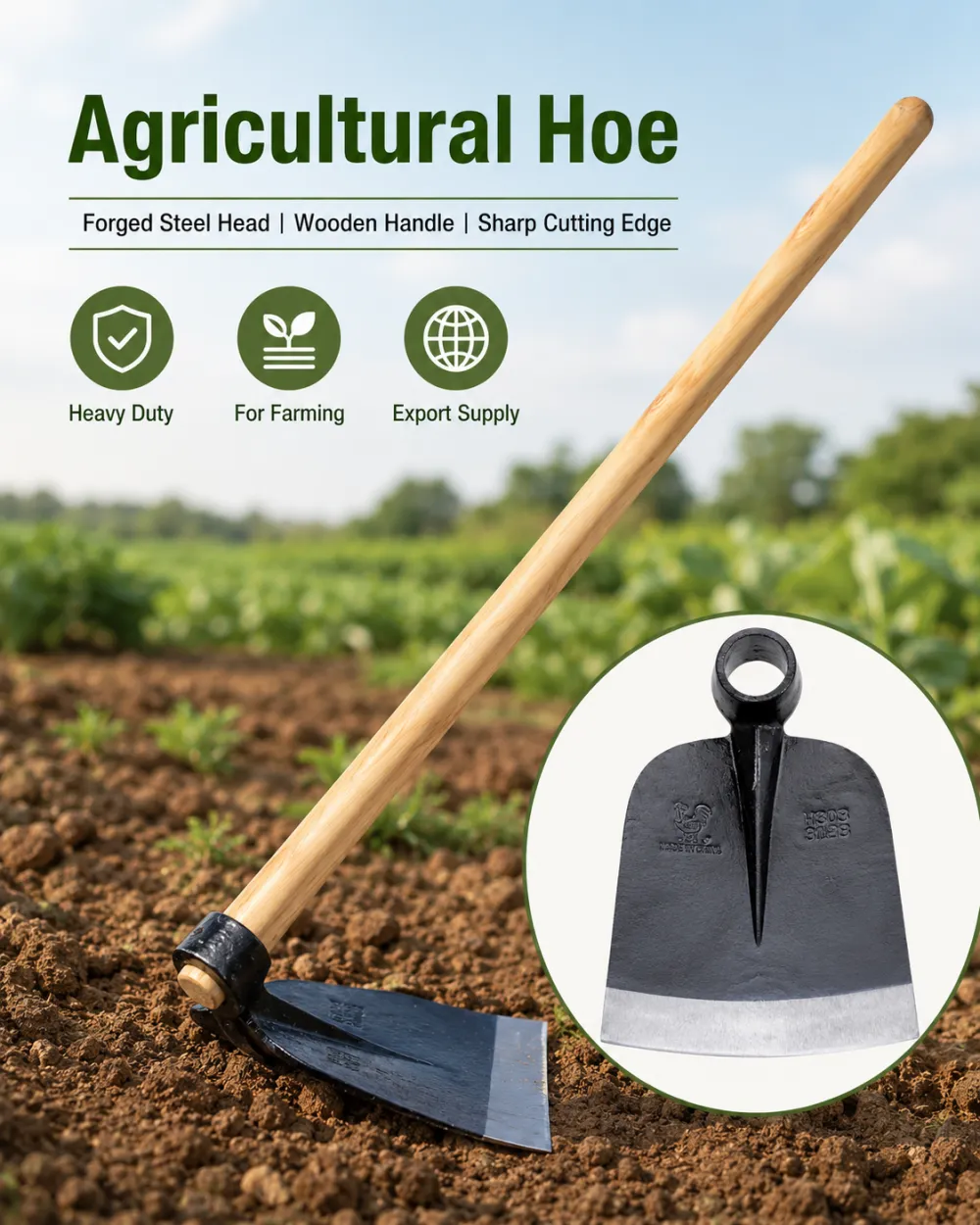
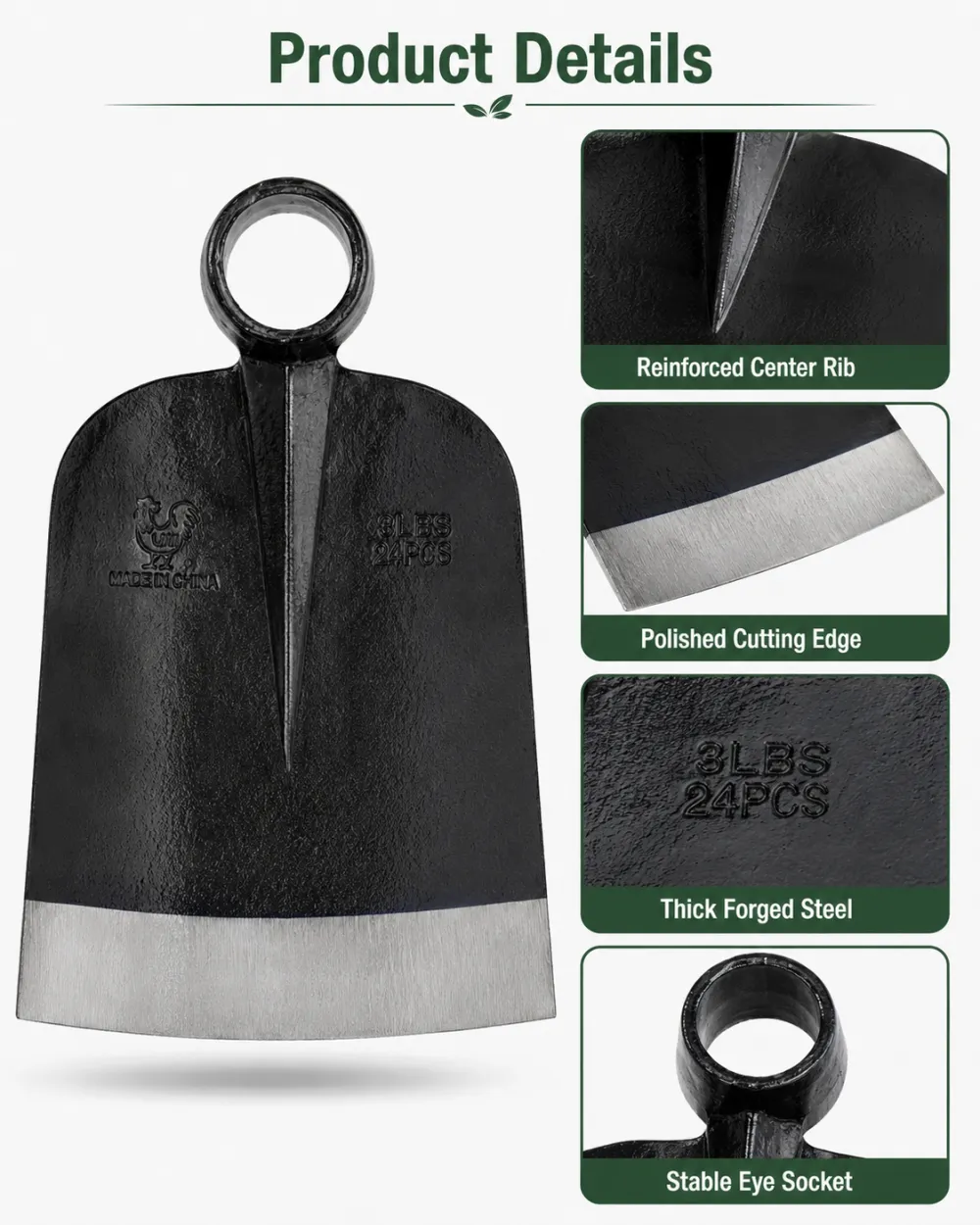
Why Rust Is the Main Claim Driver
Steel plus humidity plus time equals rust, and a sea voyage offers all three.
Humidity inside a container can climb above eighty percent on a long route.
Temperature swings between day and night create condensation on cold metal surfaces.
That condensation drips onto cargo, a problem the industry calls container rain.
Unprotected cutting edges and uncoated sections rust first, because they have no barrier.
Wooden handles add moisture too, and they release it into the closed container.
Salt in the air near ports speeds up the process on any exposed surface.
Understanding this is the first step to preventing it.
Ask your supplier about their history of rust claims on similar routes.
A supplier who tracks claims will already know which packing works.
Then compare their answer with the route length and the season of shipment.
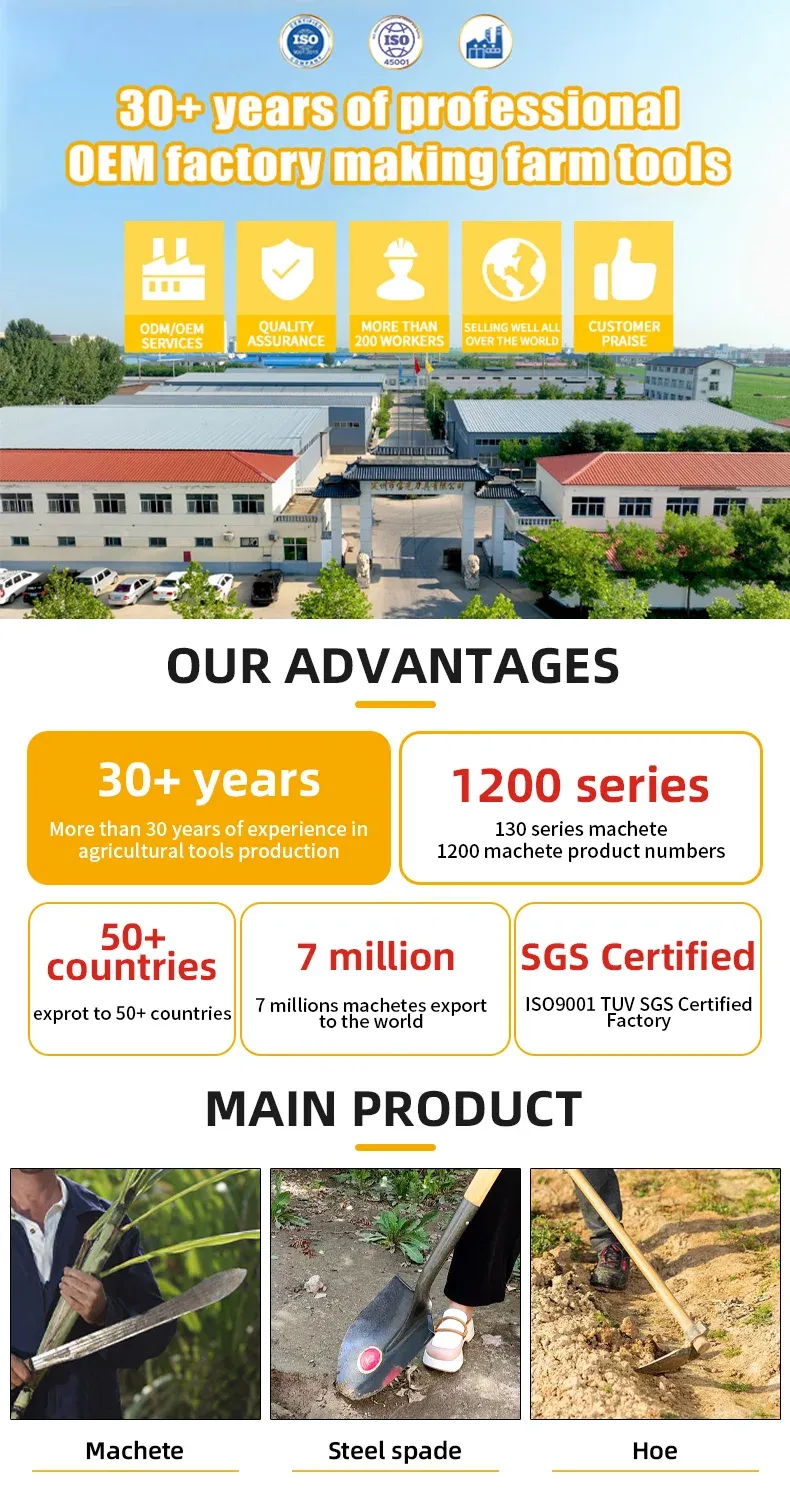
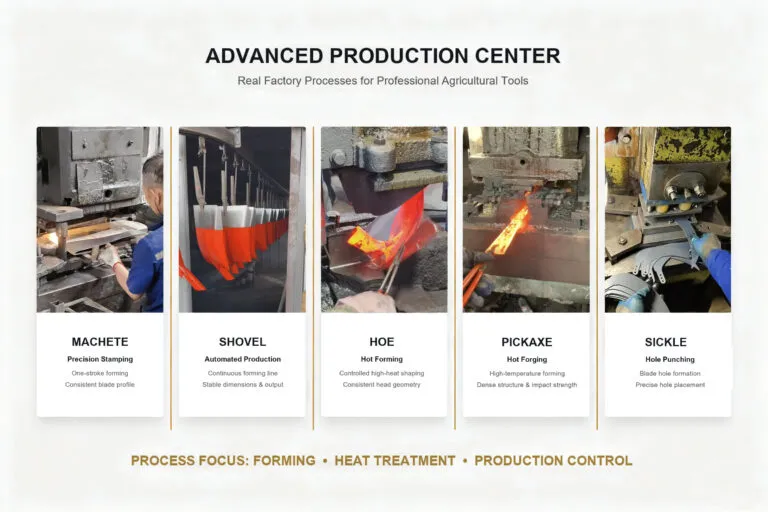
Coating and Surface Treatment Choices
Coating is your main defence, so choose it for the route, not for the photo.
A light oil film protects during transit but disappears in the customer's hands.
Black oxide and phosphating give a dark finish with modest corrosion resistance.
Zinc plating and electro-galvanizing give stronger protection and a brighter look.
Powder coating offers thick, attractive coverage and good resistance to chipping.
Liquid paint costs less and covers well, but it chips more easily on impact.
Ask what coating is applied, how thick it is in microns, and whether the edge is covered.
Avoid coating inside the eye, because extra thickness changes the handle fitting.
Ask for a coating sample that has been through a salt spray test.
Then compare the test hours with the conditions on your shipping route.
Coating quality is one of the cheapest upgrades you can request.
Cartons, Bundles, and Pallet Formats
Packing format changes both protection and cost, so match it to your market.
Individual poly bags keep heads clean and separate, and they cost a little per piece.
VCI bags and VCI paper release corrosion inhibitors that protect steel in humid air.
Strong double-wall cartons protect against crushing during stacking and handling.
Bundles with strapping cost less and save volume, but they offer less retail appeal.
Pallets speed up handling and reduce damage, at a cost of roughly ten percent of container volume.
Add corner protection and blade caps where the tool is heavy or the route is long.
Confirm the carton strength in writing, and ask for the burst or compression test value.
Stacks of eight cartons in a warehouse need strength a single carton never shows.
Ask how many cartons high the supplier expects the goods to be stacked.
Then check that value against your own warehouse stacking plan.
Controlling Moisture Inside the Container
Moisture control is cheap compared with a container of rusty hoes.
Dry the wooden handles to an agreed moisture content before packing.
Store cartons in a dry area, and avoid packing after heavy rain.
Load only a dry container, and inspect the floor and walls before loading starts.
Use desiccant bags sized to the cargo volume and the route length.
Line cartons with moisture-resistant paper where humidity is extreme.
Keep bags of fertilizer or other wet cargo out of the same container.
Ask your supplier to photograph the container before closing, including the desiccants.
Keep the desiccant specification on file, so repeat orders match the first one.
Changing desiccant quantity between shipments is a common and avoidable mistake.
Note the number of desiccant bags and their position inside the container.
Reducing Damage Claims After Arrival
Claims are easier to win when the evidence exists before the vessel sails.
Take photos of the loading process, the cartons, and the container seal.
Record the container number and seal number on the documents.
Arrange a pre-shipment inspection, even a basic one, for large orders.
Inspect the goods on arrival, and photograph any damage before unpacking everything.
Keep damaged samples, because physical evidence supports the claim.
Report problems inside the claim window stated in your contract.
Then share the findings with the supplier, and fix the specification for the next order.
A written claim with photographs gets a faster response than a complaint by email.
Most factories fix packing problems quickly when the evidence is clear.
Then record the fix in the specification, so it survives staff changes.
Review packing performance after every shipment, not only after a problem. Compare the claim rate between suppliers, and share the numbers with them.
Ask for the container's internal humidity reading if the supplier can provide one. Data from your own route is more useful than a general opinion about humidity.
Keep a small stock of desiccants at your warehouse for repacking damaged cartons. A quick repack saves goods that would otherwise be written off.
Photograph every carton you open during the first inspection. Images taken on arrival carry more weight than images taken weeks later.
Set a clear rule for who inspects on arrival, and when. Ambiguity here is how small problems become expensive disputes.
Agree the moisture content of wooden handles in the purchase order. Then the packing decision follows a number, not a habit.
Recently Posted
-
Documents Needed to Bid for a Hoe Supply Contract
October 16, 2026Documents Needed to Bid for a Hoe Supply ContractTender submissions are judged on documents before they are judged on price.A stro Read More
 -
Hoe Specifications in Aid and Emergency Tool Kits: What Tenders Require
October 16, 2026Hoe Specifications in Aid and Emergency Tool Kits: What Tenders RequireAid and emergency programs buy hoes by the tens of thousand Read More
 -
Winning Hoe and Hand Tool Tenders: A Supplier's Guide to Public Bids
October 16, 2026Winning Hoe and Hand Tool Tenders: A Supplier's Guide to Public BidsTender business looks attractive because volumes are large Read More
 -
Certifications and Test Reports to Request from a Hoe Supplier
October 16, 2026Certifications and Test Reports to Request from a Hoe SupplierA hoe is a simple product, but the documents behind it are not alway Read More

Contact Us
Recommended Products
-
 Heavy Duty Cane Knife Machete for Wholesale Buyers Factory Direct Export for Rural Agricultural Projects Durable Hand ToolNegotiableMOQ: 1200 Pieces
 -
Agricultural Hoe Head Garden Rail Steel Tool for Tough Soil Cheap Price Hand ToolsUS$ 1.07 - 1.27MOQ: 1200 Pieces
-
Sturdy Rail Steel Hoe for Weeding, H305 Perfect for Agricultural and Garden TasksUS$ 1.07 - 1.27MOQ: 1200 Pieces
-
Heavy Duty Manganese Steel Garden Shovel Round Point Digging Shovel With Wooden Handle Farm Tool SupplierUS$ 2.14 - 2.36MOQ: 1200 Pieces
-
Big Shovel Wide Shovel Mud Shovel Heavy Duty Steel Blade for Farm Drainage Soil Moving Cleaning and Landscaping UseUS$ 2.14 - 2.36MOQ: 1200 Pieces




-
Strong Teeth Soil Rake for Farm Tool Suppliers Private Label Export for Farm Maintenance African Distribution Factory Bulk OrderUS$ 0.88 - 1.35MOQ: 2000 Pieces
-
Manual Cane Knife Machete for Wholesale Buyers Factory Direct Export for Rural Agricultural Projects Durable Hand ToolNegotiableMOQ: 1200 Pieces
-
Large High Carbon Steel Machete Knife Agricultural Machete for Farming Bush Cutting Garden Tool SupplierNegotiableMOQ: 1200 Pieces
-
Wholesale Heavy Duty Pick Mattock for Mining Road Work and Farm Digging for Wholesale Tool Dealers With Bulk Order ServiceUS$ 1.85 - 2.3MOQ: 1200 Pieces
-
Carbon Steel Manual Pickaxe for Hard Soil Breaking and Trenching for African Importers With OEM Bulk Order Support Agricultural ToolUS$ 1.85 - 2.3MOQ: 1200 Pieces





-
OEM Farm Sickle With Sharp Blade for African Importers OEM Bulk Order Support for Harvesting and Smallholder Farming for Wholesale BUS$ 0.28 - 0.33MOQ: 3000 Pieces
-
Heavy Duty Manganese Steel Round Point Shovel Garden Digging Shovel With Wooden Handle Agricultural Tool ManufacturerUS$ 2.14 - 2.36MOQ: 1200 Pieces
-
Farm Shovel Factory Supply for Regional Import Distributors Bulk Wholesale Supply for Garden Work and Trenching for Agricultural DealersUS$ 2.14 - 2.36MOQ: 1200 Pieces
-
Heavy Duty Garden Rake for African Importers OEM Factory Supply for Agricultural Use African Market Factory Bulk OrderUS$ 0.88 - 1.35MOQ: 2000 Pieces
-
Agricultural Soil Rake for Agricultural Dealers Export Supply for Garden Cleaning African Dealer Channels Factory Bulk OrderUS$ 0.88 - 1.35MOQ: 2000 Pieces





-
Manual Farm Machete for African Importers OEM Factory Supply for Farming and Land Clearing Durable Hand ToolNegotiableMOQ: 1200 Pieces
-
Large Heavy Duty Carbon Steel Garden Landscaping Digging HoeUS$ 1.07 - 1.27MOQ: 1200 Pieces
-
Heavy Duty Rail Steel Mattock Pick Axe With Wooden Handle for Digging Soil Mining and Agricultural Tool SupplierUS$ 1.85 - 2.3MOQ: 1200 Pieces
-
Forged Farm Sickle With Sharp Blade for African Importers OEM Bulk Order Support for Harvesting and Smallholder Farming for WholesalUS$ 0.28 - 0.33MOQ: 3000 Pieces
-
Strong Carbon Steel Farming Sickle for Uganda Tanzania Zambia Agricultural Tool DistributorsUS$ 0.34 - 0.47MOQ: 3000 Pieces





