


 Business License

HS Code for Hoes (8201) and What Importers Should Know About Duty
HS Code for Hoes (8201) and What Importers Should Know About Duty
Every hoe shipment crosses a border with a code attached to it, and that code decides your duty.
Most agricultural hoes fall under HS heading 8201, which covers hand tools with base metal working parts.
Getting the code right is not paperwork theatre. It changes your landed cost and your clearance speed.
This article explains how hoes are classified and which factors change the duty you pay.
It also lists the documents that keep a shipment moving instead of sitting in a customs yard.
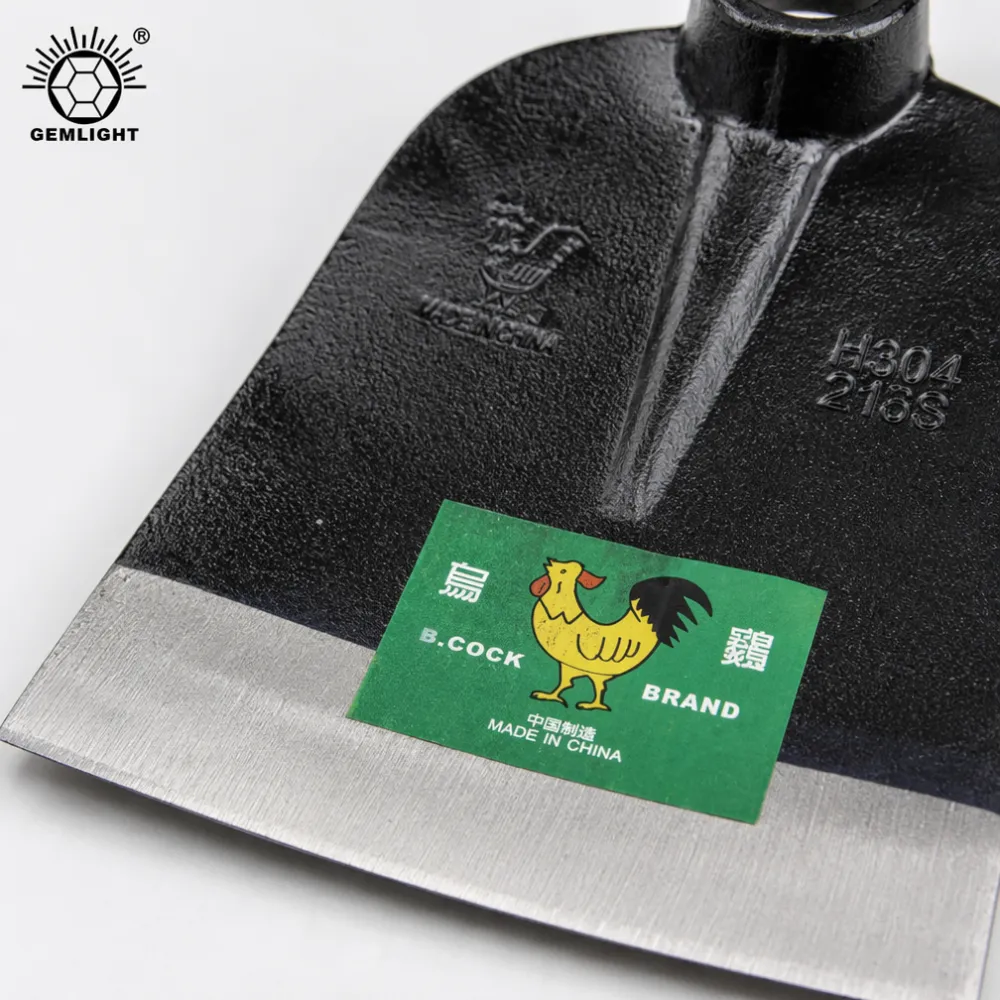
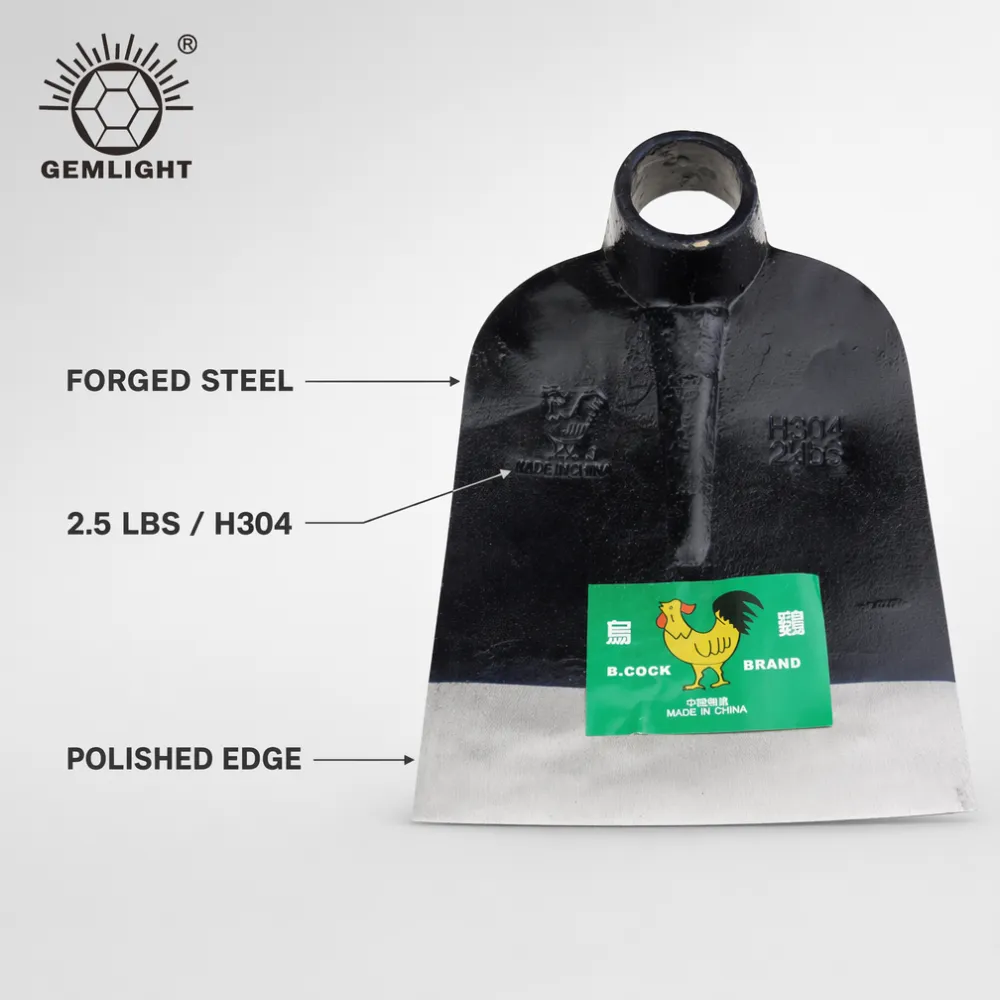
How Hoes Are Classified Under HS 8201
HS heading 8201 covers hand tools of a kind used in agriculture, horticulture, or forestry.
Their working parts must be of base metal, which covers almost every hoe head on the market.
Within that heading, 8201.10 covers spades and shovels, including their base metal parts.
Subheading 8201.30 covers mattocks, picks, hoes, and rakes, and their parts as well.
So a complete hoe and a bare hoe head usually travel under the same six-digit subheading.
Wooden handles are normally treated as part of the tool, so they follow the tool's classification.
Always confirm with your customs broker, because national schedules add their own extra digits.
Those extra digits matter, because duty rates differ between subheadings.
Ask your broker to record the classification in writing for your shipment file.
The same hoe can be classified differently if it is imported as a head only.
Which Factors Change Your Duty Rate
The duty rate depends on the origin of the goods, not on the nationality of your supplier.
Free trade agreements can reduce or remove duty, but only when the origin rules are satisfied.
Some countries apply a zero or very low base rate, while additional trade measures may still apply.
In the United States, HTS 8201.30.00 carries a free general rate, with a much higher Column 2 rate.
Importers must still check current trade measures, because these change with policy decisions.
In the European Union, check the TARIC database, and in the UK check the trade tariff service.
Value added tax is separate from duty, and it is usually payable at the point of import.
Duty is calculated on the customs value, which usually includes freight and insurance.
So a cheaper product with expensive freight can carry a similar total cost.
Use the landed cost figure when you compare suppliers in different countries.
Documents That Speed Up Customs Clearance
A precise commercial invoice is the most useful document you can prepare.
Describe the goods clearly, including material, dimensions, weight, quantity, and the HS code.
Include the packing list with carton counts, dimensions, and gross weights per carton.
A certificate of origin supports preferential duty rates, so request the right format early.
Wood packaging usually needs heat treatment, ISPM 15 marking, and the related certificate.
Keep product specification sheets ready, because customs may ask what the item actually is.
Send copies to your broker before the vessel arrives, not after it berths.
Set a reminder for the estimated arrival date, and check documents seven days ahead.
Small gaps found early are cheap to fix, and expensive to fix at the port.
Keep a standing document list, so every shipment follows the same process.
Common Classification Mistakes to Avoid
Describing goods simply as "garden tools" invites questions and creates delays.
Mixing bare heads and complete tools on one invoice line makes verification harder.
Using a general tool subheading instead of the correct one can change the duty you owe.
Leaving the HS code off the invoice forces your broker to guess, and guesses cause holds.
Claiming preferential rates without supporting origin documents is a common audit problem.
Wrong weights and quantities create mismatches between invoice, packing list, and manifest.
Under-declaring value to reduce duty creates penalties that far exceed the original saving.
Customs authorities compare declared values against databases of similar shipments.
A small saving rarely justifies the risk of penalties or delayed future shipments.
Declare the goods exactly as they are, and let the classification do the work.
Getting a Binding Ruling Before You Ship
For large or repeating orders, ask a customs authority for a written classification decision.
The United States issues binding rulings, and the European Union issues Binding Tariff Information.
These rulings remove uncertainty and protect you during later audits.
Ask your supplier to state the HS code they use on export documents, in writing.
Then compare it with the code your broker recommends for the import declaration.
If the two codes differ, resolve the difference before the goods leave the port.
A one-page confirmation now is cheaper than a customs dispute later.
Keep the ruling with your shipment records, and share it with your broker.
Then reuse the same classification for every repeat order of the same product.
Review it once a year, because tariff schedules and trade measures change.
Share the ruling with your accountant as well, because it affects your cost records. Then store it in the same folder as the invoice and packing list.
When you change the product design, check whether the classification still applies. A change in material or function can move the goods to a different subheading.
Ask your supplier to keep the same product description on every shipment. Consistent descriptions reduce the chance of a customs query or delay.
If your broker and your supplier disagree, ask both to explain their reasoning. The answer usually shows which one has the more accurate information.
Recently Posted
-
Documents Needed to Bid for a Hoe Supply Contract
October 16, 2026Documents Needed to Bid for a Hoe Supply ContractTender submissions are judged on documents before they are judged on price.A stro Read More
 -
Hoe Specifications in Aid and Emergency Tool Kits: What Tenders Require
October 16, 2026Hoe Specifications in Aid and Emergency Tool Kits: What Tenders RequireAid and emergency programs buy hoes by the tens of thousand Read More
 -
Winning Hoe and Hand Tool Tenders: A Supplier's Guide to Public Bids
October 16, 2026Winning Hoe and Hand Tool Tenders: A Supplier's Guide to Public BidsTender business looks attractive because volumes are large Read More
 -
How to Pack Hoes for Sea Shipment: Rust Prevention and Damage Control
October 16, 2026How to Pack Hoes for Sea Shipment: Rust Prevention and Damage ControlA hoe can pass every inspection at the factory and still arri Read More

Contact Us
Recommended Products
-
 Heavy Duty Cane Knife Machete for Wholesale Buyers Factory Direct Export for Rural Agricultural Projects Durable Hand ToolNegotiableMOQ: 1200 Pieces
 -
Agricultural Hoe Head Garden Rail Steel Tool for Tough Soil Cheap Price Hand ToolsUS$ 1.07 - 1.27MOQ: 1200 Pieces
-
Sturdy Rail Steel Hoe for Weeding, H305 Perfect for Agricultural and Garden TasksUS$ 1.07 - 1.27MOQ: 1200 Pieces
-
Heavy Duty Manganese Steel Garden Shovel Round Point Digging Shovel With Wooden Handle Farm Tool SupplierUS$ 2.14 - 2.36MOQ: 1200 Pieces
-
Big Shovel Wide Shovel Mud Shovel Heavy Duty Steel Blade for Farm Drainage Soil Moving Cleaning and Landscaping UseUS$ 2.14 - 2.36MOQ: 1200 Pieces





-
Strong Teeth Soil Rake for Farm Tool Suppliers Private Label Export for Farm Maintenance African Distribution Factory Bulk OrderUS$ 0.88 - 1.35MOQ: 2000 Pieces
-
Manual Cane Knife Machete for Wholesale Buyers Factory Direct Export for Rural Agricultural Projects Durable Hand ToolNegotiableMOQ: 1200 Pieces
-
Large High Carbon Steel Machete Knife Agricultural Machete for Farming Bush Cutting Garden Tool SupplierNegotiableMOQ: 1200 Pieces
-
Wholesale Heavy Duty Pick Mattock for Mining Road Work and Farm Digging for Wholesale Tool Dealers With Bulk Order ServiceUS$ 1.85 - 2.3MOQ: 1200 Pieces
-
Carbon Steel Manual Pickaxe for Hard Soil Breaking and Trenching for African Importers With OEM Bulk Order Support Agricultural ToolUS$ 1.85 - 2.3MOQ: 1200 Pieces





-
OEM Farm Sickle With Sharp Blade for African Importers OEM Bulk Order Support for Harvesting and Smallholder Farming for Wholesale BUS$ 0.28 - 0.33MOQ: 3000 Pieces
-
Heavy Duty Manganese Steel Round Point Shovel Garden Digging Shovel With Wooden Handle Agricultural Tool ManufacturerUS$ 2.14 - 2.36MOQ: 1200 Pieces
-
Farm Shovel Factory Supply for Regional Import Distributors Bulk Wholesale Supply for Garden Work and Trenching for Agricultural DealersUS$ 2.14 - 2.36MOQ: 1200 Pieces
-
Heavy Duty Garden Rake for African Importers OEM Factory Supply for Agricultural Use African Market Factory Bulk OrderUS$ 0.88 - 1.35MOQ: 2000 Pieces
-
Agricultural Soil Rake for Agricultural Dealers Export Supply for Garden Cleaning African Dealer Channels Factory Bulk OrderUS$ 0.88 - 1.35MOQ: 2000 Pieces





-
Manual Farm Machete for African Importers OEM Factory Supply for Farming and Land Clearing Durable Hand ToolNegotiableMOQ: 1200 Pieces
-
Large Heavy Duty Carbon Steel Garden Landscaping Digging HoeUS$ 1.07 - 1.27MOQ: 1200 Pieces
-
Heavy Duty Rail Steel Mattock Pick Axe With Wooden Handle for Digging Soil Mining and Agricultural Tool SupplierUS$ 1.85 - 2.3MOQ: 1200 Pieces
-
Forged Farm Sickle With Sharp Blade for African Importers OEM Bulk Order Support for Harvesting and Smallholder Farming for WholesalUS$ 0.28 - 0.33MOQ: 3000 Pieces
-
Strong Carbon Steel Farming Sickle for Uganda Tanzania Zambia Agricultural Tool DistributorsUS$ 0.34 - 0.47MOQ: 3000 Pieces





