


 Business License

What Is the Difference Between a Shovel and a Spade for Wholesale Buyers?
What Is the Difference Between a Shovel and a Spade for Wholesale Buyers?
Buyers often use the words shovel and spade for the same tool, but in the wholesale trade they are two different products.
That difference decides blade shape, steel weight, handle length, packing size, and your final landed cost per unit.
This guide explains the difference in plain language and shows how each term behaves on a container order.
The Short Answer: Shape and Job
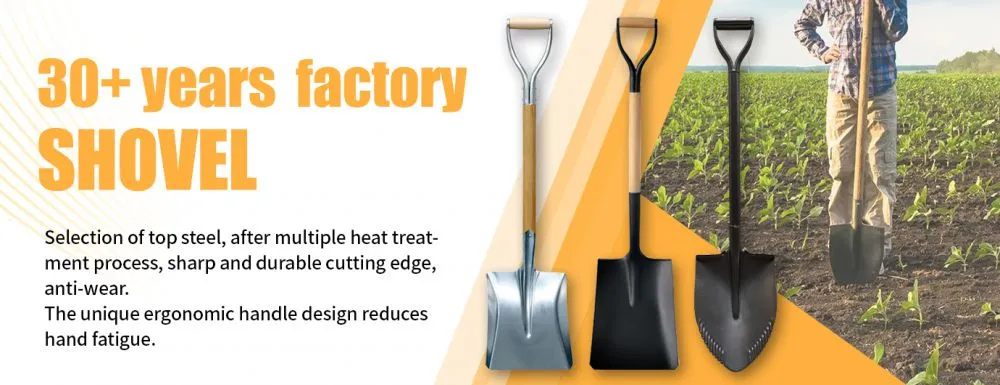
A spade has a flat, rectangular blade with a sharpened front edge that slices cleanly into soil and turf.
The blade sits almost straight on the handle, so the tool cuts downward instead of scooping material sideways.
The blade is narrow, which lets a trained user cut a neat edge along a path or a garden bed.
A shovel has a curved, dish-shaped blade with raised sides that hold material during a lift.
It is built for carrying sand, grain, gravel, soil, or snow from one place to another.
The blade is wider and rounder, so it moves a larger volume of loose material in one movement.
A spade also cuts through roots and turf, which a scooping shovel cannot do cleanly.
So a spade cuts and a shovel carries, and that single line covers most everyday buying decisions.
In everyday speech the two words overlap, and that overlap is exactly where ordering mistakes begin.
In most product catalogs the flat digging tool is listed as a spade, whatever the printed label says.
A long-handled scoop for grain, coal, or gravel is listed as a shovel, because it moves material.
One simple question settles the category: does the tool cut soil, or does it move soil?
What Changes on the Purchase Order
Blade shape is the first detail to fix in a written request, because it sets the tool's whole function.
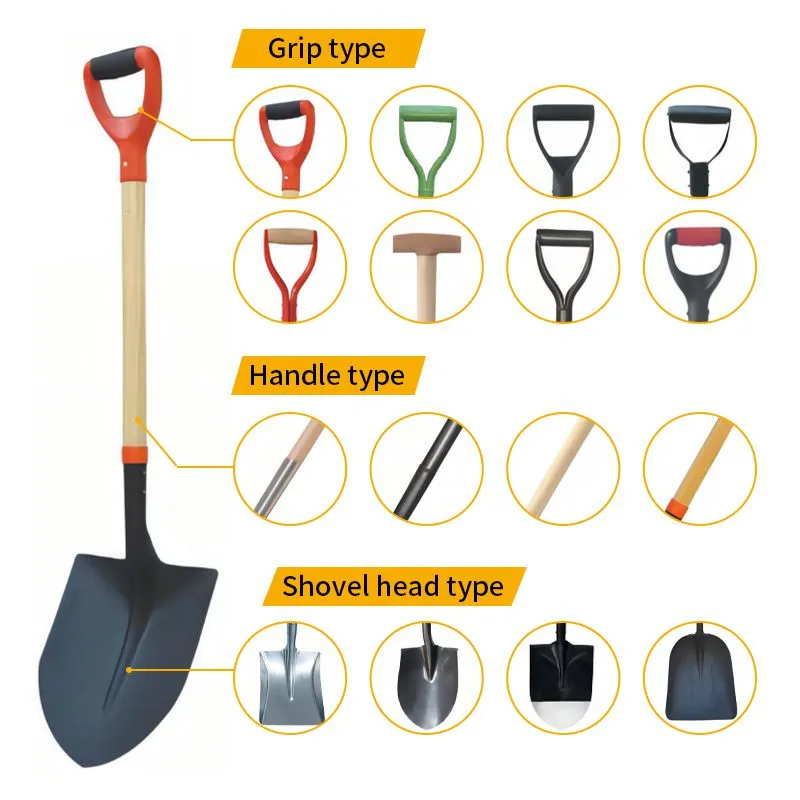
A flat blade needs a straight edge and steel that resists bending when a user pries out roots.
A dished blade needs formed sides, so loose material cannot spill out during a full lift.
Handle length differs as well, and spades usually run shorter to give the user more accurate control.
Shovels usually run longer, which gives leverage for lifting and throwing material a few meters away.
Thicker blades and longer handles add steel weight, and that extra weight raises the unit cost.
Socket type matters too, because a solid socket suits heavy digging, prying, and professional daily work.
An open or closed socket changes the assembly steps, the welding time, and the final factory price.
Handle material also moves the price, whether you order hardwood, fiberglass, or painted steel tube.
Packing follows these choices, because longer handles reduce how many finished units fit per carton.
Ask for a drawing or a measured photo, since two factories may name the same shape differently.
Why the Terminology Confuses Overseas Buyers
In the UK and Ireland, a spade is the flat digging tool with a straight, sharpened edge.
In the United States, buyers often say shovel for both tools, including the flat digging type.
Australian and New Zealand buyers may also use shovel for the digging type in retail stores.
A purchase order that only says shovel can easily land on the wrong item at the factory.
That mistake becomes expensive once the container is loaded and the goods are already shipped.
A clear photo with a ruler in the frame removes most of that risk before the order is placed.
A short specification line with blade size and handle length removes the rest of it.
Experienced importers attach a photo to every request, even when the wording looks obvious to them.
A printed catalog page is not enough on its own, because labels change between suppliers.
A short video of the sample beside a tape measure answers most doubts in one minute.
How to Write a Clear RFQ
Start with the job: digging, scooping, trenching, cutting turf, or moving grain.
Name the blade shape, such as flat, round point, square point, or wide scoop.
Give blade width and blade length in millimeters instead of vague descriptive words.
State the handle material and length, and mention any color, brand, or label requirement.
Describe the packing you need, such as units per carton and maximum pallet height.
Ask for an FOB price with those details named, so two suppliers' quotes can compare fairly.
Request a sample before the bulk run, then approve it in writing with clear photos.
A short sample approval today saves a costly claim after delivery and protects both sides.
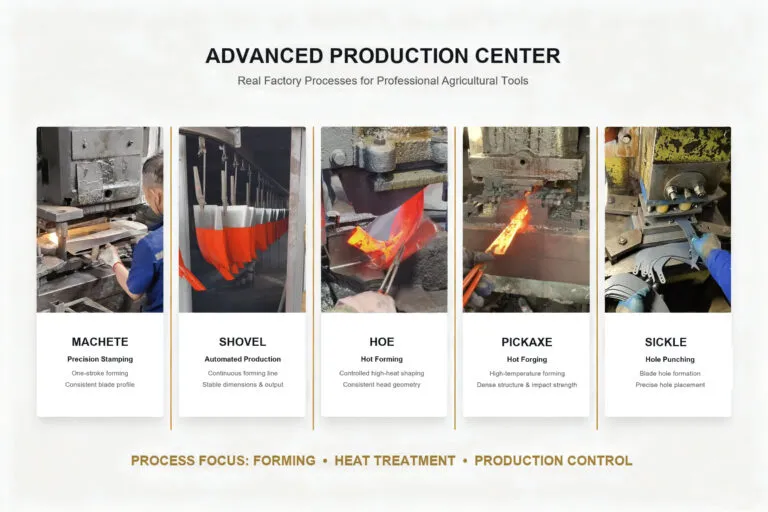
Ask who makes the blade: a factory with its own press shop, or a trader reselling other plants.
That question tells you how fast a real change in blade thickness can be handled for you.
Confirm the surface finish as well, because painted, powder-coated, and polished blades look different.
Keep the approved sample photo attached to your purchase order for every repeat production run.
Choosing the Right Term for Your Market
Choose by the end user's job, not by a label on an old catalog page.
If the tool cuts and lifts soil, order a spade for that customer group.
If the tool moves loose material, order a shovel and specify the scoop width.
Then check which word your local customers actually use in shops and online listings.
A hardware retailer may sell both, so the shelf label affects sales more than the wording.
A landscaping contractor usually knows the difference and buys by job type and blade size.
Send the shape, the size, and the job to your supplier before you place any order.
A reliable factory will match the tool to the work, whatever you decide to call it.
Keep one approved sample on file, so every repeat order matches the first approved shipment.
Ask your supplier to mark each carton with the model name you use in your own catalog.
That is how a small wording gap stops becoming a wrong shipment on your account.
Recently Posted
-
Documents Needed to Bid for a Hoe Supply Contract
October 16, 2026Documents Needed to Bid for a Hoe Supply ContractTender submissions are judged on documents before they are judged on price.A stro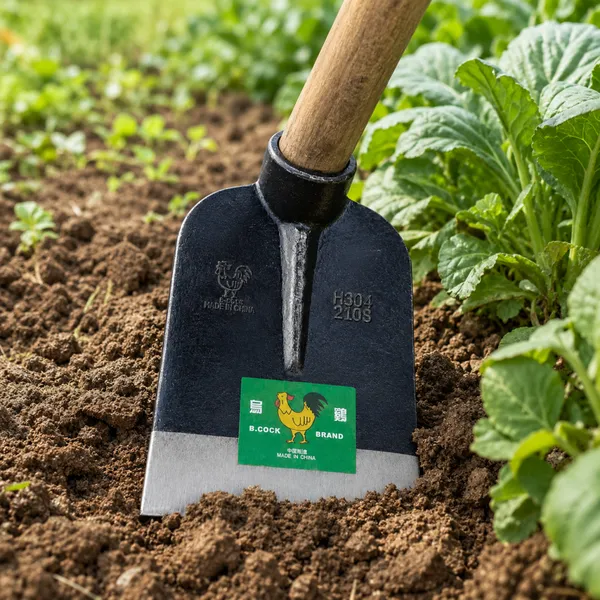 Read More
 -
Hoe Specifications in Aid and Emergency Tool Kits: What Tenders Require
October 16, 2026Hoe Specifications in Aid and Emergency Tool Kits: What Tenders RequireAid and emergency programs buy hoes by the tens of thousand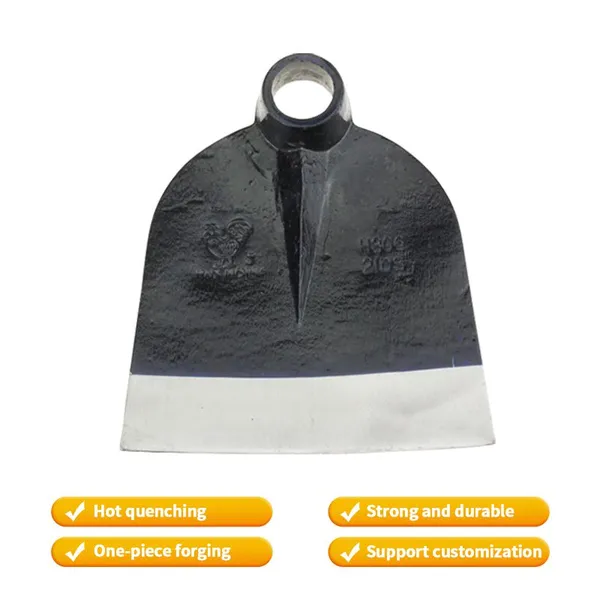 Read More
 -
Winning Hoe and Hand Tool Tenders: A Supplier's Guide to Public Bids
October 16, 2026Winning Hoe and Hand Tool Tenders: A Supplier's Guide to Public BidsTender business looks attractive because volumes are large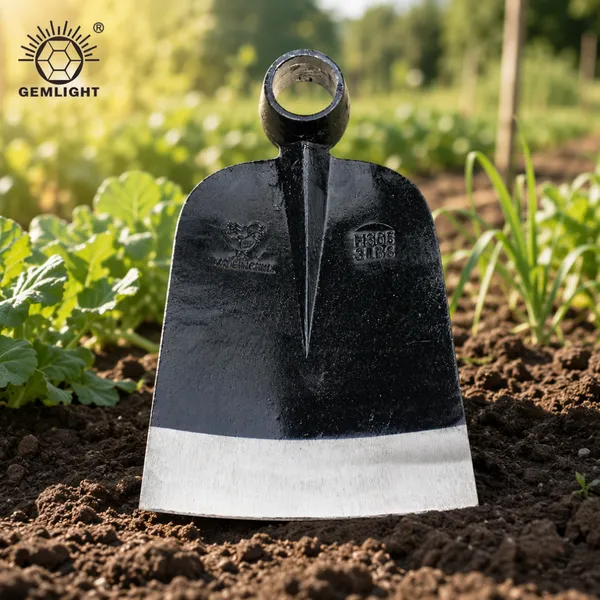 Read More
 -
How to Pack Hoes for Sea Shipment: Rust Prevention and Damage Control
October 16, 2026How to Pack Hoes for Sea Shipment: Rust Prevention and Damage ControlA hoe can pass every inspection at the factory and still arri Read More

Contact Us
Recommended Products
-
 Heavy Duty Cane Knife Machete for Wholesale Buyers Factory Direct Export for Rural Agricultural Projects Durable Hand ToolNegotiableMOQ: 1200 Pieces
 -
Agricultural Hoe Head Garden Rail Steel Tool for Tough Soil Cheap Price Hand ToolsUS$ 1.07 - 1.27MOQ: 1200 Pieces
-
Sturdy Rail Steel Hoe for Weeding, H305 Perfect for Agricultural and Garden TasksUS$ 1.07 - 1.27MOQ: 1200 Pieces
-
Heavy Duty Manganese Steel Garden Shovel Round Point Digging Shovel With Wooden Handle Farm Tool SupplierUS$ 2.14 - 2.36MOQ: 1200 Pieces
-
Big Shovel Wide Shovel Mud Shovel Heavy Duty Steel Blade for Farm Drainage Soil Moving Cleaning and Landscaping UseUS$ 2.14 - 2.36MOQ: 1200 Pieces





-
Strong Teeth Soil Rake for Farm Tool Suppliers Private Label Export for Farm Maintenance African Distribution Factory Bulk OrderUS$ 0.88 - 1.35MOQ: 2000 Pieces
-
Manual Cane Knife Machete for Wholesale Buyers Factory Direct Export for Rural Agricultural Projects Durable Hand ToolNegotiableMOQ: 1200 Pieces
-
Large High Carbon Steel Machete Knife Agricultural Machete for Farming Bush Cutting Garden Tool SupplierNegotiableMOQ: 1200 Pieces
-
Wholesale Heavy Duty Pick Mattock for Mining Road Work and Farm Digging for Wholesale Tool Dealers With Bulk Order ServiceUS$ 1.85 - 2.3MOQ: 1200 Pieces
-
Carbon Steel Manual Pickaxe for Hard Soil Breaking and Trenching for African Importers With OEM Bulk Order Support Agricultural ToolUS$ 1.85 - 2.3MOQ: 1200 Pieces





-
OEM Farm Sickle With Sharp Blade for African Importers OEM Bulk Order Support for Harvesting and Smallholder Farming for Wholesale BUS$ 0.28 - 0.33MOQ: 3000 Pieces
-
Heavy Duty Manganese Steel Round Point Shovel Garden Digging Shovel With Wooden Handle Agricultural Tool ManufacturerUS$ 2.14 - 2.36MOQ: 1200 Pieces
-
Farm Shovel Factory Supply for Regional Import Distributors Bulk Wholesale Supply for Garden Work and Trenching for Agricultural DealersUS$ 2.14 - 2.36MOQ: 1200 Pieces
-
Heavy Duty Garden Rake for African Importers OEM Factory Supply for Agricultural Use African Market Factory Bulk OrderUS$ 0.88 - 1.35MOQ: 2000 Pieces
-
Agricultural Soil Rake for Agricultural Dealers Export Supply for Garden Cleaning African Dealer Channels Factory Bulk OrderUS$ 0.88 - 1.35MOQ: 2000 Pieces





-
Manual Farm Machete for African Importers OEM Factory Supply for Farming and Land Clearing Durable Hand ToolNegotiableMOQ: 1200 Pieces
-
Large Heavy Duty Carbon Steel Garden Landscaping Digging HoeUS$ 1.07 - 1.27MOQ: 1200 Pieces
-
Heavy Duty Rail Steel Mattock Pick Axe With Wooden Handle for Digging Soil Mining and Agricultural Tool SupplierUS$ 1.85 - 2.3MOQ: 1200 Pieces
-
Forged Farm Sickle With Sharp Blade for African Importers OEM Bulk Order Support for Harvesting and Smallholder Farming for WholesalUS$ 0.28 - 0.33MOQ: 3000 Pieces
-
Strong Carbon Steel Farming Sickle for Uganda Tanzania Zambia Agricultural Tool DistributorsUS$ 0.34 - 0.47MOQ: 3000 Pieces





