


 Business License

Shovel vs. Spade: Which Tool Should an Importer Stock First?
Shovel vs. Spade: Which Tool Should an Importer Stock First?
Importers often ask a simple question: should the first order be shovels or spades?
The honest answer is that it depends on who buys from you and how they use the tool.
This article gives you a practical way to decide with limited market data and limited cash.
Start With Your Customers, Not the Tool
A spade sells best to gardeners, landscapers, and turf workers who manage small planted areas.
A shovel sells best to builders, farms, and warehouses that move bulk material every working day.
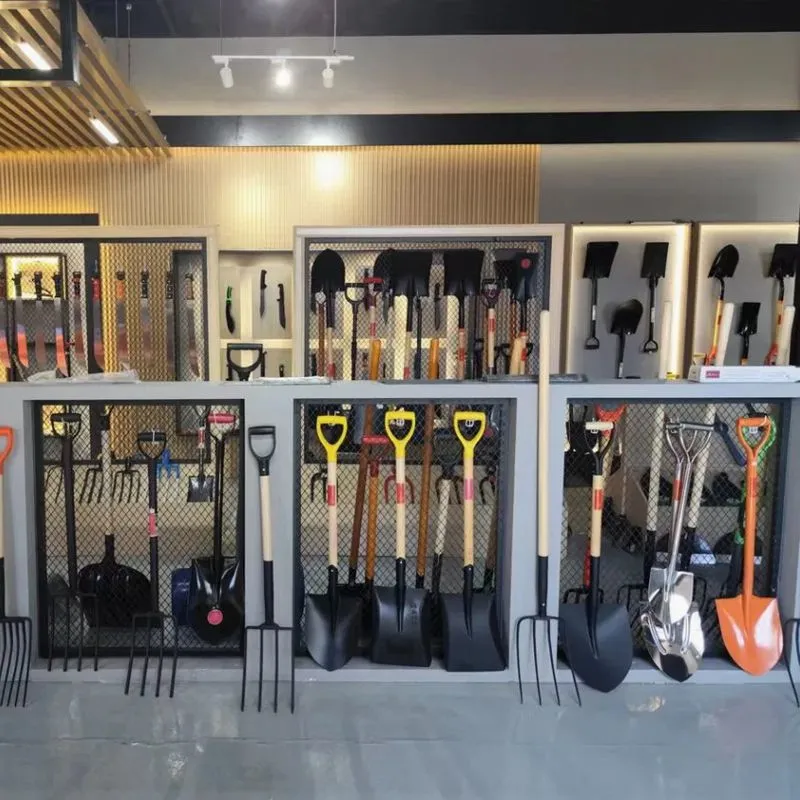
A hardware store usually needs both types, because walk-in customers buy by job and season.
A farm supply dealer often weights the range toward long-handled scoops and heavy digging shovels.
A landscaping supplier usually sells more round-point shovels than flat garden spades.
Two customers with the same job title may still buy different tools in different regions.
Write down your ten biggest customers and note what they actually ask for by name.
That list will decide your first container far more accurately than any general industry rule.
Also note the price range your customers already accept, because that caps your landed cost.
Importers who serve mixed markets often stock both tools in small quantities first.
If you cannot name those customers yet, start with the tool that has the widest range of uses.
The Demand Case for Each Tool
A shovel covers more jobs, so it usually turns over faster inside a mixed product range.
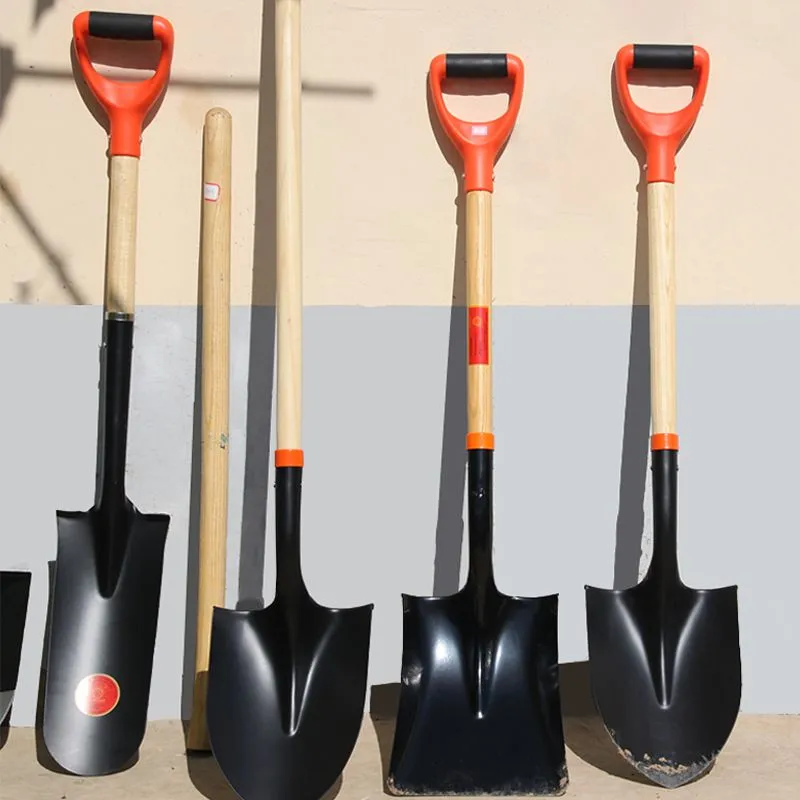
Round-point shovels suit digging, mixing, and moving soil on construction and farm sites.
Square-point shovels suit scooping grain, sand, and gravel from flat concrete surfaces.
A spade takes more careful forming to make, and it sells in smaller numbers than a shovel.
Even so, a good garden spade attracts buyers who care about a sharp edge and clean cuts.
Drain spades sell to a narrower group, mostly drainage contractors, plumbers, and utility crews.
If your market is agricultural, long-handled scoops and digging shovels usually move first.
If your market is retail gardening, spades and smaller digging tools usually move first.
Shovels also sell through most of the year, while spade demand often peaks in planting season.
Scoop shovels for grain move quickly in farming regions right after the harvest.
Watch local buying patterns before you order, because those two seasons rarely overlap.
Regional soil also matters, since heavy clay pushes buyers toward stronger flat blades.
Short-handled spades sell well to home gardeners, who usually buy one tool at a time.
What a First Order Should Look Like
Do not spend the entire budget on one model, even when the factory price looks attractive.
A first order with three or four models will tell you what your market actually buys.
Keep the blade shapes simple: one round point, one square point, and one flat spade.
Add one long-handled scoop if your customers handle grain, aggregate, or light bulk goods.
Order enough units to test retail pricing, but not a full container of a single item.
Ask the factory about a mixed container, which many Chinese suppliers are willing to arrange.
Request samples of every model before the bulk run, and approve each one in writing.
Record the approved blade thickness, unit weight, and handle length in your own file.
Ask the factory to keep the model numbers fixed, so restocking stays simple and repeatable.
Those records become your reference when you compare quotes from other factories later.
Plan for a replacement order lead time of about thirty days by sea from China.
Also confirm the packaging marks you need, because retail-ready packing adds cost and time.
Price, Packing, and Container Planning
Blade thickness drives both strength and cost, so compare thickness before comparing prices.
A blade of 1.5 mm and one of 2.0 mm are different products sold at different price points.
Long handles take volume, so they reduce the number of finished units that fit in a container.
Ask for units per carton, carton measurements, and how many cartons stand on one pallet.
Those packing numbers often decide your freight cost more than the factory price does.
Mixing thin and thick blades in one order can confuse your own warehouse staff later.
Air freight rarely makes sense for heavy steel tools unless the order value is very high.
Sea freight needs forward planning, so confirm the booking before production finishes.
Keep one backup model quoted as well, in case your best seller sells out before restocking.
Compare landed cost, not FOB price alone, when you judge which model really earns more.
A cheap blade that customers return costs more than a thicker blade that keeps working.
Ask for a price break table, so you can plan the second order before the first one ships.
A Simple Stocking Test Before You Commit
Buy a small batch of each candidate tool and place them with two or three regular customers.
Then ask those customers one direct question: which tool did you reach for most often?
Their answer tells you what to reorder before you commit to a full container of steel.
Track sell-through per model rather than total sales, so slow items become visible early.
Drop the slowest model from the next order and double the quantity of the fastest one.
Repeat that cycle twice, and your product range starts to match your real market.
Write the winning specification on a single page and use it as your standing order sheet.
If you still cannot decide, stock the shovel first, because it has more daily uses.
Then add spades once your customers begin asking for them by that name.
Keep a simple sheet of model, quantity, and sell-through rate for every shipment you receive.
That sheet turns a guess about the next container into a number you can defend.
Whichever you choose, keep blade thickness and handle length consistent between orders.
Recently Posted
-
Documents Needed to Bid for a Hoe Supply Contract
October 16, 2026Documents Needed to Bid for a Hoe Supply ContractTender submissions are judged on documents before they are judged on price.A stro Read More
 -
Hoe Specifications in Aid and Emergency Tool Kits: What Tenders Require
October 16, 2026Hoe Specifications in Aid and Emergency Tool Kits: What Tenders RequireAid and emergency programs buy hoes by the tens of thousand Read More
 -
Winning Hoe and Hand Tool Tenders: A Supplier's Guide to Public Bids
October 16, 2026Winning Hoe and Hand Tool Tenders: A Supplier's Guide to Public BidsTender business looks attractive because volumes are large Read More
 -
How to Pack Hoes for Sea Shipment: Rust Prevention and Damage Control
October 16, 2026How to Pack Hoes for Sea Shipment: Rust Prevention and Damage ControlA hoe can pass every inspection at the factory and still arri Read More

Contact Us
Recommended Products
-
 Heavy Duty Cane Knife Machete for Wholesale Buyers Factory Direct Export for Rural Agricultural Projects Durable Hand ToolNegotiableMOQ: 1200 Pieces
 -
Agricultural Hoe Head Garden Rail Steel Tool for Tough Soil Cheap Price Hand ToolsUS$ 1.07 - 1.27MOQ: 1200 Pieces
-
Sturdy Rail Steel Hoe for Weeding, H305 Perfect for Agricultural and Garden TasksUS$ 1.07 - 1.27MOQ: 1200 Pieces
-
Heavy Duty Manganese Steel Garden Shovel Round Point Digging Shovel With Wooden Handle Farm Tool SupplierUS$ 2.14 - 2.36MOQ: 1200 Pieces
-
Big Shovel Wide Shovel Mud Shovel Heavy Duty Steel Blade for Farm Drainage Soil Moving Cleaning and Landscaping UseUS$ 2.14 - 2.36MOQ: 1200 Pieces





-
Strong Teeth Soil Rake for Farm Tool Suppliers Private Label Export for Farm Maintenance African Distribution Factory Bulk OrderUS$ 0.88 - 1.35MOQ: 2000 Pieces
-
Manual Cane Knife Machete for Wholesale Buyers Factory Direct Export for Rural Agricultural Projects Durable Hand ToolNegotiableMOQ: 1200 Pieces
-
Large High Carbon Steel Machete Knife Agricultural Machete for Farming Bush Cutting Garden Tool SupplierNegotiableMOQ: 1200 Pieces
-
Wholesale Heavy Duty Pick Mattock for Mining Road Work and Farm Digging for Wholesale Tool Dealers With Bulk Order ServiceUS$ 1.85 - 2.3MOQ: 1200 Pieces
-
Carbon Steel Manual Pickaxe for Hard Soil Breaking and Trenching for African Importers With OEM Bulk Order Support Agricultural ToolUS$ 1.85 - 2.3MOQ: 1200 Pieces





-
OEM Farm Sickle With Sharp Blade for African Importers OEM Bulk Order Support for Harvesting and Smallholder Farming for Wholesale BUS$ 0.28 - 0.33MOQ: 3000 Pieces
-
Heavy Duty Manganese Steel Round Point Shovel Garden Digging Shovel With Wooden Handle Agricultural Tool ManufacturerUS$ 2.14 - 2.36MOQ: 1200 Pieces
-
Farm Shovel Factory Supply for Regional Import Distributors Bulk Wholesale Supply for Garden Work and Trenching for Agricultural DealersUS$ 2.14 - 2.36MOQ: 1200 Pieces
-
Heavy Duty Garden Rake for African Importers OEM Factory Supply for Agricultural Use African Market Factory Bulk OrderUS$ 0.88 - 1.35MOQ: 2000 Pieces
-
Agricultural Soil Rake for Agricultural Dealers Export Supply for Garden Cleaning African Dealer Channels Factory Bulk OrderUS$ 0.88 - 1.35MOQ: 2000 Pieces





-
Manual Farm Machete for African Importers OEM Factory Supply for Farming and Land Clearing Durable Hand ToolNegotiableMOQ: 1200 Pieces
-
Large Heavy Duty Carbon Steel Garden Landscaping Digging HoeUS$ 1.07 - 1.27MOQ: 1200 Pieces
-
Heavy Duty Rail Steel Mattock Pick Axe With Wooden Handle for Digging Soil Mining and Agricultural Tool SupplierUS$ 1.85 - 2.3MOQ: 1200 Pieces
-
Forged Farm Sickle With Sharp Blade for African Importers OEM Bulk Order Support for Harvesting and Smallholder Farming for WholesalUS$ 0.28 - 0.33MOQ: 3000 Pieces
-
Strong Carbon Steel Farming Sickle for Uganda Tanzania Zambia Agricultural Tool DistributorsUS$ 0.34 - 0.47MOQ: 3000 Pieces





