


 Business License

Which Shovel Types Belong in a Basic Agricultural Tool Range?
Which Shovel Types Belong in a Basic Agricultural Tool Range?
A new agricultural tool range can fail before it starts if the buyer stocks the wrong mix.
Too many models tie up cash, while too few leave farmers without the tools they need.
This guide lists a practical core range, a quantity split, and how to phase the second order.
The Core Six Tools to Start With
A round-point digging shovel is the first item, because it covers soil, feed, and yard work.
A square-point scoop shovel is the second, for grain, sand, and feed on flat surfaces.
A long-handled scoop, or grain shovel, is the third, for bulk grain and light material.
A flat spade is the fourth, for cutting turf, edging beds, and lifting plants with soil.
A drain spade is the fifth, narrow and long, for drainage and pipe work around the farm.
A trenching shovel is the sixth, for irrigation channels and buried water lines.
Those six tools cover digging, scooping, cutting, and trenching on most working farms.
Each one has a clear job, so a customer can name the tool they need without confusion.
A short-handled garden spade is a useful extra, but it can wait for the second order.
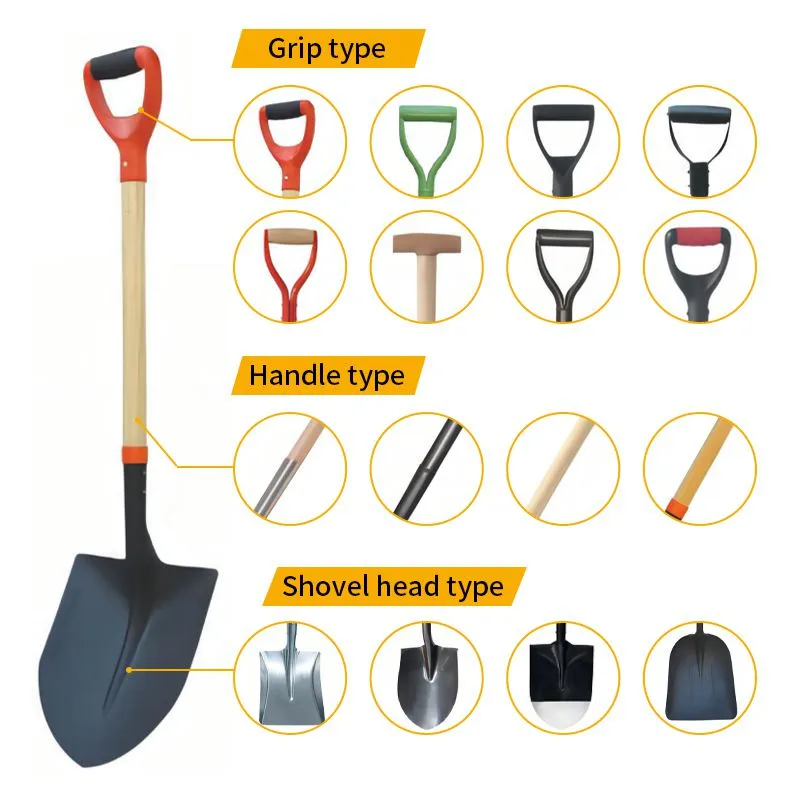
Keep the six core tools in one visual guide, so your sales staff quote the right item.
Write one plain sentence for each tool, describing the job it is made for.
How Many Models and What Quantity Split
Start with those six tools, not twenty, so your cash stays in items that turn over.
Split the first order roughly by demand, with about half the units in digging shovels.
Give the square-point scoop and the long grain scoop about a fifth between them.
Leave roughly a tenth for the spade, the drain spade, and the trenching shovel together.
That split keeps the fastest sellers deep and the slower trade tools shallow but present.
Keep the first shipment small enough to test pricing on a real shop shelf.
One mixed load also spreads your freight cost across several models at once.
A mixed container lets one shipment test several models at a lower freight cost per unit.
Confirm a minimum order quantity per model before you compare factory quotes.
Use one model code per blade and handle pair, and never reuse a code for a new spec.
Write the quantity split on one sheet, and use it again for the second order.
Adjust the split only after you have real sell-through numbers, not a guess.
Price Tiers and Handle Options
Build three price tiers, so your range serves budget, trade, and premium buyers.
The entry tier uses a thinner blade, around 1.5 mm, with a painted steel handle.
The middle tier uses a 1.8 mm to 2.0 mm blade with a hardwood or fiberglass handle.
The premium tier uses a 2.5 mm blade, a solid socket, and a full-length hardwood shaft.
Two quotes only compare fairly when blade thickness and handle length are both named.
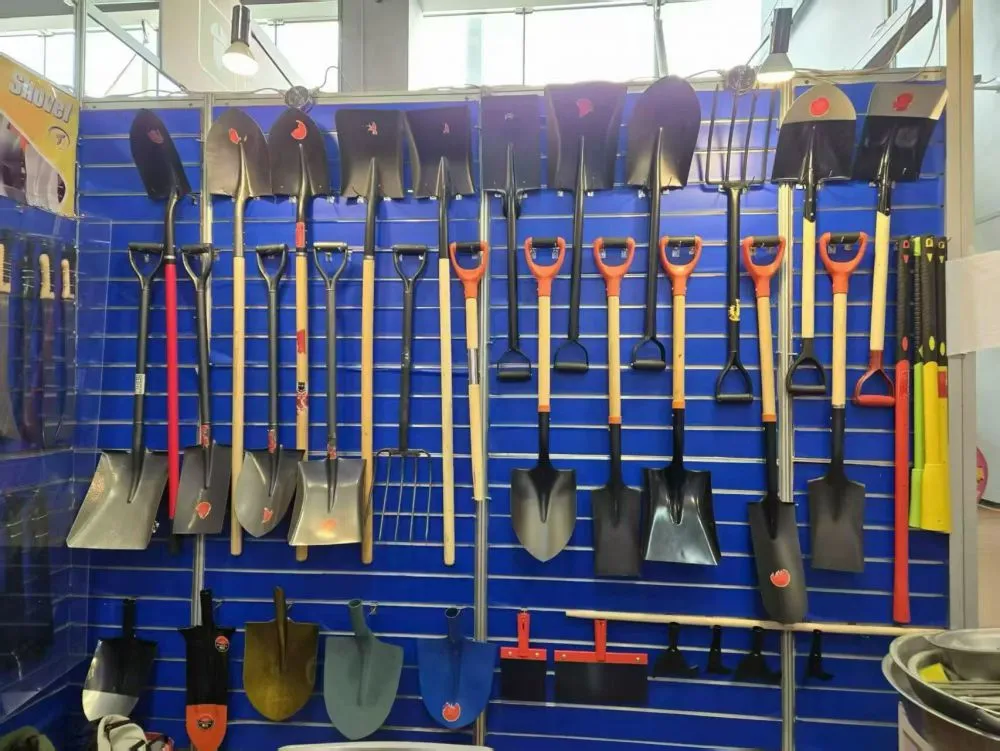
Handle choices also move the price, whether wood, fiberglass, or painted steel tube.
Grip style is often the buyer's own call, so settle it before any shafts are cut or fitted.
Keep one handle type per model in the first order, or packing and labels get mixed up.
Price breaks usually sit at one hundred, three hundred, and one thousand units per model.
A written price table also shows the discount you would gain by ordering more units.
Record the blade thickness on every carton label, so your team picks the right tier.
A returned tool costs more than the small price gap between a thin and a thick blade.

Cartons, Packing, and Shared Loads
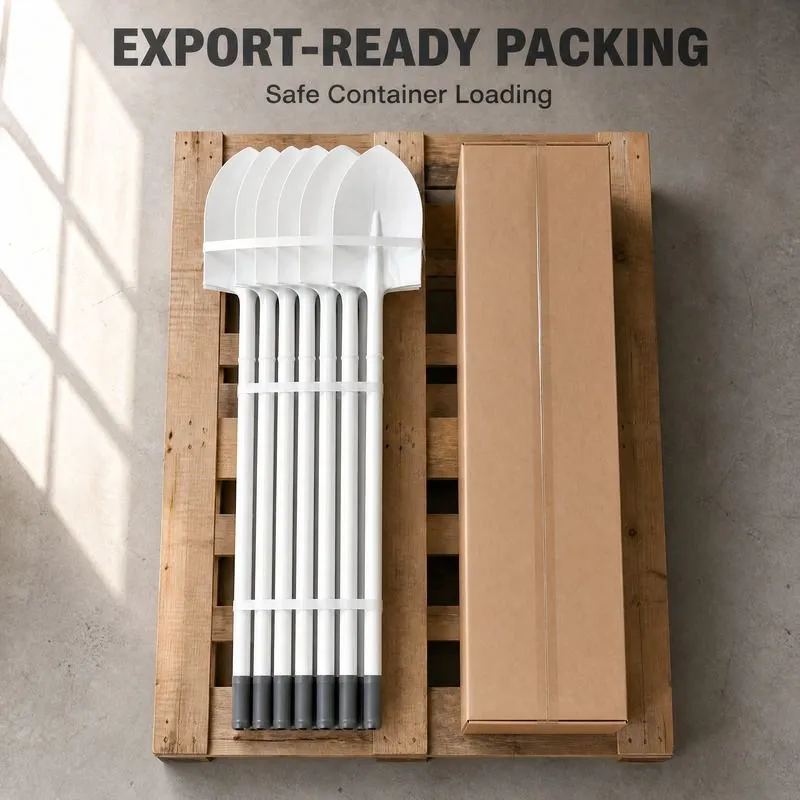
Long handles take volume, so they cut the number of units that fit in one carton.
Get the carton count and pallet plan per model before you finalise the order quantity.
Tools of similar length can often share one carton size, which simplifies your warehouse.
The flat spade and the round-point shovel may use the same carton if the handles match.
Long grain scoops and trenching shovels usually need a longer, taller carton.
Shared cartons reduce packing cost, but they can also mix models in one box.
If you want retail-ready packing, confirm the card, sleeve, or barcode before production.
Loose trade packing is cheaper, yet a shopper cannot identify the tool on the rack.
Ask the factory to print your model code on every carton, so picking stays simple.
Freight is charged on volume as well as weight, so carton height matters as much as carton weight.
Quote a substitute model too, so an empty shelf never waits for a new production run.
Phasing the Second Order and What to Drop
Use the first order to learn what your market actually buys, then plan the second order.
Double the quantity of your fastest seller and hold the rest at the same level.
Add one new model only after an existing model has sold through twice.
If budget is tight, drop the trenching shovel first, because it is the narrowest seller.
Drop the drain spade next, since trade buyers order it in small, steady quantities.
Keep the round-point shovel and the long grain scoop longest, as they move fastest on farms.
Note how many weeks each model takes to sell, so a slow item shows up early.
Before each new container, check what is still sitting unsold in your own warehouse.
Ask your two biggest customers which tool they would reorder first from your current stock.
Once a model sells well, freeze its blade thickness and handle length in writing.
After two full cycles, your range reflects real demand instead of your first guess.
A model that turns over slowly ties up cash, even when its unit price looks attractive.
Recently Posted
-
Documents Needed to Bid for a Hoe Supply Contract
October 16, 2026Documents Needed to Bid for a Hoe Supply ContractTender submissions are judged on documents before they are judged on price.A stro Read More
 -
Hoe Specifications in Aid and Emergency Tool Kits: What Tenders Require
October 16, 2026Hoe Specifications in Aid and Emergency Tool Kits: What Tenders RequireAid and emergency programs buy hoes by the tens of thousand Read More
 -
Winning Hoe and Hand Tool Tenders: A Supplier's Guide to Public Bids
October 16, 2026Winning Hoe and Hand Tool Tenders: A Supplier's Guide to Public BidsTender business looks attractive because volumes are large Read More
 -
How to Pack Hoes for Sea Shipment: Rust Prevention and Damage Control
October 16, 2026How to Pack Hoes for Sea Shipment: Rust Prevention and Damage ControlA hoe can pass every inspection at the factory and still arri Read More

Contact Us
Recommended Products
-
 Heavy Duty Cane Knife Machete for Wholesale Buyers Factory Direct Export for Rural Agricultural Projects Durable Hand ToolNegotiableMOQ: 1200 Pieces
 -
Agricultural Hoe Head Garden Rail Steel Tool for Tough Soil Cheap Price Hand ToolsUS$ 1.07 - 1.27MOQ: 1200 Pieces
-
Sturdy Rail Steel Hoe for Weeding, H305 Perfect for Agricultural and Garden TasksUS$ 1.07 - 1.27MOQ: 1200 Pieces
-
Heavy Duty Manganese Steel Garden Shovel Round Point Digging Shovel With Wooden Handle Farm Tool SupplierUS$ 2.14 - 2.36MOQ: 1200 Pieces
-
Big Shovel Wide Shovel Mud Shovel Heavy Duty Steel Blade for Farm Drainage Soil Moving Cleaning and Landscaping UseUS$ 2.14 - 2.36MOQ: 1200 Pieces





-
Strong Teeth Soil Rake for Farm Tool Suppliers Private Label Export for Farm Maintenance African Distribution Factory Bulk OrderUS$ 0.88 - 1.35MOQ: 2000 Pieces
-
Manual Cane Knife Machete for Wholesale Buyers Factory Direct Export for Rural Agricultural Projects Durable Hand ToolNegotiableMOQ: 1200 Pieces
-
Large High Carbon Steel Machete Knife Agricultural Machete for Farming Bush Cutting Garden Tool SupplierNegotiableMOQ: 1200 Pieces
-
Wholesale Heavy Duty Pick Mattock for Mining Road Work and Farm Digging for Wholesale Tool Dealers With Bulk Order ServiceUS$ 1.85 - 2.3MOQ: 1200 Pieces
-
Carbon Steel Manual Pickaxe for Hard Soil Breaking and Trenching for African Importers With OEM Bulk Order Support Agricultural ToolUS$ 1.85 - 2.3MOQ: 1200 Pieces





-
OEM Farm Sickle With Sharp Blade for African Importers OEM Bulk Order Support for Harvesting and Smallholder Farming for Wholesale BUS$ 0.28 - 0.33MOQ: 3000 Pieces
-
Heavy Duty Manganese Steel Round Point Shovel Garden Digging Shovel With Wooden Handle Agricultural Tool ManufacturerUS$ 2.14 - 2.36MOQ: 1200 Pieces
-
Farm Shovel Factory Supply for Regional Import Distributors Bulk Wholesale Supply for Garden Work and Trenching for Agricultural DealersUS$ 2.14 - 2.36MOQ: 1200 Pieces
-
Heavy Duty Garden Rake for African Importers OEM Factory Supply for Agricultural Use African Market Factory Bulk OrderUS$ 0.88 - 1.35MOQ: 2000 Pieces
-
Agricultural Soil Rake for Agricultural Dealers Export Supply for Garden Cleaning African Dealer Channels Factory Bulk OrderUS$ 0.88 - 1.35MOQ: 2000 Pieces





-
Manual Farm Machete for African Importers OEM Factory Supply for Farming and Land Clearing Durable Hand ToolNegotiableMOQ: 1200 Pieces
-
Large Heavy Duty Carbon Steel Garden Landscaping Digging HoeUS$ 1.07 - 1.27MOQ: 1200 Pieces
-
Heavy Duty Rail Steel Mattock Pick Axe With Wooden Handle for Digging Soil Mining and Agricultural Tool SupplierUS$ 1.85 - 2.3MOQ: 1200 Pieces
-
Forged Farm Sickle With Sharp Blade for African Importers OEM Bulk Order Support for Harvesting and Smallholder Farming for WholesalUS$ 0.28 - 0.33MOQ: 3000 Pieces
-
Strong Carbon Steel Farming Sickle for Uganda Tanzania Zambia Agricultural Tool DistributorsUS$ 0.34 - 0.47MOQ: 3000 Pieces





