


 Business License

How Do Regional Names for Shovels and Spades Affect Purchase Orders?
How Do Regional Names for Shovels and Spades Affect Purchase Orders?
The same digging tool carries different names in different English-speaking markets.
That naming gap causes wrong shipments, claims, and lost time between buyer and factory.
This guide maps the regional words and shows how to write an order that survives translation.
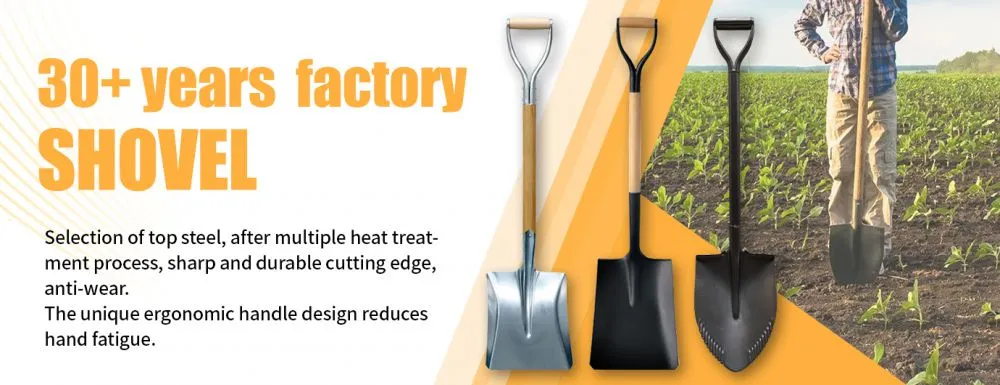
The Same Tool, Different Names by Market
In the United States, buyers often call the flat digging tool a shovel, not a spade.
In the UK and Ireland, buyers say spade for the flat digging tool and shovel for the scooper.
In Australia and New Zealand, shop staff may hand a flat digger to a buyer asking for a shovel.
South African buyers may say spade for the flat tool and shovel for the scooping type.
Indian buyers often use the word spade for the digging tool, following British usage.
A long-handled scoop is a grain shovel in some markets and just a shovel in others.
The narrow long-bladed tool may be a drain spade, a trench spade, or a trench shovel.
Farmers in some regions call the wide dished tool a scoop, and in others a grain shovel.
The words change from country to country, even inside one shared language.
A purchase order that relies on a single word can land on the wrong item at the factory.
Reliable importers attach a photo or a drawing to every enquiry, whatever name they use.
The regional word still matters at retail, so match the local term on the shelf label too.
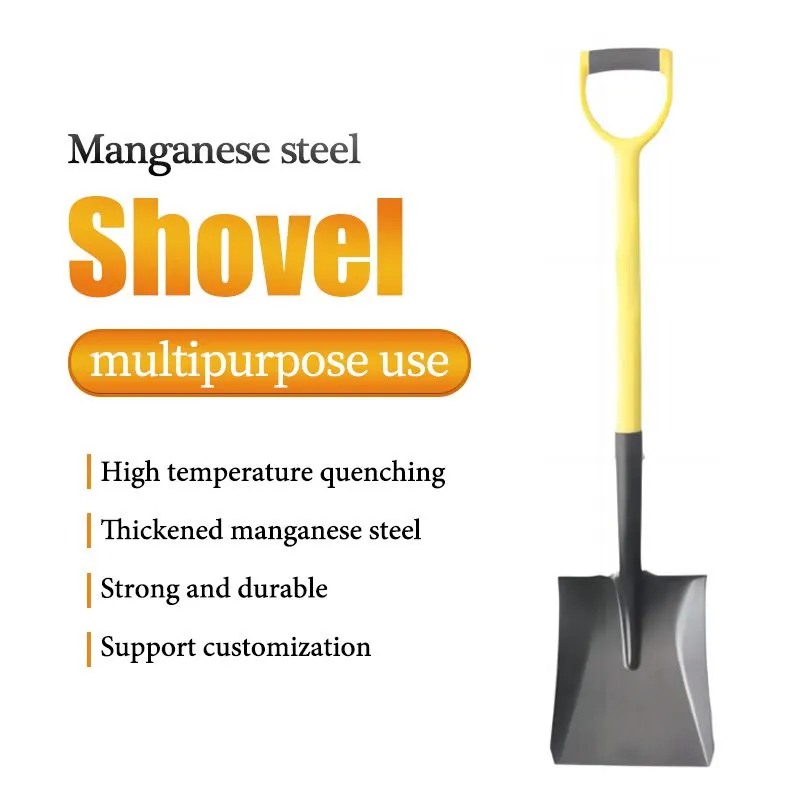
Word Pairs That Cause the Most Confusion
Spade and shovel is the first pair, and it hides two different blade shapes.
A spade cuts soil with a flat blade, while a shovel scoops loose material.
Scoop and grain shovel is the second pair, and both describe a wide, dished blade.
Trench shovel and drain spade is the third pair, and both describe a long, narrow blade.
Round mouth and square mouth is the fourth pair, describing the blade's front edge.
A round mouth cuts and digs, while a square mouth scoops and scrapes flat surfaces.
Each pair hides a real difference in blade width, edge, and the job the tool does.
A buyer who names only the word leaves the factory to guess the intended shape.
Two suppliers may use the same word for two different blades in their catalogs.
Write the shape and the job together, so the meaning does not depend on the name alone.
Name the model code as well, because a code travels better than a word between languages.
That habit removes most of the guesswork before a single tool is produced.
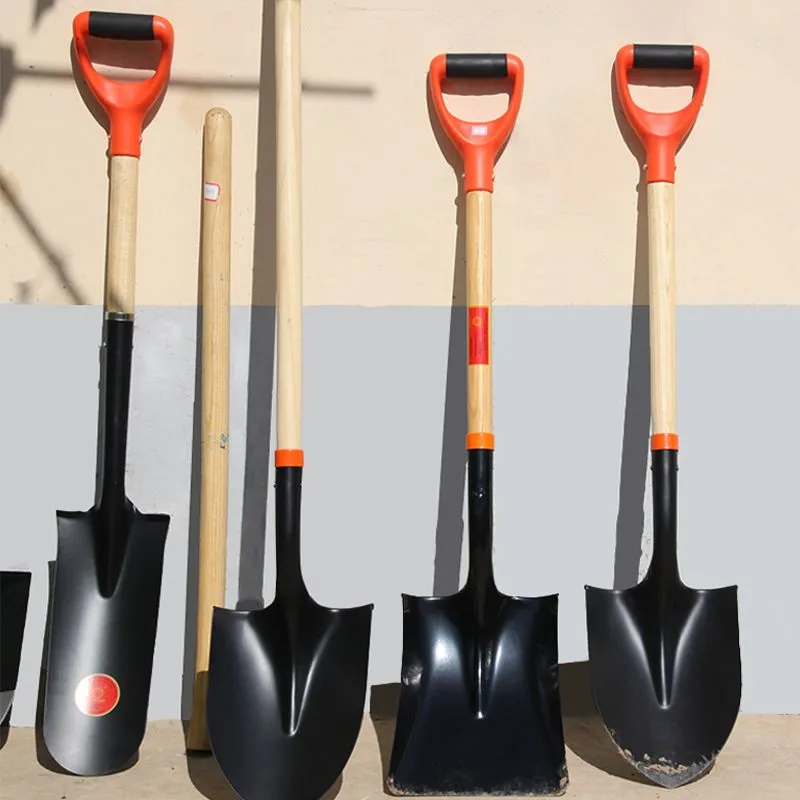
Writing a Purchase Order That Survives Translation
Write the model code first, because a code survives translation better than a name.
Add a measured drawing with blade width, blade length, and blade thickness in millimeters.
List the handle material, handle length, grip type, and socket type on the same line.
Put the blade face toward the camera, with a steel rule lying along the width.
State the packing, including units per carton and the model name you use in your catalog.
Put the agreed specification on the order, not only in an earlier email thread.
Ask the factory to repeat the specification back before production begins.
Keep the wording short and plain, so a translator cannot change the meaning.
Avoid slang and local trade words, because those translate badly into another language.
Use one unit of measure, in millimeters, and keep it the same on every line.
Number each item, so both sides can refer to item three instead of a vague description.
That short, numbered order becomes a document both sides can check and sign.
Keep the approved sample photo attached to the order file, so the exact shape is never in doubt.
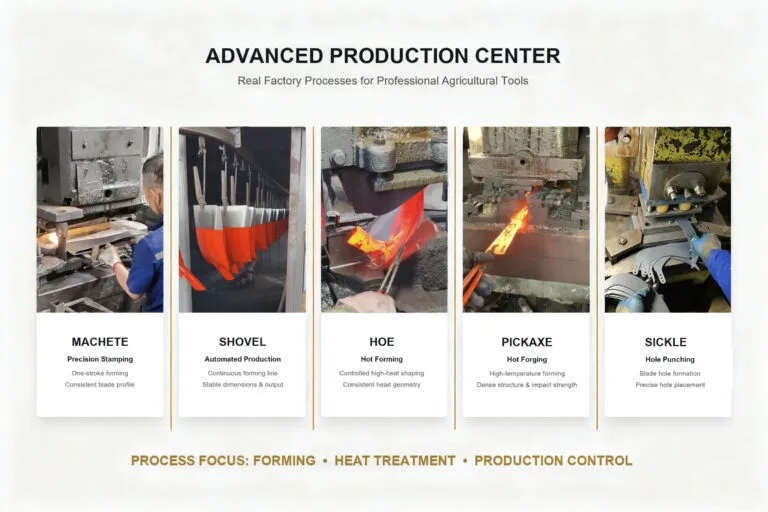

What to Do When a Supplier's Catalog Uses Another Name
A supplier catalog may use a different name for the tool you already know.
Do not assume the catalog name means the same shape as your own listing.
Ask for the blade measurements behind every catalog name before you order.
Match the catalog item to your sample by shape, size, and the job it performs.
If the names differ but the measurements match, order by the model code.
If the measurements differ, treat the catalog item as a different product.
Ask for a top view photo of the blade, because width is hard to judge at an angle.
Write the naming difference in your own file, so your catalog stays consistent over time.
Send your own photo with the enquiry, so the supplier matches shape instead of words.
A short naming note in your supplier file prevents the same confusion next season.
Confirm the name on the carton label matches your catalog, or your warehouse will mislead buyers.
Fixing a Mismatch After Delivery
Check the shipment against the approved sample as soon as the container arrives.
Photograph any mismatch with a ruler in the frame, before the goods move.
Report the issue in writing within the agreed claim period, with clear photos.
A reliable supplier will compare the photos and confirm the difference.
For a small naming mismatch, agree a discount and sell the goods where the shape fits.
For a major shape difference, ask for replacement or credit under the order terms.
Keep the original sample and the shipping documents, because a claim needs both.
Record the fix in your model file, because the cause often starts at the order stage.
Add the correct name and the model code before you place the next order.
Ask the factory to keep the model number fixed, so the name stops drifting between runs.
A calm, documented claim protects both sides and keeps a good supplier relationship.
Recently Posted
-
Documents Needed to Bid for a Hoe Supply Contract
October 16, 2026Documents Needed to Bid for a Hoe Supply ContractTender submissions are judged on documents before they are judged on price.A stro Read More
 -
Hoe Specifications in Aid and Emergency Tool Kits: What Tenders Require
October 16, 2026Hoe Specifications in Aid and Emergency Tool Kits: What Tenders RequireAid and emergency programs buy hoes by the tens of thousand Read More
 -
Winning Hoe and Hand Tool Tenders: A Supplier's Guide to Public Bids
October 16, 2026Winning Hoe and Hand Tool Tenders: A Supplier's Guide to Public BidsTender business looks attractive because volumes are large Read More
 -
How to Pack Hoes for Sea Shipment: Rust Prevention and Damage Control
October 16, 2026How to Pack Hoes for Sea Shipment: Rust Prevention and Damage ControlA hoe can pass every inspection at the factory and still arri Read More

Contact Us
Recommended Products
-
 Heavy Duty Cane Knife Machete for Wholesale Buyers Factory Direct Export for Rural Agricultural Projects Durable Hand ToolNegotiableMOQ: 1200 Pieces
 -
Agricultural Hoe Head Garden Rail Steel Tool for Tough Soil Cheap Price Hand ToolsUS$ 1.07 - 1.27MOQ: 1200 Pieces
-
Sturdy Rail Steel Hoe for Weeding, H305 Perfect for Agricultural and Garden TasksUS$ 1.07 - 1.27MOQ: 1200 Pieces
-
Heavy Duty Manganese Steel Garden Shovel Round Point Digging Shovel With Wooden Handle Farm Tool SupplierUS$ 2.14 - 2.36MOQ: 1200 Pieces
-
Big Shovel Wide Shovel Mud Shovel Heavy Duty Steel Blade for Farm Drainage Soil Moving Cleaning and Landscaping UseUS$ 2.14 - 2.36MOQ: 1200 Pieces





-
Strong Teeth Soil Rake for Farm Tool Suppliers Private Label Export for Farm Maintenance African Distribution Factory Bulk OrderUS$ 0.88 - 1.35MOQ: 2000 Pieces
-
Manual Cane Knife Machete for Wholesale Buyers Factory Direct Export for Rural Agricultural Projects Durable Hand ToolNegotiableMOQ: 1200 Pieces
-
Large High Carbon Steel Machete Knife Agricultural Machete for Farming Bush Cutting Garden Tool SupplierNegotiableMOQ: 1200 Pieces
-
Wholesale Heavy Duty Pick Mattock for Mining Road Work and Farm Digging for Wholesale Tool Dealers With Bulk Order ServiceUS$ 1.85 - 2.3MOQ: 1200 Pieces
-
Carbon Steel Manual Pickaxe for Hard Soil Breaking and Trenching for African Importers With OEM Bulk Order Support Agricultural ToolUS$ 1.85 - 2.3MOQ: 1200 Pieces





-
OEM Farm Sickle With Sharp Blade for African Importers OEM Bulk Order Support for Harvesting and Smallholder Farming for Wholesale BUS$ 0.28 - 0.33MOQ: 3000 Pieces
-
Heavy Duty Manganese Steel Round Point Shovel Garden Digging Shovel With Wooden Handle Agricultural Tool ManufacturerUS$ 2.14 - 2.36MOQ: 1200 Pieces
-
Farm Shovel Factory Supply for Regional Import Distributors Bulk Wholesale Supply for Garden Work and Trenching for Agricultural DealersUS$ 2.14 - 2.36MOQ: 1200 Pieces
-
Heavy Duty Garden Rake for African Importers OEM Factory Supply for Agricultural Use African Market Factory Bulk OrderUS$ 0.88 - 1.35MOQ: 2000 Pieces
-
Agricultural Soil Rake for Agricultural Dealers Export Supply for Garden Cleaning African Dealer Channels Factory Bulk OrderUS$ 0.88 - 1.35MOQ: 2000 Pieces





-
Manual Farm Machete for African Importers OEM Factory Supply for Farming and Land Clearing Durable Hand ToolNegotiableMOQ: 1200 Pieces
-
Large Heavy Duty Carbon Steel Garden Landscaping Digging HoeUS$ 1.07 - 1.27MOQ: 1200 Pieces
-
Heavy Duty Rail Steel Mattock Pick Axe With Wooden Handle for Digging Soil Mining and Agricultural Tool SupplierUS$ 1.85 - 2.3MOQ: 1200 Pieces
-
Forged Farm Sickle With Sharp Blade for African Importers OEM Bulk Order Support for Harvesting and Smallholder Farming for WholesalUS$ 0.28 - 0.33MOQ: 3000 Pieces
-
Strong Carbon Steel Farming Sickle for Uganda Tanzania Zambia Agricultural Tool DistributorsUS$ 0.34 - 0.47MOQ: 3000 Pieces





