


 Business License

How Can Importers Avoid Ordering the Wrong Shovel Blade Shape?
How Can Importers Avoid Ordering the Wrong Shovel Blade Shape?
A wrong blade shape is one of the most costly mistakes an importer can make.
The container is loaded, the freight is paid, and the tool does not fit the market.
This guide lists the checks that stop that mistake before production begins.
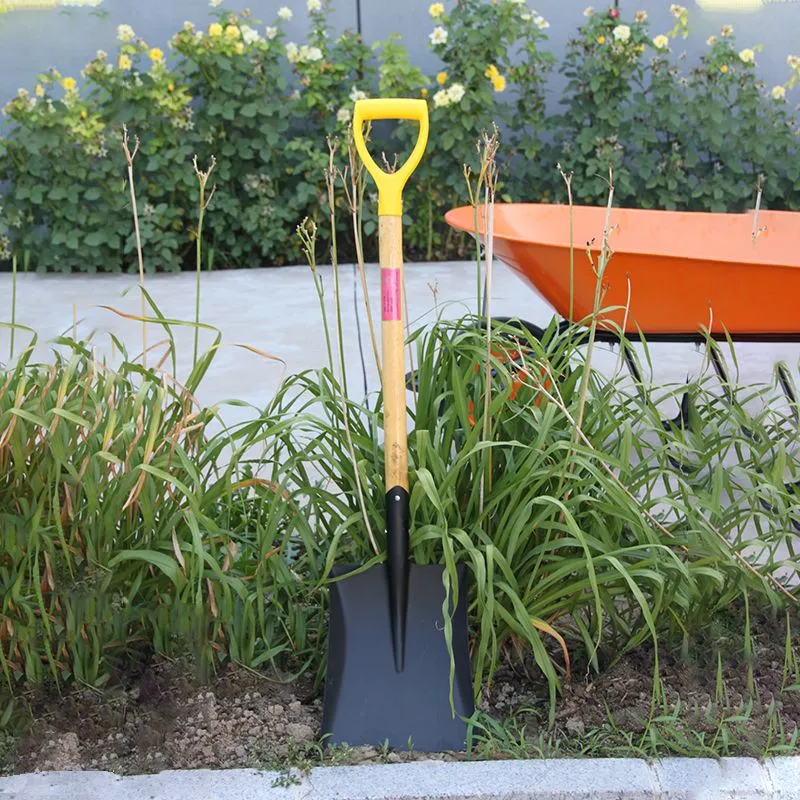
The Main Blade Shapes and What Each One Does
The round point has a curved tip that pushes into soil and packed ground with less effort.
The square point has a straight, wide front edge for scooping grain, sand, and gravel.
The flat or straight blade cuts turf and soil, and it suits edging and lifting plants.
The dished or scoop blade has raised sides that hold loose material during a lift.
The narrow trench blade is long and thin, made to open a clean channel in the ground.
The drain blade is longer still, shaped to fit inside a pipe run or a narrow trench.
Each shape has a clear job, so a buyer should match the shape to the end user's work.
Two shapes can look similar in a small catalog photo, so compare them side by side.
A round point digs, a square point scoops, and a flat blade cuts, and the jobs rarely swap.
The dished scoop moves volume, while the narrow trench blade only opens a channel.
Ask which job the end user does most often before choosing a blade shape.
That one question removes more wrong orders than any catalog comparison does.
The Measurements That Define Every Blade
Blade width defines how much ground or material the tool moves in one stroke.
Blade length sets how deep the tool cuts, and it changes the carton size as well.
Blade thickness drives both strength and cost, so quote it in millimeters every time.
The shoulder shape decides whether the blade cuts a straight wall or scoops material.
The blade-to-handle angle sets whether the tool digs downward or scoops forward.
The socket type, open or solid, changes the tool's strength and its factory price.
The finish, painted, powder-coated, or polished, changes the look and the unit cost.
Blade weight also matters, because a heavy head slows a worker who lifts all day.
Write every one of those numbers down, because words alone leave room for a wrong guess.
Ask for the measurements in millimeters, and keep the same unit across every model.
A measured drawing beats a catalog photo, because a photo hides scale and thickness.
Check the numbers twice before you send the spec, since a single digit changes the tool.

Building a Spec and a One-Page Order Sheet
Build one written specification that lists every number for each model.
Keep it to one page, so a factory can read the whole spec at a glance.
Give the model code, the blade shape, and the job the tool is made for.
Add blade width, length, and thickness in millimeters, plus the handle details.
Write the shaft material and length next to the grip and socket details.
State the finish, the packing, and the model name you use in your own catalog.
Photograph the sample flat on a table, so the blade profile shows in full.
Use that one-page sheet for every quote, so all suppliers answer the same question.
Compare quotes against the sheet, not against a glossy catalog or a spoken promise.
Keep the sheet in one file, so every model and every supplier sees the same standard.
Update the sheet only when you mean to change the tool, and mark the date of the change.
That single page becomes the reference for every order you place in the season.

Samples, Tolerances, and Pre-Shipment Checks
Order a sample of each model and approve the blade shape in writing before the bulk run.
Measure the sample yourself, because a photo can hide a few millimeters of difference.
Normal production tolerances allow small changes in blade width and thickness.
Half a millimeter on blade thickness is common, so state the range you will accept.
A pre-shipment inspection should check the blade shape against the approved sample.
The inspector should measure blade width, length, and thickness with a ruler or caliper.
Check the handle length, the grip type, and the socket before the cartons are closed.
Confirm the carton marks, the units per carton, and the model code on every box.
Ask for photos of the finished goods before shipment, taken with a date and a ruler.
A third-party inspection costs little compared with a container of the wrong shape.
Catch a wrong blade at the factory, and the fix is a die change, not a return shipment.
A short inspection report protects both sides and keeps the quality steady.
Keeping Repeat Orders Identical
Write the approved numbers into a standing spec that never changes between orders.
Keep one approved sample, labelled with its blade thickness and model code.
Send the same spec and the same sample photo with every repeat order you place.
Ask the factory to keep the model number fixed, even when the price changes.
Measure the first carton of each repeat shipment against the approved sample.
Record any change in the blade or handle, so you catch a drift before it spreads.
A new die or a new steel batch can shift the shape, so recheck after any factory change.
Review the numbers once a season, and update the spec only when you mean to change it.
Keep the old sample until the new one is approved in writing.
A stable spec turns a repeat order into a routine task instead of a risk.
That habit protects your margin and keeps your customers buying the same tool again.
Build the spec once, and every later order follows it without a fresh debate.
Recently Posted
-
Documents Needed to Bid for a Hoe Supply Contract
October 16, 2026Documents Needed to Bid for a Hoe Supply ContractTender submissions are judged on documents before they are judged on price.A stro Read More
 -
Hoe Specifications in Aid and Emergency Tool Kits: What Tenders Require
October 16, 2026Hoe Specifications in Aid and Emergency Tool Kits: What Tenders RequireAid and emergency programs buy hoes by the tens of thousand Read More
 -
Winning Hoe and Hand Tool Tenders: A Supplier's Guide to Public Bids
October 16, 2026Winning Hoe and Hand Tool Tenders: A Supplier's Guide to Public BidsTender business looks attractive because volumes are large Read More
 -
How to Pack Hoes for Sea Shipment: Rust Prevention and Damage Control
October 16, 2026How to Pack Hoes for Sea Shipment: Rust Prevention and Damage ControlA hoe can pass every inspection at the factory and still arri Read More

Contact Us
Recommended Products
-
 Heavy Duty Cane Knife Machete for Wholesale Buyers Factory Direct Export for Rural Agricultural Projects Durable Hand ToolNegotiableMOQ: 1200 Pieces
 -
Agricultural Hoe Head Garden Rail Steel Tool for Tough Soil Cheap Price Hand ToolsUS$ 1.07 - 1.27MOQ: 1200 Pieces
-
Sturdy Rail Steel Hoe for Weeding, H305 Perfect for Agricultural and Garden TasksUS$ 1.07 - 1.27MOQ: 1200 Pieces
-
Heavy Duty Manganese Steel Garden Shovel Round Point Digging Shovel With Wooden Handle Farm Tool SupplierUS$ 2.14 - 2.36MOQ: 1200 Pieces
-
Big Shovel Wide Shovel Mud Shovel Heavy Duty Steel Blade for Farm Drainage Soil Moving Cleaning and Landscaping UseUS$ 2.14 - 2.36MOQ: 1200 Pieces





-
Strong Teeth Soil Rake for Farm Tool Suppliers Private Label Export for Farm Maintenance African Distribution Factory Bulk OrderUS$ 0.88 - 1.35MOQ: 2000 Pieces
-
Manual Cane Knife Machete for Wholesale Buyers Factory Direct Export for Rural Agricultural Projects Durable Hand ToolNegotiableMOQ: 1200 Pieces
-
Large High Carbon Steel Machete Knife Agricultural Machete for Farming Bush Cutting Garden Tool SupplierNegotiableMOQ: 1200 Pieces
-
Wholesale Heavy Duty Pick Mattock for Mining Road Work and Farm Digging for Wholesale Tool Dealers With Bulk Order ServiceUS$ 1.85 - 2.3MOQ: 1200 Pieces
-
Carbon Steel Manual Pickaxe for Hard Soil Breaking and Trenching for African Importers With OEM Bulk Order Support Agricultural ToolUS$ 1.85 - 2.3MOQ: 1200 Pieces





-
OEM Farm Sickle With Sharp Blade for African Importers OEM Bulk Order Support for Harvesting and Smallholder Farming for Wholesale BUS$ 0.28 - 0.33MOQ: 3000 Pieces
-
Heavy Duty Manganese Steel Round Point Shovel Garden Digging Shovel With Wooden Handle Agricultural Tool ManufacturerUS$ 2.14 - 2.36MOQ: 1200 Pieces
-
Farm Shovel Factory Supply for Regional Import Distributors Bulk Wholesale Supply for Garden Work and Trenching for Agricultural DealersUS$ 2.14 - 2.36MOQ: 1200 Pieces
-
Heavy Duty Garden Rake for African Importers OEM Factory Supply for Agricultural Use African Market Factory Bulk OrderUS$ 0.88 - 1.35MOQ: 2000 Pieces
-
Agricultural Soil Rake for Agricultural Dealers Export Supply for Garden Cleaning African Dealer Channels Factory Bulk OrderUS$ 0.88 - 1.35MOQ: 2000 Pieces





-
Manual Farm Machete for African Importers OEM Factory Supply for Farming and Land Clearing Durable Hand ToolNegotiableMOQ: 1200 Pieces
-
Large Heavy Duty Carbon Steel Garden Landscaping Digging HoeUS$ 1.07 - 1.27MOQ: 1200 Pieces
-
Heavy Duty Rail Steel Mattock Pick Axe With Wooden Handle for Digging Soil Mining and Agricultural Tool SupplierUS$ 1.85 - 2.3MOQ: 1200 Pieces
-
Forged Farm Sickle With Sharp Blade for African Importers OEM Bulk Order Support for Harvesting and Smallholder Farming for WholesalUS$ 0.28 - 0.33MOQ: 3000 Pieces
-
Strong Carbon Steel Farming Sickle for Uganda Tanzania Zambia Agricultural Tool DistributorsUS$ 0.34 - 0.47MOQ: 3000 Pieces





