


 Business License

Which Shovel Types Are Best Suited to Retail Hardware Stores?
Which Shovel Types Are Best Suited to Retail Hardware Stores?
A hardware store sells to people who walk in with a broken tool and want a replacement that day.
Retail buying works differently from farm or trade buying, so the range must fit a shelf and a shopper.
This guide explains which shovel types work in a shop and how to pack, price and display them.
What Walk-In Shoppers Actually Pick Up
A shopper in a store rarely studies a specification, and usually buys the tool that looks right.
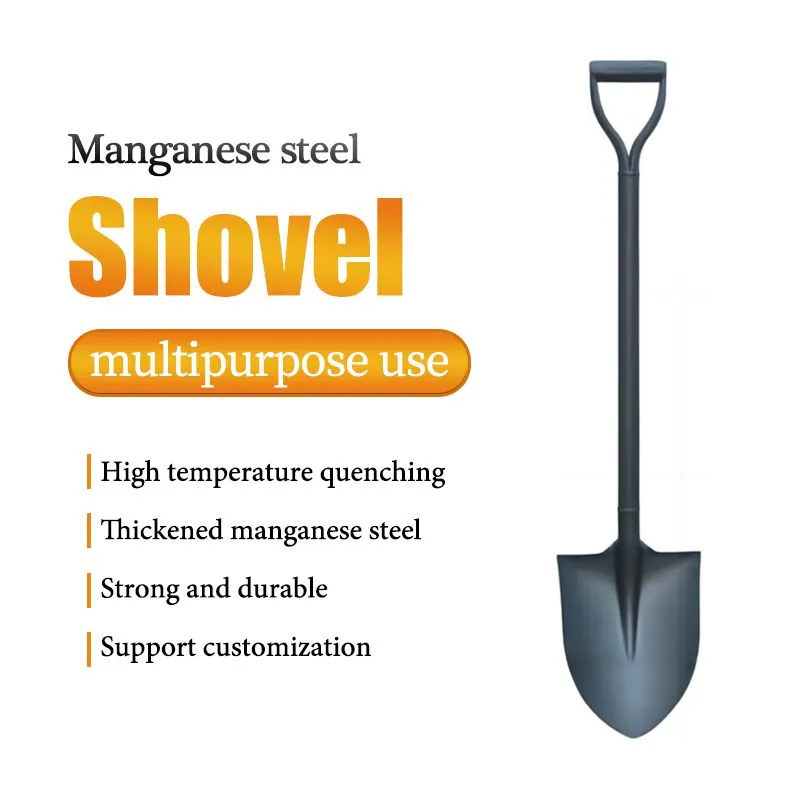
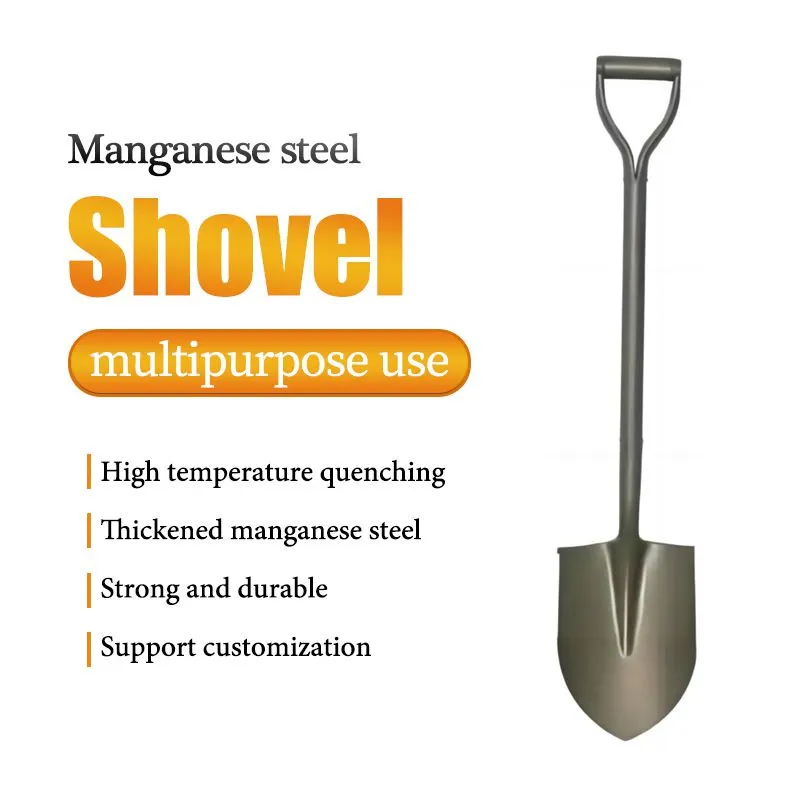
Round-point shovels and short-handled spades move fastest, because home users dig beds and small holes.
A long-handled scoop shovel is a harder sale, since few households move grain or bulk gravel.
Square-point shovels do sell in retail, but mostly to people repairing a driveway or a path.
Snow shovels form a separate retail category with its own season, its own sizes and its own packing.
Most walk-in buyers replace a tool they already owned, so a familiar shape outsells a new one.
A customer who has never owned a spade will still buy one if the label names the job clearly.
Keep the shapes simple: one round point, one square point, one flat spade, one small hand tool.
Anything more specialised belongs on a special-order list rather than on the shop pegboard.
Retail shoppers also buy by feel, and a heavier tool often feels better in the hand.
That habit explains why a 2.0 mm blade often outsells a 1.5 mm blade in the same shop.
Watch your own customers in the aisle, then write down which model they picked up first.

Fitting the Range into Shelf and Pegboard Space
Shelf space is the first limit in retail, because a shop cannot carry sixty hand tools.
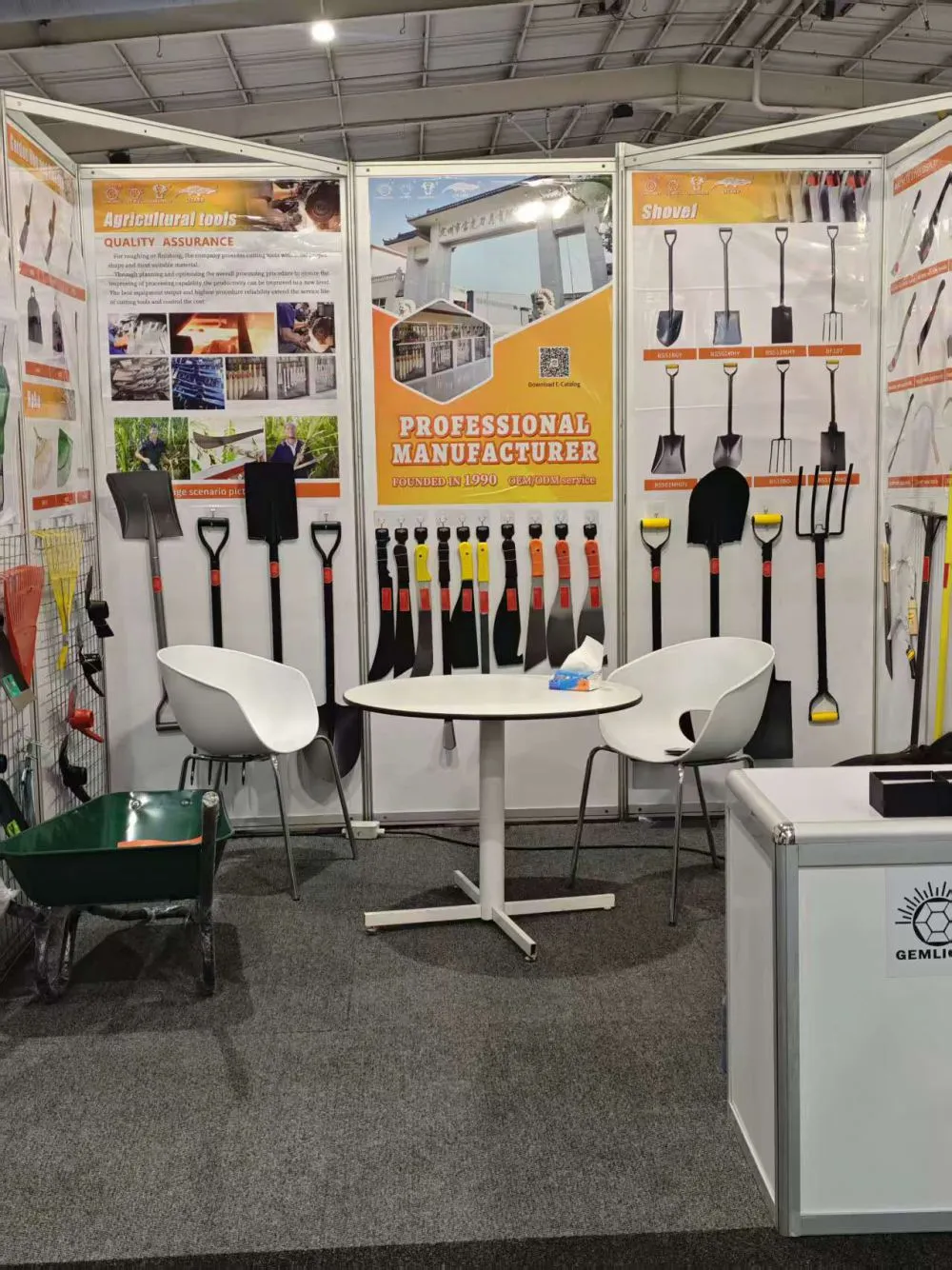
A typical hardware shop can display about eight to twelve shovel and spade models at once.
Of those, four or five should be the fast movers that earn most of the money.
The rest can be one model per blade shape, held shallow and refilled during the season.
Pegboard needs a hang hole or a clip, so the handle must suit hanging as well as holding.
A D-grip hangs neatly on a hook, while a long straight shaft blocks more of the wall.
Overall length decides the display, since a 1200 mm tool will not fit a short rack.
Measure your own rack before you order, and keep every model inside that length limit.
Small tools sell from a bin or a counter display unit, where shoppers stand and wait.
Put the best sellers at eye level and leave the slower sizes on the lower row.
Move the display as little as possible, because regular customers learn where each tool sits.
Keep the same model in the same place for the whole year.
Retail Packing That Sells Without a Salesperson
Retail packing does part of the selling when no member of staff is nearby.
A printed hanging card or a sleeve carries the model name, the blade size and a barcode.
The barcode must match your own system, or the till cannot read the item at all.
Most hardware chains ask for a card roughly 200 mm to 250 mm tall, with a hang hole.
Give the factory the model name you use, and check the artwork proof before the print run.
A sleeve protects the blade edge, which keeps a shopper from cutting a hand on the rack.
Powder coating keeps the blade looking new for longer, and that helps on a bright shelf.
Plain trade bundles cost less to pack, but they hide the tool from a walking customer.
One carton often holds six to twelve pieces when the tool is short and packed loosely.
The count per carton drops sharply once the handle passes about 900 mm.
Pallets are usually stacked below 1.8 m so a shop can unload without special equipment.
Print the model code and the pieces per carton on the outside of every box.
Entry, Mid and Premium Price Points
Three price points cover almost every walk-in shopper in a hardware store.
The entry model uses a thin blade near 1.5 mm and a painted steel handle.
It suits occasional use, a small garden, and a shopper watching the price tag closely.
Most units sold stand on a 1.8 mm to 2.0 mm blade with a wooden shaft.
That model wins most of the volume, because it survives regular weekend work.
The premium model pairs a 2.5 mm blade with a solid socket and a full-length ash shaft for long service.
It sells to keen gardeners and to buyers who broke a cheap tool last season.
A premium item also lifts the display, because shoppers judge a range by its top tool.
Keep one model at each price point instead of three models at the same price.
Show the price on the card, since a missing tag sends the shopper to another store.
Spring is the strongest season for digging and planting tools in most retail markets.
Order early enough that stock sits on the shelf before the first warm weekend.
What to Write in a Retail Order Request
Write the retail channel in your first line, so the factory packs the goods for a shop.
List each model with its blade shape and blade size given in millimetres.
State the handle type, the handle length and the colour you want on the finish.
Describe the card or sleeve, its size, and the barcode number it must carry.
Ask how many pieces sit in one carton and how many cartons fill a pallet.
Name the total quantity per model, and ask for the price at that quantity.
Request the artwork proof before printing, and approve it by email with a photo.
Ask for one display unit and one sample of each model with the first order.
Confirm the production and packing dates, because a late shipment misses the season.
Ask the factory which model sells best to shops in your region, and why.
Recently Posted
-
Documents Needed to Bid for a Hoe Supply Contract
October 16, 2026Documents Needed to Bid for a Hoe Supply ContractTender submissions are judged on documents before they are judged on price.A stro Read More
 -
Hoe Specifications in Aid and Emergency Tool Kits: What Tenders Require
October 16, 2026Hoe Specifications in Aid and Emergency Tool Kits: What Tenders RequireAid and emergency programs buy hoes by the tens of thousand Read More
 -
Winning Hoe and Hand Tool Tenders: A Supplier's Guide to Public Bids
October 16, 2026Winning Hoe and Hand Tool Tenders: A Supplier's Guide to Public BidsTender business looks attractive because volumes are large Read More
 -
How to Pack Hoes for Sea Shipment: Rust Prevention and Damage Control
October 16, 2026How to Pack Hoes for Sea Shipment: Rust Prevention and Damage ControlA hoe can pass every inspection at the factory and still arri Read More

Contact Us
Recommended Products
-
 Heavy Duty Cane Knife Machete for Wholesale Buyers Factory Direct Export for Rural Agricultural Projects Durable Hand ToolNegotiableMOQ: 1200 Pieces
 -
Agricultural Hoe Head Garden Rail Steel Tool for Tough Soil Cheap Price Hand ToolsUS$ 1.07 - 1.27MOQ: 1200 Pieces
-
Sturdy Rail Steel Hoe for Weeding, H305 Perfect for Agricultural and Garden TasksUS$ 1.07 - 1.27MOQ: 1200 Pieces
-
Heavy Duty Manganese Steel Garden Shovel Round Point Digging Shovel With Wooden Handle Farm Tool SupplierUS$ 2.14 - 2.36MOQ: 1200 Pieces
-
Big Shovel Wide Shovel Mud Shovel Heavy Duty Steel Blade for Farm Drainage Soil Moving Cleaning and Landscaping UseUS$ 2.14 - 2.36MOQ: 1200 Pieces





-
Strong Teeth Soil Rake for Farm Tool Suppliers Private Label Export for Farm Maintenance African Distribution Factory Bulk OrderUS$ 0.88 - 1.35MOQ: 2000 Pieces
-
Manual Cane Knife Machete for Wholesale Buyers Factory Direct Export for Rural Agricultural Projects Durable Hand ToolNegotiableMOQ: 1200 Pieces
-
Large High Carbon Steel Machete Knife Agricultural Machete for Farming Bush Cutting Garden Tool SupplierNegotiableMOQ: 1200 Pieces
-
Wholesale Heavy Duty Pick Mattock for Mining Road Work and Farm Digging for Wholesale Tool Dealers With Bulk Order ServiceUS$ 1.85 - 2.3MOQ: 1200 Pieces
-
Carbon Steel Manual Pickaxe for Hard Soil Breaking and Trenching for African Importers With OEM Bulk Order Support Agricultural ToolUS$ 1.85 - 2.3MOQ: 1200 Pieces





-
OEM Farm Sickle With Sharp Blade for African Importers OEM Bulk Order Support for Harvesting and Smallholder Farming for Wholesale BUS$ 0.28 - 0.33MOQ: 3000 Pieces
-
Heavy Duty Manganese Steel Round Point Shovel Garden Digging Shovel With Wooden Handle Agricultural Tool ManufacturerUS$ 2.14 - 2.36MOQ: 1200 Pieces
-
Farm Shovel Factory Supply for Regional Import Distributors Bulk Wholesale Supply for Garden Work and Trenching for Agricultural DealersUS$ 2.14 - 2.36MOQ: 1200 Pieces
-
Heavy Duty Garden Rake for African Importers OEM Factory Supply for Agricultural Use African Market Factory Bulk OrderUS$ 0.88 - 1.35MOQ: 2000 Pieces
-
Agricultural Soil Rake for Agricultural Dealers Export Supply for Garden Cleaning African Dealer Channels Factory Bulk OrderUS$ 0.88 - 1.35MOQ: 2000 Pieces





-
Manual Farm Machete for African Importers OEM Factory Supply for Farming and Land Clearing Durable Hand ToolNegotiableMOQ: 1200 Pieces
-
Large Heavy Duty Carbon Steel Garden Landscaping Digging HoeUS$ 1.07 - 1.27MOQ: 1200 Pieces
-
Heavy Duty Rail Steel Mattock Pick Axe With Wooden Handle for Digging Soil Mining and Agricultural Tool SupplierUS$ 1.85 - 2.3MOQ: 1200 Pieces
-
Forged Farm Sickle With Sharp Blade for African Importers OEM Bulk Order Support for Harvesting and Smallholder Farming for WholesalUS$ 0.28 - 0.33MOQ: 3000 Pieces
-
Strong Carbon Steel Farming Sickle for Uganda Tanzania Zambia Agricultural Tool DistributorsUS$ 0.34 - 0.47MOQ: 3000 Pieces





