


 Business License

How Do You Build a Shovel and Spade Assortment for a New Market?
How Do You Build a Shovel and Spade Assortment for a New Market?
Entering a new country with hand tools is a research job before it becomes a buying job.
A range that sells in one market can sit unsold in another at exactly the same price.
This guide sets out a step-by-step process for building a shovel and spade assortment.
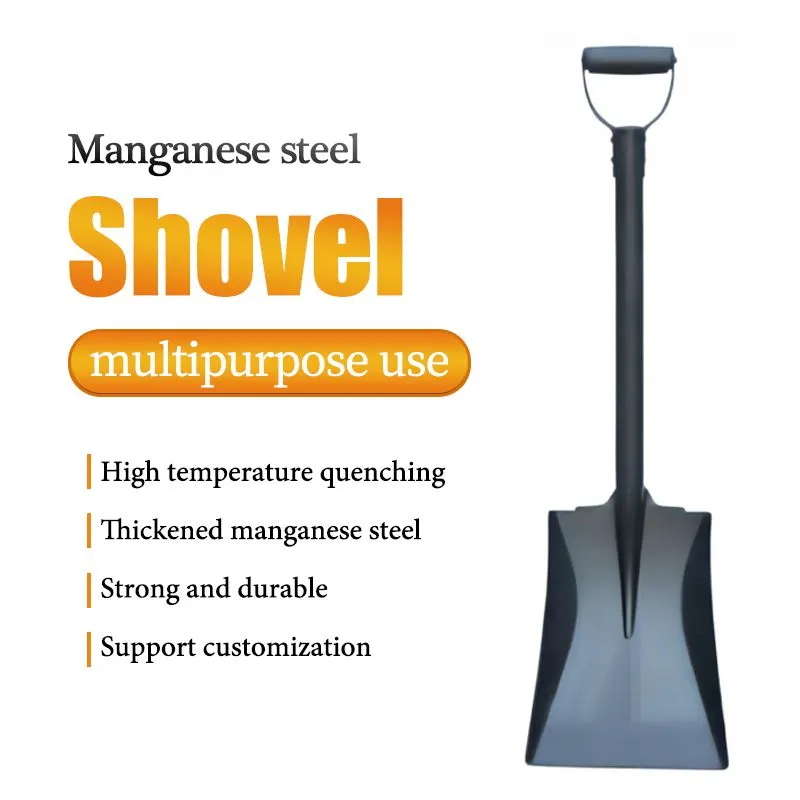
Audit the Local Shops and Online Listings
Walk into ten hardware shops, garden centres and building suppliers in the target market.
Photograph the shovel and spade display, including the price tags and the labels.
Note which blade shapes sit on the shelf and which ones are missing from it.
Write down the local names printed on the cards, because they may differ from your catalog.
Then read the listings on the largest online marketplaces in that country.
Collect about twenty competitor prices, with the blade size and handle type for each one.
Twenty prices show the real price band, while three prices only show a lucky guess.
Read the review pages too, because buyers describe what broke and what lasted.
The packing photos are useful as well, since cards and sleeves reveal the channel.
Note which sizes move, and whether short or long handles dominate the display.
Check the shelf price of the cheapest and the most expensive tool you can find.
That gap tells you where a new supplier can sit without starting a price war.
Write every finding into one sheet before you contact any factory.
That sheet becomes the base for every later decision about models and price.

Read the Soil, the Climate and the Local Work
Local ground decides the blade, because heavy clay and light sand need different tools.
A market with sticky clay usually buys a strong flat spade with a solid socket.
A dry, sandy region tends to buy round-point shovels and lighter blades.
Climate matters as well, since a snow market needs an entirely different shovel line.
Rainfall shapes drainage work, and drainage work creates demand for drain spades.
Check the building habit, because housing, road work and farm expansion all pull tool demand.
Farming regions buy long scoops and heavy digging shovels through the whole year.
City markets buy smaller garden tools in spring and again before winter.
Ask one local contractor and one local retailer to name the last tool they wore out.
That answer often reveals the blade thickness the market already trusts.
Record it beside the competitor prices, so the two sets of data sit together.
Ask what the weather does across the year, since wet and dry seasons change demand.
A long rainy season usually means more drainage tools and fewer irrigation tools.
Pick One Entry Model and Plan the First Container
Choose one model to lead the launch, and make it a tool local buyers already know.
A round-point digging shovel or a standard digging spade is the safest first entry.
One lead model keeps packing simple and makes the stock easy to explain.
Around that model, add two or three supporting items in smaller quantities.
A first container might hold 55 percent lead model and 45 percent support items.
Confirm the minimum order quantity per model before you fix that split.
Plan the carton and pallet layout, because long handles fill a container quickly.
Ask for the load in twenty-foot and forty-foot numbers before you place the order.
Too many models is the first common mistake, because cash then sits in slow lines.
Unverified prices are the second, since a competitor price without sizes proves little.
A single-model order is the third, because one weak item leaves you with no range.
Work out your landed cost per unit, then compare it with the local shelf price.
Buy a quantity that tests a shelf price, without committing a whole container.
Ask the factory which two models it ships most often to your region.
Phase the Launch in 30, 60 and 90 Days
Days one to thirty are for samples, measurement and one written specification.
Measure each sample and record blade width, blade thickness and handle length.
Days thirty to sixty cover the first shipment and a small test group of customers.
Place the goods with two or three friendly shops rather than a whole chain.
Ask each one to sell the tools and to note who bought them and why.
Days sixty to ninety are for feedback, a pricing review and planning the second order.
Visit the shops again and photograph the shelf to see what has moved.
Record sell-through per model rather than total sales for the whole range.
Then double the fastest model and hold or drop the weakest one.
Add one new model only after the lead item has sold through twice.
Plan the timing so goods arrive before the season, not during it.
Book sea freight early, because a late vessel pushes the launch into next year.
What to Write in Your First Market Enquiry
Describe the target country and the channel, such as retail, trade or farm supply.
List the models you want with blade shape, blade size and handle type for each.
Write the blade measurements in millimetres, one line for each model you want.
Name the shaft material and length, plus the grip shape that buyers in that country expect.
Name the packing you need: a printed card, a sleeve or a plain trade bundle.
Ask for pieces per carton, carton size, pallet height and total container load.
Request the unit weight and the price at your planned first quantity.
Ask for two samples of the lead model, so you can keep one untouched.
Say when you need the goods, because a selling season has a fixed start date.
Ask the supplier to name the two models that move fastest in your region.
Add the delivery date and the destination port to the same message.
Recently Posted
-
Documents Needed to Bid for a Hoe Supply Contract
October 16, 2026Documents Needed to Bid for a Hoe Supply ContractTender submissions are judged on documents before they are judged on price.A stro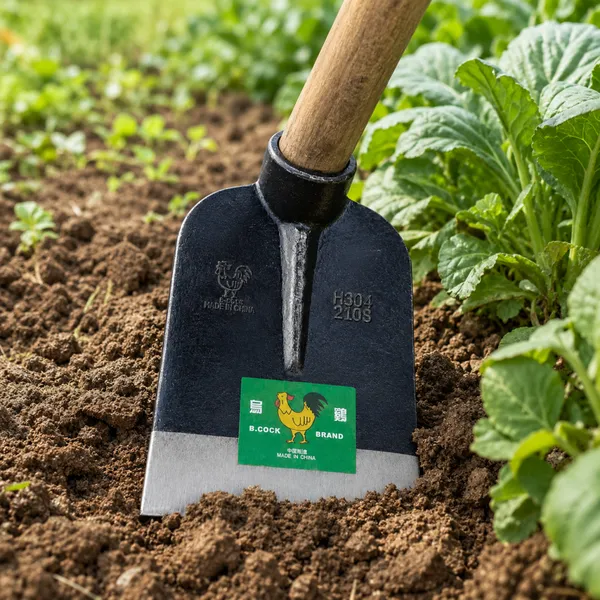 Read More
 -
Hoe Specifications in Aid and Emergency Tool Kits: What Tenders Require
October 16, 2026Hoe Specifications in Aid and Emergency Tool Kits: What Tenders RequireAid and emergency programs buy hoes by the tens of thousand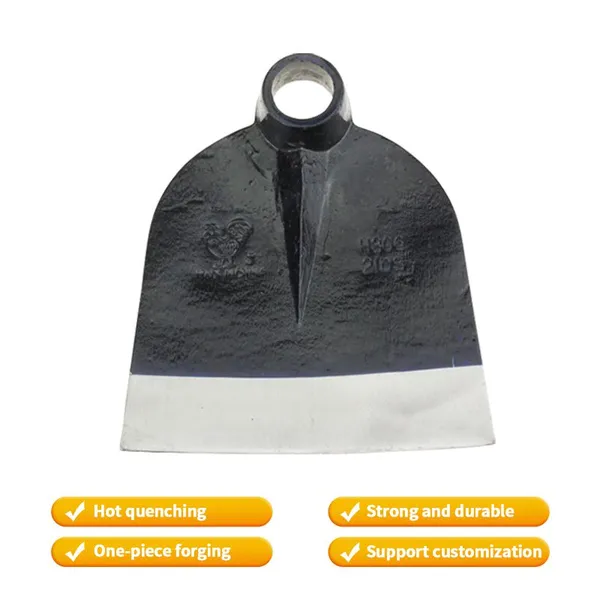 Read More
 -
Winning Hoe and Hand Tool Tenders: A Supplier's Guide to Public Bids
October 16, 2026Winning Hoe and Hand Tool Tenders: A Supplier's Guide to Public BidsTender business looks attractive because volumes are large Read More
 -
How to Pack Hoes for Sea Shipment: Rust Prevention and Damage Control
October 16, 2026How to Pack Hoes for Sea Shipment: Rust Prevention and Damage ControlA hoe can pass every inspection at the factory and still arri Read More

Contact Us
Recommended Products
-
 Heavy Duty Cane Knife Machete for Wholesale Buyers Factory Direct Export for Rural Agricultural Projects Durable Hand ToolNegotiableMOQ: 1200 Pieces
 -
Agricultural Hoe Head Garden Rail Steel Tool for Tough Soil Cheap Price Hand ToolsUS$ 1.07 - 1.27MOQ: 1200 Pieces
-
Sturdy Rail Steel Hoe for Weeding, H305 Perfect for Agricultural and Garden TasksUS$ 1.07 - 1.27MOQ: 1200 Pieces
-
Heavy Duty Manganese Steel Garden Shovel Round Point Digging Shovel With Wooden Handle Farm Tool SupplierUS$ 2.14 - 2.36MOQ: 1200 Pieces
-
Big Shovel Wide Shovel Mud Shovel Heavy Duty Steel Blade for Farm Drainage Soil Moving Cleaning and Landscaping UseUS$ 2.14 - 2.36MOQ: 1200 Pieces





-
Strong Teeth Soil Rake for Farm Tool Suppliers Private Label Export for Farm Maintenance African Distribution Factory Bulk OrderUS$ 0.88 - 1.35MOQ: 2000 Pieces
-
Manual Cane Knife Machete for Wholesale Buyers Factory Direct Export for Rural Agricultural Projects Durable Hand ToolNegotiableMOQ: 1200 Pieces
-
Large High Carbon Steel Machete Knife Agricultural Machete for Farming Bush Cutting Garden Tool SupplierNegotiableMOQ: 1200 Pieces
-
Wholesale Heavy Duty Pick Mattock for Mining Road Work and Farm Digging for Wholesale Tool Dealers With Bulk Order ServiceUS$ 1.85 - 2.3MOQ: 1200 Pieces
-
Carbon Steel Manual Pickaxe for Hard Soil Breaking and Trenching for African Importers With OEM Bulk Order Support Agricultural ToolUS$ 1.85 - 2.3MOQ: 1200 Pieces





-
OEM Farm Sickle With Sharp Blade for African Importers OEM Bulk Order Support for Harvesting and Smallholder Farming for Wholesale BUS$ 0.28 - 0.33MOQ: 3000 Pieces
-
Heavy Duty Manganese Steel Round Point Shovel Garden Digging Shovel With Wooden Handle Agricultural Tool ManufacturerUS$ 2.14 - 2.36MOQ: 1200 Pieces
-
Farm Shovel Factory Supply for Regional Import Distributors Bulk Wholesale Supply for Garden Work and Trenching for Agricultural DealersUS$ 2.14 - 2.36MOQ: 1200 Pieces
-
Heavy Duty Garden Rake for African Importers OEM Factory Supply for Agricultural Use African Market Factory Bulk OrderUS$ 0.88 - 1.35MOQ: 2000 Pieces
-
Agricultural Soil Rake for Agricultural Dealers Export Supply for Garden Cleaning African Dealer Channels Factory Bulk OrderUS$ 0.88 - 1.35MOQ: 2000 Pieces





-
Manual Farm Machete for African Importers OEM Factory Supply for Farming and Land Clearing Durable Hand ToolNegotiableMOQ: 1200 Pieces
-
Large Heavy Duty Carbon Steel Garden Landscaping Digging HoeUS$ 1.07 - 1.27MOQ: 1200 Pieces
-
Heavy Duty Rail Steel Mattock Pick Axe With Wooden Handle for Digging Soil Mining and Agricultural Tool SupplierUS$ 1.85 - 2.3MOQ: 1200 Pieces
-
Forged Farm Sickle With Sharp Blade for African Importers OEM Bulk Order Support for Harvesting and Smallholder Farming for WholesalUS$ 0.28 - 0.33MOQ: 3000 Pieces
-
Strong Carbon Steel Farming Sickle for Uganda Tanzania Zambia Agricultural Tool DistributorsUS$ 0.34 - 0.47MOQ: 3000 Pieces





