


 Business License

Bulk Hoe Order Checklist: 8 Things to Verify Before You Pay a Deposit
Bulk Hoe Order Checklist: 8 Things to Verify Before You Pay a Deposit
A deposit is the point of no return in a hoe order. After the money leaves, your options shrink quickly.
Most first-order problems are not production accidents. They are unclear specifications, weak documents, and rushed approvals.
This checklist has eight items. Work through all eight before you transfer anything.
It applies to any supplier in any region, and it takes less than a week if you push politely.
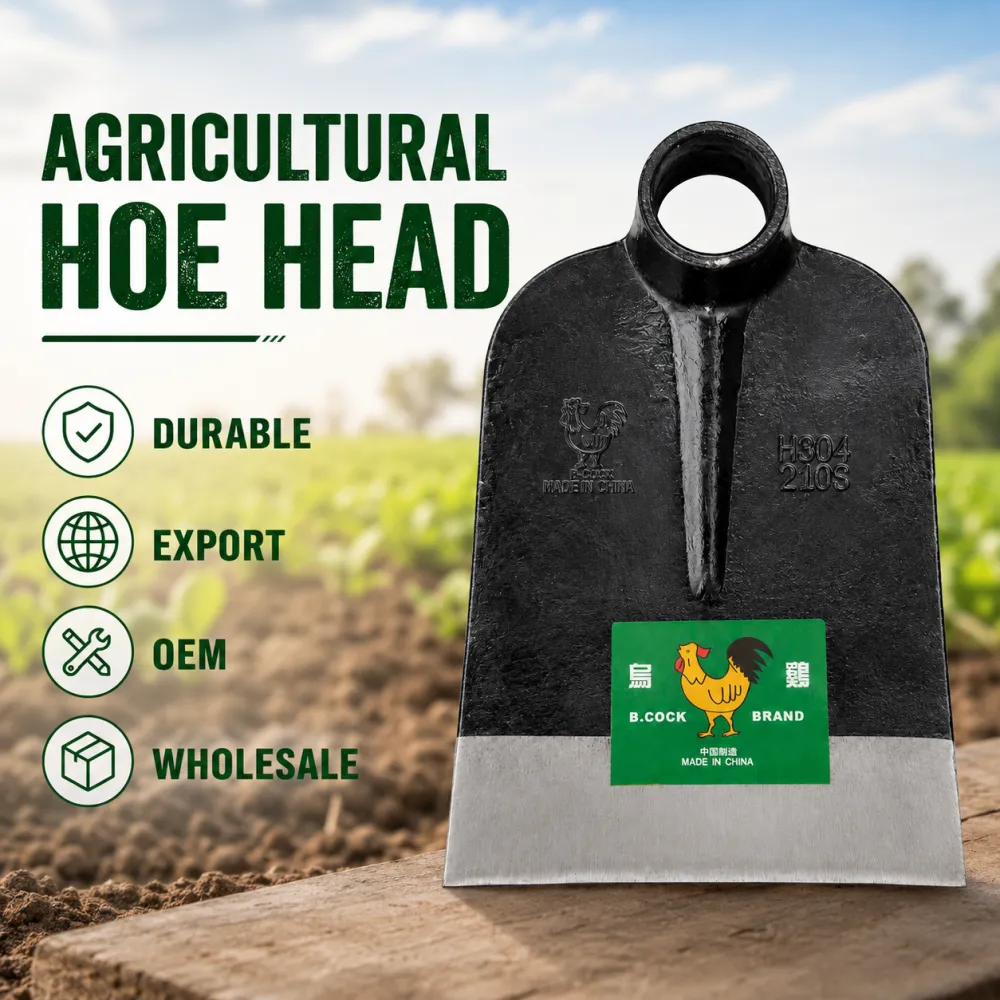
1. Verify the Legal Identity and Export Rights
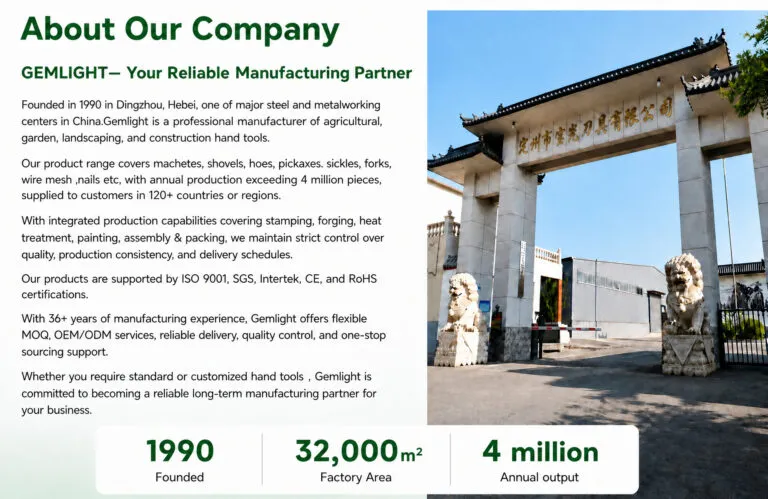
Start with the company's full legal name, not a brand name or an online store name.
Ask for the business license and check the registered address, business scope, and registration number.
Write the legal name exactly as it appears, including the city prefix. Small buyers often skip this and pay the price later.
Confirm the company holds export rights and a customs registration code. Without these, your goods move through a third party.
Check that the bank beneficiary name matches the license name exactly. A mismatch blocks any claim you may need later.
Search the Chinese name in the national credit system for penalties or abnormal status.
2. Confirm Whether You Are Buying From a Factory or a Trader
Both factories and traders can supply good hoes. The risk profile is different, not automatically better or worse.
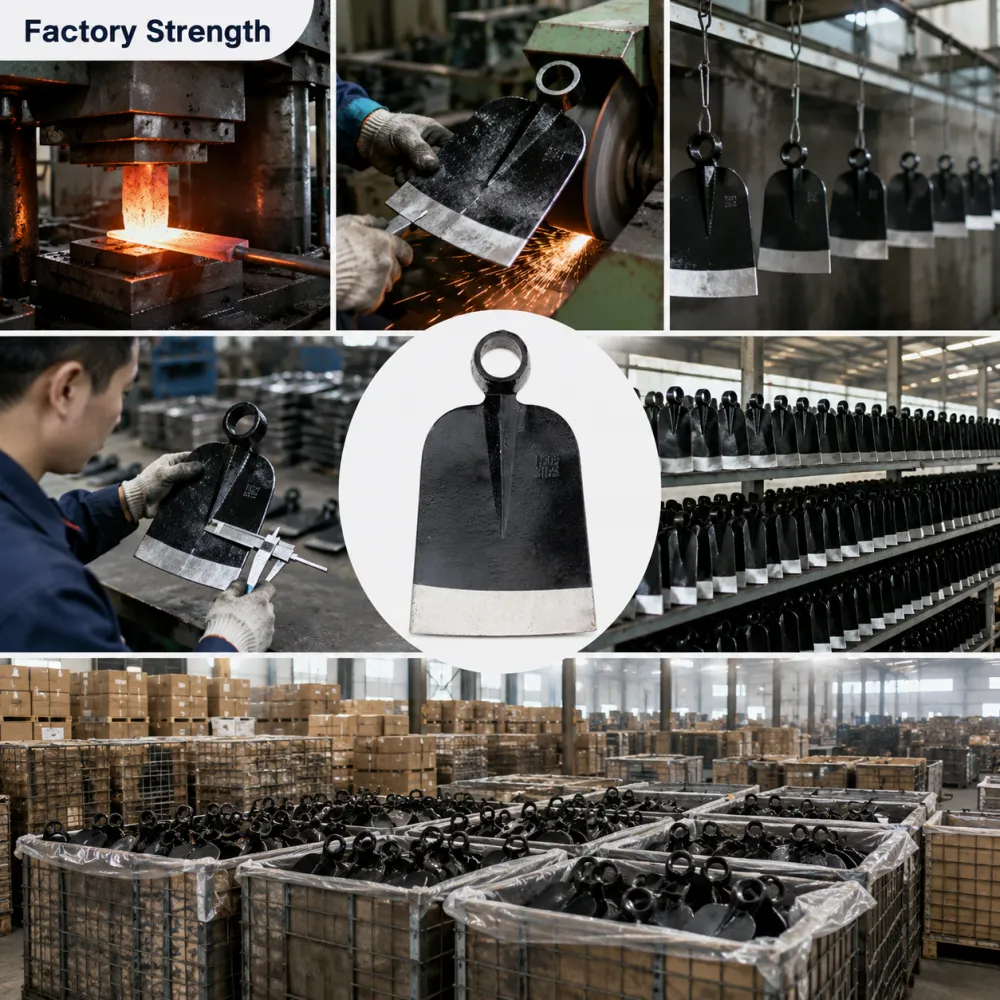
Ask which process steps happen inside the plant. Forging, heat treatment, and coating are the three key steps.
Ask who buys the steel, and who makes the wooden or fiberglass handles. Subcontracting is normal, but you should know about it.
Ask directly: do you forge the hoe head yourself, or do you buy finished heads?
Request a short live video walkthrough. Real production has noise, scale, and stacked raw material.
If the price is far below every other quote, ask what was left out of it.
That single question separates serious sellers from careless ones.
A serious seller explains which cost was reduced, for example thinner steel or a lower grade.
A careless seller simply says the other suppliers are too expensive.
Ask who performs the heat treatment, and whether it happens on site or at a nearby shop.
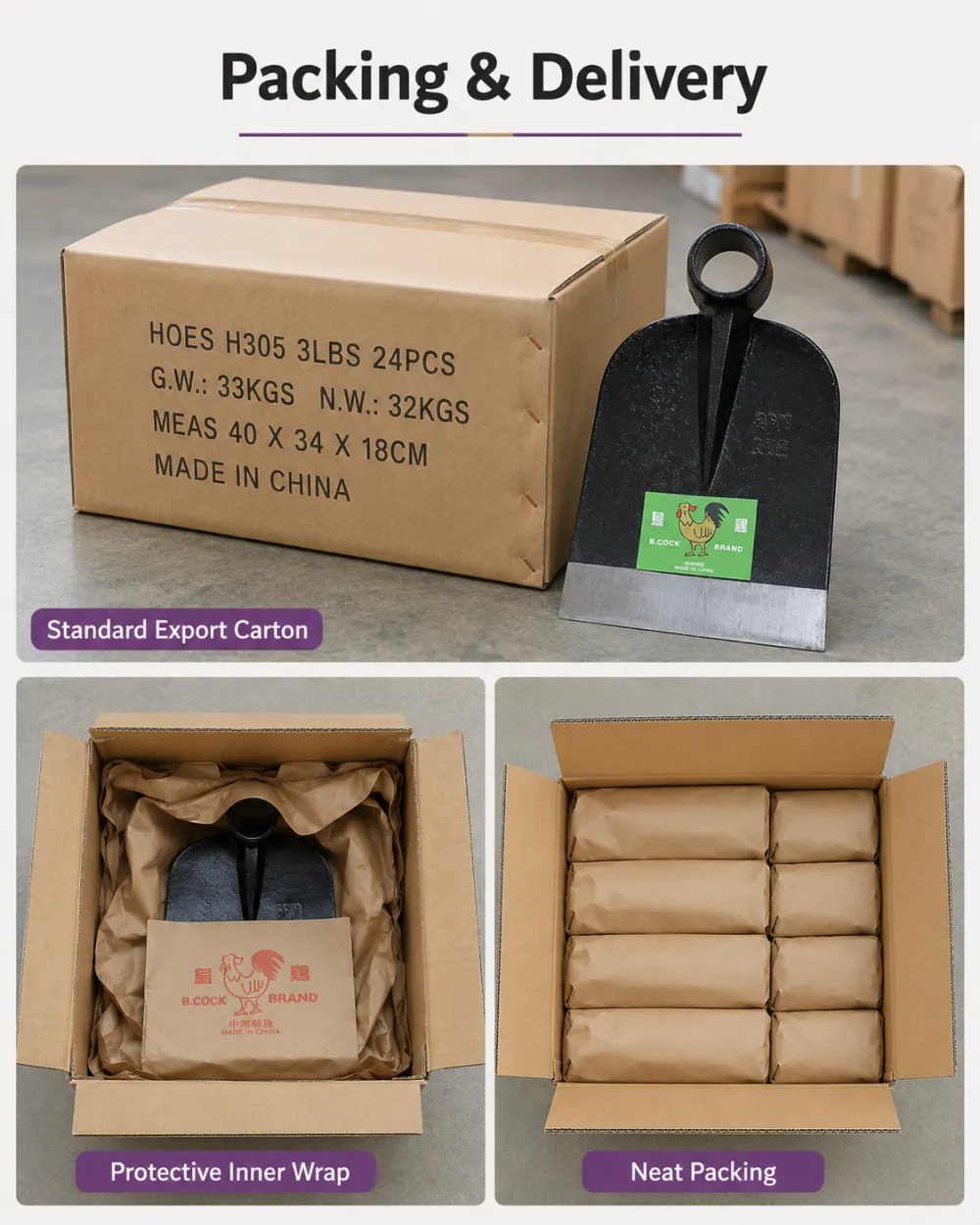
Also ask who packs the goods, because packing quality decides your damage rate.
3. Lock the Specification With a Counter-Sample
Never place a bulk order from a catalog photo alone. Photos hide weight, thickness, and surface finish.
Order a sample first, and pay for it. Free samples sometimes come from a different line than bulk production.
Approve the sample in writing, and ask the factory to keep an identical sealed counter-sample.
Write the sample serial number, the approval date, and your signature on that document. Keep photos from both sides.
Note the handle wood species, the handle length, and the paint or powder color code.
Your counter-sample is the reference point if the bulk goods arrive different. Without it, you have an opinion, not a claim.
4. Put Steel, Hardness, and Tolerances in Writing
Vague words like "high quality steel" protect nobody. Use measurable values in the purchase order.
Write the steel grade, for example carbon steel 45# or 1045, and the required hardness range in HRC.
State the head weight with a tolerance, such as 1.0 kg plus or minus 5 percent.
State the blade thickness, blade width, and cutting edge angle with their tolerances.
Describe the eye size, the handle diameter, and the required fitting tightness.
Ask the factory to measure three heads from the production batch and send you the numbers. That is the fastest way to spot drift.
Request a material test report for the actual batch, not only for the approved sample.
That report should show the steel grade, the chemical composition, and the measured hardness.
Compare the measured hardness with the range you wrote. Small gaps are normal, large gaps are not.
For hoes sold in the European Union, ask about REACH and any restricted substances.
For retail buyers, ask whether a test report is available for the handle coating too.
5. Agree on Inspection, Packing, Documents, and Payment
Decide how quality will be checked before shipment. Options include your own inspection or a third-party agent.
Agree on the inspection standard in writing, ideally inside the same document as the specification.
Confirm the coating type, the packing method, and the carton or pallet marking before production starts.
List the documents you need: commercial invoice, packing list, bill of lading, certificate of origin, and test reports.
Negotiate payment in stages. A 30 percent deposit and 70 percent against a copy of the bill of lading is common for a first order.
Never pay the final balance before you see inspection results and the shipping documents.
For repeat orders, keep the same inspector and the same standard, so results stay comparable over time.
Here are the eight items in one list, as a final check before you move money:
Legal name, license, and export rights confirmed.
Factory or trader status clearly understood.
Approved sample and sealed counter-sample in hand.
Steel grade and hardness range written into the order.
Weight, thickness, and blade size tolerances agreed.
Eye and handle fitting specification fixed and tested.
Inspection standard, packing, and documents agreed.
Payment stages and bank beneficiary verified.
If one line is still blank, stop. Ask, wait, and fill it in.
Buyers who finish this list rarely argue about quality later. Most first-order losses come from skipping item three or item four.
Keep every document in one folder, so the next order starts from a known baseline.
When you reorder, reuse the same specification, the same packing, and the same inspection rule.
Change one variable at a time, so you always know what caused a difference.
That discipline turns a risky first order into a predictable supply chain.
Recently Posted
-
Documents Needed to Bid for a Hoe Supply Contract
October 16, 2026Documents Needed to Bid for a Hoe Supply ContractTender submissions are judged on documents before they are judged on price.A stro Read More
 -
Hoe Specifications in Aid and Emergency Tool Kits: What Tenders Require
October 16, 2026Hoe Specifications in Aid and Emergency Tool Kits: What Tenders RequireAid and emergency programs buy hoes by the tens of thousand Read More
 -
How to Pack Hoes for Sea Shipment: Rust Prevention and Damage Control
October 16, 2026How to Pack Hoes for Sea Shipment: Rust Prevention and Damage ControlA hoe can pass every inspection at the factory and still arri Read More
 -
Certifications and Test Reports to Request from a Hoe Supplier
October 16, 2026Certifications and Test Reports to Request from a Hoe SupplierA hoe is a simple product, but the documents behind it are not alway Read More

Contact Us
Recommended Products
-
 Heavy Duty Cane Knife Machete for Wholesale Buyers Factory Direct Export for Rural Agricultural Projects Durable Hand ToolNegotiableMOQ: 1200 Pieces
 -
Agricultural Hoe Head Garden Rail Steel Tool for Tough Soil Cheap Price Hand ToolsUS$ 1.07 - 1.27MOQ: 1200 Pieces
-
Sturdy Rail Steel Hoe for Weeding, H305 Perfect for Agricultural and Garden TasksUS$ 1.07 - 1.27MOQ: 1200 Pieces
-
Heavy Duty Manganese Steel Garden Shovel Round Point Digging Shovel With Wooden Handle Farm Tool SupplierUS$ 2.14 - 2.36MOQ: 1200 Pieces
-
Big Shovel Wide Shovel Mud Shovel Heavy Duty Steel Blade for Farm Drainage Soil Moving Cleaning and Landscaping UseUS$ 2.14 - 2.36MOQ: 1200 Pieces




-
Strong Teeth Soil Rake for Farm Tool Suppliers Private Label Export for Farm Maintenance African Distribution Factory Bulk OrderUS$ 0.88 - 1.35MOQ: 2000 Pieces
-
Manual Cane Knife Machete for Wholesale Buyers Factory Direct Export for Rural Agricultural Projects Durable Hand ToolNegotiableMOQ: 1200 Pieces
-
Large High Carbon Steel Machete Knife Agricultural Machete for Farming Bush Cutting Garden Tool SupplierNegotiableMOQ: 1200 Pieces
-
Wholesale Heavy Duty Pick Mattock for Mining Road Work and Farm Digging for Wholesale Tool Dealers With Bulk Order ServiceUS$ 1.85 - 2.3MOQ: 1200 Pieces
-
Carbon Steel Manual Pickaxe for Hard Soil Breaking and Trenching for African Importers With OEM Bulk Order Support Agricultural ToolUS$ 1.85 - 2.3MOQ: 1200 Pieces





-
OEM Farm Sickle With Sharp Blade for African Importers OEM Bulk Order Support for Harvesting and Smallholder Farming for Wholesale BUS$ 0.28 - 0.33MOQ: 3000 Pieces
-
Heavy Duty Manganese Steel Round Point Shovel Garden Digging Shovel With Wooden Handle Agricultural Tool ManufacturerUS$ 2.14 - 2.36MOQ: 1200 Pieces
-
Farm Shovel Factory Supply for Regional Import Distributors Bulk Wholesale Supply for Garden Work and Trenching for Agricultural DealersUS$ 2.14 - 2.36MOQ: 1200 Pieces
-
Heavy Duty Garden Rake for African Importers OEM Factory Supply for Agricultural Use African Market Factory Bulk OrderUS$ 0.88 - 1.35MOQ: 2000 Pieces
-
Agricultural Soil Rake for Agricultural Dealers Export Supply for Garden Cleaning African Dealer Channels Factory Bulk OrderUS$ 0.88 - 1.35MOQ: 2000 Pieces





-
Manual Farm Machete for African Importers OEM Factory Supply for Farming and Land Clearing Durable Hand ToolNegotiableMOQ: 1200 Pieces
-
Large Heavy Duty Carbon Steel Garden Landscaping Digging HoeUS$ 1.07 - 1.27MOQ: 1200 Pieces
-
Heavy Duty Rail Steel Mattock Pick Axe With Wooden Handle for Digging Soil Mining and Agricultural Tool SupplierUS$ 1.85 - 2.3MOQ: 1200 Pieces
-
Forged Farm Sickle With Sharp Blade for African Importers OEM Bulk Order Support for Harvesting and Smallholder Farming for WholesalUS$ 0.28 - 0.33MOQ: 3000 Pieces
-
Strong Carbon Steel Farming Sickle for Uganda Tanzania Zambia Agricultural Tool DistributorsUS$ 0.34 - 0.47MOQ: 3000 Pieces





