


 Business License

How Hoe Prices Are Calculated: Steel, Labor, Handle, Coating and Freight
How Hoe Prices Are Calculated: Steel, Labor, Handle, Coating and Freight
Two suppliers quote the same hoe at very different prices, and both say their quality is good.
The reason is almost always inside the cost stack, not inside the sales pitch.
Once you know how a hoe price is built, you can read a quote like a buyer, not a guesser.
This article breaks down each cost element and shows where the differences hide.
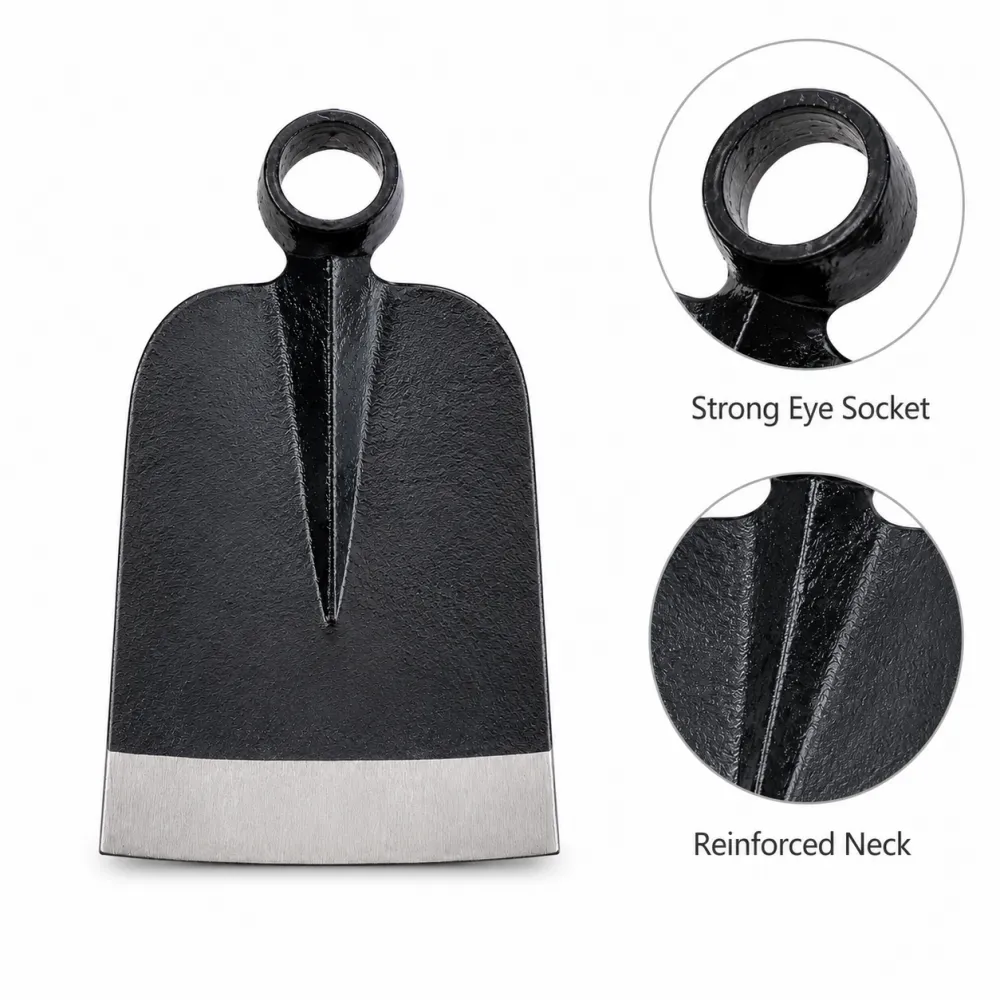
The Cost Stack Behind Every Hoe Quote
Every hoe price starts with steel, and steel is usually the largest material cost.
The head is priced by weight, so a 1.2 kg head costs more material than a 0.9 kg head.
Forging or stamping adds labor, energy, and die wear.
Heat treatment adds furnace time, and grinding adds the cutting edge.
Coating adds material and a separate process line.
The handle is a purchased part, and it can be 15 to 30 percent of the unit cost.
Assembly, packing, and carton cost sit on top of that.
Then the factory adds overhead, profit, inland freight, and export documentation.
Only after all of that does an FOB price appear on your screen.
Ask for the breakdown in these categories, and the quote becomes readable.
Suppliers who share it are usually the ones with nothing to hide.
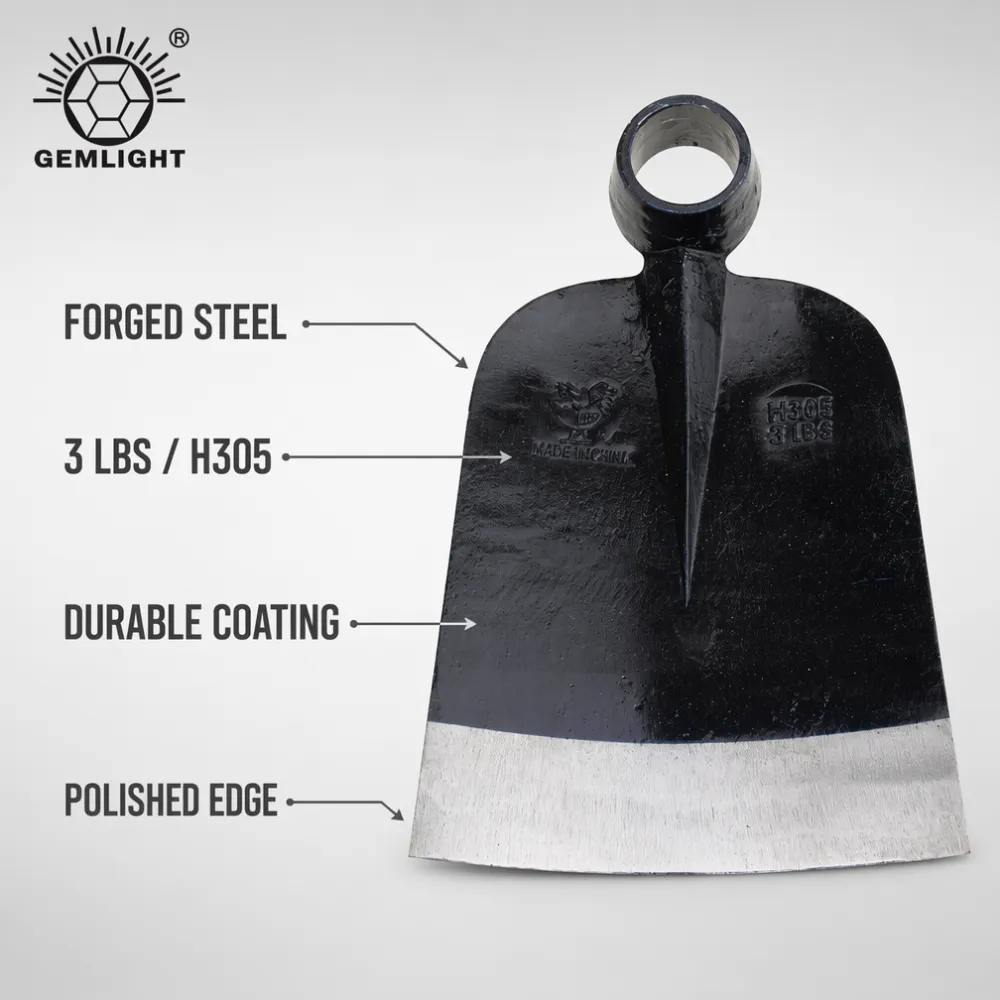
Which Cost Factors Change the Unit Price
Several factors move the price more than buyers expect.
The first is head weight. A ten percent weight increase moves material cost directly.
The second is steel grade. Medium carbon steel costs more than plain low carbon steel.
The third is batch size. Small batches carry higher setup cost per piece.
The fourth is hardness specification. A tight hardness range raises rejection rates.
The fifth is coating type. Powder coating costs more than a simple oil film or paint dip.
The sixth is the handle. Ash costs more than a soft local wood, and fiberglass costs more than both.
The seventh is packing. Bulk cartons are cheap, while color boxes are not.
The eighth is payment terms, because slow payment raises the supplier's working capital cost.
Freight and the exchange rate sit outside the factory, and both move every month.
Season matters too, because factories raise prices during their peak months.
Steel indexes are public, so you can check whether a price increase is genuine.
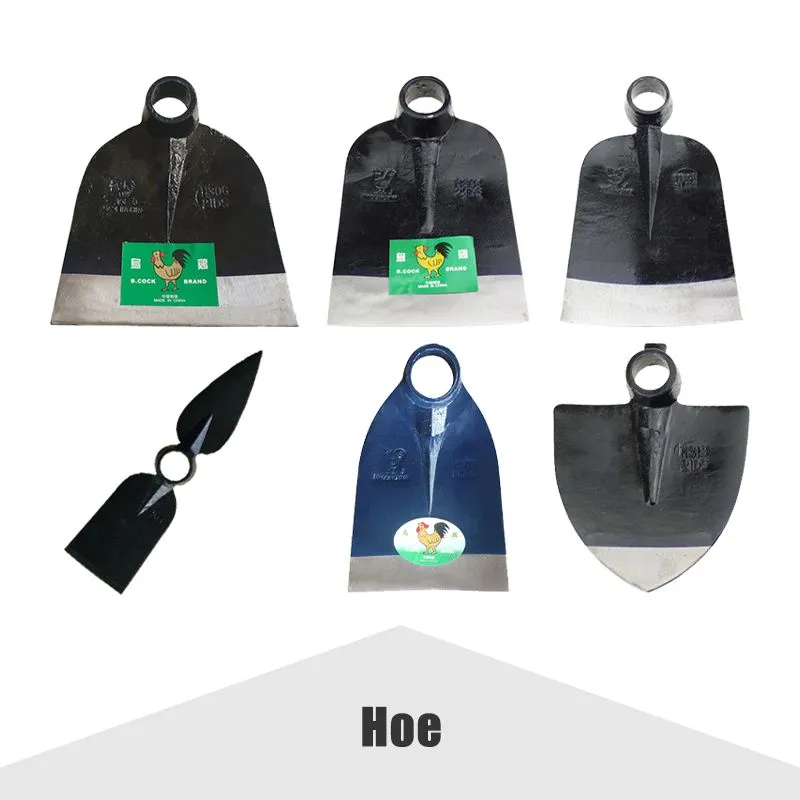
Why Two Quotes for the Same Hoe Differ
When two quotes differ by more than ten percent, ask for the reason in writing.
Sometimes the difference is the steel grade, and one quote uses a lower grade.
Sometimes it is head weight, and one quote is quietly lighter.
Sometimes it is blade thickness, which is easy to hide in a photo.
Sometimes it is the coating, and only one quote includes a proper powder coat.
Sometimes it is the handle, and one quote assumes a low-grade wooden handle.
Sometimes it is the price basis, and one quote is ex-works while the other is FOB.
Sometimes it is a trading margin layered on a factory price.
Sometimes it is the order quantity, and the lower quote assumes a much larger batch.
A serious supplier answers these questions without irritation.
If nobody can explain the gap, do not treat the cheaper quote as a bargain.
Ask both suppliers to complete the same specification sheet before you compare.
One page of structure removes most of the confusion from a price comparison.
Which Options Raise Cost Without Adding Value
Not every upgrade is worth paying for, and some options simply waste money.
An over-tight hardness range sounds professional but raises rejections and price.
Small-batch custom colors cost a lot and rarely sell faster.
Printing the brand on every unit is fine, but the same money spent on a better coating may help more.
Chrome plating looks bright but is rarely needed for agricultural use.
Over-thick packaging protects nothing extra and costs volume in the container.
A fiberglass handle on a tool sold to price-driven rural markets adds cost with no reward.
A heavier head on a tool used for light weeding creates fatigue, not value.
Each option should answer a real customer need in your market.
If you cannot name that need, drop the option and keep the margin.
Every upgrade should answer a question your customer already asks.
Cost that cannot be explained at retail is cost you never recover.
How to Compare Quotes Fairly
Fair comparison requires the same specification on both sides.
Write the head weight, steel grade, hardness range, blade size, and handle material first.
Then state the coating type, packing method, carton quantity, and price basis.
Ask both suppliers to quote FOB from the same port, so the terms match.
Convert each quote to a price per kilogram of finished tool, not just per piece.
Then add freight, duty, and inland cost to compare landed cost per unit.
Ask for a written cost breakdown if the supplier offers one. Many will.
A supplier who can explain their cost is usually a supplier who can control it.
Keep the comparison sheet for next season, and update only the numbers that changed.
Prices move with steel indexes, energy, and freight, so refresh the sheet every quarter.
Track three numbers each quarter: steel price, freight rate, and your landed cost.
When one of them moves, you know where to renegotiate and where to hold firm.
Recently Posted
-
Documents Needed to Bid for a Hoe Supply Contract
October 16, 2026Documents Needed to Bid for a Hoe Supply ContractTender submissions are judged on documents before they are judged on price.A stro Read More
 -
Hoe Specifications in Aid and Emergency Tool Kits: What Tenders Require
October 16, 2026Hoe Specifications in Aid and Emergency Tool Kits: What Tenders RequireAid and emergency programs buy hoes by the tens of thousand Read More
 -
How to Pack Hoes for Sea Shipment: Rust Prevention and Damage Control
October 16, 2026How to Pack Hoes for Sea Shipment: Rust Prevention and Damage ControlA hoe can pass every inspection at the factory and still arri Read More
 -
Certifications and Test Reports to Request from a Hoe Supplier
October 16, 2026Certifications and Test Reports to Request from a Hoe SupplierA hoe is a simple product, but the documents behind it are not alway Read More

Contact Us
Recommended Products
-
 Heavy Duty Cane Knife Machete for Wholesale Buyers Factory Direct Export for Rural Agricultural Projects Durable Hand ToolNegotiableMOQ: 1200 Pieces
 -
Agricultural Hoe Head Garden Rail Steel Tool for Tough Soil Cheap Price Hand ToolsUS$ 1.07 - 1.27MOQ: 1200 Pieces
-
Sturdy Rail Steel Hoe for Weeding, H305 Perfect for Agricultural and Garden TasksUS$ 1.07 - 1.27MOQ: 1200 Pieces
-
Heavy Duty Manganese Steel Garden Shovel Round Point Digging Shovel With Wooden Handle Farm Tool SupplierUS$ 2.14 - 2.36MOQ: 1200 Pieces
-
Big Shovel Wide Shovel Mud Shovel Heavy Duty Steel Blade for Farm Drainage Soil Moving Cleaning and Landscaping UseUS$ 2.14 - 2.36MOQ: 1200 Pieces




-
Strong Teeth Soil Rake for Farm Tool Suppliers Private Label Export for Farm Maintenance African Distribution Factory Bulk OrderUS$ 0.88 - 1.35MOQ: 2000 Pieces
-
Manual Cane Knife Machete for Wholesale Buyers Factory Direct Export for Rural Agricultural Projects Durable Hand ToolNegotiableMOQ: 1200 Pieces
-
Large High Carbon Steel Machete Knife Agricultural Machete for Farming Bush Cutting Garden Tool SupplierNegotiableMOQ: 1200 Pieces
-
Wholesale Heavy Duty Pick Mattock for Mining Road Work and Farm Digging for Wholesale Tool Dealers With Bulk Order ServiceUS$ 1.85 - 2.3MOQ: 1200 Pieces
-
Carbon Steel Manual Pickaxe for Hard Soil Breaking and Trenching for African Importers With OEM Bulk Order Support Agricultural ToolUS$ 1.85 - 2.3MOQ: 1200 Pieces





-
OEM Farm Sickle With Sharp Blade for African Importers OEM Bulk Order Support for Harvesting and Smallholder Farming for Wholesale BUS$ 0.28 - 0.33MOQ: 3000 Pieces
-
Heavy Duty Manganese Steel Round Point Shovel Garden Digging Shovel With Wooden Handle Agricultural Tool ManufacturerUS$ 2.14 - 2.36MOQ: 1200 Pieces
-
Farm Shovel Factory Supply for Regional Import Distributors Bulk Wholesale Supply for Garden Work and Trenching for Agricultural DealersUS$ 2.14 - 2.36MOQ: 1200 Pieces
-
Heavy Duty Garden Rake for African Importers OEM Factory Supply for Agricultural Use African Market Factory Bulk OrderUS$ 0.88 - 1.35MOQ: 2000 Pieces
-
Agricultural Soil Rake for Agricultural Dealers Export Supply for Garden Cleaning African Dealer Channels Factory Bulk OrderUS$ 0.88 - 1.35MOQ: 2000 Pieces





-
Manual Farm Machete for African Importers OEM Factory Supply for Farming and Land Clearing Durable Hand ToolNegotiableMOQ: 1200 Pieces
-
Large Heavy Duty Carbon Steel Garden Landscaping Digging HoeUS$ 1.07 - 1.27MOQ: 1200 Pieces
-
Heavy Duty Rail Steel Mattock Pick Axe With Wooden Handle for Digging Soil Mining and Agricultural Tool SupplierUS$ 1.85 - 2.3MOQ: 1200 Pieces
-
Forged Farm Sickle With Sharp Blade for African Importers OEM Bulk Order Support for Harvesting and Smallholder Farming for WholesalUS$ 0.28 - 0.33MOQ: 3000 Pieces
-
Strong Carbon Steel Farming Sickle for Uganda Tanzania Zambia Agricultural Tool DistributorsUS$ 0.34 - 0.47MOQ: 3000 Pieces





