
 Business License

What HS code and import duty apply to agricultural machetes?
What HS code and import duty apply to agricultural machetes?
Get the tariff code wrong and two things happen. You pay the wrong duty, or the shipment stops at the border.
Machetes are hand tools, and most customs authorities place them in one heading. The details still vary by country.
This guide explains the classification logic, the factors that change duty, and the paperwork that should travel with the goods.
Always confirm the final code and rate with a customs broker in the destination country before you commit to a price.
Why are machetes classified under HS 8201.40?
The Harmonised System groups hand tools used in agriculture, horticulture and forestry under heading 8201.
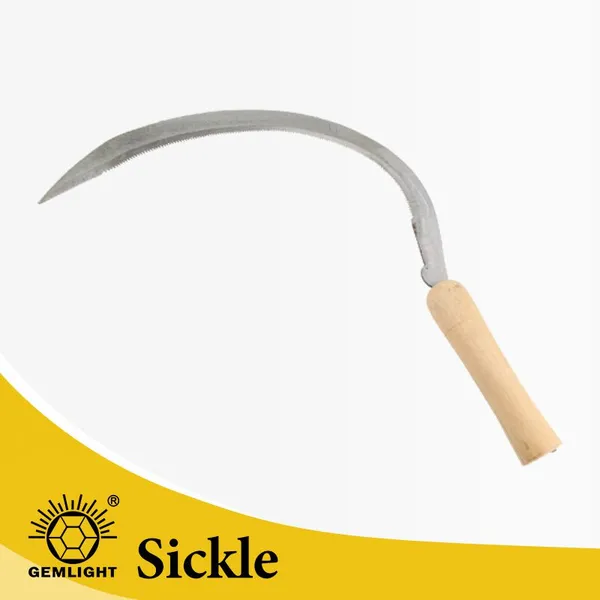
That heading covers spades, shovels, mattocks, hoes, axes, bill hooks, sickles, scythes and similar tools.
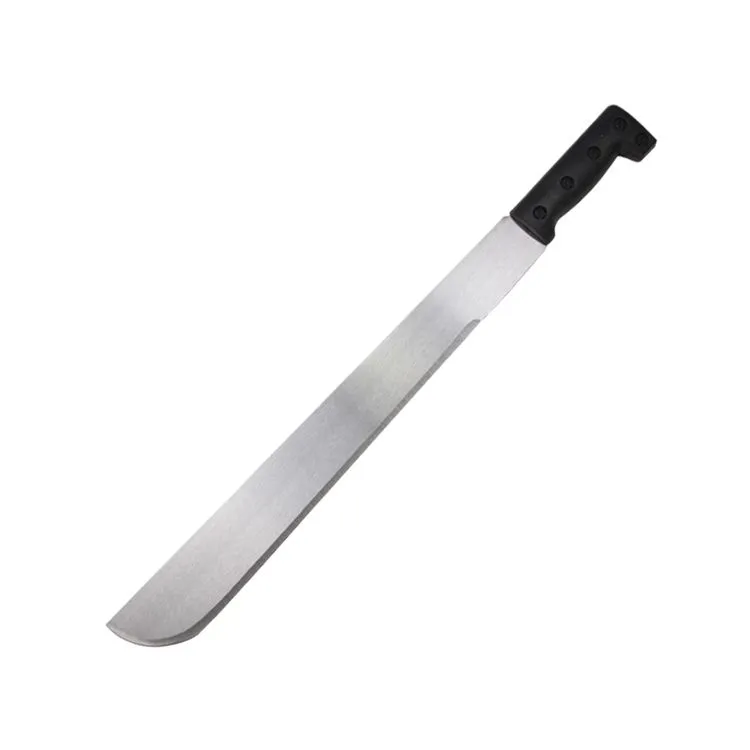
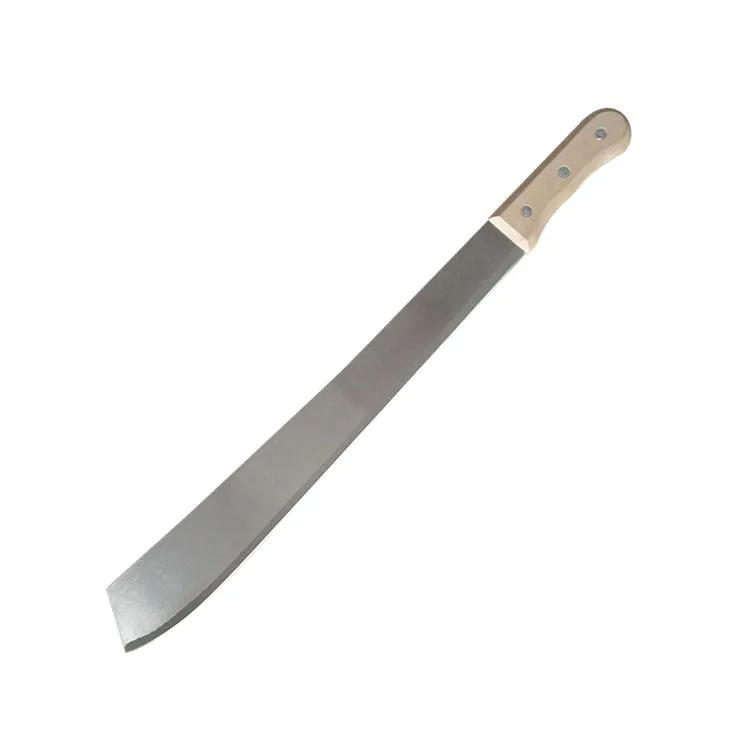
Subheading 8201.40 covers axes, bill hooks and similar hewing tools. Machetes belong in this group in most schedules.
The logic is function, not brand. A machete is a hewing tool used by hand, without a power source.
Kitchen knives sit in a different chapter, under 8211. That distinction matters, because duty rates differ a lot.
Some markets create a national line under 8201.40 for machetes specifically, often with its own rate.
Others leave machetes inside the general 8201.40 line with no separate code.
This is why the same product can show two different ten digit codes in two countries.
What matters is consistency: the invoice, the packing list and the customs declaration should all show the same code.
What changes the duty rate by country?
The base rate is the most favoured nation rate. Every WTO member publishes one for the heading.
Preferential agreements reduce it. A valid certificate of origin under a trade agreement can bring the rate to zero.
Generalised preference schemes work the same way for eligible countries, with their own origin rules.
Origin rules are where shipments fail. If the steel comes from one country and the assembly from another, the origin calculation matters.
Some countries add value added tax, excise or a surcharge on the duty paid value.
Valuation is the second lever. Duty is charged on the customs value, which usually includes the goods and freight to the border.
A low declared value to reduce duty is a false declaration. The penalty is usually worse than the duty saved.
Seasonal or temporary measures exist in some markets, so check the rate for the actual shipment date.
Anti-dumping duties are rare for this product, but check the specific national schedule anyway.
Ask for the tariff line in writing, with the effective date, so a later change is visible.
Keep a copy of the tariff page in the shipment file. It answers questions months later.
A broker's written opinion is cheap compared with a reclassification penalty at destination.
Ask whether the destination requires specific description wording on the invoice.
Check whether the handle material changes the classification in that country.
Some schedules treat agricultural tools differently from general hardware. Confirm before quoting.
Then give the same information to your freight forwarder and your customs broker.
Store the code in your order template, so every invoice carries it automatically.
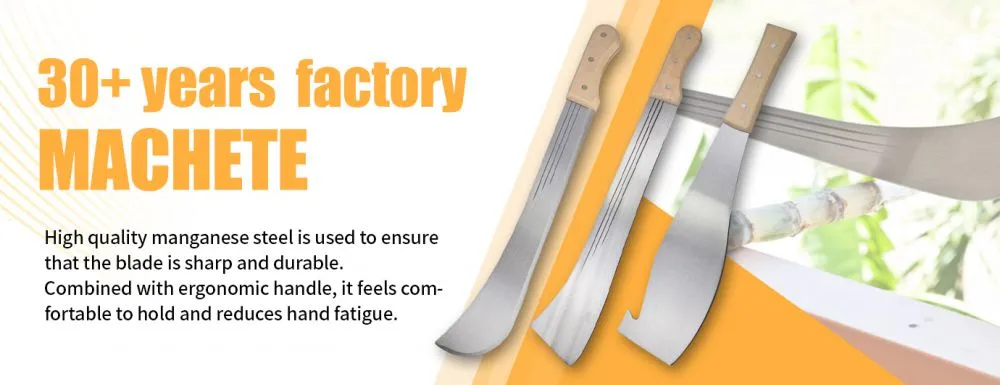
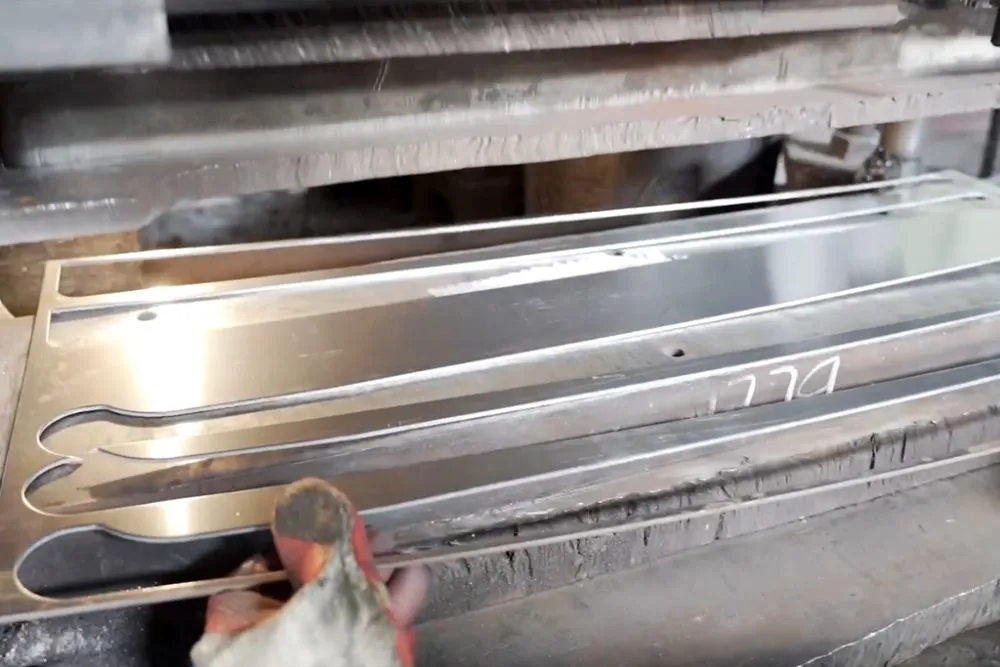
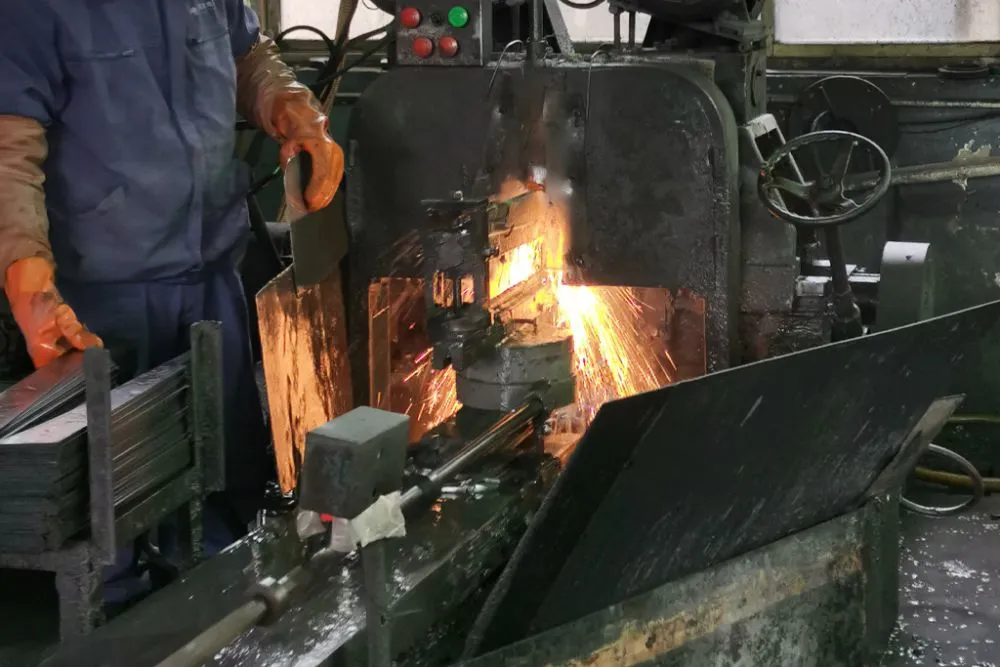
Which documents should travel with the shipment?
The commercial invoice is the core document. It should show a clear description, quantity, unit price and the HS code.
Describe the goods plainly: agricultural machete, blade length, handle material. Avoid vague wording like garden tools.
Add the Incoterm and the port pair, so the customs value is easy to establish.
The packing list should match the invoice line by line, with carton counts, weights and dimensions.
The bill of lading carries the shipper, consignee and port details. Check that names match the invoice exactly.
A certificate of origin is needed if you claim a preference. Without it, you pay the standard rate.
Insurance documents may be requested, depending on the destination and the Incoterm.
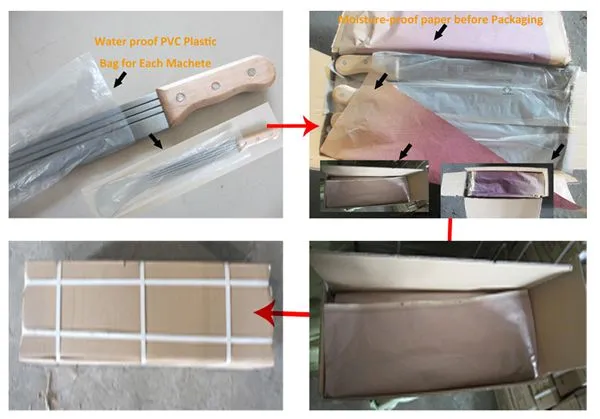
If wooden packaging is used, it needs ISPM 15 treatment and the correct mark. Pallets and crates count, not the product handle.
Some destinations require a conformity certificate before clearance. Check whether your market runs such a programme.
Keep a technical datasheet on file. It answers classification questions quickly when customs asks.
Where do classification mistakes usually happen?
Three mistakes appear again and again, and all are avoidable.
The first is declaring machetes as knives. It looks close, it changes the chapter, and it changes the duty.
The second is bundling several tools into one vague line. Customs then classifies by the highest duty item.
The third is copying the code from a supplier's old invoice without checking. Codes and national lines do change.
A fourth mistake is inconsistent paperwork. One code on the invoice and another on the declaration invites inspection.
Ask your broker for a written classification opinion before the first shipment. Keep it with the order file.
If the value or the code is challenged, a clear product description and a datasheet settle most cases.
Then reuse the same code and description on every order. Consistency builds a clean record.
HS code and duty RFQ checklist
Ask your supplier and broker for these items before you price the goods.
HS code at six digit level, and the national ten digit line
Written product description for the invoice
Material composition of blade and handle
Country of origin and the basis for it
Certificate of origin type required for preference
Current MFN rate and any preferential rate
VAT or surcharge treatment at destination
Conformity certificate requirement, if any
ISPM 15 marking for wooden packaging
Documents list required by the destination customs
Broker contact and classification opinion on file
Record of the code used on previous shipments
The code is a legal statement, not a formality. Confirm it once, write it down, and keep every shipment consistent.
Recently Posted
-
What specifications do government and NGO tenders require for machetes?
October 23, 2026What specifications do government and NGO tenders require for machetes?Tender documents describe a machete in ways a retail buyer Read More
-
How is the FOB price of an agricultural machete calculated?
October 23, 2026How is the FOB price of an agricultural machete calculated?Two factories quote the same drawing and the numbers differ by forty pe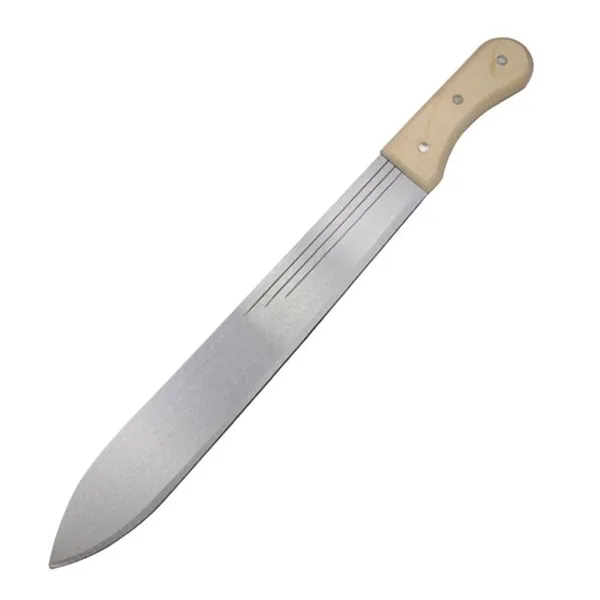 Read More
-
What should a pre-shipment inspection cover in a machete order?
October 23, 2026What should a pre-shipment inspection cover in a machete order?An inspection is not a formality before loading. It is your last ch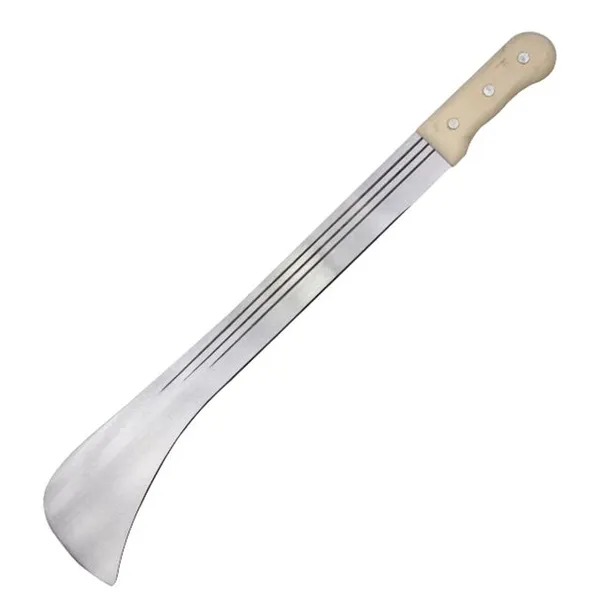 Read More
-
Why do machete blades chip, bend or snap at the tang?
October 23, 2026Why do machete blades chip, bend or snap at the tang?Three failures cause most machete complaints: chipping, bending, and a tang t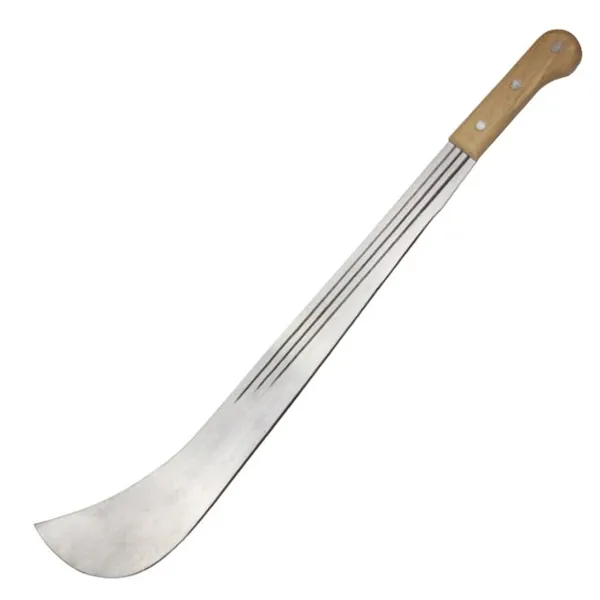 Read More

Contact Us
Recommended Products
-
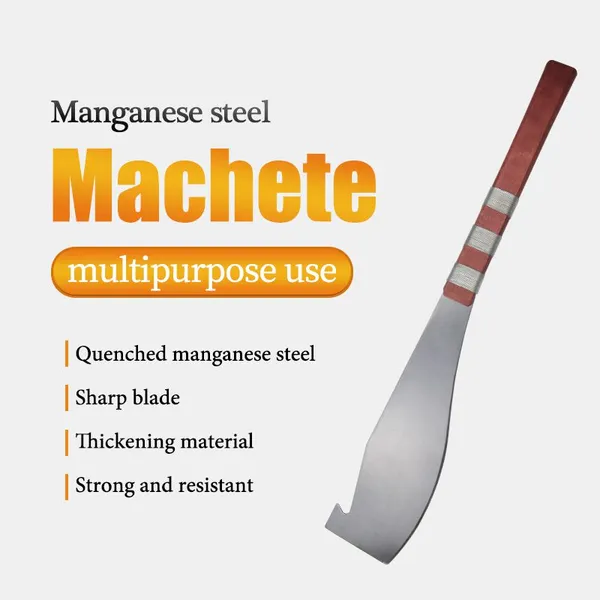
 Heavy Duty Cane Knife Machete for Wholesale Buyers Factory Direct Export for Rural Agricultural Projects Durable Hand ToolNegotiableMOQ: 1200 Pieces
-
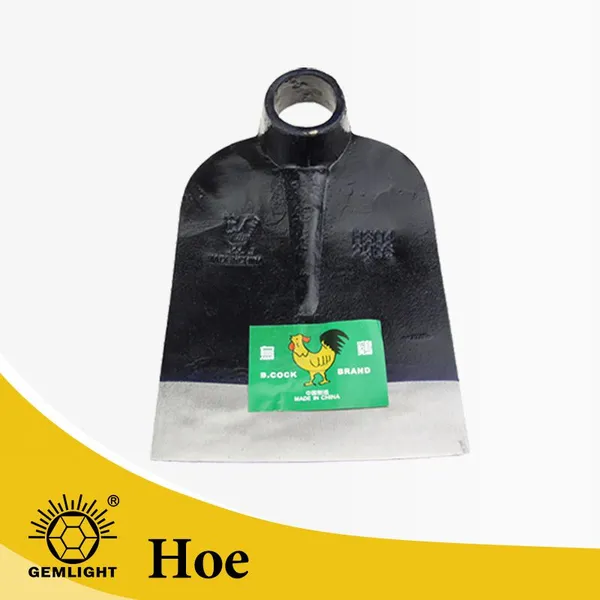
Agricultural Hoe Head Garden Rail Steel Tool for Tough Soil Cheap Price Hand ToolsUS$ 1.07 - 1.27MOQ: 1200 Pieces
-
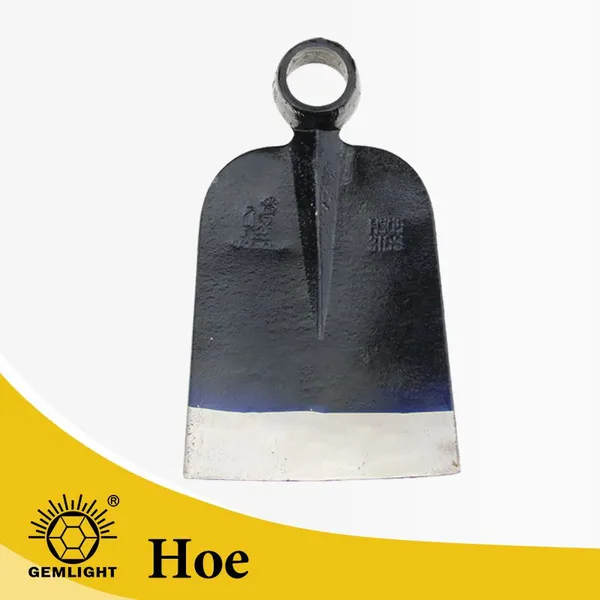
Sturdy Rail Steel Hoe for Weeding, H305 Perfect for Agricultural and Garden TasksUS$ 1.07 - 1.27MOQ: 1200 Pieces
-
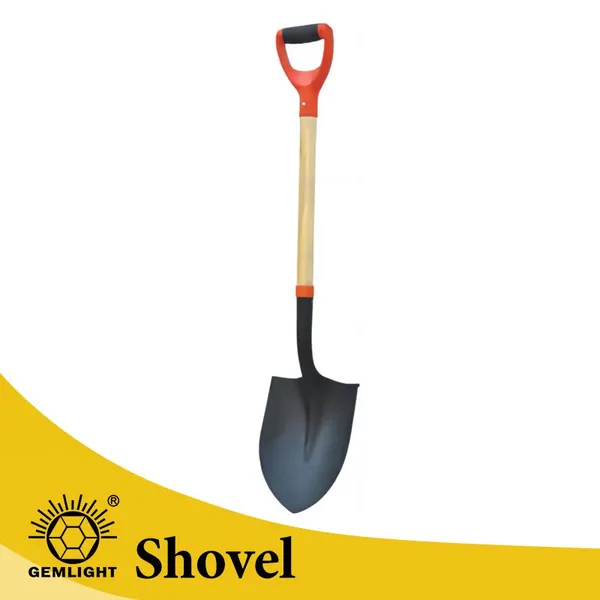
Heavy Duty Manganese Steel Garden Shovel Round Point Digging Shovel With Wooden Handle Farm Tool SupplierUS$ 2.14 - 2.36MOQ: 1200 Pieces
-
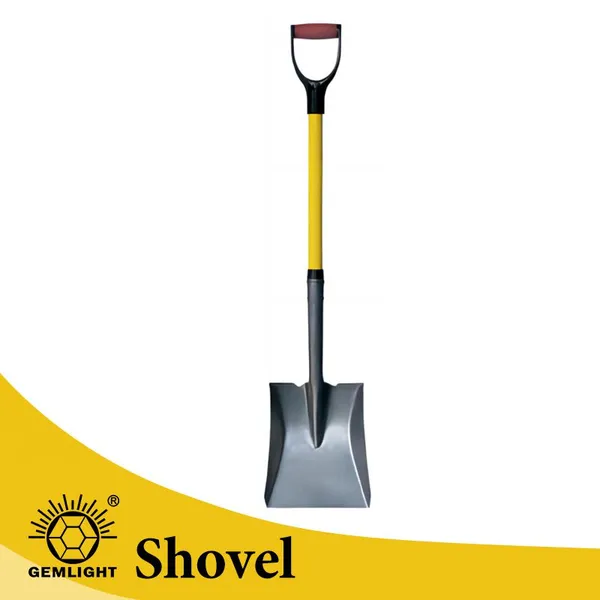
Big Shovel Wide Shovel Mud Shovel Heavy Duty Steel Blade for Farm Drainage Soil Moving Cleaning and Landscaping UseUS$ 2.14 - 2.36MOQ: 1200 Pieces
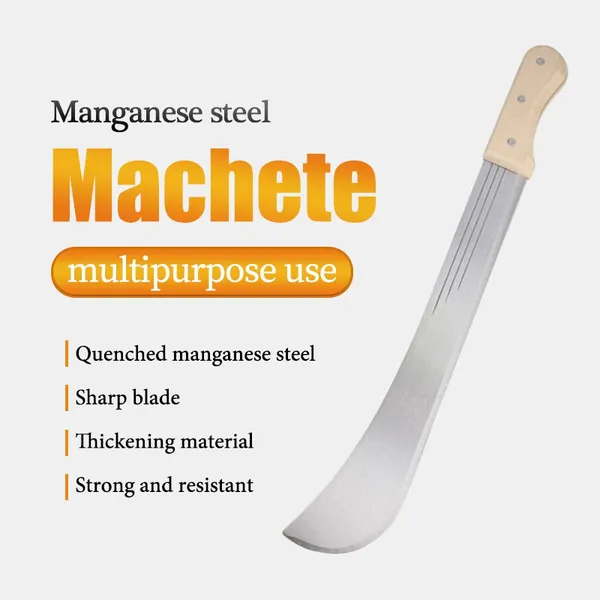
-
Strong Teeth Soil Rake for Farm Tool Suppliers Private Label Export for Farm Maintenance African Distribution Factory Bulk OrderUS$ 0.88 - 1.35MOQ: 2000 Pieces
-
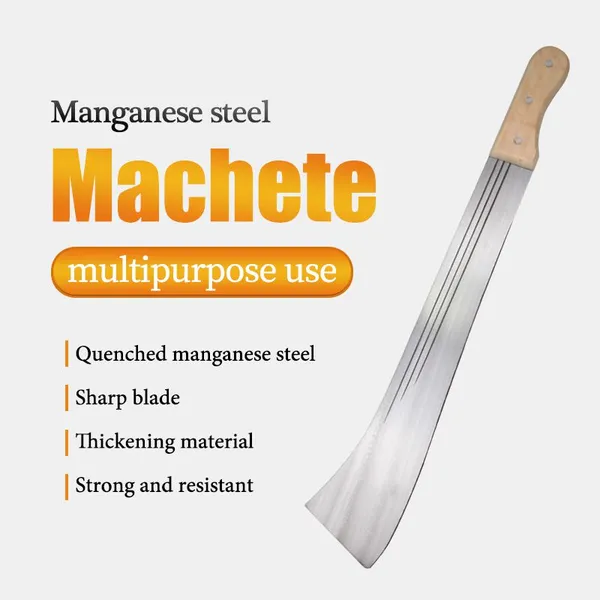
Manual Cane Knife Machete for Wholesale Buyers Factory Direct Export for Rural Agricultural Projects Durable Hand ToolNegotiableMOQ: 1200 Pieces
-
Large High Carbon Steel Machete Knife Agricultural Machete for Farming Bush Cutting Garden Tool SupplierNegotiableMOQ: 1200 Pieces
-
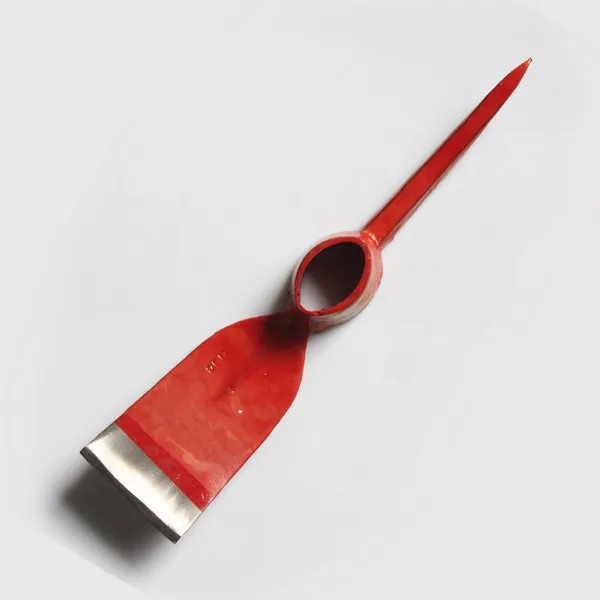
Wholesale Heavy Duty Pick Mattock for Mining Road Work and Farm Digging for Wholesale Tool Dealers With Bulk Order ServiceUS$ 1.85 - 2.3MOQ: 1200 Pieces
-
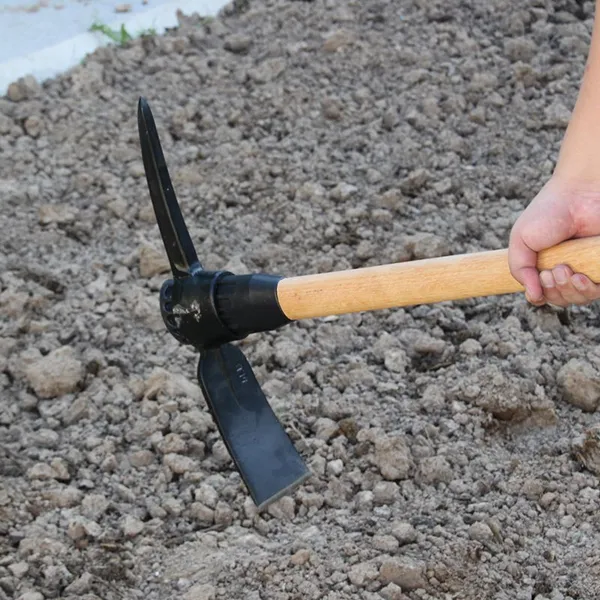
Carbon Steel Manual Pickaxe for Hard Soil Breaking and Trenching for African Importers With OEM Bulk Order Support Agricultural ToolUS$ 1.85 - 2.3MOQ: 1200 Pieces

-
OEM Farm Sickle With Sharp Blade for African Importers OEM Bulk Order Support for Harvesting and Smallholder Farming for Wholesale BUS$ 0.28 - 0.33MOQ: 3000 Pieces
-
Heavy Duty Manganese Steel Round Point Shovel Garden Digging Shovel With Wooden Handle Agricultural Tool ManufacturerUS$ 2.14 - 2.36MOQ: 1200 Pieces
-
Farm Shovel Factory Supply for Regional Import Distributors Bulk Wholesale Supply for Garden Work and Trenching for Agricultural DealersUS$ 2.14 - 2.36MOQ: 1200 Pieces
-
Heavy Duty Garden Rake for African Importers OEM Factory Supply for Agricultural Use African Market Factory Bulk OrderUS$ 0.88 - 1.35MOQ: 2000 Pieces
-
Agricultural Soil Rake for Agricultural Dealers Export Supply for Garden Cleaning African Dealer Channels Factory Bulk OrderUS$ 0.88 - 1.35MOQ: 2000 Pieces
-
Manual Farm Machete for African Importers OEM Factory Supply for Farming and Land Clearing Durable Hand ToolNegotiableMOQ: 1200 Pieces
-
Large Heavy Duty Carbon Steel Garden Landscaping Digging HoeUS$ 1.07 - 1.27MOQ: 1200 Pieces
-
Heavy Duty Rail Steel Mattock Pick Axe With Wooden Handle for Digging Soil Mining and Agricultural Tool SupplierUS$ 1.85 - 2.3MOQ: 1200 Pieces
-
Forged Farm Sickle With Sharp Blade for African Importers OEM Bulk Order Support for Harvesting and Smallholder Farming for WholesalUS$ 0.28 - 0.33MOQ: 3000 Pieces
-
Strong Carbon Steel Farming Sickle for Uganda Tanzania Zambia Agricultural Tool DistributorsUS$ 0.34 - 0.47MOQ: 3000 Pieces