
 Business License

How is the FOB price of an agricultural machete calculated?
How is the FOB price of an agricultural machete calculated?
Two factories quote the same drawing and the numbers differ by forty percent. Neither is automatically cheating you.
A machete price is built from steel, labour minutes, energy, handles, packing and margin. Each line can move.
FOB also has a fixed meaning. The price includes delivery to the named port and export clearance, and nothing beyond that.
Understanding the build-up tells you where to negotiate and where to stop pushing.
Which cost elements move the unit price most?
Steel is the first element. It is priced by weight, so finished blade weight and material yield both matter.
A 0.4 kg blade may consume 0.55 kg of strip, because cutting and grinding remove steel. That difference is your yield.
Labour is the second element, and grinding usually dominates it. A polished blade takes far more minutes than a black oxide one.
Forging adds heating, hammering and handling time, which is why forged blanks cost more than stamped ones.
Heat treatment adds energy, furnace time and handling between processes.
Handles, rivets, sheaths and cartons are bought-in parts. They follow their own markets and their own minimums.
Setup costs spread across the order. A 1,000 piece run carries the same die and fixture costs as a 20,000 piece run.
Inland transport to the port and export documentation sit at the end. On small orders this can be a visible share.
Margin is the final line, and it varies more than buyers expect between factories and seasons.
Exchange rate moves the number too. A price held for thirty days is worth more than a cheaper one.
Ask whether the quote includes printed cartons or plain ones. The difference is visible.
Compare cost per kilogram of finished blade across quotes. It exposes thin steel sold as standard.
Documentation and banking add fixed costs. On small orders they raise the unit price.
Ask what changes if you double the quantity. The answer shows where the real cost sits.
Request the price of the same model in two finishes. That comparison reveals labour content.
A quote with no specification is a number, not an offer. Ask again before comparing.
Keep every quote in one file with its date. Steel and labour both move within a season.
Why do two quotes for the same drawing differ?
Different yield is the most common reason. One factory nests blades tightly and wastes less strip.
Different steel is the second. One quote may use a cheaper grade, or a thinner strip, while looking identical on paper.
Grinding minutes differ with equipment. Hand grinding with a jig is slower than a shaped wheel, and the labour cost shows.
Finish is a quiet variable. A polished blade can cost meaningfully more than a black oxide blade at the same size.
Packing differs more than buyers think. A poly bag and a printed colour box are not the same product.
The Incoterm matters. An EXW price looks cheap until you add trucking, port charges and export clearance.
Order size assumptions differ too. One supplier quotes 1,000 pieces per model, another assumes 5,000 mixed.
Payment terms shift the price. Longer credit or a letter of credit adds cost that reappears in the quote.
Finally, margin policy. Some plants quote thin on repeat business and high on small first orders.
How do you read a quote sheet line by line?
A useful quote shows the specification and the price separately, so you can compare line against line.
Check the steel grade and the thickness first. If they are missing, the price means nothing.
Check what is included: sheath, packing, logo, export carton, inland freight.
Check the price basis: FOB port name, MOQ, and validity period.
Check the price at three volumes. A flat price across volumes suggests a trader, or a factory without capacity planning.
Ask for the sheath price separately. Many buyers compare a bare blade with a sheathed one by mistake.
Ask for the cost of one extra process, such as laser marking. A real plant answers quickly, because it knows its minutes.
Then compare landed cost, not FOB. Freight and duty often change the ranking of two quotes.
Where can a buyer cut cost without hurting quality?
Cut appearance before you cut steel. A simpler finish saves money and does not shorten blade life.
Standardise the handle. A stock handle shape avoids new tooling and long lead times.
Simplify the sheath, or drop it for markets where users make their own.
Use a standard export carton instead of a printed retail box, if your channel allows it.
Consolidate models in one order to reach a better volume band, instead of placing several small orders.
Accept a longer lead time in the low season. Factories price urgency, and rightly so.
Where the steel grade is overspecified, adjust it. A market that cuts grass does not need the hardest grade available.
Do not cut the tempering, the tang design or the declared thickness. Those savings return as claims.
Ask for a cost breakdown on the two most expensive lines. Suppliers who know their costs will answer.
FOB price RFQ checklist
Use this list so every quote arrives in a comparable shape.
Model number and blade dimensions with tolerance
Steel grade, mill source and strip thickness
Finished weight and strip consumption per piece
Forging or stamping process
Grinding method and finish level
Heat treatment method and hardness range
Handle material, tang type and rivet count
Sheath type and price quoted separately
Packing method, units per carton and carton size
FOB port, MOQ and price validity
Price at 1,000, 5,000 and 20,000 pieces
Payment terms and inspection cost responsibility
A quote is only comparable when the specification is identical. Fix the spec first, then argue about the number.
Recently Posted
-
How do I prepare a bid for a machete supply contract?
October 23, 2026How do I prepare a bid for a machete supply contract?A machete tender is usually won or lost before pricing is opened. Bids get re Read More
-
What specifications do government and NGO tenders require for machetes?
October 23, 2026What specifications do government and NGO tenders require for machetes?Tender documents describe a machete in ways a retail buyer Read More
-
How should machetes be packed and rust-proofed for sea freight?
October 23, 2026How should machetes be packed and rust-proofed for sea freight?Carbon steel rusts. A machete in a humid container for five weeks w Read More
-
What HS code and import duty apply to agricultural machetes?
October 23, 2026What HS code and import duty apply to agricultural machetes?Get the tariff code wrong and two things happen. You pay the wrong dut Read More

Contact Us
Recommended Products
-
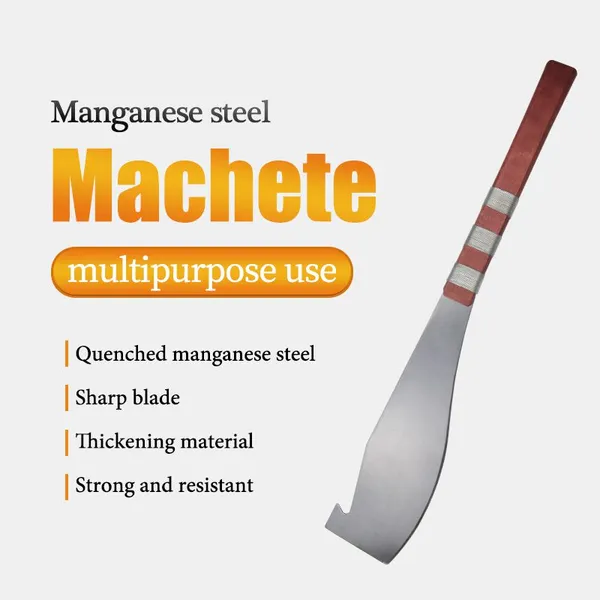
 Heavy Duty Cane Knife Machete for Wholesale Buyers Factory Direct Export for Rural Agricultural Projects Durable Hand ToolNegotiableMOQ: 1200 Pieces
-
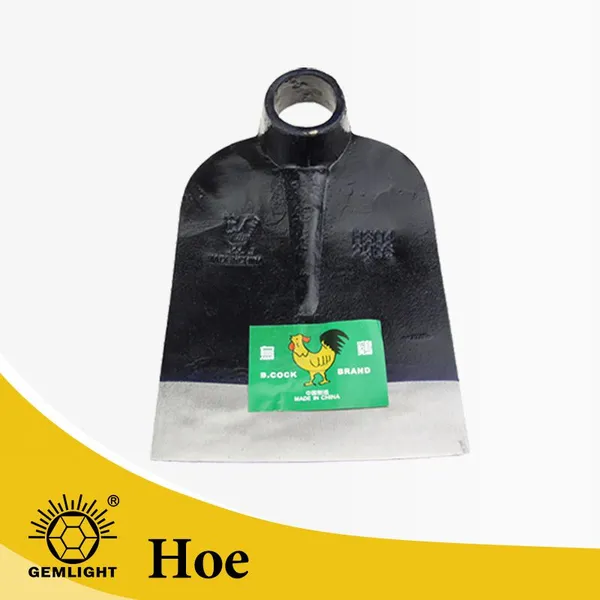
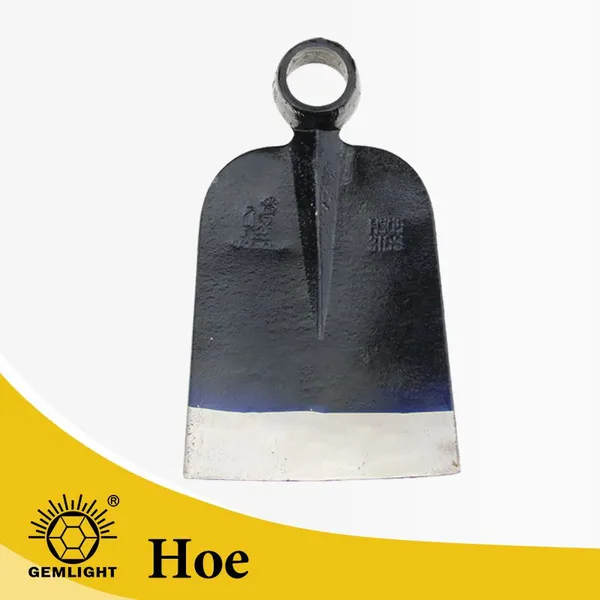
Agricultural Hoe Head Garden Rail Steel Tool for Tough Soil Cheap Price Hand ToolsUS$ 1.07 - 1.27MOQ: 1200 Pieces
-
Sturdy Rail Steel Hoe for Weeding, H305 Perfect for Agricultural and Garden TasksUS$ 1.07 - 1.27MOQ: 1200 Pieces
-
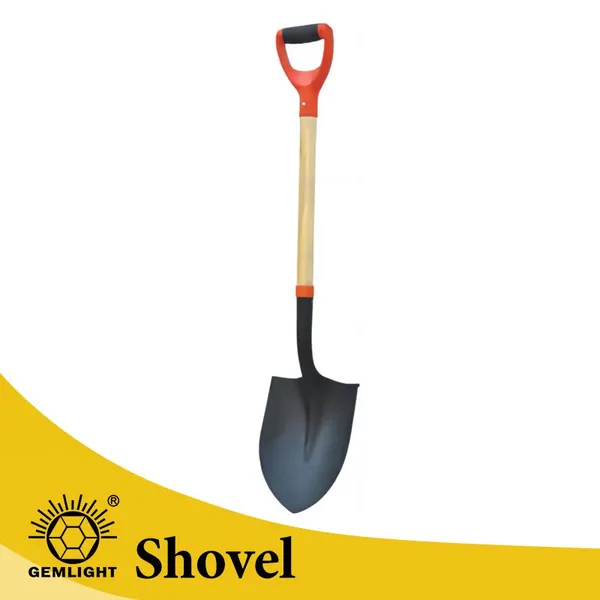
Heavy Duty Manganese Steel Garden Shovel Round Point Digging Shovel With Wooden Handle Farm Tool SupplierUS$ 2.14 - 2.36MOQ: 1200 Pieces
-
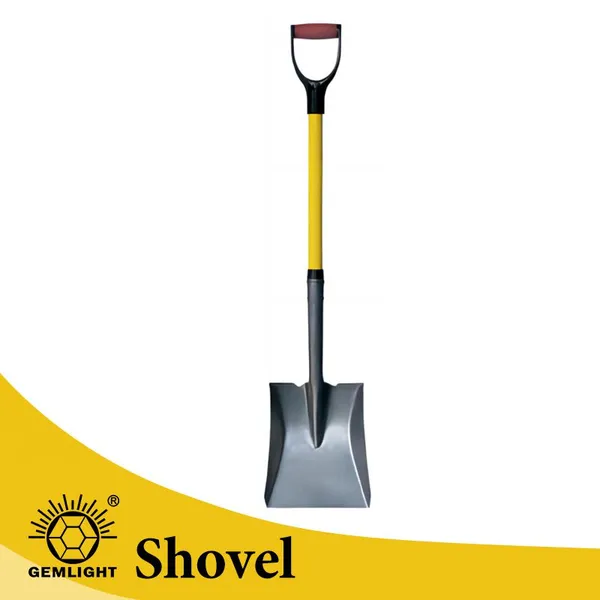
Big Shovel Wide Shovel Mud Shovel Heavy Duty Steel Blade for Farm Drainage Soil Moving Cleaning and Landscaping UseUS$ 2.14 - 2.36MOQ: 1200 Pieces
-
Strong Teeth Soil Rake for Farm Tool Suppliers Private Label Export for Farm Maintenance African Distribution Factory Bulk OrderUS$ 0.88 - 1.35MOQ: 2000 Pieces
-
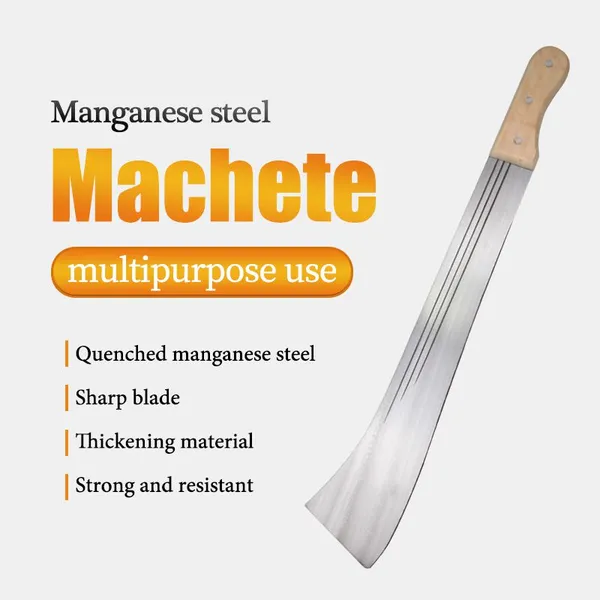
Manual Cane Knife Machete for Wholesale Buyers Factory Direct Export for Rural Agricultural Projects Durable Hand ToolNegotiableMOQ: 1200 Pieces
-
Large High Carbon Steel Machete Knife Agricultural Machete for Farming Bush Cutting Garden Tool SupplierNegotiableMOQ: 1200 Pieces
-
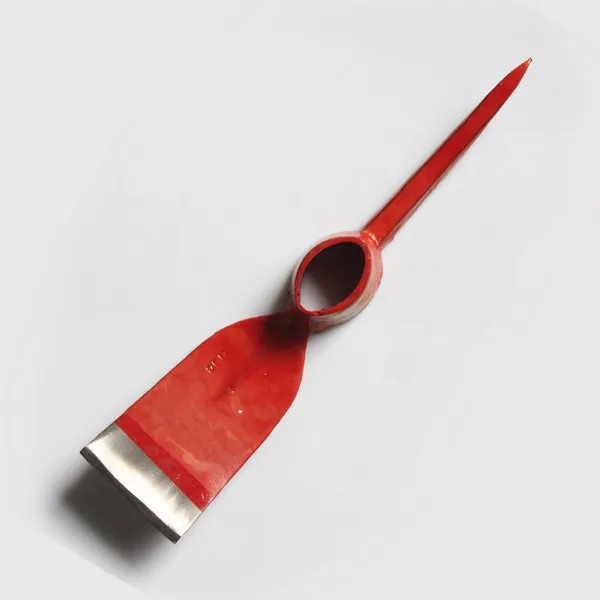
Wholesale Heavy Duty Pick Mattock for Mining Road Work and Farm Digging for Wholesale Tool Dealers With Bulk Order ServiceUS$ 1.85 - 2.3MOQ: 1200 Pieces
-
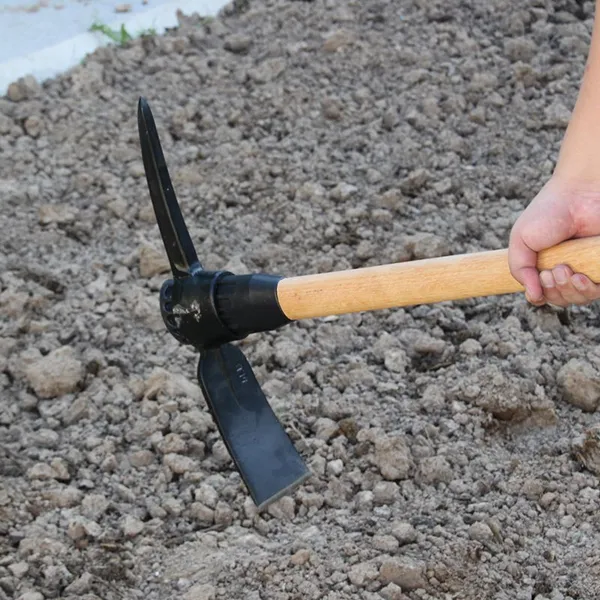
Carbon Steel Manual Pickaxe for Hard Soil Breaking and Trenching for African Importers With OEM Bulk Order Support Agricultural ToolUS$ 1.85 - 2.3MOQ: 1200 Pieces

-
OEM Farm Sickle With Sharp Blade for African Importers OEM Bulk Order Support for Harvesting and Smallholder Farming for Wholesale BUS$ 0.28 - 0.33MOQ: 3000 Pieces
-
Heavy Duty Manganese Steel Round Point Shovel Garden Digging Shovel With Wooden Handle Agricultural Tool ManufacturerUS$ 2.14 - 2.36MOQ: 1200 Pieces
-
Farm Shovel Factory Supply for Regional Import Distributors Bulk Wholesale Supply for Garden Work and Trenching for Agricultural DealersUS$ 2.14 - 2.36MOQ: 1200 Pieces
-
Heavy Duty Garden Rake for African Importers OEM Factory Supply for Agricultural Use African Market Factory Bulk OrderUS$ 0.88 - 1.35MOQ: 2000 Pieces
-
Agricultural Soil Rake for Agricultural Dealers Export Supply for Garden Cleaning African Dealer Channels Factory Bulk OrderUS$ 0.88 - 1.35MOQ: 2000 Pieces
-
Manual Farm Machete for African Importers OEM Factory Supply for Farming and Land Clearing Durable Hand ToolNegotiableMOQ: 1200 Pieces
-
Large Heavy Duty Carbon Steel Garden Landscaping Digging HoeUS$ 1.07 - 1.27MOQ: 1200 Pieces
-
Heavy Duty Rail Steel Mattock Pick Axe With Wooden Handle for Digging Soil Mining and Agricultural Tool SupplierUS$ 1.85 - 2.3MOQ: 1200 Pieces
-
Forged Farm Sickle With Sharp Blade for African Importers OEM Bulk Order Support for Harvesting and Smallholder Farming for WholesalUS$ 0.28 - 0.33MOQ: 3000 Pieces
-
Strong Carbon Steel Farming Sickle for Uganda Tanzania Zambia Agricultural Tool DistributorsUS$ 0.34 - 0.47MOQ: 3000 Pieces