
 Business License

Why do machete blades chip, bend or snap at the tang?
Why do machete blades chip, bend or snap at the tang?
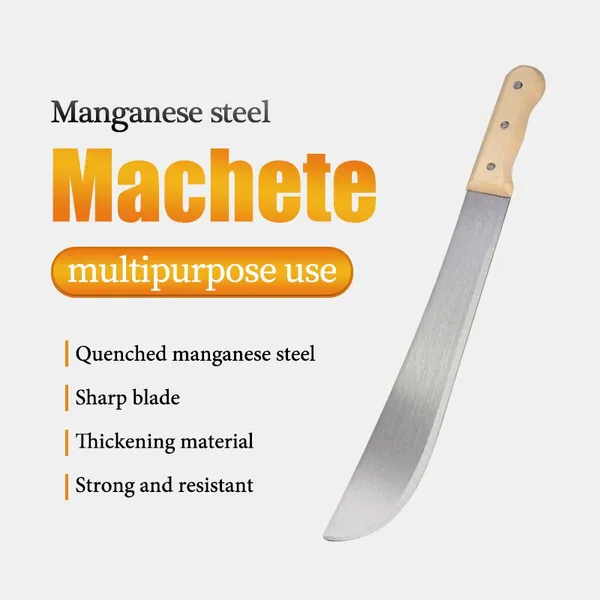
Three failures cause most machete complaints: chipping, bending, and a tang that snaps inside the handle.
Each one has a different cause, and blaming the steel is often the wrong diagnosis.
A supplier who can explain the difference fixes the problem. One who says "bad luck" will lose the account.
This guide covers the causes in plain terms and shows how to document a claim that gets paid.
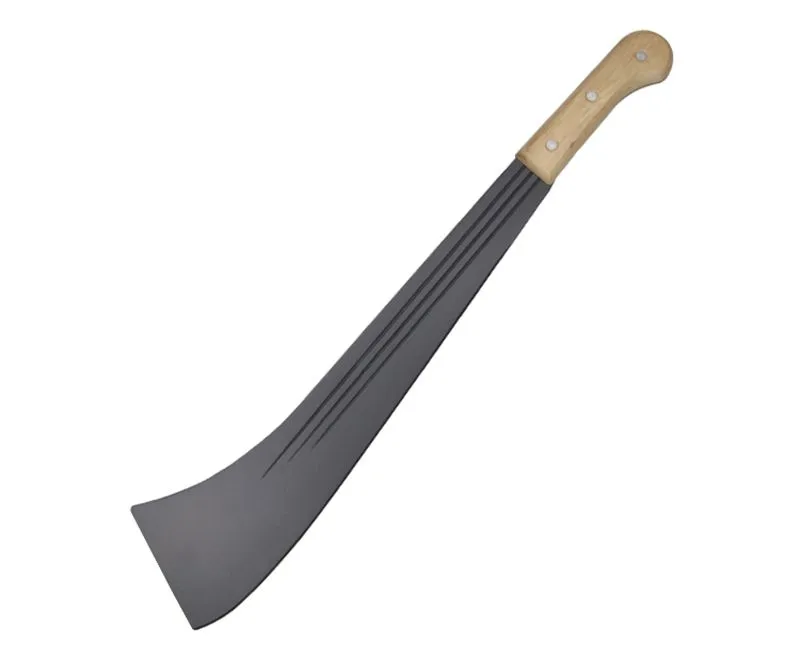
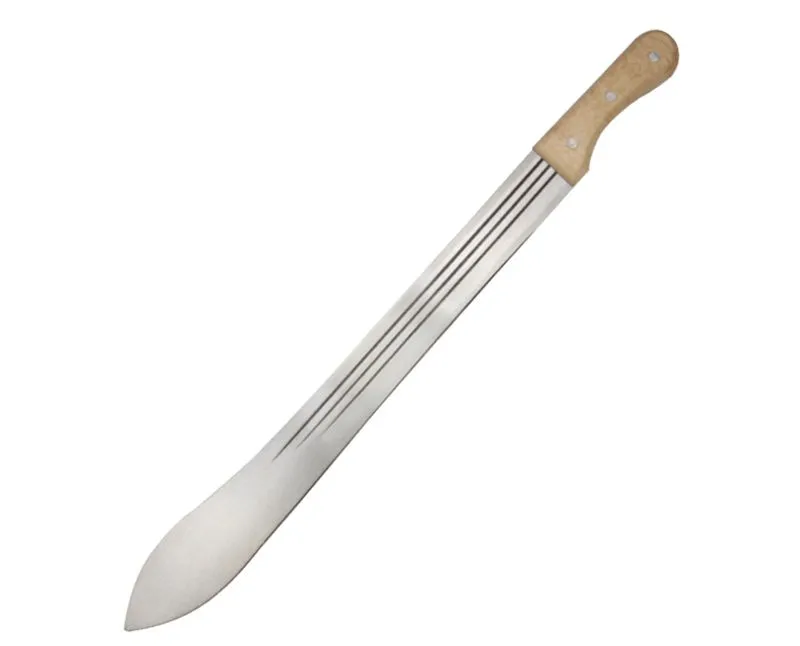
Which steel or heat treatment faults cause chipping?
Chipping is a hardness problem, an angle problem, or both.
A blade tempered too hard holds a great edge and cannot absorb impact. One strike on a knot removes a piece of it.
A thin edge angle makes this worse. Twenty degrees per side on dry hardwood concentrates load on very little steel.
Grinding can also cause chipping without touching the furnace recipe. Excess heat at the edge softens or embrittles the thin section.
Steel quality plays a part. Dirty steel with inclusions opens small cracks that grow into chips.
Decarburisation is another quiet cause. If the surface loses carbon during heating, the edge skin is weaker than the core.
Ask the factory for the tempering temperature and the hardness range at the edge. Vague answers usually hide a hard blade.
Then check the edge angle against the work. A fine edge belongs in grass, not in dry branches.
A file is your first diagnostic tool. If it bites easily, the edge is soft or burnt.
Ask whether blades are quenched one by one or in batches with mixed timing.
Batch quenching with uneven spacing produces blades that behave differently in the same carton.
A blade that bends and straightens without cracking is often too soft for hard markets.
Ask for the batch number to be stamped on the tang as well as on the blade face.
Then agree in advance who pays freight on replacements. That line prevents long disputes.
Photograph the handle before anyone removes the scales. After that, the original state is gone.
Keep one failed and one good piece from each batch. Side by side, the cause is usually visible.
Ask the factory to keep its counterpart samples for six months after shipment.
That single request turns a blame game into a technical conversation.
Why do tangs fail before edges do?
The tang carries every shock load, and it is the thinnest part of the steel.
Most failures start at a corner. A sharp internal radius concentrates stress, and a crack begins there.
Narrow rat tail tangs are the weakest design. They save steel and fail under sideways load.
A fully hardened tang is another problem. Hard steel cracks instead of bending, especially at the handle shoulder.
Some low cost blades use a welded tang. A poor weld line is a built-in failure point.
Rust under the handle scales also weakens the tang over months. Water gets in through gaps and stays there.
Users add load too. Hammering on the butt to drive a blade through a stem punishes the handle joint.
Ask for the tang width, the corner radius and a photo before assembly. Then you can judge the design, not the failure.
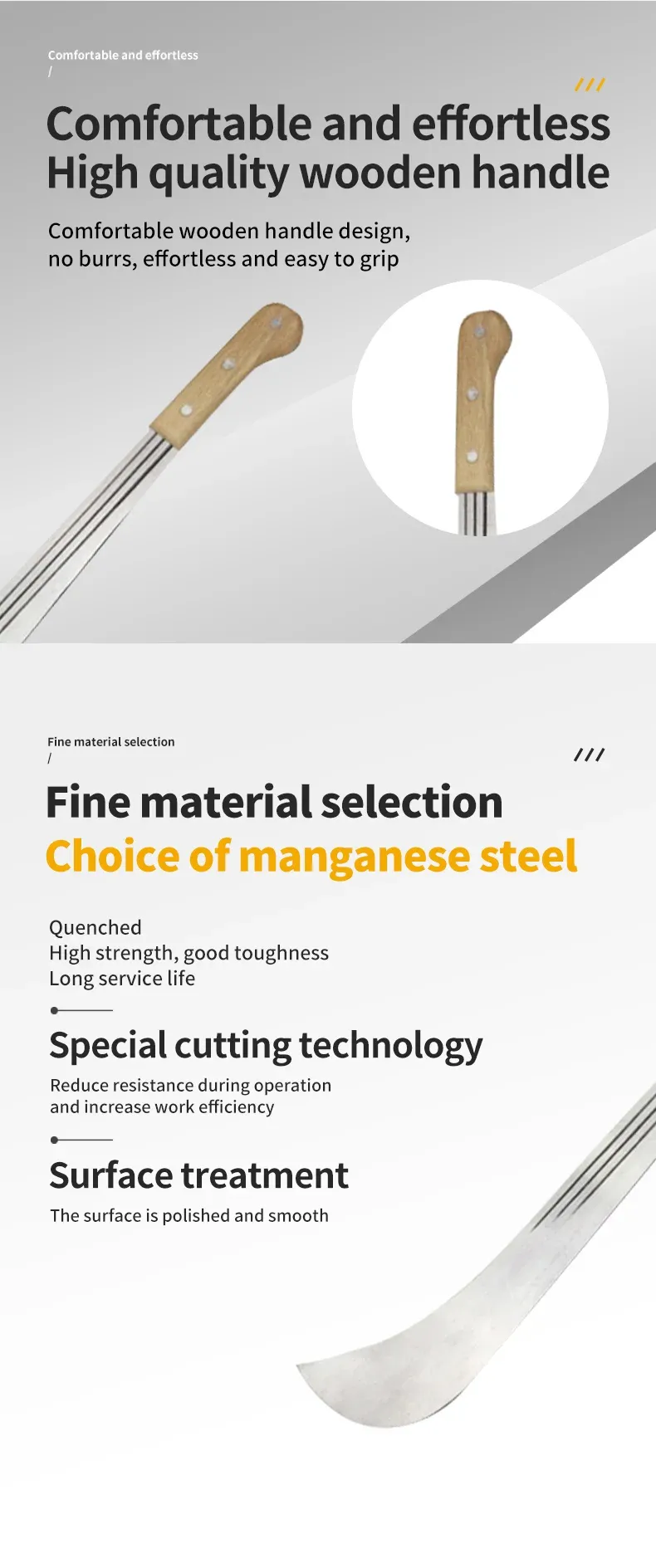
How do you tell the three failures apart?
Look at the fracture face. It tells you what happened before you read any report.
A chip has a clean, bright break at the edge, often small and angular.
A bend shows no fracture at all. The blade has taken a permanent curve, usually from a soft temper or a thin spine.
A tang snap usually happens right at the handle shoulder. The break face may show a smooth zone and a rough zone.
A smooth zone suggests a slow crack, often from rust or a stress riser. A rough zone means final overload.
If the break sits at a weld, the weld is the cause, not the steel grade.
Photograph the break with a ruler in frame, then photograph the whole blade.
Note the batch number, and keep the broken piece. The factory will ask for it.
How should a buyer document a claim?
Documentation decides whether a claim is settled in two weeks or two months.
Start with photos. One full blade shot, one close shot of the failure, one of the batch stamp.
Add a short written description: what the user was cutting, how many strokes, and what happened.
Record the model, order number, production date and quantity affected.
Keep at least three failed pieces, unaltered. Do not try to repair them before sending photos.
Ask for the factory's hardness record for that batch. Then compare with your own test result.
State what you want: replacement, credit, or a production change. Clear asks get clear answers.
Set a claim window in the contract, for example thirty days after arrival. Then both sides know the rules.
Failure analysis RFQ checklist
Ask these questions when you place the order, not after the first complaint.
Steel grade and mill certificate for the batch
Tempering temperature range and hardness at the edge
Hardness at the tang, and whether it is differentially tempered
Edge angle per side and bevel type
Tang width, thickness and corner radius
Welded tang or forged in one piece
Handle sealing method to keep water out
Bend test limit and acceptance criteria
Impact or drop test procedure
Batch marking method on the blade
Claim window and remedy terms
Technical contact for failure analysis
Most machete failures are designed in, not shipped in. Ask about the tang corner before you ask about the steel.
Recently Posted
-
What specifications do government and NGO tenders require for machetes?
October 23, 2026What specifications do government and NGO tenders require for machetes?Tender documents describe a machete in ways a retail buyer Read More
-
What HS code and import duty apply to agricultural machetes?
October 23, 2026What HS code and import duty apply to agricultural machetes?Get the tariff code wrong and two things happen. You pay the wrong dut Read More
-
How is the FOB price of an agricultural machete calculated?
October 23, 2026How is the FOB price of an agricultural machete calculated?Two factories quote the same drawing and the numbers differ by forty pe Read More
-
What should a pre-shipment inspection cover in a machete order?
October 23, 2026What should a pre-shipment inspection cover in a machete order?An inspection is not a formality before loading. It is your last ch Read More

Contact Us
Recommended Products
-
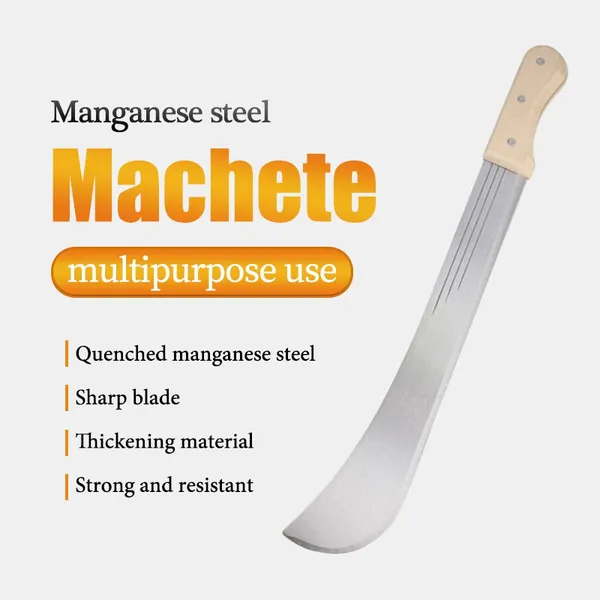
 Heavy Duty Cane Knife Machete for Wholesale Buyers Factory Direct Export for Rural Agricultural Projects Durable Hand ToolNegotiableMOQ: 1200 Pieces
-
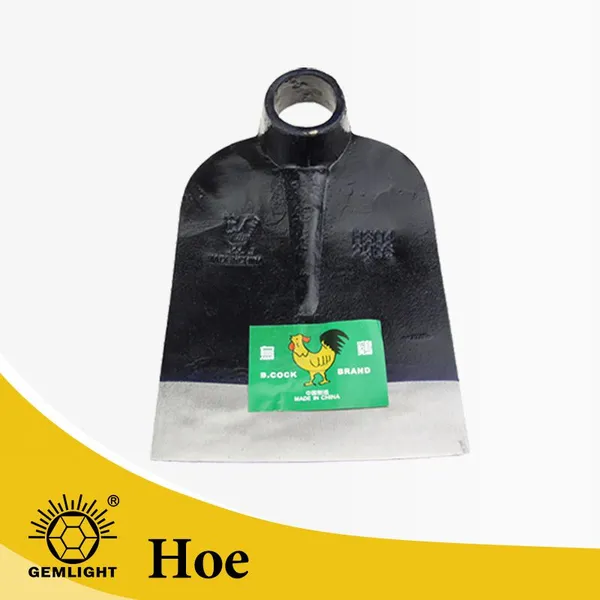
Agricultural Hoe Head Garden Rail Steel Tool for Tough Soil Cheap Price Hand ToolsUS$ 1.07 - 1.27MOQ: 1200 Pieces
-
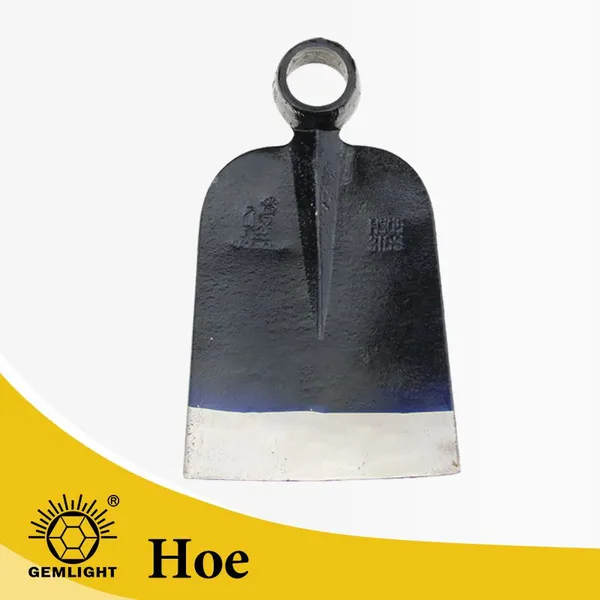
Sturdy Rail Steel Hoe for Weeding, H305 Perfect for Agricultural and Garden TasksUS$ 1.07 - 1.27MOQ: 1200 Pieces
-
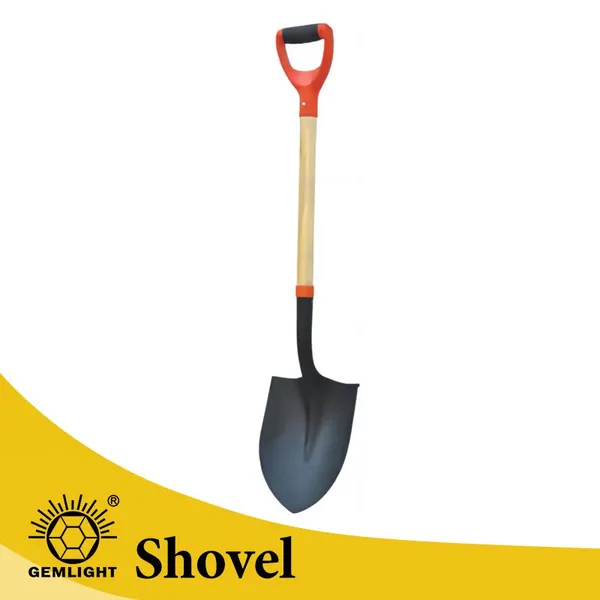
Heavy Duty Manganese Steel Garden Shovel Round Point Digging Shovel With Wooden Handle Farm Tool SupplierUS$ 2.14 - 2.36MOQ: 1200 Pieces
-
Big Shovel Wide Shovel Mud Shovel Heavy Duty Steel Blade for Farm Drainage Soil Moving Cleaning and Landscaping UseUS$ 2.14 - 2.36MOQ: 1200 Pieces
-
Strong Teeth Soil Rake for Farm Tool Suppliers Private Label Export for Farm Maintenance African Distribution Factory Bulk OrderUS$ 0.88 - 1.35MOQ: 2000 Pieces
-
Manual Cane Knife Machete for Wholesale Buyers Factory Direct Export for Rural Agricultural Projects Durable Hand ToolNegotiableMOQ: 1200 Pieces
-
Large High Carbon Steel Machete Knife Agricultural Machete for Farming Bush Cutting Garden Tool SupplierNegotiableMOQ: 1200 Pieces
-
Wholesale Heavy Duty Pick Mattock for Mining Road Work and Farm Digging for Wholesale Tool Dealers With Bulk Order ServiceUS$ 1.85 - 2.3MOQ: 1200 Pieces
-
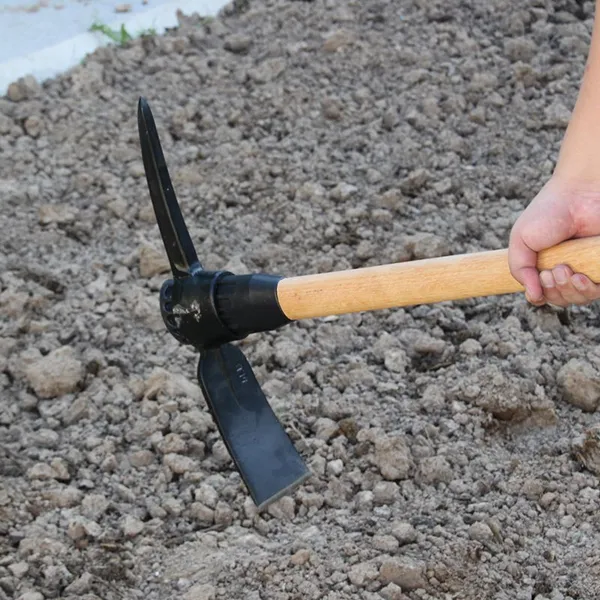
Carbon Steel Manual Pickaxe for Hard Soil Breaking and Trenching for African Importers With OEM Bulk Order Support Agricultural ToolUS$ 1.85 - 2.3MOQ: 1200 Pieces

-
OEM Farm Sickle With Sharp Blade for African Importers OEM Bulk Order Support for Harvesting and Smallholder Farming for Wholesale BUS$ 0.28 - 0.33MOQ: 3000 Pieces
-
Heavy Duty Manganese Steel Round Point Shovel Garden Digging Shovel With Wooden Handle Agricultural Tool ManufacturerUS$ 2.14 - 2.36MOQ: 1200 Pieces
-
Farm Shovel Factory Supply for Regional Import Distributors Bulk Wholesale Supply for Garden Work and Trenching for Agricultural DealersUS$ 2.14 - 2.36MOQ: 1200 Pieces
-
Heavy Duty Garden Rake for African Importers OEM Factory Supply for Agricultural Use African Market Factory Bulk OrderUS$ 0.88 - 1.35MOQ: 2000 Pieces
-
Agricultural Soil Rake for Agricultural Dealers Export Supply for Garden Cleaning African Dealer Channels Factory Bulk OrderUS$ 0.88 - 1.35MOQ: 2000 Pieces

-
Manual Farm Machete for African Importers OEM Factory Supply for Farming and Land Clearing Durable Hand ToolNegotiableMOQ: 1200 Pieces
-
Large Heavy Duty Carbon Steel Garden Landscaping Digging HoeUS$ 1.07 - 1.27MOQ: 1200 Pieces
-
Heavy Duty Rail Steel Mattock Pick Axe With Wooden Handle for Digging Soil Mining and Agricultural Tool SupplierUS$ 1.85 - 2.3MOQ: 1200 Pieces
-
Forged Farm Sickle With Sharp Blade for African Importers OEM Bulk Order Support for Harvesting and Smallholder Farming for WholesalUS$ 0.28 - 0.33MOQ: 3000 Pieces
-
Strong Carbon Steel Farming Sickle for Uganda Tanzania Zambia Agricultural Tool DistributorsUS$ 0.34 - 0.47MOQ: 3000 Pieces