
 Business License

What machete is used for cassava and root crop harvesting?
What machete is used for cassava and root crop harvesting?
Cassava is not cut like cane and not pruned like cocoa. The plant is lifted, and the stems are woody.
Workers cut the stem at knee height, then pull the roots out of the soil. A weak blade fails on both steps.
The soil contact is what kills most blades. Grit dulls an edge faster than any fibre.
This guide covers blade shape, edge angle, and how African distributors size their orders around the harvest.

Which blade shape lifts and cuts stems fastest?
Cassava stems are woody, often 2 to 4 cm across, on plants taller than a person.
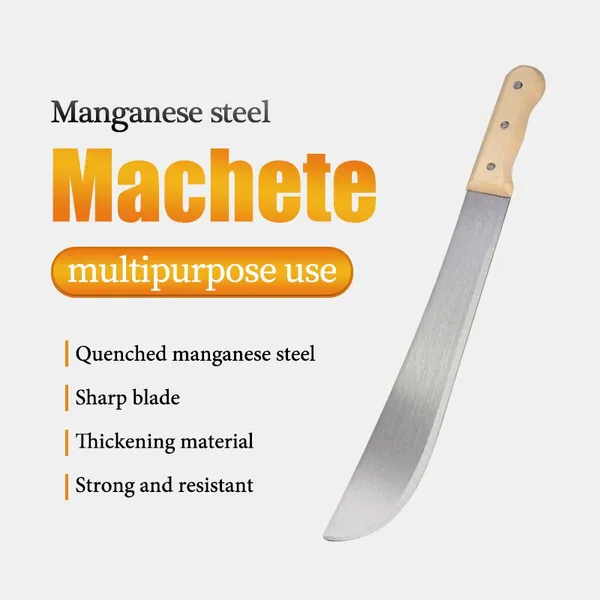
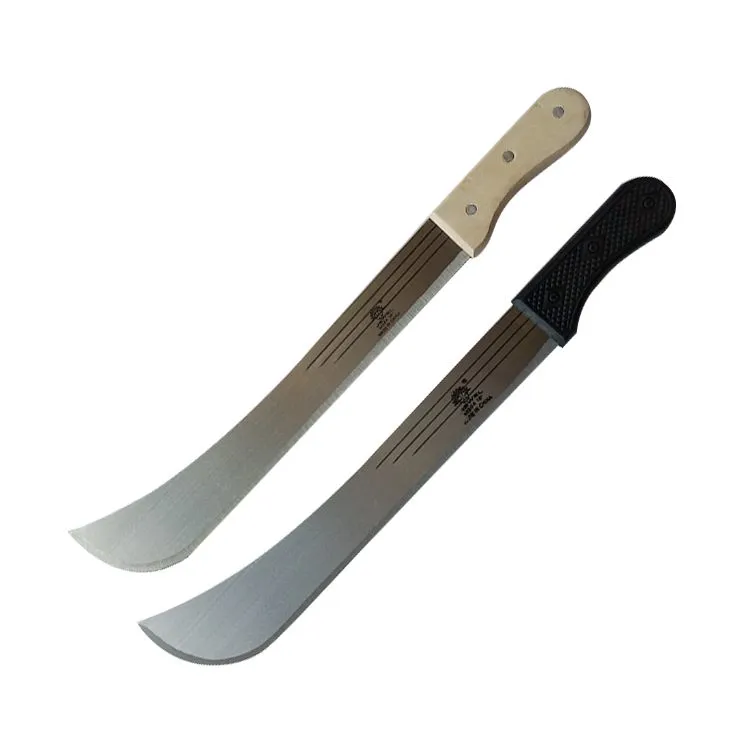
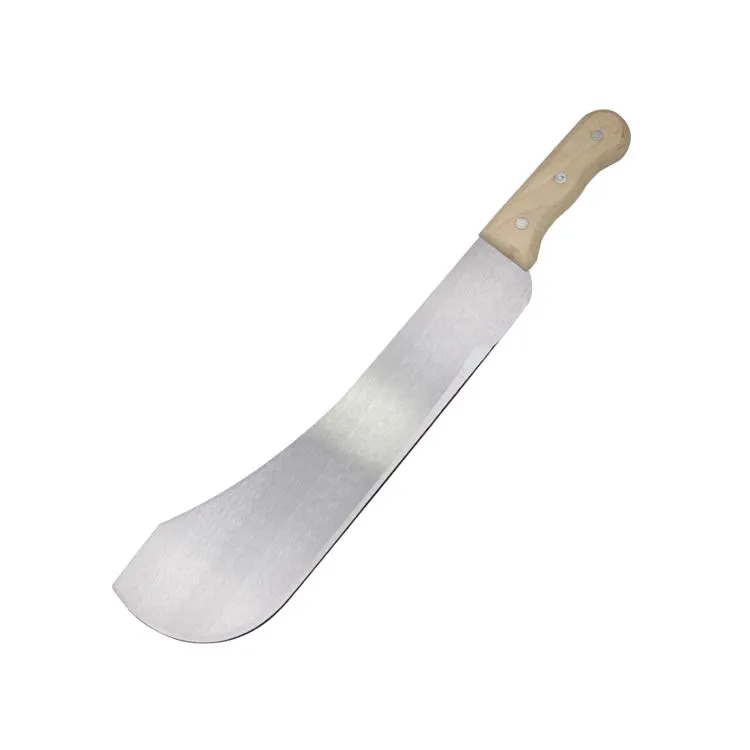
A short stiff blade of 10 to 14 inches gives the control needed for a clean cut near the ground.
A slight curve helps the blade follow the stem instead of sliding off it.
A hooked or pointed tip earns its place here. Workers use it to pull stems aside and to lever roots loose.
Too long a blade gets in the way when the worker bends over the plant.
Too thin a blade flexes on woody stems and needs a second stroke, which costs time in a paid crew.
Spine thickness usually sits between 2.0 and 2.5 mm for this work. Stiffness matters more than light weight.
Handle length should suit a bent posture, with a secure grip when hands are muddy.
Ask whether the buyer's workers cut standing or cut after felling. The motion changes the ideal blade.

Why does edge angle matter more than length here?
Every cut brings the blade close to soil, and soil contains sand and grit.
A narrow edge angle cuts beautifully for ten minutes and then rolls or chips on the first grit strike.
A steeper edge, around 20 to 25 degrees per side, survives that contact far better.
It also holds up on the woody fibre of older stems, which dulls a thin edge quickly.
Length cannot fix a bad angle. A long blade with a fragile edge dulls just as fast and costs more steel.
Steeper edges feel less sharp out of the box. Users judge them after a week, not after one cut.
Ask for a convex bevel, which supports the edge and sharpens easily with a file.
Field sharpening is normal here, so hardness must allow a file to bite.
A blade that cannot be touched up in the field will be replaced before its time.
How do African distributors size the order?
Order size in West and East Africa follows the farming calendar and the distribution chain.
Distributors usually buy in mixed containers, with machetes alongside hoes, axes and watering cans.
Cassava harvest often runs in the dry season, so stock must land before the season starts.
Order volumes are driven by the number of agro-dealers served, not by the end buyer count.
A regional distributor may take 5,000 to 20,000 pieces across models in one cycle.
Smaller wholesalers often start with 1,000 to 3,000 pieces and reorder twice in a season.
Packing should suit repacking. Dealers buy cartons and sell single pieces from the box.
A simple, strong carton with clear marking helps, and printed retail packing often goes unused.
Ask how the distributor sells: by piece, by dozen or by bundle. It changes your packing decision.
Ask about the payment cycle too. Harvest income arrives late, and credit terms follow it.
What other root crops use the same blade?
A cassava blade usually serves several crops on the same farm.
Yam needs a cut through vines and sometimes a shallow lift, which a stiff short blade handles.
Sweet potato vines are softer, so the same blade works with less effort.
Cocoyam and taro stems are wet and fibrous, which suits a thin convex edge.
Some farms also use the blade for maize stalks and sorghum after harvest.
That multi-crop use is why the blade must be a compromise, not a specialist.
Ask which crops the buyer's customers grow. The mix decides whether a shorter or longer blade sells.
If the answer includes maize, a slightly longer blade with a steeper edge covers both.
Ask how the dealer displays tools. A hanging card sells faster than a loose blade in a box.
Many rural shops sell from an open carton, so carton strength matters more than print.
That detail decides whether printed retail packing is worth paying for at all.
The table below matches each root crop task to a blade size and edge angle.
| Task | Blade length | Spine thickness | Edge angle |
|---|---|---|---|
| Cutting cassava stems | 10 to 12 in | 2.0 to 2.5 mm | 20 to 25 degrees |
| Lifting and loosening roots | 10 to 14 in | 2.2 to 2.5 mm | 25 degrees |
| Yam vine clearing | 10 to 12 in | 2.0 to 2.2 mm | 20 degrees |
| Maize stalk cutting | 12 to 16 in | 2.0 to 2.5 mm | 20 to 22 degrees |
Cassava blade RFQ checklist
Ask for each item in writing, with numbers rather than descriptions.
Blade shape and reference photo
Blade length, width and spine thickness
Steel grade and measured hardness range
Edge angle per side and bevel type
Tip style: pointed, hooked or rounded
Handle material, length and tang type
Grip treatment for wet or muddy hands
Surface finish and rust protection
Packing suitable for repacking by dealers
Units per carton and carton weight
MOQ and mix allowance with hoes and axes
Lead time against the dry season start
Root crop work destroys edges, not blades. Sell a tool the farmer can sharpen, and the reorders follow.
Recently Posted
-
Is the hand machete losing ground to brush cutters?
October 27, 2026Is the hand machete losing ground to brush cutters?Brush cutters sell well in every market where labour costs rise. Buyers ask whe Read More
-
When is machete demand highest, and how do I plan stock around it?
October 27, 2026When is machete demand highest, and how do I plan stock around it?Machete demand is not flat across the year. It follows rain, har Read More
-
China, Brazil or India: where should I source agricultural machetes?
October 27, 2026China, Brazil or India: where should I source agricultural machetes?Most buyers start with one country and stay there. That is con Read More
-
Is a machete or a brush hook better for land clearing and firebreaks?
October 26, 2026Is a machete or a brush hook better for land clearing and firebreaks?Both tools cut vegetation. They cut different vegetation, wit Read More

Contact Us
Recommended Products
-
 Heavy Duty Cane Knife Machete for Wholesale Buyers Factory Direct Export for Rural Agricultural Projects Durable Hand ToolNegotiableMOQ: 1200 Pieces
-
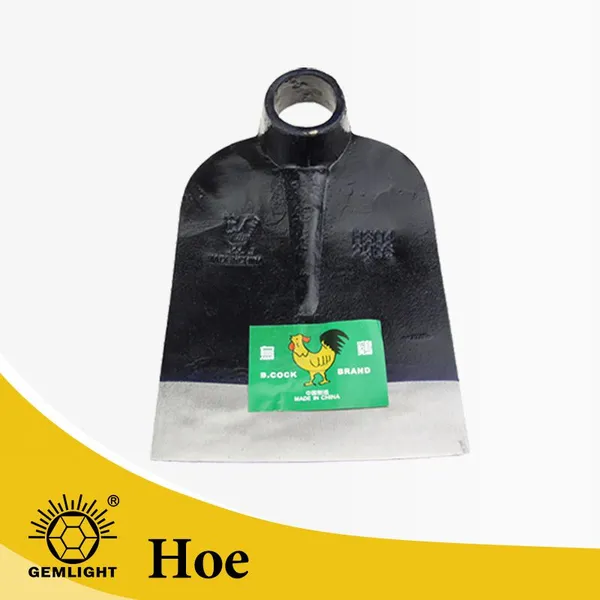
Agricultural Hoe Head Garden Rail Steel Tool for Tough Soil Cheap Price Hand ToolsUS$ 1.07 - 1.27MOQ: 1200 Pieces
-
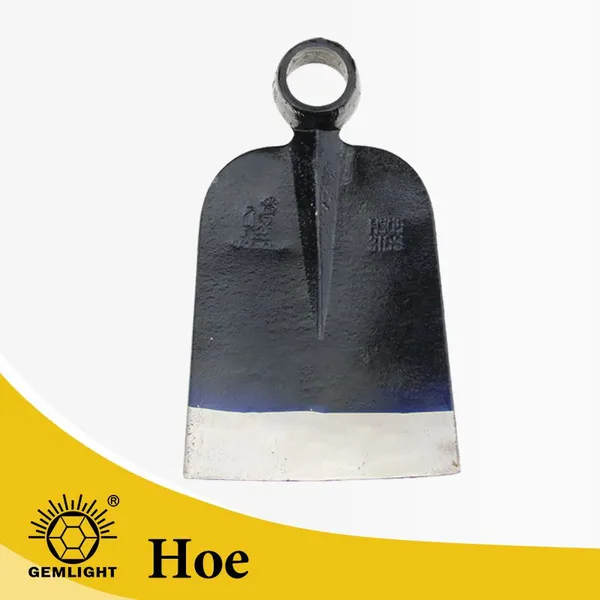
Sturdy Rail Steel Hoe for Weeding, H305 Perfect for Agricultural and Garden TasksUS$ 1.07 - 1.27MOQ: 1200 Pieces
-
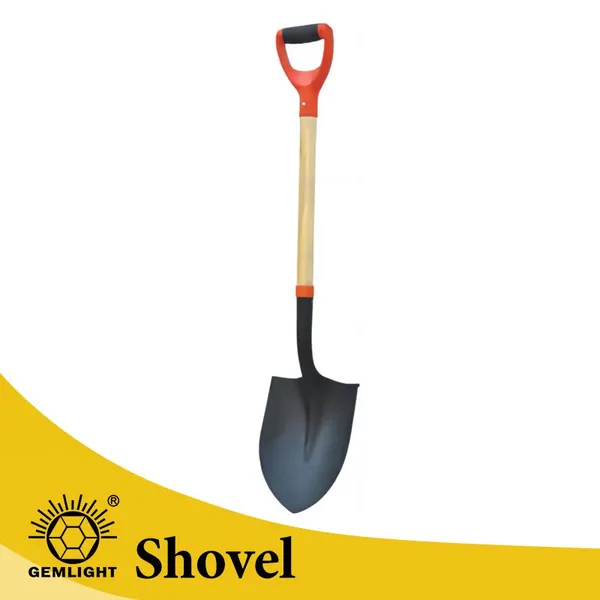
Heavy Duty Manganese Steel Garden Shovel Round Point Digging Shovel With Wooden Handle Farm Tool SupplierUS$ 2.14 - 2.36MOQ: 1200 Pieces
-
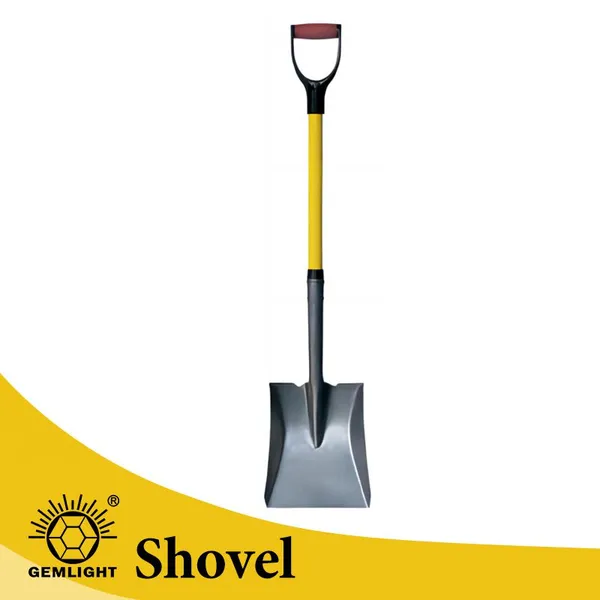
Big Shovel Wide Shovel Mud Shovel Heavy Duty Steel Blade for Farm Drainage Soil Moving Cleaning and Landscaping UseUS$ 2.14 - 2.36MOQ: 1200 Pieces
-
Strong Teeth Soil Rake for Farm Tool Suppliers Private Label Export for Farm Maintenance African Distribution Factory Bulk OrderUS$ 0.88 - 1.35MOQ: 2000 Pieces
-
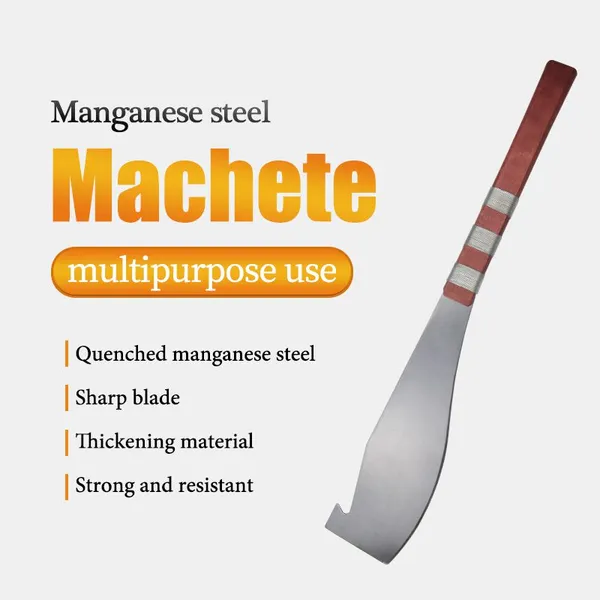
Manual Cane Knife Machete for Wholesale Buyers Factory Direct Export for Rural Agricultural Projects Durable Hand ToolNegotiableMOQ: 1200 Pieces
-
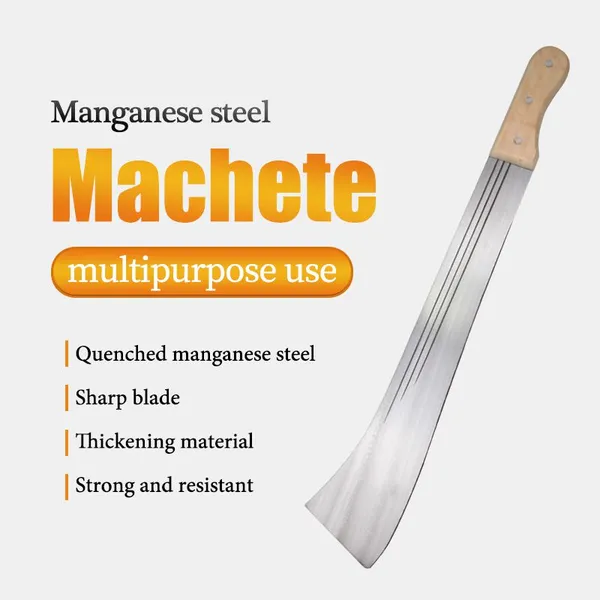
Large High Carbon Steel Machete Knife Agricultural Machete for Farming Bush Cutting Garden Tool SupplierNegotiableMOQ: 1200 Pieces
-
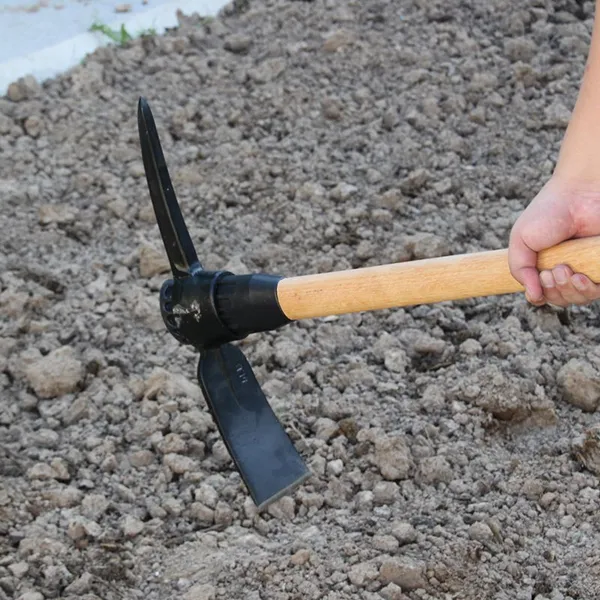
Wholesale Heavy Duty Pick Mattock for Mining Road Work and Farm Digging for Wholesale Tool Dealers With Bulk Order ServiceUS$ 1.85 - 2.3MOQ: 1200 Pieces
-
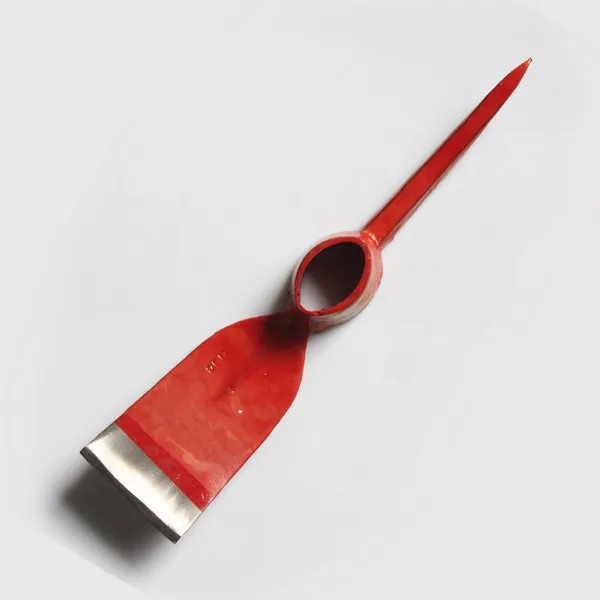
Carbon Steel Manual Pickaxe for Hard Soil Breaking and Trenching for African Importers With OEM Bulk Order Support Agricultural ToolUS$ 1.85 - 2.3MOQ: 1200 Pieces

-
OEM Farm Sickle With Sharp Blade for African Importers OEM Bulk Order Support for Harvesting and Smallholder Farming for Wholesale BUS$ 0.28 - 0.33MOQ: 3000 Pieces
-
Heavy Duty Manganese Steel Round Point Shovel Garden Digging Shovel With Wooden Handle Agricultural Tool ManufacturerUS$ 2.14 - 2.36MOQ: 1200 Pieces
-
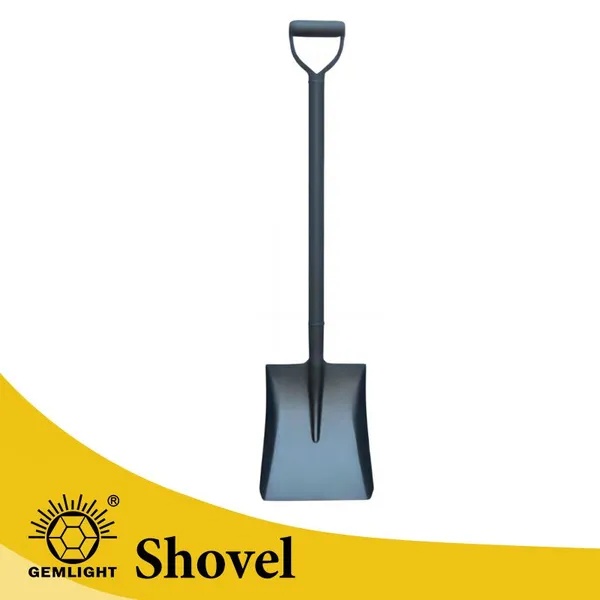
Farm Shovel Factory Supply for Regional Import Distributors Bulk Wholesale Supply for Garden Work and Trenching for Agricultural DealersUS$ 2.14 - 2.36MOQ: 1200 Pieces
-
Heavy Duty Garden Rake for African Importers OEM Factory Supply for Agricultural Use African Market Factory Bulk OrderUS$ 0.88 - 1.35MOQ: 2000 Pieces
-
Agricultural Soil Rake for Agricultural Dealers Export Supply for Garden Cleaning African Dealer Channels Factory Bulk OrderUS$ 0.88 - 1.35MOQ: 2000 Pieces
-
Manual Farm Machete for African Importers OEM Factory Supply for Farming and Land Clearing Durable Hand ToolNegotiableMOQ: 1200 Pieces
-
Large Heavy Duty Carbon Steel Garden Landscaping Digging HoeUS$ 1.07 - 1.27MOQ: 1200 Pieces
-
Heavy Duty Rail Steel Mattock Pick Axe With Wooden Handle for Digging Soil Mining and Agricultural Tool SupplierUS$ 1.85 - 2.3MOQ: 1200 Pieces
-
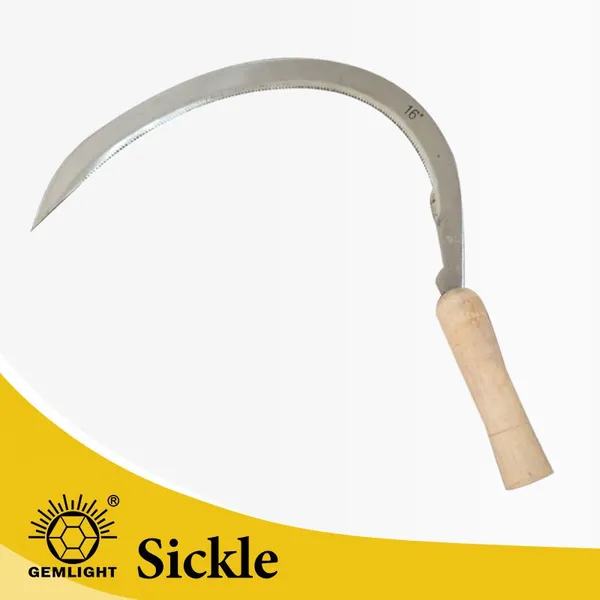
Forged Farm Sickle With Sharp Blade for African Importers OEM Bulk Order Support for Harvesting and Smallholder Farming for WholesalUS$ 0.28 - 0.33MOQ: 3000 Pieces
-
Strong Carbon Steel Farming Sickle for Uganda Tanzania Zambia Agricultural Tool DistributorsUS$ 0.34 - 0.47MOQ: 3000 Pieces