
 Business License

When is machete demand highest, and how do I plan stock around it?
When is machete demand highest, and how do I plan stock around it?
Machete demand is not flat across the year. It follows rain, harvest and government budgets.
Buyers who order in the peak month pay more and wait longer. Buyers who order three months earlier get better terms.
The pattern is not identical in every country, but the logic repeats.
This guide covers the clearing peaks, container timing, tender cycles and the supply disruption every buyer meets in the first quarter.
Which months peak before rainy-season clearing?
The strongest driver is land preparation before the rains.
In West Africa, demand builds from about February and peaks between March and May, before the main rains.
In Central America and the Caribbean, the build up runs from March into May, ahead of the wet season.
In Southern and East Africa, buying often clusters before the November to December rains.
Sugar areas peak before the dry-season harvest, when cane knives and heavy blades move.
Oil palm regions buy more steadily, because harvesting runs all year, but they restock after wet months.
Retail chains buy earlier than farmers, often two to three months before the season.
That means your factory order sits ahead of the retail order, not ahead of the farmer.
Ask your buyer when their customers actually start buying, not when the rain starts.
Rain patterns shift, so use the last three years rather than one.
A late rainy season moves the whole buying curve by weeks.
Ask dealers when their shelves empty, which is a better signal than any forecast.
Record those dates. After two seasons you own a demand calendar.
Some markets also buy before the school year or for dry-season construction work.
That second peak is smaller but easier to serve, because factories are quieter.
How far ahead should containers be booked?
Work backwards from the selling season rather than forwards from today.
Production for stock models usually takes 25 to 40 days after deposit and artwork approval.
Inland transport and port handling add about a week, sometimes two in peak months.
Ocean transit to West Africa often runs 30 to 45 days, and to Latin America 30 to 50 days.
Customs clearance and inland delivery add another week or two.
Add a buffer of two to three weeks for the unexpected, which arrives more often than buyers expect.
In practice, that means ordering 90 to 120 days before the season starts.
Book container space four to six weeks before the planned loading date in peak periods.
Ask your forwarder about blank sailings and port congestion before you fix a delivery date.
A delivery date promised without a booking is an intention, not a plan.
Ask for the sailing schedule in writing, then work backwards to the production start.
Peak season space is often gone four weeks ahead, especially to West Africa.
Book the container before you approve artwork, if the season is tight.
Sea freight rates also rise in peak months, so early booking protects the price.
How do tenders shift the normal cycle?
Tender demand ignores the farming calendar and follows the buyer's budget year.
Many programmes publish tenders early in the year and expect delivery within one or two quarters.
That pushes production into the same months as the agricultural peak, which tightens capacity.
Award dates can also slip, which compresses the delivery window without moving the deadline.
Suppliers handle this by holding semi-finished stock, such as blades already ground and heat treated.
Buyers can protect themselves by agreeing a delivery window, not a single date.
Ask whether the tender allows partial shipments. It often does, and it reduces risk on both sides.
If your order is tender driven, plan the production slot before the award, not after.
Keep a second factory option for surge volume, even if you never use it.
Tender buyers also ask for a delivery schedule with milestone dates.
Give them production, inspection and shipping dates, not a single promise.
That document earns evaluation points and protects you when a delay happens.
Ask for the production plan before the holiday, with the last loading date stated.
Any order accepted after that date will slip, whatever the salesperson says.
Keep a small safety stock of your best sellers through the first quarter.
It costs warehouse space and saves the season.
Confirm the sailing date again two weeks before loading, and keep the buyer informed.
Buyers who plan early also get better payment terms, because the factory can schedule.
What disrupts supply in the first quarter?
The Chinese New Year is the biggest predictable disruption in this trade.
Factories slow down or close for one to three weeks, and shipping bookings tighten before and after.
Migrant workers often return late, so the ramp up takes longer than the holiday itself.
Ports and trucking also run short of capacity around the same weeks.
Add the effect of winter weather on inland transport in northern China.
Buyers who need goods in March should have production finished by early January.
If that is impossible, plan for a February shipment and accept a later arrival.
Confirm the factory's holiday dates in writing in November, not in January.
Ask whether the plant keeps a skeleton crew for urgent orders. Some do, at a premium.
Seasonal planning checklist
Build your order calendar around these items, and review it every quarter.
Peak selling months in your market
Retail buying months, which come earlier
Factory production lead time for your models
Artwork and sample approval time
Inland transport and port handling time
Ocean transit time to your port
Clearance and inland delivery time
Buffer weeks for delays
Container booking window in peak season
Chinese New Year dates and factory closure
Tender award and delivery windows
Semi-finished stock options for fast repeat orders
The season does not move. Your order date should. Plan from the selling month backwards.
Recently Posted
-
How do I compare three machete quotes that look identical?
October 27, 2026How do I compare three machete quotes that look identical?Three quotes arrive, all for the same model, all looking reasonable. The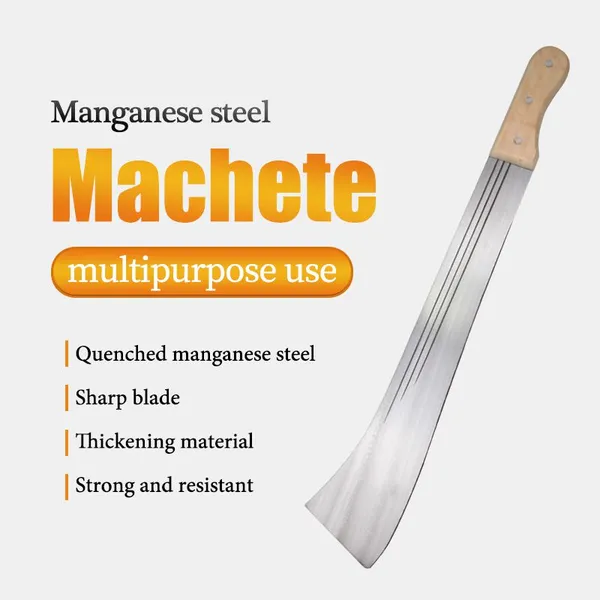 Read More
-
Is the hand machete losing ground to brush cutters?
October 27, 2026Is the hand machete losing ground to brush cutters?Brush cutters sell well in every market where labour costs rise. Buyers ask whe Read More
-
How do I build a machete range for a hardware distributor?
October 27, 2026How do I build a machete range for a hardware distributor?A distributor's catalogue is a bet on what customers will ask for ov Read More
-
China, Brazil or India: where should I source agricultural machetes?
October 27, 2026China, Brazil or India: where should I source agricultural machetes?Most buyers start with one country and stay there. That is con Read More

Contact Us
Recommended Products
-
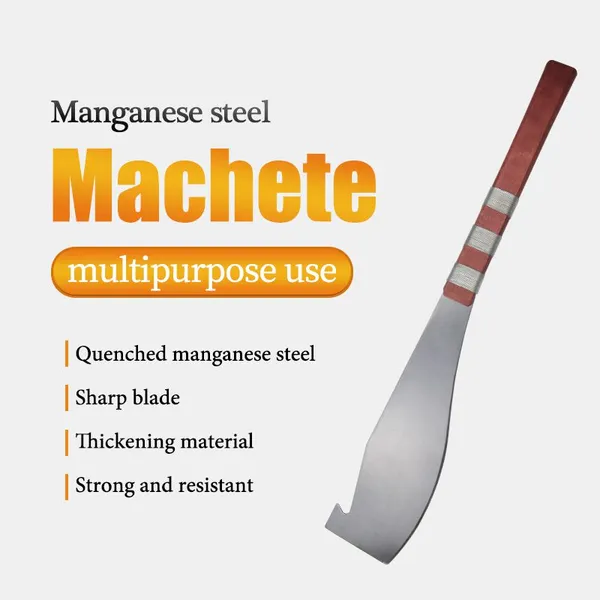
 Heavy Duty Cane Knife Machete for Wholesale Buyers Factory Direct Export for Rural Agricultural Projects Durable Hand ToolNegotiableMOQ: 1200 Pieces
-
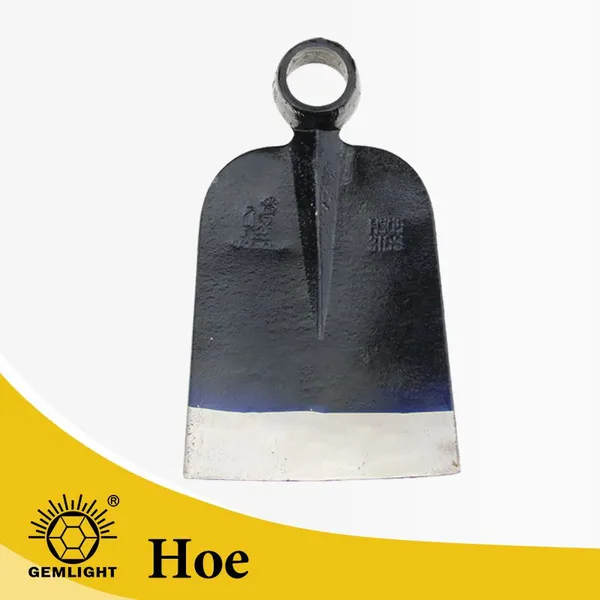
Agricultural Hoe Head Garden Rail Steel Tool for Tough Soil Cheap Price Hand ToolsUS$ 1.07 - 1.27MOQ: 1200 Pieces
-
Sturdy Rail Steel Hoe for Weeding, H305 Perfect for Agricultural and Garden TasksUS$ 1.07 - 1.27MOQ: 1200 Pieces
-
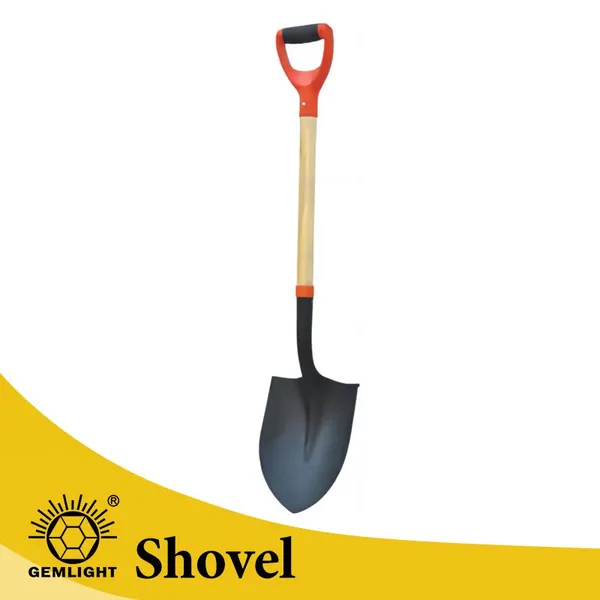
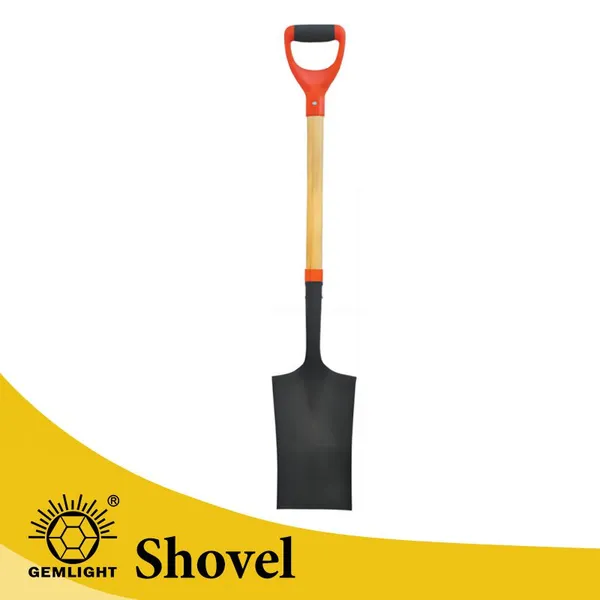
Heavy Duty Manganese Steel Garden Shovel Round Point Digging Shovel With Wooden Handle Farm Tool SupplierUS$ 2.14 - 2.36MOQ: 1200 Pieces
-
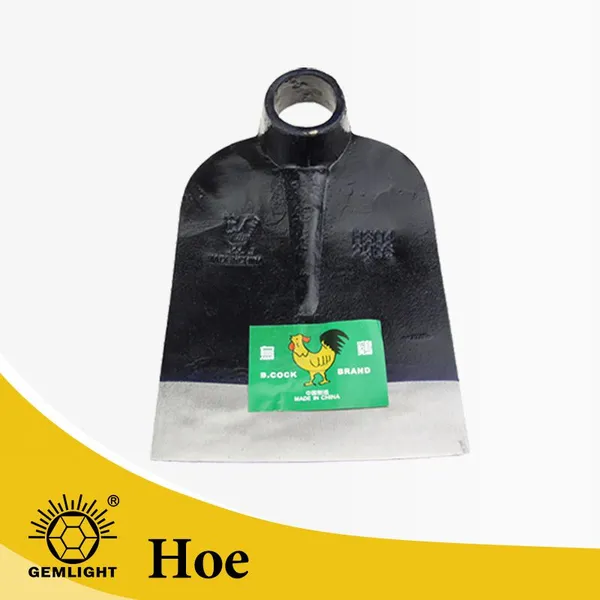
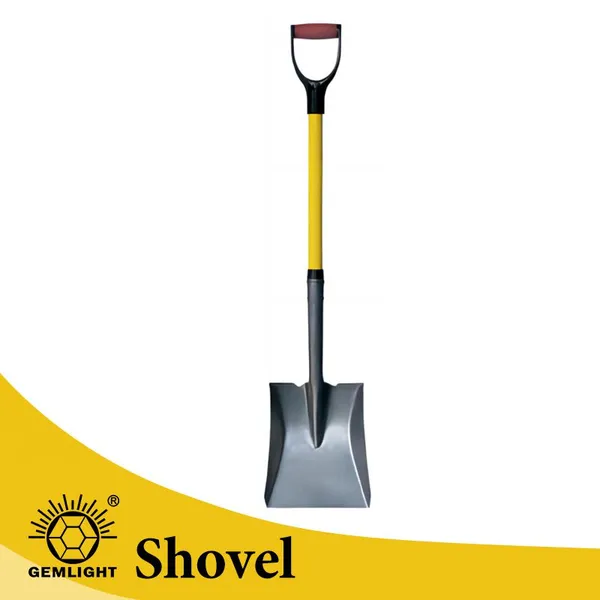
Big Shovel Wide Shovel Mud Shovel Heavy Duty Steel Blade for Farm Drainage Soil Moving Cleaning and Landscaping UseUS$ 2.14 - 2.36MOQ: 1200 Pieces
-
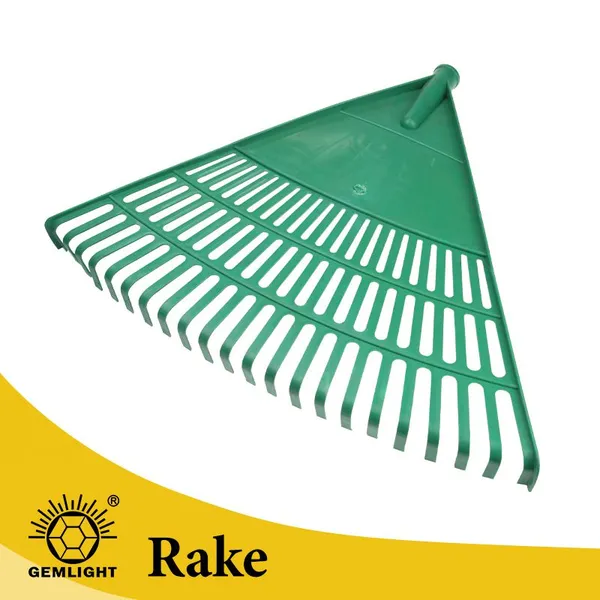
Strong Teeth Soil Rake for Farm Tool Suppliers Private Label Export for Farm Maintenance African Distribution Factory Bulk OrderUS$ 0.88 - 1.35MOQ: 2000 Pieces
-
Manual Cane Knife Machete for Wholesale Buyers Factory Direct Export for Rural Agricultural Projects Durable Hand ToolNegotiableMOQ: 1200 Pieces
-
Large High Carbon Steel Machete Knife Agricultural Machete for Farming Bush Cutting Garden Tool SupplierNegotiableMOQ: 1200 Pieces
-
Wholesale Heavy Duty Pick Mattock for Mining Road Work and Farm Digging for Wholesale Tool Dealers With Bulk Order ServiceUS$ 1.85 - 2.3MOQ: 1200 Pieces
-
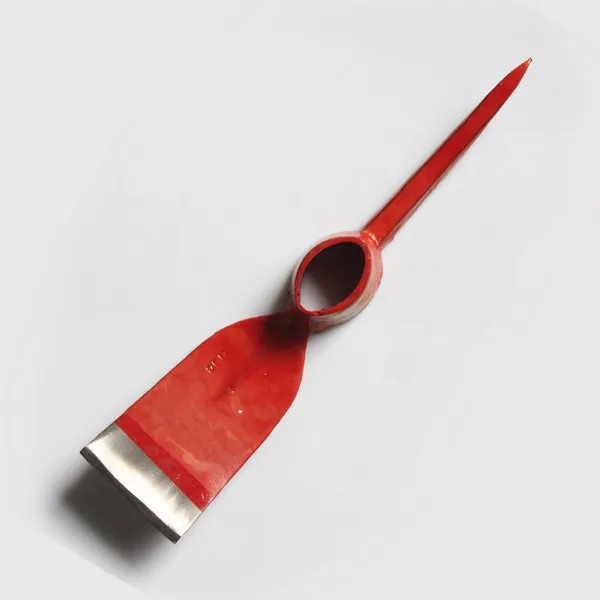
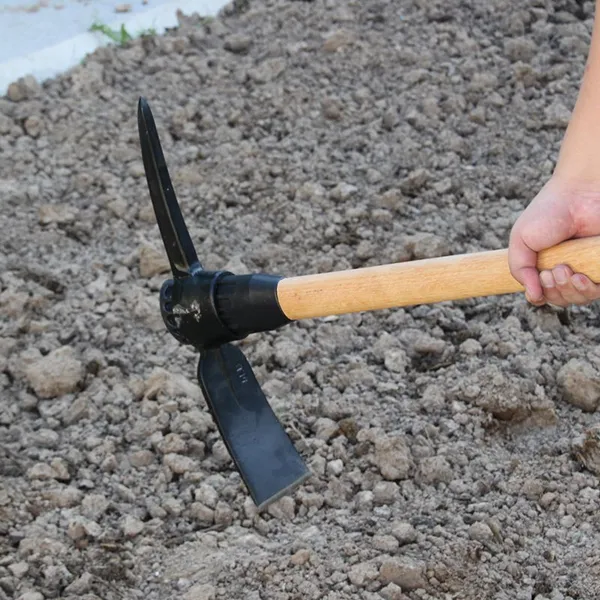
Carbon Steel Manual Pickaxe for Hard Soil Breaking and Trenching for African Importers With OEM Bulk Order Support Agricultural ToolUS$ 1.85 - 2.3MOQ: 1200 Pieces

-
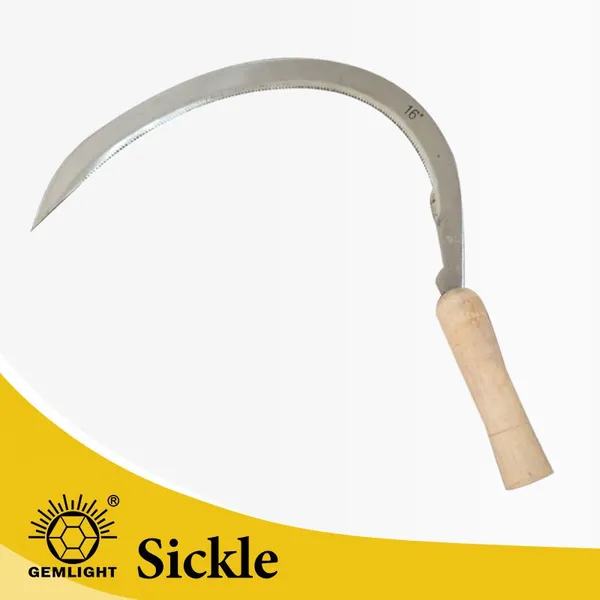
OEM Farm Sickle With Sharp Blade for African Importers OEM Bulk Order Support for Harvesting and Smallholder Farming for Wholesale BUS$ 0.28 - 0.33MOQ: 3000 Pieces
-
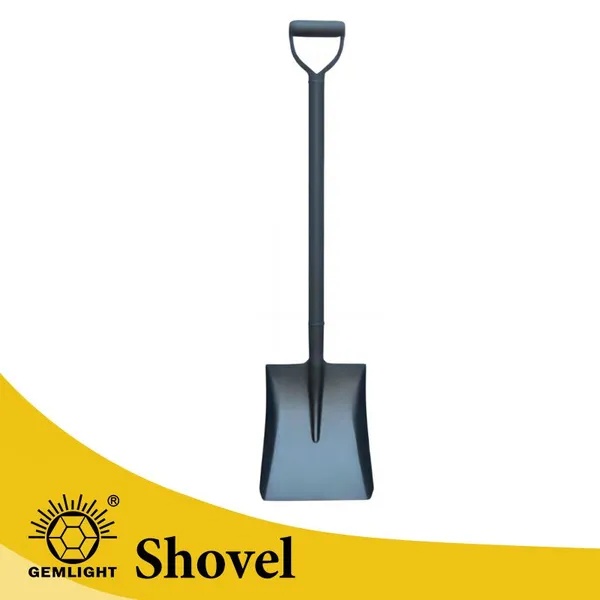
Heavy Duty Manganese Steel Round Point Shovel Garden Digging Shovel With Wooden Handle Agricultural Tool ManufacturerUS$ 2.14 - 2.36MOQ: 1200 Pieces
-
Farm Shovel Factory Supply for Regional Import Distributors Bulk Wholesale Supply for Garden Work and Trenching for Agricultural DealersUS$ 2.14 - 2.36MOQ: 1200 Pieces
-
Heavy Duty Garden Rake for African Importers OEM Factory Supply for Agricultural Use African Market Factory Bulk OrderUS$ 0.88 - 1.35MOQ: 2000 Pieces
-
Agricultural Soil Rake for Agricultural Dealers Export Supply for Garden Cleaning African Dealer Channels Factory Bulk OrderUS$ 0.88 - 1.35MOQ: 2000 Pieces

-
Manual Farm Machete for African Importers OEM Factory Supply for Farming and Land Clearing Durable Hand ToolNegotiableMOQ: 1200 Pieces
-
Large Heavy Duty Carbon Steel Garden Landscaping Digging HoeUS$ 1.07 - 1.27MOQ: 1200 Pieces
-
Heavy Duty Rail Steel Mattock Pick Axe With Wooden Handle for Digging Soil Mining and Agricultural Tool SupplierUS$ 1.85 - 2.3MOQ: 1200 Pieces
-
Forged Farm Sickle With Sharp Blade for African Importers OEM Bulk Order Support for Harvesting and Smallholder Farming for WholesalUS$ 0.28 - 0.33MOQ: 3000 Pieces
-
Strong Carbon Steel Farming Sickle for Uganda Tanzania Zambia Agricultural Tool DistributorsUS$ 0.34 - 0.47MOQ: 3000 Pieces