
 Business License

Is the hand machete losing ground to brush cutters?
Is the hand machete losing ground to brush cutters?
Brush cutters sell well in every market where labour costs rise. Buyers ask whether machetes are on the way out.
The honest answer is no. The two tools overlap, but they do not replace each other everywhere.
A machete costs a fraction of a brush cutter, needs no fuel and works on slopes a machine cannot climb.
This guide looks at where hand tools still win, which segments keep buying, and how to stock both without splitting your cash.
Where do hand tools still win on cost and access?
The first advantage is purchase price. A machete costs a few dollars, a brush cutter hundreds.
The second is running cost. Fuel, two-stroke oil, spark plugs and blades all need cash and a supplier.
The third is terrain. Steep slopes, rocky ground and narrow paths between trees stop machines quickly.
The fourth is access to repair. A machete needs a file. A brush cutter needs a mechanic.
The fifth is safety. A machine throws debris, and not every market accepts that risk near villages.
The sixth is plot size. On a quarter hectare, a machine cannot justify its price.
The seventh is theft risk. A machete left in a field overnight is recoverable. A machine is not.
Where three or more of these conditions apply, hand tools keep their place.
Add a labour comparison. Where daily wages are low, a machine's speed saves less money.
Where wages are high and plots are large, machines pay for themselves quickly.
Check the spare parts chain before recommending a machine to any customer.
A machete also works when the machine is broken, which happens more often than catalogues admit.
That reliability is why crews keep one in the truck even when they own a cutter.
Which buyer segments keep ordering machetes?
Smallholders are the largest group, and they buy on price and availability.
Aid and government programmes still specify hand tools, because they can be distributed and repaired locally.
Plantations use manual slashing where machines cannot reach, such as young plantings and terraces.
Contract clearing crews buy machetes as consumables, replacing them every season.
Hardware retailers buy for the replacement market, which is steady rather than seasonal.
Fishing and coastal communities use them for other work entirely, which adds steady demand.
Construction and land survey crews buy them for clearing sight lines.
Ask your buyer which segments they serve. A range built for smallholders looks different from one built for crews.
Exporters of produce also buy blades for grading and trimming work.
Municipal crews buy them for verge clearing and park maintenance.
Military and police units buy them as field tools, often in tender quantities.
Landscaping firms in cities are another steady buyer, through hardware shops.
These buyers rarely appear in consumer research, but they order steadily.


How should a distributor balance both categories?
Treat them as different businesses, not as competing products.
Hand tools bring traffic and repeat visits. Brush cutters bring margin and service revenue.
Stock machetes deeply and cheaply, because they turn over fast and take little space.
Stock brush cutters selectively, with one or two models and a parts kit.
Train staff to ask about plot size and terrain, not about brand preference.
Keep a sharpening service or sell files prominently. It supports the hand tool range.
Use machete sales to open conversations about machines, and vice versa.
Watch the ratio over a year. In most markets, hand tools still outsell machines by a wide margin in units.
Do not drop hand tools to look modern. That usually hands the category to a competitor.
Keep accessory stock for machines, because a machine without parts becomes a return.
Place hand tools near the entrance and machines further back, matching how people shop.
Train staff to demonstrate sharpening. A five minute demo sells a blade.
Check the warranty burden before you add machines. It can outweigh the margin.
Ask the factory for a mixed container, so one order covers both categories.
Keep the machine range small enough to service properly, or skip it entirely.
If you cannot support repairs, sell hand tools only and say so to customers.
Ask buyers what they would replace first if prices rose ten percent.
The answer shows which category is essential and which is optional.
That question also tells you where to negotiate harder with your supplier.
A distributor who explains both options keeps the customer either way.
What does this mean for your next order?
Order hand tools on the agricultural calendar, and machines on the construction and land clearing calendar.
Keep a price ladder in machetes, from entry to premium, because buyers compare within the category.
Add one or two models that machines cannot replace, such as cane knives or hooked blades.
Ask the factory for consistent quality across repeat orders, since this is a replacement purchase.
Consider a sharpening accessory line. It is cheap to ship and lifts basket size.
Track which machete models are bought by crews, and stock those in bundles rather than retail packs.
Reserve machine stock for buyers who can service them, or you will own the warranty problem.
Review the mix once a year, and let sales data decide, not the trend in your inbox.
Category balance checklist
Use these questions when you plan the next container.
Share of sales by units for hand tools versus machines
Main segments served and their buying cycle
Terrain and plot size in your market
Availability of fuel, parts and repair
Price ladder for machetes and gaps in it
Models that machines cannot replace
Bundle versus retail packing split
Sharpening accessories and files
Warranty capability for machines
Reorder rate by model
Seasonal timing for each category
Training needs for retail staff
Hand tools and machines serve different customers. Stocking both is not a hedge, it is market coverage.
Recently Posted
-
How do I compare three machete quotes that look identical?
October 27, 2026How do I compare three machete quotes that look identical?Three quotes arrive, all for the same model, all looking reasonable. The Read More
-
When is machete demand highest, and how do I plan stock around it?
October 27, 2026When is machete demand highest, and how do I plan stock around it?Machete demand is not flat across the year. It follows rain, har Read More
-
How do I build a machete range for a hardware distributor?
October 27, 2026How do I build a machete range for a hardware distributor?A distributor's catalogue is a bet on what customers will ask for ov Read More
-
China, Brazil or India: where should I source agricultural machetes?
October 27, 2026China, Brazil or India: where should I source agricultural machetes?Most buyers start with one country and stay there. That is con Read More

Contact Us
Recommended Products
-
 Heavy Duty Cane Knife Machete for Wholesale Buyers Factory Direct Export for Rural Agricultural Projects Durable Hand ToolNegotiableMOQ: 1200 Pieces
-
Agricultural Hoe Head Garden Rail Steel Tool for Tough Soil Cheap Price Hand ToolsUS$ 1.07 - 1.27MOQ: 1200 Pieces
-
Sturdy Rail Steel Hoe for Weeding, H305 Perfect for Agricultural and Garden TasksUS$ 1.07 - 1.27MOQ: 1200 Pieces
-
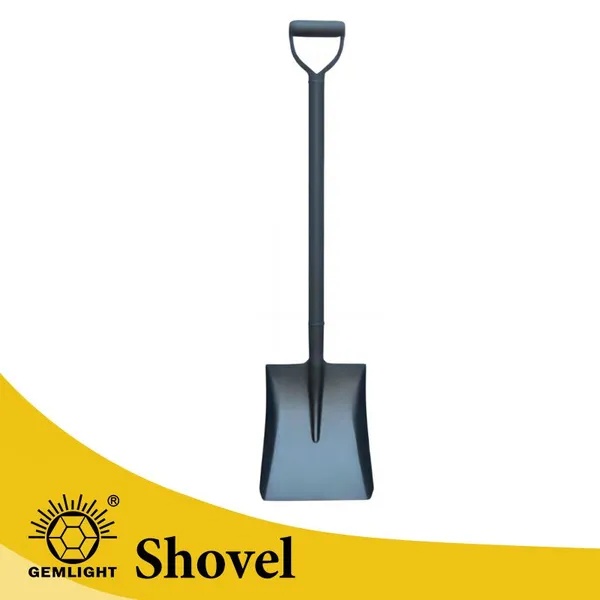
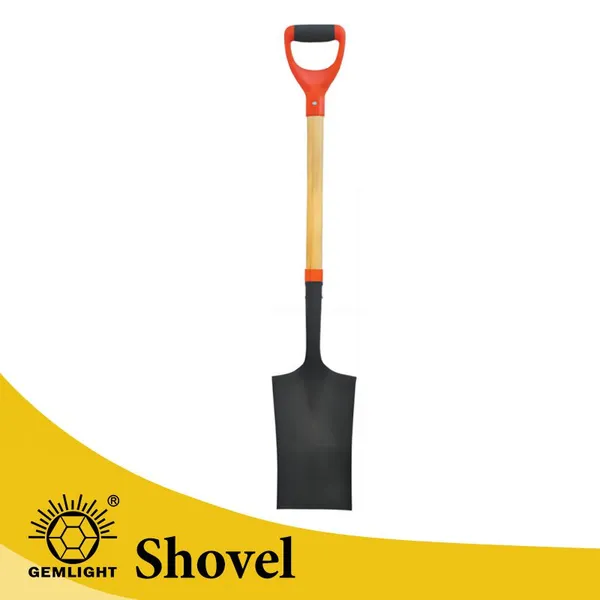
Heavy Duty Manganese Steel Garden Shovel Round Point Digging Shovel With Wooden Handle Farm Tool SupplierUS$ 2.14 - 2.36MOQ: 1200 Pieces
-
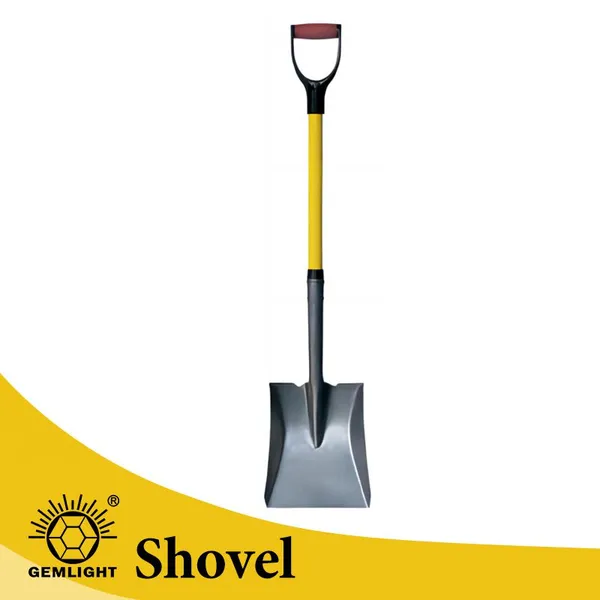
Big Shovel Wide Shovel Mud Shovel Heavy Duty Steel Blade for Farm Drainage Soil Moving Cleaning and Landscaping UseUS$ 2.14 - 2.36MOQ: 1200 Pieces
-
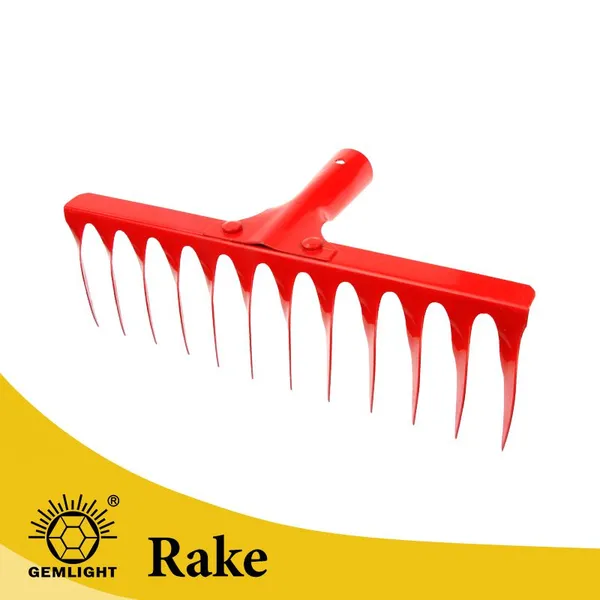
Strong Teeth Soil Rake for Farm Tool Suppliers Private Label Export for Farm Maintenance African Distribution Factory Bulk OrderUS$ 0.88 - 1.35MOQ: 2000 Pieces
-
Manual Cane Knife Machete for Wholesale Buyers Factory Direct Export for Rural Agricultural Projects Durable Hand ToolNegotiableMOQ: 1200 Pieces
-
Large High Carbon Steel Machete Knife Agricultural Machete for Farming Bush Cutting Garden Tool SupplierNegotiableMOQ: 1200 Pieces
-
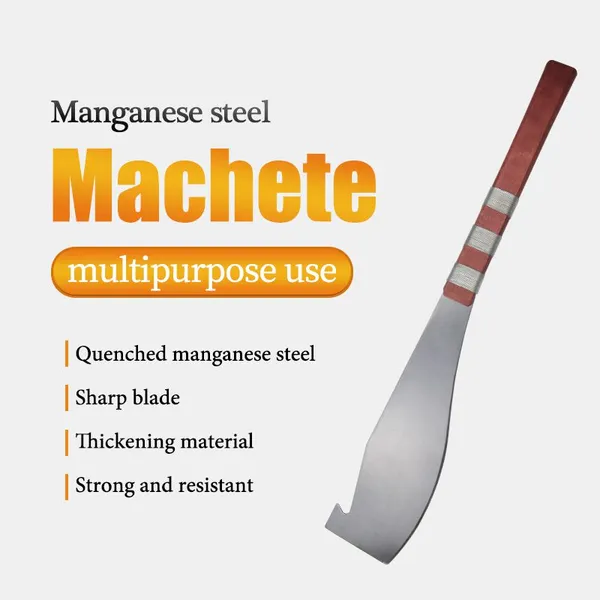
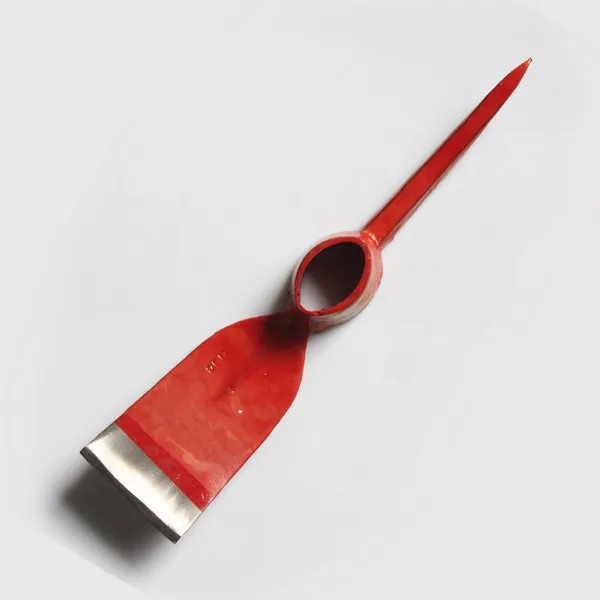
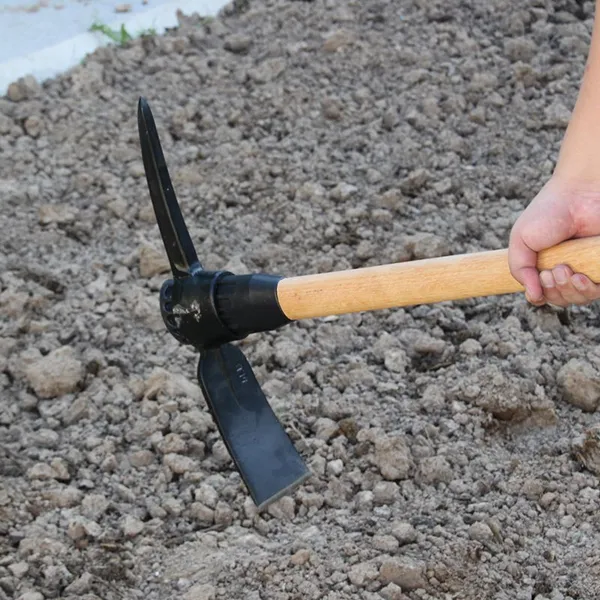
Wholesale Heavy Duty Pick Mattock for Mining Road Work and Farm Digging for Wholesale Tool Dealers With Bulk Order ServiceUS$ 1.85 - 2.3MOQ: 1200 Pieces
-
Carbon Steel Manual Pickaxe for Hard Soil Breaking and Trenching for African Importers With OEM Bulk Order Support Agricultural ToolUS$ 1.85 - 2.3MOQ: 1200 Pieces

-
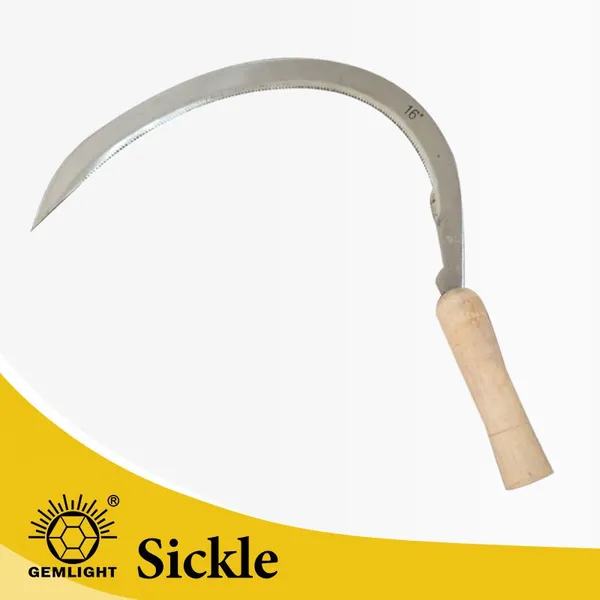
OEM Farm Sickle With Sharp Blade for African Importers OEM Bulk Order Support for Harvesting and Smallholder Farming for Wholesale BUS$ 0.28 - 0.33MOQ: 3000 Pieces
-
Heavy Duty Manganese Steel Round Point Shovel Garden Digging Shovel With Wooden Handle Agricultural Tool ManufacturerUS$ 2.14 - 2.36MOQ: 1200 Pieces
-
Farm Shovel Factory Supply for Regional Import Distributors Bulk Wholesale Supply for Garden Work and Trenching for Agricultural DealersUS$ 2.14 - 2.36MOQ: 1200 Pieces
-
Heavy Duty Garden Rake for African Importers OEM Factory Supply for Agricultural Use African Market Factory Bulk OrderUS$ 0.88 - 1.35MOQ: 2000 Pieces
-
Agricultural Soil Rake for Agricultural Dealers Export Supply for Garden Cleaning African Dealer Channels Factory Bulk OrderUS$ 0.88 - 1.35MOQ: 2000 Pieces
-
Manual Farm Machete for African Importers OEM Factory Supply for Farming and Land Clearing Durable Hand ToolNegotiableMOQ: 1200 Pieces
-
Large Heavy Duty Carbon Steel Garden Landscaping Digging HoeUS$ 1.07 - 1.27MOQ: 1200 Pieces
-
Heavy Duty Rail Steel Mattock Pick Axe With Wooden Handle for Digging Soil Mining and Agricultural Tool SupplierUS$ 1.85 - 2.3MOQ: 1200 Pieces
-
Forged Farm Sickle With Sharp Blade for African Importers OEM Bulk Order Support for Harvesting and Smallholder Farming for WholesalUS$ 0.28 - 0.33MOQ: 3000 Pieces
-
Strong Carbon Steel Farming Sickle for Uganda Tanzania Zambia Agricultural Tool DistributorsUS$ 0.34 - 0.47MOQ: 3000 Pieces