
 Business License

Garden Hose Burst Pressure: What Buyers Must Specify
Garden Hose Burst Pressure: What Buyers Must Specify
Two numbers decide whether a hose survives a summer. Working pressure and burst pressure.
Buyers often quote only one, or quote a burst figure from a catalogue without knowing how it was measured.
That is how a hose rated at 400 psi arrives and fails at a coupling in week three. This guide explains both numbers and how to specify them.
What working and burst pressure really mean
Working pressure is the highest pressure the hose should see in normal use, day after day.
Burst pressure is the point where the wall fails and water escapes. It is a destruction test, not an operating limit.
The gap between them is the safety factor. For garden hose it commonly sits between three and four.
A hose with a 100 psi working pressure is therefore expected to burst above 300 psi. If the quoted burst is 180 psi, the working rating is wrong.
Both numbers are measured at a stated temperature. Most test methods use 23 degrees Celsius.
Heat lowers the rating. A PVC hose at 60 degrees Celsius loses a large share of its strength.
Cold does not lower burst strength much, but it makes the hose stiff and easy to kink.
Pressure also drops along the hose. The rating applies at the inlet, not at the nozzle thirty metres away.
A hose rated at 100 psi with a 300 psi burst is not safe at 300 psi. It is safe at 100 and destroyed above it.
How hoses are pressure tested
There are two tests and they answer different questions.
A proof or hold test fills the hose with water and holds it at a set pressure for a fixed time. Typically one to five minutes.
The hose should not weep, bulge or change length permanently. This test is cheap and should run on every batch.
A burst test raises pressure until the wall fails. It records the failure pressure and the failure location.
Water is used, not air. Compressed air stores energy and turns a burst into an explosion.
Good factories keep the burst record per batch, with the coil number and the test date. Ask to see the last month.
Ask which standard they follow. ISO and EN methods for rubber hose are well known, and hose buyers usually accept them.
Ask the sample size too. One test per batch means little. Five tests per batch gives you a curve.
Check the water temperature during the test. Cold water raises the measured burst value and flatters the product.
Ask whether the hose was conditioned before testing. Testing straight off the line gives unstable numbers.

What margin a retail label should claim
Retail packaging loves big numbers. Buyers should treat them with care.
Claim the working pressure, not the burst pressure. A burst figure on a carton invites the customer to test it.
Then leave a margin. If the batch bursts at 300 psi, do not print 150 psi working pressure unless the construction is consistent.
Consistency matters more than the peak. A hose that bursts at 320 psi on average but 210 psi on a bad day is a 70 psi product.
Label claims should also state the test basis. A short line like "tested at 23°C to 300 psi burst" is defensible.
Do not copy a competitor's number. Their construction, wall thickness and compound are unknown to you.
If your buyer demands a specific claim, ask the factory for a test report that supports it with margin to spare.
Use one unit system per market. Mixing bar and psi on the same carton invites confusion and complaints.
Some markets regulate pressure claims on consumer goods. Check the wording with your importer before printing.
Which failures show a false rating
Field failures tell you what the catalogue did not.
A bulge in the middle of a hose under normal pressure points to a thin wall or a void in the compound.
A split along the length usually means the wall was stretched during extrusion or the hose froze with water inside.
A coupling that blows off is a crimping problem, not a pressure rating problem. The wall may be fine.
A hose that weeps at the ferrule after one season usually has the wrong ferrule size for the cover thickness.
Bursts near the tap end point to water hammer. Pressure spikes can exceed the working rating several times over.
Look at the failure pattern across a batch, not a single return. Five failures in the same place is a process problem.
Then compare the failure pressure with the label. If they are close, the label was optimistic.
Cut the failed section open and look at the wall. A thin patch on one side points to a die or centring problem.
Ask for the batch test record for that coil. A missing record is as informative as a failed test.
RFQ checklist for pressure specifications
Add these lines to your inquiry and to the purchase order.
Working pressure in psi or bar, at 23 degrees Celsius
Burst pressure in psi or bar, with test standard named
Safety factor expected between the two figures
Test frequency: per batch, per coil or per shipment
Hold test duration in minutes and pressure used
Burst test sample size and retained records
Temperature derating information for hot markets
Wall thickness and tolerance that support the rating
Coupling type and crimp specification
Label claim text you intend to print
Test report per batch, available before shipment
Warranty position on pressure-related failures
Write both numbers into the order. A hose without a pressure specification is a hose with an argument attached.
Recently Posted
-
Why Garden Hoses Burst at the Coupling: 5 Causes
October 29, 2026Why Garden Hoses Burst at the Coupling: 5 CausesHose failures cluster at the ends. The middle of a coil rarely splits; the couplin Read More
-
GHT vs BSP Hose Threads: Avoid Mismatch Claims
October 29, 2026GHT vs BSP Hose Threads: Avoid Mismatch ClaimsA garden hose can be perfectly made and still fail on the first day. The thread is u Read More
-
How Many Layers Should a Garden Hose Have?
October 29, 2026How Many Layers Should a Garden Hose Have?Layer count is the most quoted and least understood number in hose selling.Buyers ask fo Read More
-
1/2 vs 5/8 vs 3/4 Inch Garden Hose: Buyer's Guide
October 29, 20261/2 vs 5/8 vs 3/4 Inch Garden Hose: Buyer's GuideDiameter is the first specification on any hose order. It decides flow, weigh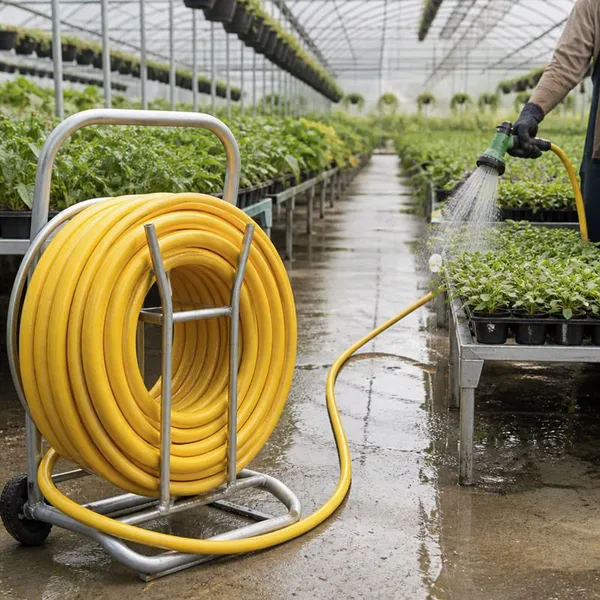 Read More

Contact Us
Recommended Products
-
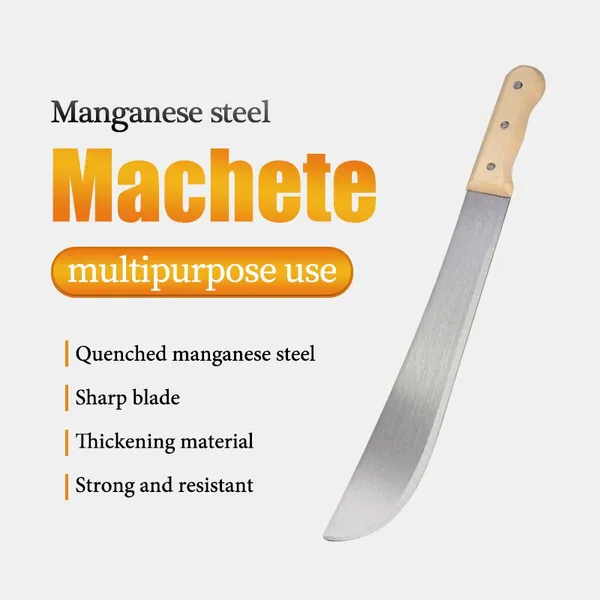
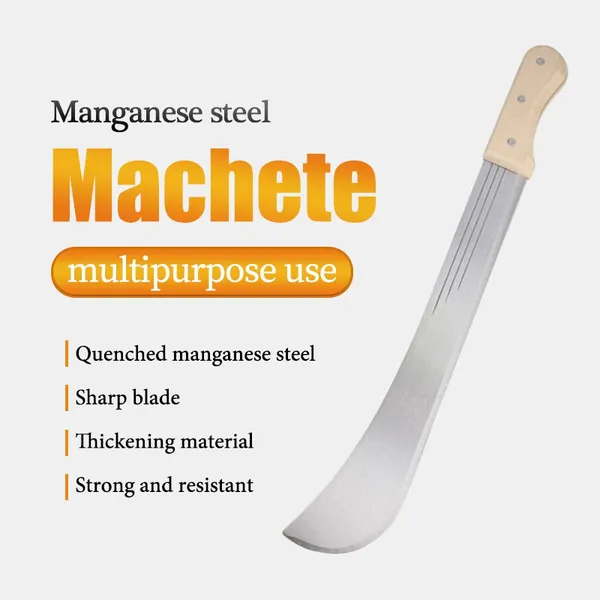
 Heavy Duty Cane Knife Machete for Wholesale Buyers Factory Direct Export for Rural Agricultural Projects Durable Hand ToolNegotiableMOQ: 1200 Pieces
-
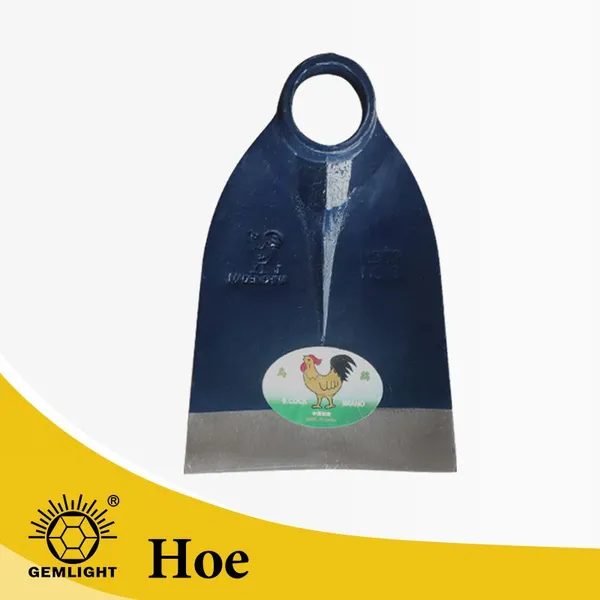
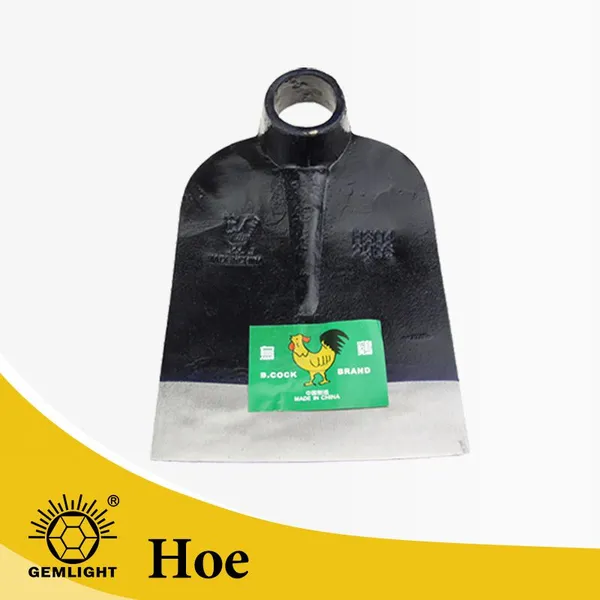
Agricultural Hoe Head Garden Rail Steel Tool for Tough Soil Cheap Price Hand ToolsUS$ 1.07 - 1.27MOQ: 1200 Pieces
-
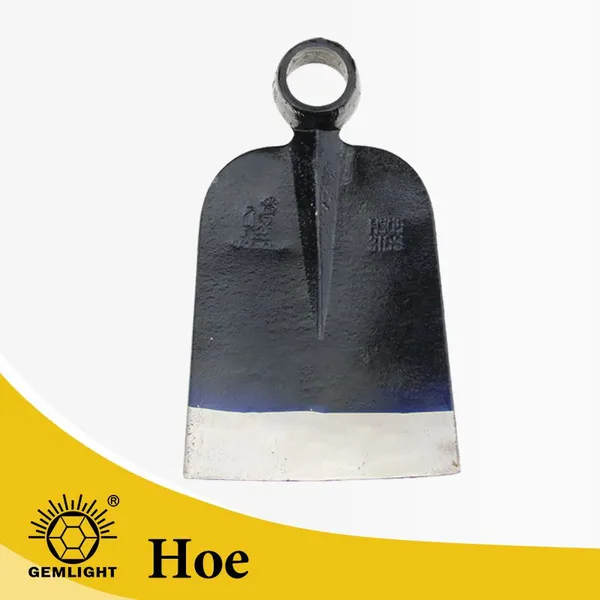
Sturdy Rail Steel Hoe for Weeding, H305 Perfect for Agricultural and Garden TasksUS$ 1.07 - 1.27MOQ: 1200 Pieces
-
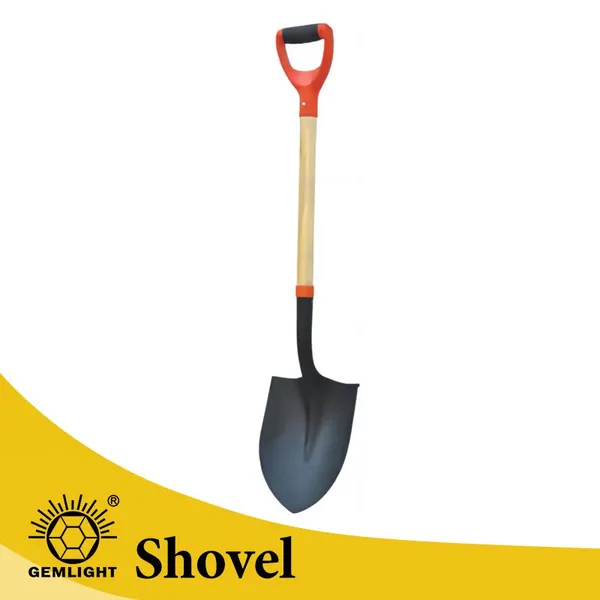
Heavy Duty Manganese Steel Garden Shovel Round Point Digging Shovel With Wooden Handle Farm Tool SupplierUS$ 2.14 - 2.36MOQ: 1200 Pieces
-
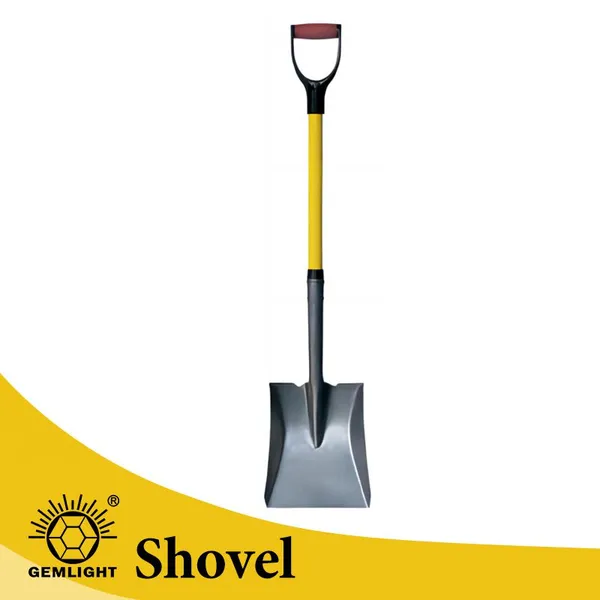
Big Shovel Wide Shovel Mud Shovel Heavy Duty Steel Blade for Farm Drainage Soil Moving Cleaning and Landscaping UseUS$ 2.14 - 2.36MOQ: 1200 Pieces
-
Strong Teeth Soil Rake for Farm Tool Suppliers Private Label Export for Farm Maintenance African Distribution Factory Bulk OrderUS$ 0.88 - 1.35MOQ: 2000 Pieces
-
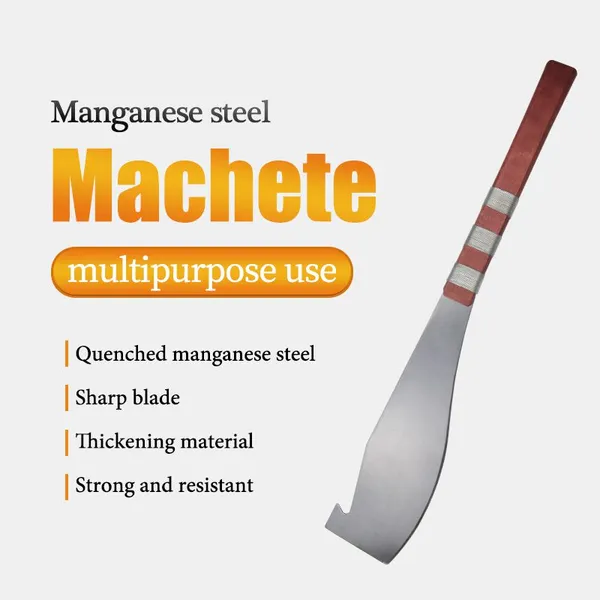
Manual Cane Knife Machete for Wholesale Buyers Factory Direct Export for Rural Agricultural Projects Durable Hand ToolNegotiableMOQ: 1200 Pieces
-
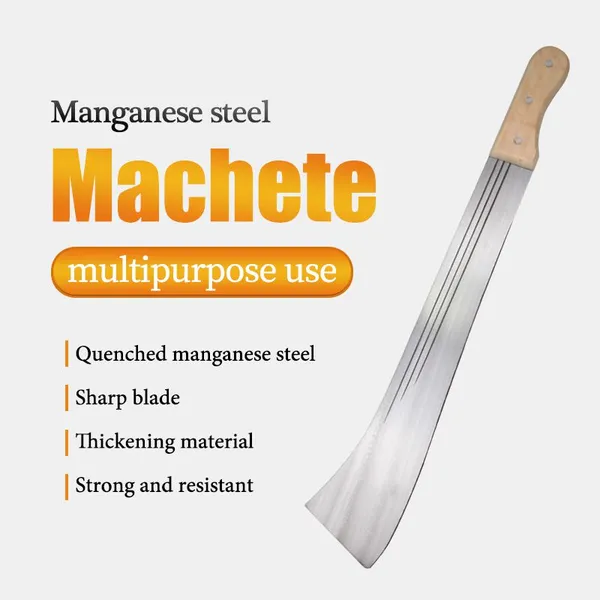
Large High Carbon Steel Machete Knife Agricultural Machete for Farming Bush Cutting Garden Tool SupplierNegotiableMOQ: 1200 Pieces
-
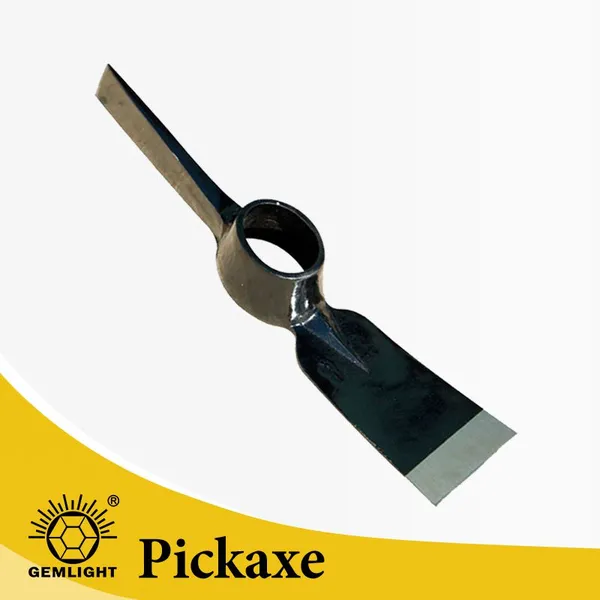
Wholesale Heavy Duty Pick Mattock for Mining Road Work and Farm Digging for Wholesale Tool Dealers With Bulk Order ServiceUS$ 1.85 - 2.3MOQ: 1200 Pieces
-
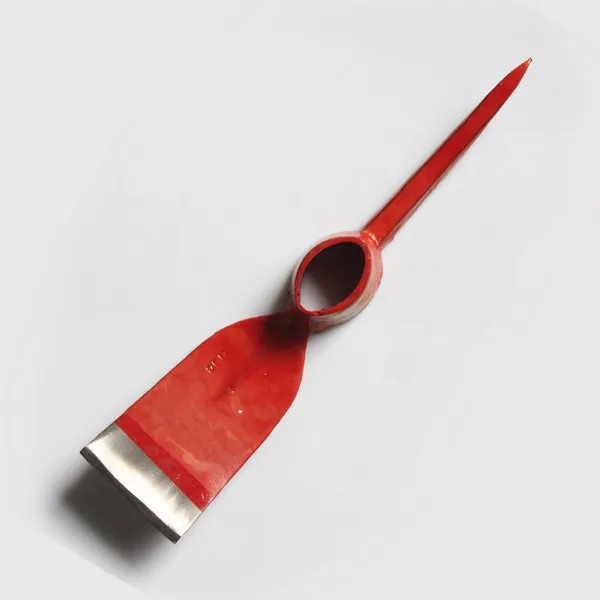
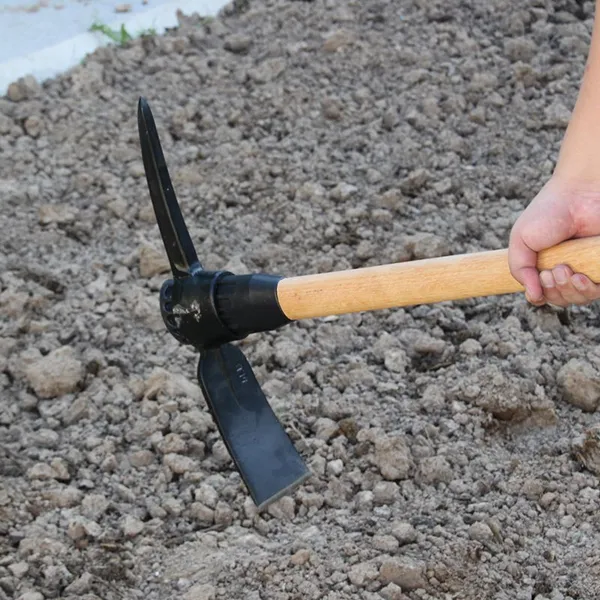
Carbon Steel Manual Pickaxe for Hard Soil Breaking and Trenching for African Importers With OEM Bulk Order Support Agricultural ToolUS$ 1.85 - 2.3MOQ: 1200 Pieces

-
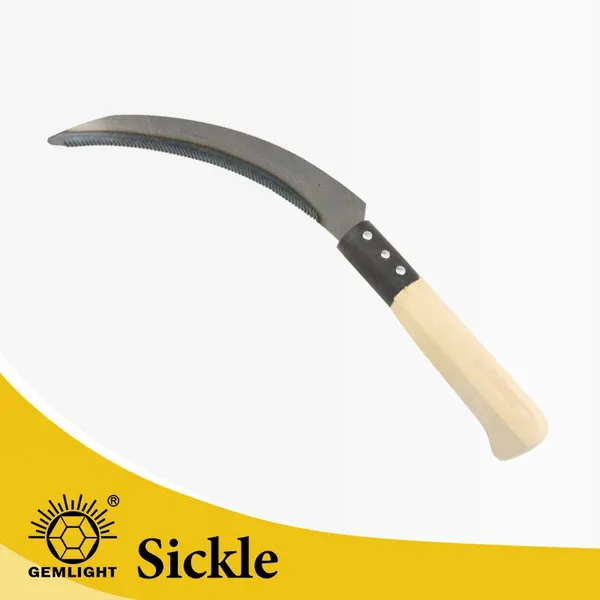
OEM Farm Sickle With Sharp Blade for African Importers OEM Bulk Order Support for Harvesting and Smallholder Farming for Wholesale BUS$ 0.28 - 0.33MOQ: 3000 Pieces
-
Heavy Duty Manganese Steel Round Point Shovel Garden Digging Shovel With Wooden Handle Agricultural Tool ManufacturerUS$ 2.14 - 2.36MOQ: 1200 Pieces
-
Farm Shovel Factory Supply for Regional Import Distributors Bulk Wholesale Supply for Garden Work and Trenching for Agricultural DealersUS$ 2.14 - 2.36MOQ: 1200 Pieces
-
Heavy Duty Garden Rake for African Importers OEM Factory Supply for Agricultural Use African Market Factory Bulk OrderUS$ 0.88 - 1.35MOQ: 2000 Pieces
-
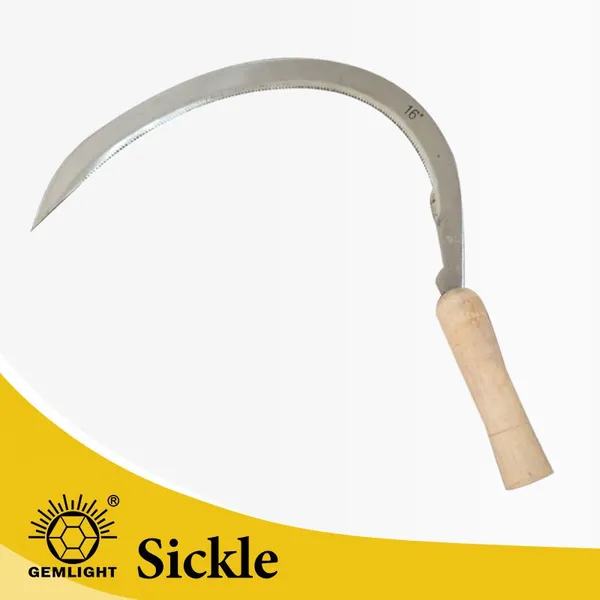
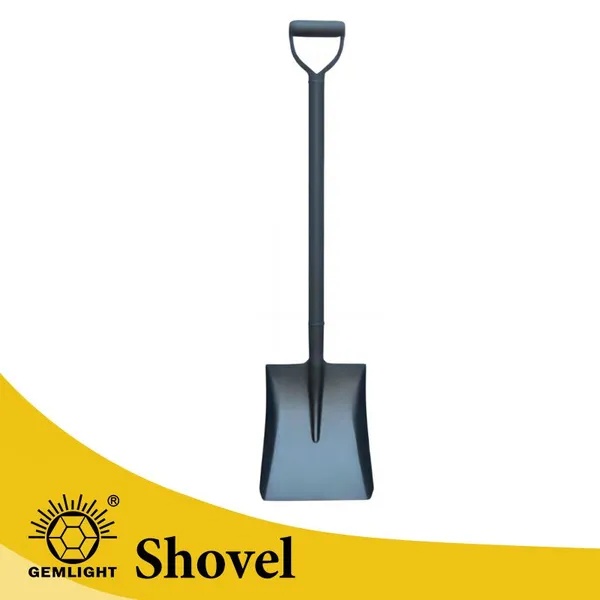
Agricultural Soil Rake for Agricultural Dealers Export Supply for Garden Cleaning African Dealer Channels Factory Bulk OrderUS$ 0.88 - 1.35MOQ: 2000 Pieces
-
Manual Farm Machete for African Importers OEM Factory Supply for Farming and Land Clearing Durable Hand ToolNegotiableMOQ: 1200 Pieces
-
Large Heavy Duty Carbon Steel Garden Landscaping Digging HoeUS$ 1.07 - 1.27MOQ: 1200 Pieces
-
Heavy Duty Rail Steel Mattock Pick Axe With Wooden Handle for Digging Soil Mining and Agricultural Tool SupplierUS$ 1.85 - 2.3MOQ: 1200 Pieces
-
Forged Farm Sickle With Sharp Blade for African Importers OEM Bulk Order Support for Harvesting and Smallholder Farming for WholesalUS$ 0.28 - 0.33MOQ: 3000 Pieces
-
Strong Carbon Steel Farming Sickle for Uganda Tanzania Zambia Agricultural Tool DistributorsUS$ 0.34 - 0.47MOQ: 3000 Pieces