
 Business License

1/2 vs 5/8 vs 3/4 Inch Garden Hose: Buyer's Guide
1/2 vs 5/8 vs 3/4 Inch Garden Hose: Buyer's Guide
Diameter is the first specification on any hose order. It decides flow, weight, carton size and which customer will buy it.
Buyers often treat the three common sizes as interchangeable. They are not, and the mistake shows up in returns.
This guide compares 1/2, 5/8 and 3/4 inch hose on flow, market fit and freight.
How much does flow differ per size?
Flow depends on pressure, length and internal diameter. Diameter has the biggest effect of the three.
Going from 1/2 inch to 5/8 inch roughly doubles the cross-section area. That is a large jump for a small label change.
At typical household pressure over a fifty foot run, expect roughly nine to twelve gallons per minute from 1/2 inch.
A 5/8 inch hose of the same length delivers roughly twelve to seventeen gallons per minute. A 3/4 inch hose often reaches twenty or more.
These are working ranges, not guarantees. A long run, a low tap pressure or a narrow spray nozzle will pull every number down.
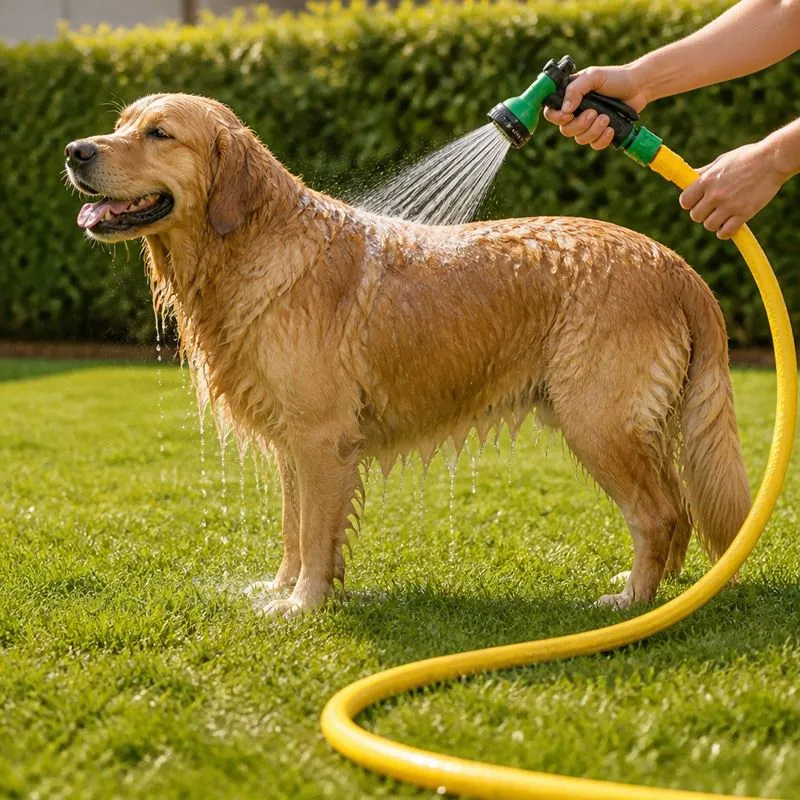
Check the flow your customer actually needs. Hand watering needs little. A sprinkler or a pressure washer feed needs a lot.
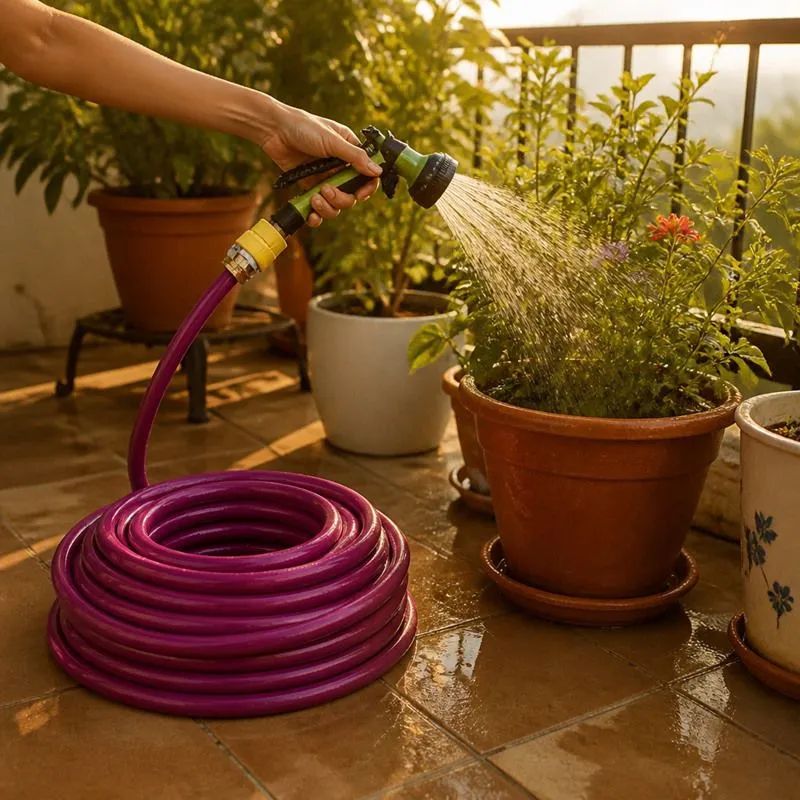
If the end use is filling a pool or feeding a pump, go up a size. If it is watering pots on a balcony, stay small.
Pressure drop grows with length. A 3/4 inch hose over thirty metres may deliver less than a 5/8 inch hose over ten.
Check the tap, not just the hose. A half inch tap outlet caps the flow whatever diameter you attach to it.


Which size sells in which region?
Size demand is regional, and it follows plumbing standards.
The United States and Canada are 5/8 inch markets. That size dominates big-box shelves and online listings.
The United Kingdom and much of Europe lean to 1/2 inch, sold in metric lengths. Twenty-five metres is a common pack.
Australia and New Zealand work in metric diameters, with 12 mm and 18 mm the usual equivalents.
Southern Europe and the Middle East buy more 3/4 inch for irrigation and garden maintenance. Longer runs and higher demand suit the bigger bore.
Germany and the Netherlands also carry 3/4 inch for professional and semi-professional use.
Do not assume. Ask your buyer which size sells in their top three SKUs, then check the answer against their market.
A range built on the wrong default size sits in the warehouse, not the garden.
Buyers who sell across regions often stock both 1/2 inch and 5/8 inch, with one as the volume line.
Show metric and imperial sizes together where the market allows. It reduces confusion on mixed retail shelves.
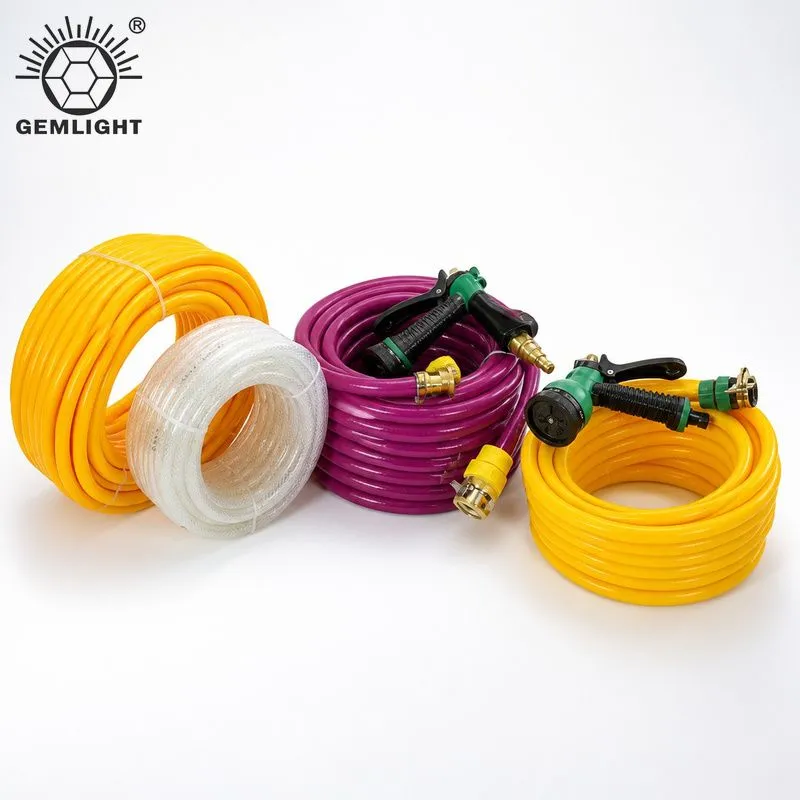
How size changes weight, coil and freight
Freight is where diameter quietly changes your margin.
Weight per metre rises with diameter and wall thickness. A 3/4 inch hose can weigh twice what a 1/2 inch hose weighs per metre.
That affects the coil weight a customer can carry, and the carton strength you need.
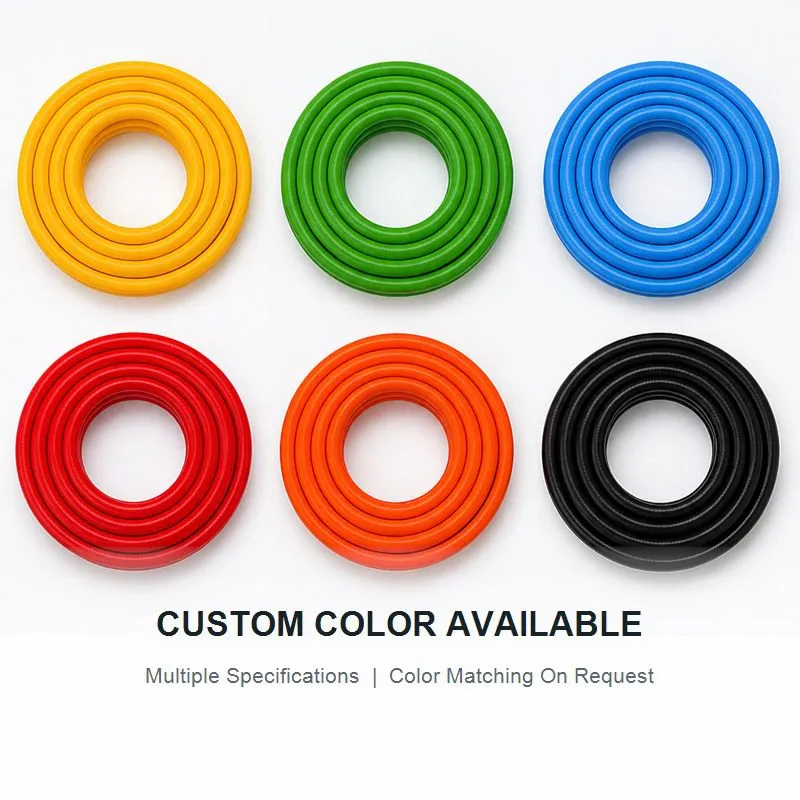
Coil diameter grows too. Bigger coils mean fewer cartons per pallet and fewer units per container.
A 20ft container holds noticeably more 1/2 inch hose than 3/4 inch hose, even with the same number of cartons.
Calculate cost per metre landed, not cost per coil. The number is honest and comparable across sizes.
Then check the retail price point. A heavy 3/4 inch coil at a low price point tells you the wall is thin.
Packing method matters as much as size. Shrink wrap saves cube, colour box protects the shelf impression.
Ask for the pallet plan, not just the carton size. Pallet height and overhang decide how many cartons actually ship.
Compare freight per metre at the same container fill. Empty cube is a cost you pay either way.

How to choose sizes for a range or a tender
Start from the end user, not from the factory's stock list.
A retail range usually needs two sizes: the local default and one step up. Three sizes per type is plenty for a first order.
A wholesale range can carry more, because your customers resell to different segments.
For tenders, the specification is written for you. Read the BOQ carefully for diameter, length and pressure.
Tender documents often ask for 1/2 inch hose in irrigation kits and 3/4 inch for main lines. Supply exactly what is written.
If a size is missing from your line, offer the nearest equivalent only with written approval. Substitutions lose bids.
Keep the thread standard consistent across sizes. A 3/4 inch hose with the wrong thread creates a return, not a sale.
Read the BOQ line by line and list every size before you quote. Missing one line can disqualify the whole bid.
State tolerances in your offer. Buyers who write tight specs expect you to confirm them in writing.
RFQ checklist for a multi-size order
Use this list so quotations stay comparable across suppliers.
Nominal size in inches and measured inner diameter in mm
Wall thickness and tolerance per size
Length per coil, and length at working pressure
Working pressure and burst pressure per size
Weight per metre and coil weight per size
Coil diameter and packing method
Carton size and units per carton per size
Loading quantity per 20ft container per size
Fitting size and thread standard per market
MOQ per size and per colour
Price per metre and per coil at three quantities
Sample availability in each size
Put three coils side by side before you order. Diameter is easy to see and hard to argue about later.
Recently Posted
-
Why Garden Hoses Burst at the Coupling: 5 Causes
October 29, 2026Why Garden Hoses Burst at the Coupling: 5 CausesHose failures cluster at the ends. The middle of a coil rarely splits; the couplin Read More
-
GHT vs BSP Hose Threads: Avoid Mismatch Claims
October 29, 2026GHT vs BSP Hose Threads: Avoid Mismatch ClaimsA garden hose can be perfectly made and still fail on the first day. The thread is u Read More
-
How Many Layers Should a Garden Hose Have?
October 29, 2026How Many Layers Should a Garden Hose Have?Layer count is the most quoted and least understood number in hose selling.Buyers ask fo Read More
-
Garden Hose Burst Pressure: What Buyers Must Specify
October 29, 2026Garden Hose Burst Pressure: What Buyers Must SpecifyTwo numbers decide whether a hose survives a summer. Working pressure and burs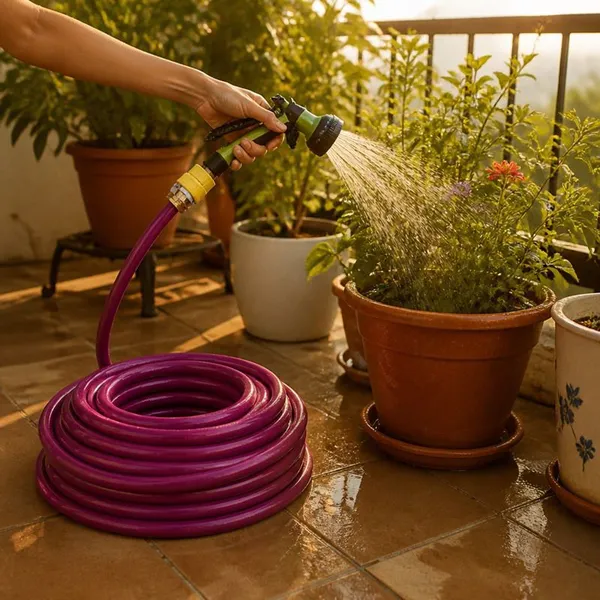 Read More

Contact Us
Recommended Products
-
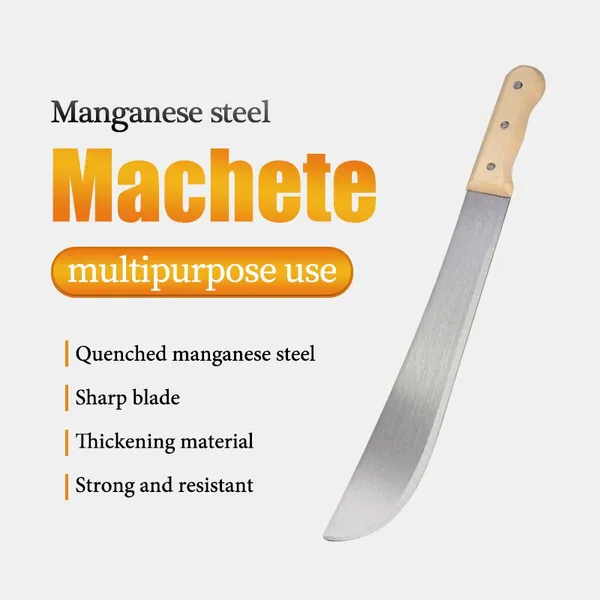
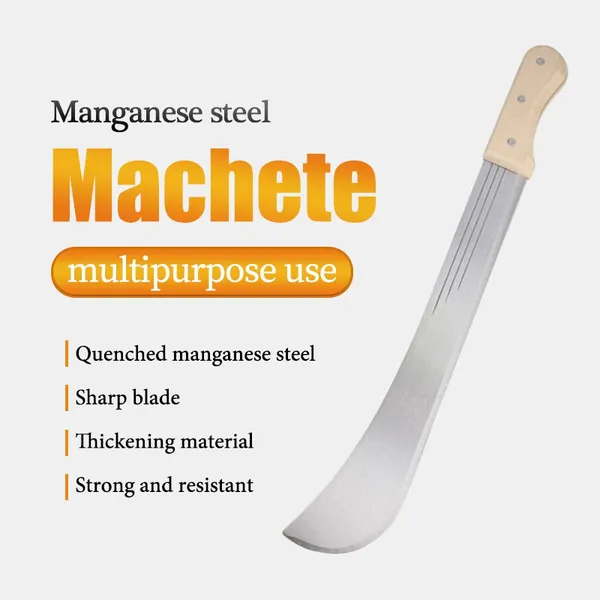
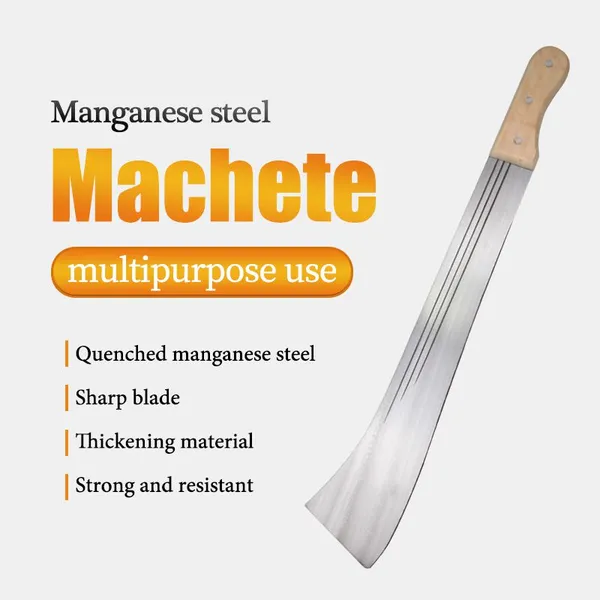
 Heavy Duty Cane Knife Machete for Wholesale Buyers Factory Direct Export for Rural Agricultural Projects Durable Hand ToolNegotiableMOQ: 1200 Pieces
-
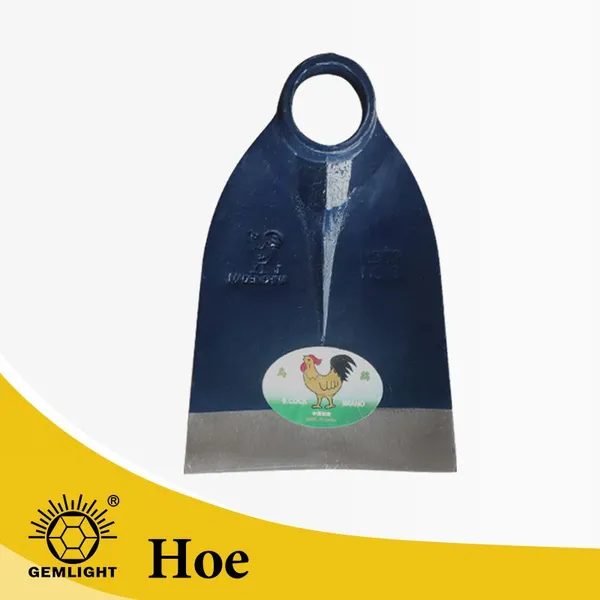
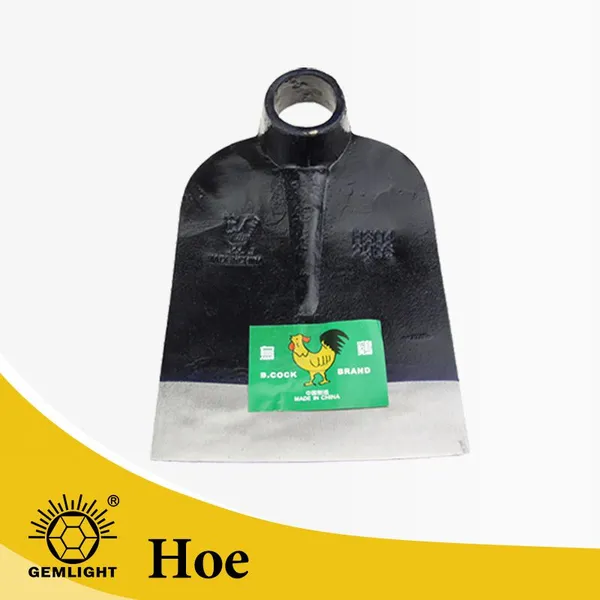
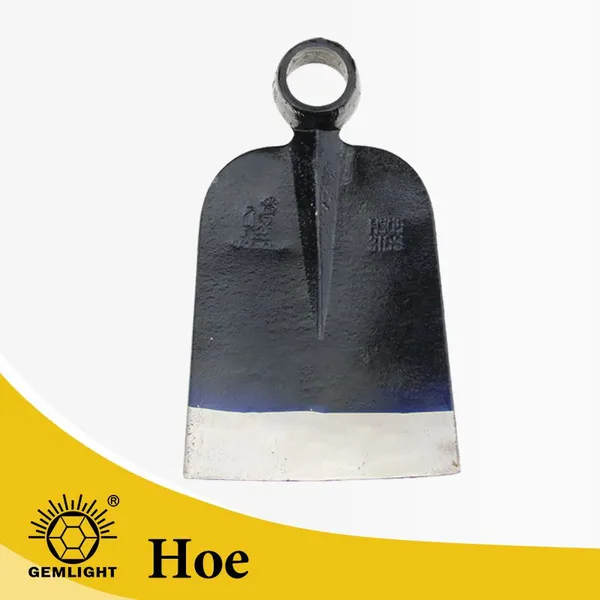
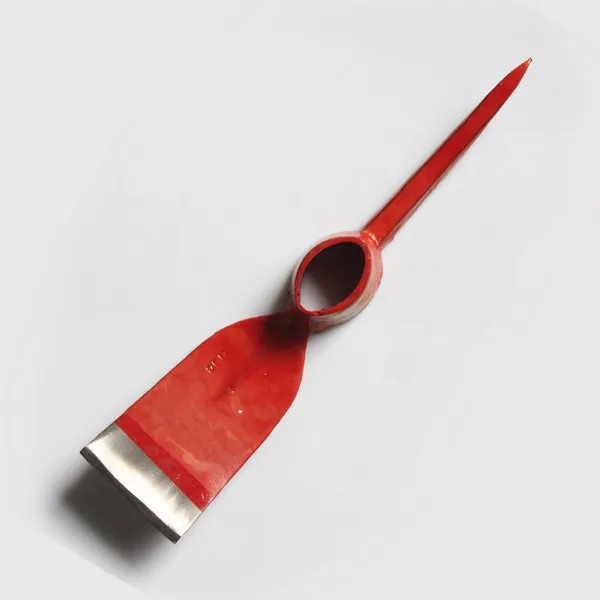
Agricultural Hoe Head Garden Rail Steel Tool for Tough Soil Cheap Price Hand ToolsUS$ 1.07 - 1.27MOQ: 1200 Pieces
-
Sturdy Rail Steel Hoe for Weeding, H305 Perfect for Agricultural and Garden TasksUS$ 1.07 - 1.27MOQ: 1200 Pieces
-
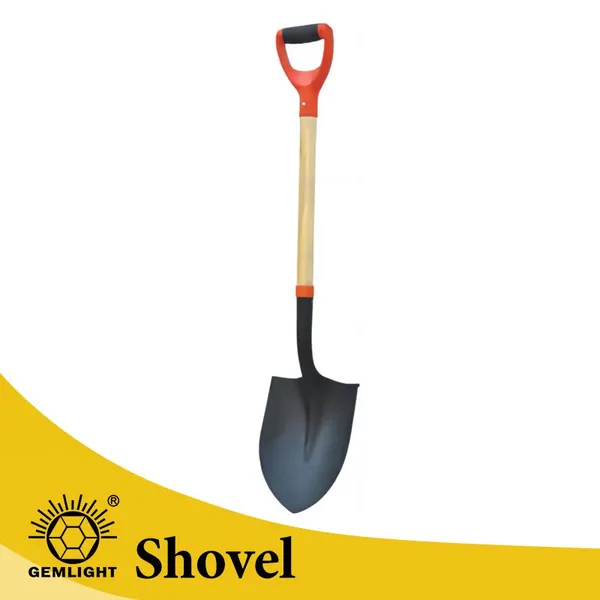
Heavy Duty Manganese Steel Garden Shovel Round Point Digging Shovel With Wooden Handle Farm Tool SupplierUS$ 2.14 - 2.36MOQ: 1200 Pieces
-
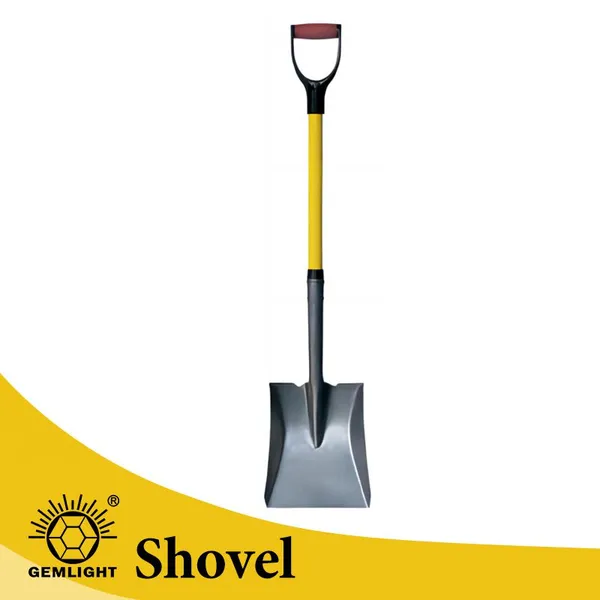
Big Shovel Wide Shovel Mud Shovel Heavy Duty Steel Blade for Farm Drainage Soil Moving Cleaning and Landscaping UseUS$ 2.14 - 2.36MOQ: 1200 Pieces
-
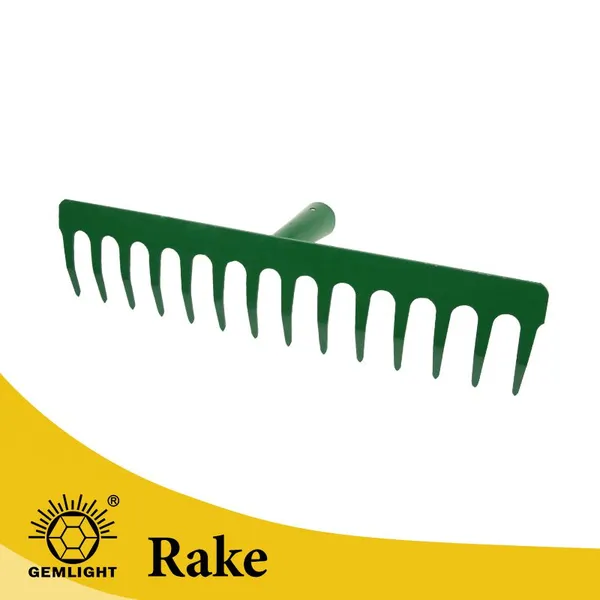
Strong Teeth Soil Rake for Farm Tool Suppliers Private Label Export for Farm Maintenance African Distribution Factory Bulk OrderUS$ 0.88 - 1.35MOQ: 2000 Pieces
-
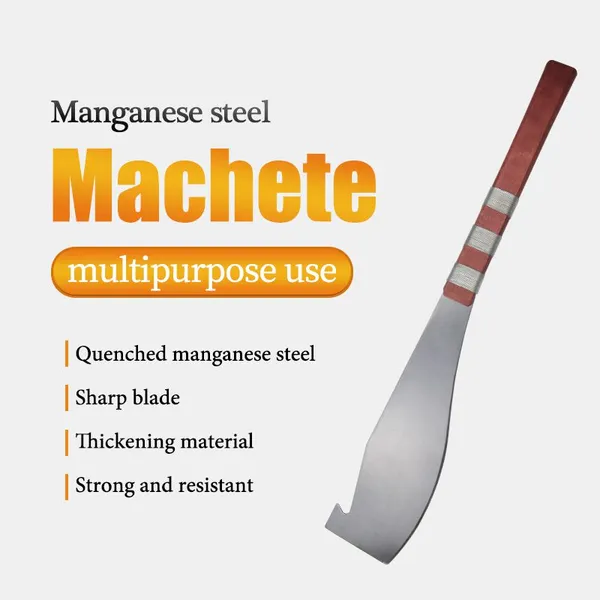
Manual Cane Knife Machete for Wholesale Buyers Factory Direct Export for Rural Agricultural Projects Durable Hand ToolNegotiableMOQ: 1200 Pieces
-
Large High Carbon Steel Machete Knife Agricultural Machete for Farming Bush Cutting Garden Tool SupplierNegotiableMOQ: 1200 Pieces
-
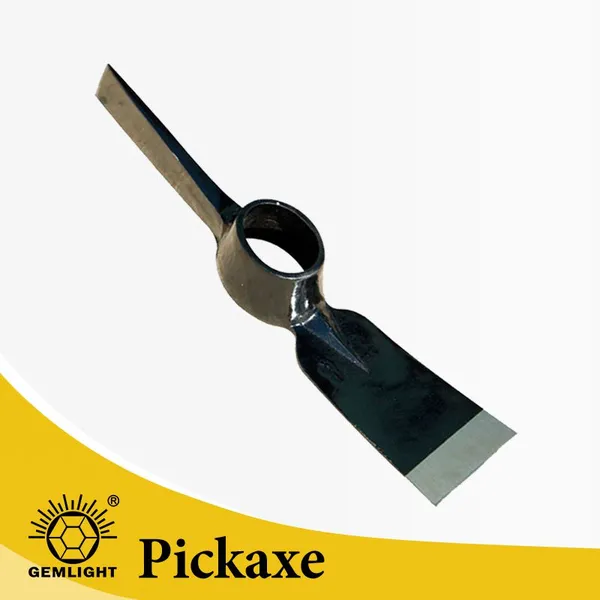
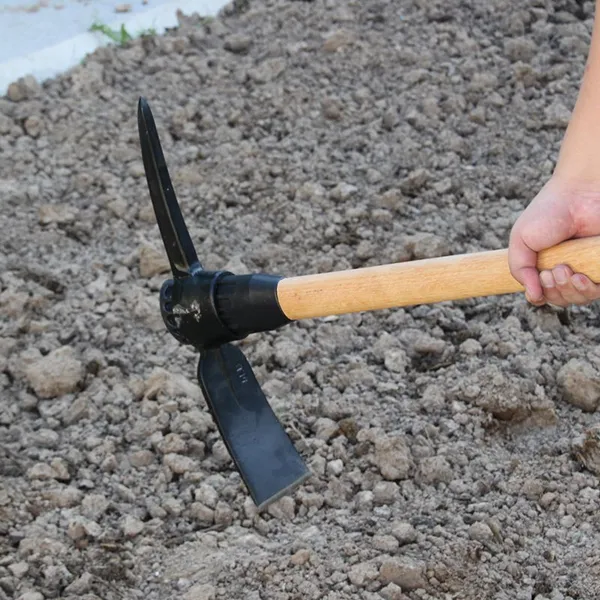
Wholesale Heavy Duty Pick Mattock for Mining Road Work and Farm Digging for Wholesale Tool Dealers With Bulk Order ServiceUS$ 1.85 - 2.3MOQ: 1200 Pieces
-
Carbon Steel Manual Pickaxe for Hard Soil Breaking and Trenching for African Importers With OEM Bulk Order Support Agricultural ToolUS$ 1.85 - 2.3MOQ: 1200 Pieces
-
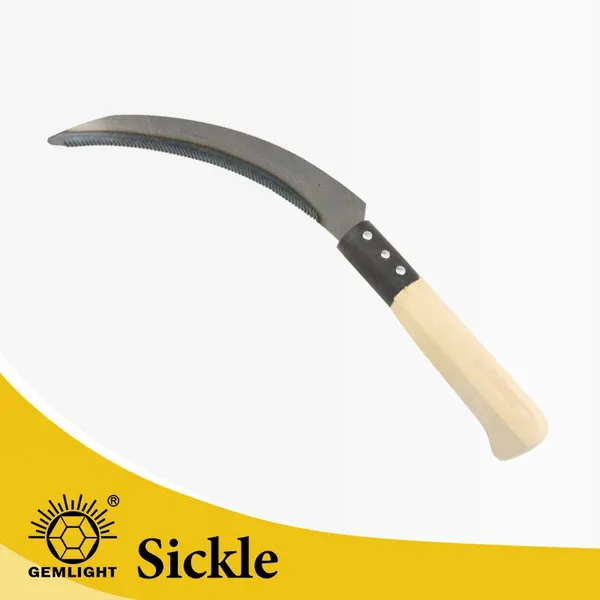
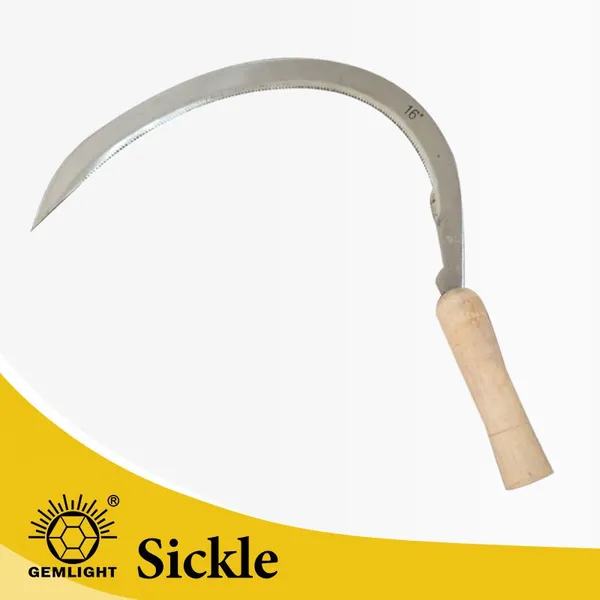
OEM Farm Sickle With Sharp Blade for African Importers OEM Bulk Order Support for Harvesting and Smallholder Farming for Wholesale BUS$ 0.28 - 0.33MOQ: 3000 Pieces
-
Heavy Duty Manganese Steel Round Point Shovel Garden Digging Shovel With Wooden Handle Agricultural Tool ManufacturerUS$ 2.14 - 2.36MOQ: 1200 Pieces
-
Farm Shovel Factory Supply for Regional Import Distributors Bulk Wholesale Supply for Garden Work and Trenching for Agricultural DealersUS$ 2.14 - 2.36MOQ: 1200 Pieces
-
Heavy Duty Garden Rake for African Importers OEM Factory Supply for Agricultural Use African Market Factory Bulk OrderUS$ 0.88 - 1.35MOQ: 2000 Pieces
-
Agricultural Soil Rake for Agricultural Dealers Export Supply for Garden Cleaning African Dealer Channels Factory Bulk OrderUS$ 0.88 - 1.35MOQ: 2000 Pieces
-
Manual Farm Machete for African Importers OEM Factory Supply for Farming and Land Clearing Durable Hand ToolNegotiableMOQ: 1200 Pieces
-
Large Heavy Duty Carbon Steel Garden Landscaping Digging HoeUS$ 1.07 - 1.27MOQ: 1200 Pieces
-
Heavy Duty Rail Steel Mattock Pick Axe With Wooden Handle for Digging Soil Mining and Agricultural Tool SupplierUS$ 1.85 - 2.3MOQ: 1200 Pieces
-
Forged Farm Sickle With Sharp Blade for African Importers OEM Bulk Order Support for Harvesting and Smallholder Farming for WholesalUS$ 0.28 - 0.33MOQ: 3000 Pieces
-
Strong Carbon Steel Farming Sickle for Uganda Tanzania Zambia Agricultural Tool DistributorsUS$ 0.34 - 0.47MOQ: 3000 Pieces