
 Business License

How Many Layers Should a Garden Hose Have?
How Many Layers Should a Garden Hose Have?
Layer count is the most quoted and least understood number in hose selling.
Buyers ask for a five-layer hose because a competitor sells one. Few ask what the extra layers actually do.
The answer decides whether you pay for real performance or for a label. Here is the construction explained in plain terms.
What each layer does
Every garden hose does three jobs. It carries water, it holds pressure and it survives the garden.
The inner tube carries water. It must be smooth, flexible and free of plasticiser migration.
The reinforcement holds the pressure. It is usually a polyester yarn braid, sometimes a spiral wrap.
The cover protects the reinforcement from sun, abrasion and dirt. It also carries the colour and the print.
In a three-layer hose, that is the whole structure. Tube, braid, cover.
A five-layer hose adds two more. A second tube layer or a tie layer under the braid, and a second cover layer or a protective skin.
Some factories count a print layer or an adhesive layer as a layer. Ask for the cross-section drawing, not the count alone.
In a typical three-layer hose, the tube and cover take most of the wall. The braid adds strength, not thickness.
In a five-layer hose, the extra layers are usually thin. Ask for each thickness in millimetres, not just the total.
How layer count changes kinking and service life
More layers do not automatically mean a better hose. Placement and material matter more than the number.
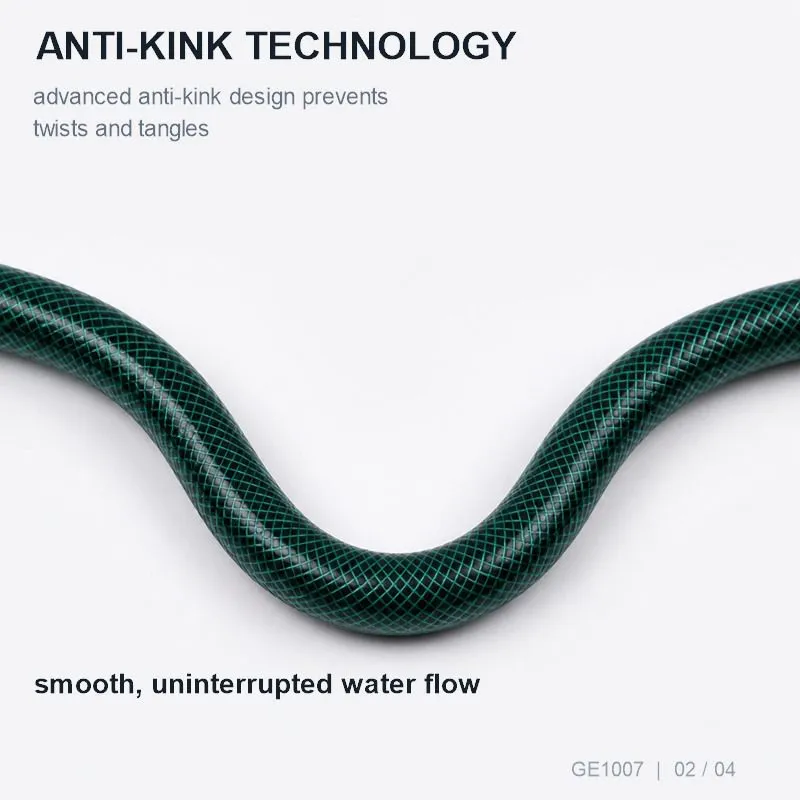
Kinking comes from a wall that is too thin for the diameter, or a reinforcement that is too stiff. Both make the hose fold instead of bend.
A well-built three-layer hose with a balanced braid resists kinking better than a poorly built five-layer one.
Extra layers help in specific ways. A tie layer stops the tube from separating from the braid under pressure cycling.
A heavier cover resists abrasion on paving and stone edges. That is where most garden hose damage happens.
A second cover layer also slows UV attack, which is the main cause of surface cracking in hot markets.
Service life is decided by the weakest layer. Adding cover without improving the tube does little.
Test the bend radius yourself. Coil the hose tighter until it folds, and note the diameter where it kinks.
Repeat the test after a week in the sun. A hose that kinks earlier when warm has a weak cover compound.
Three-layer vs five-layer: cost and market fit
The price gap is real but smaller than most buyers expect. Usually twenty to forty percent at the same diameter.
That gap comes from material, slower line speed and more scrap at start-up.
A three-layer hose fits value retail, promotional packs and short-season markets. It is honest and adequate for hand watering.
A five-layer hose fits markets with strong sun, hard water and demanding users. It also fits a brand that needs a visible upgrade claim.
Do not sell a five-layer hose on layer count alone. Sell it on the outcome: fewer kinks, longer life, better feel.
For tenders, layer count is often not specified. Pressure rating, diameter and length usually are. Meet the written spec and no more.
Keep both constructions in your range only if you can explain the difference to a retail buyer in one sentence.
Price the upgrade as a percentage, not as a new product. A clear step of twenty to thirty percent is easy to sell.
If the gap is under ten percent, buyers will ask why the cheaper hose exists at all.
How to prove layer count in inspection
Layer count is easy to claim and easy to check. Do it before shipment, not after a claim.
Cut a section from a random coil, not from the sample the factory prepared. Use a sharp blade and a steady hand.
Look at the cut edge under good light. Count distinct colour bands and the braid between them.
Photograph the cut next to a ruler. Send the photo to the supplier with the coil number.
Measure the total wall thickness and each layer if you can. A five-layer hose with the same total wall as a three-layer one has thinner individual layers.
Check the braid density by counting yarn ends per centimetre. A sparse braid will not hold pressure whatever the layer count.
Ask for the extrusion line setup sheet for that run. It lists the layers, the materials and the thicknesses.
Compare two shipments using the same photo method. A quiet drop from five layers to three is a common trick.
Weigh a 30 cm cut section and compare it with your approved sample. A lighter section means less material somewhere.
Ask for the line setup sheet signed by the shift leader. It is a small document and hard to fake later.
RFQ checklist for hose construction
Use these lines to keep construction comparable between suppliers.
Total layer count and the role of each layer
Inner tube material and thickness in millimetres
Reinforcement type: braided, spiral or knitted
Yarn type and ends per centimetre
Cover material and thickness in millimetres
Total wall thickness and tolerance
Working pressure and burst pressure supported by the construction
Cross-section drawing or photo per model
Kink test method used in-house
UV stabiliser package and any test data
Print method and ink type
MOQ difference between three-layer and five-layer
Ask one question at the end. Which layer fails first in your warranty returns? The answer tells you where the factory actually invests.
Recently Posted
-
Why Garden Hoses Burst at the Coupling: 5 Causes
October 29, 2026Why Garden Hoses Burst at the Coupling: 5 CausesHose failures cluster at the ends. The middle of a coil rarely splits; the couplin Read More
-
GHT vs BSP Hose Threads: Avoid Mismatch Claims
October 29, 2026GHT vs BSP Hose Threads: Avoid Mismatch ClaimsA garden hose can be perfectly made and still fail on the first day. The thread is u Read More
-
Garden Hose Burst Pressure: What Buyers Must Specify
October 29, 2026Garden Hose Burst Pressure: What Buyers Must SpecifyTwo numbers decide whether a hose survives a summer. Working pressure and burs Read More
-
1/2 vs 5/8 vs 3/4 Inch Garden Hose: Buyer's Guide
October 29, 20261/2 vs 5/8 vs 3/4 Inch Garden Hose: Buyer's GuideDiameter is the first specification on any hose order. It decides flow, weigh Read More

Contact Us
Recommended Products
-
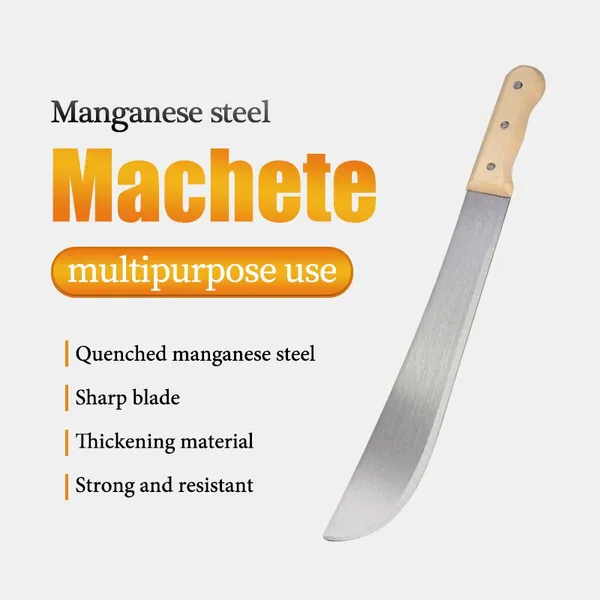
 Heavy Duty Cane Knife Machete for Wholesale Buyers Factory Direct Export for Rural Agricultural Projects Durable Hand ToolNegotiableMOQ: 1200 Pieces
-
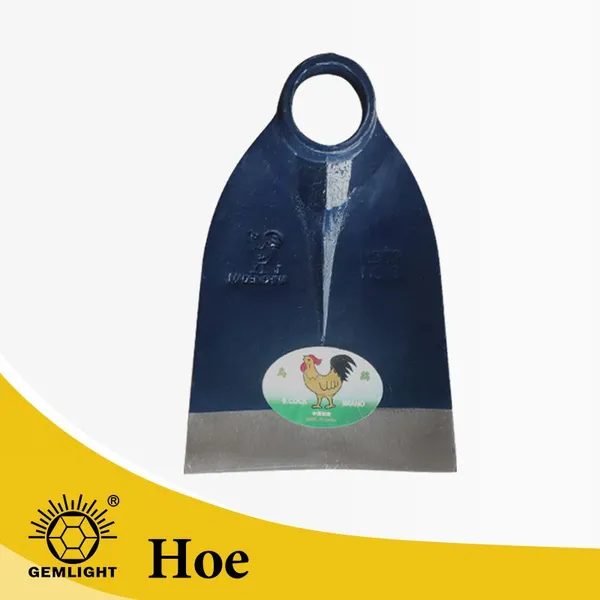
Agricultural Hoe Head Garden Rail Steel Tool for Tough Soil Cheap Price Hand ToolsUS$ 1.07 - 1.27MOQ: 1200 Pieces
-
Sturdy Rail Steel Hoe for Weeding, H305 Perfect for Agricultural and Garden TasksUS$ 1.07 - 1.27MOQ: 1200 Pieces
-
Heavy Duty Manganese Steel Garden Shovel Round Point Digging Shovel With Wooden Handle Farm Tool SupplierUS$ 2.14 - 2.36MOQ: 1200 Pieces
-
Big Shovel Wide Shovel Mud Shovel Heavy Duty Steel Blade for Farm Drainage Soil Moving Cleaning and Landscaping UseUS$ 2.14 - 2.36MOQ: 1200 Pieces
-
Strong Teeth Soil Rake for Farm Tool Suppliers Private Label Export for Farm Maintenance African Distribution Factory Bulk OrderUS$ 0.88 - 1.35MOQ: 2000 Pieces
-
Manual Cane Knife Machete for Wholesale Buyers Factory Direct Export for Rural Agricultural Projects Durable Hand ToolNegotiableMOQ: 1200 Pieces
-
Large High Carbon Steel Machete Knife Agricultural Machete for Farming Bush Cutting Garden Tool SupplierNegotiableMOQ: 1200 Pieces
-
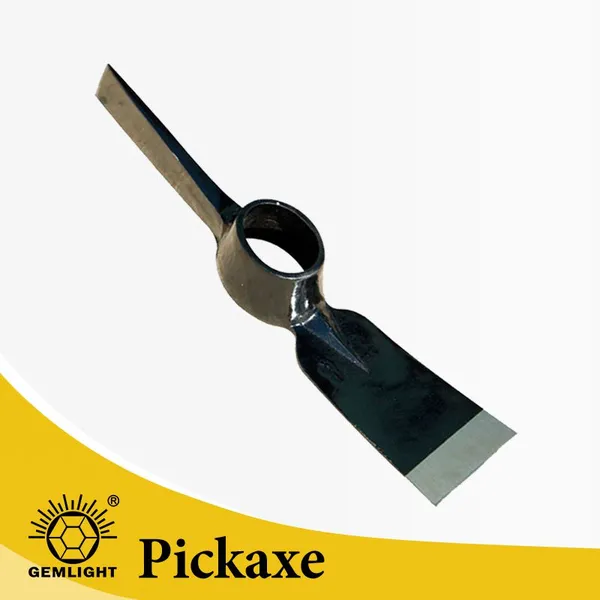
Wholesale Heavy Duty Pick Mattock for Mining Road Work and Farm Digging for Wholesale Tool Dealers With Bulk Order ServiceUS$ 1.85 - 2.3MOQ: 1200 Pieces
-
Carbon Steel Manual Pickaxe for Hard Soil Breaking and Trenching for African Importers With OEM Bulk Order Support Agricultural ToolUS$ 1.85 - 2.3MOQ: 1200 Pieces
-
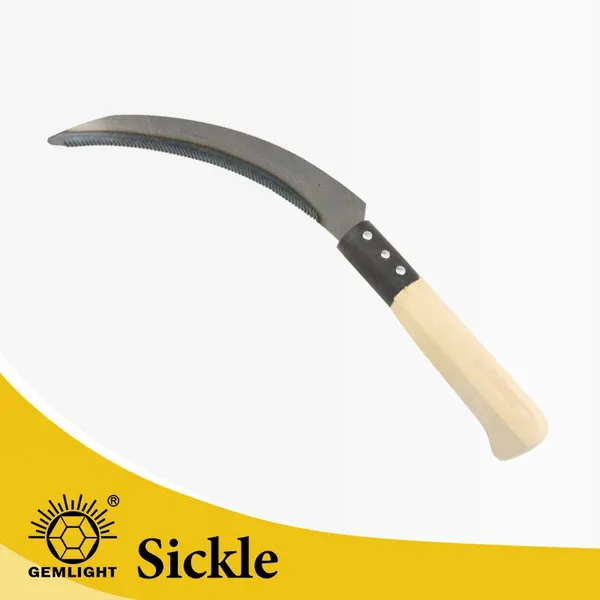
OEM Farm Sickle With Sharp Blade for African Importers OEM Bulk Order Support for Harvesting and Smallholder Farming for Wholesale BUS$ 0.28 - 0.33MOQ: 3000 Pieces
-
Heavy Duty Manganese Steel Round Point Shovel Garden Digging Shovel With Wooden Handle Agricultural Tool ManufacturerUS$ 2.14 - 2.36MOQ: 1200 Pieces
-
Farm Shovel Factory Supply for Regional Import Distributors Bulk Wholesale Supply for Garden Work and Trenching for Agricultural DealersUS$ 2.14 - 2.36MOQ: 1200 Pieces
-
Heavy Duty Garden Rake for African Importers OEM Factory Supply for Agricultural Use African Market Factory Bulk OrderUS$ 0.88 - 1.35MOQ: 2000 Pieces
-
Agricultural Soil Rake for Agricultural Dealers Export Supply for Garden Cleaning African Dealer Channels Factory Bulk OrderUS$ 0.88 - 1.35MOQ: 2000 Pieces
-
Manual Farm Machete for African Importers OEM Factory Supply for Farming and Land Clearing Durable Hand ToolNegotiableMOQ: 1200 Pieces
-
Large Heavy Duty Carbon Steel Garden Landscaping Digging HoeUS$ 1.07 - 1.27MOQ: 1200 Pieces
-
Heavy Duty Rail Steel Mattock Pick Axe With Wooden Handle for Digging Soil Mining and Agricultural Tool SupplierUS$ 1.85 - 2.3MOQ: 1200 Pieces
-
Forged Farm Sickle With Sharp Blade for African Importers OEM Bulk Order Support for Harvesting and Smallholder Farming for WholesalUS$ 0.28 - 0.33MOQ: 3000 Pieces
-
Strong Carbon Steel Farming Sickle for Uganda Tanzania Zambia Agricultural Tool DistributorsUS$ 0.34 - 0.47MOQ: 3000 Pieces