
 Business License

How to Inspect Garden Hoses Before Shipment
How to Inspect Garden Hoses Before Shipment
An inspection on the last day before loading finds problems you cannot fix. A plan built into the order finds them in time.
Hose is a simple product with a long list of small failure points. Most of them show up in the carton, not in the lab.
This is a workable inspection plan for a buyer without a full quality team.

Which checks run on every batch
Start with the carton, because half the answers are printed on it.
Check the shipping mark against the purchase order. Artwork version, size, length, quantity and barcode.
Open three cartons from different pallets. Not three from the top layer of one pallet.
Measure one coil from each carton. Length, weight and coil diameter, recorded in a table.
Fit the couplings to a tap and a nozzle. Two minutes per coil tells you about thread and washer fit.
Run a hold test at working pressure for five minutes on one coil per carton. Watch the ferrules.
Cut a 20 cm section and count the layers. Photograph the cut with the carton label in frame.
Smell the coil. A strong solvent smell suggests trapped plasticiser or a short cooling time.
Weigh three coils from different cartons. Weight is the fastest check on wall thickness consistency.
Check print adhesion with tape and look at colour against the approved standard.
Compare the packing list with what is on the floor. Count cartons; do not accept a figure on paper.
Photograph the pallet labels. A mislabelled pallet becomes a mis-shipped pallet once the doors close.

How to run the inspection day
Book the date before production ends, not after. Aim for eighty percent packed and the rest on the line.
Arrive with the approved sample, the PO and a printed checklist. Three documents, no surprises.
Walk the line first. Look at the extruder setting sheet and the crimp pressure gauge.
Then work backwards from the loading area. Packed cartons, then the packing table, then the test tank.
Pull coils at random across the whole lot. Ask the supervisor to pick them, not the salesperson.
Record everything as you go. A defect found at four in the afternoon is hard to describe from memory at eight.
Photograph the line, the test tank and the packing table. A photo set is the cheapest inspection record you can keep.
Sign the report on site and leave a copy. Agree the rework plan in writing before you leave the building.
Bring a torch and a tape measure. Warehouse lighting hides colour drift and thin walls.
Ask to see the rework area. A factory with a bench fixes problems; one without hides them.

What AQL level fits hose cartons
AQL sampling is a compromise. It limits the number of units you open, not the number of defects that exist.
For consumer hose orders, a common setup is AQL 2.5 for major defects and 4.0 for minor ones.
Critical defects, such as a leaking coupling or a wrong thread, are usually inspected at zero tolerance.
That means any critical defect found in the sample stops the shipment until the cause is fixed.
Tighten the level when the product is new or when the factory is new. Loosen it after three clean shipments.
State the AQL in the purchase order. An inspection without an agreed standard becomes a negotiation.
Agree who attends. Factory staff, your inspector and a translator are enough; more people slow the day.
Agree the sample plan too: single, double or multiple sampling. It changes the accept and reject numbers.
Sampling plans are defined in ISO 2859-1. Your inspector uses that table unless you specify otherwise.
Decide the inspection unit. A carton is easier to count than a coil and hides fewer defects.
Which defects justify rejection
Not every defect deserves a stopped container. Sorting them early keeps the relationship workable.
Reject the shipment for wrong thread, wrong length beyond tolerance, leaking ferrules, or a layer count below spec.
Reject for carton marking errors that would fail at retail or at customs. Barcode and country of origin matter.
Accept with rework for print smudges, uneven coiling or loose carton tape. These are fixable before loading.
Accept with a price adjustment for colour drift within a small range. Get the buyer's approval in writing.
Photograph every defect in place, with the carton and coil numbers visible. Claims need evidence, not adjectives.
Keep a defect log across shipments. A repeated defect is a process problem, and price concessions do not fix it.
Separate cosmetic defects from functional ones. Buyers argue less when the categories are clear.
Set a defect rate threshold in the PO. A number turns a complaint into a contractual conversation.
Inspection checklist to send with the order
Put these lines into the PO so the factory knows the plan.
Inspection date and the percentage packed at that date
Approved sample reference and PO number on site
AQL levels for critical, major and minor defects
Carton marking, barcode and artwork version
Length, weight and coil diameter tolerances
Layer count verification by cut section
Hold test pressure and duration per sampled coil
Coupling fit test on a tap and a nozzle
Print adhesion and colour check method
Defect classification and rework rules
Photo documentation requirement per defect
Who signs the report and who pays for re-inspection
With the plan written into the order, the inspection becomes a confirmation instead of an argument.
Recently Posted
-
How Many Garden Hoses Fit in a 20ft Container
October 30, 2026How Many Garden Hoses Fit in a 20ft ContainerMost buyers estimate container loading and get it wrong by twenty percent. The error Read More
-
How Garden Hose FOB Prices Are Calculated
October 30, 2026How Garden Hose FOB Prices Are CalculatedTwo suppliers quote the same garden hose. One is eleven percent cheaper. The difference i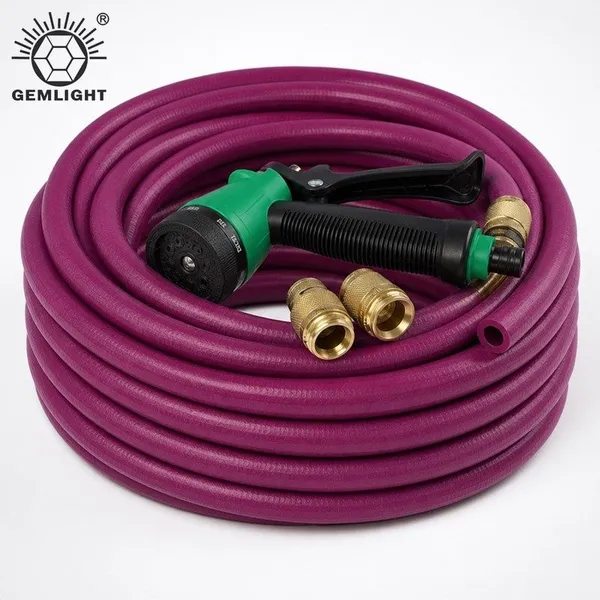 Read More
-
Private Label Garden Hose MOQ from China
October 30, 2026Private Label Garden Hose MOQ from ChinaMOQ is the first number that stops a new buyer. It usually looks arbitrary and often is no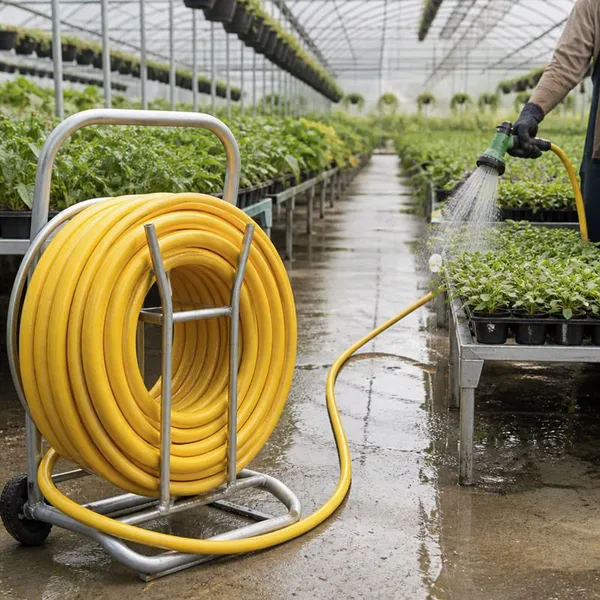 Read More
-
Why Garden Hoses Kink and How to Fix It at Source
October 30, 2026Why Garden Hoses Kink and How to Fix It at SourceKinking is the complaint every hose buyer hears first. It ends up in reviews, in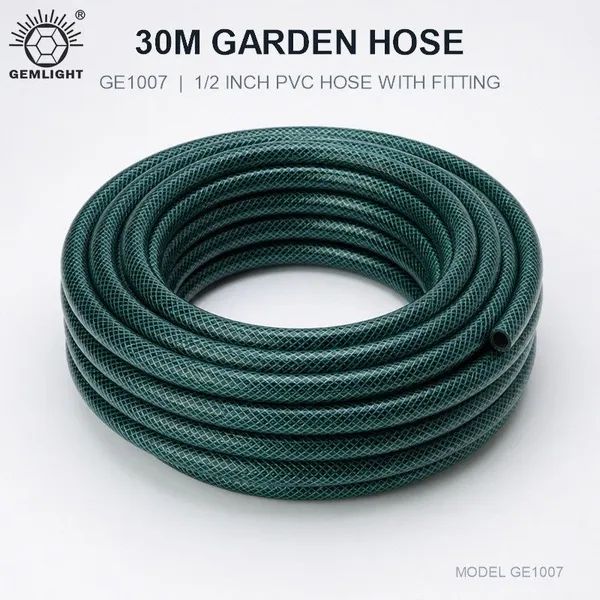 Read More

Contact Us
Recommended Products
-
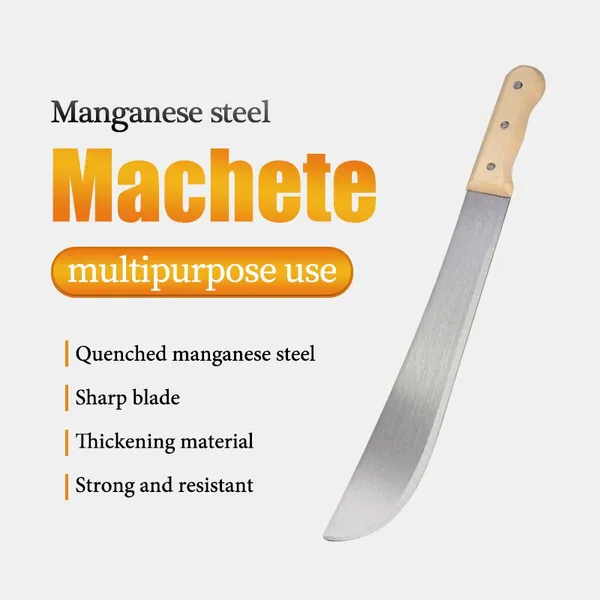
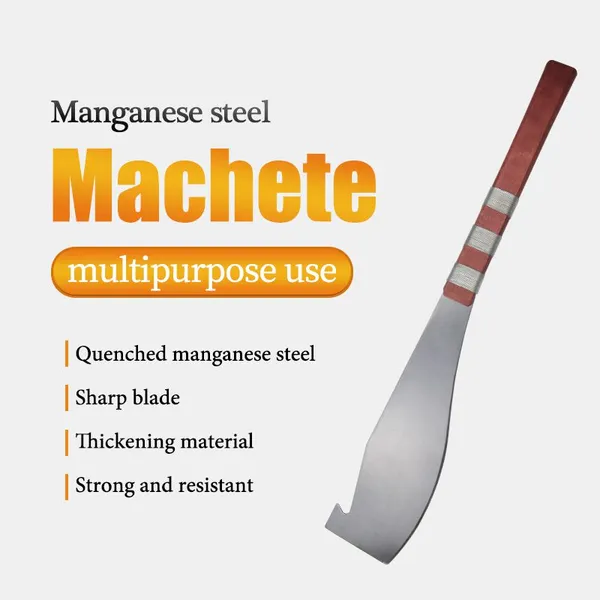
 Heavy Duty Cane Knife Machete for Wholesale Buyers Factory Direct Export for Rural Agricultural Projects Durable Hand ToolNegotiableMOQ: 1200 Pieces
-
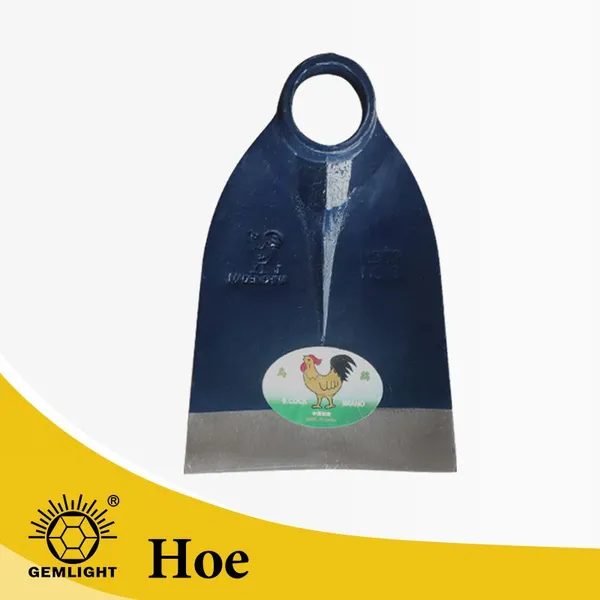
Agricultural Hoe Head Garden Rail Steel Tool for Tough Soil Cheap Price Hand ToolsUS$ 1.07 - 1.27MOQ: 1200 Pieces
-
Sturdy Rail Steel Hoe for Weeding, H305 Perfect for Agricultural and Garden TasksUS$ 1.07 - 1.27MOQ: 1200 Pieces
-
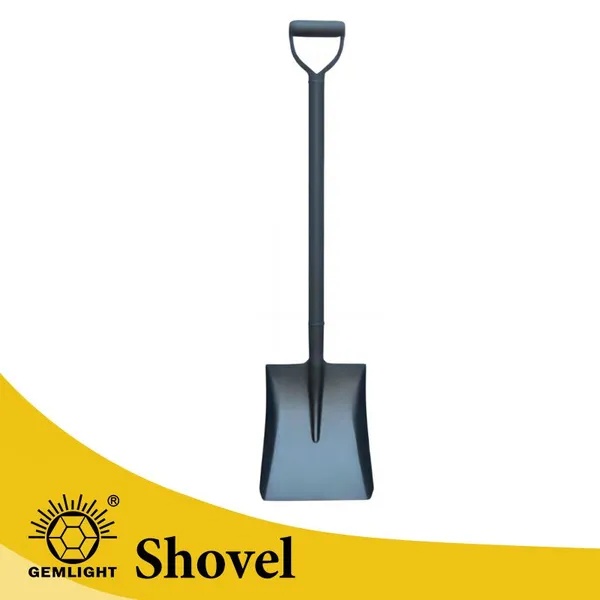
Heavy Duty Manganese Steel Garden Shovel Round Point Digging Shovel With Wooden Handle Farm Tool SupplierUS$ 2.14 - 2.36MOQ: 1200 Pieces
-
Big Shovel Wide Shovel Mud Shovel Heavy Duty Steel Blade for Farm Drainage Soil Moving Cleaning and Landscaping UseUS$ 2.14 - 2.36MOQ: 1200 Pieces
-
Strong Teeth Soil Rake for Farm Tool Suppliers Private Label Export for Farm Maintenance African Distribution Factory Bulk OrderUS$ 0.88 - 1.35MOQ: 2000 Pieces
-
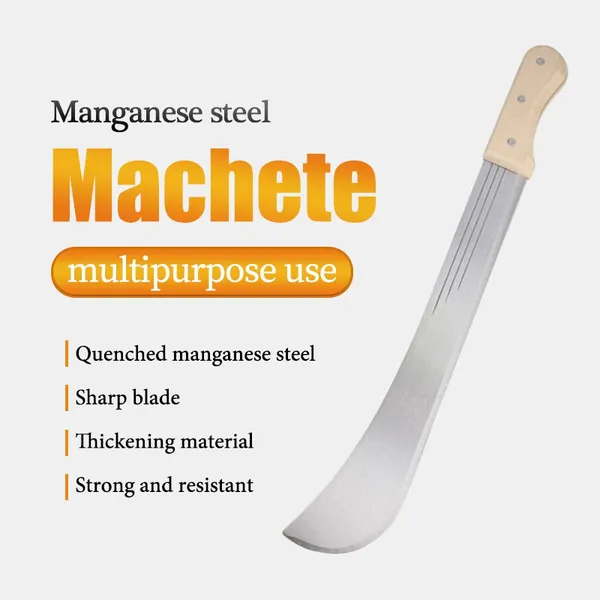
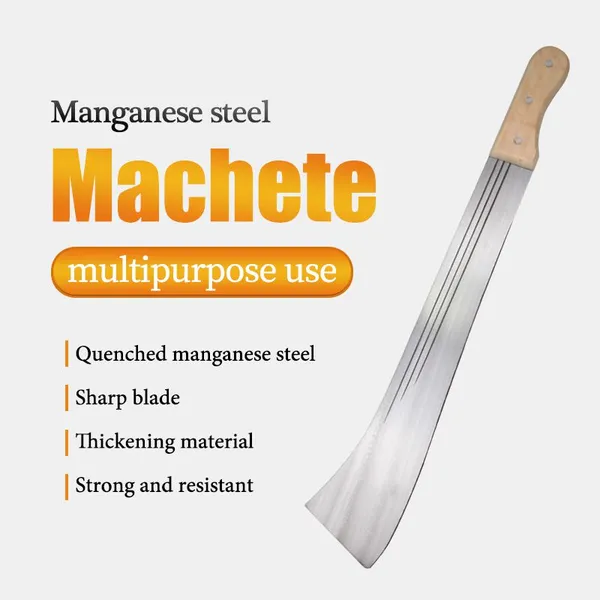
Manual Cane Knife Machete for Wholesale Buyers Factory Direct Export for Rural Agricultural Projects Durable Hand ToolNegotiableMOQ: 1200 Pieces
-
Large High Carbon Steel Machete Knife Agricultural Machete for Farming Bush Cutting Garden Tool SupplierNegotiableMOQ: 1200 Pieces
-
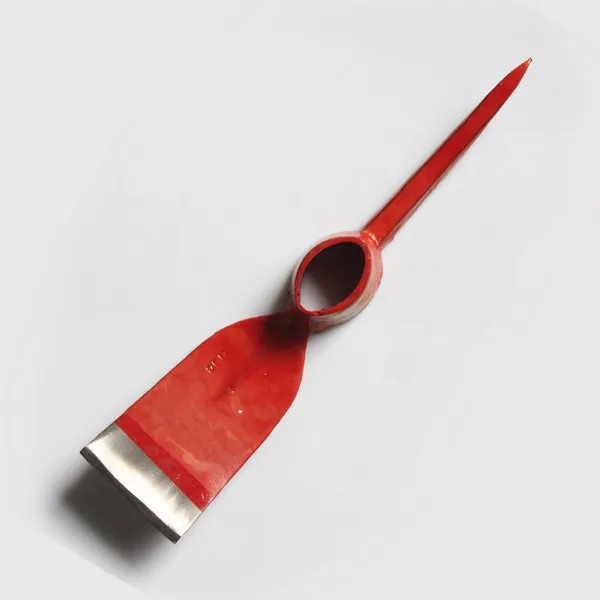
Wholesale Heavy Duty Pick Mattock for Mining Road Work and Farm Digging for Wholesale Tool Dealers With Bulk Order ServiceUS$ 1.85 - 2.3MOQ: 1200 Pieces
-
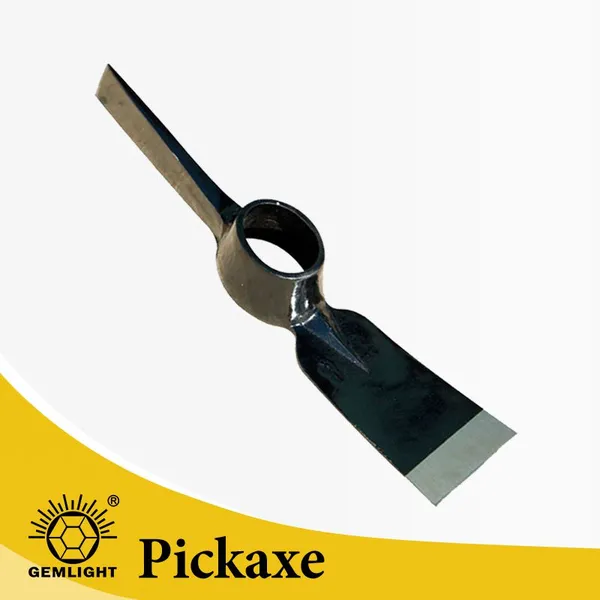
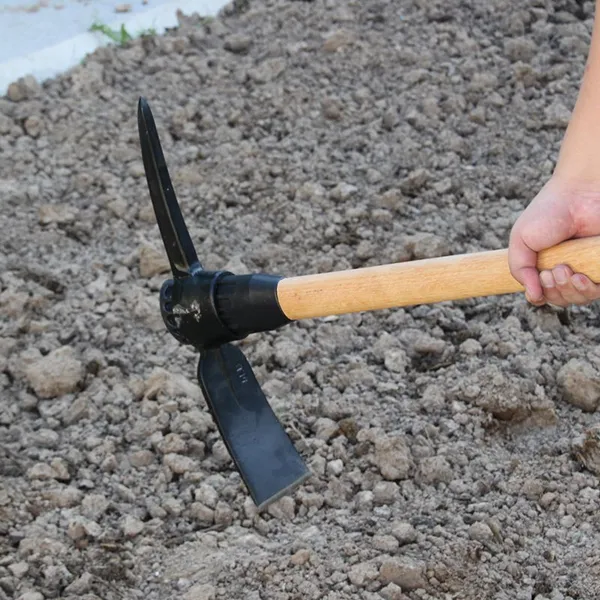
Carbon Steel Manual Pickaxe for Hard Soil Breaking and Trenching for African Importers With OEM Bulk Order Support Agricultural ToolUS$ 1.85 - 2.3MOQ: 1200 Pieces

-
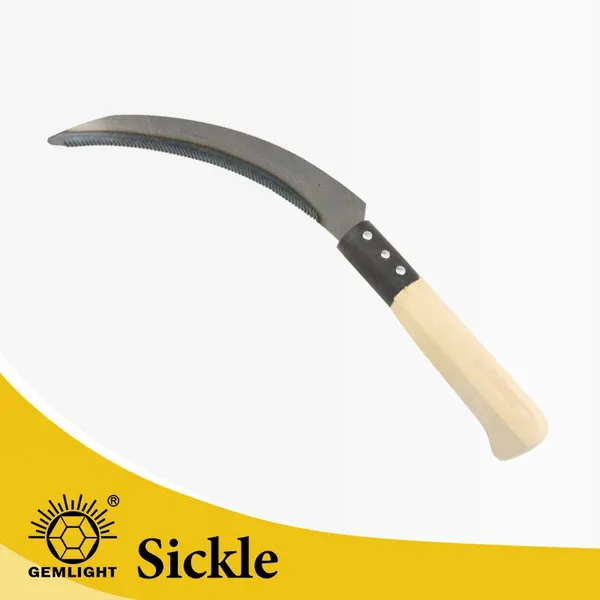
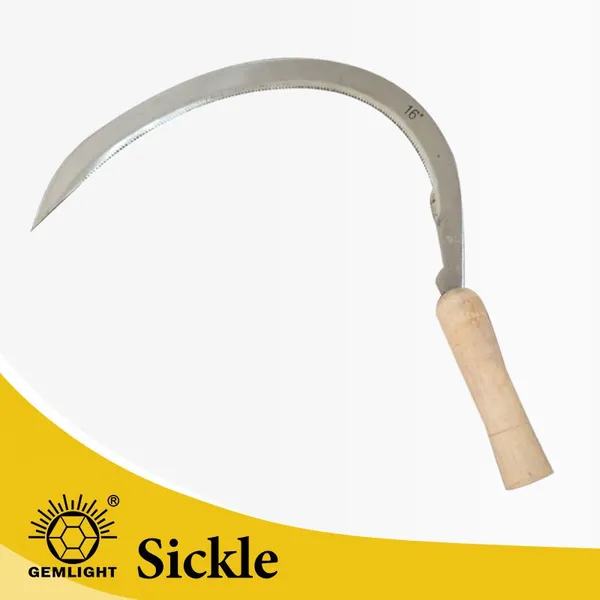
OEM Farm Sickle With Sharp Blade for African Importers OEM Bulk Order Support for Harvesting and Smallholder Farming for Wholesale BUS$ 0.28 - 0.33MOQ: 3000 Pieces
-
Heavy Duty Manganese Steel Round Point Shovel Garden Digging Shovel With Wooden Handle Agricultural Tool ManufacturerUS$ 2.14 - 2.36MOQ: 1200 Pieces
-
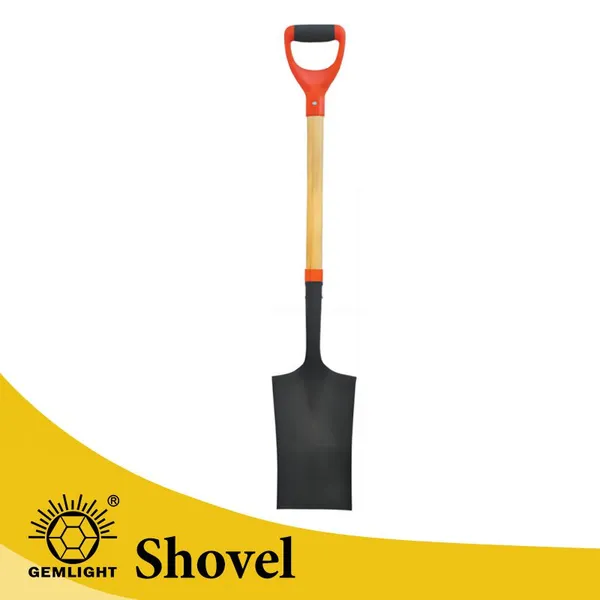
Farm Shovel Factory Supply for Regional Import Distributors Bulk Wholesale Supply for Garden Work and Trenching for Agricultural DealersUS$ 2.14 - 2.36MOQ: 1200 Pieces
-
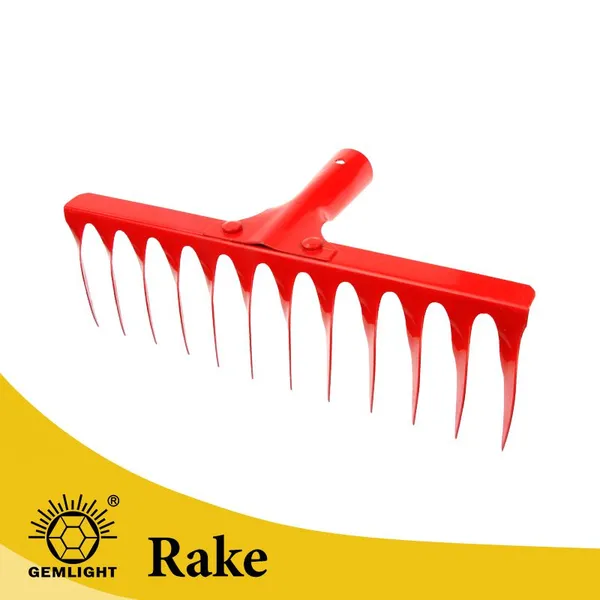
Heavy Duty Garden Rake for African Importers OEM Factory Supply for Agricultural Use African Market Factory Bulk OrderUS$ 0.88 - 1.35MOQ: 2000 Pieces
-
Agricultural Soil Rake for Agricultural Dealers Export Supply for Garden Cleaning African Dealer Channels Factory Bulk OrderUS$ 0.88 - 1.35MOQ: 2000 Pieces
-
Manual Farm Machete for African Importers OEM Factory Supply for Farming and Land Clearing Durable Hand ToolNegotiableMOQ: 1200 Pieces
-
Large Heavy Duty Carbon Steel Garden Landscaping Digging HoeUS$ 1.07 - 1.27MOQ: 1200 Pieces
-
Heavy Duty Rail Steel Mattock Pick Axe With Wooden Handle for Digging Soil Mining and Agricultural Tool SupplierUS$ 1.85 - 2.3MOQ: 1200 Pieces
-
Forged Farm Sickle With Sharp Blade for African Importers OEM Bulk Order Support for Harvesting and Smallholder Farming for WholesalUS$ 0.28 - 0.33MOQ: 3000 Pieces
-
Strong Carbon Steel Farming Sickle for Uganda Tanzania Zambia Agricultural Tool DistributorsUS$ 0.34 - 0.47MOQ: 3000 Pieces