
 Business License

How Garden Hose FOB Prices Are Calculated
How Garden Hose FOB Prices Are Calculated
Two suppliers quote the same garden hose. One is eleven percent cheaper. The difference is rarely generosity.
A hose price is built from a short list of costs. Once you know the list, a quotation stops being a black box.
This guide breaks the FOB price into its parts and shows where quotes quietly diverge.
What is inside an FOB price
Start with material, because material is most of the cost.
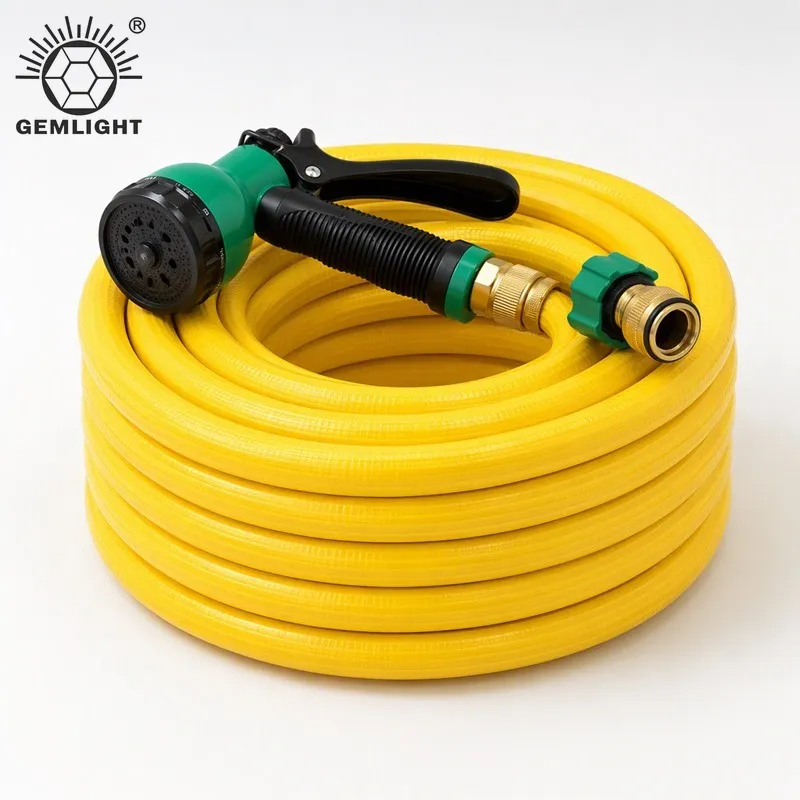
PVC resin and plasticiser are weighed per metre. Heavier hose means more compound, and the price follows the scale.
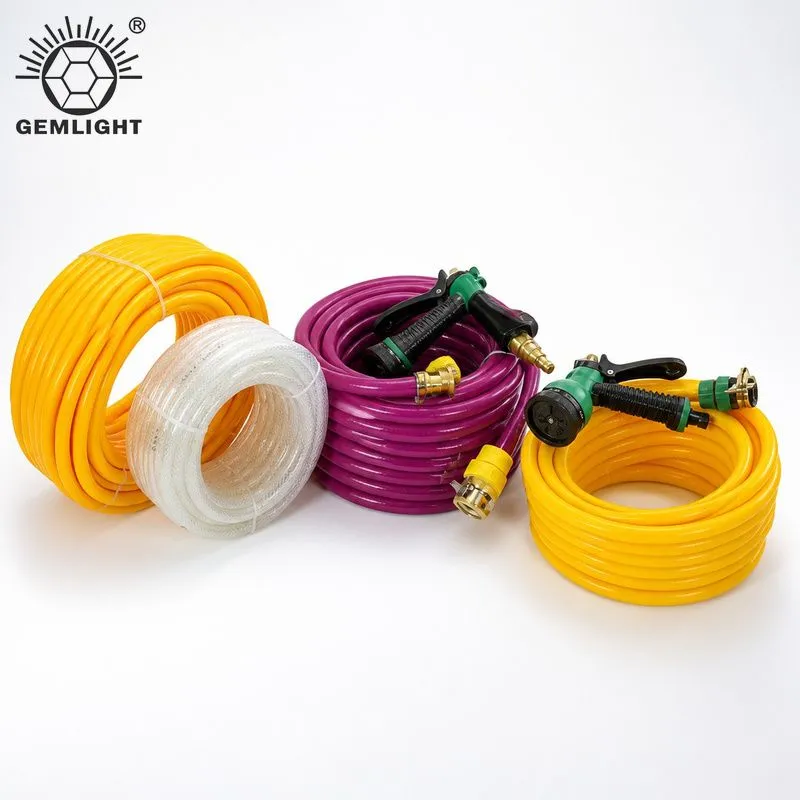
Reinforcement yarn adds cost by density. A denser braid holds more pressure and uses more polyester.
Ask for the yarn count. Two hoses with the same layer count can differ by a third in yarn weight.
Fittings are bought in, so their price moves with metal markets. Brass costs several times what plastic does.
Then come conversion costs: electricity, line time, labour, scrap and maintenance.
Packaging follows: film, carton, label, and the labour to coil and pack neatly.
Finally overhead and margin, plus inland transport to the port and export documentation.
FOB ends when the goods are on the vessel. Freight, insurance and destination charges sit outside the quote.
Ask whether export documents and the container loading fee are included. Both appear later as surprises.
Origin port charges vary. A quote built on a small port can look cheap and cost more inland.

Why two quotes for the same spec differ
Identical specifications on paper hide different products.
The first difference is wall thickness. A quote with 2.0 mm walls and one with 1.7 mm look the same on a spec sheet with no tolerance.
The second is layer count. Three layers and five layers both get called reinforced hose.
The third is yarn density. A sparse braid passes a visual check and fails a burst test.
The fourth is fitting weight and grade. Light brass nuts cost less and strip sooner.
The fifth is packing. A poly bag and a printed colour box differ by more than the carton price.
The sixth is the Incoterm and the port. FOB Ningbo and FOB a small river port are not the same offer.
Ask for a cost breakdown by material weight. The cheaper quote usually explains itself.
Compare weight per metre first. If one quote is ten percent lighter, the gap is material, not efficiency.
Then compare fitting weight. Brass nuts vary widely, and the cheapest ones are visibly thinner.
Which upgrades pay for themselves
Not every upgrade is worth the price. Some are, in specific markets.
A heavier cover pays for itself in hot, sunny markets. Returns from cracked covers cost more than the compound.
Brass fittings pay for themselves in markets where users overtighten. Plastic returns are expensive.
A denser braid pays for itself when the hose is sold on pressure rating. The rating is the product.
A printed colour box pays for itself on a retail shelf. It usually does not pay online.
A longer coil pays for itself only if the price per metre stays competitive. Buyers compare metres, not coils.
Skip upgrades that no customer can see or feel. They raise cost without raising price.
Ask what each upgrade adds per metre. A price per metre for each option makes the decision obvious.
How to compare quotes without being fooled
Put every quote into the same table before you decide. Same size, same length, same construction.
Convert everything to cost per metre. Coil prices hide length differences.
Add the packing cost per unit. Then add the inland cost to your warehouse, if the quote is FOB.
Add the sample cost and the inspection cost. Small lines disappear in a spreadsheet and return in the invoice.
Check the quotation validity. A ninety-day price on a resin-based product is a guess, not an offer.
Ask whether the price follows a resin index or a fixed buy. Index-based quotes move with the market.
Ask what happens if resin moves more than five percent. Good suppliers state a formula or a review clause.
Check the payment terms as a cost. Thirty percent deposit with sixty days balance is cheaper than full prepayment.
Then compare samples, not spreadsheets. The cheapest quote often loses after one burst test.
Test both samples the same day at the same pressure. Side-by-side results end the debate quickly.
Keep the losing sample. It is useful when a buyer asks why your price is higher.
Material, conversion, packing and margin make the price. Wall thickness, layer count and fittings move it most.
Ask for weights, not adjectives. Then test the sample. The invoice will look the same either way, and the container will not.
RFQ checklist for a comparable price
Ask for every line in writing, in one table.
Construction: layer count, wall thickness, yarn density
Weight per metre and compound type
Fitting material, grade and weight per set
Length per coil and tolerance
Packing format and carton dimensions
Units per carton and loading per container
Unit price at three order quantities
Price per metre, calculated and stated
Incoterm, named port and validity period
Resin price adjustment clause
Payment terms and deposit percentage
Sample cost and whether it is credited on order
A price you cannot compare is a price you cannot trust. Build the table once and reuse it for every supplier.
Recently Posted
-
How Many Garden Hoses Fit in a 20ft Container
October 30, 2026How Many Garden Hoses Fit in a 20ft ContainerMost buyers estimate container loading and get it wrong by twenty percent. The error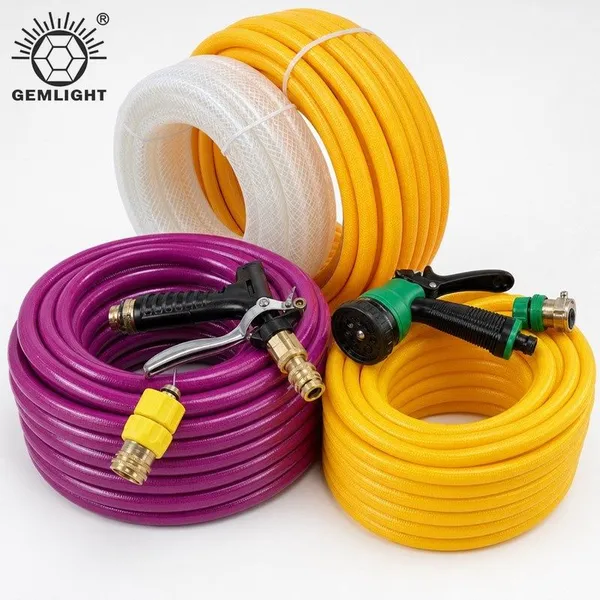 Read More
-
Private Label Garden Hose MOQ from China
October 30, 2026Private Label Garden Hose MOQ from ChinaMOQ is the first number that stops a new buyer. It usually looks arbitrary and often is no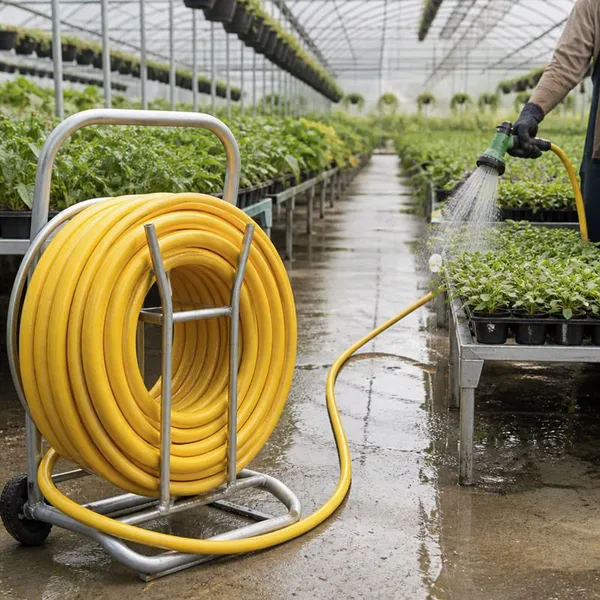 Read More
-
How to Inspect Garden Hoses Before Shipment
October 30, 2026How to Inspect Garden Hoses Before ShipmentAn inspection on the last day before loading finds problems you cannot fix. A plan buil Read More
-
Why Garden Hoses Kink and How to Fix It at Source
October 30, 2026Why Garden Hoses Kink and How to Fix It at SourceKinking is the complaint every hose buyer hears first. It ends up in reviews, in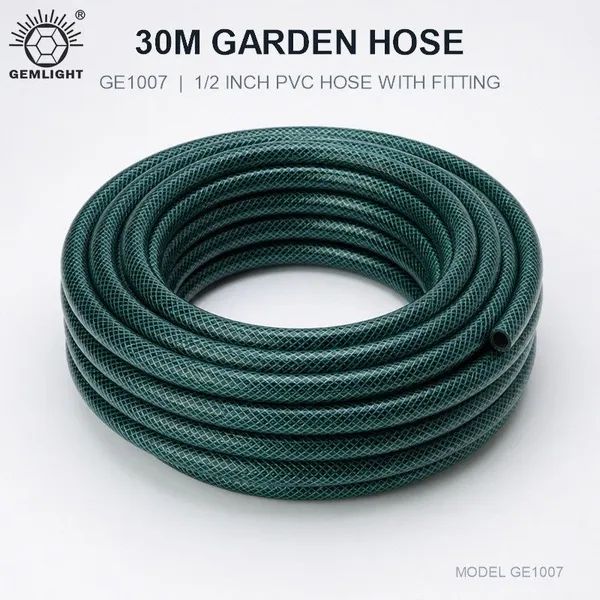 Read More

Contact Us
Recommended Products
-
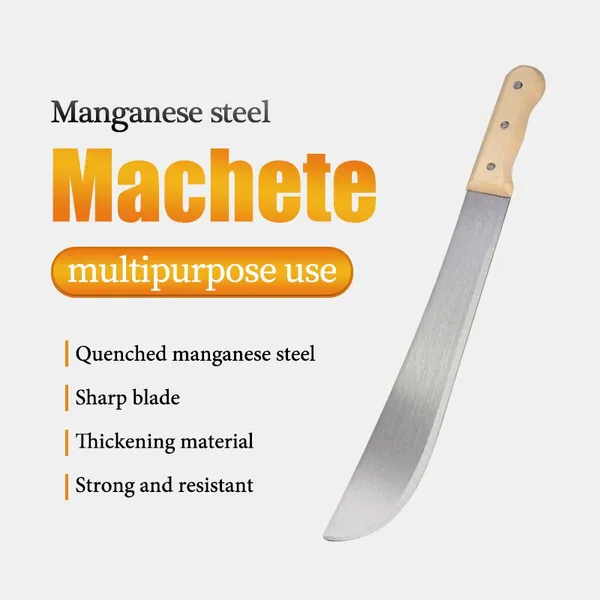
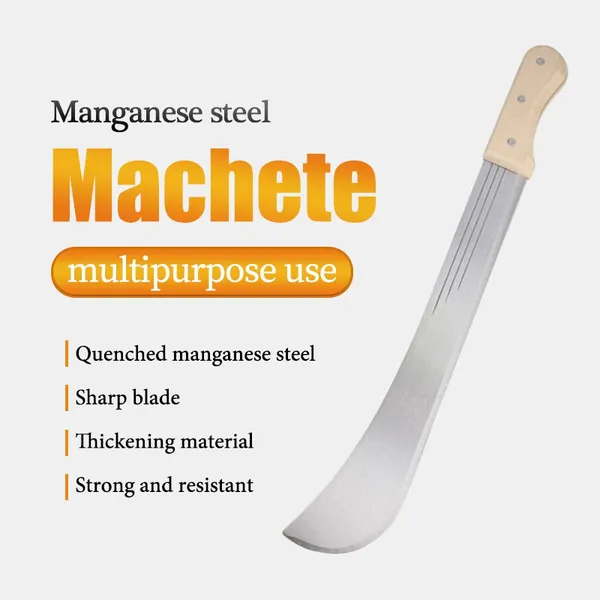
 Heavy Duty Cane Knife Machete for Wholesale Buyers Factory Direct Export for Rural Agricultural Projects Durable Hand ToolNegotiableMOQ: 1200 Pieces
-
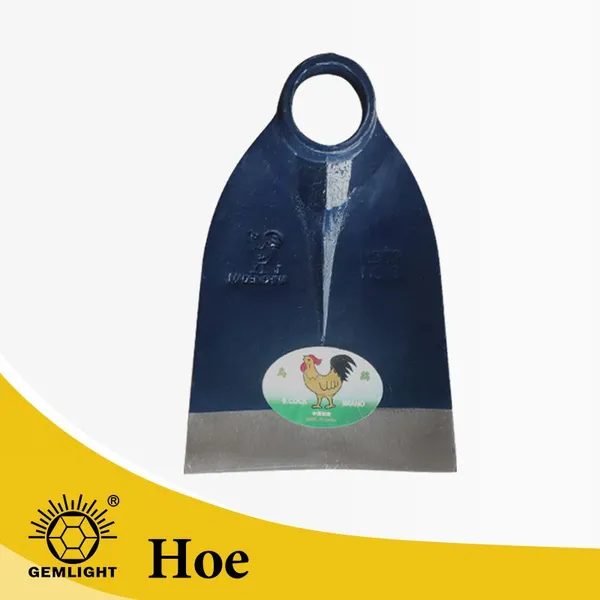
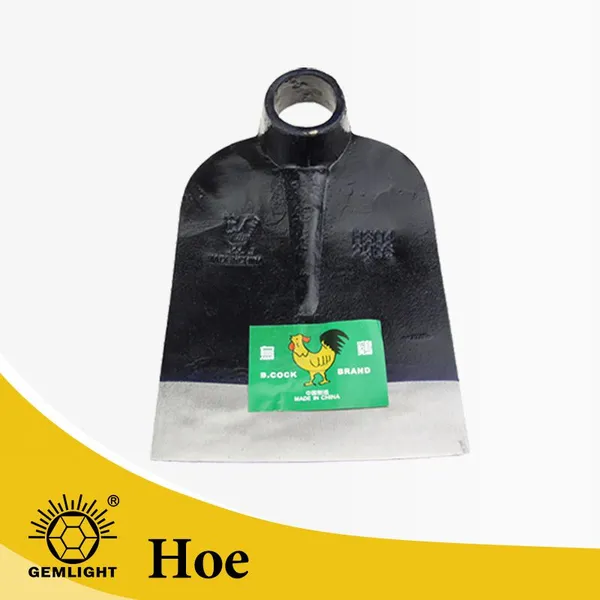
Agricultural Hoe Head Garden Rail Steel Tool for Tough Soil Cheap Price Hand ToolsUS$ 1.07 - 1.27MOQ: 1200 Pieces
-
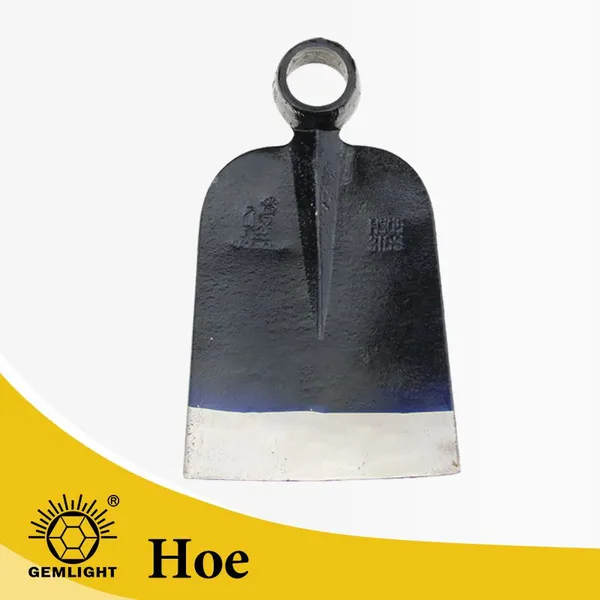
Sturdy Rail Steel Hoe for Weeding, H305 Perfect for Agricultural and Garden TasksUS$ 1.07 - 1.27MOQ: 1200 Pieces
-
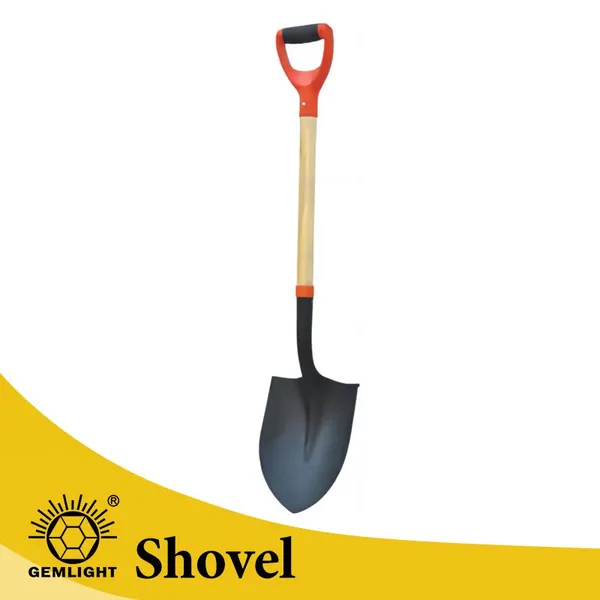
Heavy Duty Manganese Steel Garden Shovel Round Point Digging Shovel With Wooden Handle Farm Tool SupplierUS$ 2.14 - 2.36MOQ: 1200 Pieces
-
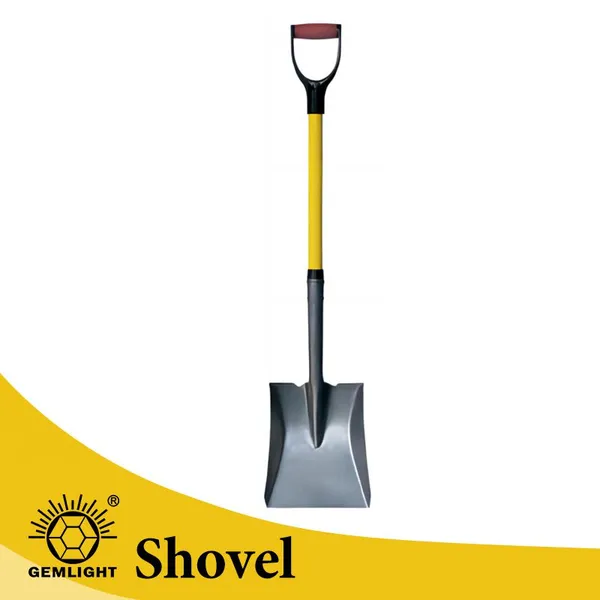
Big Shovel Wide Shovel Mud Shovel Heavy Duty Steel Blade for Farm Drainage Soil Moving Cleaning and Landscaping UseUS$ 2.14 - 2.36MOQ: 1200 Pieces
-
Strong Teeth Soil Rake for Farm Tool Suppliers Private Label Export for Farm Maintenance African Distribution Factory Bulk OrderUS$ 0.88 - 1.35MOQ: 2000 Pieces
-
Manual Cane Knife Machete for Wholesale Buyers Factory Direct Export for Rural Agricultural Projects Durable Hand ToolNegotiableMOQ: 1200 Pieces
-
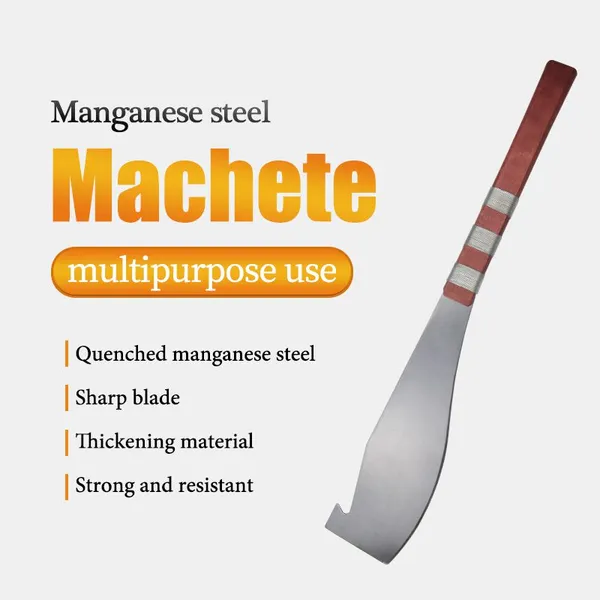
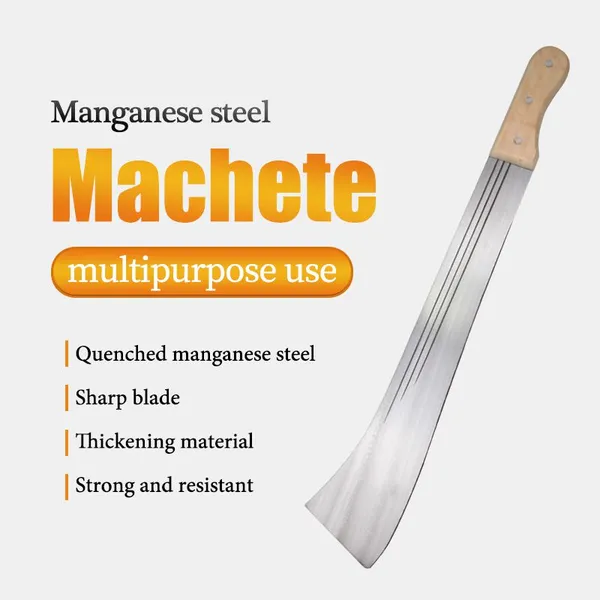
Large High Carbon Steel Machete Knife Agricultural Machete for Farming Bush Cutting Garden Tool SupplierNegotiableMOQ: 1200 Pieces
-
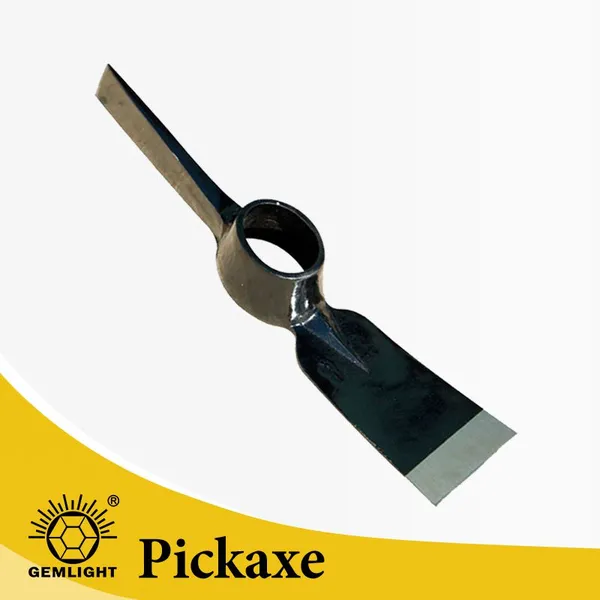
Wholesale Heavy Duty Pick Mattock for Mining Road Work and Farm Digging for Wholesale Tool Dealers With Bulk Order ServiceUS$ 1.85 - 2.3MOQ: 1200 Pieces
-
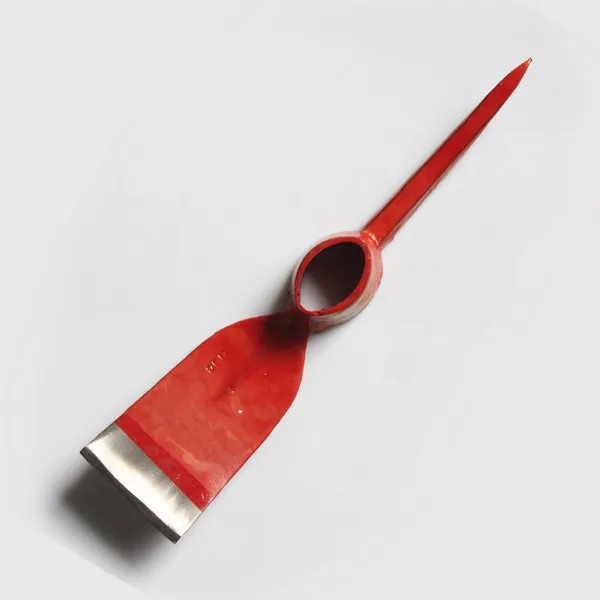
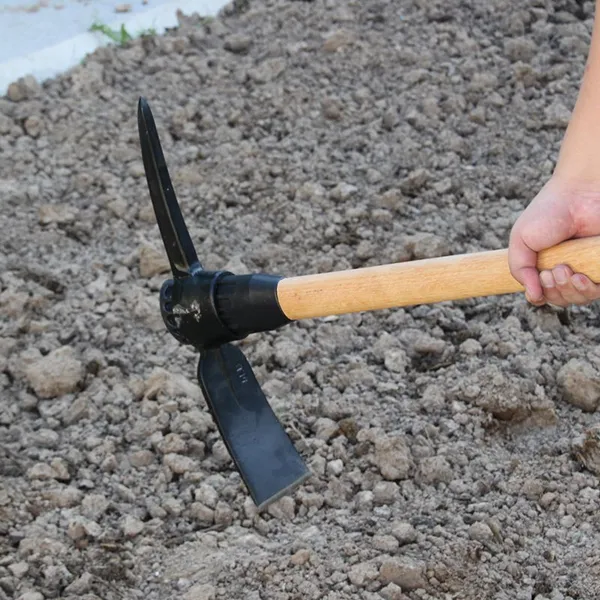
Carbon Steel Manual Pickaxe for Hard Soil Breaking and Trenching for African Importers With OEM Bulk Order Support Agricultural ToolUS$ 1.85 - 2.3MOQ: 1200 Pieces

-
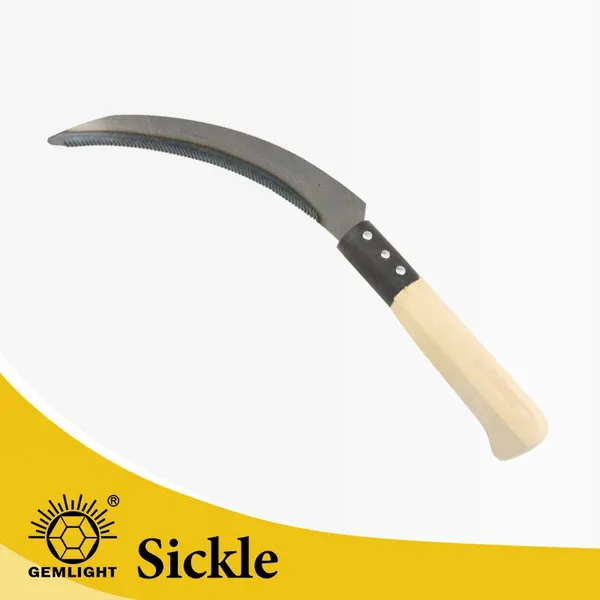
OEM Farm Sickle With Sharp Blade for African Importers OEM Bulk Order Support for Harvesting and Smallholder Farming for Wholesale BUS$ 0.28 - 0.33MOQ: 3000 Pieces
-
Heavy Duty Manganese Steel Round Point Shovel Garden Digging Shovel With Wooden Handle Agricultural Tool ManufacturerUS$ 2.14 - 2.36MOQ: 1200 Pieces
-
Farm Shovel Factory Supply for Regional Import Distributors Bulk Wholesale Supply for Garden Work and Trenching for Agricultural DealersUS$ 2.14 - 2.36MOQ: 1200 Pieces
-
Heavy Duty Garden Rake for African Importers OEM Factory Supply for Agricultural Use African Market Factory Bulk OrderUS$ 0.88 - 1.35MOQ: 2000 Pieces
-
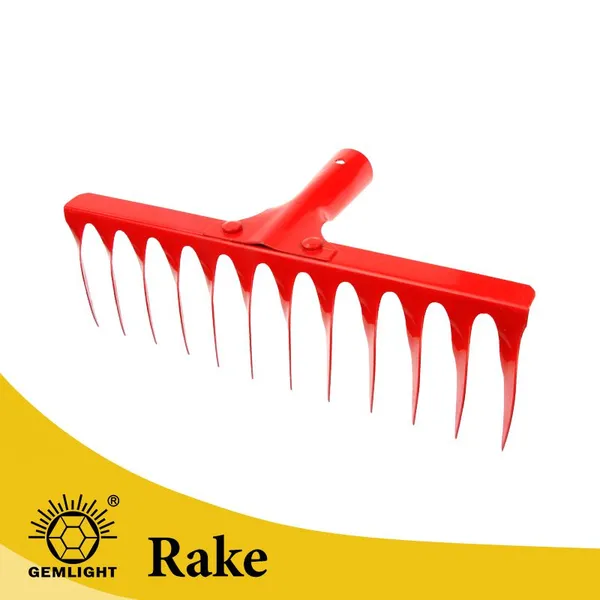
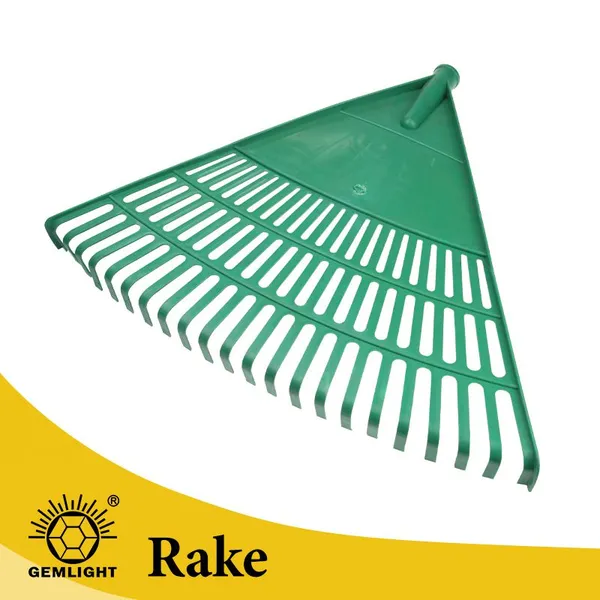
Agricultural Soil Rake for Agricultural Dealers Export Supply for Garden Cleaning African Dealer Channels Factory Bulk OrderUS$ 0.88 - 1.35MOQ: 2000 Pieces
-
Manual Farm Machete for African Importers OEM Factory Supply for Farming and Land Clearing Durable Hand ToolNegotiableMOQ: 1200 Pieces
-
Large Heavy Duty Carbon Steel Garden Landscaping Digging HoeUS$ 1.07 - 1.27MOQ: 1200 Pieces
-
Heavy Duty Rail Steel Mattock Pick Axe With Wooden Handle for Digging Soil Mining and Agricultural Tool SupplierUS$ 1.85 - 2.3MOQ: 1200 Pieces
-
Forged Farm Sickle With Sharp Blade for African Importers OEM Bulk Order Support for Harvesting and Smallholder Farming for WholesalUS$ 0.28 - 0.33MOQ: 3000 Pieces
-
Strong Carbon Steel Farming Sickle for Uganda Tanzania Zambia Agricultural Tool DistributorsUS$ 0.34 - 0.47MOQ: 3000 Pieces