
 Business License

How Many Garden Hoses Fit in a 20ft Container
How Many Garden Hoses Fit in a 20ft Container
Most buyers estimate container loading and get it wrong by twenty percent. The error goes straight into the landed cost.
Hose is bulky and light, so volume decides the count. Weight almost never does.
Here is how the numbers actually work, and what to ask the factory to get them right.

How many hoses fit in a 20ft and 40ft container
Start with usable volume, not the container's marketing size.
A 20ft standard container holds roughly 28 cubic metres of usable cargo. A 40ft holds about 58, and a 40HQ about 68.
Usable volume is lower than the nominal figure. Doors, corrugation and stacking losses take several cubic metres.
A carton of four 5/8 inch coils, 15 metres each, is often around 0.05 to 0.07 cubic metres.
At 0.06 cubic metres per carton, a 20ft container takes roughly 450 cartons. That is around 1,800 coils.
These numbers assume no pallets and no mixed SKUs. Both reduce the count in practice.
A 40HQ at the same carton size takes around 1,100 cartons, or about 4,400 coils.
These are planning numbers. Carton size, coil diameter and stacking method move them by a wide margin.
Never accept a loading quantity without the carton dimensions. The two numbers belong together.
Ask for a photo of a loaded container from a previous order. Real stowage beats a theoretical cube.
Ask whether the figure assumes a full container or a mixed load. Mixed SKUs always load less.


How coil diameter changes loading
Coil diameter is the single biggest lever on loading quantity.
A tighter coil uses less carton volume and more cartons per container. That is good for freight and risky for the product.
A coil wound too tight takes a permanent set. Users then complain about kinks that were created in the warehouse.
Large coils protect the hose and cost cube. A ten percent larger coil can cut container quantity by more than ten percent.
Length per coil matters too. Doubling the length does not double the carton size, so longer coils load better per metre.
Long coils are heavier per unit. Check the manual handling limit at the destination before you go longer.
Thicker walls and bigger diameters both raise coil size. A 3/4 inch hose loads far fewer metres than a 1/2 inch hose.
Ask for the carton dimensions, gross weight and coil diameter in writing. Then do your own arithmetic.
Multiply cartons per layer by layers, and by pallets where relevant. Small rounding errors become short shipments.

Carton, shrink wrap or pallet
Packing format changes both cost and loading.
A printed colour box protects the product and sells on a shelf. It also costs cube and money.
A shrink-wrapped coil with a sleeve label is cheaper and loads tighter. It suits online and wholesale channels.
A pallet adds height and reduces usable volume. It saves labour at the destination warehouse.
Loose cartons load tightest but slow down unloading and increase damage risk.
Damage rates differ by format. Colour boxes survive stacking better than shrink wrap on the bottom layer.
Ask what the factory normalises to. Most quote loading quantities based on loose cartons, not pallets.
If you need pallets, ask for the pallet plan: cartons per layer, layers per pallet, pallets per container.
Check the container weight limit as well. Hose is light, but a full 40HQ of heavy rubber hose can approach it.
Rubber hose at 3/4 inch is the case to watch. Weigh a full pallet before you approve a full load.
How to calculate landed cost per unit
Landed cost is the only number that matters for pricing.
Take the FOB price per coil and add ocean freight per coil. Divide total freight by the number of coils loaded.
Add insurance, usually a small percentage of the goods value.
Add duty and tax at destination. Duty depends on the HS code and the origin.
Tax is usually recoverable; duty is not. Keep them apart in the cost sheet or the margin looks wrong.
Add inland transport, port charges and warehouse handling at your end.
Add the cost of defects and returns as a percentage. A cheap hose with a high return rate is expensive.
Divide by the number of sellable units, not shipped units. Damaged cartons reduce the denominator.
Then compare against your target retail or wholesale price. If the margin is thin, fix the specification, not the freight.
Run the calculation for two carton sizes. A packing change can move landed cost more than a freight negotiation.
Every loading figure in this guide is an estimate for planning. Real numbers come from one carton and one tape measure.
Order one carton of each SKU before your first container. Measure it, weigh it, then build the plan.
That single step removes most of the surprises in your landed cost sheet.
RFQ checklist for loading and freight
Ask these questions before you approve a quotation.
Carton dimensions and gross weight per carton
Units per carton and coil diameter
Loading quantity for 20ft, 40ft and 40HQ
Whether the figure assumes loose cartons or pallets
Pallet plan if pallets are required
Maximum stack height allowed for the carton
Total shipment weight against container limits
Port of loading and transit time to your port
Freight rate validity period
Consolidation option for mixed SKUs
Carton strength test result
Photo of a loaded container from a previous order
Ask for the photo. A loaded container tells you more about packing discipline than any quotation line.
Recently Posted
-
How Garden Hose FOB Prices Are Calculated
October 30, 2026How Garden Hose FOB Prices Are CalculatedTwo suppliers quote the same garden hose. One is eleven percent cheaper. The difference i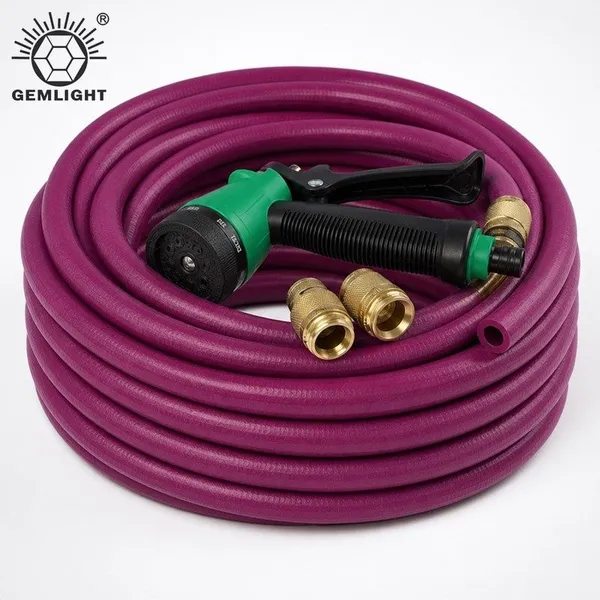 Read More
-
Private Label Garden Hose MOQ from China
October 30, 2026Private Label Garden Hose MOQ from ChinaMOQ is the first number that stops a new buyer. It usually looks arbitrary and often is no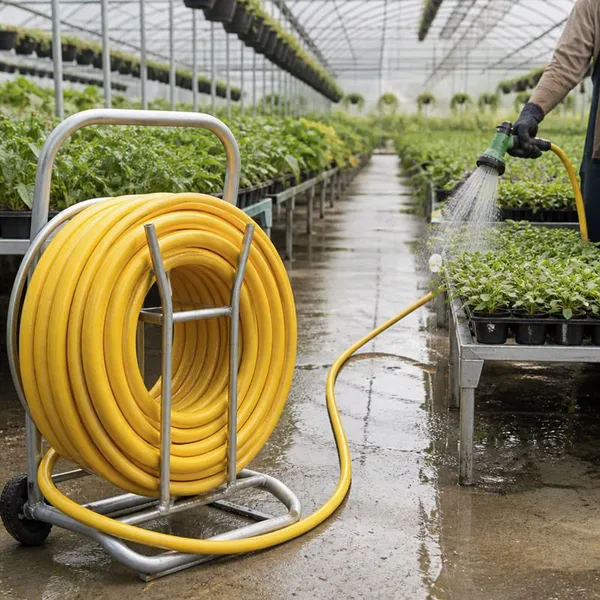 Read More
-
How to Inspect Garden Hoses Before Shipment
October 30, 2026How to Inspect Garden Hoses Before ShipmentAn inspection on the last day before loading finds problems you cannot fix. A plan buil Read More
-
Why Garden Hoses Kink and How to Fix It at Source
October 30, 2026Why Garden Hoses Kink and How to Fix It at SourceKinking is the complaint every hose buyer hears first. It ends up in reviews, in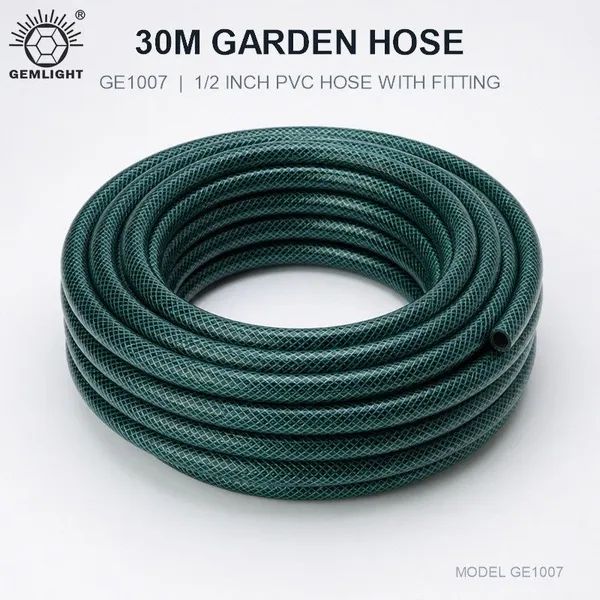 Read More

Contact Us
Recommended Products
-
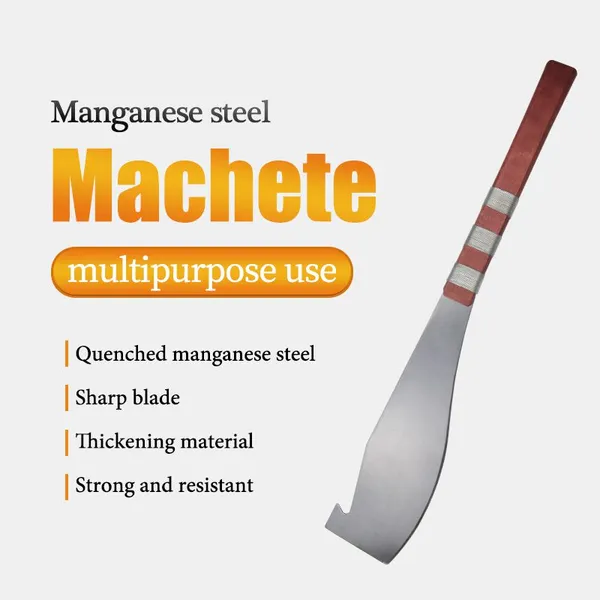
 Heavy Duty Cane Knife Machete for Wholesale Buyers Factory Direct Export for Rural Agricultural Projects Durable Hand ToolNegotiableMOQ: 1200 Pieces
-
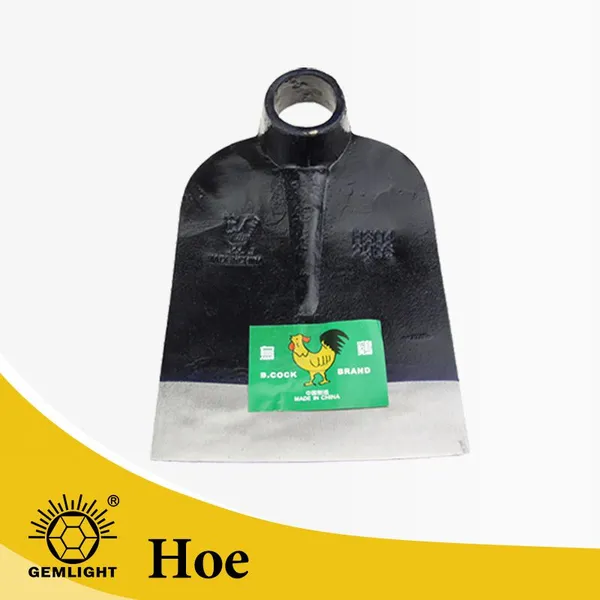
Agricultural Hoe Head Garden Rail Steel Tool for Tough Soil Cheap Price Hand ToolsUS$ 1.07 - 1.27MOQ: 1200 Pieces
-
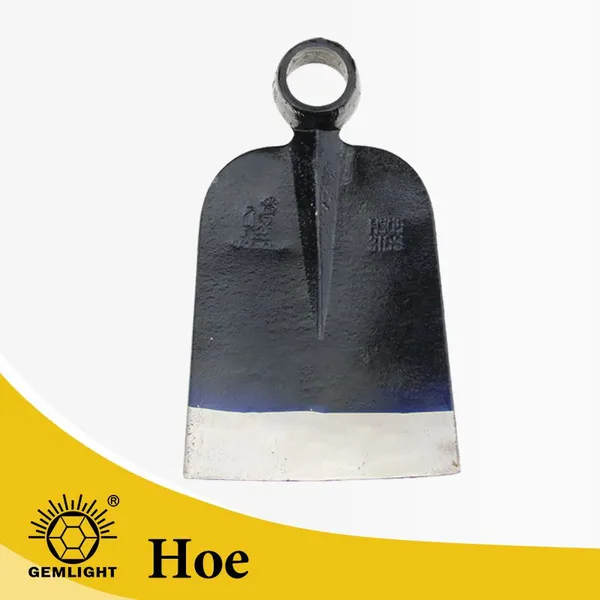
Sturdy Rail Steel Hoe for Weeding, H305 Perfect for Agricultural and Garden TasksUS$ 1.07 - 1.27MOQ: 1200 Pieces
-
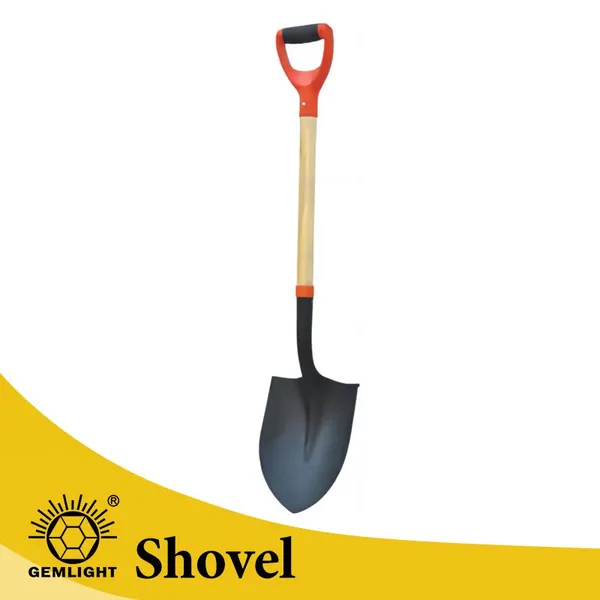
Heavy Duty Manganese Steel Garden Shovel Round Point Digging Shovel With Wooden Handle Farm Tool SupplierUS$ 2.14 - 2.36MOQ: 1200 Pieces
-
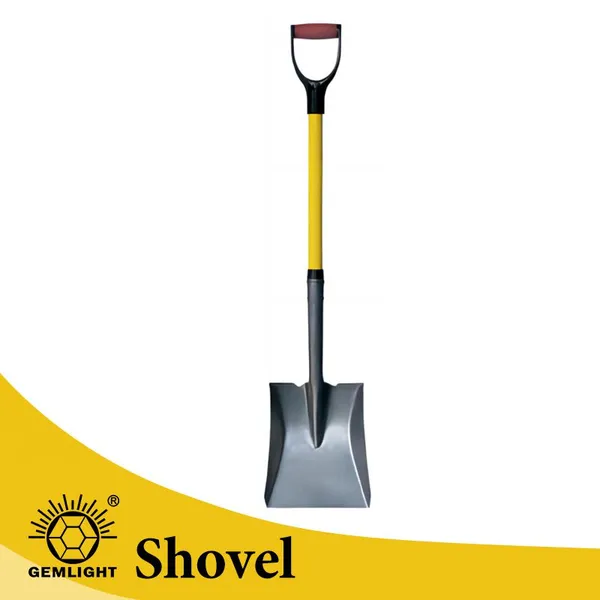
Big Shovel Wide Shovel Mud Shovel Heavy Duty Steel Blade for Farm Drainage Soil Moving Cleaning and Landscaping UseUS$ 2.14 - 2.36MOQ: 1200 Pieces
-
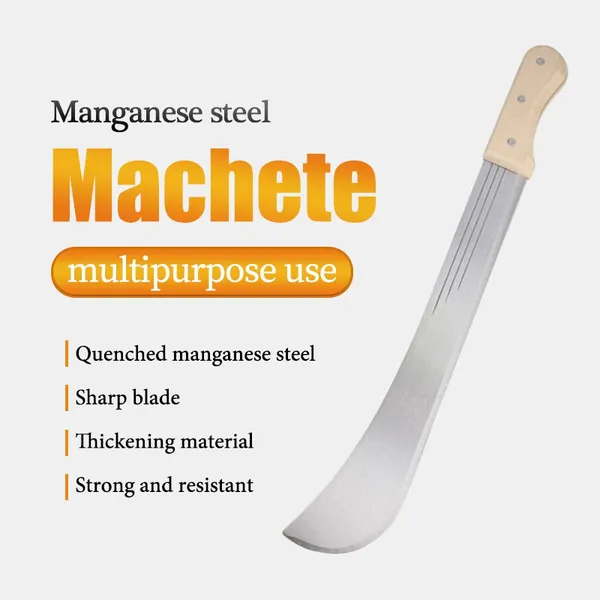
Strong Teeth Soil Rake for Farm Tool Suppliers Private Label Export for Farm Maintenance African Distribution Factory Bulk OrderUS$ 0.88 - 1.35MOQ: 2000 Pieces
-
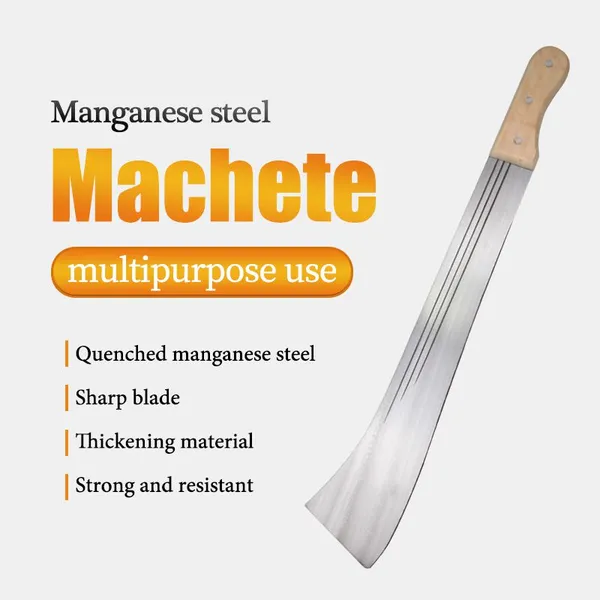
Manual Cane Knife Machete for Wholesale Buyers Factory Direct Export for Rural Agricultural Projects Durable Hand ToolNegotiableMOQ: 1200 Pieces
-
Large High Carbon Steel Machete Knife Agricultural Machete for Farming Bush Cutting Garden Tool SupplierNegotiableMOQ: 1200 Pieces
-
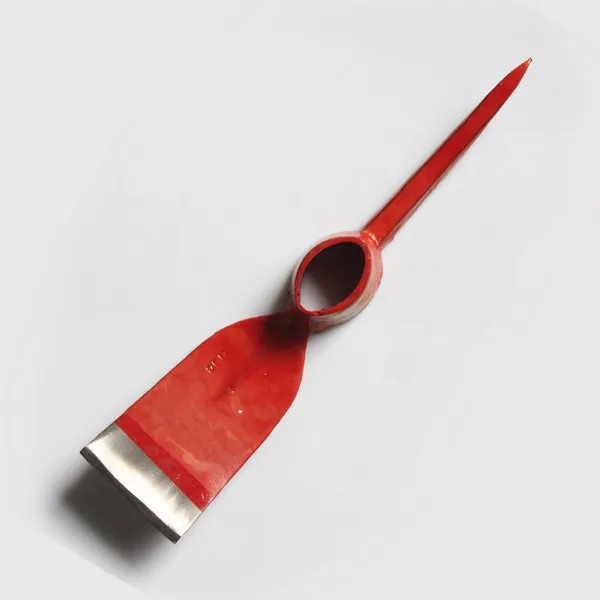
Wholesale Heavy Duty Pick Mattock for Mining Road Work and Farm Digging for Wholesale Tool Dealers With Bulk Order ServiceUS$ 1.85 - 2.3MOQ: 1200 Pieces
-
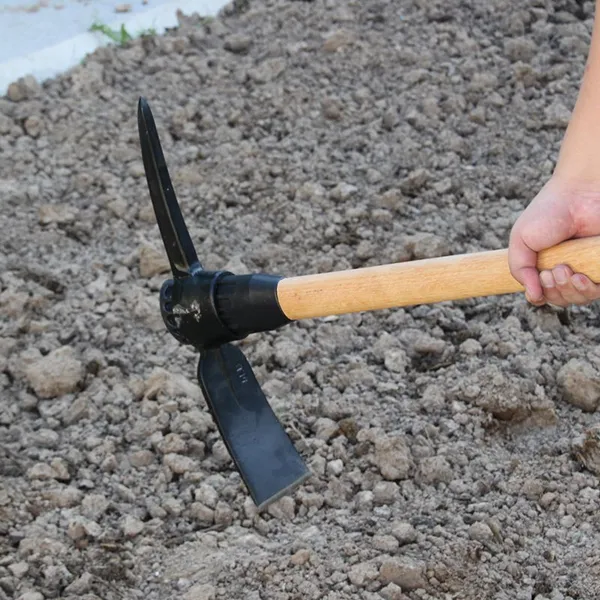
Carbon Steel Manual Pickaxe for Hard Soil Breaking and Trenching for African Importers With OEM Bulk Order Support Agricultural ToolUS$ 1.85 - 2.3MOQ: 1200 Pieces

-
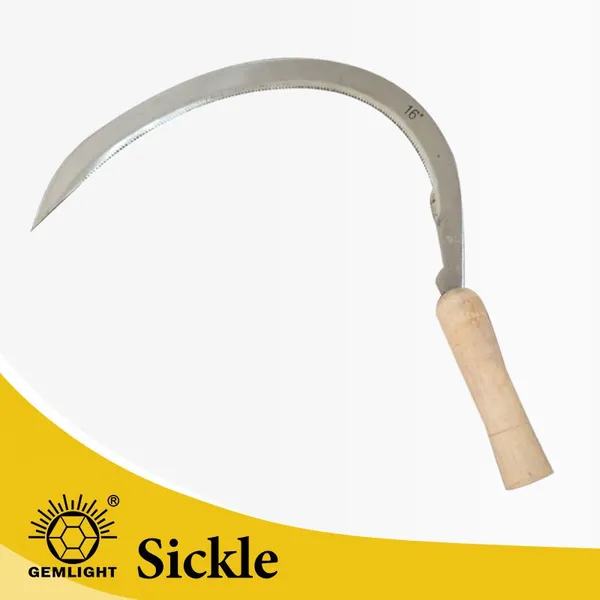
OEM Farm Sickle With Sharp Blade for African Importers OEM Bulk Order Support for Harvesting and Smallholder Farming for Wholesale BUS$ 0.28 - 0.33MOQ: 3000 Pieces
-
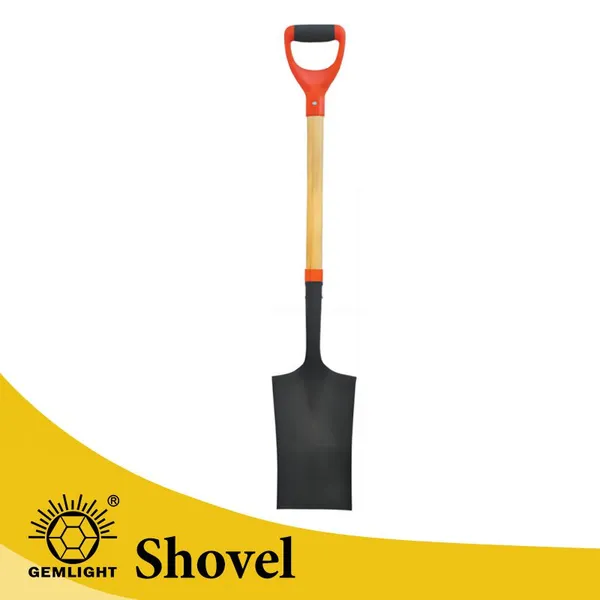
Heavy Duty Manganese Steel Round Point Shovel Garden Digging Shovel With Wooden Handle Agricultural Tool ManufacturerUS$ 2.14 - 2.36MOQ: 1200 Pieces
-
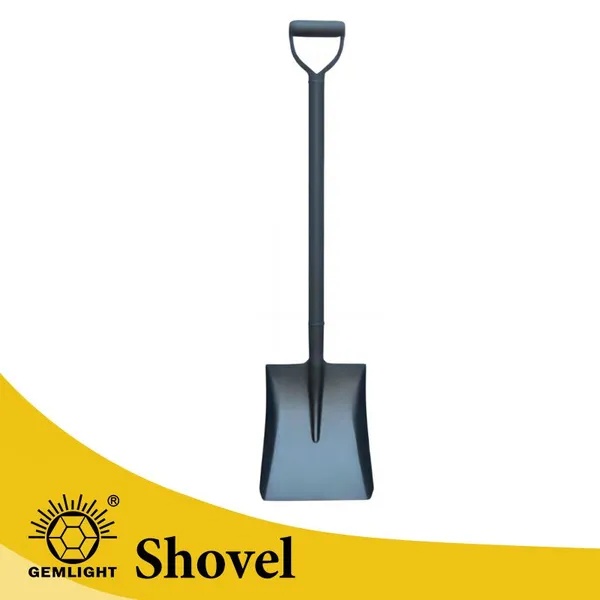
Farm Shovel Factory Supply for Regional Import Distributors Bulk Wholesale Supply for Garden Work and Trenching for Agricultural DealersUS$ 2.14 - 2.36MOQ: 1200 Pieces
-
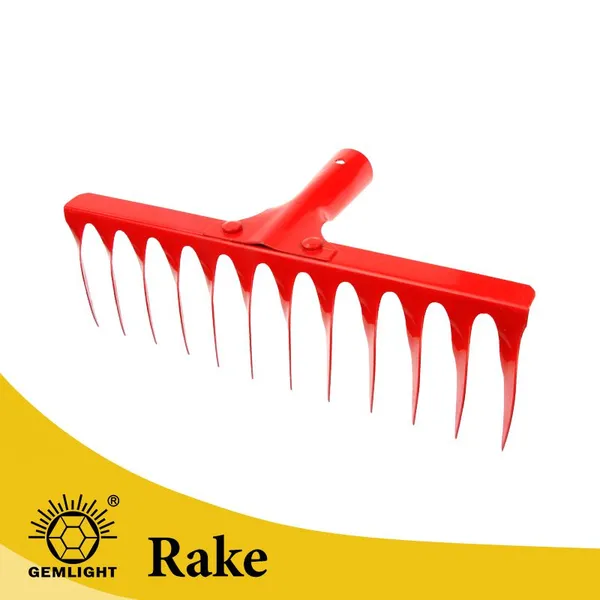
Heavy Duty Garden Rake for African Importers OEM Factory Supply for Agricultural Use African Market Factory Bulk OrderUS$ 0.88 - 1.35MOQ: 2000 Pieces
-
Agricultural Soil Rake for Agricultural Dealers Export Supply for Garden Cleaning African Dealer Channels Factory Bulk OrderUS$ 0.88 - 1.35MOQ: 2000 Pieces
-
Manual Farm Machete for African Importers OEM Factory Supply for Farming and Land Clearing Durable Hand ToolNegotiableMOQ: 1200 Pieces
-
Large Heavy Duty Carbon Steel Garden Landscaping Digging HoeUS$ 1.07 - 1.27MOQ: 1200 Pieces
-
Heavy Duty Rail Steel Mattock Pick Axe With Wooden Handle for Digging Soil Mining and Agricultural Tool SupplierUS$ 1.85 - 2.3MOQ: 1200 Pieces
-
Forged Farm Sickle With Sharp Blade for African Importers OEM Bulk Order Support for Harvesting and Smallholder Farming for WholesalUS$ 0.28 - 0.33MOQ: 3000 Pieces
-
Strong Carbon Steel Farming Sickle for Uganda Tanzania Zambia Agricultural Tool DistributorsUS$ 0.34 - 0.47MOQ: 3000 Pieces