
 Business License

Shovel Eye and Handle Tolerance: How to Avoid Loose or Cracked Fittings
Shovel Eye and Handle Tolerance: How to Avoid Loose or Cracked Fittings
A head that wobbles in month three is rarely a steel problem.
It is a tolerances problem, and it was decided months earlier, on a drawing nobody checked.
Buyers who skip that drawing get a container that looks right and feels wrong.
How to Specify Eye Size and Handle Diameter
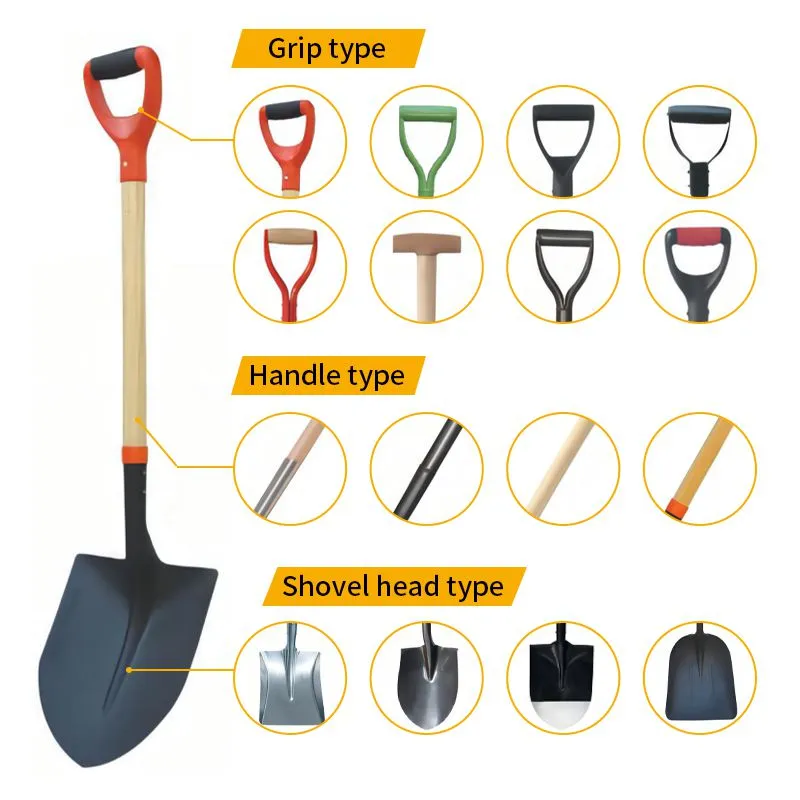
In the trade, the opening in the head is called the eye or the socket. Pressed shovels use a rolled socket, forged heads a tapered eye.
Both work the same way. The handle is driven in and held by friction, then fixed with a rivet, screw or wedge.
Specify four numbers, not one. Socket inside diameter at the top, inside diameter at the bottom, socket depth, and handle diameter at the entry point.
Add the handle diameter 100 mm lower down. Without the second number, the taper is not defined.
Write both as ranges, not single figures. Plus or minus 0.3 mm on diameter is a workable band for pressed sockets.
Then specify moisture content at assembly. Eight to twelve percent behaves well in most export climates.
A simple fit test helps everyone. The handle should go in by hand for the first 20 to 30 mm, then need a firm drive.
If it drops in freely, it is too loose. If it needs a hammer from the first millimetre, it is too tight.
Two suppliers can both quote 35 mm and deliver 34.2 and 35.6. Ranges and a sample fix that gap.
Why Heads Come Loose After Drying
Wood shrinks as it dries, and it shrinks most across the grain.
A handle at 16 percent moisture can lose roughly 0.3 to 0.4 mm of diameter by the time it reaches 8 percent.
In a 35 mm socket, that is enough to turn a tight fit into a rattling one. The head has not changed; the handle has.
The usual cause is assembly with wet wood. A plant that assembles at 15 or 16 percent saves drying time and loses the fit.
Shipping makes it worse. A container crossing the tropics then entering a heated warehouse is the worst case for shrinkage.
A rivet through the socket is the cheap insurance. Even after shrinkage, the head cannot rotate or slide off.
Ask whether the handle is kiln dried, and ask for the meter reading on the batch. Not on the sample.
Keep one assembled sample from each batch in your office. It is the cheapest reference you will ever keep.

Where Cracked Sockets Come From
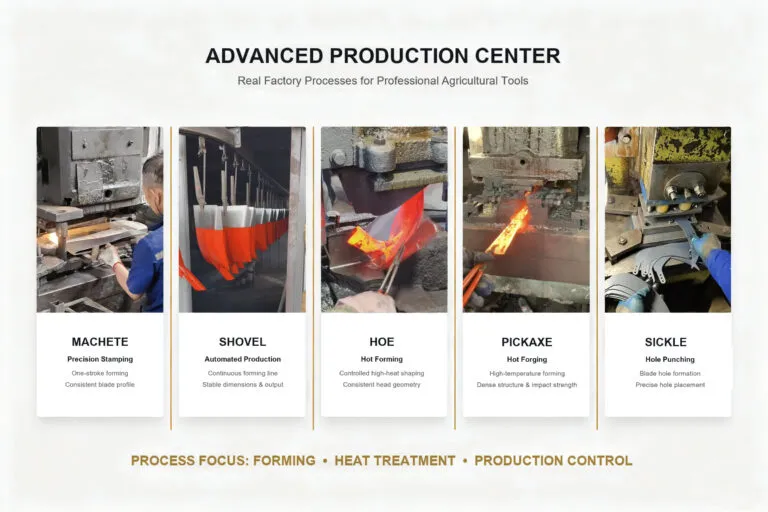
A cracked socket is usually created during assembly, not in use.
Driving an oversize handle into a cold socket splits the seam. The crack opens slowly over weeks.
A socket that is too hard also cracks. It should stay in the 25 to 35 HRC range, softer than the blade edge.
A socket that is round on the drawing and oval in the press still fits. Check ovality with the caliper as well.
A rivet hole drilled too close to the socket edge creates a stress riser. Two millimetres of steel there is not enough.
Handles that are too dry at assembly cause the opposite failure. The head goes on loose, the wood swells in a humid port, and the socket splits.
Pressed sockets also need a fully closed seam. A visible gap at the back of the socket is a reject, not a cosmetic issue.
Check that seam on every incoming batch. It is the fastest visual test a warehouse can run.
Ask who drills the rivet hole. If a separate workshop does it, the position can drift between batches.
Inspection Steps to Write Into the PO
Put the checks in the purchase order, or they will not happen.
Sample five pieces per 500. Measure socket diameter at the top and bottom, and handle diameter at two points.
Test moisture with a pin meter on the handle, not on the carton. Record the reading per sample.
Then run a pull test. Clamp the handle and hang a known weight from the blade, and watch for movement at the socket.
A twist test is faster. Hold the blade, twist the handle by hand, and look for rotation.
Finally, strike the handle top with a mallet a few times. A crack at the socket shows up as a hairline you can see.
Photograph each test with the batch number in frame. A photo with a number settles more claims than a certificate.
Then agree what happens if a batch fails the pull test. Rejection at the port beats a recall at home.
Packing and Storage That Protect the Fit
The fit can still fail after inspection, in the carton.
Ship heads fitted to handles wherever possible. Loose heads and loose handles get mixed up in a warehouse.
Keep cartons dry and out of direct sun. A pallet left on a loading dock for a week undoes a good drying job.
Add desiccant for long sea routes. Condensation inside a container is normal, and it reaches the wood.
In storage, do not stand tools on the head. The socket takes the whole weight of the stack.
Keep spare handles labelled by taper, not by length alone. Two handles of the same length can have different diameters.
Ask for the taper drawing with every reorder. Suppliers change tooling quietly, and the drawing is your only warning.
Recently Posted
-
Container Loading for Shovels: How Many Fit in a 20ft and 40ft
November 16, 2026Container Loading for Shovels: How Many Fit in a 20ft and 40ft"How many shovels fit in a container" sounds like a simple Read More
-
How Shovel Prices Are Calculated: Steel, Handle, Coating and Labour
November 16, 2026How Shovel Prices Are Calculated: Steel, Handle, Coating and LabourA shovel quotation usually arrives as one number per piece. It Read More
-
D-Grip, T-Handle or Long Handle: Choosing Shovel Handles by Market
November 16, 2026D-Grip, T-Handle or Long Handle: Choosing Shovel Handles by MarketThe head sells the first order. The handle decides whether the c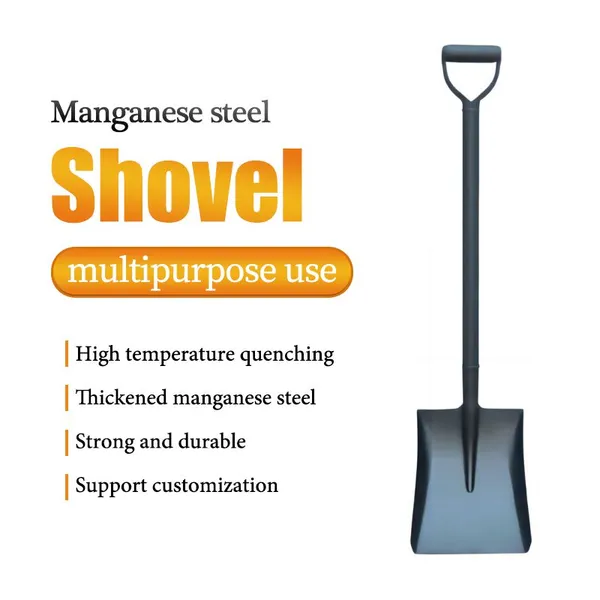 Read More
-
Wood vs Fiberglass vs Steel Shovel Handles: A Wholesale Comparison
November 13, 2026Wood vs Fiberglass vs Steel Shovel Handles: A Wholesale ComparisonThe head is what buyers ask about. The handle is what comes back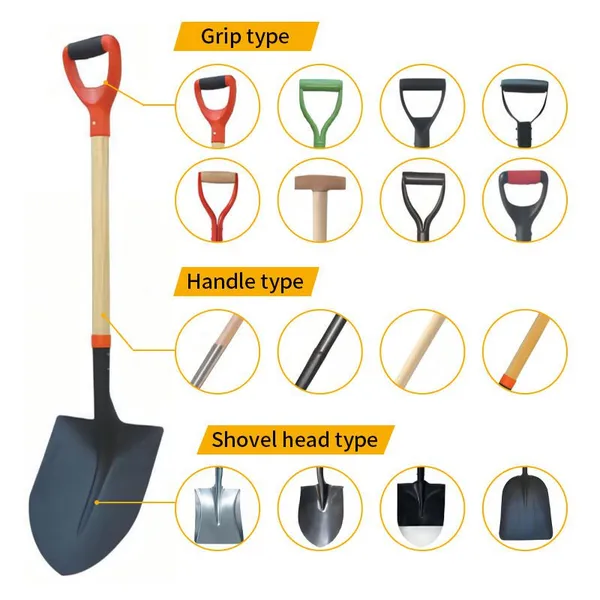 Read More

Contact Us
Recommended Products
-
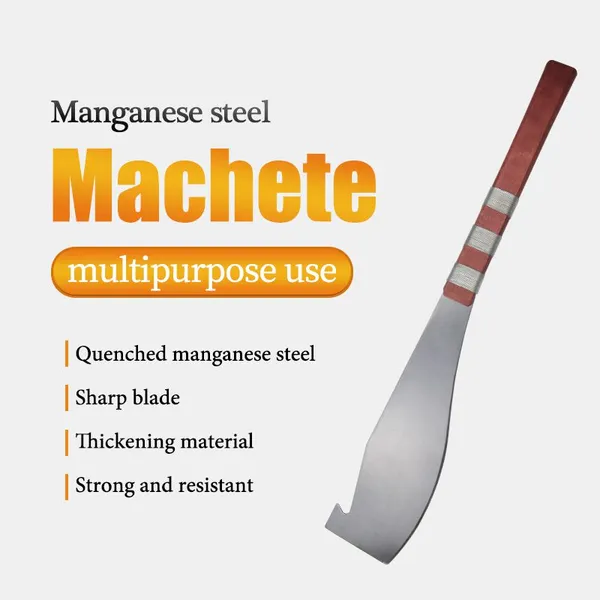
 Heavy Duty Cane Knife Machete for Wholesale Buyers Factory Direct Export for Rural Agricultural Projects Durable Hand ToolNegotiableMOQ: 1200 Pieces
-
Agricultural Hoe Head Garden Rail Steel Tool for Tough Soil Cheap Price Hand ToolsUS$ 1.07 - 1.27MOQ: 1200 Pieces
-
Sturdy Rail Steel Hoe for Weeding, H305 Perfect for Agricultural and Garden TasksUS$ 1.07 - 1.27MOQ: 1200 Pieces
-
Heavy Duty Manganese Steel Garden Shovel Round Point Digging Shovel With Wooden Handle Farm Tool SupplierUS$ 2.14 - 2.36MOQ: 1200 Pieces
-
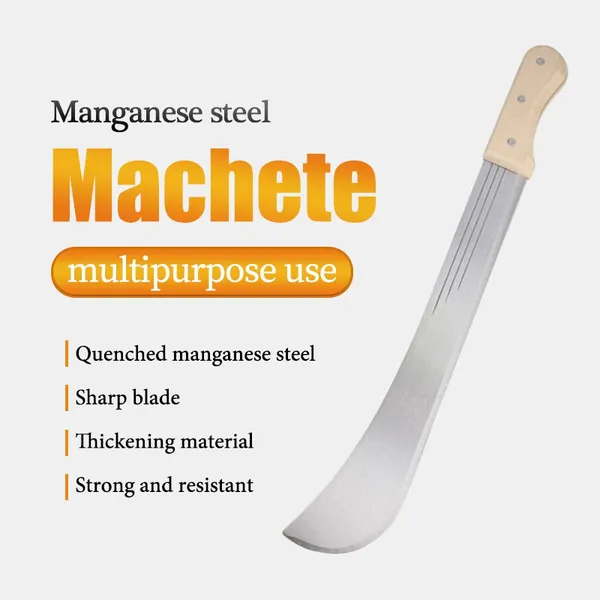
Big Shovel Wide Shovel Mud Shovel Heavy Duty Steel Blade for Farm Drainage Soil Moving Cleaning and Landscaping UseUS$ 2.14 - 2.36MOQ: 1200 Pieces
-
Strong Teeth Soil Rake for Farm Tool Suppliers Private Label Export for Farm Maintenance African Distribution Factory Bulk OrderUS$ 0.88 - 1.35MOQ: 2000 Pieces
-
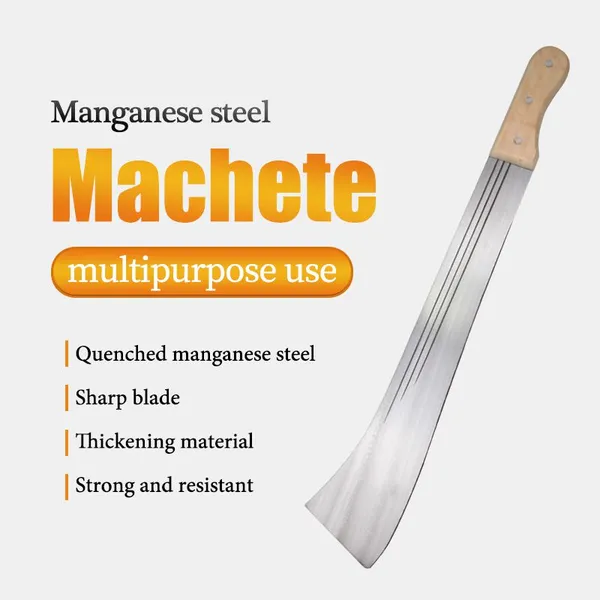
Manual Cane Knife Machete for Wholesale Buyers Factory Direct Export for Rural Agricultural Projects Durable Hand ToolNegotiableMOQ: 1200 Pieces
-
Large High Carbon Steel Machete Knife Agricultural Machete for Farming Bush Cutting Garden Tool SupplierNegotiableMOQ: 1200 Pieces
-
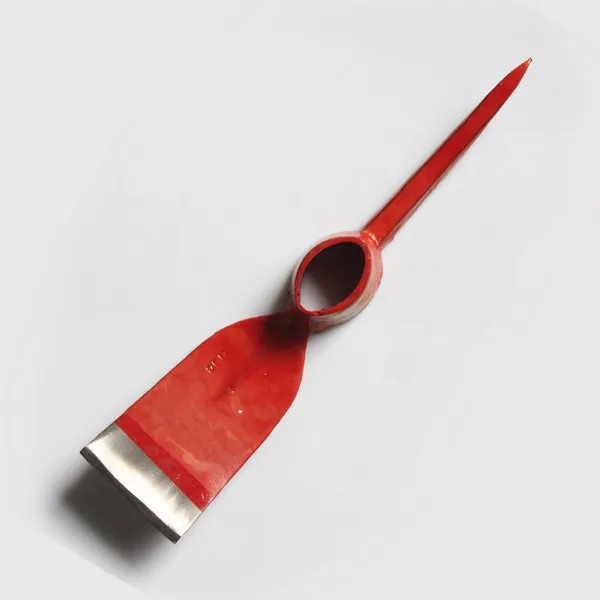
Wholesale Heavy Duty Pick Mattock for Mining Road Work and Farm Digging for Wholesale Tool Dealers With Bulk Order ServiceUS$ 1.85 - 2.3MOQ: 1200 Pieces
-
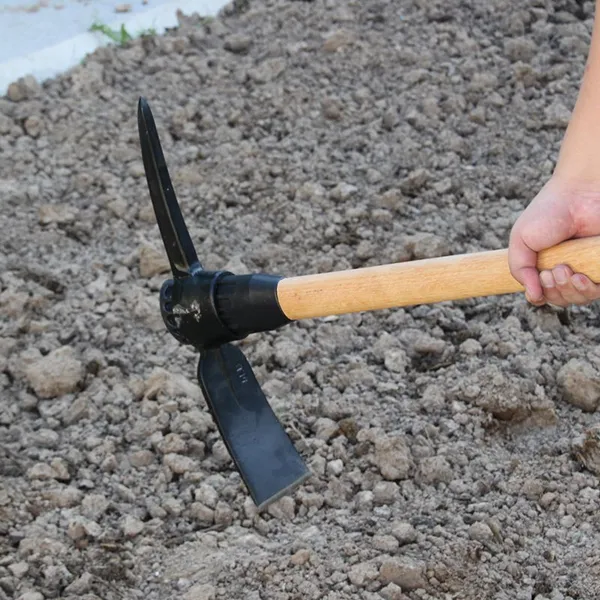
Carbon Steel Manual Pickaxe for Hard Soil Breaking and Trenching for African Importers With OEM Bulk Order Support Agricultural ToolUS$ 1.85 - 2.3MOQ: 1200 Pieces

-
OEM Farm Sickle With Sharp Blade for African Importers OEM Bulk Order Support for Harvesting and Smallholder Farming for Wholesale BUS$ 0.28 - 0.33MOQ: 3000 Pieces
-
Heavy Duty Manganese Steel Round Point Shovel Garden Digging Shovel With Wooden Handle Agricultural Tool ManufacturerUS$ 2.14 - 2.36MOQ: 1200 Pieces
-
Farm Shovel Factory Supply for Regional Import Distributors Bulk Wholesale Supply for Garden Work and Trenching for Agricultural DealersUS$ 2.14 - 2.36MOQ: 1200 Pieces
-
Heavy Duty Garden Rake for African Importers OEM Factory Supply for Agricultural Use African Market Factory Bulk OrderUS$ 0.88 - 1.35MOQ: 2000 Pieces
-
Agricultural Soil Rake for Agricultural Dealers Export Supply for Garden Cleaning African Dealer Channels Factory Bulk OrderUS$ 0.88 - 1.35MOQ: 2000 Pieces
-
Manual Farm Machete for African Importers OEM Factory Supply for Farming and Land Clearing Durable Hand ToolNegotiableMOQ: 1200 Pieces
-
Large Heavy Duty Carbon Steel Garden Landscaping Digging HoeUS$ 1.07 - 1.27MOQ: 1200 Pieces
-
Heavy Duty Rail Steel Mattock Pick Axe With Wooden Handle for Digging Soil Mining and Agricultural Tool SupplierUS$ 1.85 - 2.3MOQ: 1200 Pieces
-
Forged Farm Sickle With Sharp Blade for African Importers OEM Bulk Order Support for Harvesting and Smallholder Farming for WholesalUS$ 0.28 - 0.33MOQ: 3000 Pieces
-
Strong Carbon Steel Farming Sickle for Uganda Tanzania Zambia Agricultural Tool DistributorsUS$ 0.34 - 0.47MOQ: 3000 Pieces