
 Business License

How Shovel Prices Are Calculated: Steel, Handle, Coating and Labour
How Shovel Prices Are Calculated: Steel, Handle, Coating and Labour
A shovel quotation usually arrives as one number per piece. It is really seven numbers added together.
Buyers who cannot see those seven numbers negotiate on the total. That is the weakest position in any price discussion.
A five percent cut on the total has to come from somewhere, and it is usually the invisible lines.
Here is the structure, in the order the cost builds up inside a plant.
What Sits Inside an FOB Price
Start at the bottom. A shovel is steel, a handle, a fixing, a coating and labour.
The steel is bought as coil or sheet, priced by weight. The handle is bought as a rough blank or a finished shaft.
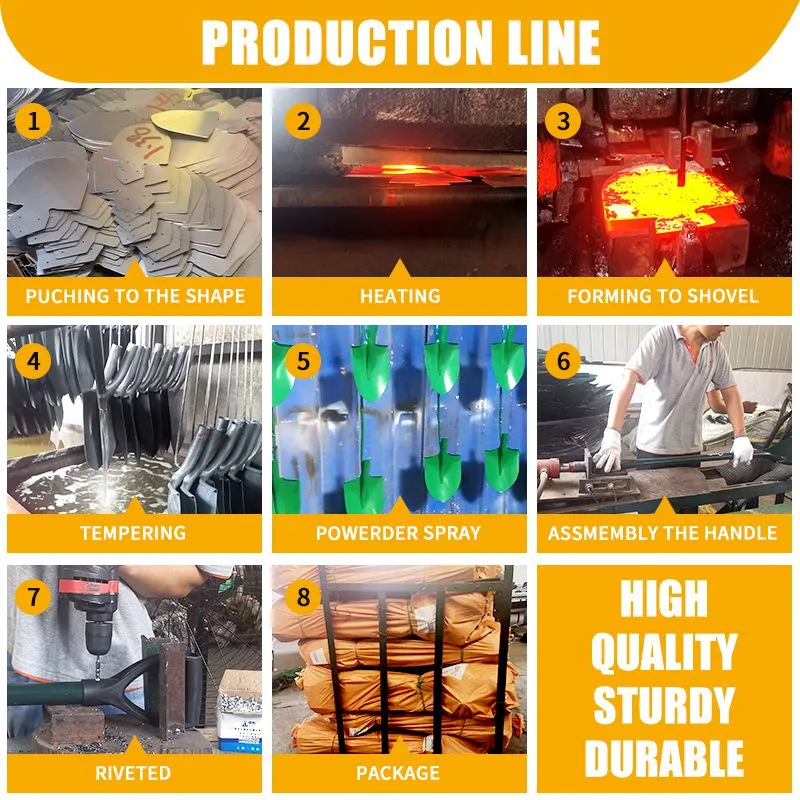
The fixing is small and cheap: a rivet, a screw, a ferrule band. Labour covers pressing, trimming, heat treatment, coating and assembly.
Then come packing, overhead and margin. Packing includes cartons, strapping, pallets and any inner protection.
FOB means the goods are delivered on board at the Chinese port. The seller pays inland trucking and export clearance.
The buyer pays ocean freight, insurance, import duty and inland delivery after that. Those lines are not in the FOB number.
So an FOB price is a factory cost plus a short logistics tail, not a delivered price.
Ask which port the price is based on. Ningbo, Shanghai and Qingdao carry different inland trucking costs.
Which Cost Factors Move the Price Most
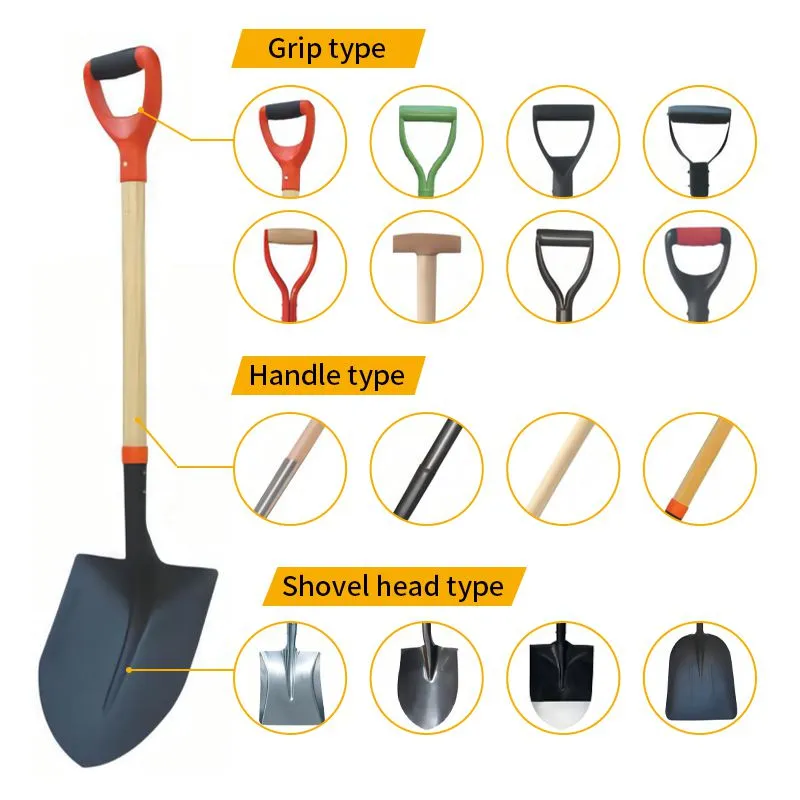
For long-handled models, the handle is often the largest single material line.
Hardwood, ash, hickory and fiberglass sit at very different prices. Length adds cost faster than most buyers expect.
For short models, the head dominates. Head weight, steel grade and gauge all move together.
Coating is a smaller line, but it is where cheap quotes hide savings. Thin powder or ordinary paint costs less and shows it later.
Labour varies with the number of steps. Induction hardening, riveting and grip moulding each add time.
Order size spreads setup cost. A run of 500 pieces carries more setup per unit than a run of 3,000, and the gap can be visible.
Freight to port also varies by volume. A light but bulky carton costs more to move than its weight suggests.
Currency matters as well. A quote in RMB and a quote in USD behave differently when the exchange rate moves.

Why Two Quotes for the Same Shovel Differ
Two suppliers can quote the same photo and mean different products.
The first difference is gauge. A 16 gauge blade is 1.5 mm; a 14 gauge blade is 1.9 mm. That alone is a visible price gap.
The second is steel grade. Q235 is cheap and soft; 45# or 65Mn costs more and holds an edge.
The third is heat treatment. Edge-only induction hardening adds a process step that some quotes quietly leave out.
The fourth is the handle. Local hardwood, ash, hickory and fiberglass are four different prices.
The fifth is packing. Six pieces per carton and twelve pieces per carton produce different unit freight.
The sixth is hardness control. A plant that tests every batch spends money a plant that tests nothing does not.
The seventh is the date. Steel prices move, and a quote from three months ago is a historical document.
Payment terms carry a cost too. Thirty days of credit is not free, and a supplier will price it in somewhere.
Upgrades That Add Cost Without Value
Some upgrades sell. Others only add cost, and the buyer pays for them twice.
A head above 2 kg on a garden model is one. The retail customer lifts it once and puts it back.
Chrome plating on a farm tool is another. It looks good in a catalogue and peels in wet soil.
Printing a logo on every head is wasted when the brand lives on the carton and the hang tag.
An over-thick carton for an LCL shipment adds cost and volume without preventing much damage.
A moulded grip that cracks at the collar is a negative upgrade. It costs more and increases returns.
The useful upgrades are quieter: correct gauge, controlled hardness, a dry handle, and a coating that holds.
Add one spare handle per carton to the cost sheet. Buyers forget that line until the first claim arrives.
Reading a Quote Line by Line
Ask for a fixed format, and compare quotes in that format.
The list should name the model, blade length and width in millimetres, thickness in millimetres, and steel grade.
Add edge hardness in HRC, head weight, handle material and length, coating type and film thickness.
Then pcs per carton, carton dimensions, cartons per pallet, MOQ, lead time and price validity.
Two more lines matter. Ask whether the price includes the inner bag and the pallet, and who pays the inspection.
Then compare per unit and per cubic metre. A cheaper piece that loads fewer units per container is not cheaper.
Ask for the price validity in days. Thirty days is normal when steel is moving; ninety days usually hides a premium.
Then ask what happens if steel moves five percent before shipment. Some quotes hold the price, and some do not.
Send us your specification and target price, and we will show you which cost lines can move and which are already at the floor.
A quote that lists only a price and a model number is a starting point. Ask for the rest before you compare it.
Recently Posted
-
Container Loading for Shovels: How Many Fit in a 20ft and 40ft
November 16, 2026Container Loading for Shovels: How Many Fit in a 20ft and 40ft"How many shovels fit in a container" sounds like a simple Read More
-
Shovel Eye and Handle Tolerance: How to Avoid Loose or Cracked Fittings
November 16, 2026Shovel Eye and Handle Tolerance: How to Avoid Loose or Cracked FittingsA head that wobbles in month three is rarely a steel proble Read More
-
D-Grip, T-Handle or Long Handle: Choosing Shovel Handles by Market
November 16, 2026D-Grip, T-Handle or Long Handle: Choosing Shovel Handles by MarketThe head sells the first order. The handle decides whether the c Read More
-
Wood vs Fiberglass vs Steel Shovel Handles: A Wholesale Comparison
November 13, 2026Wood vs Fiberglass vs Steel Shovel Handles: A Wholesale ComparisonThe head is what buyers ask about. The handle is what comes back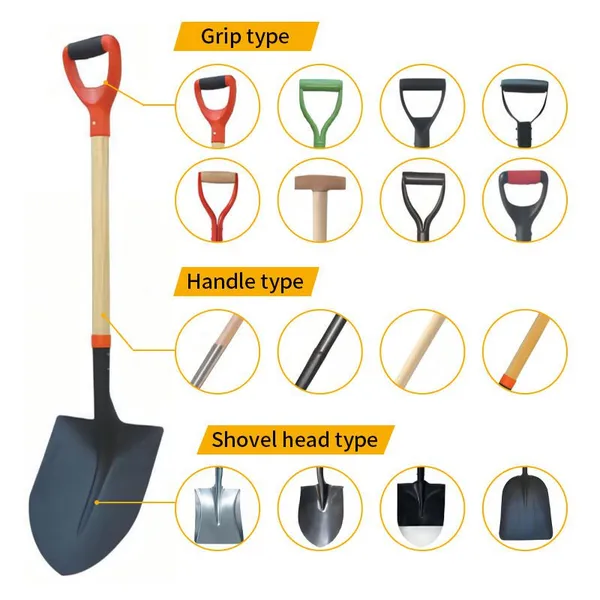 Read More

Contact Us
Recommended Products
-
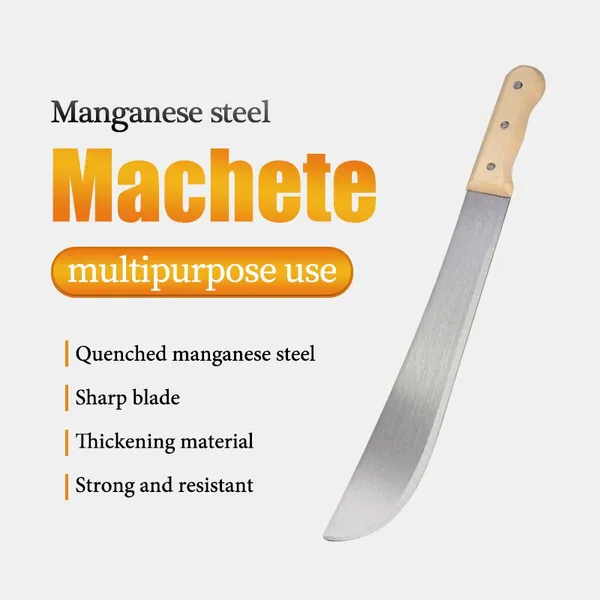
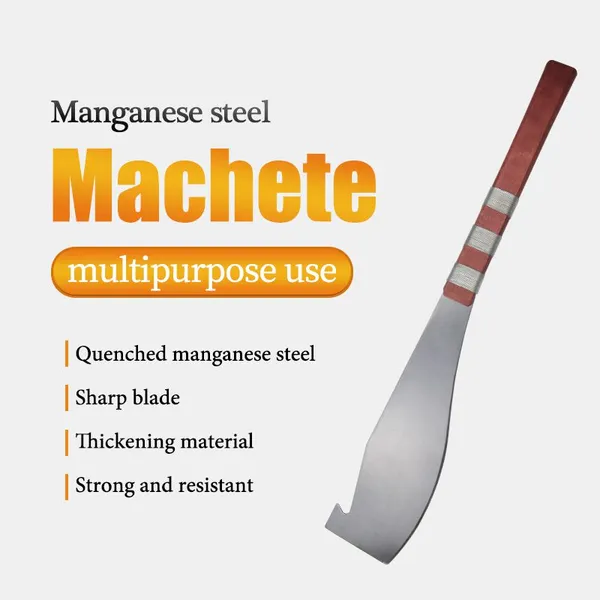
 Heavy Duty Cane Knife Machete for Wholesale Buyers Factory Direct Export for Rural Agricultural Projects Durable Hand ToolNegotiableMOQ: 1200 Pieces
-
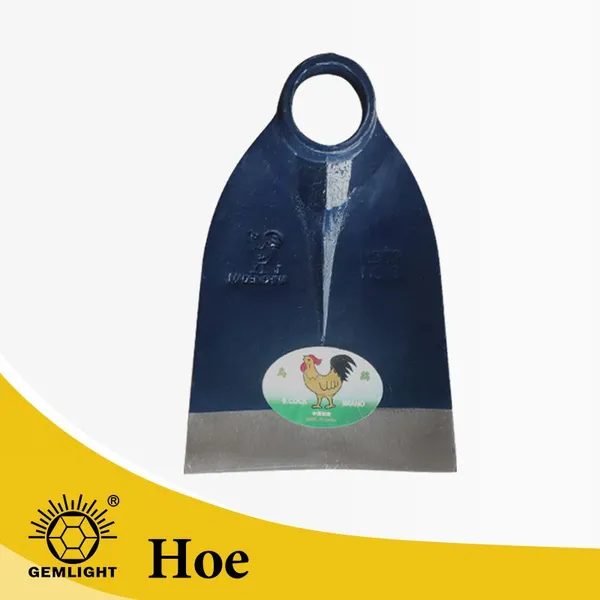
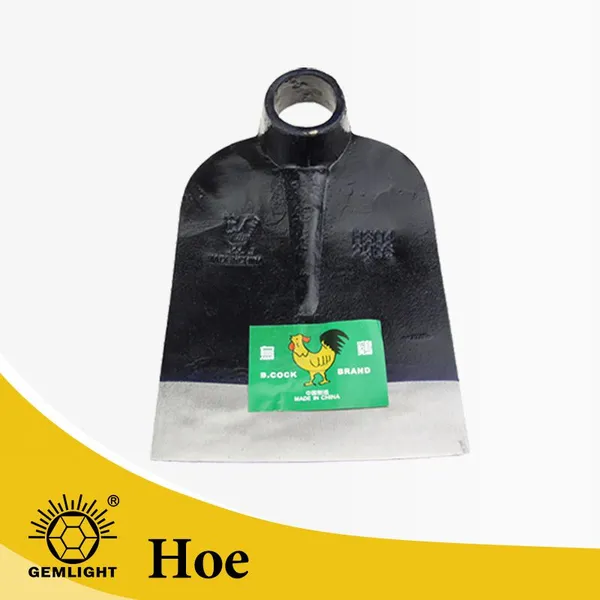
Agricultural Hoe Head Garden Rail Steel Tool for Tough Soil Cheap Price Hand ToolsUS$ 1.07 - 1.27MOQ: 1200 Pieces
-
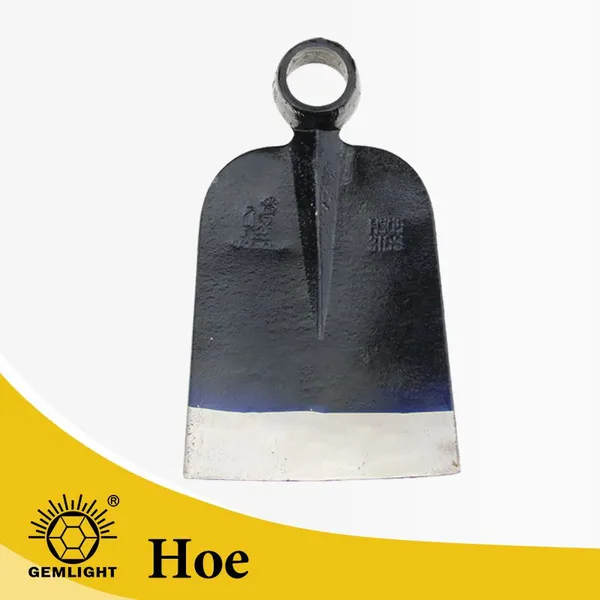
Sturdy Rail Steel Hoe for Weeding, H305 Perfect for Agricultural and Garden TasksUS$ 1.07 - 1.27MOQ: 1200 Pieces
-
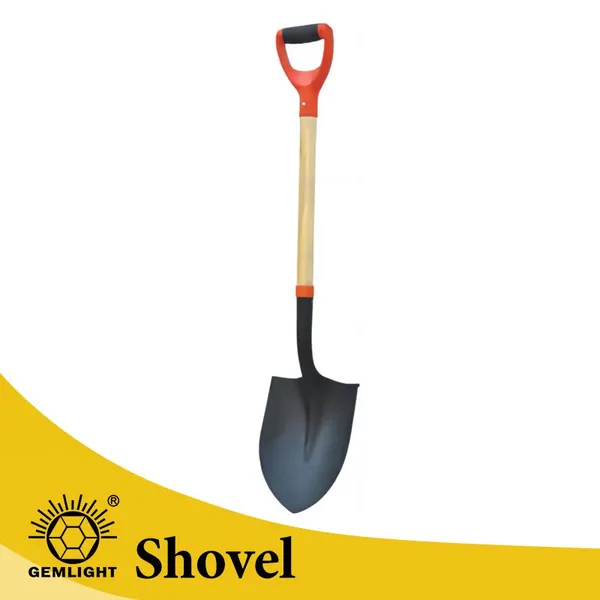
Heavy Duty Manganese Steel Garden Shovel Round Point Digging Shovel With Wooden Handle Farm Tool SupplierUS$ 2.14 - 2.36MOQ: 1200 Pieces
-
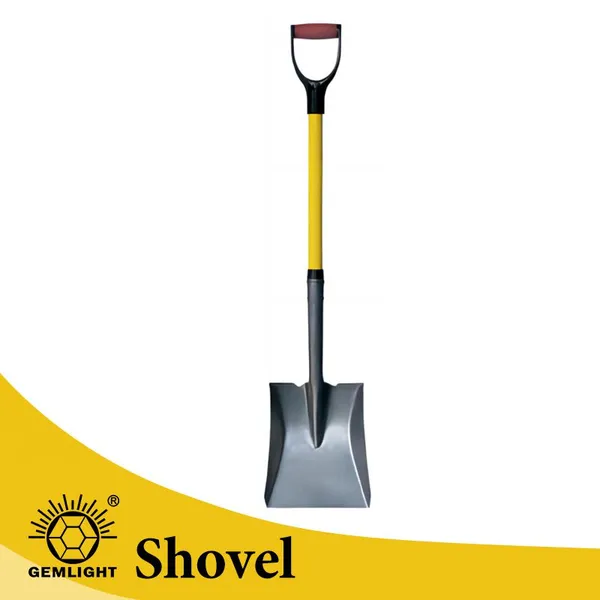
Big Shovel Wide Shovel Mud Shovel Heavy Duty Steel Blade for Farm Drainage Soil Moving Cleaning and Landscaping UseUS$ 2.14 - 2.36MOQ: 1200 Pieces
-
Strong Teeth Soil Rake for Farm Tool Suppliers Private Label Export for Farm Maintenance African Distribution Factory Bulk OrderUS$ 0.88 - 1.35MOQ: 2000 Pieces
-
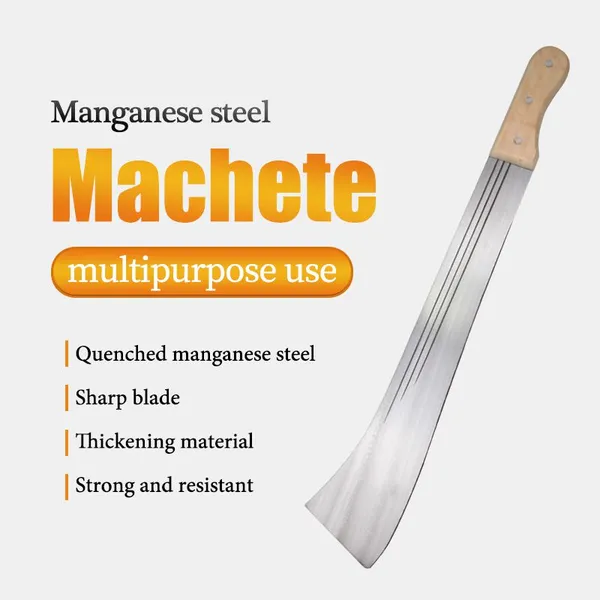
Manual Cane Knife Machete for Wholesale Buyers Factory Direct Export for Rural Agricultural Projects Durable Hand ToolNegotiableMOQ: 1200 Pieces
-
Large High Carbon Steel Machete Knife Agricultural Machete for Farming Bush Cutting Garden Tool SupplierNegotiableMOQ: 1200 Pieces
-
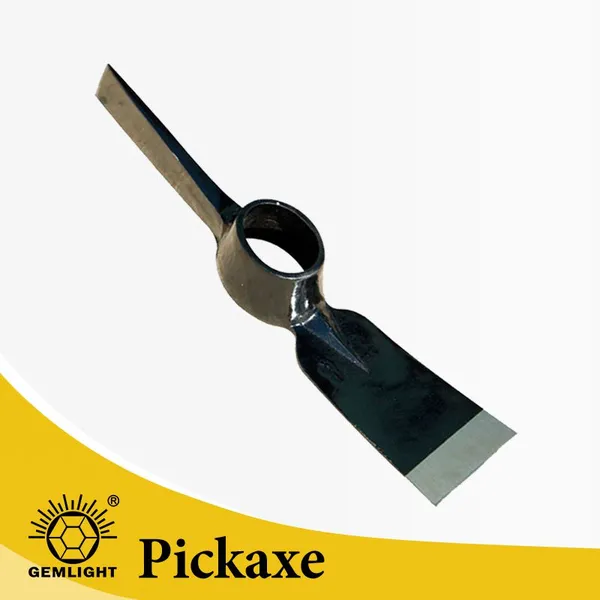
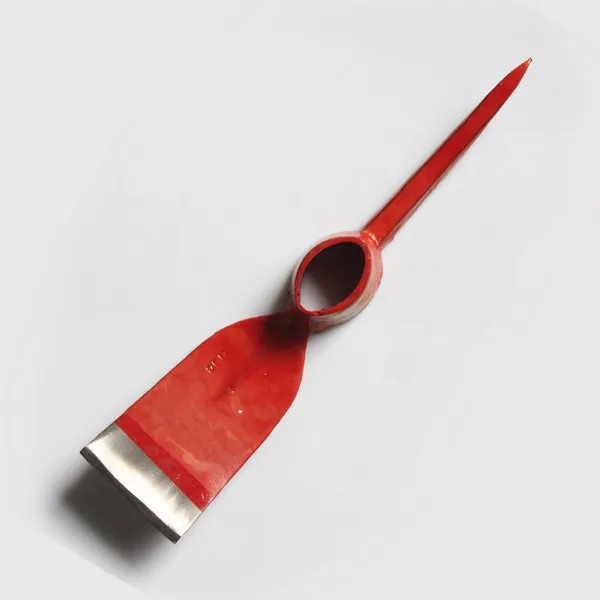
Wholesale Heavy Duty Pick Mattock for Mining Road Work and Farm Digging for Wholesale Tool Dealers With Bulk Order ServiceUS$ 1.85 - 2.3MOQ: 1200 Pieces
-
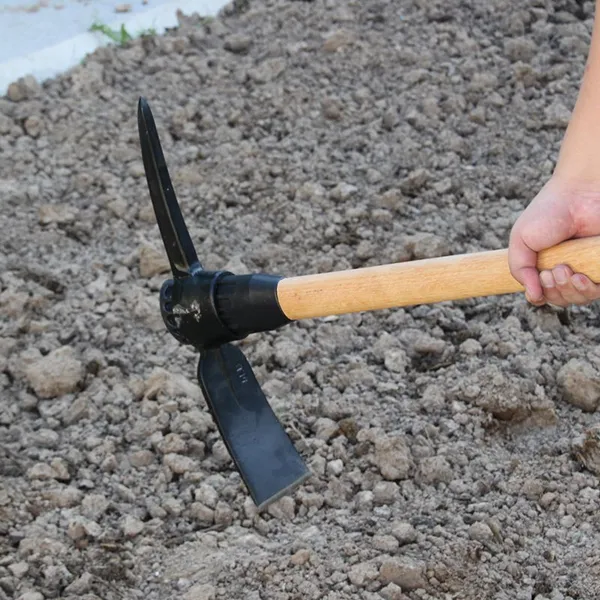
Carbon Steel Manual Pickaxe for Hard Soil Breaking and Trenching for African Importers With OEM Bulk Order Support Agricultural ToolUS$ 1.85 - 2.3MOQ: 1200 Pieces

-
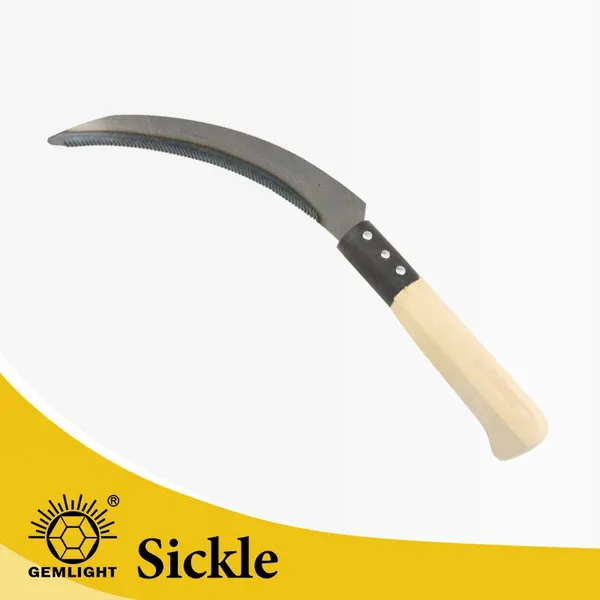
OEM Farm Sickle With Sharp Blade for African Importers OEM Bulk Order Support for Harvesting and Smallholder Farming for Wholesale BUS$ 0.28 - 0.33MOQ: 3000 Pieces
-
Heavy Duty Manganese Steel Round Point Shovel Garden Digging Shovel With Wooden Handle Agricultural Tool ManufacturerUS$ 2.14 - 2.36MOQ: 1200 Pieces
-
Farm Shovel Factory Supply for Regional Import Distributors Bulk Wholesale Supply for Garden Work and Trenching for Agricultural DealersUS$ 2.14 - 2.36MOQ: 1200 Pieces
-
Heavy Duty Garden Rake for African Importers OEM Factory Supply for Agricultural Use African Market Factory Bulk OrderUS$ 0.88 - 1.35MOQ: 2000 Pieces
-
Agricultural Soil Rake for Agricultural Dealers Export Supply for Garden Cleaning African Dealer Channels Factory Bulk OrderUS$ 0.88 - 1.35MOQ: 2000 Pieces
-
Manual Farm Machete for African Importers OEM Factory Supply for Farming and Land Clearing Durable Hand ToolNegotiableMOQ: 1200 Pieces
-
Large Heavy Duty Carbon Steel Garden Landscaping Digging HoeUS$ 1.07 - 1.27MOQ: 1200 Pieces
-
Heavy Duty Rail Steel Mattock Pick Axe With Wooden Handle for Digging Soil Mining and Agricultural Tool SupplierUS$ 1.85 - 2.3MOQ: 1200 Pieces
-
Forged Farm Sickle With Sharp Blade for African Importers OEM Bulk Order Support for Harvesting and Smallholder Farming for WholesalUS$ 0.28 - 0.33MOQ: 3000 Pieces
-
Strong Carbon Steel Farming Sickle for Uganda Tanzania Zambia Agricultural Tool DistributorsUS$ 0.34 - 0.47MOQ: 3000 Pieces