
 Business License

Container Loading for Shovels: How Many Fit in a 20ft and 40ft
Container Loading for Shovels: How Many Fit in a 20ft and 40ft
"How many shovels fit in a container" sounds like a simple question. The honest answer starts with another question.
Which handle length, which packing, and which carton?
Three answers, three different loading figures. Buyers who compare quotes on piece count alone usually end up comparing the wrong things.
Two suppliers can quote the same model and load it 40 percent differently, purely on carton design.
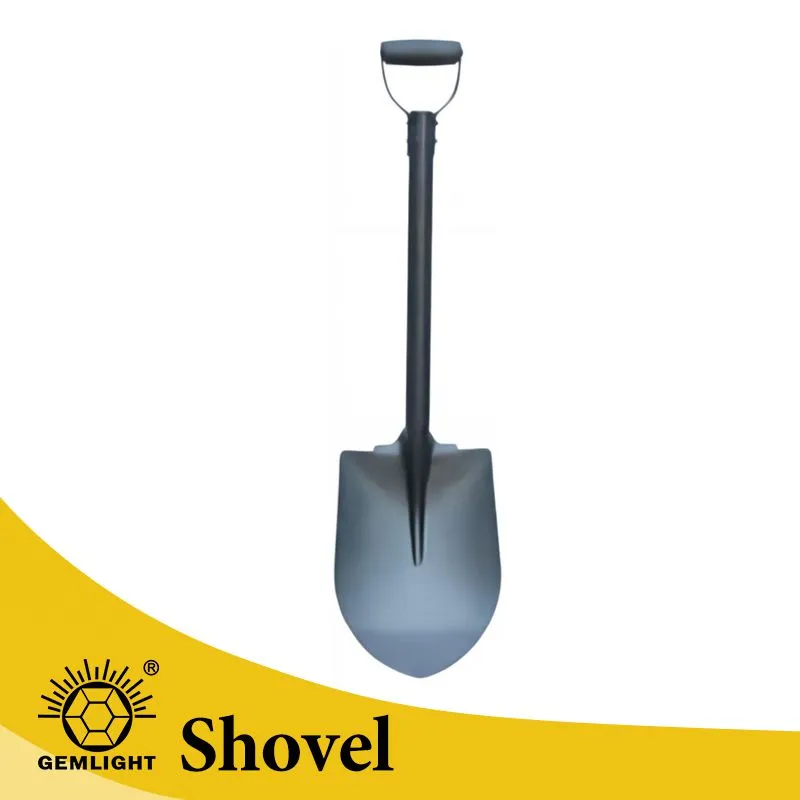
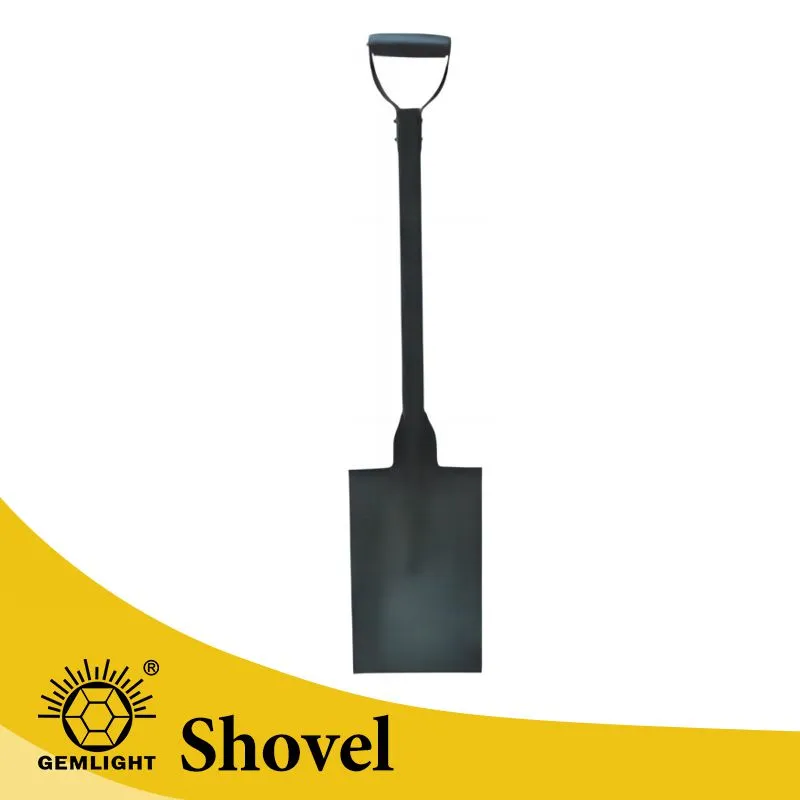
Handle Length Sets the Number
A container is a fixed box, and a shovel is a long object. Length decides before weight does.
With a 1,250 mm carton, only four rows fit along the 5.9 m internal length of a 20ft box.
Shorten the carton to 800 mm and seven rows fit in the same space, which nearly doubles the unit count.
The leftover space at the door end is the practical difference. Short cartons leave less dead space, and dead space is freight you already paid for.
Height and width matter too, but they rarely bind on shovels. Length is the constraint on almost every model.
So when a supplier quotes a loading figure, ask which handle length it refers to. Without that, the number means nothing.
Ask for the container internal dimensions your forwarder uses. Sizes vary slightly between carriers and box types.
Carton, Bundle and Pallet Loading
Three packing formats are common, and each one trades cost against protection.
A full carton gives the best protection and takes the most space. It is the default for retail-ready orders.
A bundle is a shrink-wrapped or paper-wrapped set of pieces with no carton. It saves volume, and it exposes handles to impact.
A pallet adds handling speed and loses roughly a tenth of the usable volume. Some markets and retailers require it.
Loose loading fills the container best and unloads slowest. It also raises the risk of carton collapse at the bottom.
Most first orders do best with cartons, palletised only if your warehouse needs it. Check the receiving rules before you decide.
Then ask for the carton and pallet dimensions in writing. A pallet plan built on nominal sizes is usually wrong.
Volume use on shovels is lower than on boxed goods. Handles create gaps that cannot be filled with anything.
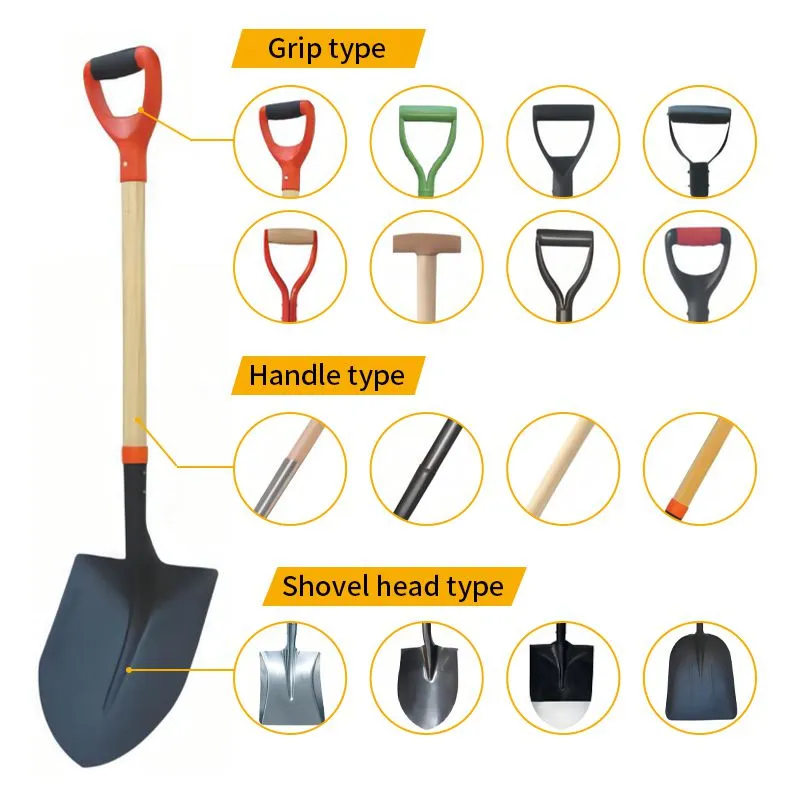
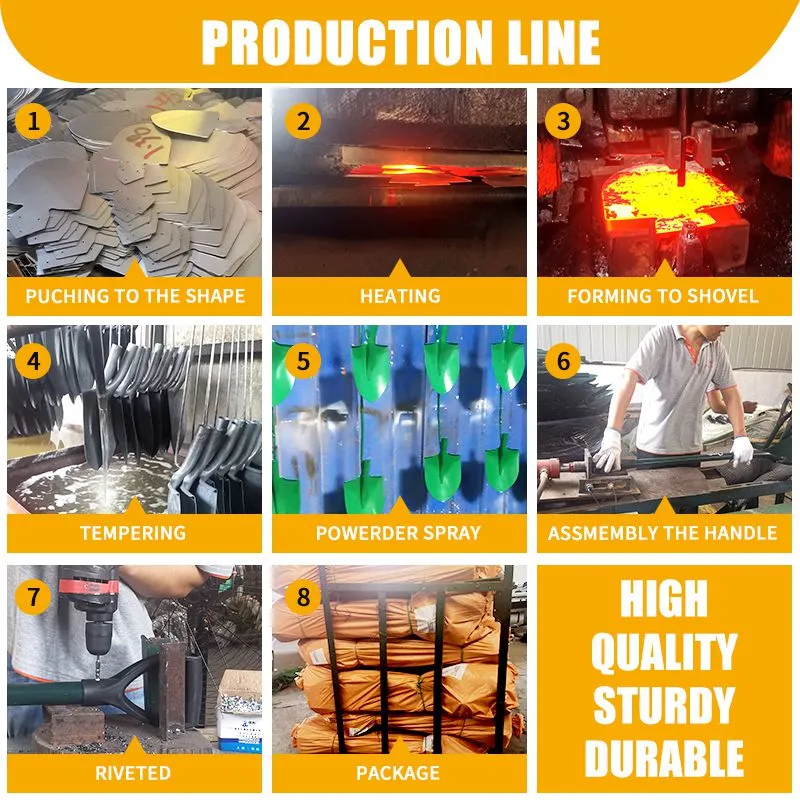
A Loading Table by Model
These are typical figures for planning, not guarantees. Every model has its own carton.
A 750 mm D-handle model, six pieces per carton, carton around 0.055 cbm: a 20ft takes roughly 2,800 to 3,200 pieces.
The same model in a 40HQ takes roughly 6,500 to 7,500 pieces, because usable volume is about two and a half times larger.
A 1,200 mm long-handle model, six pieces per carton, carton around 0.12 cbm: a 20ft takes roughly 1,300 to 1,500 pieces.
In a 40HQ that becomes roughly 3,000 to 3,500 pieces. The ratio is similar; the absolute numbers are much lower.
A 40HQ holds about two and a half times the volume of a 20ft container, not exactly double. Plan on measured volume, not on habit.
Heavy-duty heads can hit the payload limit before the volume limit. Check both numbers on every model.
Ask your supplier for the actual carton cbm, then divide usable volume by it. Do the arithmetic yourself once, and keep the sheet.
Landed Cost per Unit
Freight per piece is the number that changes your margin, not freight per container.
Take a 20ft container at a freight rate of US2,000forillustration.Load3,000pieces,andfreightisaboutUS2,000forillustration.Load3,000pieces,andfreightisaboutUS0.67 per piece.
Load 1,500 pieces of the long-handle model at the same rate, and freight becomes about US$1.33 per piece. Same container, double the cost per unit.
Then add duty, port handling, inland trucking and inspection. Those lines sit on top of the FOB price.
The formula is simple. FOB plus freight plus insurance plus duty plus local costs, divided by units sold.
Run it per model, not per order. A mixed container hides which model is actually profitable.
Then add the cost of damage and returns. That line is small until a thin carton collapses in a humid hold.
Weight is rarely the limit on wood handles. On heavy forged heads, it often is, and volume planning alone misleads.
Planning a Mixed Container
Mixing models is normal, and mixing badly is expensive.
Keep carton footprints similar where you can. Different widths waste floor space along the container walls.
Put the short cartons in the leftover end space. That gap is the cheapest place to add a small model.
Plan the load in layers, and check that the bottom layer can carry the stack. Handles bend under uneven weight.
Watch the payload, not only the volume. A container of heavy heads can be full by weight and half empty by space.
Ask for a loading plan drawing before shipment. It takes the supplier twenty minutes and saves arguments at destination.
Finally, photograph the loading. Container numbers, carton counts and the first row tell you a lot if a claim appears.
Put long cartons on the floor and short ones on top. Long cartons bend when the stack above them is uneven.
Send us your model mix and carton data, and we will return a loading plan with the freight per piece.
Recently Posted
-
How Shovel Prices Are Calculated: Steel, Handle, Coating and Labour
November 16, 2026How Shovel Prices Are Calculated: Steel, Handle, Coating and LabourA shovel quotation usually arrives as one number per piece. It Read More
-
Shovel Eye and Handle Tolerance: How to Avoid Loose or Cracked Fittings
November 16, 2026Shovel Eye and Handle Tolerance: How to Avoid Loose or Cracked FittingsA head that wobbles in month three is rarely a steel proble Read More
-
D-Grip, T-Handle or Long Handle: Choosing Shovel Handles by Market
November 16, 2026D-Grip, T-Handle or Long Handle: Choosing Shovel Handles by MarketThe head sells the first order. The handle decides whether the c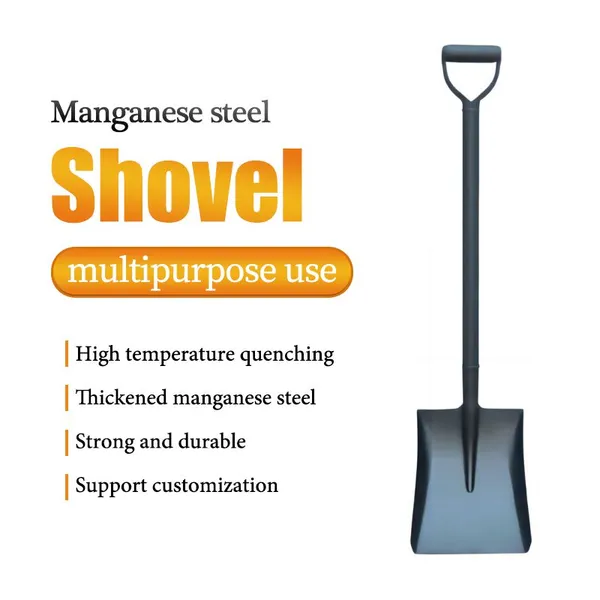 Read More
-
Wood vs Fiberglass vs Steel Shovel Handles: A Wholesale Comparison
November 13, 2026Wood vs Fiberglass vs Steel Shovel Handles: A Wholesale ComparisonThe head is what buyers ask about. The handle is what comes back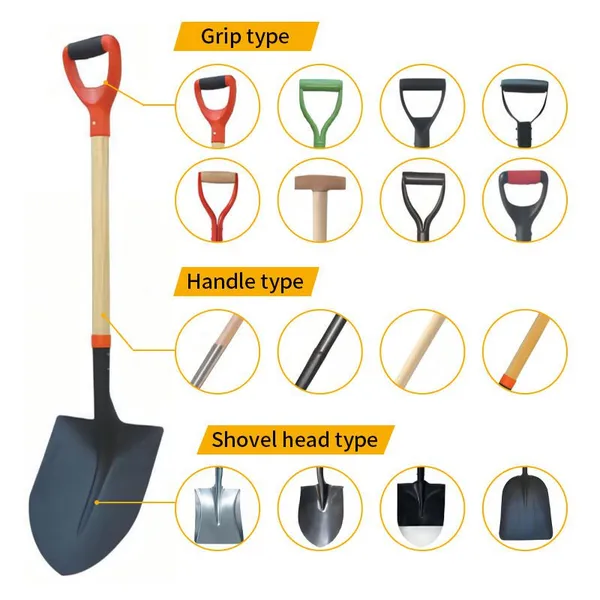 Read More

Contact Us
Recommended Products
-
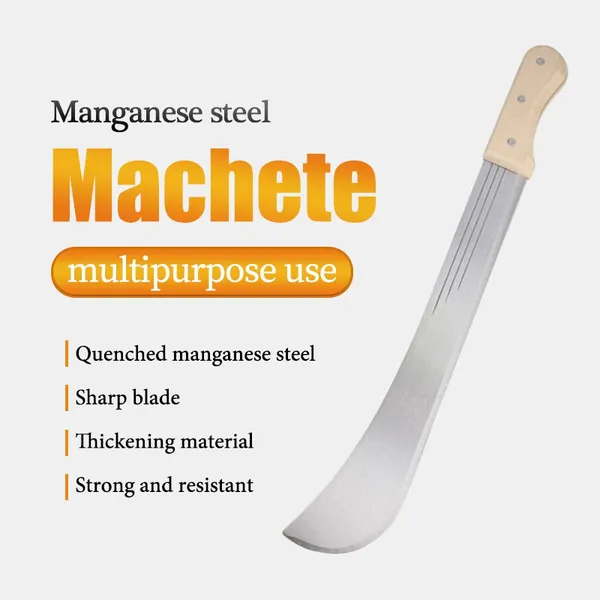
 Heavy Duty Cane Knife Machete for Wholesale Buyers Factory Direct Export for Rural Agricultural Projects Durable Hand ToolNegotiableMOQ: 1200 Pieces
-
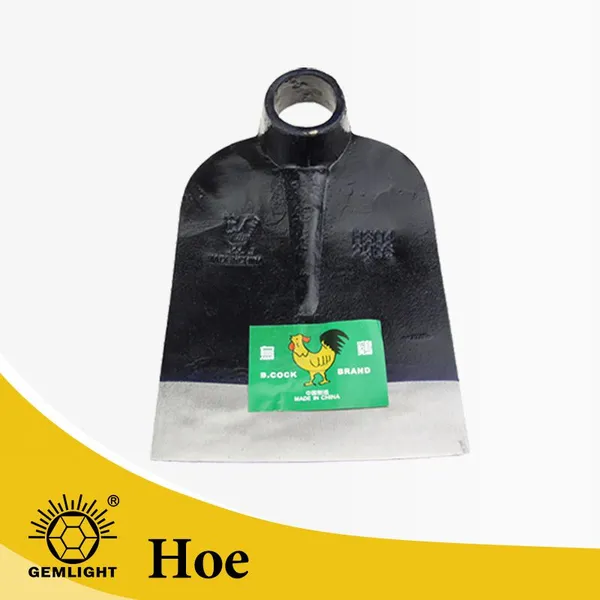
Agricultural Hoe Head Garden Rail Steel Tool for Tough Soil Cheap Price Hand ToolsUS$ 1.07 - 1.27MOQ: 1200 Pieces
-
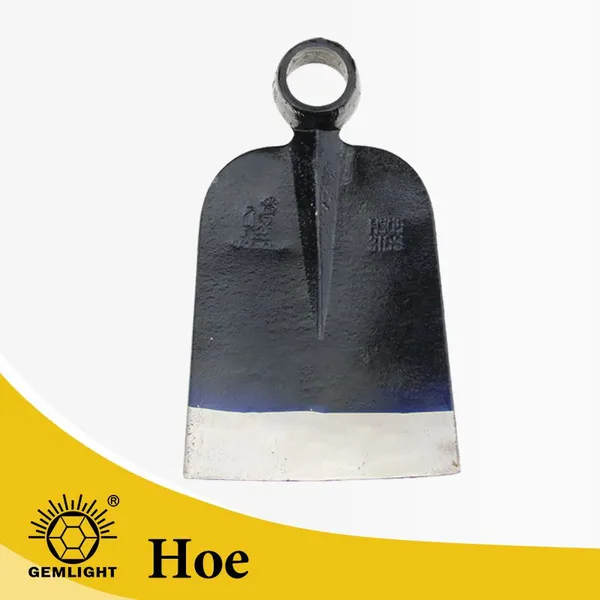
Sturdy Rail Steel Hoe for Weeding, H305 Perfect for Agricultural and Garden TasksUS$ 1.07 - 1.27MOQ: 1200 Pieces
-
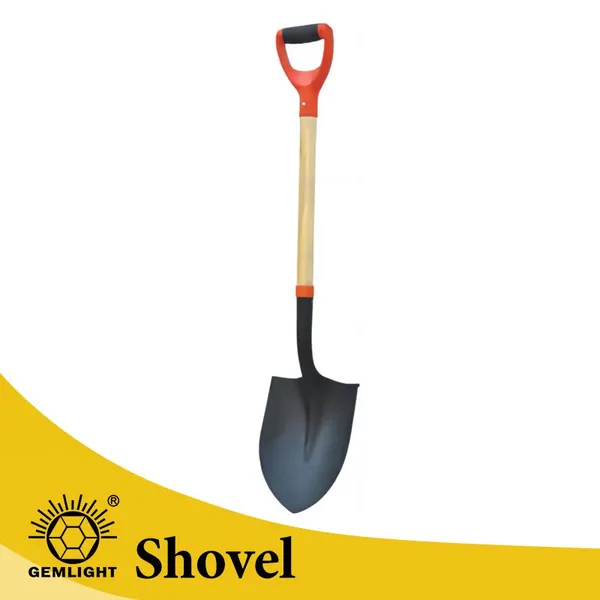
Heavy Duty Manganese Steel Garden Shovel Round Point Digging Shovel With Wooden Handle Farm Tool SupplierUS$ 2.14 - 2.36MOQ: 1200 Pieces
-
Big Shovel Wide Shovel Mud Shovel Heavy Duty Steel Blade for Farm Drainage Soil Moving Cleaning and Landscaping UseUS$ 2.14 - 2.36MOQ: 1200 Pieces
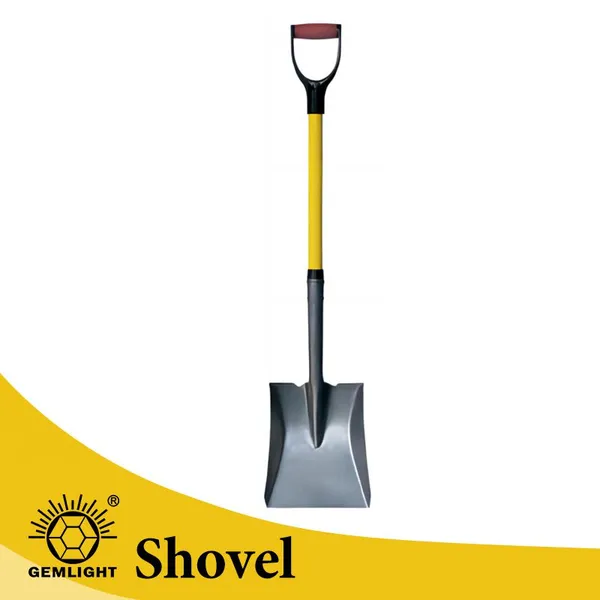
-
Strong Teeth Soil Rake for Farm Tool Suppliers Private Label Export for Farm Maintenance African Distribution Factory Bulk OrderUS$ 0.88 - 1.35MOQ: 2000 Pieces
-
Manual Cane Knife Machete for Wholesale Buyers Factory Direct Export for Rural Agricultural Projects Durable Hand ToolNegotiableMOQ: 1200 Pieces
-
Large High Carbon Steel Machete Knife Agricultural Machete for Farming Bush Cutting Garden Tool SupplierNegotiableMOQ: 1200 Pieces
-
Wholesale Heavy Duty Pick Mattock for Mining Road Work and Farm Digging for Wholesale Tool Dealers With Bulk Order ServiceUS$ 1.85 - 2.3MOQ: 1200 Pieces
-
Carbon Steel Manual Pickaxe for Hard Soil Breaking and Trenching for African Importers With OEM Bulk Order Support Agricultural ToolUS$ 1.85 - 2.3MOQ: 1200 Pieces

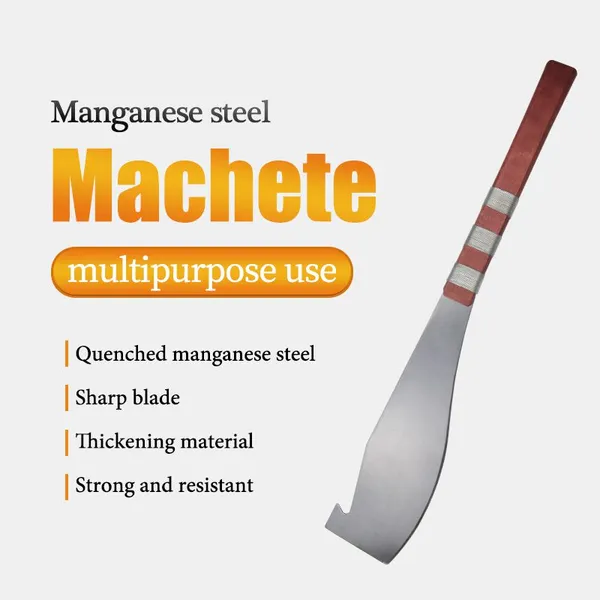
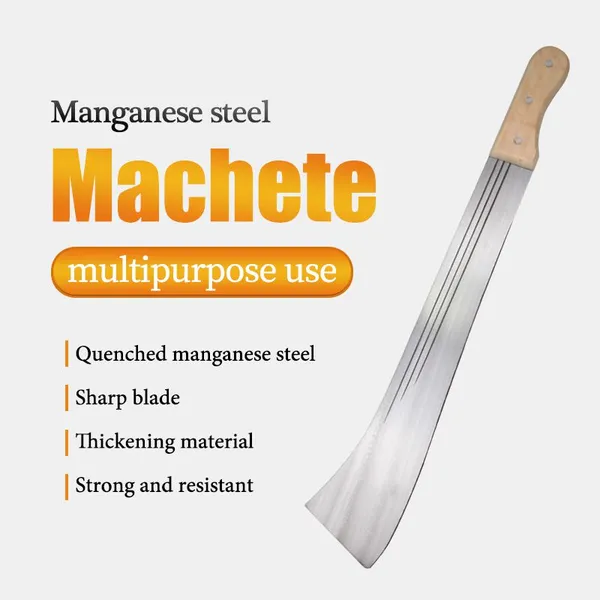
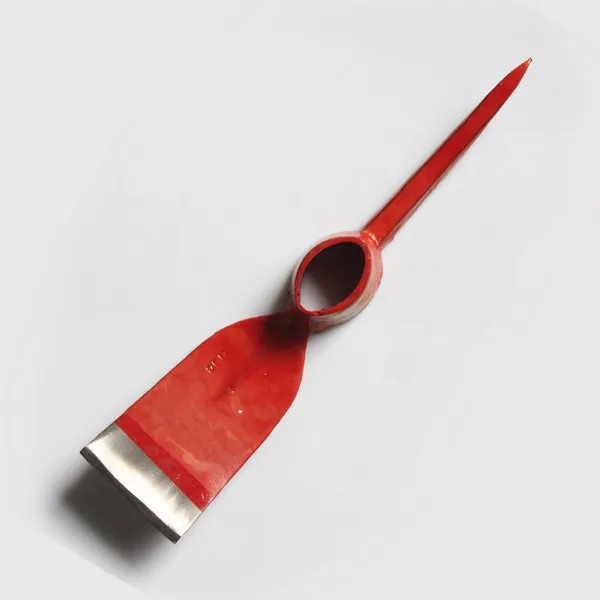
-
OEM Farm Sickle With Sharp Blade for African Importers OEM Bulk Order Support for Harvesting and Smallholder Farming for Wholesale BUS$ 0.28 - 0.33MOQ: 3000 Pieces
-
Heavy Duty Manganese Steel Round Point Shovel Garden Digging Shovel With Wooden Handle Agricultural Tool ManufacturerUS$ 2.14 - 2.36MOQ: 1200 Pieces
-
Farm Shovel Factory Supply for Regional Import Distributors Bulk Wholesale Supply for Garden Work and Trenching for Agricultural DealersUS$ 2.14 - 2.36MOQ: 1200 Pieces
-
Heavy Duty Garden Rake for African Importers OEM Factory Supply for Agricultural Use African Market Factory Bulk OrderUS$ 0.88 - 1.35MOQ: 2000 Pieces
-
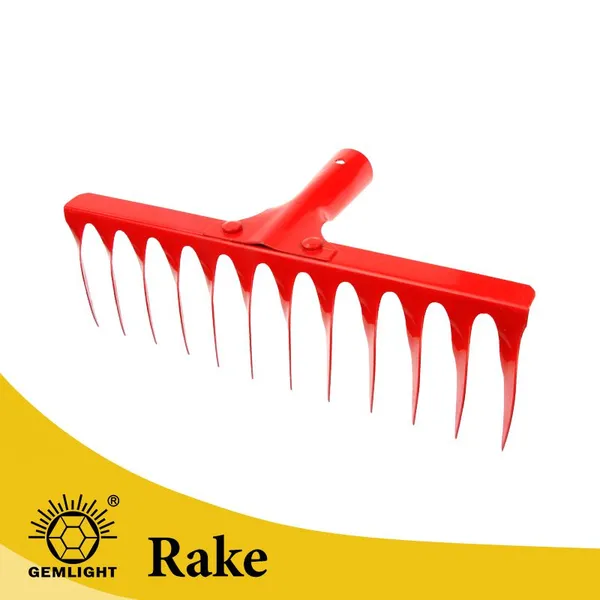
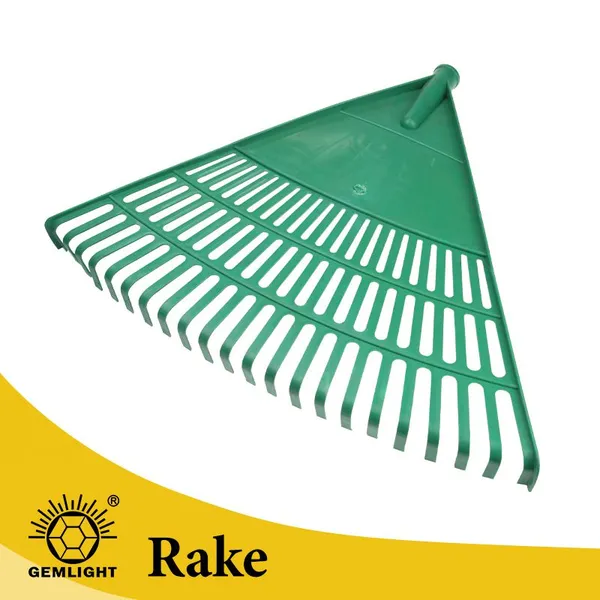
Agricultural Soil Rake for Agricultural Dealers Export Supply for Garden Cleaning African Dealer Channels Factory Bulk OrderUS$ 0.88 - 1.35MOQ: 2000 Pieces
-
Manual Farm Machete for African Importers OEM Factory Supply for Farming and Land Clearing Durable Hand ToolNegotiableMOQ: 1200 Pieces
-
Large Heavy Duty Carbon Steel Garden Landscaping Digging HoeUS$ 1.07 - 1.27MOQ: 1200 Pieces
-
Heavy Duty Rail Steel Mattock Pick Axe With Wooden Handle for Digging Soil Mining and Agricultural Tool SupplierUS$ 1.85 - 2.3MOQ: 1200 Pieces
-
Forged Farm Sickle With Sharp Blade for African Importers OEM Bulk Order Support for Harvesting and Smallholder Farming for WholesalUS$ 0.28 - 0.33MOQ: 3000 Pieces
-
Strong Carbon Steel Farming Sickle for Uganda Tanzania Zambia Agricultural Tool DistributorsUS$ 0.34 - 0.47MOQ: 3000 Pieces