


 Business License

Best-Selling Hoe Models for Smallholder Farmers in Africa
Best-Selling Hoe Models for Smallholder Farmers in Africa
Africa is the largest single market for agricultural hand hoes in the world.
Millions of smallholder farms depend on a hoe for land preparation, weeding, and harvest work.
That demand is stable, repeatable, and driven by price, strength, and repairability.
This article covers the models that sell, the weights that matter, and how to build your first mixed container.
The Hoe Types African Smallholders Use Daily
Most smallholder work is done with a few proven hoe types.
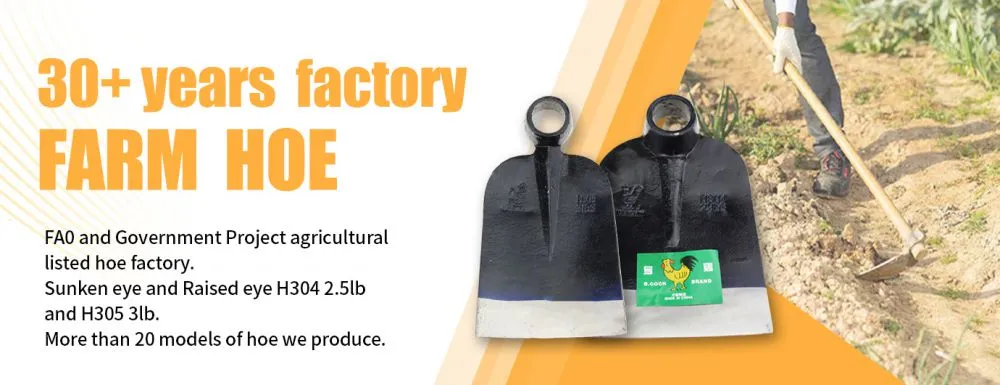
The eye hoe, known as the jembe in East Africa, is the everyday workhorse.
It has a forged carbon steel head with a round or oval eye, fitted to a wooden handle.
The ridging or hilling hoe is the second staple, with a wider blade for shaping soil.
It builds ridges for maize, cassava, potatoes, and vegetable rows.
The mattock and heavy digging hoe handle hard ground, stumps, and root clearing.
Light weeding hoes appear in market gardens and near homestead plots.
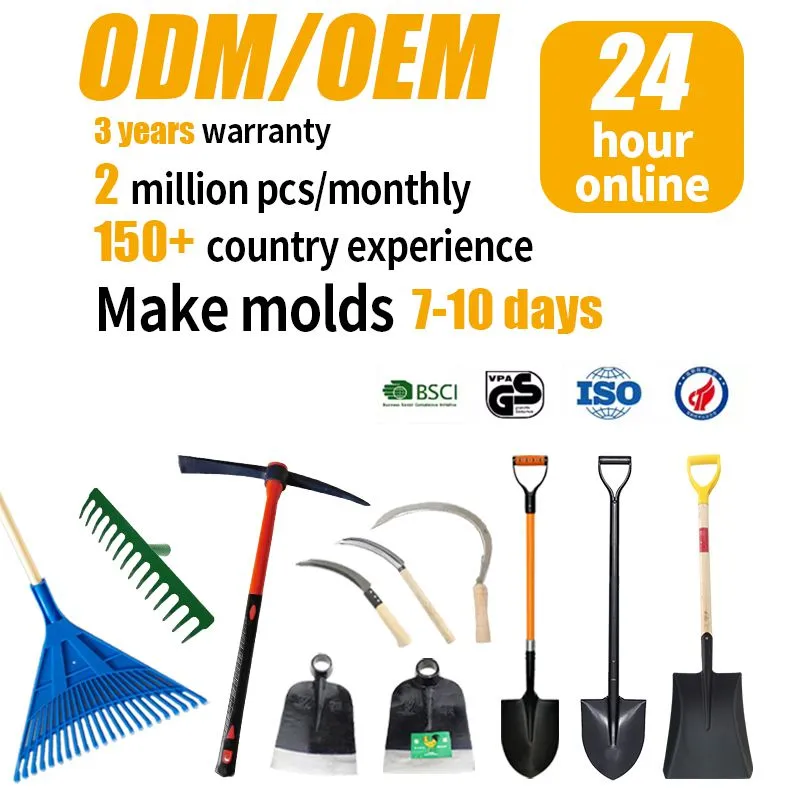
Together, these four types cover most of the demand in rural retail.
Start with them before you add unusual shapes to your range.
Names vary across the continent, so always confirm the shape with a drawing.
A jembe in East Africa and a hoe in West Africa can be different tools.
Photos help, but a dimensioned drawing prevents expensive mistakes.
Weights and Shapes for Land Preparation
Land preparation is heavy work, and the tool must match the soil.
Heads for general work usually fall between about 0.8 and 1.2 kg.
Heavy preparation hoes for hard, dry soil often run from about 1.2 to 1.6 kg.
Blade width for general eye hoes is commonly around 10 to 16 cm.
Ridging hoes are wider, often about 18 to 25 cm, to move more soil per stroke.
Handles are usually long, around 120 to 150 cm, for reach and leverage.
The eye is usually round or oval, so a local wooden handle can replace a broken one.
That replaceability matters more than finish quality in most rural markets.
A farmer who can fit a new handle keeps using the head for years.
Ask for forged heads rather than stamped ones for this market.
The extra cost is small, and the service life is much longer in hard soil.
Handles should be replaceable with local materials wherever possible.
That means a standard round or oval eye and a simple wedge, not a special fitting.
Metal wedges hold longer but complicate local repair, so ask your buyers first.
Hoes in Aid, NGO, and Government Kits
Aid and government programs buy hoes in large, repeating batches, and they buy to a specification.
Emergency and recovery tool kits commonly include a hoe, a machete, and a rake.
Some tenders reference a national standard instead of writing their own specification.
Kenya, for example, has its own standard for plain and fork hoes, known as the jembe.
FAO has also published guidance on agricultural hand tools in emergencies.
That guidance is useful context, but the tender document itself is the binding specification.
Read it line by line, and note the exact weight, steel type, handle material, and packing.
Kits usually require forged heads, defined head weight, and wooden handles.
They also expect documents such as a material test report, a certificate of origin, and a packing list.
Mark the cartons exactly as the tender states, including the program code if given.
Shortcuts here cause rejection at inspection, which is expensive and slow to fix.
Ask for the inspection standard before you quote, and read the sampling plan.
Some tenders require testing at a named laboratory in the buyer's country.
Budget for that cost, because it can change your price significantly.
Building a First Mixed Container
A mixed container lets you test demand without committing to one model.
Choose three models for the first order: a general eye hoe, a ridging hoe, and a mattock.
Set a quantity for each model based on your expected sell-through, often one third each.
Keep one carton specification per model, so warehouse handling stays simple.
Many factories set a minimum quantity per model, so confirm this before you finalize the mix.
Long handles eat container space, so consider shipping heads and handles separately.
Knocked-down packing can raise the pieces per container significantly.
Confirm that the eye and handle are interchangeable if you choose that route.
Also confirm the total cargo weight, because payload limits apply as well as volume.
Ask for the carton dimensions and gross weight before you approve the loading plan.
Keep one model per carton, so warehouse staff can pick without opening boxes.
Label every carton with the model code, weight, and quantity.
That small detail makes your distribution faster and your records cleaner.
Price Points and Packaging for Rural Retail
Rural retail is price-driven, and packaging should follow the sales channel.
Most rural buyers purchase from open markets and small hardware shops.
Those shops usually sell hoes as individual pieces or in small bundles of six or twelve.
Printed color boxes rarely help there, and they add cost without adding sales.
Strong export cartons with clear labeling are usually the right answer.
Protect the blade edge and the head coating during transport, and keep cartons dry.
Use English, French, or Portuguese labeling depending on the country.
Add the country of origin, the model code, and the quantity on the outer carton.
For humid sea transit, control the moisture of wooden handles before packing.
Add moisture protection, and ask your supplier how they prevent rust on forged heads.
Then keep one reference sample in your warehouse, so the next order can be compared.
Ask your supplier how they prevent rust on forged heads during transit.
Humidity in many African ports is high, and coating quality decides your claims.
Then review the claim rate after each shipment, and share it with the factory.
Recently Posted
-
Hoe Eye Shapes and Handle Diameters: How to Avoid Fitting Problems
October 15, 2026Hoe Eye Shapes and Handle Diameters: How to Avoid Fitting ProblemsA loose hoe head is one of the most common complaints in this pr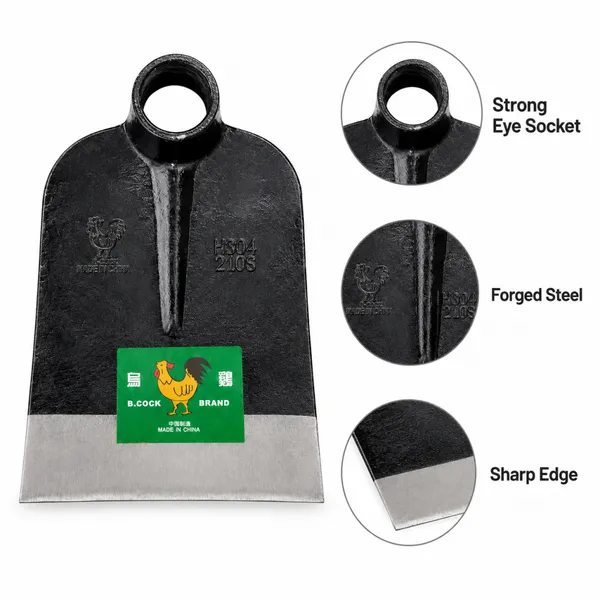 Read More
 -
Choosing Hoe Head Weight and Blade Size for Different Markets
October 15, 2026Choosing Hoe Head Weight and Blade Size for Different MarketsTwo hoes can look identical in a catalog photo and sell completely di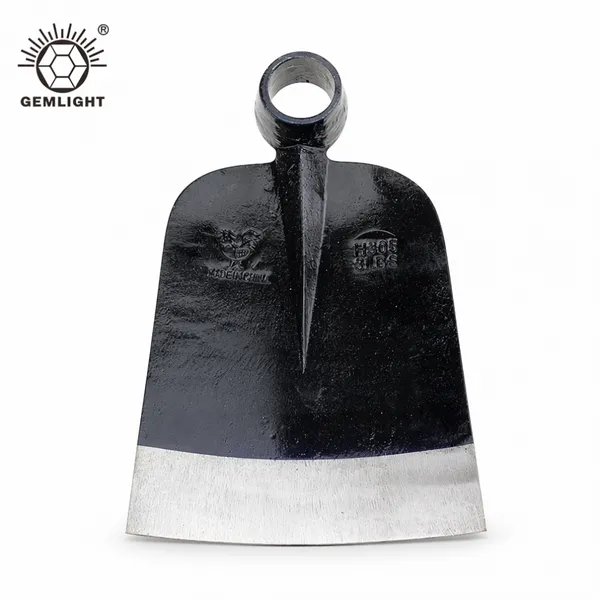 Read More
 -
Wood vs Fiberglass vs Steel Hoe Handles: A Wholesale Buyer's Comparison
October 15, 2026Wood vs Fiberglass vs Steel Hoe Handles: A Wholesale Buyer's ComparisonThe hoe head gets all the attention, but the handle dec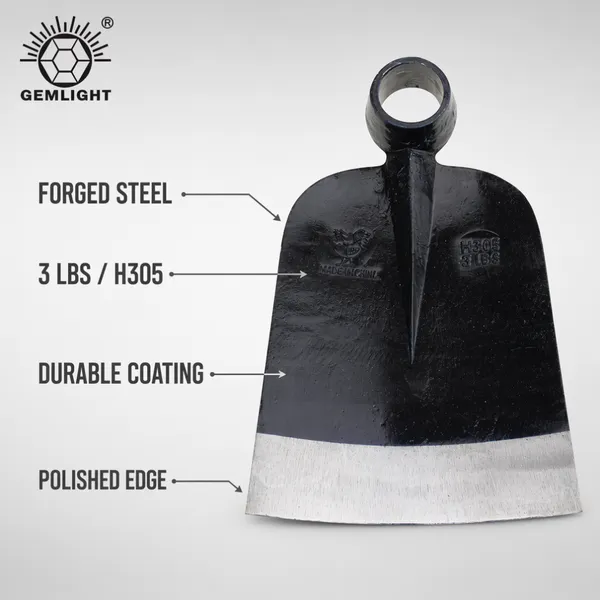 Read More
 -
Hoe Types Explained: Dutch, Grub, Mattock and Ridging Hoes Compared
October 15, 2026Hoe Types Explained: Dutch, Grub, Mattock and Ridging Hoes ComparedA hoe is not one tool. It is a family of shapes, each built for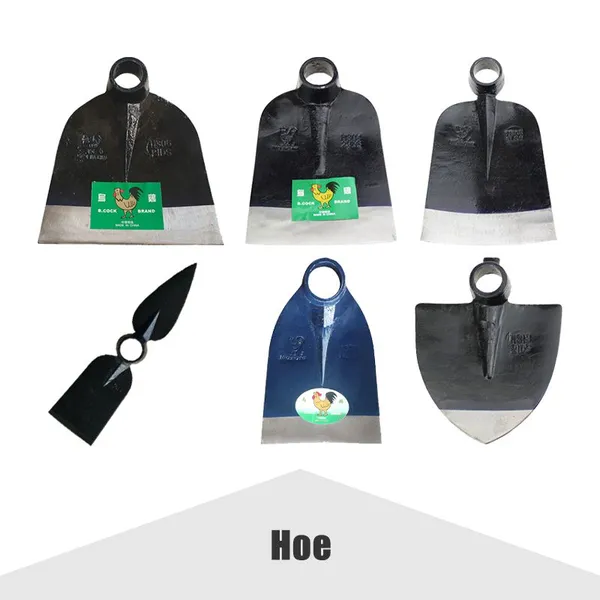 Read More

Contact Us
Recommended Products
-
 Heavy Duty Cane Knife Machete for Wholesale Buyers Factory Direct Export for Rural Agricultural Projects Durable Hand ToolNegotiableMOQ: 1200 Pieces
 -
Agricultural Hoe Head Garden Rail Steel Tool for Tough Soil Cheap Price Hand ToolsUS$ 1.07 - 1.27MOQ: 1200 Pieces
-
Sturdy Rail Steel Hoe for Weeding, H305 Perfect for Agricultural and Garden TasksUS$ 1.07 - 1.27MOQ: 1200 Pieces
-
Heavy Duty Manganese Steel Garden Shovel Round Point Digging Shovel With Wooden Handle Farm Tool SupplierUS$ 2.14 - 2.36MOQ: 1200 Pieces
-
Big Shovel Wide Shovel Mud Shovel Heavy Duty Steel Blade for Farm Drainage Soil Moving Cleaning and Landscaping UseUS$ 2.14 - 2.36MOQ: 1200 Pieces





-
Strong Teeth Soil Rake for Farm Tool Suppliers Private Label Export for Farm Maintenance African Distribution Factory Bulk OrderUS$ 0.88 - 1.35MOQ: 2000 Pieces
-
Manual Cane Knife Machete for Wholesale Buyers Factory Direct Export for Rural Agricultural Projects Durable Hand ToolNegotiableMOQ: 1200 Pieces
-
Large High Carbon Steel Machete Knife Agricultural Machete for Farming Bush Cutting Garden Tool SupplierNegotiableMOQ: 1200 Pieces
-
Wholesale Heavy Duty Pick Mattock for Mining Road Work and Farm Digging for Wholesale Tool Dealers With Bulk Order ServiceUS$ 1.85 - 2.3MOQ: 1200 Pieces
-
Carbon Steel Manual Pickaxe for Hard Soil Breaking and Trenching for African Importers With OEM Bulk Order Support Agricultural ToolUS$ 1.85 - 2.3MOQ: 1200 Pieces





-
OEM Farm Sickle With Sharp Blade for African Importers OEM Bulk Order Support for Harvesting and Smallholder Farming for Wholesale BUS$ 0.28 - 0.33MOQ: 3000 Pieces
-
Heavy Duty Manganese Steel Round Point Shovel Garden Digging Shovel With Wooden Handle Agricultural Tool ManufacturerUS$ 2.14 - 2.36MOQ: 1200 Pieces
-
Farm Shovel Factory Supply for Regional Import Distributors Bulk Wholesale Supply for Garden Work and Trenching for Agricultural DealersUS$ 2.14 - 2.36MOQ: 1200 Pieces
-
Heavy Duty Garden Rake for African Importers OEM Factory Supply for Agricultural Use African Market Factory Bulk OrderUS$ 0.88 - 1.35MOQ: 2000 Pieces
-
Agricultural Soil Rake for Agricultural Dealers Export Supply for Garden Cleaning African Dealer Channels Factory Bulk OrderUS$ 0.88 - 1.35MOQ: 2000 Pieces





-
Manual Farm Machete for African Importers OEM Factory Supply for Farming and Land Clearing Durable Hand ToolNegotiableMOQ: 1200 Pieces
-
Large Heavy Duty Carbon Steel Garden Landscaping Digging HoeUS$ 1.07 - 1.27MOQ: 1200 Pieces
-
Heavy Duty Rail Steel Mattock Pick Axe With Wooden Handle for Digging Soil Mining and Agricultural Tool SupplierUS$ 1.85 - 2.3MOQ: 1200 Pieces
-
Forged Farm Sickle With Sharp Blade for African Importers OEM Bulk Order Support for Harvesting and Smallholder Farming for WholesalUS$ 0.28 - 0.33MOQ: 3000 Pieces
-
Strong Carbon Steel Farming Sickle for Uganda Tanzania Zambia Agricultural Tool DistributorsUS$ 0.34 - 0.47MOQ: 3000 Pieces





