
 Business License

Sickle Blade Length and Curve: Choosing by Crop
Sickle Blade Length and Curve: Choosing by Crop
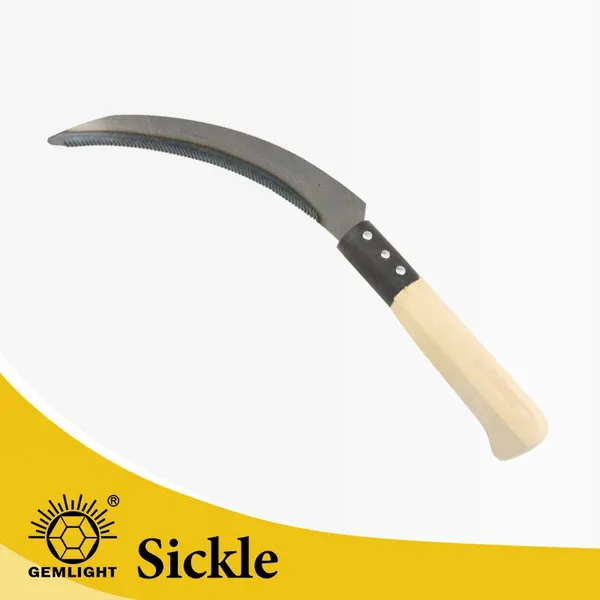
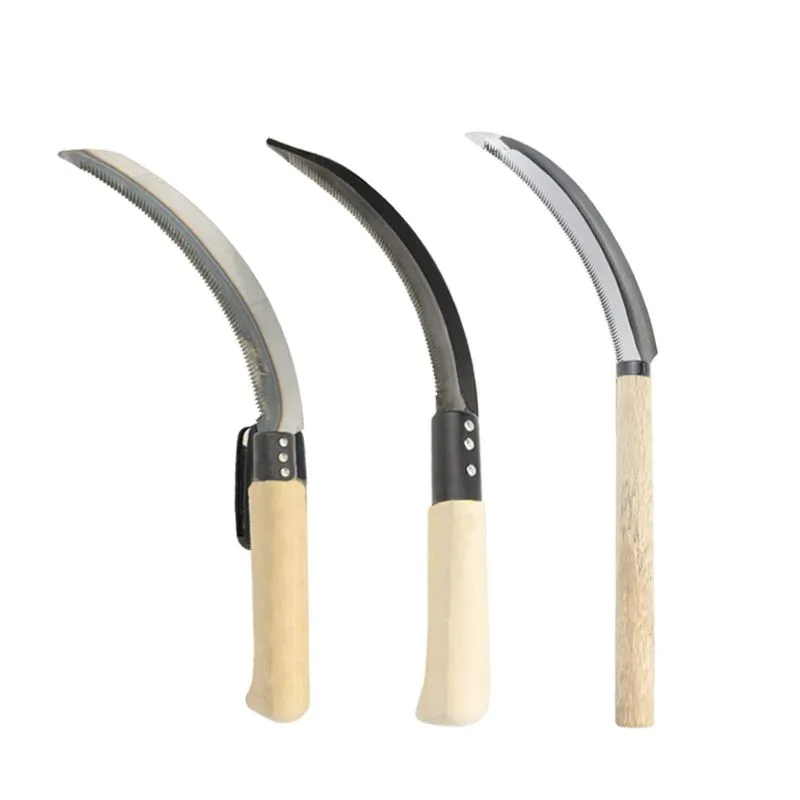
Two sickles can look similar in a photo and behave nothing alike. Blade length sets the stroke. Curve sets the cutting angle.
Together they decide whether the tool suits rice, wheat, fodder or weeds. Buyers who specify only a model number often receive something that does not fit the market.
This article explains how length and curve work, and how to write both into an order.
Which blade lengths suit rice, wheat and fodder crops?
Blade length is a trade-off between reach and control.
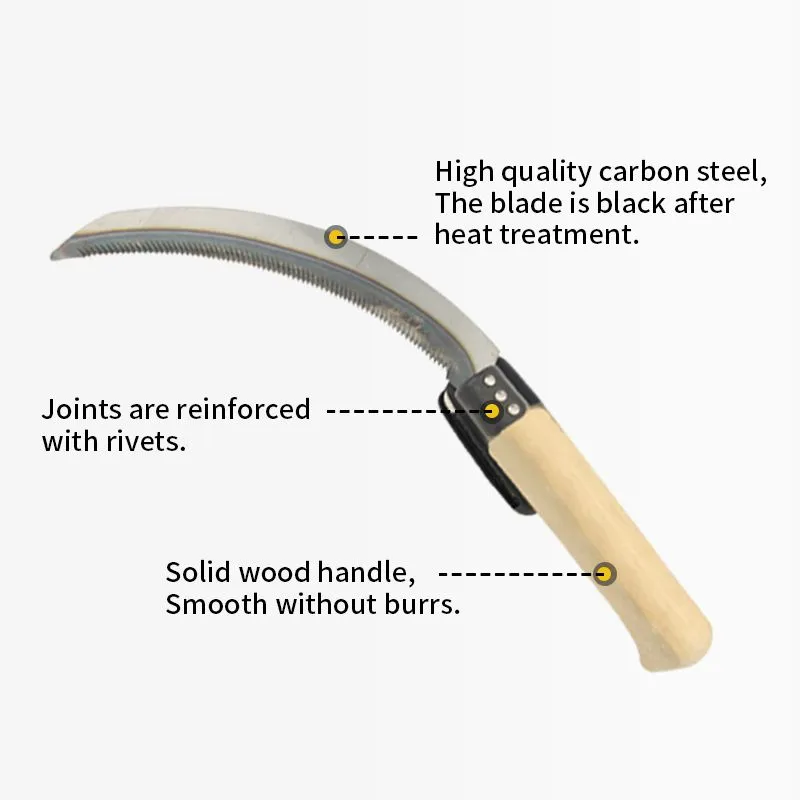
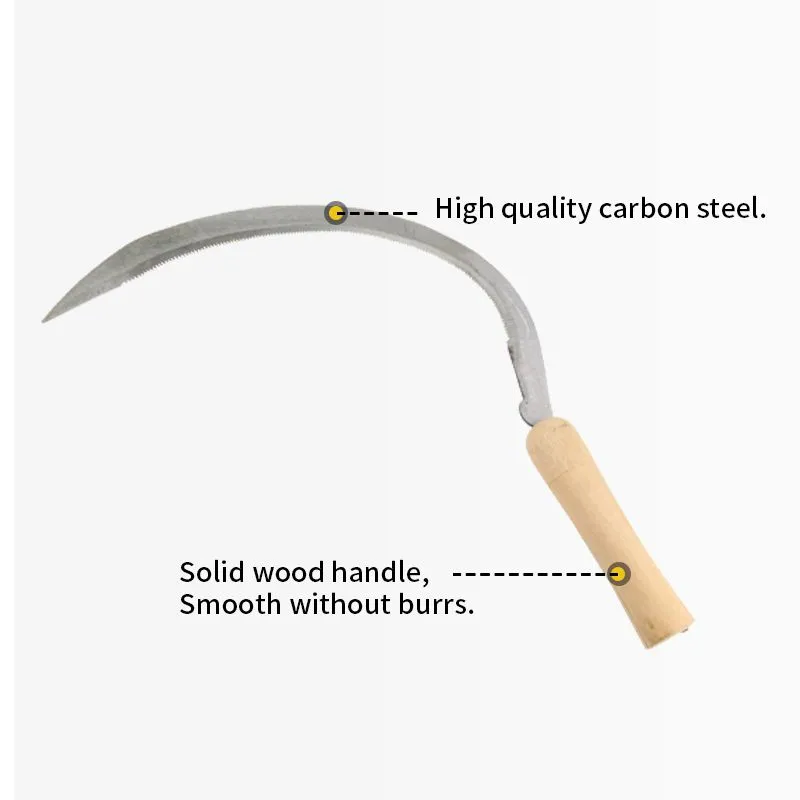
For rice, most Asian models run 250 to 320 mm. The short blade gives control close to the ground and keeps the hand high.
That matters in wet paddy fields where the user stands in mud.
Long rice varieties and deep water planting may need 350 mm. Check the local practice before you order. A short blade in tall rice means more strokes per bundle.
Wheat and barley favour 350 to 450 mm. The longer stroke gathers more stems and cuts them in one pull.
A thin blade with a smooth edge works best here, because straw cuts cleanly.
Fodder grass suits 350 to 450 mm as well, but with more thickness. Grass has less structure than straw, so a slightly heavier blade carries momentum through the cut.
Weed and brush work often uses 300 to 400 mm with a thick spine. Length helps in open ground, but a shorter blade is stronger against woody stems.
Handle length pairs with blade length. A 450 mm blade on a 200 mm handle feels unbalanced. Most factories match them in a fixed ratio.
How is curve radius specified in an RFQ?
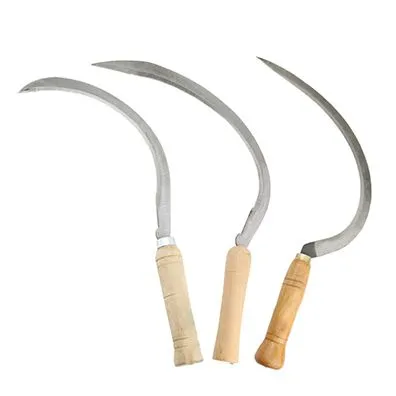
Curve radius describes how tight the arc is. A tight radius curves sharply back toward the user. A wide radius is almost straight.
In practice, most factories specify the curve with a drawing and two measurements. The first is the straight-line distance from the tip to the heel.
The second is the maximum offset from that line to the blade spine.
Those two numbers define the shape without trigonometry. Ask for a side-view drawing with both dimensions marked. That drawing should be attached to the purchase order.
If you have a sample from another supplier, send it as a reference. A physical sample is clearer than any measurement.
Factories can copy a curve within a small tolerance, usually plus or minus 2 to 3 mm on the offset.
State the tolerance in the order. Without it, a blade that looks slightly flatter will still pass.
Also specify which side the bevel sits on. A single bevel on the inner curve cuts differently from a double bevel. Most sickles use a single bevel, but confirm it.
How do blade size, tang type and packing affect the order?
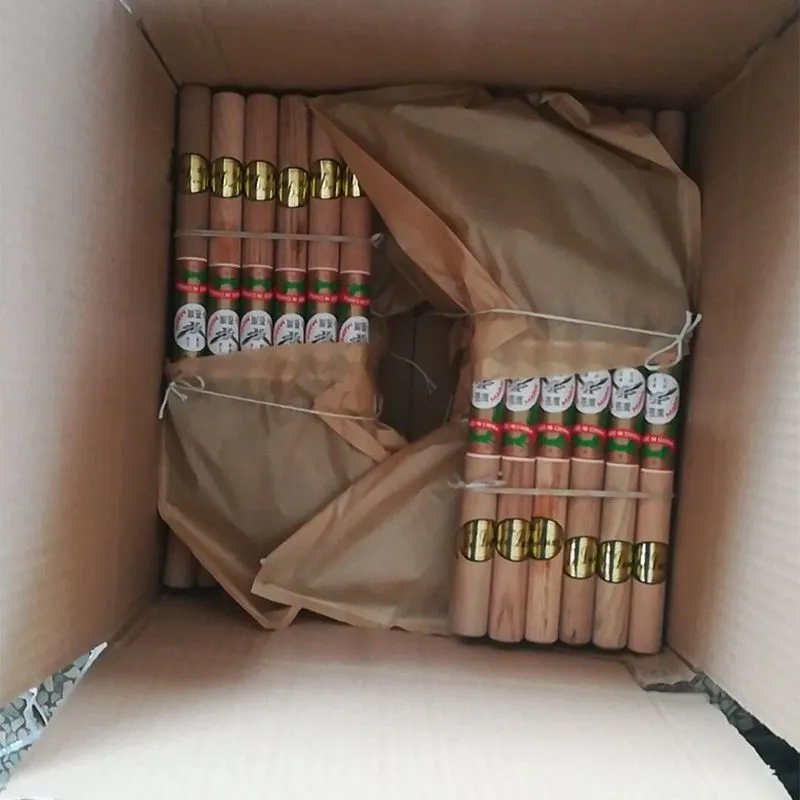
Carton count drives freight cost, and blade length drives carton count.
A 300 mm blade typically packs 60 to 100 pieces per carton in bundles. A 450 mm blade might pack 30 to 50 in the same carton volume.
The exact number depends on how the blades nest and whether handles are attached.
Handles add volume. A 400 mm handle on a 400 mm blade makes an L shape that wastes space. Detachable handles can raise units per carton by a noticeable margin.
Ask for the carton dimensions, gross weight and unit count together. A supplier who quotes only pieces per carton is hiding the freight math.
Then calculate the container load yourself. Divide the container usable volume by the carton volume. Leave 10 to 15 percent for loading gaps and pallets.
Blade thickness also matters. A 2.5 mm blade nests more tightly than a 4 mm blade. For long blades, the difference across a container is significant.
If the freight per unit looks high, ask whether a shorter blade or a knocked-down handle version exists. Adjusting the specification is often cheaper than changing the shipping method.
Handle design affects the same packing maths. It also decides how long the tool survives in the field.
The tang is the part of the blade that enters the handle. It carries all the force of the cut, so its design decides handle life.
A rat-tail tang is a narrow spike driven into the handle. It is cheap and common on light sickles.
It concentrates stress at one point and can split wood over time.
A full or half tang runs along the handle side and is riveted. It spreads load and lasts longer. The cost is higher, but complaints drop.
A socket tang wraps around the handle end. It suits heavy weed sickles and resists loosening well.
Specify the tang type, the insertion depth and the fixing method. For riveted tangs, give the rivet count and diameter.
Then check the fit on a sample. Hold the handle and twist hard. Any movement will grow in use.
A slight gap at the socket shoulder is normal. A rocking blade is not.
For replacement handle sales, keep one tang standard across models. It simplifies spare parts and reduces your SKU count.

How to build a market-specific range?
Start from the crop, not the factory catalogue. List the top three crops your buyers handle and the local cutting method.
Then pick one blade length per crop, with one alternative. Three lengths cover most smallholder markets.
Keep the curve consistent within a crop group. Users develop a rhythm with a familiar shape, and a different curve feels wrong even when it cuts well.
Vary the finish and the handle, not the geometry. That gives you price points without confusing the range.
Ask two local distributors to handle samples before you commit. Their feedback on balance and curve is worth more than any specification sheet.
Finally, record what sold. A simple table of model, crop and units sold per season will guide the next order better than intuition.
RFQ checklist for blade geometry
Send these details when you request a quotation.
Blade length in millimeters with tolerance
Blade width at heel and at tip
Blade thickness in millimeters
Tip-to-heel distance
Maximum spine offset from the chord
Curve drawing or reference sample
Bevel side and bevel angle
Tang type and insertion depth
Handle length and material
Packing: units per carton and carton dimensions
Quantity per model and destination port
Geometry written as numbers prevents the slow drift that ruins repeat orders. Attach the drawing, keep the sample, and compare every batch against it.
Recently Posted
-
Is a Hand Sickle Still Worth Stocking in 2026?
October 19, 2026Is a Hand Sickle Still Worth Stocking in 2026?Brush cutters are cheaper than they were five years ago. Battery models are common. Read More
-
Wood vs Plastic vs Steel Sickle Handles: Buyer's Guide
October 19, 2026Wood vs Plastic vs Steel Sickle Handles: Buyer's GuideBuyers spend hours on blade specifications and five minutes on the handl Read More
-
Carbon vs Stainless Steel Sickle Blades: Buyer's Guide
October 19, 2026Carbon vs Stainless Steel Sickle Blades: Buyer's GuideSteel choice is the first technical decision in any sickle order. It set Read More
-
Serrated vs Smooth Sickle Blades: Which to Stock?
October 19, 2026Serrated vs Smooth Sickle Blades: Which to Stock?The edge is the part of a sickle that decides whether the tool works. Two sickles can share a blade length, a steel grade and a handle.One cuts clean, the other tears. The difference is the edge pattern. Importers who ignore this end up with returns and slow stock.This article compares serrated and smooth edges on the points that matter to a buyer.What does each edge cut best?ARead More

Contact Us
Recommended Products
-
 Heavy Duty Cane Knife Machete for Wholesale Buyers Factory Direct Export for Rural Agricultural Projects Durable Hand ToolNegotiableMOQ: 1200 Pieces
-
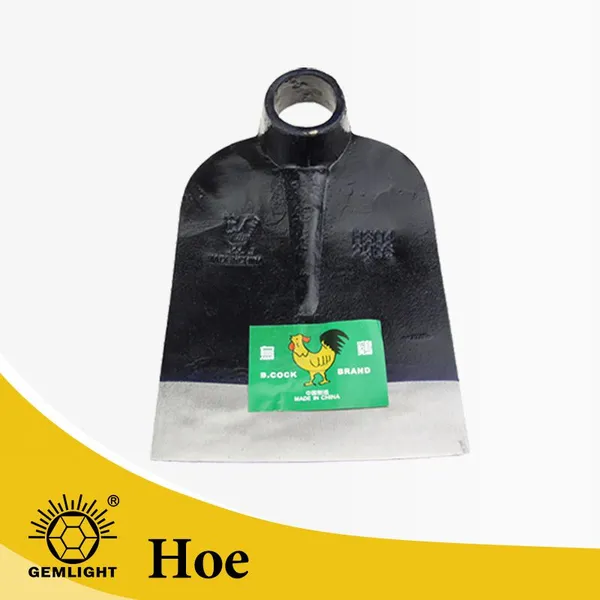
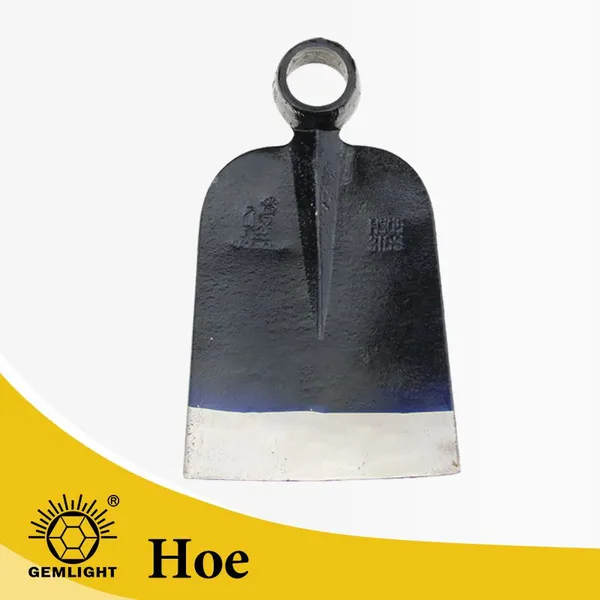
Agricultural Hoe Head Garden Rail Steel Tool for Tough Soil Cheap Price Hand ToolsUS$ 1.07 - 1.27MOQ: 1200 Pieces
-
Sturdy Rail Steel Hoe for Weeding, H305 Perfect for Agricultural and Garden TasksUS$ 1.07 - 1.27MOQ: 1200 Pieces
-
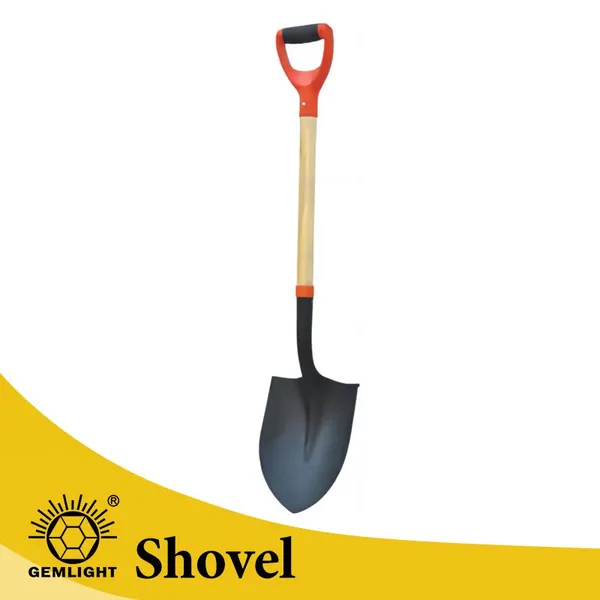
Heavy Duty Manganese Steel Garden Shovel Round Point Digging Shovel With Wooden Handle Farm Tool SupplierUS$ 2.14 - 2.36MOQ: 1200 Pieces
-
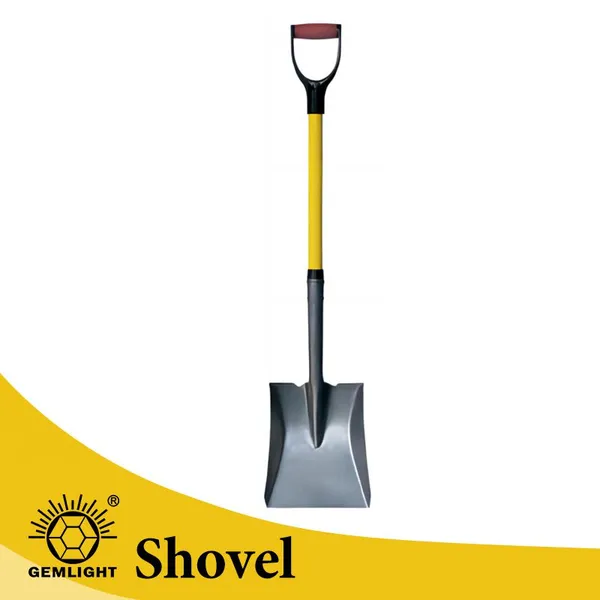
Big Shovel Wide Shovel Mud Shovel Heavy Duty Steel Blade for Farm Drainage Soil Moving Cleaning and Landscaping UseUS$ 2.14 - 2.36MOQ: 1200 Pieces
-
Strong Teeth Soil Rake for Farm Tool Suppliers Private Label Export for Farm Maintenance African Distribution Factory Bulk OrderUS$ 0.88 - 1.35MOQ: 2000 Pieces
-
Manual Cane Knife Machete for Wholesale Buyers Factory Direct Export for Rural Agricultural Projects Durable Hand ToolNegotiableMOQ: 1200 Pieces
-
Large High Carbon Steel Machete Knife Agricultural Machete for Farming Bush Cutting Garden Tool SupplierNegotiableMOQ: 1200 Pieces
-
Wholesale Heavy Duty Pick Mattock for Mining Road Work and Farm Digging for Wholesale Tool Dealers With Bulk Order ServiceUS$ 1.85 - 2.3MOQ: 1200 Pieces
-
Carbon Steel Manual Pickaxe for Hard Soil Breaking and Trenching for African Importers With OEM Bulk Order Support Agricultural ToolUS$ 1.85 - 2.3MOQ: 1200 Pieces

-
OEM Farm Sickle With Sharp Blade for African Importers OEM Bulk Order Support for Harvesting and Smallholder Farming for Wholesale BUS$ 0.28 - 0.33MOQ: 3000 Pieces
-
Heavy Duty Manganese Steel Round Point Shovel Garden Digging Shovel With Wooden Handle Agricultural Tool ManufacturerUS$ 2.14 - 2.36MOQ: 1200 Pieces
-
Farm Shovel Factory Supply for Regional Import Distributors Bulk Wholesale Supply for Garden Work and Trenching for Agricultural DealersUS$ 2.14 - 2.36MOQ: 1200 Pieces
-
Heavy Duty Garden Rake for African Importers OEM Factory Supply for Agricultural Use African Market Factory Bulk OrderUS$ 0.88 - 1.35MOQ: 2000 Pieces
-
Agricultural Soil Rake for Agricultural Dealers Export Supply for Garden Cleaning African Dealer Channels Factory Bulk OrderUS$ 0.88 - 1.35MOQ: 2000 Pieces
-
Manual Farm Machete for African Importers OEM Factory Supply for Farming and Land Clearing Durable Hand ToolNegotiableMOQ: 1200 Pieces
-
Large Heavy Duty Carbon Steel Garden Landscaping Digging HoeUS$ 1.07 - 1.27MOQ: 1200 Pieces
-
Heavy Duty Rail Steel Mattock Pick Axe With Wooden Handle for Digging Soil Mining and Agricultural Tool SupplierUS$ 1.85 - 2.3MOQ: 1200 Pieces
-
Forged Farm Sickle With Sharp Blade for African Importers OEM Bulk Order Support for Harvesting and Smallholder Farming for WholesalUS$ 0.28 - 0.33MOQ: 3000 Pieces
-
Strong Carbon Steel Farming Sickle for Uganda Tanzania Zambia Agricultural Tool DistributorsUS$ 0.34 - 0.47MOQ: 3000 Pieces