
 Business License

Is a Hand Sickle Still Worth Stocking in 2026?
Is a Hand Sickle Still Worth Stocking in 2026?
Brush cutters are cheaper than they were five years ago. Battery models are common. Every importer eventually asks whether a hand sickle still deserves shelf space.
The honest answer is yes, but not for the same reasons as before. Demand has shifted rather than disappeared.
This article explains where sickles still win and how to stock them next to power tools.
Where do hand tools still win on cost and access?
The first advantage is purchase price. A sickle costs a small fraction of a brush cutter. For a farmer with a quarter hectare, the payback maths is simple.
The second is running cost. No fuel, no battery, no two-stroke oil, no spare line. A sickle needs a stone and occasionally a new handle.
The third is access. Power tools need a dealer, spare parts and a repair shop. In remote areas, none of those exist.
A broken sickle can be fixed with a file and a hammer.
The fourth is terrain. Terraces, steep slopes, orchard rows and wet fields are hard on machines.
A person with a sickle can work where a wheel or a blade guard cannot reach.
The fifth is timing. Harvest windows are short. A sickle is always ready, with no charging delay and no fuel trip.
None of these arguments claim the sickle is faster. It is cheaper, simpler and more available. For a large share of the world's farms, those three things decide the purchase.
Which buyers still buy sickles, and what changed since 2021?
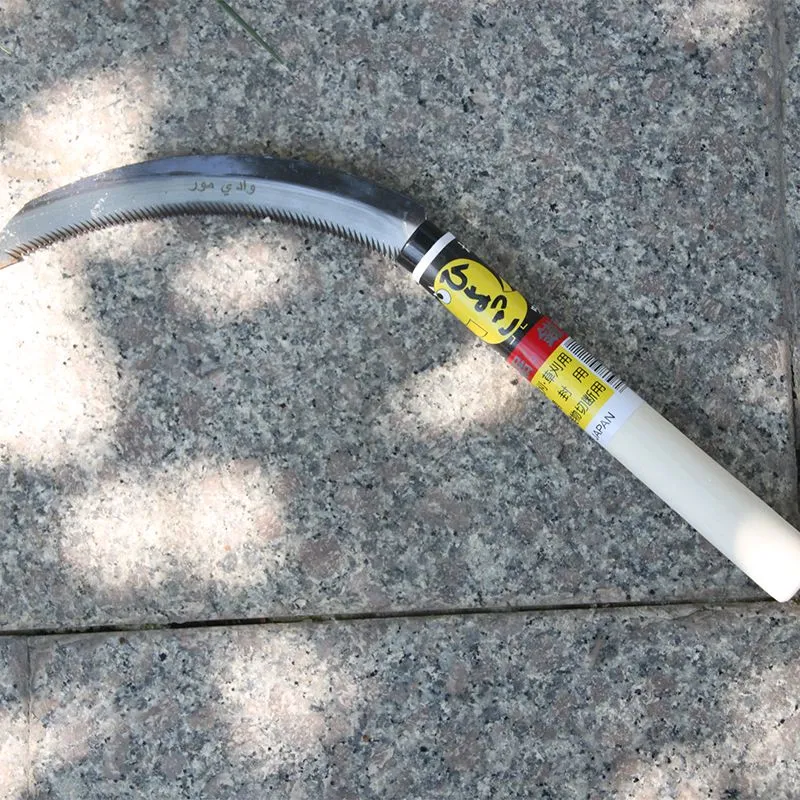
Smallholders remain the core. Farms under two hectares rarely justify a powered cutter. They buy one or two sickles per household and replace them every few seasons.
Women's groups and cooperative buyers are a steady segment. Sickles are light, safe to store and easy to distribute in group purchases.
Aid and government programmes buy in volume. Tool kits for resettlement, disaster response and food security commonly include a sickle. These orders are specification-driven and often annual.
Landscapers and gardeners buy for detail work. Edging, trimming around obstacles and clearing between plants are jobs where a machine is clumsy.
Traditional and heritage users in Europe and North America buy small volumes at higher prices. They want forged blades and wooden handles.
Hardware shops and agro-dealers buy mixed cartons. They want a low price point that sits beside hoes, machetes and rakes.
Each segment has a different price ceiling and a different specification. Knowing which one you serve shapes your order.
How do you build a mixed hand and power tool range?
Treat the two categories as complements, not competitors.
Position the sickle as the low-cost entry and the backup tool. Position the brush cutter as the high-productivity option.
A farmer who owns both is a better customer than one who owns either.
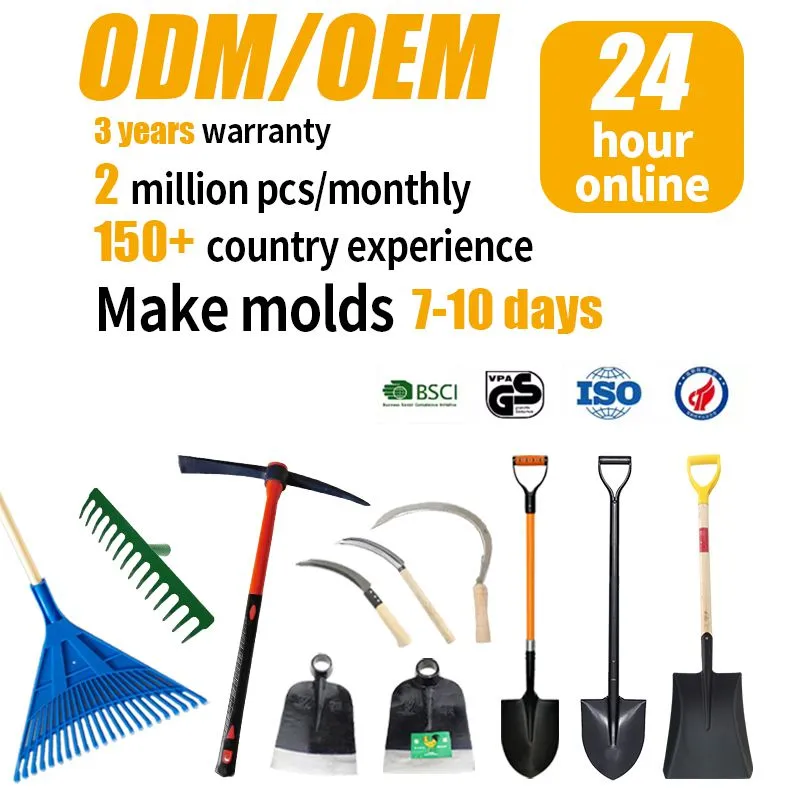
Merchandise them together in the catalogue. Show a page with a brush cutter, a sickle and a sharpening stone. Explain the job each one does best.
Carry the consumables that support both. Stones, files, handles and blades for the hand tools. Line, plugs and filters for the machines.
Price the sickle low enough to be an add-on at checkout. A buyer who comes for a brush cutter may take a sickle as a spare.
Train your dealers on the pitch. "Use the machine for the field, the sickle for the edges" is a simple line that sells both.
Watch your inventory turns. Power tools tie up more capital per unit. Sickles turn faster and free cash, which helps the whole range.
The market also moved in the past five years. Battery tools improved a lot. Lightweight models now handle small plots.
That took some demand from the scythe and the heavy weed sickle.
Fuel prices rose in many markets, which pushed smallholders back toward manual tools for routine work.
Steel supply and freight costs became more volatile. That made the low unit value of a sickle more attractive to importers managing cash flow.
Online marketplaces made niche tools easier to sell. A buyer in a city can now order a forged sickle that was previously unavailable locally.
Tender specifications also shifted. Some programmes now require tools that can be maintained locally with simple equipment, which favours hand tools.
The net effect is a smaller but more stable market. Volume growth is unlikely. Steady repeat demand is realistic.
How to test demand with a small order?
Do not open with a container. Test with a mixed pallet or a small trial order.
Pick three models: a general grass sickle, a rice sickle for your region, and a heavy weed sickle. Order a few hundred pieces total.
Place them with two or three dealers who already sell hand tools. Ask them to report sales weekly for one season.
Track two numbers. Units sold per week, and complaints per hundred units. Both matter for the next order.
Ask buyers what they used before. If most say an old sickle, you are replacing like for like. If some say a brush cutter, you are winning share back.
Then scale what worked. Double the best seller, drop the weakest model, and add one new blade length to test.
RFQ checklist for a trial sickle order
Send these points so the trial order stays simple and comparable.
Model and blade length
Steel grade and hardness range
Edge type: smooth or serrated
Handle material and length
Surface finish and rust protection
Packing and units per carton
Mixed carton options
Trial quantity per model
Sample lead time and bulk lead time
Destination port and Incoterm
A trial order is a test of the supplier as much as the market. Judge the packing, the documents and the answers as carefully as the blade.
Recently Posted
-
Sickle Blade Length and Curve: Choosing by Crop
October 19, 2026Sickle Blade Length and Curve: Choosing by CropTwo sickles can look similar in a photo and behave nothing alike. Blade length sets Read More
-
Wood vs Plastic vs Steel Sickle Handles: Buyer's Guide
October 19, 2026Wood vs Plastic vs Steel Sickle Handles: Buyer's GuideBuyers spend hours on blade specifications and five minutes on the handl Read More
-
Carbon vs Stainless Steel Sickle Blades: Buyer's Guide
October 19, 2026Carbon vs Stainless Steel Sickle Blades: Buyer's GuideSteel choice is the first technical decision in any sickle order. It set Read More
-
Serrated vs Smooth Sickle Blades: Which to Stock?
October 19, 2026Serrated vs Smooth Sickle Blades: Which to Stock?The edge is the part of a sickle that decides whether the tool works. Two sickles can share a blade length, a steel grade and a handle.One cuts clean, the other tears. The difference is the edge pattern. Importers who ignore this end up with returns and slow stock.This article compares serrated and smooth edges on the points that matter to a buyer.What does each edge cut best?ARead More

Contact Us
Recommended Products
-
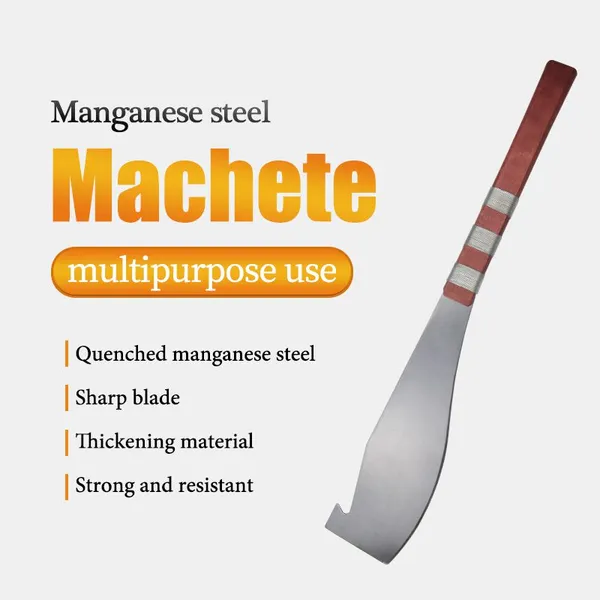
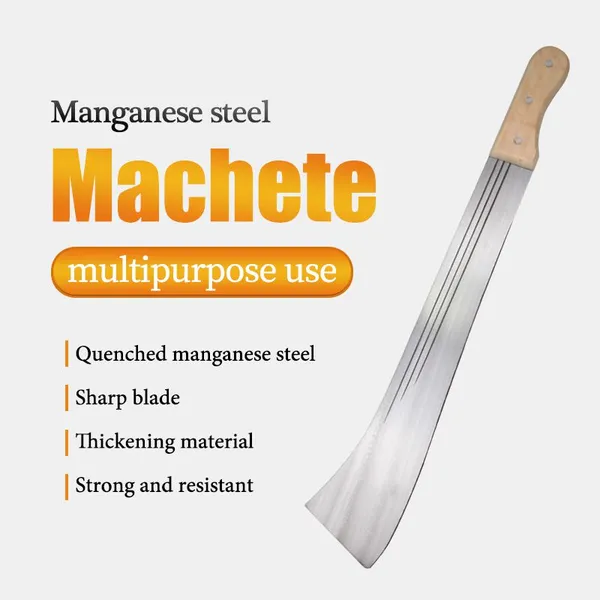
 Heavy Duty Cane Knife Machete for Wholesale Buyers Factory Direct Export for Rural Agricultural Projects Durable Hand ToolNegotiableMOQ: 1200 Pieces
-
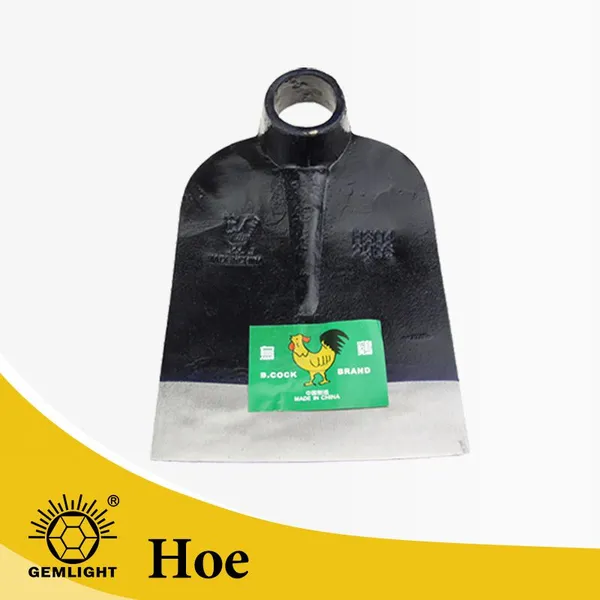
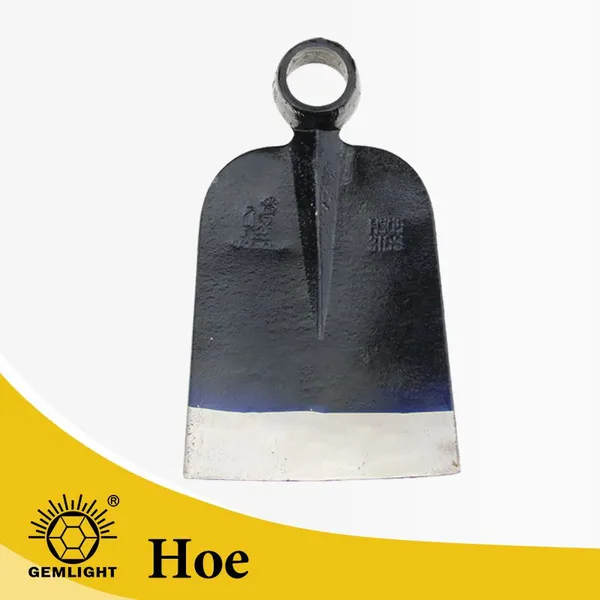
Agricultural Hoe Head Garden Rail Steel Tool for Tough Soil Cheap Price Hand ToolsUS$ 1.07 - 1.27MOQ: 1200 Pieces
-
Sturdy Rail Steel Hoe for Weeding, H305 Perfect for Agricultural and Garden TasksUS$ 1.07 - 1.27MOQ: 1200 Pieces
-
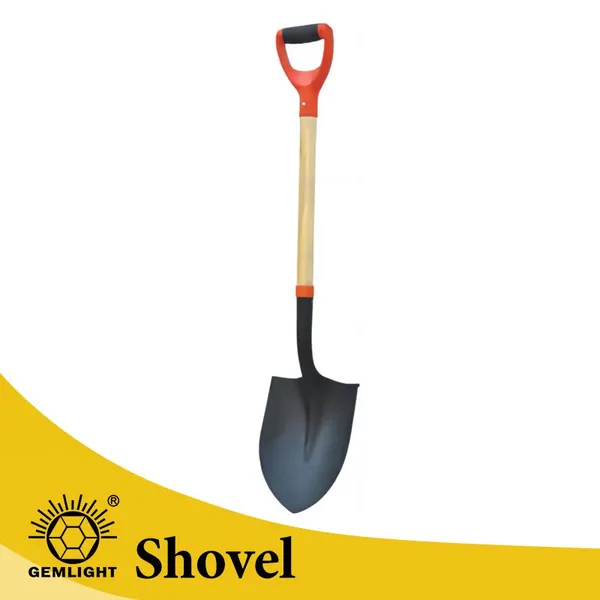
Heavy Duty Manganese Steel Garden Shovel Round Point Digging Shovel With Wooden Handle Farm Tool SupplierUS$ 2.14 - 2.36MOQ: 1200 Pieces
-
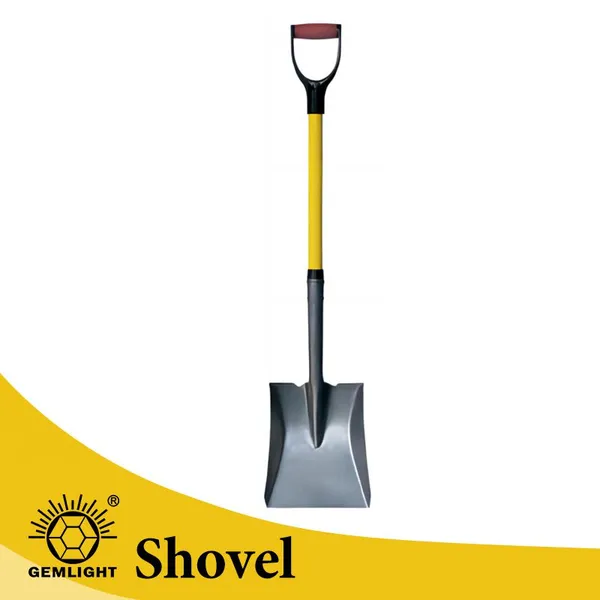
Big Shovel Wide Shovel Mud Shovel Heavy Duty Steel Blade for Farm Drainage Soil Moving Cleaning and Landscaping UseUS$ 2.14 - 2.36MOQ: 1200 Pieces
-
Strong Teeth Soil Rake for Farm Tool Suppliers Private Label Export for Farm Maintenance African Distribution Factory Bulk OrderUS$ 0.88 - 1.35MOQ: 2000 Pieces
-
Manual Cane Knife Machete for Wholesale Buyers Factory Direct Export for Rural Agricultural Projects Durable Hand ToolNegotiableMOQ: 1200 Pieces
-
Large High Carbon Steel Machete Knife Agricultural Machete for Farming Bush Cutting Garden Tool SupplierNegotiableMOQ: 1200 Pieces
-
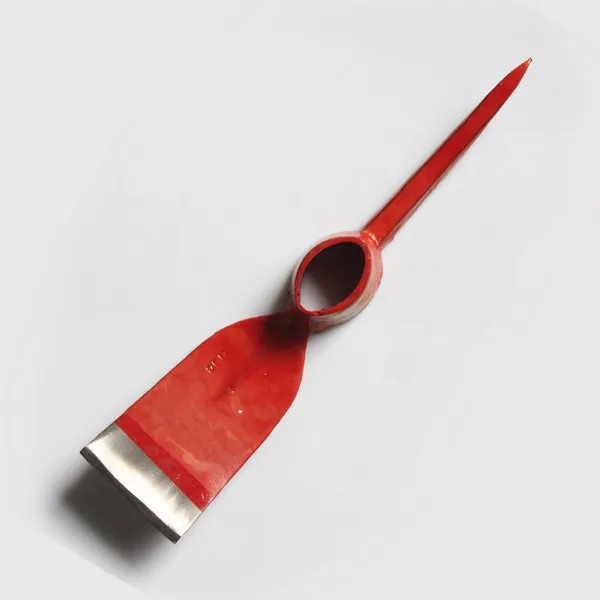
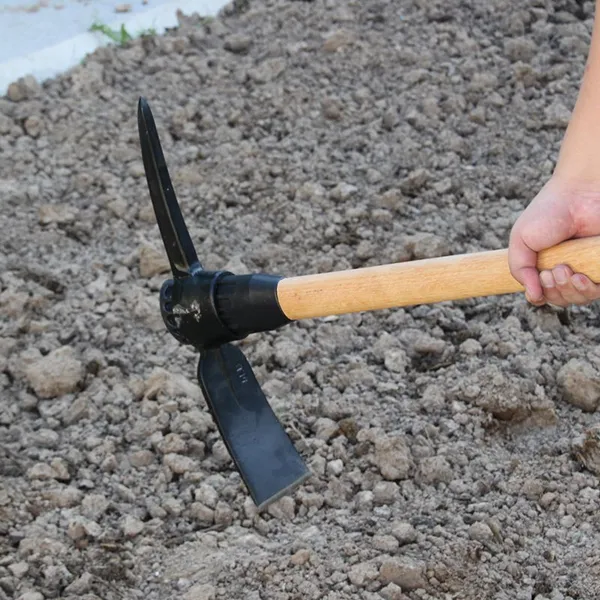
Wholesale Heavy Duty Pick Mattock for Mining Road Work and Farm Digging for Wholesale Tool Dealers With Bulk Order ServiceUS$ 1.85 - 2.3MOQ: 1200 Pieces
-
Carbon Steel Manual Pickaxe for Hard Soil Breaking and Trenching for African Importers With OEM Bulk Order Support Agricultural ToolUS$ 1.85 - 2.3MOQ: 1200 Pieces

-
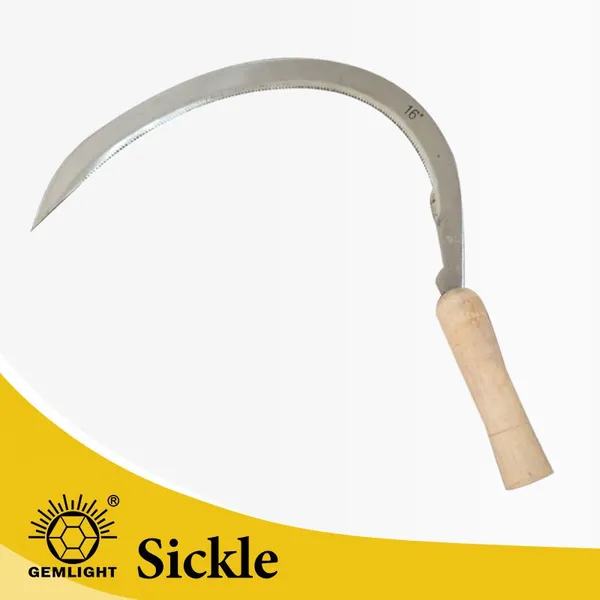
OEM Farm Sickle With Sharp Blade for African Importers OEM Bulk Order Support for Harvesting and Smallholder Farming for Wholesale BUS$ 0.28 - 0.33MOQ: 3000 Pieces
-
Heavy Duty Manganese Steel Round Point Shovel Garden Digging Shovel With Wooden Handle Agricultural Tool ManufacturerUS$ 2.14 - 2.36MOQ: 1200 Pieces
-
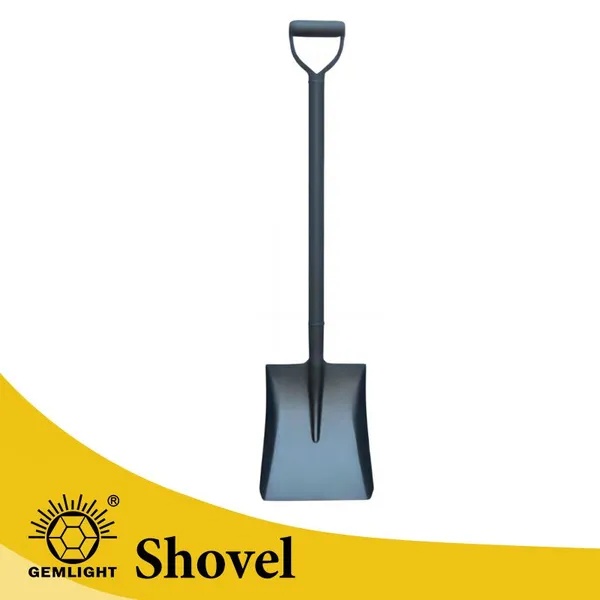
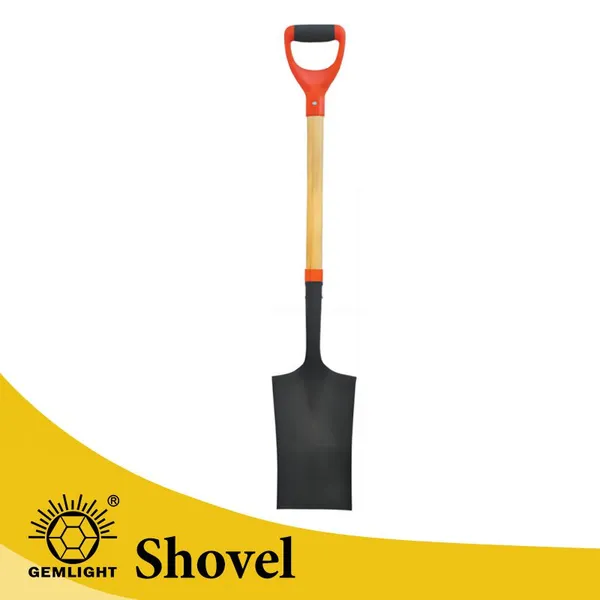
Farm Shovel Factory Supply for Regional Import Distributors Bulk Wholesale Supply for Garden Work and Trenching for Agricultural DealersUS$ 2.14 - 2.36MOQ: 1200 Pieces
-
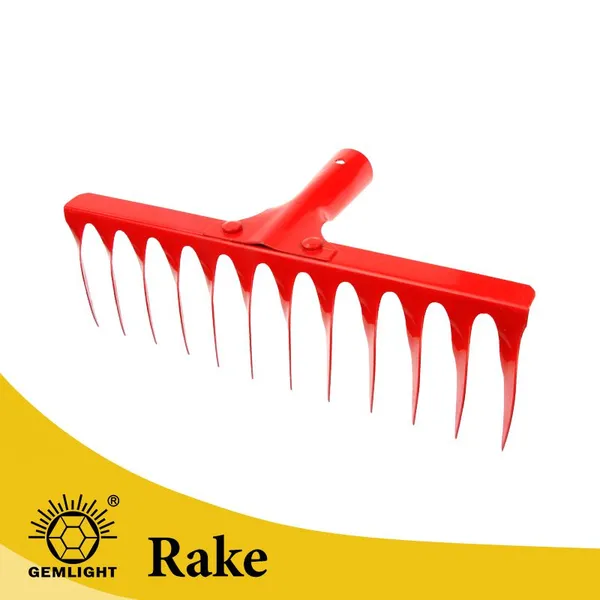
Heavy Duty Garden Rake for African Importers OEM Factory Supply for Agricultural Use African Market Factory Bulk OrderUS$ 0.88 - 1.35MOQ: 2000 Pieces
-
Agricultural Soil Rake for Agricultural Dealers Export Supply for Garden Cleaning African Dealer Channels Factory Bulk OrderUS$ 0.88 - 1.35MOQ: 2000 Pieces
-
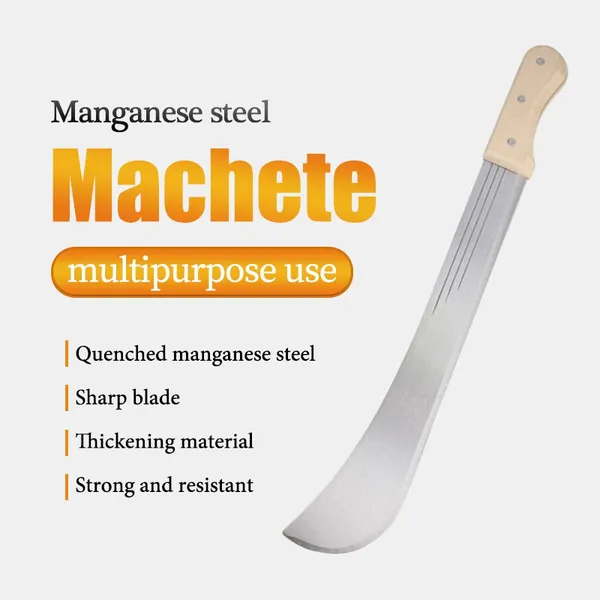
Manual Farm Machete for African Importers OEM Factory Supply for Farming and Land Clearing Durable Hand ToolNegotiableMOQ: 1200 Pieces
-
Large Heavy Duty Carbon Steel Garden Landscaping Digging HoeUS$ 1.07 - 1.27MOQ: 1200 Pieces
-
Heavy Duty Rail Steel Mattock Pick Axe With Wooden Handle for Digging Soil Mining and Agricultural Tool SupplierUS$ 1.85 - 2.3MOQ: 1200 Pieces
-
Forged Farm Sickle With Sharp Blade for African Importers OEM Bulk Order Support for Harvesting and Smallholder Farming for WholesalUS$ 0.28 - 0.33MOQ: 3000 Pieces
-
Strong Carbon Steel Farming Sickle for Uganda Tanzania Zambia Agricultural Tool DistributorsUS$ 0.34 - 0.47MOQ: 3000 Pieces