
 Business License

Wood vs Plastic vs Steel Sickle Handles: Buyer's Guide
Wood vs Plastic vs Steel Sickle Handles: Buyer's Guide
Buyers spend hours on blade specifications and five minutes on the handle. Then the first complaint arrives about a loose grip or a cracked ferrule.
The handle is the part that connects the tool to the user, and it fails more often than the blade.
This guide compares the three common materials on durability, failure patterns and cost.
How does each handle perform in wet and dry climates?
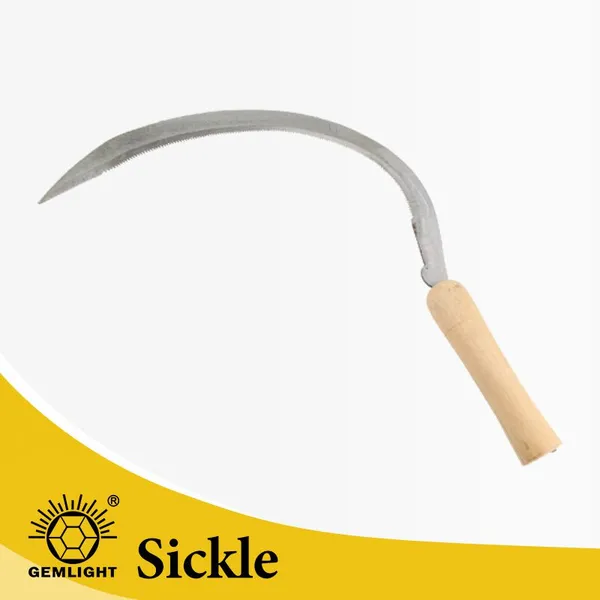
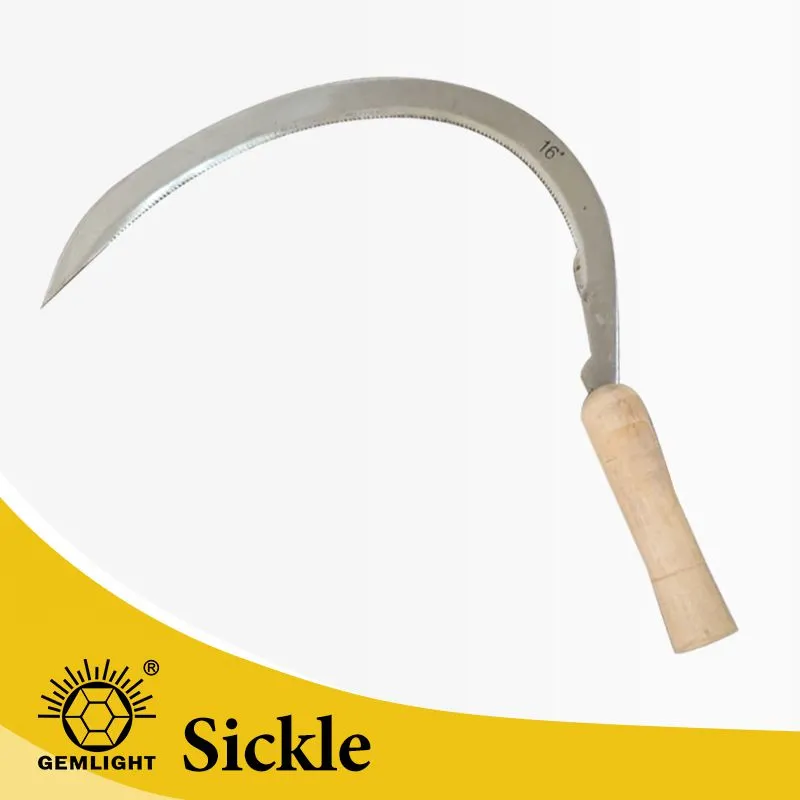
Wood is the traditional choice, usually hardwood such as ash, beech or local species. It feels warm, absorbs shock and grips well with a sweaty hand.
Wood moves with humidity. In wet climates it swells, and the tang can loosen. In dry climates it shrinks and cracks along the grain.
A varnished handle slows this, but varnish wears where the hand grips.
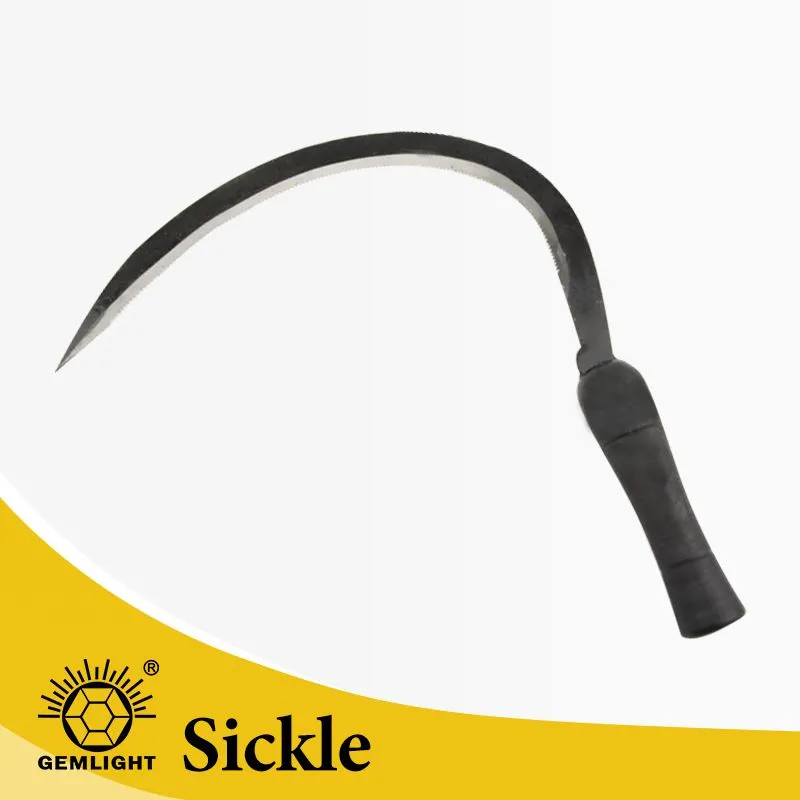
Plastic handles are usually polypropylene or a glass-filled composite. They do not absorb water, so rain and mud cause no swelling. They keep their shape across seasons and clean easily.
The weakness is heat and sunlight. Cheap plastic becomes brittle after long UV exposure. A handle left outdoors for a season can snap under load.
Add UV stabiliser in the specification if your market is sunny.
Steel handles are tubular or flat bar, often welded to the tang. They are the strongest option and survive heavy abuse.
They also transmit shock to the hand and become hot in the sun or cold in winter.
For most markets, the answer is a hybrid. A wooden or plastic grip over a steel tang gives strength with comfort.
Which handle fails most often in the field?
Failures cluster around the joint, not the material itself.
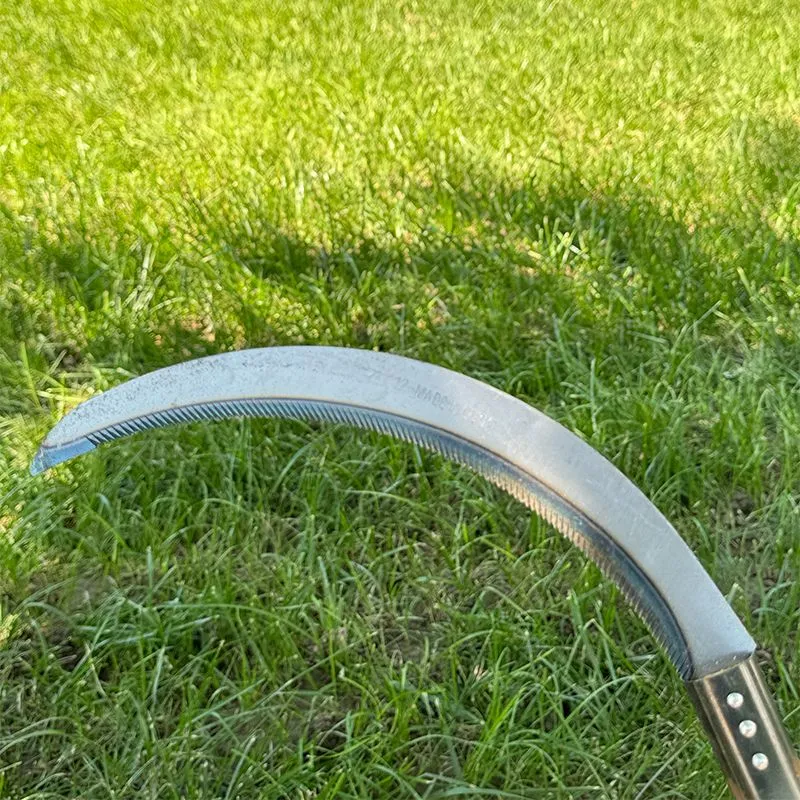
Wood fails at the tang socket. Repeated wetting and drying opens a gap, and the blade rocks. Users then hammer the ferrule, which splits the wood.
A poorly fitted tang with a gap at the bottom causes this faster.
Plastic fails at the rivet or the moulded collar. A rivet that is too small pulls through under load.
A collar that is too thin cracks when the user strikes the handle to loosen soil.
Steel fails at the weld. A weld with poor penetration cracks after repeated flexing. Rust inside the tube also weakens it over years, especially in coastal areas.
Across all three, the most common cause is a mismatch between tang length and handle depth. A short tang concentrates stress at one point. A full-length tang spreads it.
Ask your supplier for the tang insertion depth in millimeters. A number above 80 mm for a standard sickle is a good sign.
How does handle choice affect packing, freight and replacement sales?
Handles affect carton size more than most buyers expect. A longer handle changes the carton length, and that changes the container plan.
Wood handles are bulky and heavy. They also need protection from moisture during sea freight. Wrap them or add a liner, or expect mould spots on arrival.
Plastic handles are lighter and can be hollow, which saves weight. They stack neatly and resist humidity, so packing is simpler.
Steel handles add weight without much volume. Weight matters for freight cost on air shipments and for manual handling at the destination.
Detachable handles change the maths entirely. Shipping blades and handles separately reduces carton volume and damage risk. The customer assembles on arrival.
This is common for long-handled tools and worth asking about for sickles with 400 mm handles.
Check the carton compression strength. Handles pressing against blades in transit cause edge damage. A divider or an edge guard solves it for a small cost.
Yes, and it is often overlooked. Handles break before blades wear out, especially in tropical markets.
Breakage also creates a second product line. Selling replacement handles as a separate SKU adds revenue with almost no extra tooling.
The handle is already in production, so the only change is packing quantity.
Offer two or three handle lengths that fit your main blade models. Publish the tang dimensions so buyers can match them.
Retailers like this because it turns a broken tool into a small sale instead of a complaint. It also builds loyalty with the end user.
For tenders, replacement handles can be part of the package. Some aid specifications ask for spare handles per unit, so check the document before quoting.
Keep the handle colour consistent across models. It helps the end user identify the right spare on a crowded shelf.
How to specify the handle in an order?
Write the material, the length and the fitting method. Each one causes disputes when left vague.
State the wood species or the plastic grade. "Wooden handle" allows anything from soft pine to ash. Name a moisture content for wood, for example 8 to 12 percent.
Give the handle length and diameter in millimeters. Include the finished surface: sanded, varnished, painted or raw.
Describe the tang and the fixing. Say whether it is a through tang, a riveted tang or a welded connection. Give the rivet diameter and count.
Add the ferrule type and material. A steel ferrule holds better than a thin brass one, but costs more.
Specify the grip finish. A smooth varnish looks good in a photo and slips in a wet hand. A light texture or a wrapped grip performs better.
Then test one sample in water for a day. Flex the joint hard. If it moves, the specification is not finished.
RFQ checklist for sickle handles
Include these details in your inquiry.
Handle material and grade
Length and diameter in millimeters
Moisture content for wood
Surface finish and grip texture
Tang type and insertion depth
Rivet or ferrule specification
Colour and logo placement
Packing method for handles
Units per carton
Quantity and destination port
Handles are cheap to improve and expensive to replace after a claim. Spend ten minutes on the specification before the order goes out.
Recently Posted
-
Documents to Bid for a Sickle Supply Contract
October 20, 2026Documents to Bid for a Sickle Supply ContractA tender is won or lost before the price is opened. Missing paperwork removes a bid w Read More
-
Sickle Specs in Aid and Government Tenders
October 20, 2026Sickle Specs in Aid and Government TendersTender buyers do not shop the way distributors do. They publish a document, and supplier Read More
-
Packing Sickles for Sea Shipment: Rust and Edge Care
October 20, 2026Packing Sickles for Sea Shipment: Rust and Edge CareA container crosses several climates before it reaches your warehouse. Steel b Read More
-
HS Code for Sickles (8201.90): Import Duty Guide
October 20, 2026HS Code for Sickles (8201.90): Import Duty GuideA wrong HS code creates two problems at once. You pay the wrong duty, and the ship Read More

Contact Us
Recommended Products
-
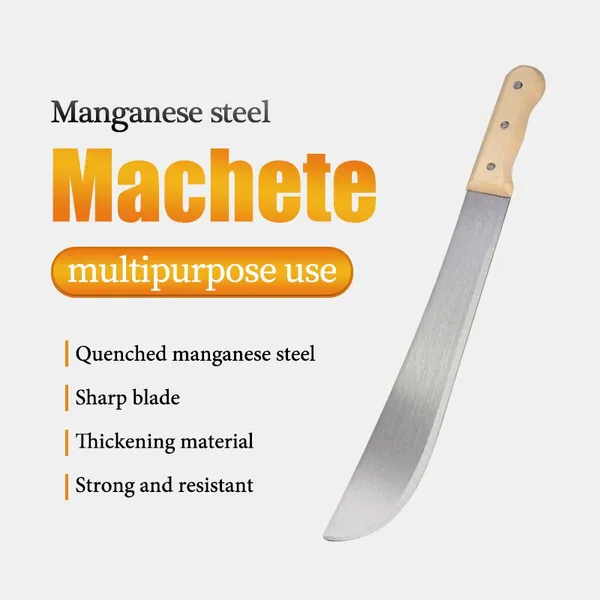
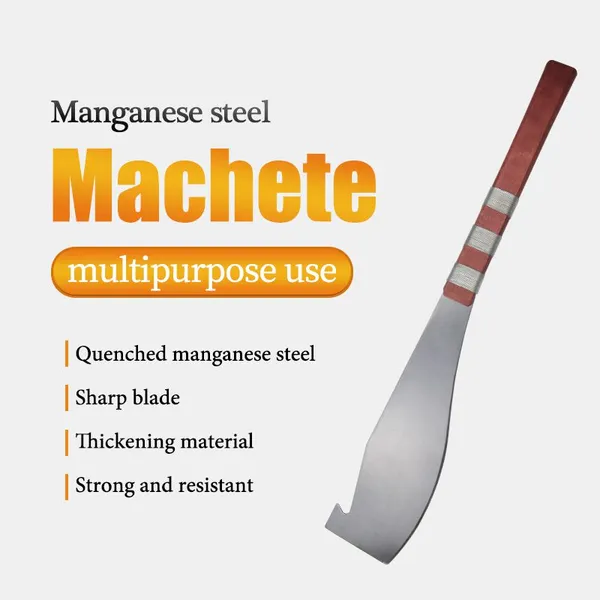
 Heavy Duty Cane Knife Machete for Wholesale Buyers Factory Direct Export for Rural Agricultural Projects Durable Hand ToolNegotiableMOQ: 1200 Pieces
-
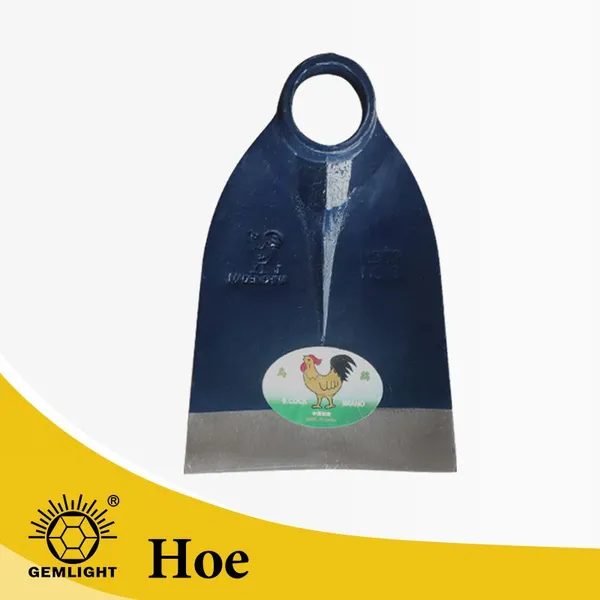
Agricultural Hoe Head Garden Rail Steel Tool for Tough Soil Cheap Price Hand ToolsUS$ 1.07 - 1.27MOQ: 1200 Pieces
-
Sturdy Rail Steel Hoe for Weeding, H305 Perfect for Agricultural and Garden TasksUS$ 1.07 - 1.27MOQ: 1200 Pieces
-
Heavy Duty Manganese Steel Garden Shovel Round Point Digging Shovel With Wooden Handle Farm Tool SupplierUS$ 2.14 - 2.36MOQ: 1200 Pieces
-
Big Shovel Wide Shovel Mud Shovel Heavy Duty Steel Blade for Farm Drainage Soil Moving Cleaning and Landscaping UseUS$ 2.14 - 2.36MOQ: 1200 Pieces
-
Strong Teeth Soil Rake for Farm Tool Suppliers Private Label Export for Farm Maintenance African Distribution Factory Bulk OrderUS$ 0.88 - 1.35MOQ: 2000 Pieces
-
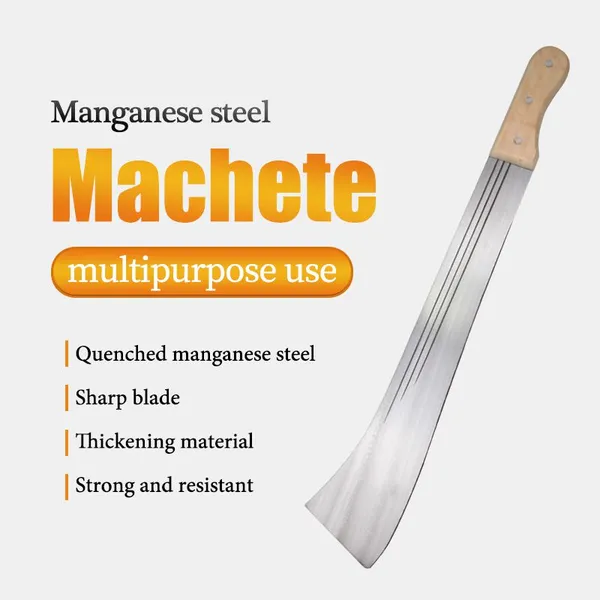
Manual Cane Knife Machete for Wholesale Buyers Factory Direct Export for Rural Agricultural Projects Durable Hand ToolNegotiableMOQ: 1200 Pieces
-
Large High Carbon Steel Machete Knife Agricultural Machete for Farming Bush Cutting Garden Tool SupplierNegotiableMOQ: 1200 Pieces
-
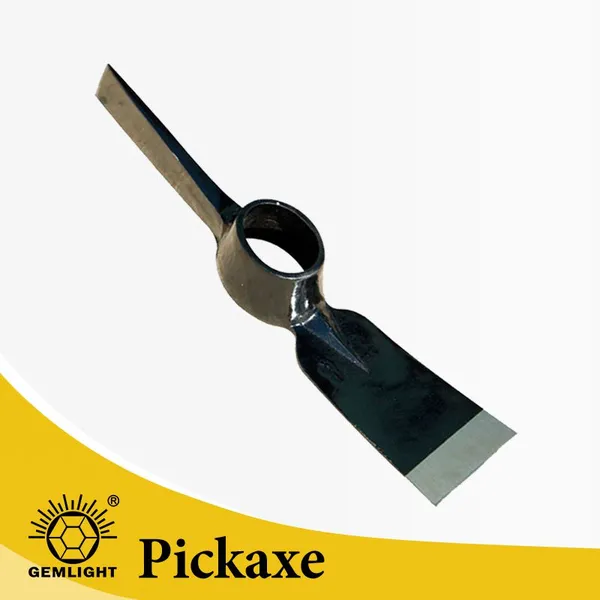
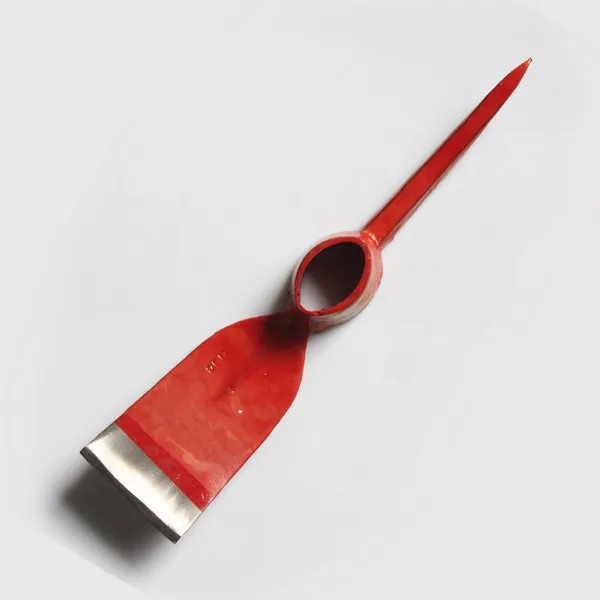
Wholesale Heavy Duty Pick Mattock for Mining Road Work and Farm Digging for Wholesale Tool Dealers With Bulk Order ServiceUS$ 1.85 - 2.3MOQ: 1200 Pieces
-
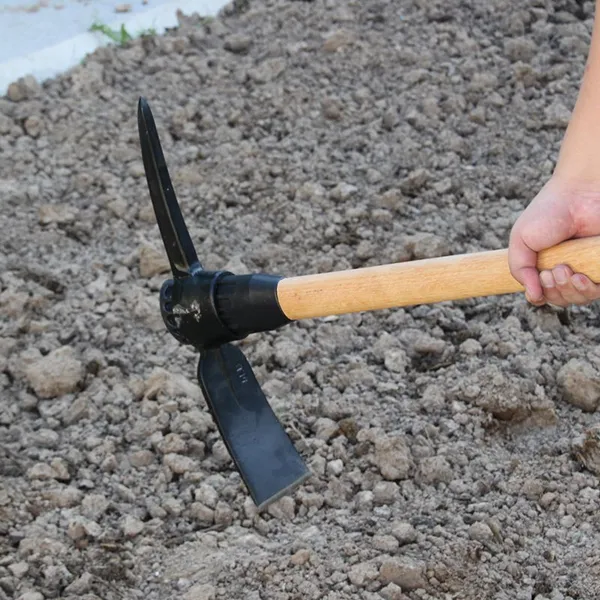
Carbon Steel Manual Pickaxe for Hard Soil Breaking and Trenching for African Importers With OEM Bulk Order Support Agricultural ToolUS$ 1.85 - 2.3MOQ: 1200 Pieces

-
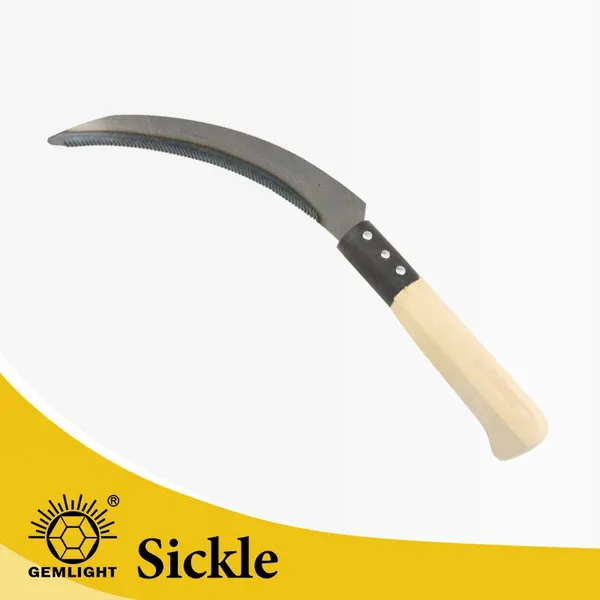
OEM Farm Sickle With Sharp Blade for African Importers OEM Bulk Order Support for Harvesting and Smallholder Farming for Wholesale BUS$ 0.28 - 0.33MOQ: 3000 Pieces
-
Heavy Duty Manganese Steel Round Point Shovel Garden Digging Shovel With Wooden Handle Agricultural Tool ManufacturerUS$ 2.14 - 2.36MOQ: 1200 Pieces
-
Farm Shovel Factory Supply for Regional Import Distributors Bulk Wholesale Supply for Garden Work and Trenching for Agricultural DealersUS$ 2.14 - 2.36MOQ: 1200 Pieces
-
Heavy Duty Garden Rake for African Importers OEM Factory Supply for Agricultural Use African Market Factory Bulk OrderUS$ 0.88 - 1.35MOQ: 2000 Pieces
-
Agricultural Soil Rake for Agricultural Dealers Export Supply for Garden Cleaning African Dealer Channels Factory Bulk OrderUS$ 0.88 - 1.35MOQ: 2000 Pieces
-
Manual Farm Machete for African Importers OEM Factory Supply for Farming and Land Clearing Durable Hand ToolNegotiableMOQ: 1200 Pieces
-
Large Heavy Duty Carbon Steel Garden Landscaping Digging HoeUS$ 1.07 - 1.27MOQ: 1200 Pieces
-
Heavy Duty Rail Steel Mattock Pick Axe With Wooden Handle for Digging Soil Mining and Agricultural Tool SupplierUS$ 1.85 - 2.3MOQ: 1200 Pieces
-
Forged Farm Sickle With Sharp Blade for African Importers OEM Bulk Order Support for Harvesting and Smallholder Farming for WholesalUS$ 0.28 - 0.33MOQ: 3000 Pieces
-
Strong Carbon Steel Farming Sickle for Uganda Tanzania Zambia Agricultural Tool DistributorsUS$ 0.34 - 0.47MOQ: 3000 Pieces