
 Business License

Carbon vs Stainless Steel Sickle Blades: Buyer's Guide
Carbon vs Stainless Steel Sickle Blades: Buyer's Guide
Steel choice is the first technical decision in any sickle order. It sets the price, the edge behaviour and the complaint rate.
Buyers often default to carbon steel because it is cheaper, or to stainless because it sounds better. Neither choice is right for every market.
This guide compares the two on the points that show up after delivery.
How does each material hold an edge?
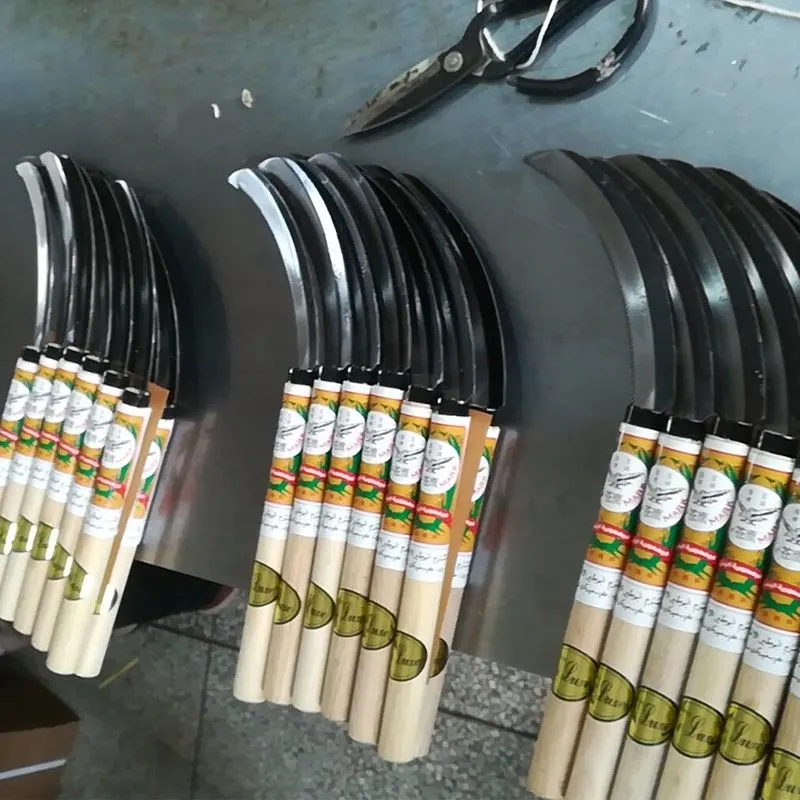
Carbon steel, typically in the 0.5 to 0.8 percent carbon range, takes a very keen edge. It also responds well to heat treatment.
A well-treated blade reaches 50 to 56 HRC and holds that edge through long cutting sessions.
The grain structure matters more than the headline grade. A proper quench and temper gives a fine, even structure.
Poor control gives hard spots and soft spots on the same blade. That is why two factories using the same steel can deliver very different tools.
Stainless steel used for blades is usually a martensitic grade such as 420 or 440 series. It can harden well, and a good 420 blade reaches 52 to 56 HRC.
Edge holding is close to carbon steel, sometimes slightly behind at the same hardness.
The gap appears at very fine edges. Carbon steel supports a thinner bevel without rolling. Stainless tends to need a slightly thicker edge to avoid deformation.
That makes a small difference in cutting effort.
For grass and cereal work, most users cannot feel the difference. For heavy weed cutting, a well-treated carbon blade has an advantage.
How does each resist rust in humid climates?
This is where the two materials separate clearly. Carbon steel rusts quickly. In a coastal or tropical climate, a bare carbon blade can show surface rust within days.
Without oil or coating, it will pit within weeks.
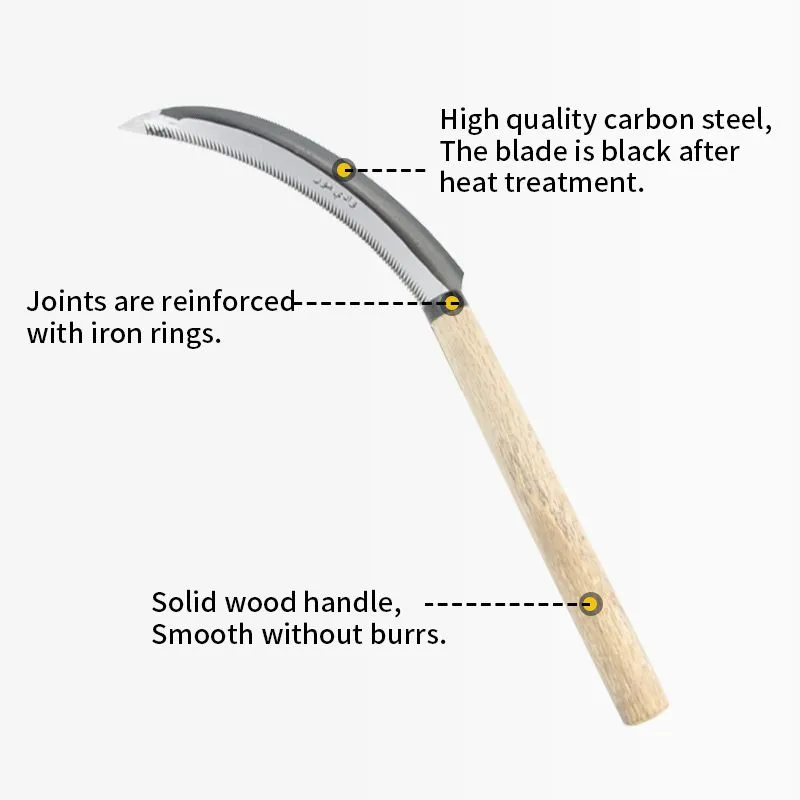
Factories handle this with coatings. Black oxide, paint, lacquer and oil films all slow rust. The edge itself stays bare because a coating would blunt it.
That edge is the first place to rust, and it needs care after every use.
Stainless steel resists rust far better. A 420 blade will not rust in normal humidity and handles rain and mud without complaint.
It still stains in salt water or with prolonged wet storage, but the risk is far lower.
For markets in South Asia, Southeast Asia, West Africa and coastal Latin America, this difference drives real complaints.
A carbon blade that arrives rusty loses the sale, even if the steel is good.
Shipping protection is part of the answer. VCI paper, desiccant and an oil film reduce the risk a lot.
But they do not change how the blade behaves in the customer's shed.
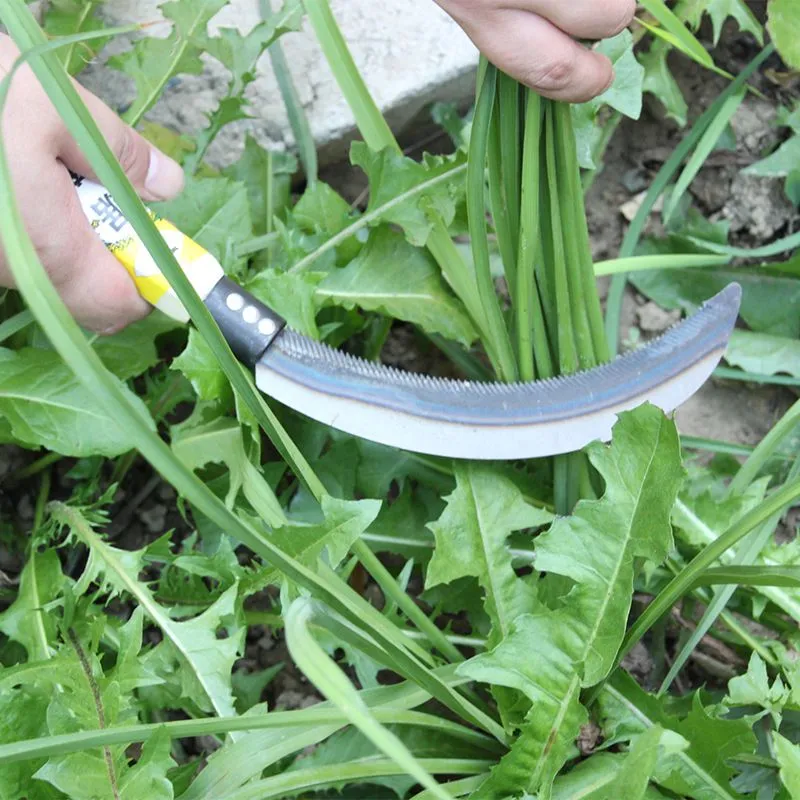
What is the cost difference, and which buyers choose which material?
Carbon steel is cheaper at the material level. The gap varies with grade and thickness, but expect a noticeable difference per blade.
Stainless costs more per kilogram, and it is harder on tooling. Blades wear grinding wheels faster and need slower passes. That adds labour cost on top of material cost.
Typical factory price difference for a comparable sickle runs from 20 to 40 percent. The exact figure depends on blade size, thickness and finish.
A large weed sickle shows a bigger absolute gap than a small rice sickle.
Freight changes the comparison slightly. Stainless blades are the same weight, so freight per unit stays similar. The difference is in the goods value and therefore in duty and insurance.
Retail pricing usually widens the gap. A stainless sickle can carry a premium that covers the cost difference and more, especially in markets where rust is a known problem.
Do not assume stainless is always the better margin. In price-sensitive markets, a coated carbon blade at a lower price often sells faster.
In practice, the choice follows the market rather than the metallurgy.
Carbon steel fits several clear cases. Price-driven markets, dry climates and buyers who sell to users with oil and a sharpening stone.
It also fits tender supply, where specifications often name carbon steel and low cost dominates.
Stainless steel fits humid climates, coastal regions and retail channels where appearance matters. It also suits garden and hobby markets in Europe and North America.
Those buyers expect a clean blade that survives a season in a shed.
Mixed ranges work well. Offer the same blade shape in both materials at two price points. The carbon version serves volume, and the stainless version serves premium.
There is a middle option worth knowing. Some factories offer carbon blades with a nickel or chrome plating. It improves corrosion resistance at a cost below stainless.
Plating can chip at the edge, so check a sample before committing.
Ask the factory which material dominates its exports to your region. Their shipping history is useful evidence.

How to write the material into your purchase order?
Be specific, because "steel blade" means nothing in a dispute.
Write the grade, for example 65Mn or 420 stainless. State the hardness range in HRC with a tolerance.
Name the heat treatment method if it matters, such as quench and temper.
Add the surface finish and the rust protection. Specify black oxide, polish, paint or oil, and name the coating thickness if the factory measures it.
Include a corrosion test requirement for humid destinations. A simple salt spray duration or a humidity chamber test gives you a pass or fail line.
Ask for a material certificate for the steel batch. Most mills provide one, and factories can forward it.
Then attach the approved sample photo. The photo settles arguments about curve, edge and finish that text cannot describe.
RFQ checklist for blade material
Send these points with your inquiry to get comparable quotes.
Steel grade and standard
Hardness range in HRC with tolerance
Heat treatment method
Blade length, width and thickness
Edge type and bevel angle
Surface finish and coating
Corrosion protection for shipping
Handle material and fitting
Packing and units per carton
Quantity and destination port
Material decisions are hard to reverse after production. Spend the extra day comparing samples before you commit the deposit.
Recently Posted
-
Documents to Bid for a Sickle Supply Contract
October 20, 2026Documents to Bid for a Sickle Supply ContractA tender is won or lost before the price is opened. Missing paperwork removes a bid w Read More
-
Sickle Specs in Aid and Government Tenders
October 20, 2026Sickle Specs in Aid and Government TendersTender buyers do not shop the way distributors do. They publish a document, and supplier Read More
-
Packing Sickles for Sea Shipment: Rust and Edge Care
October 20, 2026Packing Sickles for Sea Shipment: Rust and Edge CareA container crosses several climates before it reaches your warehouse. Steel b Read More
-
HS Code for Sickles (8201.90): Import Duty Guide
October 20, 2026HS Code for Sickles (8201.90): Import Duty GuideA wrong HS code creates two problems at once. You pay the wrong duty, and the ship Read More

Contact Us
Recommended Products
-
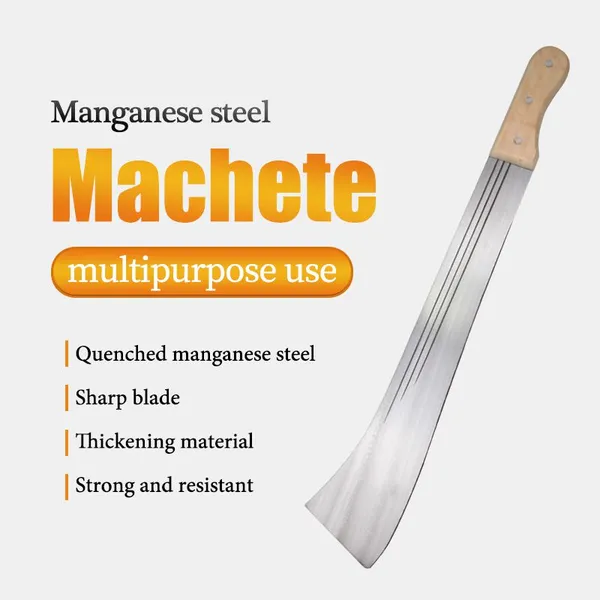
 Heavy Duty Cane Knife Machete for Wholesale Buyers Factory Direct Export for Rural Agricultural Projects Durable Hand ToolNegotiableMOQ: 1200 Pieces
-
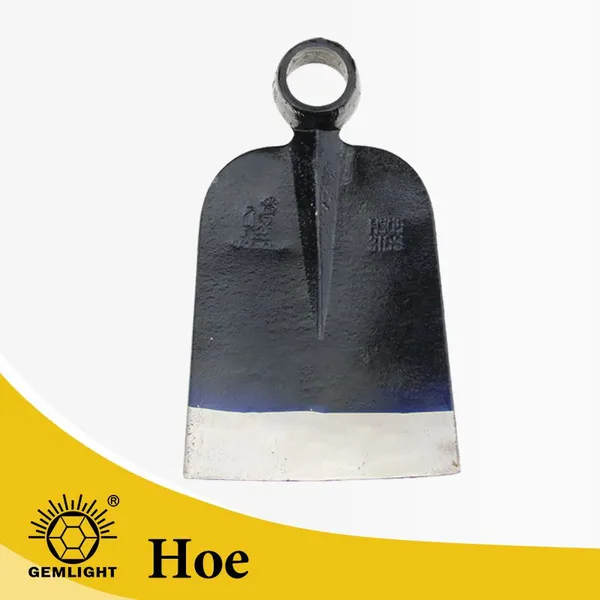
Agricultural Hoe Head Garden Rail Steel Tool for Tough Soil Cheap Price Hand ToolsUS$ 1.07 - 1.27MOQ: 1200 Pieces
-
Sturdy Rail Steel Hoe for Weeding, H305 Perfect for Agricultural and Garden TasksUS$ 1.07 - 1.27MOQ: 1200 Pieces
-
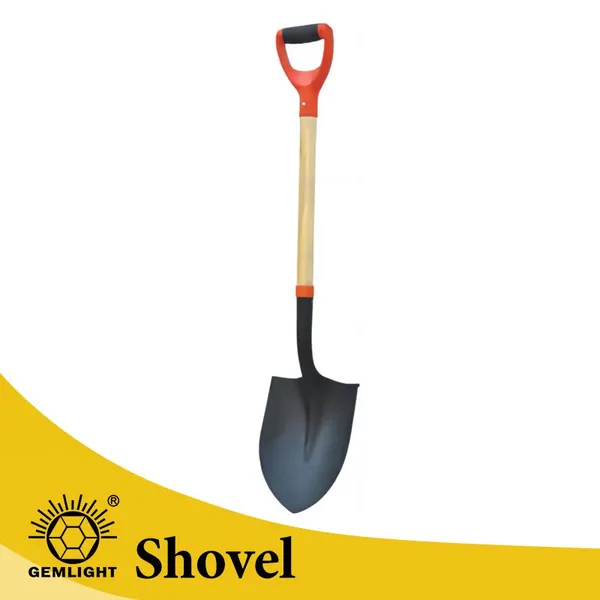
Heavy Duty Manganese Steel Garden Shovel Round Point Digging Shovel With Wooden Handle Farm Tool SupplierUS$ 2.14 - 2.36MOQ: 1200 Pieces
-
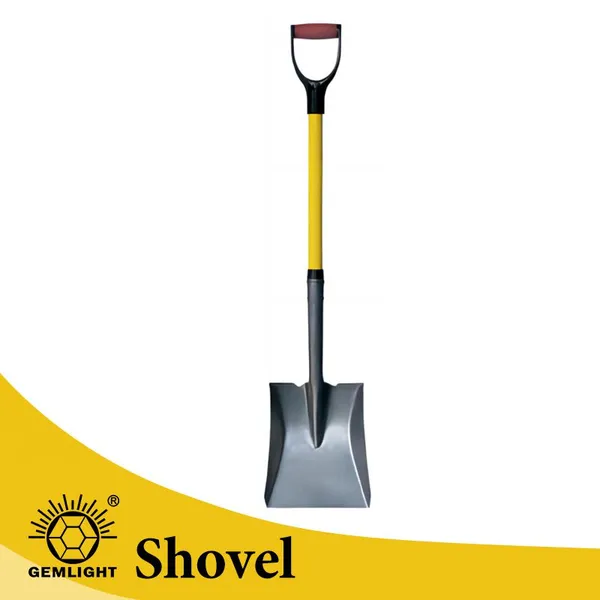
Big Shovel Wide Shovel Mud Shovel Heavy Duty Steel Blade for Farm Drainage Soil Moving Cleaning and Landscaping UseUS$ 2.14 - 2.36MOQ: 1200 Pieces
-
Strong Teeth Soil Rake for Farm Tool Suppliers Private Label Export for Farm Maintenance African Distribution Factory Bulk OrderUS$ 0.88 - 1.35MOQ: 2000 Pieces
-
Manual Cane Knife Machete for Wholesale Buyers Factory Direct Export for Rural Agricultural Projects Durable Hand ToolNegotiableMOQ: 1200 Pieces
-
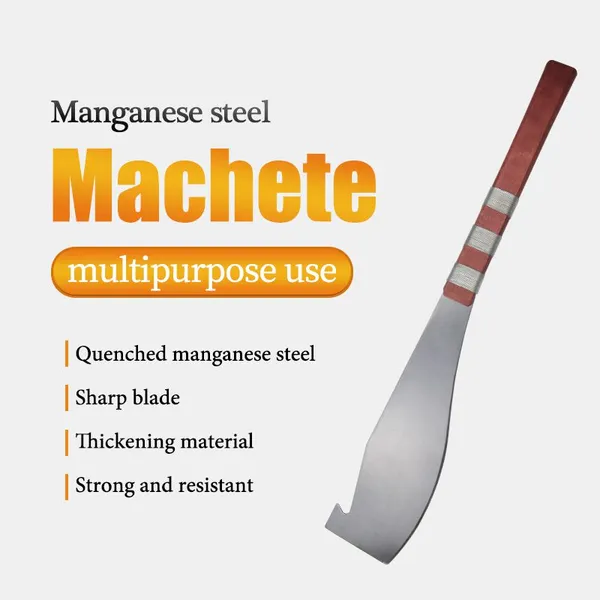
Large High Carbon Steel Machete Knife Agricultural Machete for Farming Bush Cutting Garden Tool SupplierNegotiableMOQ: 1200 Pieces
-
Wholesale Heavy Duty Pick Mattock for Mining Road Work and Farm Digging for Wholesale Tool Dealers With Bulk Order ServiceUS$ 1.85 - 2.3MOQ: 1200 Pieces
-
Carbon Steel Manual Pickaxe for Hard Soil Breaking and Trenching for African Importers With OEM Bulk Order Support Agricultural ToolUS$ 1.85 - 2.3MOQ: 1200 Pieces

-
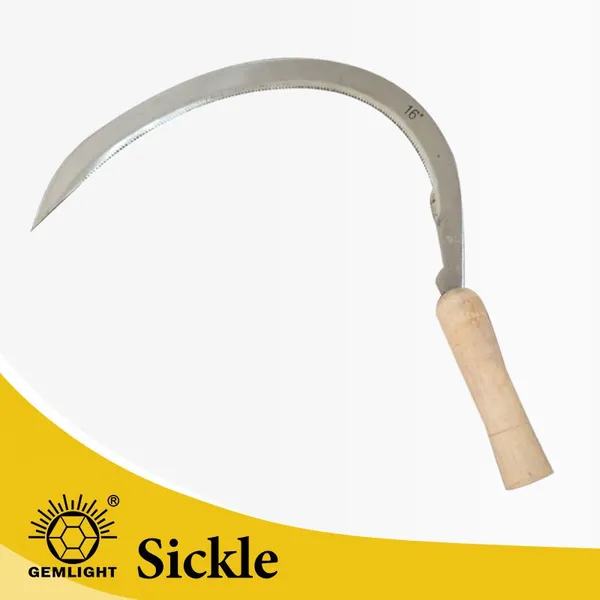
OEM Farm Sickle With Sharp Blade for African Importers OEM Bulk Order Support for Harvesting and Smallholder Farming for Wholesale BUS$ 0.28 - 0.33MOQ: 3000 Pieces
-
Heavy Duty Manganese Steel Round Point Shovel Garden Digging Shovel With Wooden Handle Agricultural Tool ManufacturerUS$ 2.14 - 2.36MOQ: 1200 Pieces
-
Farm Shovel Factory Supply for Regional Import Distributors Bulk Wholesale Supply for Garden Work and Trenching for Agricultural DealersUS$ 2.14 - 2.36MOQ: 1200 Pieces
-
Heavy Duty Garden Rake for African Importers OEM Factory Supply for Agricultural Use African Market Factory Bulk OrderUS$ 0.88 - 1.35MOQ: 2000 Pieces
-
Agricultural Soil Rake for Agricultural Dealers Export Supply for Garden Cleaning African Dealer Channels Factory Bulk OrderUS$ 0.88 - 1.35MOQ: 2000 Pieces
-
Manual Farm Machete for African Importers OEM Factory Supply for Farming and Land Clearing Durable Hand ToolNegotiableMOQ: 1200 Pieces
-
Large Heavy Duty Carbon Steel Garden Landscaping Digging HoeUS$ 1.07 - 1.27MOQ: 1200 Pieces
-
Heavy Duty Rail Steel Mattock Pick Axe With Wooden Handle for Digging Soil Mining and Agricultural Tool SupplierUS$ 1.85 - 2.3MOQ: 1200 Pieces
-
Forged Farm Sickle With Sharp Blade for African Importers OEM Bulk Order Support for Harvesting and Smallholder Farming for WholesalUS$ 0.28 - 0.33MOQ: 3000 Pieces
-
Strong Carbon Steel Farming Sickle for Uganda Tanzania Zambia Agricultural Tool DistributorsUS$ 0.34 - 0.47MOQ: 3000 Pieces