
 Business License

Packing Sickles for Sea Shipment: Rust and Edge Care
Packing Sickles for Sea Shipment: Rust and Edge Care
A container crosses several climates before it reaches your warehouse. Steel blades meet condensation, and cartons meet stacking pressure. Most arrivals look fine.
The problems show up on the blades in the bottom cartons, three weeks later. This article covers the packing details that prevent rust, chipped edges and crushed cartons.
Which coating or oil is used for humid shipping?
Carbon steel needs protection. A bare blade will rust in a container crossing the equator.
The most common solution is a thin anti-rust oil film. It covers the blade without hiding the finish.
The oil must be compatible with the final use, because the user will handle the tool.
Black oxide or a phosphate finish gives a base layer. It slows rust but does not stop it on the bare edge.
Paint and lacquer cover the blade body but leave the edge exposed. The edge is where rust starts.
VCI paper is the practical addition. It releases a vapour that inhibits corrosion in a closed space. Wrap the blade or line the carton with it.
Desiccant bags absorb moisture inside the carton. Use them with a sealed liner, or they saturate and stop working.
For very humid routes, combine oil, VCI and a plastic liner. Redundancy is cheap compared with a rejected shipment.
Never oil a wooden handle. It softens the wood and stains the grain.
Wipe excess oil before packing. Pools of oil stain cartons and look like leaks to an inspector.


How are edges protected in a bundle?
A sickle edge is thin and fragile in transit. Two blades touching can chip each other.
Bundle blades in the same orientation. Do not stack edges against edges.
Separate each blade with a paper interleaf or a thin cardboard sheet. This simple step prevents most edge nicks.
Add a plastic or cardboard edge guard on the exposed curve. It costs a few cents and protects the part the customer judges first.
Strap the bundle firmly but not tightly enough to deform the blade. Use a soft strap or add corner protectors under the band.
Keep the bundle weight manageable, around ten to twenty pieces. Heavy bundles are hard to handle and more likely to be dropped.
Label the bundle with the model and the batch. Mixed bundles cause picking errors at the warehouse.
Photograph the packed bundle before closing the carton. It is the best evidence if a damage claim starts.
What about cartons, moisture and container conditions?
Carton strength decides whether the top layer arrives flat or crushed.
Use double-wall or five-ply corrugated board for export. Single-wall cartons collapse under container stacking.
Check the burst strength and the edge crush value. Ask for the board specification, not just "strong carton".
Fill voids inside the carton. Empty space lets goods shift, and shifting breaks edges.
Seal with water-resistant tape on all seams. Humidity loosens cheap tape before arrival.
Inside the container, use container desiccant bags rated for the voyage length. They absorb moisture from the air, not from the goods.
Line the container walls with kraft paper or a liner. This reduces condensation dripping onto cartons.
Avoid loading damp pallets or wet packaging. They release water for the whole voyage.
Leave a small gap at the container doors for air movement, and stow cartons away from direct contact with the steel walls.
Check the board grade on the specification, not on the sample. Samples are often better than production.
Number each carton and keep the photo set. A claim needs a specific carton, not a general complaint.
Load heavy cartons at the bottom and keep the stack height even. Uneven stacks collapse in heavy weather.
How to cut claims after arrival?
Damage claims depend on what you do in the first days after unloading.
Inspect before signing the delivery receipt where possible. Note any visible carton damage on the document.
Photograph the container interior before unloading. Show the stow, the desiccant bags and any wet patches.
Photograph damaged cartons in place, then open them and photograph the contents. Include the shipping mark and the carton number.
Count the affected pieces and record the defect type. Rust, chipped edge, broken handle and crushed carton are different claims.
Keep the damaged samples. Insurers and suppliers both ask for them.
Notify the supplier and the insurer within the deadline in the policy, often a few days. Late notice weakens the claim.
Ask for a joint inspection if the value is significant. A third-party survey report carries weight.
Then agree a remedy: replacement, credit or a packing change on the next order.
Then agree a remedy: replacement, credit or a packing change on the next order. Fix the cause, not only this container.
RFQ checklist for export packing
Send these points with your order so packing is specified, not assumed.
Anti-rust method: oil, VCI, oxide or coating
Oil type and removal advice for the user
Desiccant quantity per carton and per container
Inner liner or sealed bag requirement
Edge protection type
Bundle size and strapping method
Carton board grade and burst strength
Units per carton and carton dimensions
Carton marks and handling symbols
Container desiccant and liner
Photos required before shipment
Packing is the cheapest insurance in this trade. A few cents per piece prevents a claim that costs the whole margin.
Specify it once, and put it in the purchase order. Verbal promises do not travel with the container.
Recently Posted
-
Documents to Bid for a Sickle Supply Contract
October 20, 2026Documents to Bid for a Sickle Supply ContractA tender is won or lost before the price is opened. Missing paperwork removes a bid w Read More
-
Sickle Specs in Aid and Government Tenders
October 20, 2026Sickle Specs in Aid and Government TendersTender buyers do not shop the way distributors do. They publish a document, and supplier Read More
-
HS Code for Sickles (8201.90): Import Duty Guide
October 20, 2026HS Code for Sickles (8201.90): Import Duty GuideA wrong HS code creates two problems at once. You pay the wrong duty, and the ship Read More
-
How Many Sickles Fit in a 20ft or 40ft Container
October 20, 2026How Many Sickles Fit in a 20ft or 40ft ContainerContainer maths decides your landed cost. Two suppliers can quote the same FOB pri Read More

Contact Us
Recommended Products
-
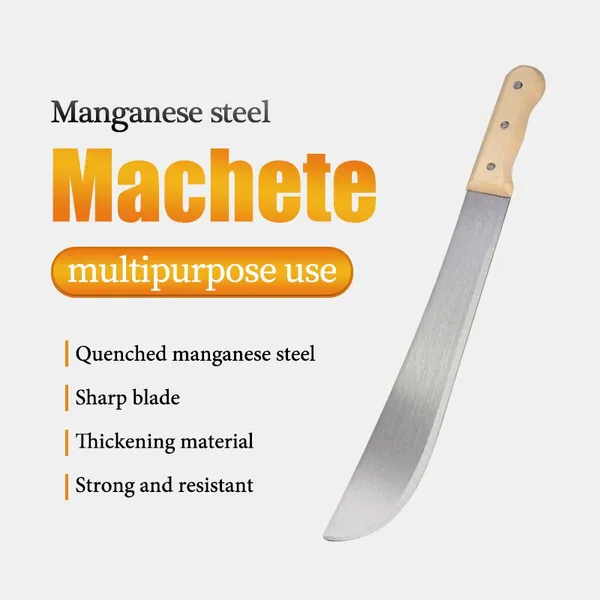
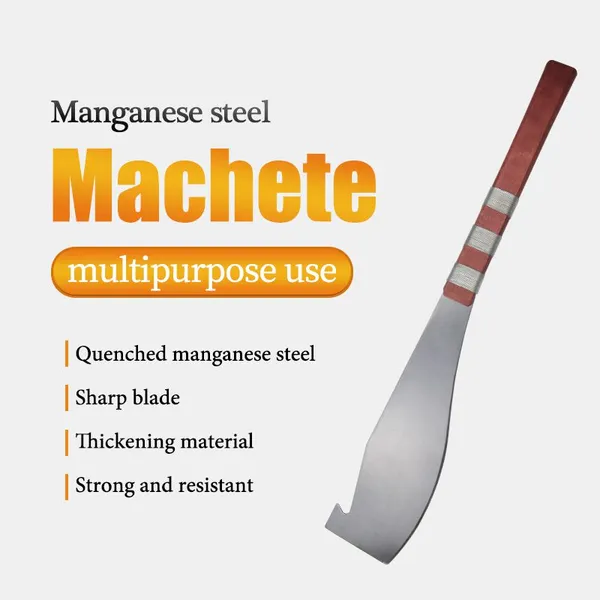
 Heavy Duty Cane Knife Machete for Wholesale Buyers Factory Direct Export for Rural Agricultural Projects Durable Hand ToolNegotiableMOQ: 1200 Pieces
-
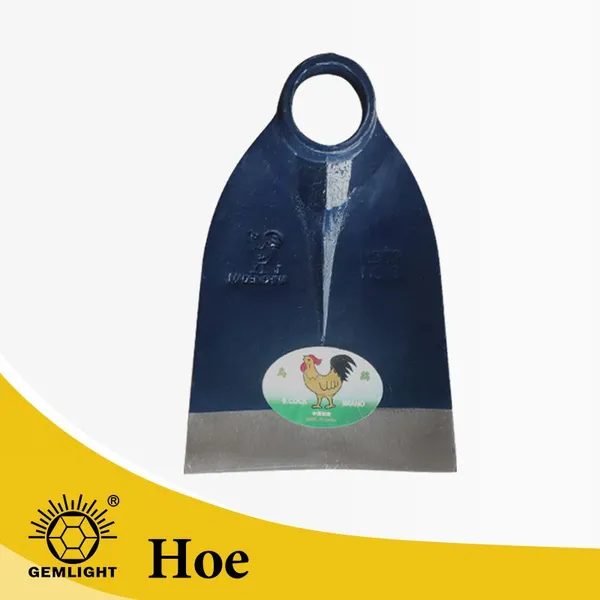
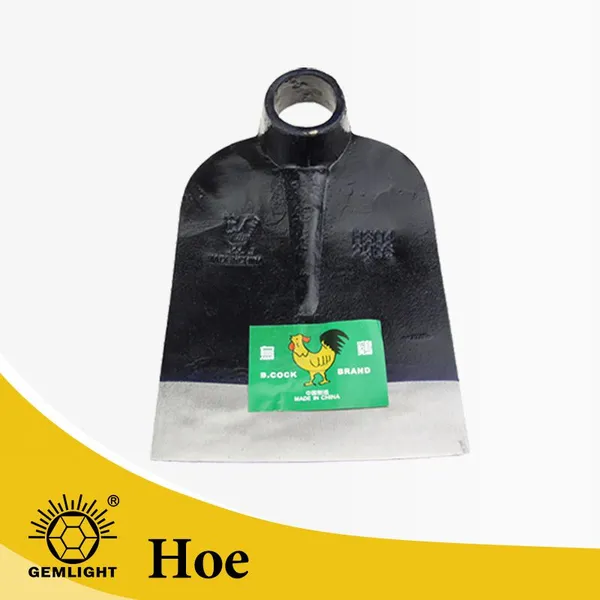
Agricultural Hoe Head Garden Rail Steel Tool for Tough Soil Cheap Price Hand ToolsUS$ 1.07 - 1.27MOQ: 1200 Pieces
-
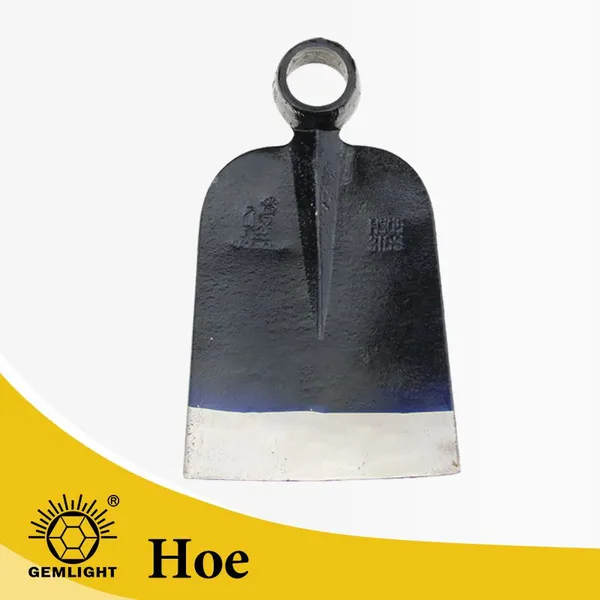
Sturdy Rail Steel Hoe for Weeding, H305 Perfect for Agricultural and Garden TasksUS$ 1.07 - 1.27MOQ: 1200 Pieces
-
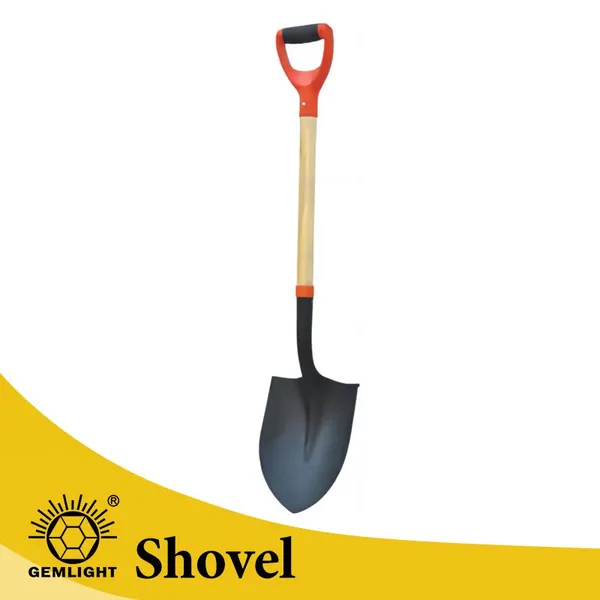
Heavy Duty Manganese Steel Garden Shovel Round Point Digging Shovel With Wooden Handle Farm Tool SupplierUS$ 2.14 - 2.36MOQ: 1200 Pieces
-
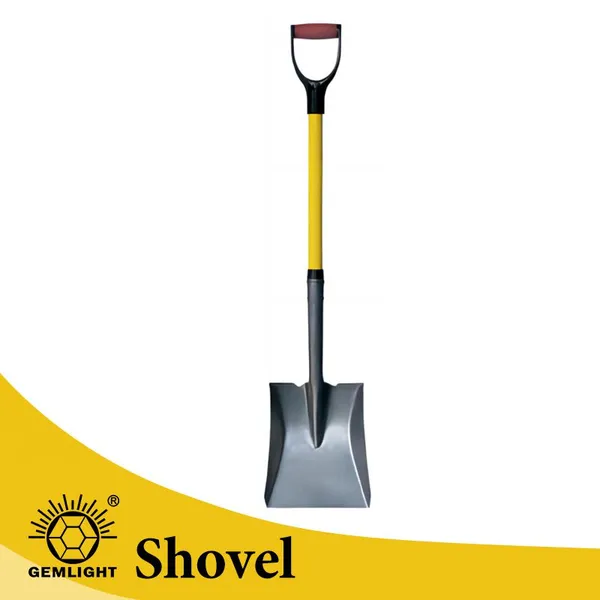
Big Shovel Wide Shovel Mud Shovel Heavy Duty Steel Blade for Farm Drainage Soil Moving Cleaning and Landscaping UseUS$ 2.14 - 2.36MOQ: 1200 Pieces
-
Strong Teeth Soil Rake for Farm Tool Suppliers Private Label Export for Farm Maintenance African Distribution Factory Bulk OrderUS$ 0.88 - 1.35MOQ: 2000 Pieces
-
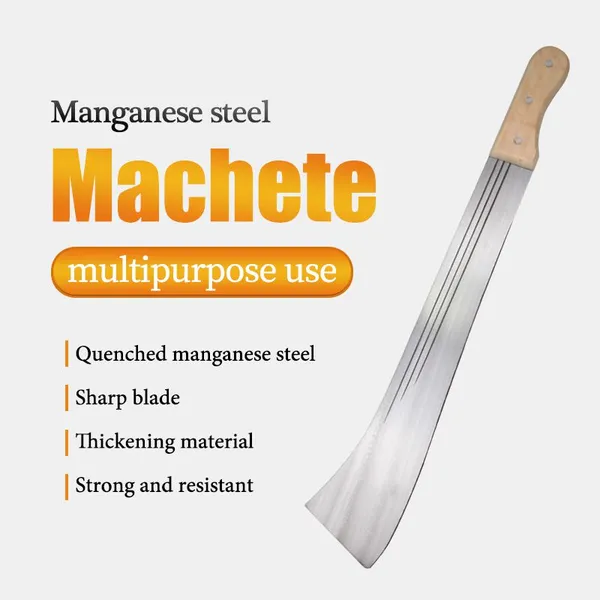
Manual Cane Knife Machete for Wholesale Buyers Factory Direct Export for Rural Agricultural Projects Durable Hand ToolNegotiableMOQ: 1200 Pieces
-
Large High Carbon Steel Machete Knife Agricultural Machete for Farming Bush Cutting Garden Tool SupplierNegotiableMOQ: 1200 Pieces
-
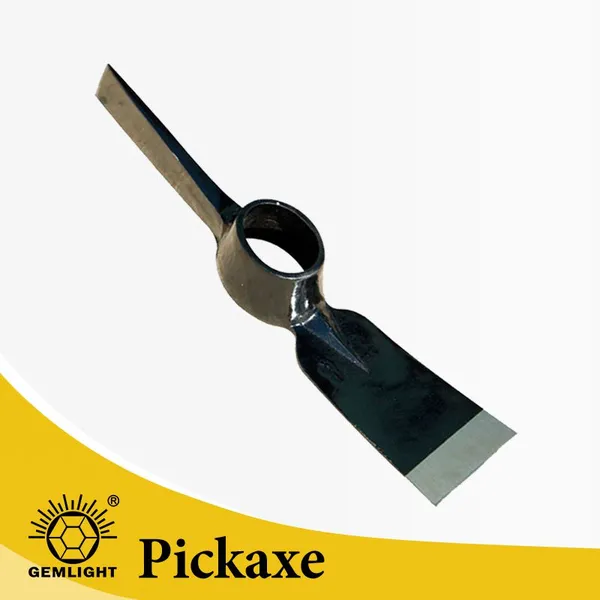
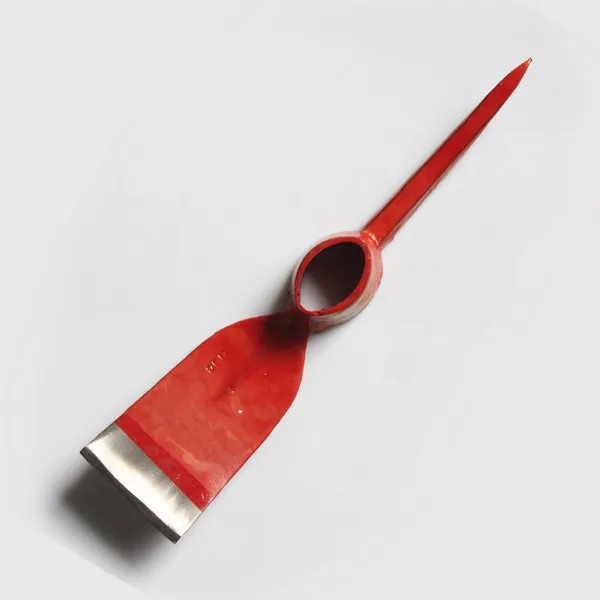
Wholesale Heavy Duty Pick Mattock for Mining Road Work and Farm Digging for Wholesale Tool Dealers With Bulk Order ServiceUS$ 1.85 - 2.3MOQ: 1200 Pieces
-
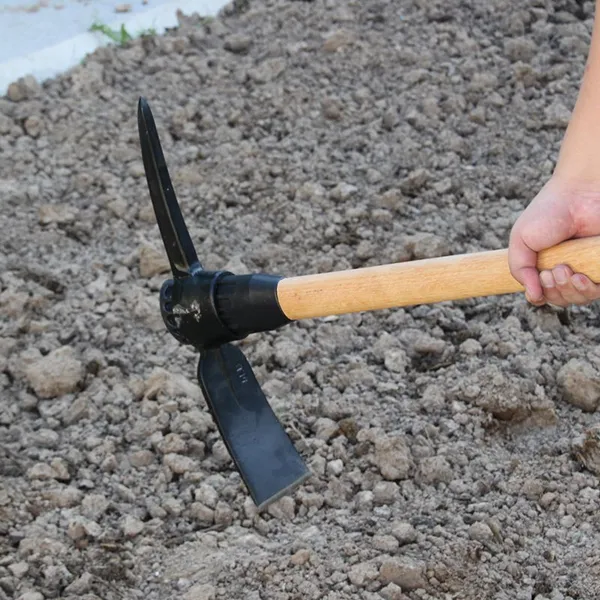
Carbon Steel Manual Pickaxe for Hard Soil Breaking and Trenching for African Importers With OEM Bulk Order Support Agricultural ToolUS$ 1.85 - 2.3MOQ: 1200 Pieces

-
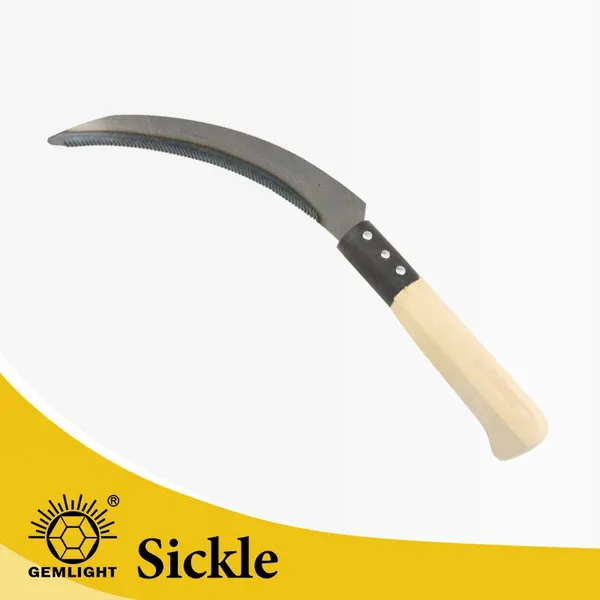
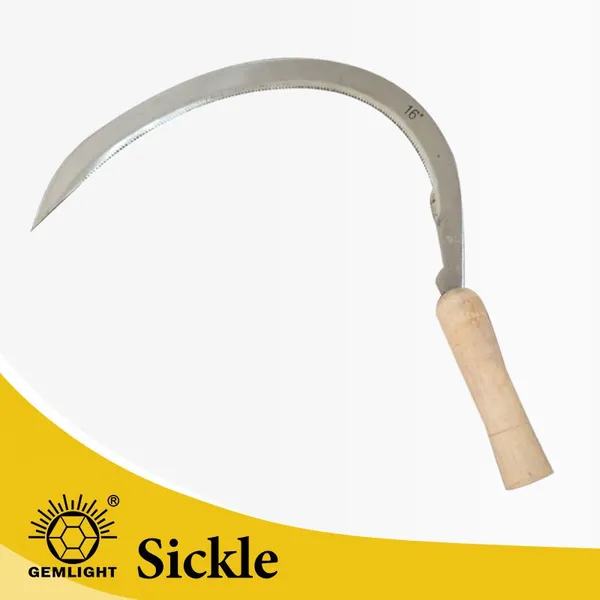
OEM Farm Sickle With Sharp Blade for African Importers OEM Bulk Order Support for Harvesting and Smallholder Farming for Wholesale BUS$ 0.28 - 0.33MOQ: 3000 Pieces
-
Heavy Duty Manganese Steel Round Point Shovel Garden Digging Shovel With Wooden Handle Agricultural Tool ManufacturerUS$ 2.14 - 2.36MOQ: 1200 Pieces
-
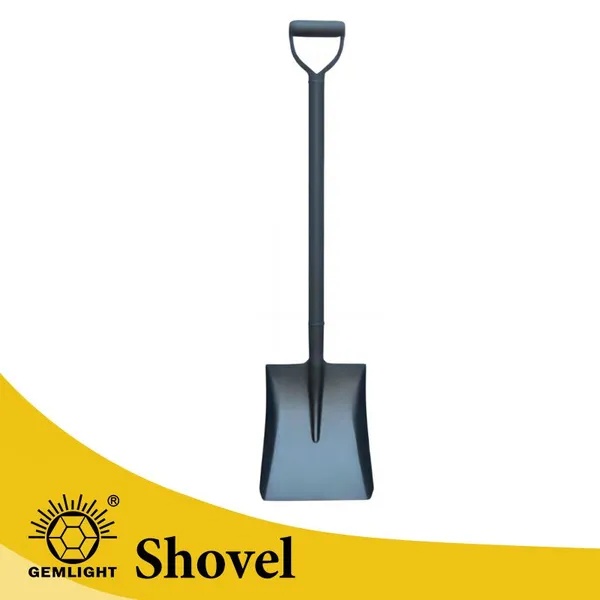
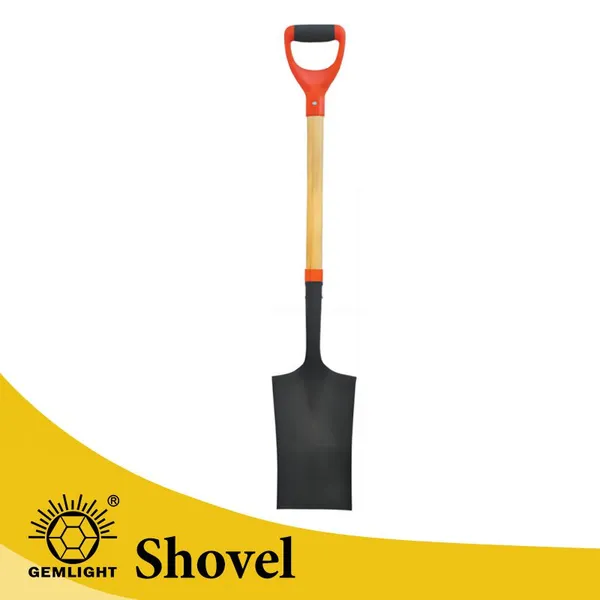
Farm Shovel Factory Supply for Regional Import Distributors Bulk Wholesale Supply for Garden Work and Trenching for Agricultural DealersUS$ 2.14 - 2.36MOQ: 1200 Pieces
-
Heavy Duty Garden Rake for African Importers OEM Factory Supply for Agricultural Use African Market Factory Bulk OrderUS$ 0.88 - 1.35MOQ: 2000 Pieces
-
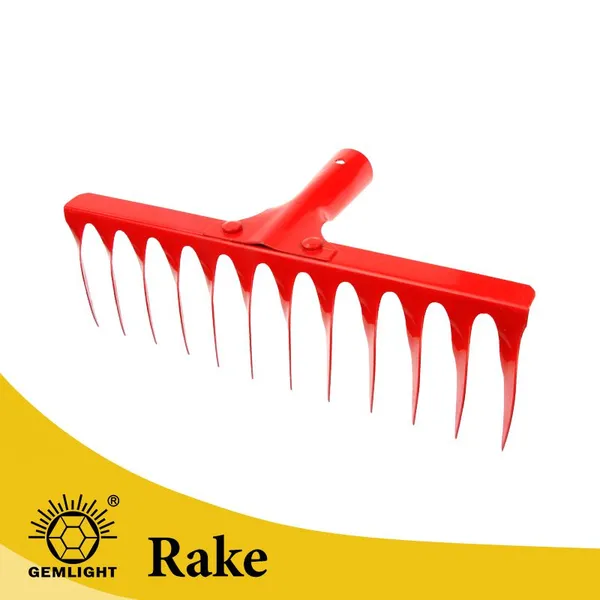
Agricultural Soil Rake for Agricultural Dealers Export Supply for Garden Cleaning African Dealer Channels Factory Bulk OrderUS$ 0.88 - 1.35MOQ: 2000 Pieces
-
Manual Farm Machete for African Importers OEM Factory Supply for Farming and Land Clearing Durable Hand ToolNegotiableMOQ: 1200 Pieces
-
Large Heavy Duty Carbon Steel Garden Landscaping Digging HoeUS$ 1.07 - 1.27MOQ: 1200 Pieces
-
Heavy Duty Rail Steel Mattock Pick Axe With Wooden Handle for Digging Soil Mining and Agricultural Tool SupplierUS$ 1.85 - 2.3MOQ: 1200 Pieces
-
Forged Farm Sickle With Sharp Blade for African Importers OEM Bulk Order Support for Harvesting and Smallholder Farming for WholesalUS$ 0.28 - 0.33MOQ: 3000 Pieces
-
Strong Carbon Steel Farming Sickle for Uganda Tanzania Zambia Agricultural Tool DistributorsUS$ 0.34 - 0.47MOQ: 3000 Pieces