
 Business License

Sickle Specs in Aid and Government Tenders
Sickle Specs in Aid and Government Tenders
Tender buyers do not shop the way distributors do. They publish a document, and suppliers must match it line by line.
A sickle that sells well in a hardware market can fail a tender on blade length or handle species.
This article explains how specifications are usually written, which models appear in standard kits, and how to prove compliance when an inspector asks.
Which sickle types appear in standard tool kits?
Most agricultural tool kits follow a common pattern. They combine clearing, digging, harvesting and cutting tools.
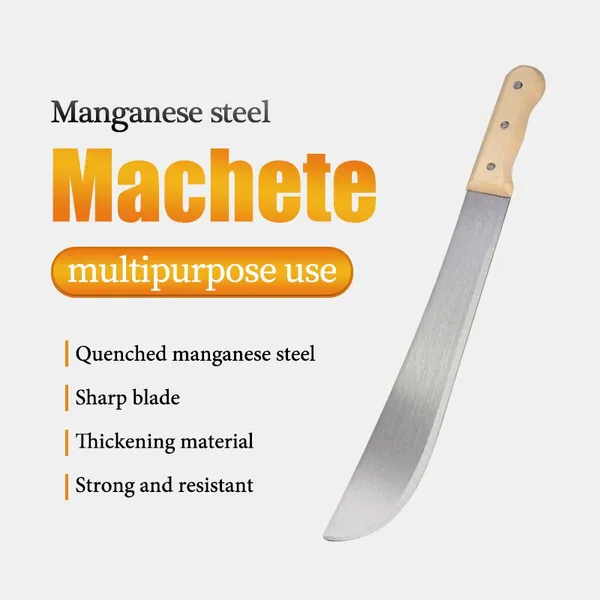
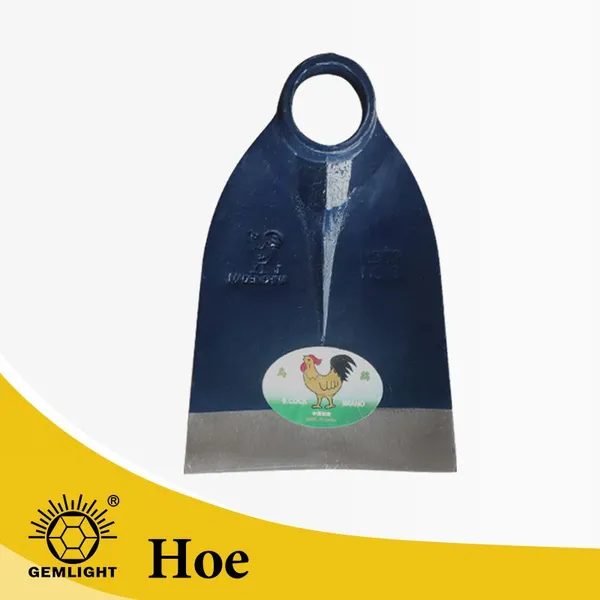
A general farm kit usually includes a hoe, a machete or a bush knife, a shovel, a rake and a sickle. The sickle is the harvesting tool in that set.
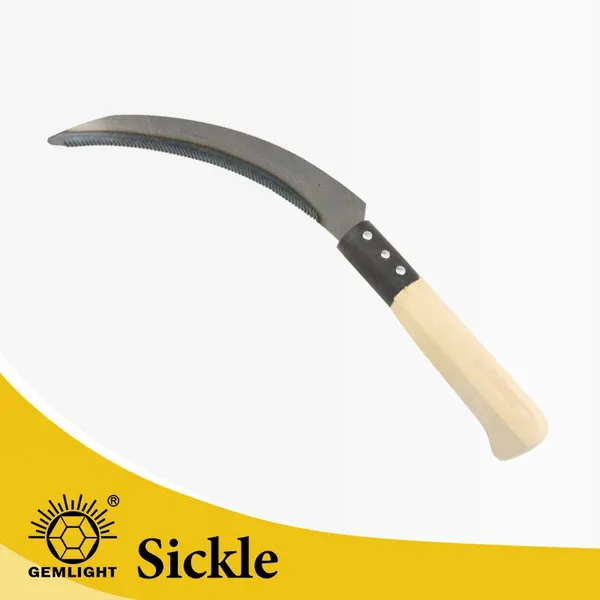
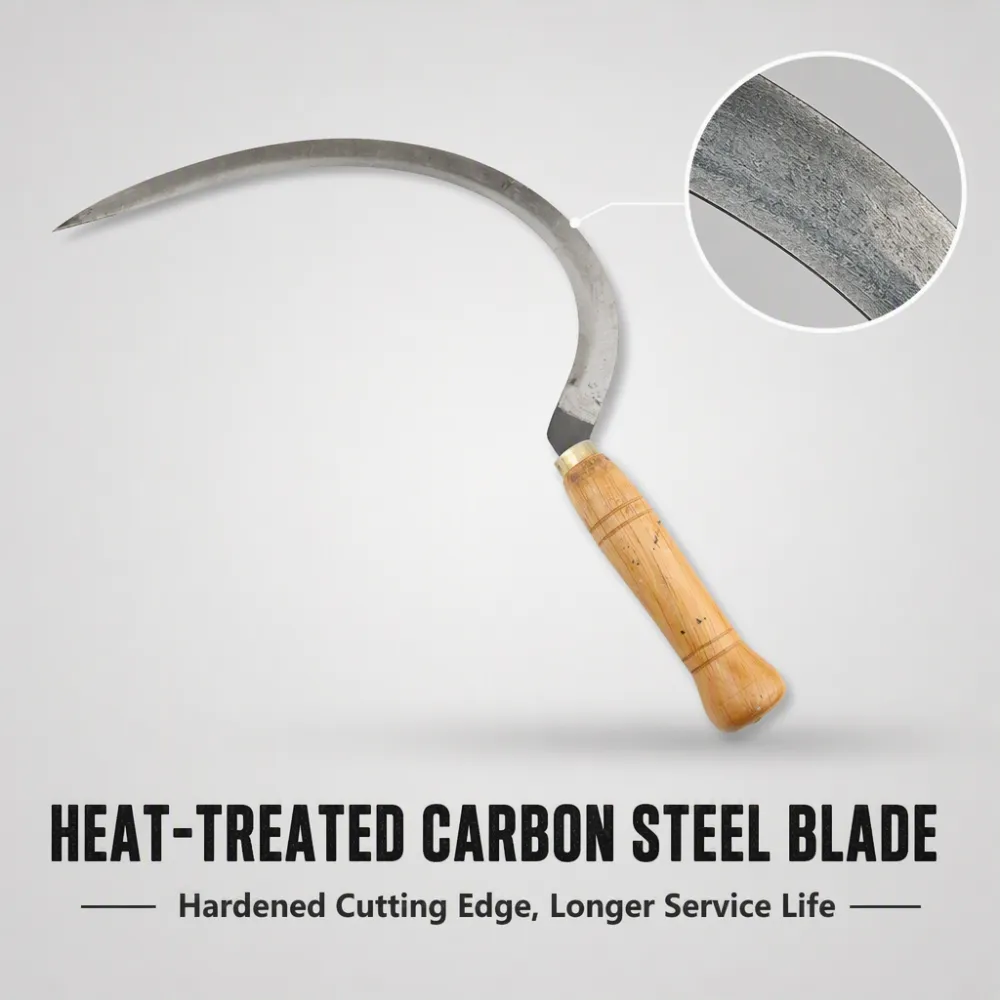
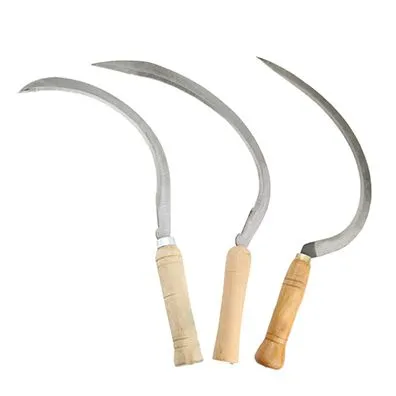
Grass sickles with a 300 to 350 millimetre blade are the most common item. They suit fodder cutting and general vegetation work.
Rice sickles appear where the programme targets paddy areas. These are shorter, often 250 to 300 millimetres, with a stronger curve.
Some kits specify a serrated edge for weed work. Others require a smooth edge for cereal harvest. The kit description usually says which.
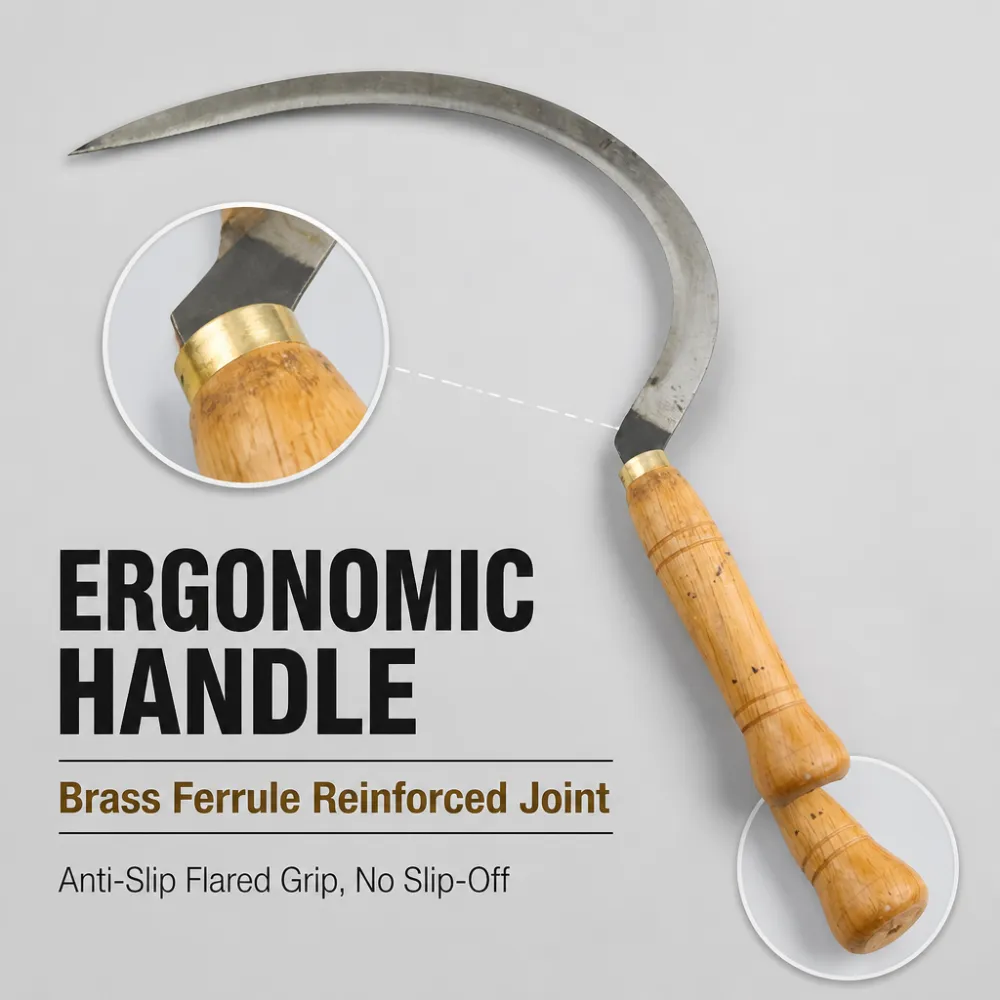
Handles are commonly hardwood, sometimes with a varnished finish. Plastic handles appear in newer specifications, mainly where durability and hygiene matter.
Kit packing matters as much as the tool. Items are often packed as a set per household, with a printed list inside.
Read the kit list carefully. A sickle that matches the tool spec but not the kit packing still fails.
How are specs written by weight, steel and blade length?
Tender documents tend to be specific about measurable things and vague about process.
Weight is usually stated per unit, for example 250 grams plus or minus 5 percent. Weight is easy to verify on a scale, so inspectors check it first.
Blade length and width are given in millimetres, measured along the curve or in a straight line. Confirm which method the document uses.
Steel is often described as high carbon steel or carbon steel with a minimum carbon content. Some documents name a grade. Many do not.
Hardness is rarely specified in detail. When it is, expect a range rather than a single figure.
Handle material may be named by species or described as hardwood. Varnish or oil finish is sometimes required.
Surface finish may be black, polished or painted. Rust prevention is often required for sea freight.
Marking is commonly required, such as a country of origin stamp or a programme logo on the handle.
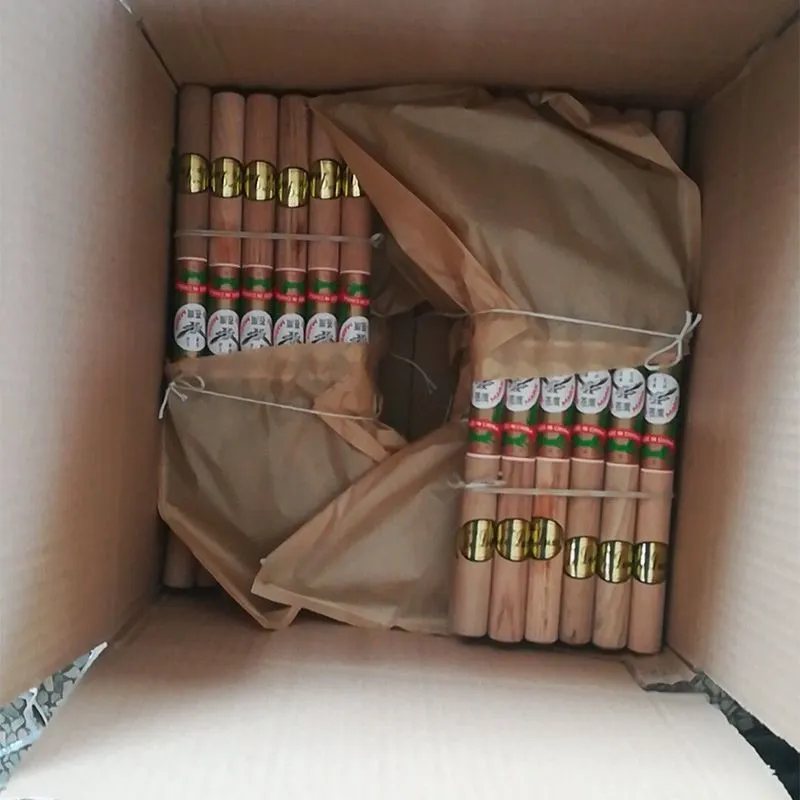
Packing is specified by units per carton, carton weight and kit composition.
Ask for the kit list in writing before you price. The list often changes between draft and final documents.
Submit a clarification question if a clause is unclear. The written answer protects you during evaluation.
How to document compliance for inspection?
Inspectors work from the contract, not from your catalogue. Build a compliance file that answers each clause.
Create a clause-by-clause table. List every requirement, your value and the evidence document.
Support weight and dimension checks with a sampling report. Measure a defined sample and record every reading.
Provide steel certificates from the mill. If the tender names a grade, the certificate must show that grade.
Provide hardness readings if the document asks for them. State the instrument and the number of readings.
Photograph the production process: blanking, grinding, heat treatment, handle fitting and packing. Date-stamped photos are stronger.
Offer pre-shipment inspection by a recognised agency if the tender allows it. Many programmes require it.
Prepare a certificate of conformity signed by the factory. It should reference the contract number and the specification.
Keep a sealed sample from the production batch. Inspectors may compare it against the approved sample.
Label cartons exactly as required. Marking errors are a common reason for rejection at delivery.
Common tender pitfalls
The first pitfall is a weight mismatch. A blade that meets the length requirement can still be too light or too heavy.
The second is handle species. "Hardwood" in the document may mean a specific local expectation. Ask before you quote.
The third is blade thickness. Thin blades save steel and fail durability tests in the field.
The fourth is packing. Kit packing, inner lists and carton marks are usually mandatory and often overlooked.
The fifth is the delivery schedule. Aid programmes often need delivery within a fixed window, and late delivery carries penalties.
The sixth is the Incoterm. DAP or DDP terms put transport risk on the supplier. Price them properly.
The seventh is price validity. Tender evaluation can take months, and steel prices move.
The eighth is documentation language. Some programmes require documents in the local language or in French.
Read the instructions to bidders twice. Most disqualifications come from the instructions, not from the technical spec.
RFQ checklist for tender supply
Use this list when you prepare a tender quotation.
Tender reference and closing date
Model and kit composition required
Blade length and width with measuring method
Unit weight with tolerance
Steel grade and minimum carbon content
Hardness range if specified
Handle material and finish
Surface finish and rust protection
Marking and labelling requirements
Packing and kit assembly details
Inspection agency and sampling plan
Delivery schedule and Incoterm
Document language and certificate requirements
Price validity period
Tender work rewards preparation more than price. A compliant offer at a fair price beats a cheap offer with one missing certificate.
Read the document as a checklist, and answer every line in writing.
Recently Posted
-
Documents to Bid for a Sickle Supply Contract
October 20, 2026Documents to Bid for a Sickle Supply ContractA tender is won or lost before the price is opened. Missing paperwork removes a bid w Read More
-
Packing Sickles for Sea Shipment: Rust and Edge Care
October 20, 2026Packing Sickles for Sea Shipment: Rust and Edge CareA container crosses several climates before it reaches your warehouse. Steel b Read More
-
HS Code for Sickles (8201.90): Import Duty Guide
October 20, 2026HS Code for Sickles (8201.90): Import Duty GuideA wrong HS code creates two problems at once. You pay the wrong duty, and the ship Read More
-
How Many Sickles Fit in a 20ft or 40ft Container
October 20, 2026How Many Sickles Fit in a 20ft or 40ft ContainerContainer maths decides your landed cost. Two suppliers can quote the same FOB pri Read More

Contact Us
Recommended Products
-
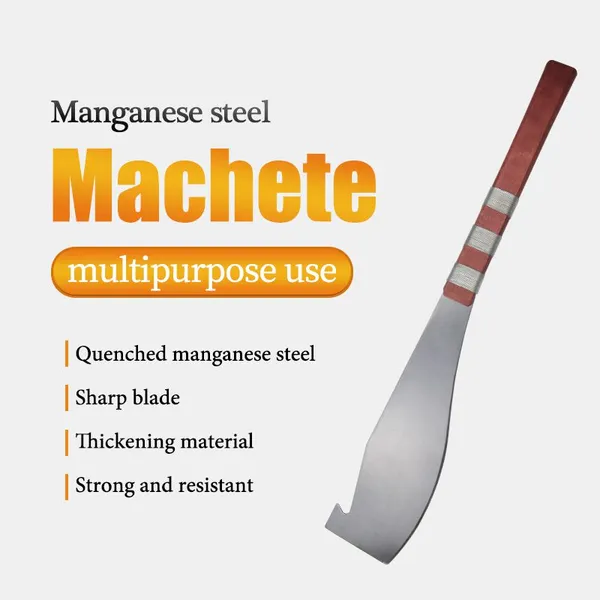
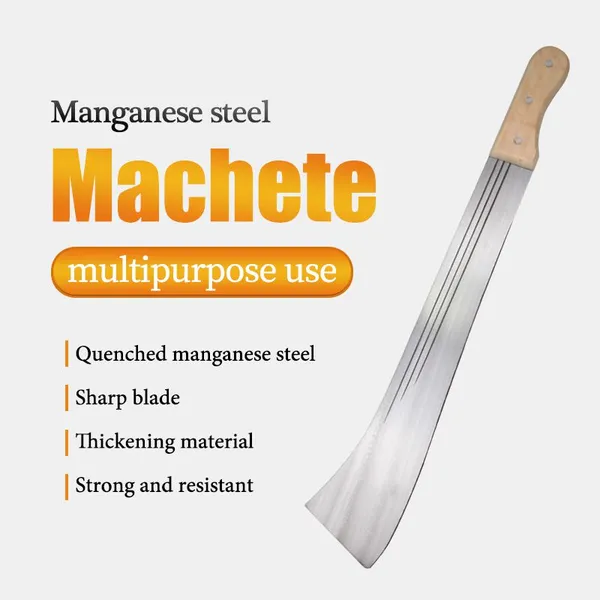
 Heavy Duty Cane Knife Machete for Wholesale Buyers Factory Direct Export for Rural Agricultural Projects Durable Hand ToolNegotiableMOQ: 1200 Pieces
-
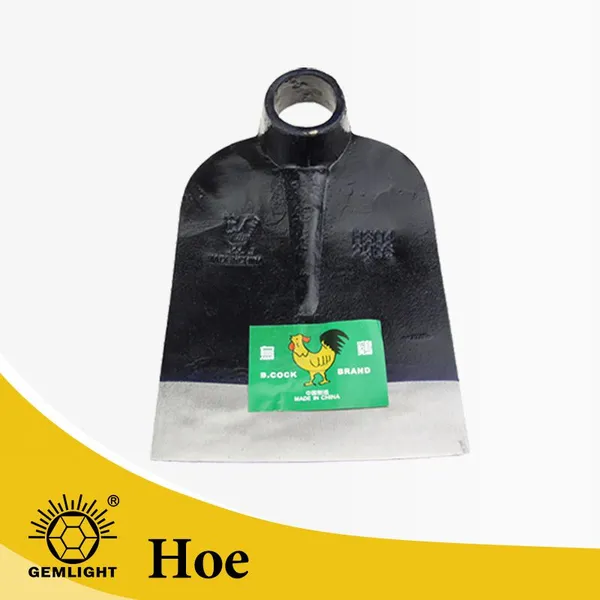
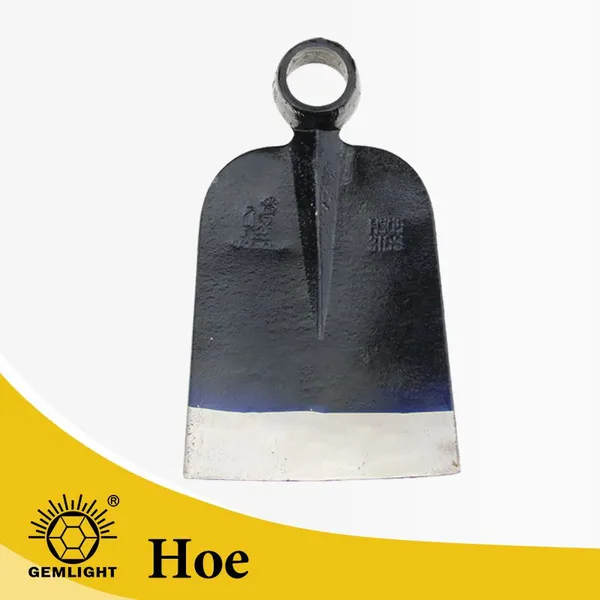
Agricultural Hoe Head Garden Rail Steel Tool for Tough Soil Cheap Price Hand ToolsUS$ 1.07 - 1.27MOQ: 1200 Pieces
-
Sturdy Rail Steel Hoe for Weeding, H305 Perfect for Agricultural and Garden TasksUS$ 1.07 - 1.27MOQ: 1200 Pieces
-
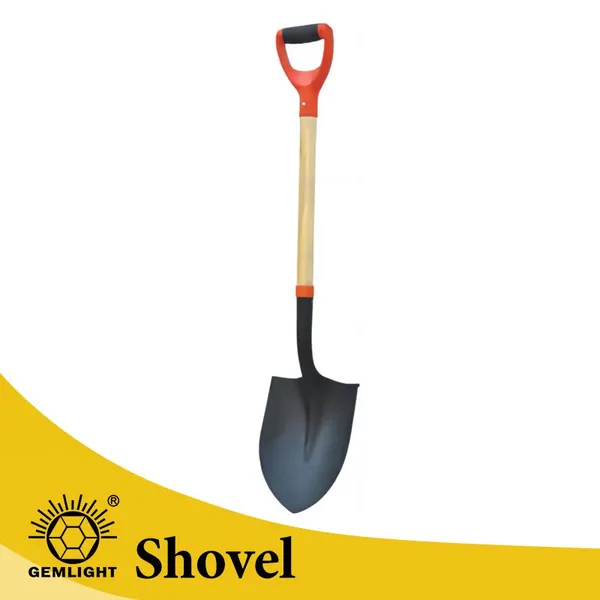
Heavy Duty Manganese Steel Garden Shovel Round Point Digging Shovel With Wooden Handle Farm Tool SupplierUS$ 2.14 - 2.36MOQ: 1200 Pieces
-
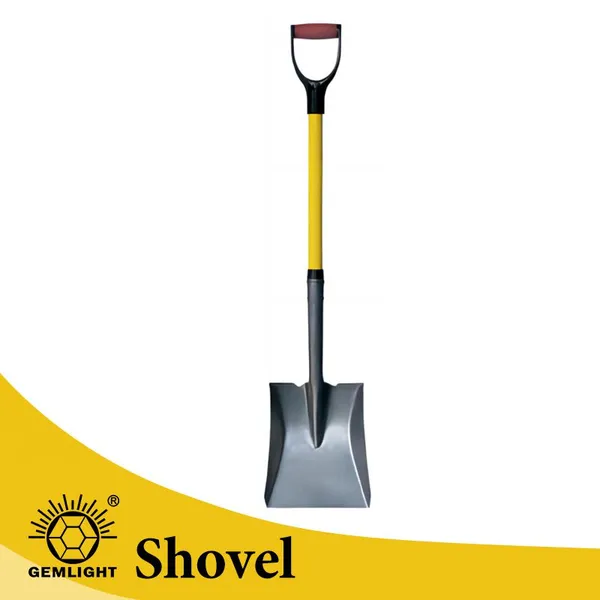
Big Shovel Wide Shovel Mud Shovel Heavy Duty Steel Blade for Farm Drainage Soil Moving Cleaning and Landscaping UseUS$ 2.14 - 2.36MOQ: 1200 Pieces
-
Strong Teeth Soil Rake for Farm Tool Suppliers Private Label Export for Farm Maintenance African Distribution Factory Bulk OrderUS$ 0.88 - 1.35MOQ: 2000 Pieces
-
Manual Cane Knife Machete for Wholesale Buyers Factory Direct Export for Rural Agricultural Projects Durable Hand ToolNegotiableMOQ: 1200 Pieces
-
Large High Carbon Steel Machete Knife Agricultural Machete for Farming Bush Cutting Garden Tool SupplierNegotiableMOQ: 1200 Pieces
-
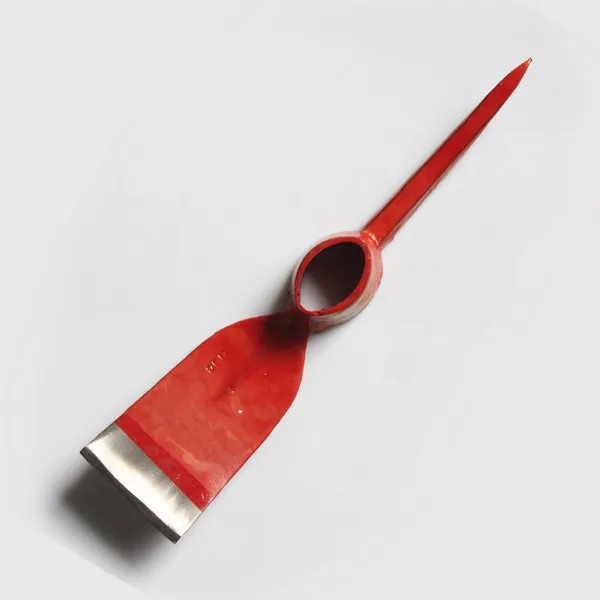
Wholesale Heavy Duty Pick Mattock for Mining Road Work and Farm Digging for Wholesale Tool Dealers With Bulk Order ServiceUS$ 1.85 - 2.3MOQ: 1200 Pieces
-
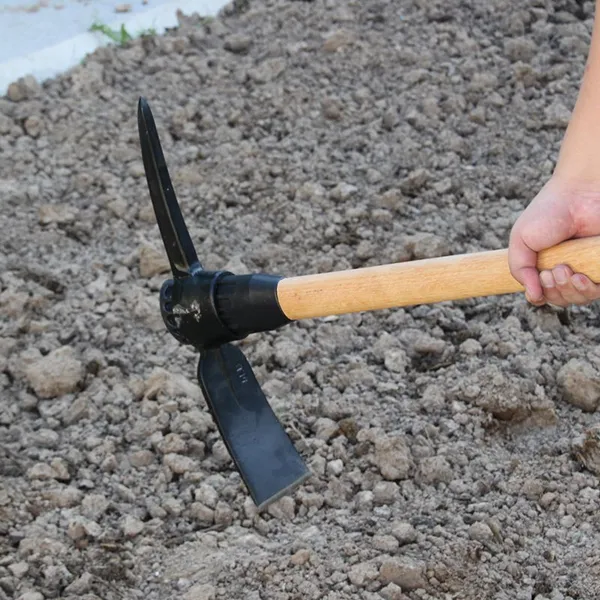
Carbon Steel Manual Pickaxe for Hard Soil Breaking and Trenching for African Importers With OEM Bulk Order Support Agricultural ToolUS$ 1.85 - 2.3MOQ: 1200 Pieces

-
OEM Farm Sickle With Sharp Blade for African Importers OEM Bulk Order Support for Harvesting and Smallholder Farming for Wholesale BUS$ 0.28 - 0.33MOQ: 3000 Pieces
-
Heavy Duty Manganese Steel Round Point Shovel Garden Digging Shovel With Wooden Handle Agricultural Tool ManufacturerUS$ 2.14 - 2.36MOQ: 1200 Pieces
-
Farm Shovel Factory Supply for Regional Import Distributors Bulk Wholesale Supply for Garden Work and Trenching for Agricultural DealersUS$ 2.14 - 2.36MOQ: 1200 Pieces
-
Heavy Duty Garden Rake for African Importers OEM Factory Supply for Agricultural Use African Market Factory Bulk OrderUS$ 0.88 - 1.35MOQ: 2000 Pieces
-
Agricultural Soil Rake for Agricultural Dealers Export Supply for Garden Cleaning African Dealer Channels Factory Bulk OrderUS$ 0.88 - 1.35MOQ: 2000 Pieces
-
Manual Farm Machete for African Importers OEM Factory Supply for Farming and Land Clearing Durable Hand ToolNegotiableMOQ: 1200 Pieces
-
Large Heavy Duty Carbon Steel Garden Landscaping Digging HoeUS$ 1.07 - 1.27MOQ: 1200 Pieces
-
Heavy Duty Rail Steel Mattock Pick Axe With Wooden Handle for Digging Soil Mining and Agricultural Tool SupplierUS$ 1.85 - 2.3MOQ: 1200 Pieces
-
Forged Farm Sickle With Sharp Blade for African Importers OEM Bulk Order Support for Harvesting and Smallholder Farming for WholesalUS$ 0.28 - 0.33MOQ: 3000 Pieces
-
Strong Carbon Steel Farming Sickle for Uganda Tanzania Zambia Agricultural Tool DistributorsUS$ 0.34 - 0.47MOQ: 3000 Pieces