
 Business License

Documents to Bid for a Sickle Supply Contract
Documents to Bid for a Sickle Supply Contract
A tender is won or lost before the price is opened. Missing paperwork removes a bid without discussion. Buyers of aid and government contracts expect a complete, indexed submission.
This article lists the documents usually required, how to prove you can actually produce the volume, and how to prepare a price schedule that survives evaluation.
Which company documents are required?
Most tenders start with the legal identity of the bidder. Get these documents ready before an opportunity appears.
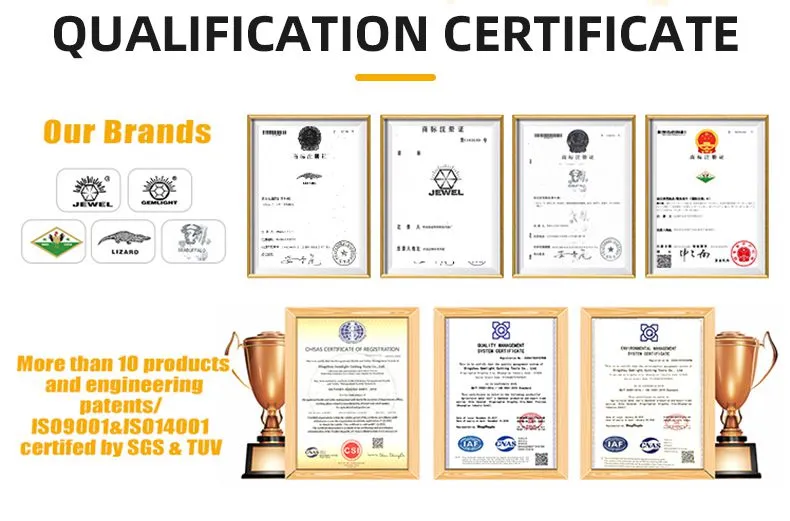
The business license is the base document. It must show the company name, registration number, address and business scope. The scope should cover tool manufacturing or export trade.
The export registration record proves you can ship directly. Without it, you may need a partner and a joint bid.
Tax registration and recent tax payment records are commonly requested. Some programmes use them to screen for compliance.
An ISO 9001 certificate helps, especially for institutional buyers. Include the certificate and its validity date.
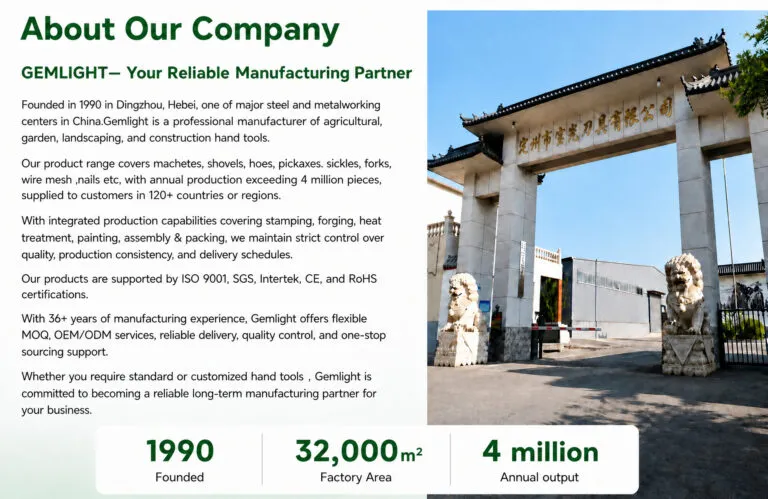
Company profile and organisation chart show scale and structure. Add staff numbers, factory area and main products.
Audited financial statements for the last two or three years are often required. Some tenders set a minimum turnover.
A bank reference or account confirmation may be requested. Prepare a letter from your bank.
A no-debarment declaration states that the company is not excluded from public contracts. Sign and stamp it.
An authorization letter names the person who signs the bid. Attach an ID copy.
A power of attorney is needed if an agent submits on your behalf.
Keep every document scanned at high resolution and named clearly.
What proof of production capacity is accepted?
Evaluators want evidence that you can deliver on time, not just that you can make one sample.
A capacity statement is the starting point. State monthly output per model, number of lines, shifts and current utilisation.
An equipment list adds credibility. List presses, grinding stations, heat treatment furnaces, handle assembly and packing lines with quantities.
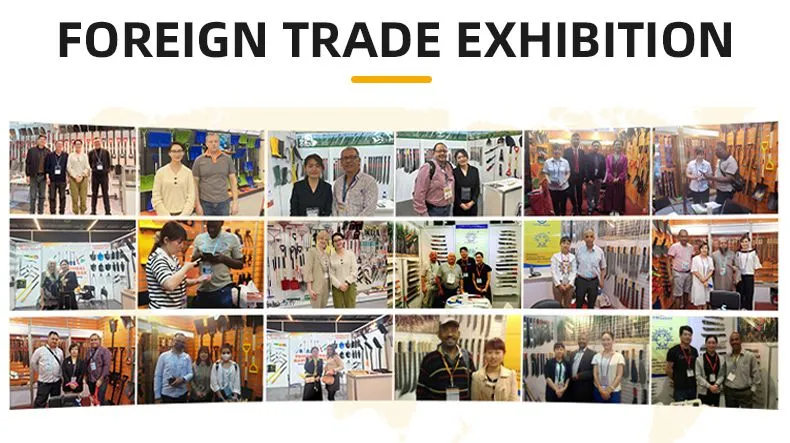
Factory photos and a short video help. Show the actual workshop, not a rendered image.
Past contracts and purchase orders are strong evidence. Include references for similar products and similar volumes.
Shipping records or bills of lading show a real export history. Remove commercial details if confidentiality matters.
A third-party factory audit report carries weight with institutional buyers. BSCI, SEDEX or a buyer-specific audit all help.
Test reports from a recognised laboratory support the quality claim. Hardness and material reports are the usual ones.
A production plan for the specific tender shows you have thought about the schedule. Include lead times by stage.
If you are a trader, name the factory and provide a cooperation letter. Hiding the manufacturer usually backfires.
How to prepare a compliant price schedule?
The price schedule is a form, not a letter. Follow its structure exactly.
Price each line item separately. Do not bundle models into one average price.
State the unit price, the quantity and the extended amount. Check the arithmetic twice.
State the currency required by the document. Do not convert at your own rate if the form specifies one.
State the Incoterm and the named place. A price without a delivery point is incomplete.
Include packing and marking costs if the form asks for them separately. Kit assembly is often a separate line.
State the validity period. Institutional evaluation can take months.
Include the payment terms you accept. Most programmes pay after delivery and inspection.
Add the documentary requirements cost if letters of credit are involved. Bank charges are real.
Sign and stamp every page. Unsigned price schedules are rejected in many systems.
Submit the original and the required copies. Electronic portals need the file format named in the instructions.
Samples, submission and timeline
Samples often decide a technical evaluation. Prepare them properly.
Label each sample with the item number, the model and the bidder name. Loose samples without labels are discarded.
Match the sample to the specification exactly. A better blade that differs from the spec can still be marked non-compliant.
Include the test report with the sample. Attach a photo sheet showing dimensions and weight.
Keep a sealed duplicate of every submitted sample. It is your evidence if the evaluation result is disputed.
Respect the submission deadline to the hour. Late bids are rejected without review, even by minutes.
Submit in the required format: sealed envelope, portal upload or both. Follow the instructions literally.
Check the bid security requirement. A bid bond or bank guarantee must be valid for the stated period.
After submission, monitor clarifications. Some tenders issue amendments that change quantities or specifications.
If you win, expect a performance bond and a pre-production sample approval before mass production.
RFQ checklist for bid support
Give this list to your factory or supplier when you prepare a bid.
Business license and export registration
ISO 9001 and other certificates
Audited financial statements
Company profile and staff numbers
Monthly capacity per model
Equipment list with quantities
Factory photos and video
Past contracts and shipping records
Test reports for material and hardness
Production plan for the tender quantity
Price schedule by line item
Sample preparation and labelling
Bid security and performance bond support
A tender submission is a document project with a manufacturing project attached. Plan both, and the deadline stops being a risk.
Most losing bids are technically capable. They simply failed to prove it on paper.
Recently Posted
-
Sickle Specs in Aid and Government Tenders
October 20, 2026Sickle Specs in Aid and Government TendersTender buyers do not shop the way distributors do. They publish a document, and supplier Read More
-
Packing Sickles for Sea Shipment: Rust and Edge Care
October 20, 2026Packing Sickles for Sea Shipment: Rust and Edge CareA container crosses several climates before it reaches your warehouse. Steel b Read More
-
HS Code for Sickles (8201.90): Import Duty Guide
October 20, 2026HS Code for Sickles (8201.90): Import Duty GuideA wrong HS code creates two problems at once. You pay the wrong duty, and the ship Read More
-
How Many Sickles Fit in a 20ft or 40ft Container
October 20, 2026How Many Sickles Fit in a 20ft or 40ft ContainerContainer maths decides your landed cost. Two suppliers can quote the same FOB pri Read More

Contact Us
Recommended Products
-
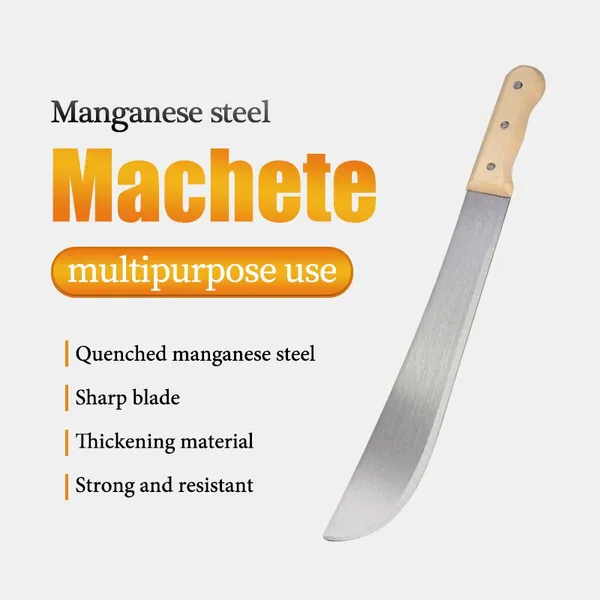
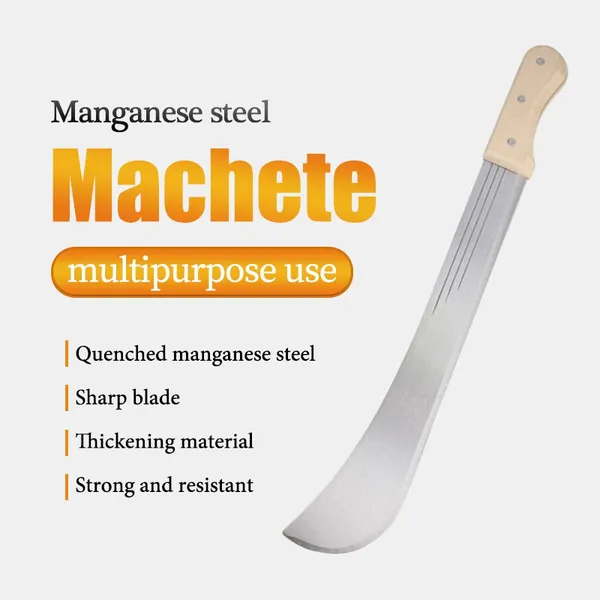
 Heavy Duty Cane Knife Machete for Wholesale Buyers Factory Direct Export for Rural Agricultural Projects Durable Hand ToolNegotiableMOQ: 1200 Pieces
-
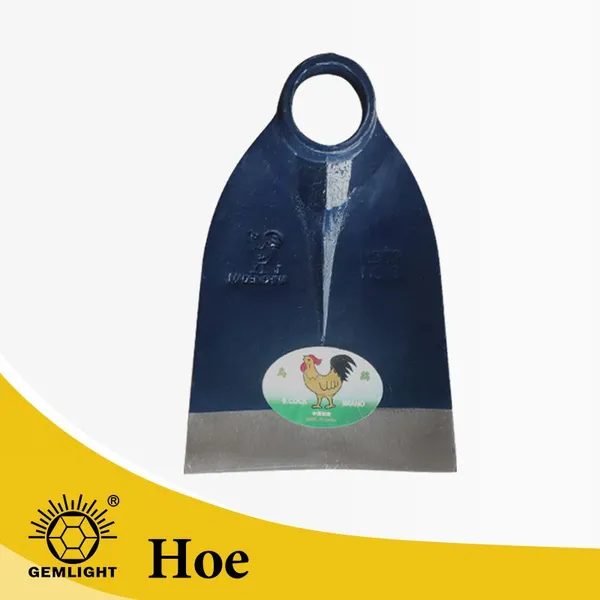
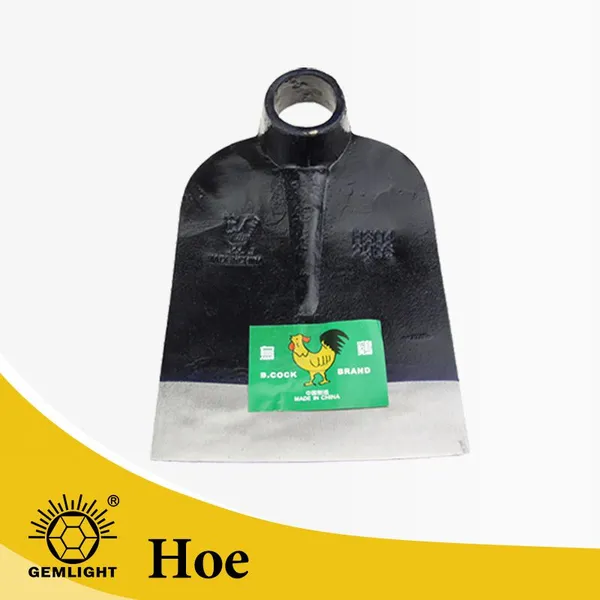
Agricultural Hoe Head Garden Rail Steel Tool for Tough Soil Cheap Price Hand ToolsUS$ 1.07 - 1.27MOQ: 1200 Pieces
-
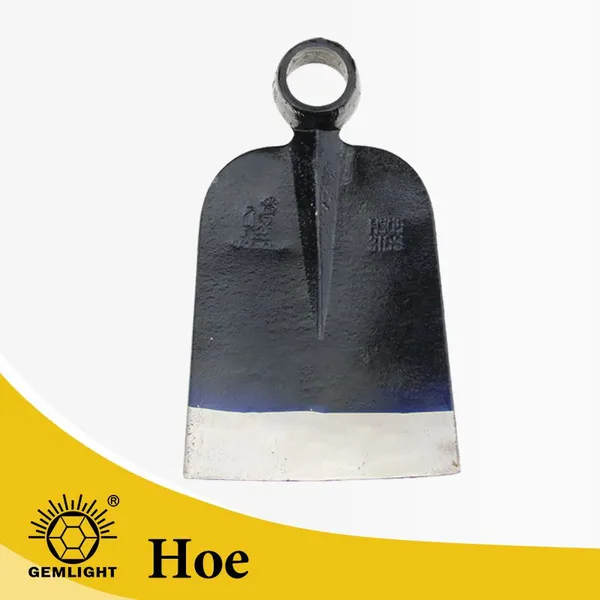
Sturdy Rail Steel Hoe for Weeding, H305 Perfect for Agricultural and Garden TasksUS$ 1.07 - 1.27MOQ: 1200 Pieces
-
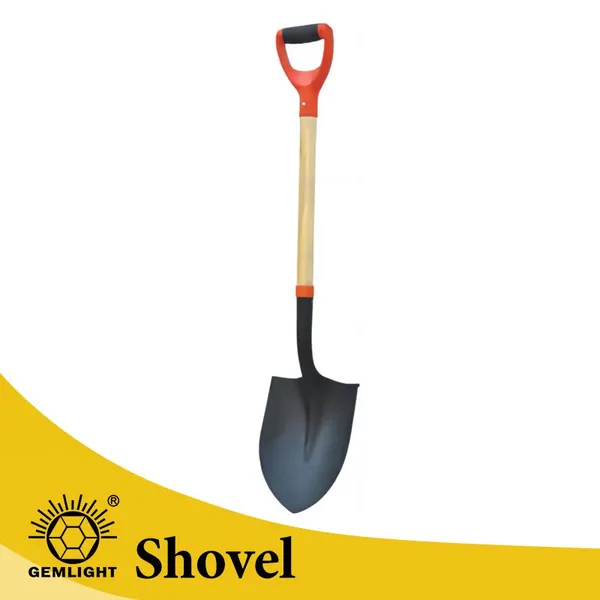
Heavy Duty Manganese Steel Garden Shovel Round Point Digging Shovel With Wooden Handle Farm Tool SupplierUS$ 2.14 - 2.36MOQ: 1200 Pieces
-
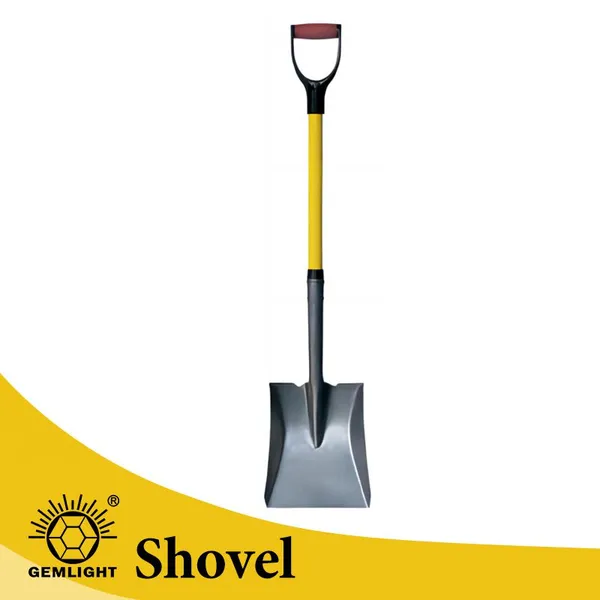
Big Shovel Wide Shovel Mud Shovel Heavy Duty Steel Blade for Farm Drainage Soil Moving Cleaning and Landscaping UseUS$ 2.14 - 2.36MOQ: 1200 Pieces
-
Strong Teeth Soil Rake for Farm Tool Suppliers Private Label Export for Farm Maintenance African Distribution Factory Bulk OrderUS$ 0.88 - 1.35MOQ: 2000 Pieces
-
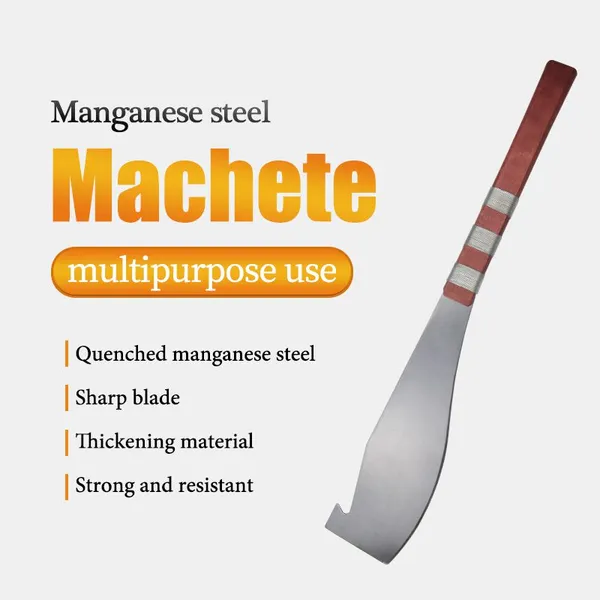
Manual Cane Knife Machete for Wholesale Buyers Factory Direct Export for Rural Agricultural Projects Durable Hand ToolNegotiableMOQ: 1200 Pieces
-
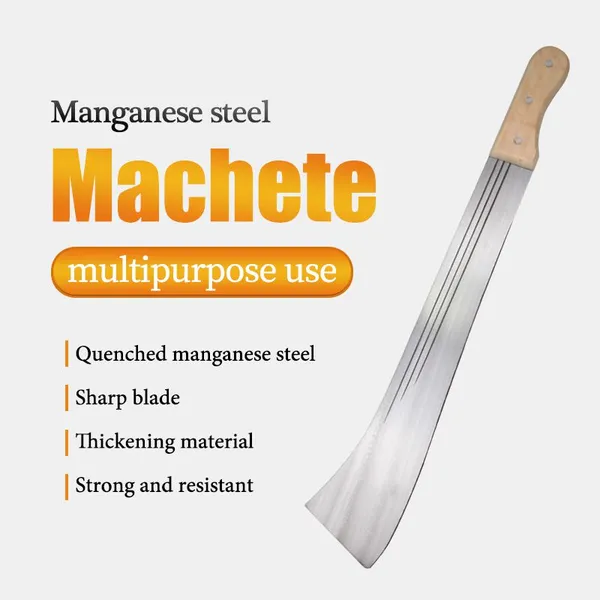
Large High Carbon Steel Machete Knife Agricultural Machete for Farming Bush Cutting Garden Tool SupplierNegotiableMOQ: 1200 Pieces
-
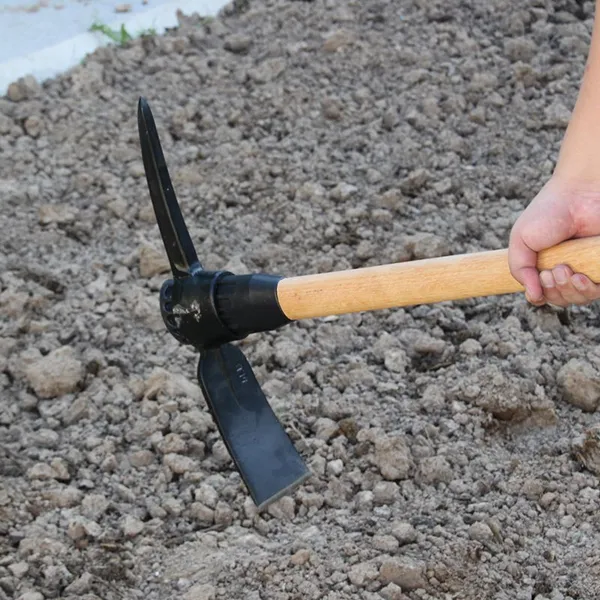
Wholesale Heavy Duty Pick Mattock for Mining Road Work and Farm Digging for Wholesale Tool Dealers With Bulk Order ServiceUS$ 1.85 - 2.3MOQ: 1200 Pieces
-
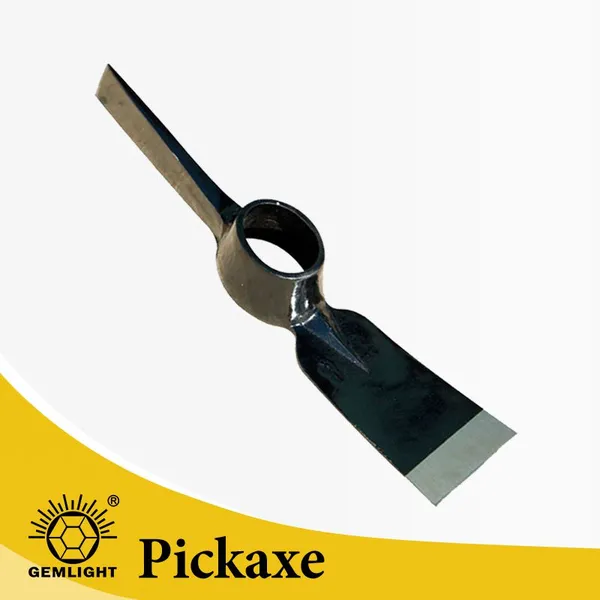
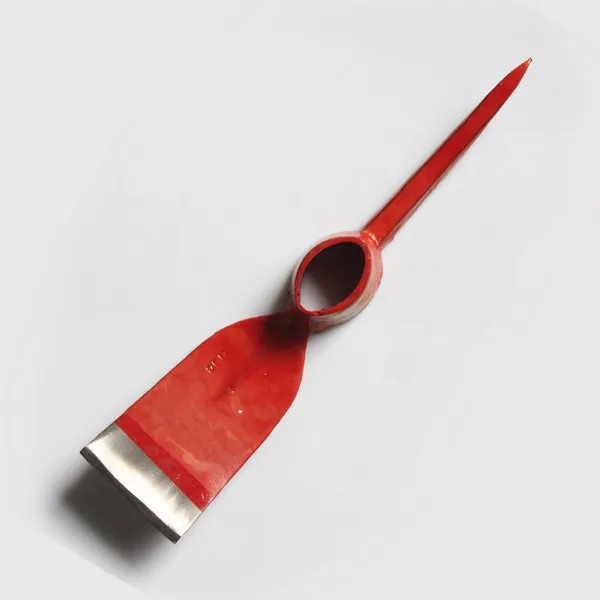
Carbon Steel Manual Pickaxe for Hard Soil Breaking and Trenching for African Importers With OEM Bulk Order Support Agricultural ToolUS$ 1.85 - 2.3MOQ: 1200 Pieces

-
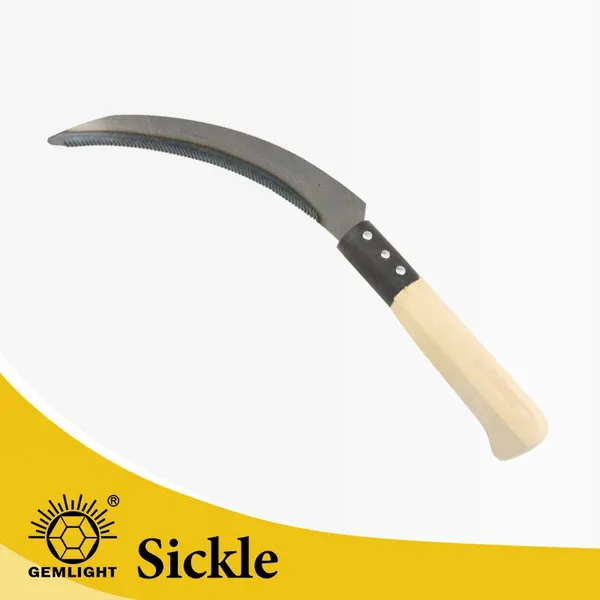
OEM Farm Sickle With Sharp Blade for African Importers OEM Bulk Order Support for Harvesting and Smallholder Farming for Wholesale BUS$ 0.28 - 0.33MOQ: 3000 Pieces
-
Heavy Duty Manganese Steel Round Point Shovel Garden Digging Shovel With Wooden Handle Agricultural Tool ManufacturerUS$ 2.14 - 2.36MOQ: 1200 Pieces
-
Farm Shovel Factory Supply for Regional Import Distributors Bulk Wholesale Supply for Garden Work and Trenching for Agricultural DealersUS$ 2.14 - 2.36MOQ: 1200 Pieces
-
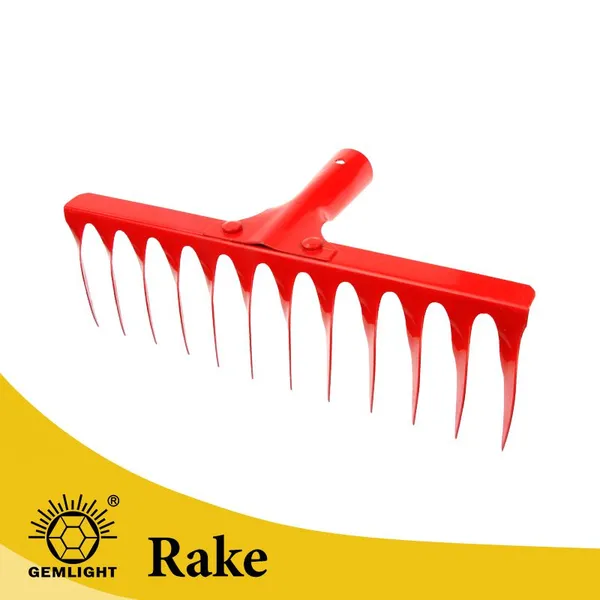
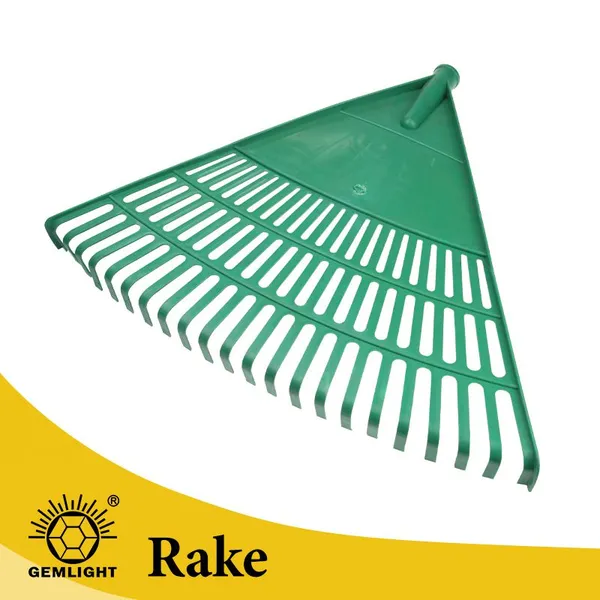
Heavy Duty Garden Rake for African Importers OEM Factory Supply for Agricultural Use African Market Factory Bulk OrderUS$ 0.88 - 1.35MOQ: 2000 Pieces
-
Agricultural Soil Rake for Agricultural Dealers Export Supply for Garden Cleaning African Dealer Channels Factory Bulk OrderUS$ 0.88 - 1.35MOQ: 2000 Pieces
-
Manual Farm Machete for African Importers OEM Factory Supply for Farming and Land Clearing Durable Hand ToolNegotiableMOQ: 1200 Pieces
-
Large Heavy Duty Carbon Steel Garden Landscaping Digging HoeUS$ 1.07 - 1.27MOQ: 1200 Pieces
-
Heavy Duty Rail Steel Mattock Pick Axe With Wooden Handle for Digging Soil Mining and Agricultural Tool SupplierUS$ 1.85 - 2.3MOQ: 1200 Pieces
-
Forged Farm Sickle With Sharp Blade for African Importers OEM Bulk Order Support for Harvesting and Smallholder Farming for WholesalUS$ 0.28 - 0.33MOQ: 3000 Pieces
-
Strong Carbon Steel Farming Sickle for Uganda Tanzania Zambia Agricultural Tool DistributorsUS$ 0.34 - 0.47MOQ: 3000 Pieces