
 Business License

Factory or trading company: how do I verify a machete supplier before paying a deposit?
Factory or trading company: how do I verify a machete supplier before paying a deposit?
Almost every machete supplier says the same thing on the first call. We are a factory, with our own workshop and heat treatment line.
Sometimes that is true. Sometimes the workshop belongs to someone else and your order is being marked up twice.
The deposit is the moment your risk becomes real. Before that, you are only exchanging files.
This guide covers the documents that prove a plant, the video that cannot be faked, and how to handle the counter-sample so it still protects you six months later.
Which documents separate a factory from a trader?
Start with the business licence. Ask for a photo of the original, not a screenshot of a listing.
Read the business scope line closely. A manufacturer lists metal tool production or agricultural machinery production.
A trading company lists sales, wholesale, or import and export only. That single line settles most cases in under a minute.
Check that the company name, address and legal representative match the bank account name on the proforma invoice.
If the proforma invoice comes from a different company than the licence, ask why in writing. Group structures exist, but so do borrowed accounts.
Then ask for the export registration record. A plant shipping directly holds one. If not, your goods move through a third party.
Ask for the factory floor area and the number of production staff. Then ask for the monthly output of machetes in pieces.
Compare that number with your order volume. A plant claiming 300,000 pieces a month will not struggle with 5,000.
Finally, request a certificate of quality management only as background. ISO 9001 shows process discipline, not blade quality.
What you actually want is a hardness test report for the current steel batch.
What must a video or on-site audit show?
A recorded product video proves nothing. You need a live walk through the production flow.
Ask the salesperson to start at the steel rack. You want to see coil or strip with a mill tag, and a grade that matches the quote.
Then move to blanking. You should see a press cutting blade profiles from strip, with offcuts on the floor.
Next is the grinding station. Look for wet grinding with water flow, because dry grinding overheats the edge and softens it.
Then the heat treatment furnace. Ask to see the temperature controller display and the quench tank. This is the step traders cannot show.
After that, look at the tempering oven. Hardness without tempering gives a blade that chips.
Finish at handle fitting and packing. Handles, rivets, sheaths and cartons should be in the same building.
Ask the camera to pick up a finished blade and flex it slightly. Then ask for the batch number stamped on that piece.
A supplier who walks you through this in fifteen minutes is a supplier. One who reschedules twice is a reseller.
If you visit in person, weigh three random blades and compare with the quoted weight. Then check the edge with a file.
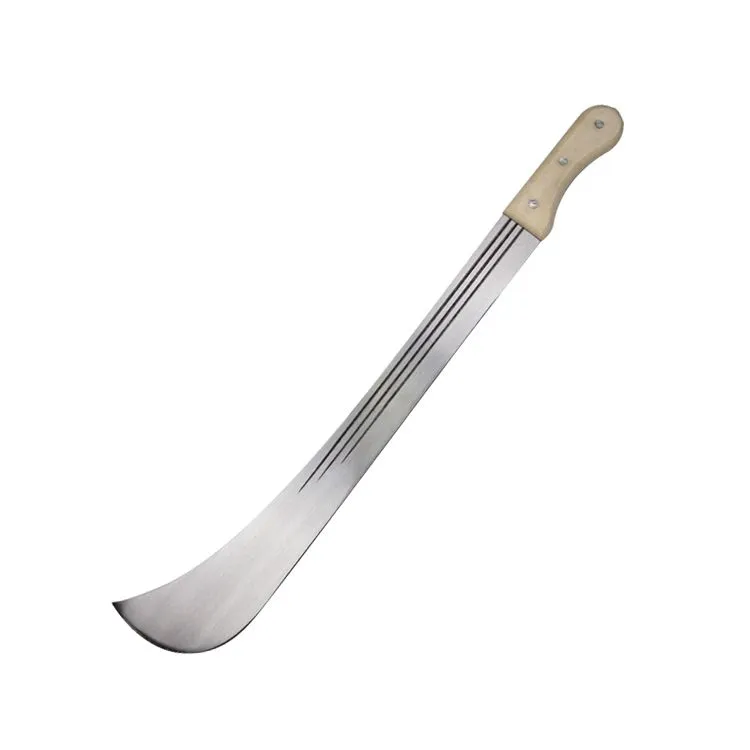
How should the counter-sample be sealed and stored?
The counter-sample is the only object that settles an argument later. Treat it like a contract attachment.
Ask for two identical pieces from the same production lot. One stays with the factory, one travels to you.
Label both with the model, steel grade, measured hardness, production date and order number. Write directly on the blade or on a sealed tag.
Wrap each piece in rust preventive paper, then in plastic, then seal with a signed paper strip across the joint.
Photograph the sealed sample from four sides with a ruler in frame. Keep the photos with the order file.
Store your piece indoors, dry, and away from sunlight. Heat and humidity change wood handles and dull the finish.
When the bulk order arrives, open the seal and compare weight, thickness, edge angle and handle colour side by side.
Small differences are normal between lots. A different blade profile, a softer edge or a thinner tang is not.
If you cannot visit, ask the factory to video the sealing process and show the signed strip in the same shot.
What actually protects your deposit?
Documents protect you more than promises. Three items do most of the work.
First, a proforma invoice that lists the full specification, not just the model name. Steel grade, hardness range, thickness tolerance and packing all belong there.
Second, a payment schedule tied to milestones. Thirty percent deposit is normal. The balance should follow inspection, not shipment.
Third, a named inspection clause. State who inspects, against which standard, and what happens if the lot fails.
Ask whether the deposit is refundable if the sample is rejected. Get the answer in the chat record, not on a call.
Avoid paying a personal account. Pay the company account that matches the licence, and keep the bank slip.
For a first order, a letter of credit or a trade assurance platform costs a little and removes most of the risk.
If a supplier refuses any inspection before the balance payment, stop. That refusal is the answer to your question.
Deposit checklist before you transfer money
Work through this list in order, and keep every reply in one folder.
Business licence photo with matching company name and scope
Export registration record
Bank account name identical to the licence
Steel grade and mill tag photo
Heat treatment method and furnace photo
Hardness test report for the current batch
Monthly output and staff count
Live video walk of blanking, grinding, heat treatment and packing
Two sealed counter-samples with signed labels
Proforma invoice with full specification and tolerance
Payment schedule tied to inspection
Inspection standard, inspector and failure remedy in writing
When all twelve items are green, the deposit is a business decision rather than a gamble.
Recently Posted
-
Wood or plastic handle: which machete handle do buyers reorder?
October 22, 2026Wood or plastic handle: which machete handle do buyers reorder?Handles are the cheapest part of a machete and the most common reas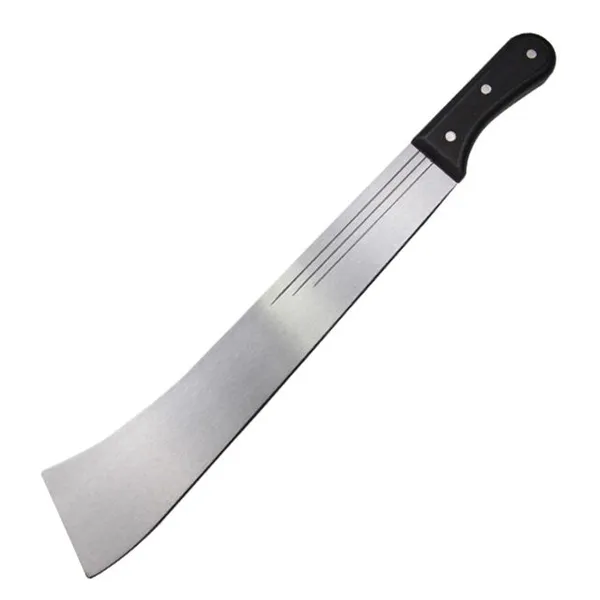 Read More
-
How do I choose machete blade length, thickness and edge angle for each task?
October 22, 2026How do I choose machete blade length, thickness and edge angle for each task?Three numbers decide how a machete performs. Length, Read More
-
Which carbon steel grade should I specify for machete blades?
October 22, 2026Which carbon steel grade should I specify for machete blades?Most machete quotes mention a steel grade in passing. Few explain wha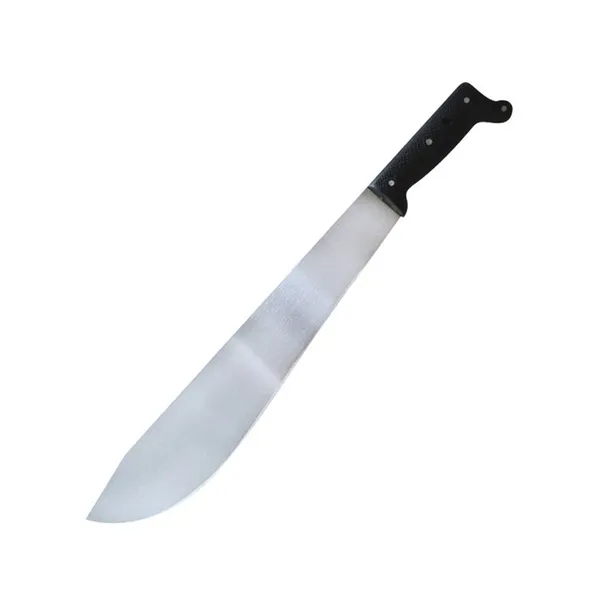 Read More
-
Forged or stamped machete blades: which one lasts longer in the field?
October 22, 2026Forged or stamped machete blades: which one lasts longer in the field?Every supplier will tell you their blade is forged. Some of Read More

Contact Us
Recommended Products
-
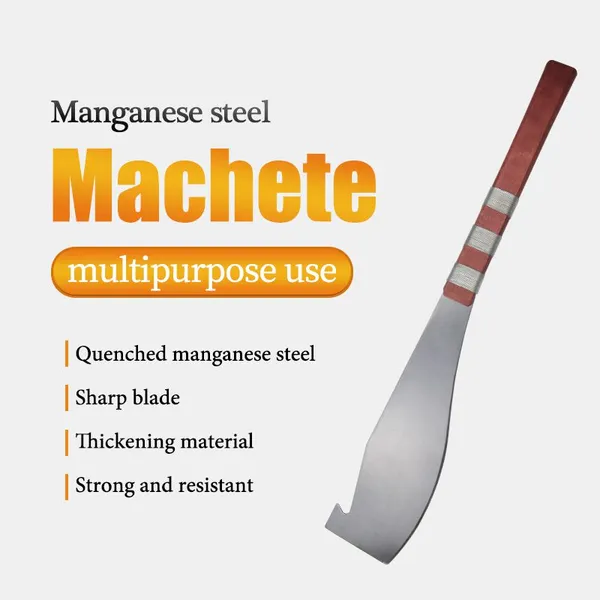
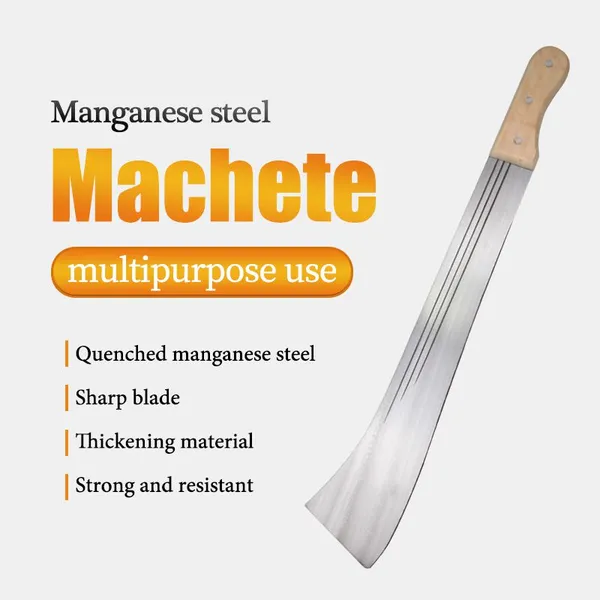
 Heavy Duty Cane Knife Machete for Wholesale Buyers Factory Direct Export for Rural Agricultural Projects Durable Hand ToolNegotiableMOQ: 1200 Pieces
-
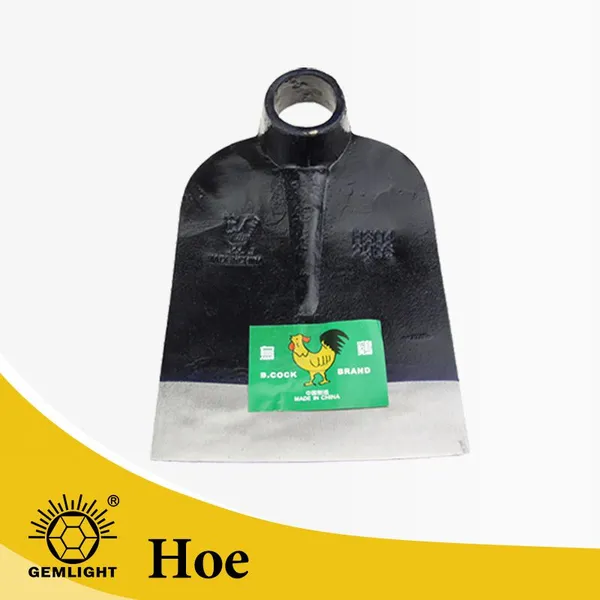
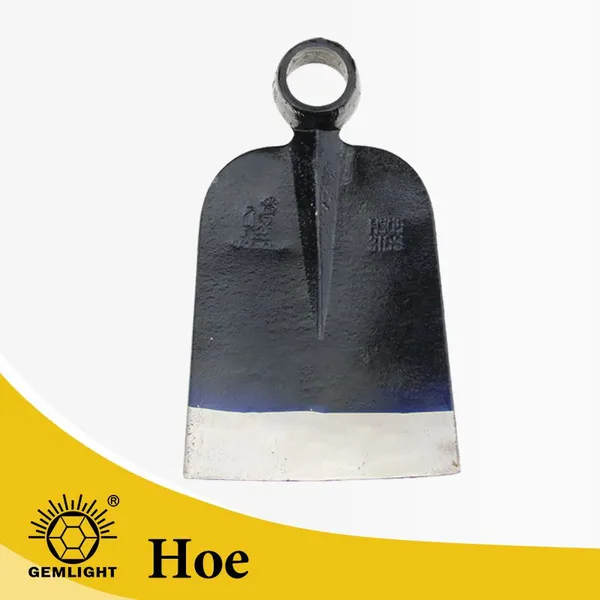
Agricultural Hoe Head Garden Rail Steel Tool for Tough Soil Cheap Price Hand ToolsUS$ 1.07 - 1.27MOQ: 1200 Pieces
-
Sturdy Rail Steel Hoe for Weeding, H305 Perfect for Agricultural and Garden TasksUS$ 1.07 - 1.27MOQ: 1200 Pieces
-
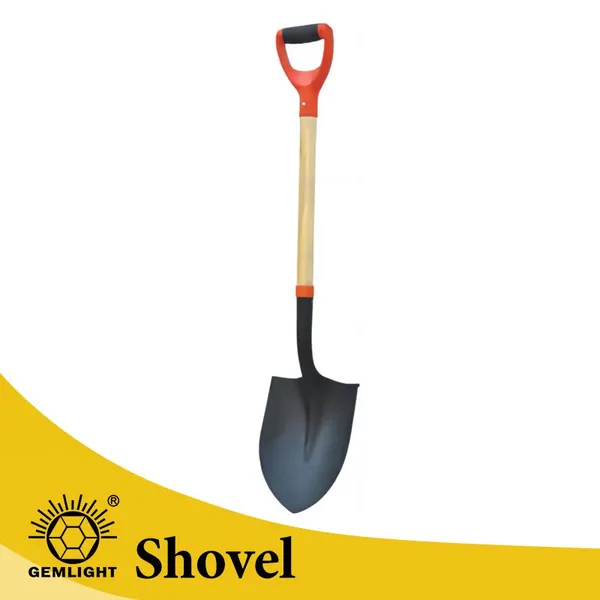
Heavy Duty Manganese Steel Garden Shovel Round Point Digging Shovel With Wooden Handle Farm Tool SupplierUS$ 2.14 - 2.36MOQ: 1200 Pieces
-
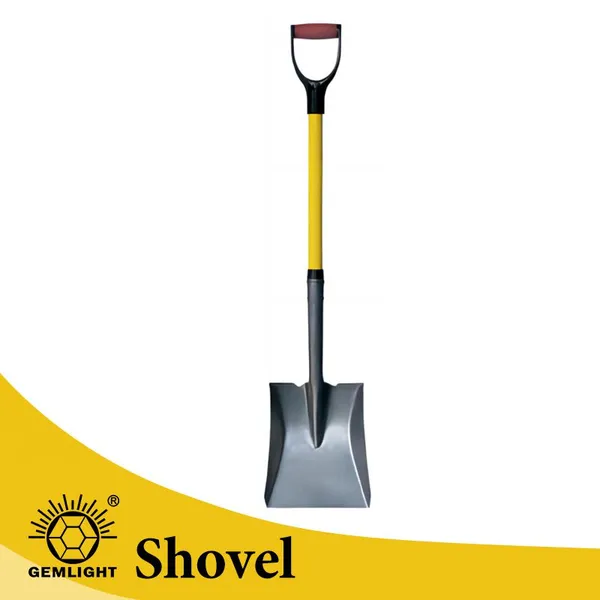
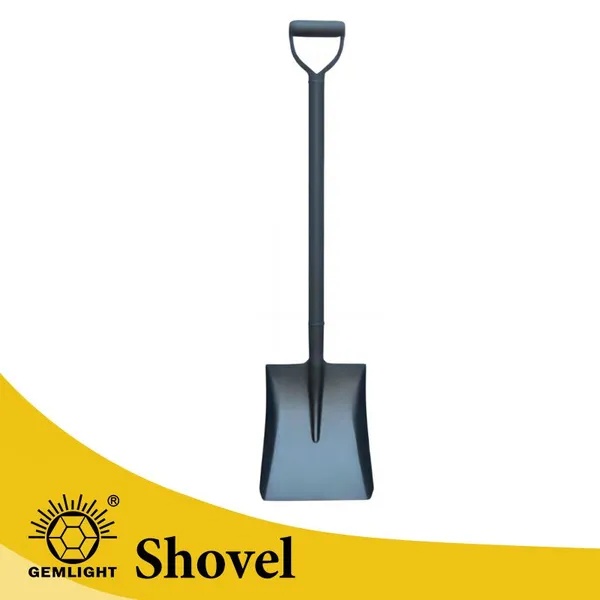
Big Shovel Wide Shovel Mud Shovel Heavy Duty Steel Blade for Farm Drainage Soil Moving Cleaning and Landscaping UseUS$ 2.14 - 2.36MOQ: 1200 Pieces
-
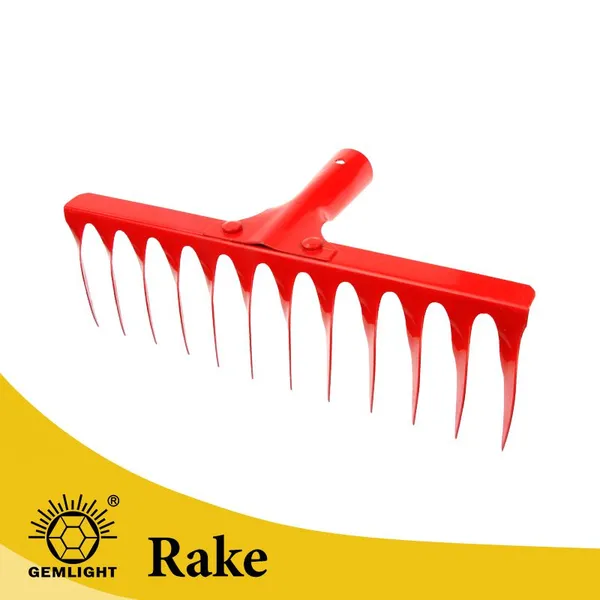
Strong Teeth Soil Rake for Farm Tool Suppliers Private Label Export for Farm Maintenance African Distribution Factory Bulk OrderUS$ 0.88 - 1.35MOQ: 2000 Pieces
-
Manual Cane Knife Machete for Wholesale Buyers Factory Direct Export for Rural Agricultural Projects Durable Hand ToolNegotiableMOQ: 1200 Pieces
-
Large High Carbon Steel Machete Knife Agricultural Machete for Farming Bush Cutting Garden Tool SupplierNegotiableMOQ: 1200 Pieces
-
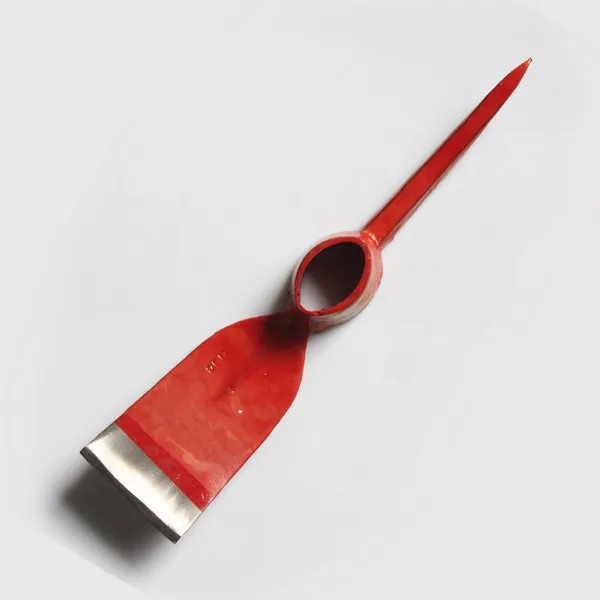
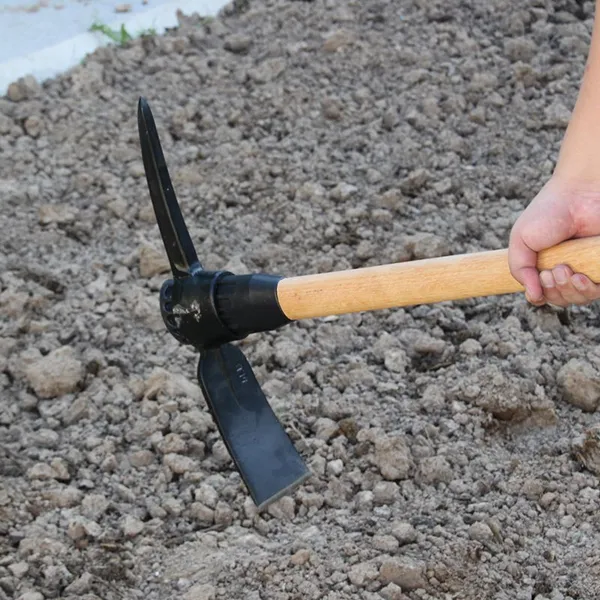
Wholesale Heavy Duty Pick Mattock for Mining Road Work and Farm Digging for Wholesale Tool Dealers With Bulk Order ServiceUS$ 1.85 - 2.3MOQ: 1200 Pieces
-
Carbon Steel Manual Pickaxe for Hard Soil Breaking and Trenching for African Importers With OEM Bulk Order Support Agricultural ToolUS$ 1.85 - 2.3MOQ: 1200 Pieces

-
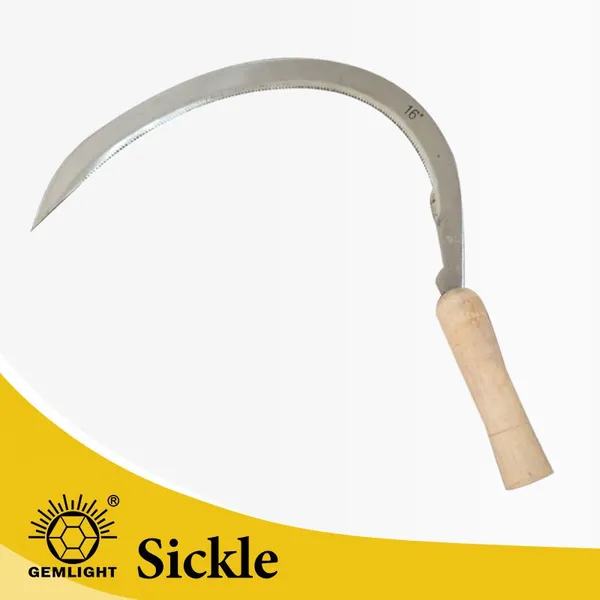
OEM Farm Sickle With Sharp Blade for African Importers OEM Bulk Order Support for Harvesting and Smallholder Farming for Wholesale BUS$ 0.28 - 0.33MOQ: 3000 Pieces
-
Heavy Duty Manganese Steel Round Point Shovel Garden Digging Shovel With Wooden Handle Agricultural Tool ManufacturerUS$ 2.14 - 2.36MOQ: 1200 Pieces
-
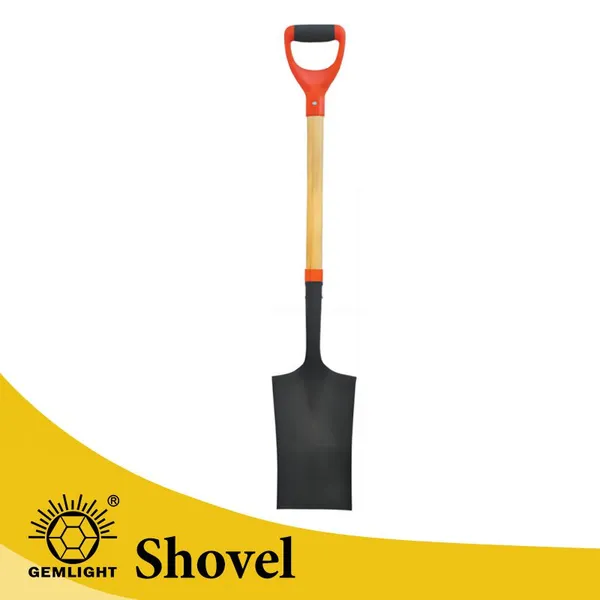
Farm Shovel Factory Supply for Regional Import Distributors Bulk Wholesale Supply for Garden Work and Trenching for Agricultural DealersUS$ 2.14 - 2.36MOQ: 1200 Pieces
-
Heavy Duty Garden Rake for African Importers OEM Factory Supply for Agricultural Use African Market Factory Bulk OrderUS$ 0.88 - 1.35MOQ: 2000 Pieces
-
Agricultural Soil Rake for Agricultural Dealers Export Supply for Garden Cleaning African Dealer Channels Factory Bulk OrderUS$ 0.88 - 1.35MOQ: 2000 Pieces
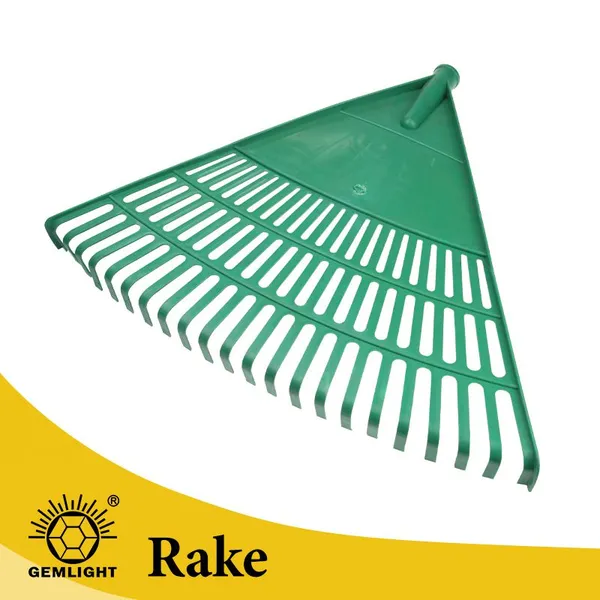
-
Manual Farm Machete for African Importers OEM Factory Supply for Farming and Land Clearing Durable Hand ToolNegotiableMOQ: 1200 Pieces
-
Large Heavy Duty Carbon Steel Garden Landscaping Digging HoeUS$ 1.07 - 1.27MOQ: 1200 Pieces
-
Heavy Duty Rail Steel Mattock Pick Axe With Wooden Handle for Digging Soil Mining and Agricultural Tool SupplierUS$ 1.85 - 2.3MOQ: 1200 Pieces
-
Forged Farm Sickle With Sharp Blade for African Importers OEM Bulk Order Support for Harvesting and Smallholder Farming for WholesalUS$ 0.28 - 0.33MOQ: 3000 Pieces
-
Strong Carbon Steel Farming Sickle for Uganda Tanzania Zambia Agricultural Tool DistributorsUS$ 0.34 - 0.47MOQ: 3000 Pieces