
 Business License

Latin pattern or panga: which machete should I stock for my market?
Latin pattern or panga: which machete should I stock for my market?
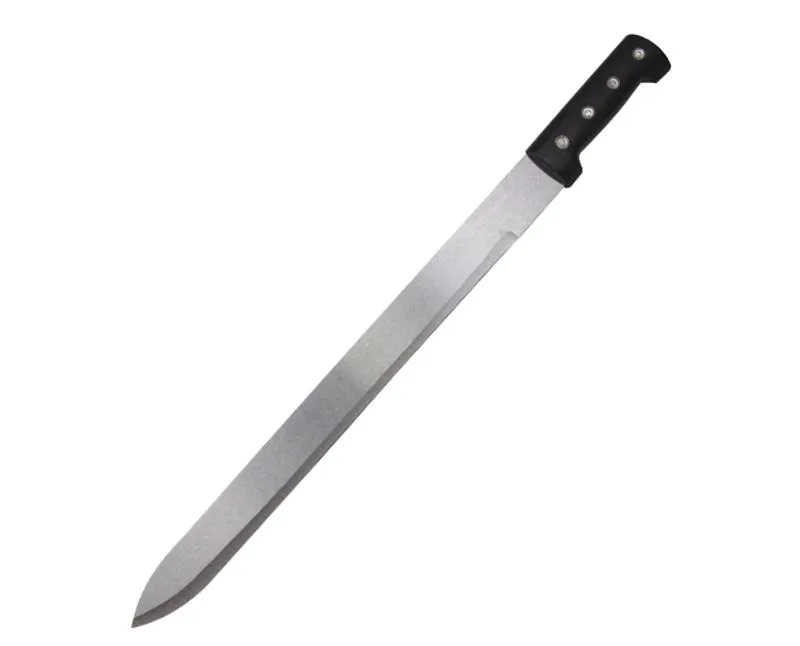
Two machetes, roughly the same length, very different tools. Buyers mix them up and then blame the supplier.
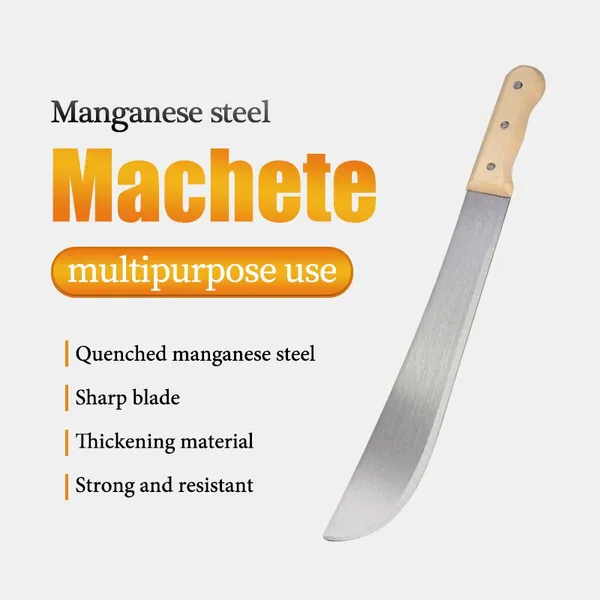
The Latin pattern is long, light and fast. The panga is shorter, broader and heavier at the front.
Neither is better in general. One is better for your customer's crop, terrain and swing.
This guide compares the two on cutting behaviour, crop fit, weight and freight, so you can pick a default for each market.
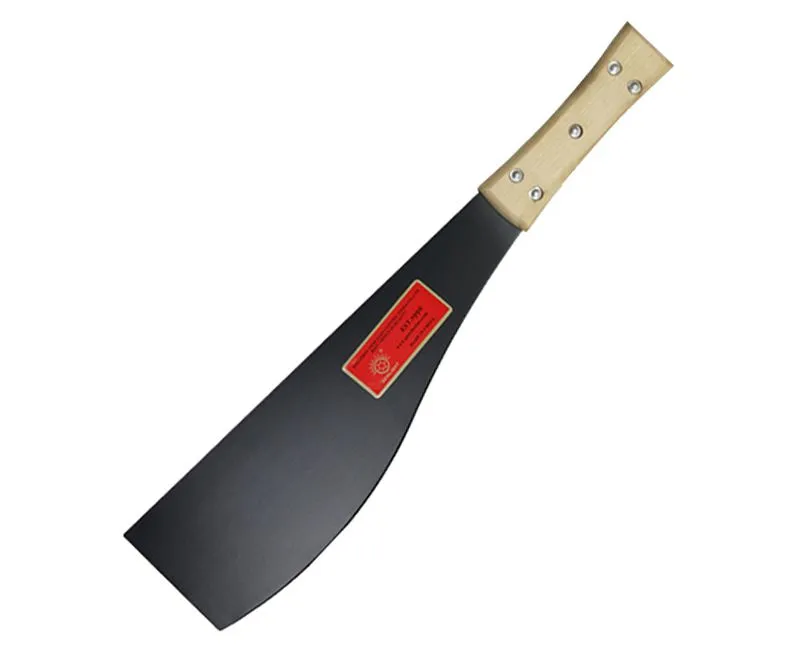
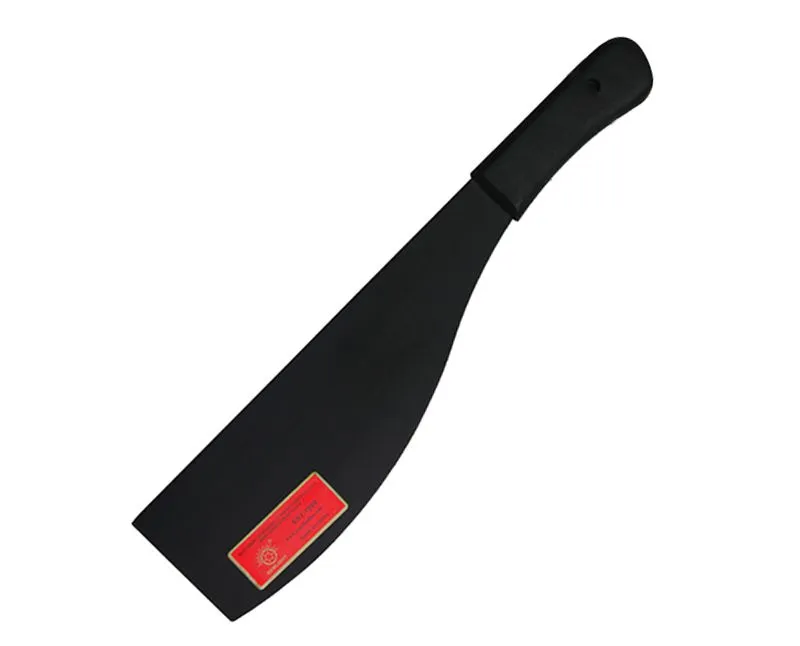
How does the panga's raised spine change cutting?
The panga has a distinct feature: a flat step or bevel along the back of the blade near the tip.
That raised spine does two things. It adds steel where the impact happens, and it stiffens the last third of the blade.
More mass at the tip means more momentum in the swing. The blade goes through a woody stem instead of bouncing off it.
The flat back also lets the user rest a hand or a stick on the spine for controlled shaving cuts.
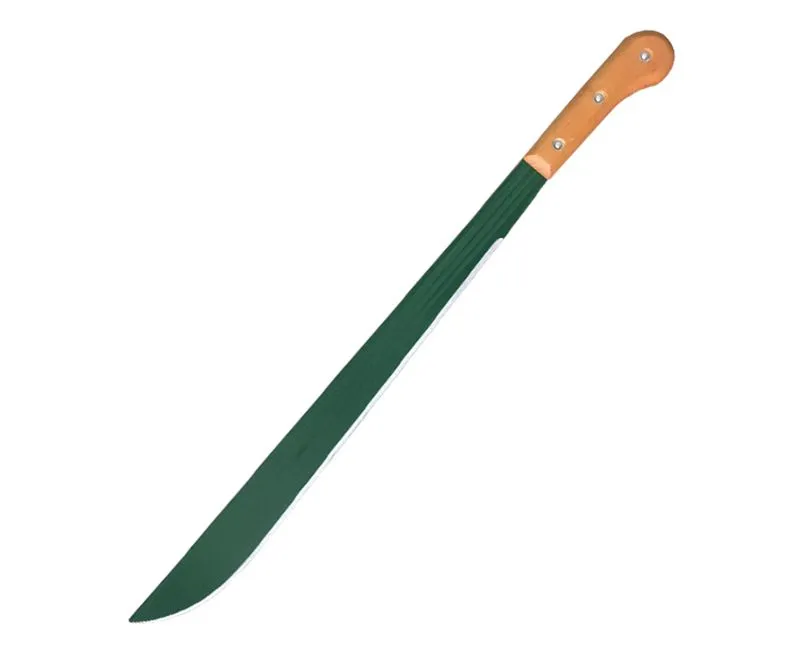
The Latin pattern has no such step. Its spine runs thin and even from handle to tip, so the blade is light and quick.
That even spine suits slicing grass and weeds at speed. The blade follows through instead of chopping down.
In daily use, the panga feels heavier after an hour. The Latin blade feels faster but weaker against dry hardwood.
The difference is not subtle once you cut a bundle of maize stalks with both.
Which crops and terrain suit each pattern?
Match the pattern to the crop, then to the ground under the farmer's feet.
The Latin pattern suits grass, weeds, light brush, and soft green stems. It is the standard tool on mixed small farms.
It also works well in coffee, cocoa and banana plots, where the cut is thin and repeated thousands of times a day.
Long blades help where the user stands upright and sweeps. Flat land and open rows favour that motion.
The panga suits maize stalks, cassava, sorghum, sisal and thick bush. It also handles banana stems and palm fronds.
Chopping down and through suits the panga. So does clearing scrub where stems are dry and tough.
Hilly ground with dense regrowth favours the panga, because one heavy stroke does the job.
Where labour is short and speed of clearing matters, buyers ask for the panga. Where daily weeding dominates, they ask for the Latin blade.
Both patterns appear in the same country. Distributors who stock only one lose sales at the counter.
How do weight and freight differ between the two?
A panga carries more steel, so it weighs more. Typical finished weights sit in the 500 to 700 gram range.
A Latin blade of similar length often lands between 350 and 500 grams, depending on thickness and handle.
That gap changes how the tool feels, and it changes your cost. More steel means a higher unit price at the same grade.
Freight is usually driven by volume, not weight, for sea shipments. A carton of pangas is not much bigger, but it is heavier.
Check the container weight limit before you plan a full load of thick blades. Heavy cartons can push you close to the limit on a 20ft box.
Air freight and courier samples are where weight really bites. A panga sample can cost noticeably more to ship.
Handles and sheaths add their own weight. A thick leather sheath can weigh as much as a small Latin blade.
Do the maths per carton, not per piece. Carton weight and carton volume decide your landed cost.
Ask the factory for carton gross weight and carton dimensions before you book freight. Both numbers set your quote.
A carton of 24 heavy pangas can weigh close to 20 kg. Pallet rules and stack height then limit the load.
On a 20ft container, volume runs out before weight for most machetes. On dense heavy models, check both.
Which pattern should a distributor stock first?
If you must start with one, start with the pattern your region already uses. Do not try to change a market.
For Central and South America, stock the Latin pattern first. Add a shorter heavy blade for brush later.
For East and Southern Africa, stock the panga. It is the tool farmers already own and know how to sharpen.
For mixed export markets, stock both in one or two sizes. A distributor needs an answer when a customer asks for the other one.
Keep the handle style consistent with the region. A panga with a Latin style handle sells poorly in a panga market.
Order sheaths separately from blades. Some buyers want sheaths, others refuse to pay for them.
Test with a small mixed container before you commit to a full load of one pattern.
Watch the reorder pattern, not the first order. First orders follow fashion. Reorders follow field results.
Ask customers which sharpening tool they use. File users accept a softer edge than grinder users do.
Keep one short blade in the range for older workers and for cutting close to the ground.
Pattern selection checklist for the RFQ
Send this list and ask the factory to confirm each line in writing.
Pattern name and reference photo
Overall length and blade length
Blade width at the widest point
Spine thickness in millimetres, with tolerance
Raised spine or flat spine
Steel grade and measured hardness range
Edge angle and bevel type
Finished weight per piece in grams
Handle material, shape and tang type
Sheath type and weight
Units per carton, carton weight and carton volume
MOQ per pattern and mix allowance
Choose the pattern for the customer, then choose the factory for the steel. Reversing that order costs money.
Recently Posted
-
Wood or plastic handle: which machete handle do buyers reorder?
October 22, 2026Wood or plastic handle: which machete handle do buyers reorder?Handles are the cheapest part of a machete and the most common reas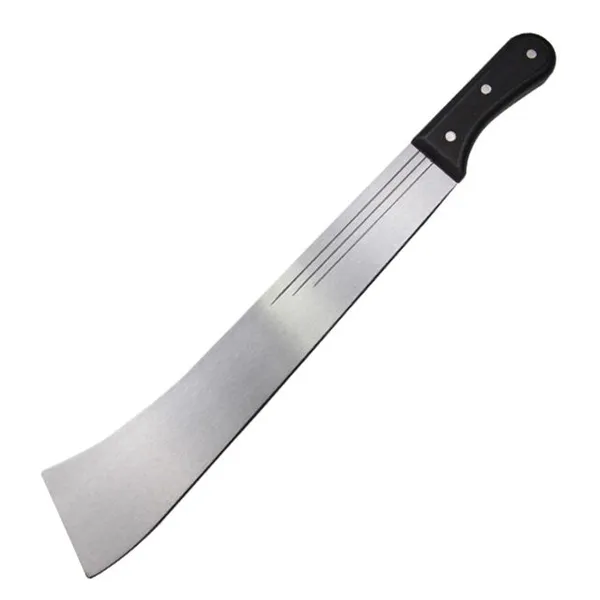 Read More
-
How do I choose machete blade length, thickness and edge angle for each task?
October 22, 2026How do I choose machete blade length, thickness and edge angle for each task?Three numbers decide how a machete performs. Length, Read More
-
Which carbon steel grade should I specify for machete blades?
October 22, 2026Which carbon steel grade should I specify for machete blades?Most machete quotes mention a steel grade in passing. Few explain wha Read More
-
Forged or stamped machete blades: which one lasts longer in the field?
October 22, 2026Forged or stamped machete blades: which one lasts longer in the field?Every supplier will tell you their blade is forged. Some of Read More

Contact Us
Recommended Products
-
 Heavy Duty Cane Knife Machete for Wholesale Buyers Factory Direct Export for Rural Agricultural Projects Durable Hand ToolNegotiableMOQ: 1200 Pieces
-
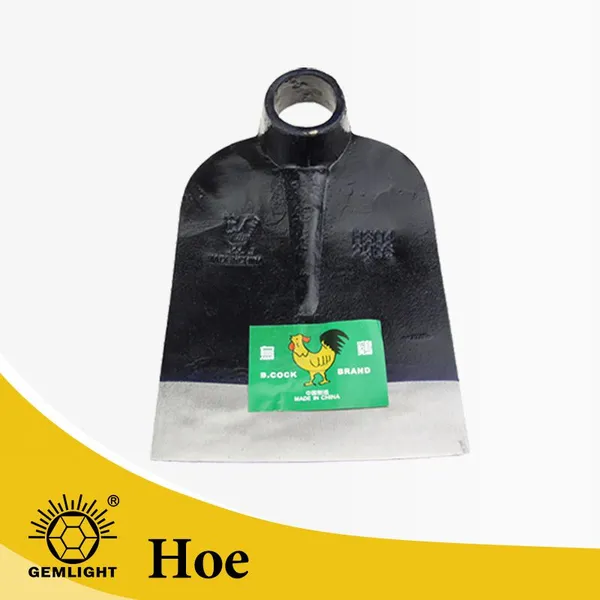
Agricultural Hoe Head Garden Rail Steel Tool for Tough Soil Cheap Price Hand ToolsUS$ 1.07 - 1.27MOQ: 1200 Pieces
-
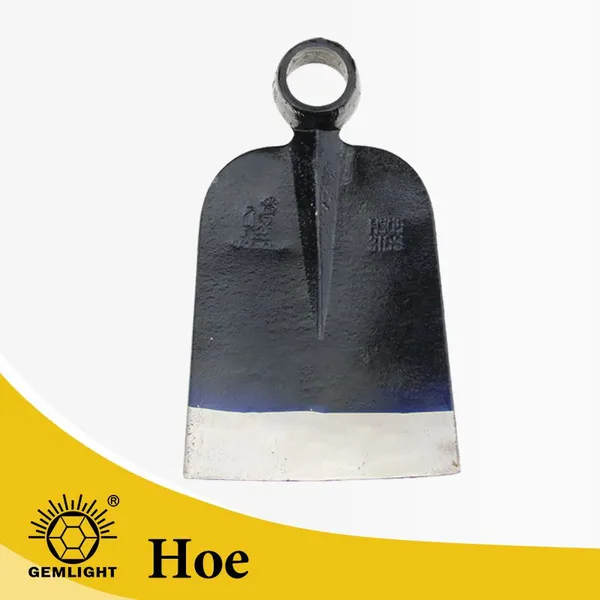
Sturdy Rail Steel Hoe for Weeding, H305 Perfect for Agricultural and Garden TasksUS$ 1.07 - 1.27MOQ: 1200 Pieces
-
Heavy Duty Manganese Steel Garden Shovel Round Point Digging Shovel With Wooden Handle Farm Tool SupplierUS$ 2.14 - 2.36MOQ: 1200 Pieces
-
Big Shovel Wide Shovel Mud Shovel Heavy Duty Steel Blade for Farm Drainage Soil Moving Cleaning and Landscaping UseUS$ 2.14 - 2.36MOQ: 1200 Pieces
-
Strong Teeth Soil Rake for Farm Tool Suppliers Private Label Export for Farm Maintenance African Distribution Factory Bulk OrderUS$ 0.88 - 1.35MOQ: 2000 Pieces
-
Manual Cane Knife Machete for Wholesale Buyers Factory Direct Export for Rural Agricultural Projects Durable Hand ToolNegotiableMOQ: 1200 Pieces
-
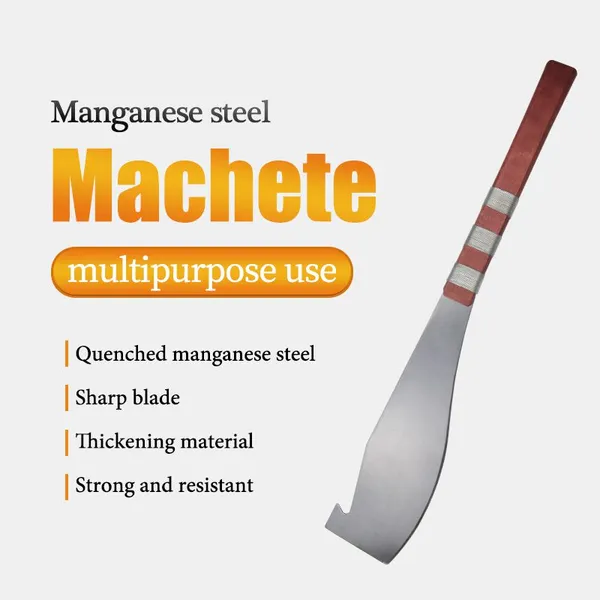
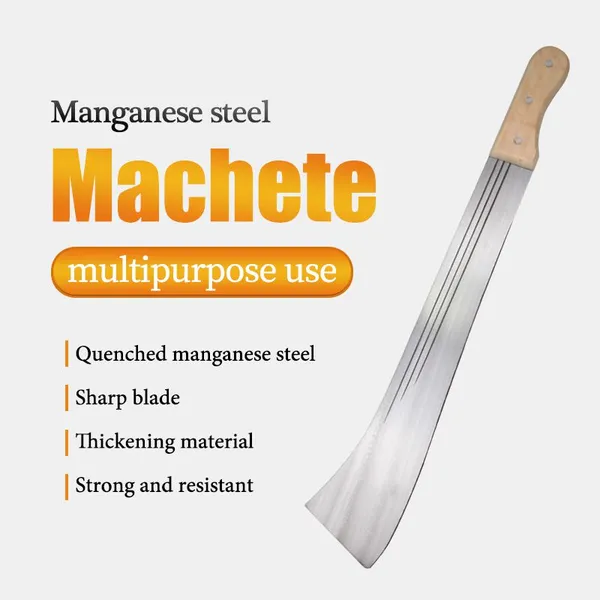
Large High Carbon Steel Machete Knife Agricultural Machete for Farming Bush Cutting Garden Tool SupplierNegotiableMOQ: 1200 Pieces
-
Wholesale Heavy Duty Pick Mattock for Mining Road Work and Farm Digging for Wholesale Tool Dealers With Bulk Order ServiceUS$ 1.85 - 2.3MOQ: 1200 Pieces
-
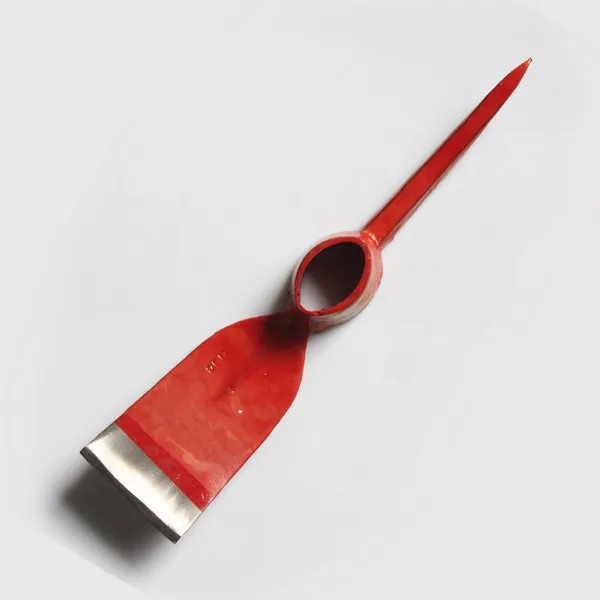
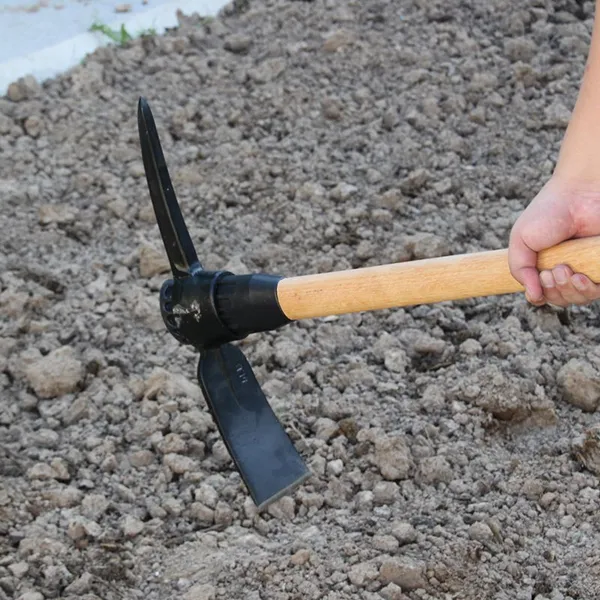
Carbon Steel Manual Pickaxe for Hard Soil Breaking and Trenching for African Importers With OEM Bulk Order Support Agricultural ToolUS$ 1.85 - 2.3MOQ: 1200 Pieces

-
OEM Farm Sickle With Sharp Blade for African Importers OEM Bulk Order Support for Harvesting and Smallholder Farming for Wholesale BUS$ 0.28 - 0.33MOQ: 3000 Pieces
-
Heavy Duty Manganese Steel Round Point Shovel Garden Digging Shovel With Wooden Handle Agricultural Tool ManufacturerUS$ 2.14 - 2.36MOQ: 1200 Pieces
-
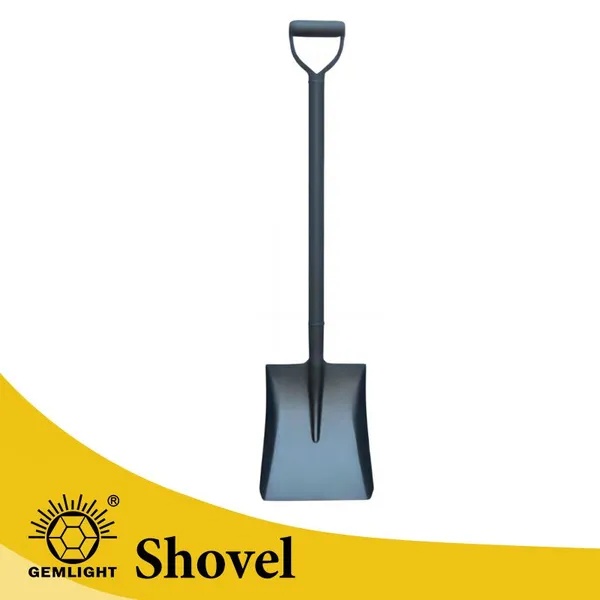
Farm Shovel Factory Supply for Regional Import Distributors Bulk Wholesale Supply for Garden Work and Trenching for Agricultural DealersUS$ 2.14 - 2.36MOQ: 1200 Pieces
-
Heavy Duty Garden Rake for African Importers OEM Factory Supply for Agricultural Use African Market Factory Bulk OrderUS$ 0.88 - 1.35MOQ: 2000 Pieces
-
Agricultural Soil Rake for Agricultural Dealers Export Supply for Garden Cleaning African Dealer Channels Factory Bulk OrderUS$ 0.88 - 1.35MOQ: 2000 Pieces
-
Manual Farm Machete for African Importers OEM Factory Supply for Farming and Land Clearing Durable Hand ToolNegotiableMOQ: 1200 Pieces
-
Large Heavy Duty Carbon Steel Garden Landscaping Digging HoeUS$ 1.07 - 1.27MOQ: 1200 Pieces
-
Heavy Duty Rail Steel Mattock Pick Axe With Wooden Handle for Digging Soil Mining and Agricultural Tool SupplierUS$ 1.85 - 2.3MOQ: 1200 Pieces
-
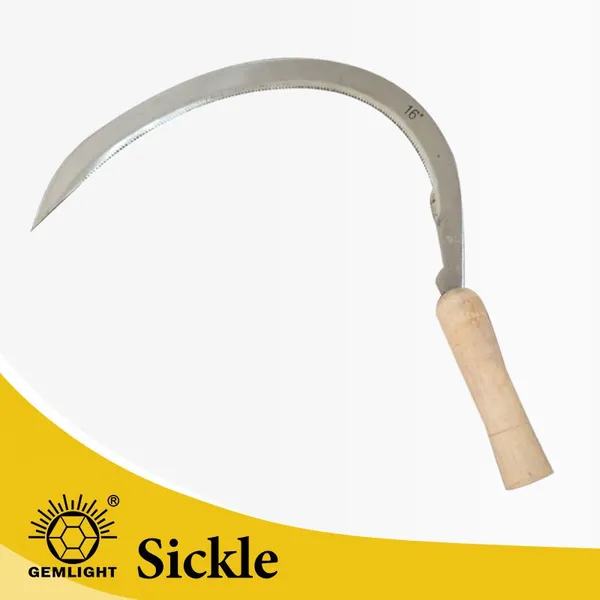
Forged Farm Sickle With Sharp Blade for African Importers OEM Bulk Order Support for Harvesting and Smallholder Farming for WholesalUS$ 0.28 - 0.33MOQ: 3000 Pieces
-
Strong Carbon Steel Farming Sickle for Uganda Tanzania Zambia Agricultural Tool DistributorsUS$ 0.34 - 0.47MOQ: 3000 Pieces