
 Business License

What are the main types of agricultural machetes and which market uses each?
What are the main types of agricultural machetes and which market uses each?
Walk into any machete factory in China and you will see dozens of patterns on the wall. Most of them are regional.
The same buyer in Kenya and the same buyer in Guatemala do not want the same blade. Their crops, terrain and habits differ.
Knowing the five main types saves you from ordering a container of the wrong pattern.
This guide explains each type by shape and use, maps them to markets, and suggests a sensible first range.
How do blade shape and length differ by type?
Blade shape decides how the tool cuts, and length decides how much leverage you get.
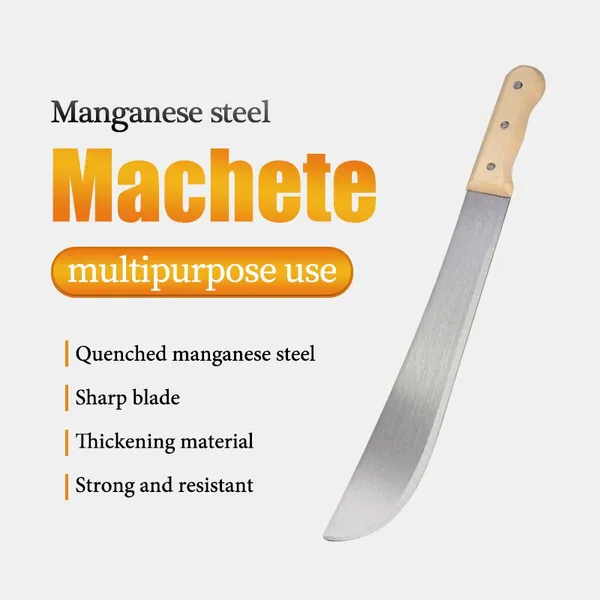
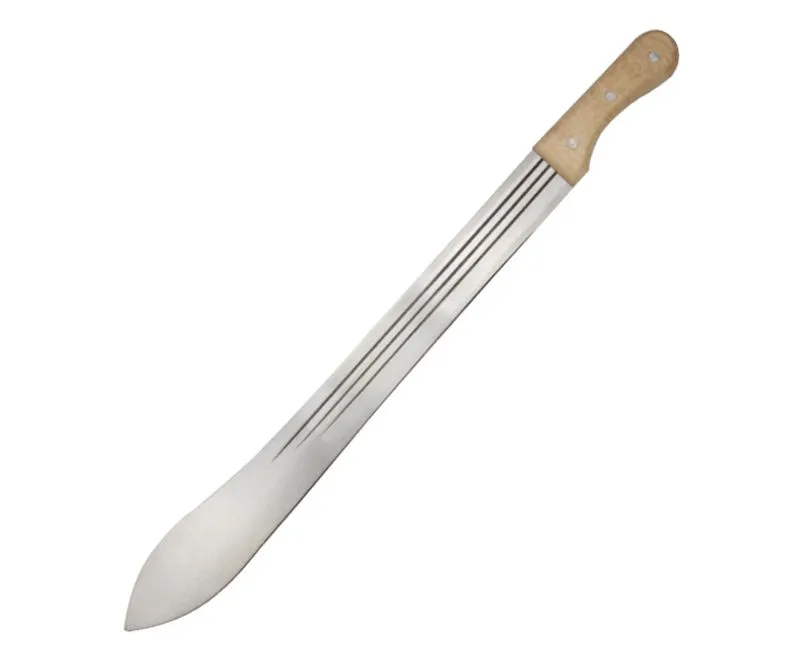
The Latin pattern is the general purpose blade. It runs about 45 to 60 cm, straight with a gentle curve and a pointed tip.
The panga is shorter but broader, with a raised spine or bevel back. That thick back adds weight near the tip.
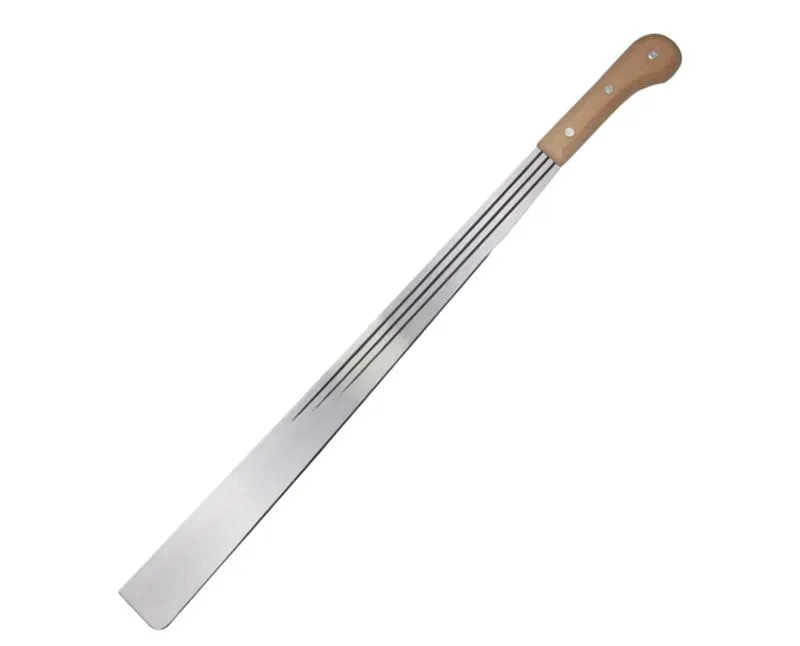
The cane knife is rectangular, often 30 to 45 cm, with a small hook on the back of the tip.
The billhook is much shorter, 25 to 40 cm, with a hooked nose and often a straight section behind it.
A golok or bolo sits between the machete and the axe. It is thick, short and heavy for woody stems.
Thickness matters as much as length. General clearing blades run around 1.8 to 2.5 mm at the spine.
Heavy brush and hardwood work push toward 2.5 to 3.0 mm. Thin cane blades can go under 1.8 mm.
Edge geometry follows the job. A thin convex edge slices grass. A steeper bevel survives hardwood and dry bamboo.
Which type dominates in Africa, Latin America and Asia?
Africa is a panga market in the east and south, and a Latin market in parts of the west.
In Kenya, Tanzania, Uganda and Zambia, the panga shape is the everyday farm tool. Buyers often call it a slasher or bush knife.
Ghana and Nigeria also move large volumes of broad, heavy blades, often with a wooden handle and a simple sheath.
Latin America is the home of the Latin pattern. Colombia, Peru, Ecuador and Central America use long, light blades.
Colombian buyers often ask for a barrel or fish shaped handle and a specific blade length. Guatemala and Honduras favour long working blades.
The Caribbean and Fiji are cane knife markets, because sugar is the crop. Mauritius and parts of Australia use similar tools.
Asia is more fragmented. Indonesia and Malaysia use the golok and parang. The Philippines uses the bolo.
India and parts of Europe still buy billhooks for hedge and branch work, though volumes are smaller.
If you sell to a distributor with mixed customers, the pattern must match the region, not your personal taste.
Ask your distributor for photos of the tools customers bring in for repair. Those shapes show real demand.
A full container of the wrong pattern is hard to clear. Mixed loads reduce that risk on a first order.
Ask which handle style sells with each pattern. Buyers replace handles long before they replace blades.
Keep one physical sample of each pattern in your office. Comparing shapes by hand beats reading a spec sheet.

Which types belong in a starter range?
A starter range should cover three jobs: clearing, cane and heavy brush. Four models is usually enough.
Start with one Latin pattern at 18 to 20 inches, 2.0 mm thick, with a wood handle. It is the safest seller across Latin markets.
Add one panga, around 18 inches with a raised spine, for East and Southern Africa. Order it with a simple canvas or leather sheath.
Add one cane knife with a hook, 14 to 16 inches, for sugar regions. Keep the blade thin and the edge acute.
Add one heavy golok or thick brush blade for woody growth. This one covers the toughest work and reduces complaints.
Handle options should stay small at the start. One wood and one plastic version per model is enough.
Sheaths double the perceived value in retail but add cost and freight. Offer a sheath version and a bare version.
Resist the urge to list twenty patterns. Slow movers tie up cash and confuse distributors.
How do handle and sheath styles follow the blade type?
Handle style is regional, and buyers notice it immediately.
Latin markets often accept a straight wooden handle with a ferrule. Some ask for a wider barrel shape for grip.
African panga buyers commonly want a plain wood handle, riveted, with a slight swell at the end.
Cane knives usually carry a shorter handle, because the cut is close and controlled.
Plastic handles are growing in retail channels. They resist rain, sweat and termites, and they look modern on a shelf.
Sheath choice follows the same logic. Leather suits premium retail and dry climates. Canvas and woven fabric suit humid routes and lower price points.
Check the belt loop and the stitching, because these fail before the blade does.
For tender supply, keep the sheath simple. Aid and government programmes care about function, not finish.
Type selection RFQ checklist
Use this list to describe exactly what you want the factory to quote.
Pattern name and a reference photo of the blade shape
Overall length and blade length in inches or millimetres
Blade width at the widest point and spine thickness
Steel grade and measured hardness range
Edge angle and bevel type
Tip style: pointed, rounded or hooked
Handle material, length, shape and tang type
Sheath material, stitching and belt loop
Surface finish and any logo requirement
Packing method and units per carton
MOQ per pattern and mix allowance
Sample lead time and bulk lead time
Match the pattern to the market before you match the price. A cheap blade of the wrong shape is the most expensive order you can place.
Recently Posted
-
Wood or plastic handle: which machete handle do buyers reorder?
October 22, 2026Wood or plastic handle: which machete handle do buyers reorder?Handles are the cheapest part of a machete and the most common reas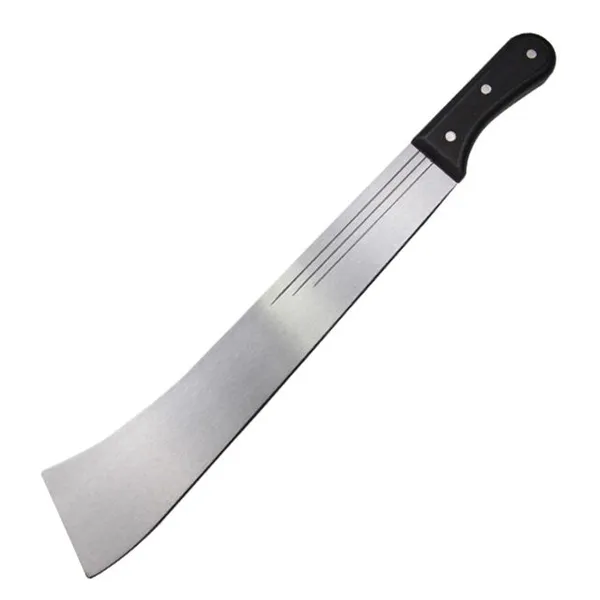 Read More
-
How do I choose machete blade length, thickness and edge angle for each task?
October 22, 2026How do I choose machete blade length, thickness and edge angle for each task?Three numbers decide how a machete performs. Length, Read More
-
Which carbon steel grade should I specify for machete blades?
October 22, 2026Which carbon steel grade should I specify for machete blades?Most machete quotes mention a steel grade in passing. Few explain wha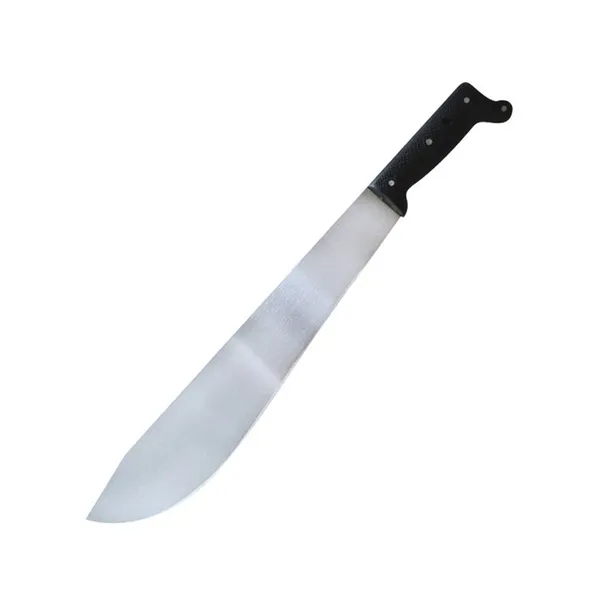 Read More
-
Forged or stamped machete blades: which one lasts longer in the field?
October 22, 2026Forged or stamped machete blades: which one lasts longer in the field?Every supplier will tell you their blade is forged. Some of Read More

Contact Us
Recommended Products
-
 Heavy Duty Cane Knife Machete for Wholesale Buyers Factory Direct Export for Rural Agricultural Projects Durable Hand ToolNegotiableMOQ: 1200 Pieces
-
Agricultural Hoe Head Garden Rail Steel Tool for Tough Soil Cheap Price Hand ToolsUS$ 1.07 - 1.27MOQ: 1200 Pieces
-
Sturdy Rail Steel Hoe for Weeding, H305 Perfect for Agricultural and Garden TasksUS$ 1.07 - 1.27MOQ: 1200 Pieces
-
Heavy Duty Manganese Steel Garden Shovel Round Point Digging Shovel With Wooden Handle Farm Tool SupplierUS$ 2.14 - 2.36MOQ: 1200 Pieces
-
Big Shovel Wide Shovel Mud Shovel Heavy Duty Steel Blade for Farm Drainage Soil Moving Cleaning and Landscaping UseUS$ 2.14 - 2.36MOQ: 1200 Pieces
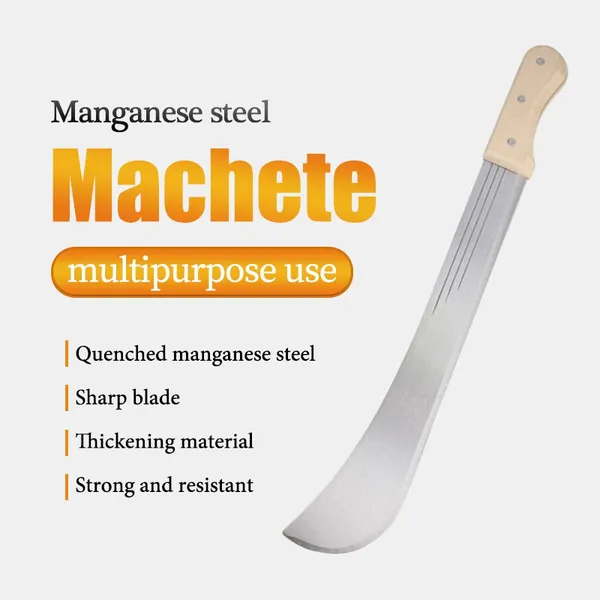
-
Strong Teeth Soil Rake for Farm Tool Suppliers Private Label Export for Farm Maintenance African Distribution Factory Bulk OrderUS$ 0.88 - 1.35MOQ: 2000 Pieces
-
Manual Cane Knife Machete for Wholesale Buyers Factory Direct Export for Rural Agricultural Projects Durable Hand ToolNegotiableMOQ: 1200 Pieces
-
Large High Carbon Steel Machete Knife Agricultural Machete for Farming Bush Cutting Garden Tool SupplierNegotiableMOQ: 1200 Pieces
-
Wholesale Heavy Duty Pick Mattock for Mining Road Work and Farm Digging for Wholesale Tool Dealers With Bulk Order ServiceUS$ 1.85 - 2.3MOQ: 1200 Pieces
-
Carbon Steel Manual Pickaxe for Hard Soil Breaking and Trenching for African Importers With OEM Bulk Order Support Agricultural ToolUS$ 1.85 - 2.3MOQ: 1200 Pieces

-
OEM Farm Sickle With Sharp Blade for African Importers OEM Bulk Order Support for Harvesting and Smallholder Farming for Wholesale BUS$ 0.28 - 0.33MOQ: 3000 Pieces
-
Heavy Duty Manganese Steel Round Point Shovel Garden Digging Shovel With Wooden Handle Agricultural Tool ManufacturerUS$ 2.14 - 2.36MOQ: 1200 Pieces
-
Farm Shovel Factory Supply for Regional Import Distributors Bulk Wholesale Supply for Garden Work and Trenching for Agricultural DealersUS$ 2.14 - 2.36MOQ: 1200 Pieces
-
Heavy Duty Garden Rake for African Importers OEM Factory Supply for Agricultural Use African Market Factory Bulk OrderUS$ 0.88 - 1.35MOQ: 2000 Pieces
-
Agricultural Soil Rake for Agricultural Dealers Export Supply for Garden Cleaning African Dealer Channels Factory Bulk OrderUS$ 0.88 - 1.35MOQ: 2000 Pieces
-
Manual Farm Machete for African Importers OEM Factory Supply for Farming and Land Clearing Durable Hand ToolNegotiableMOQ: 1200 Pieces
-
Large Heavy Duty Carbon Steel Garden Landscaping Digging HoeUS$ 1.07 - 1.27MOQ: 1200 Pieces
-
Heavy Duty Rail Steel Mattock Pick Axe With Wooden Handle for Digging Soil Mining and Agricultural Tool SupplierUS$ 1.85 - 2.3MOQ: 1200 Pieces
-
Forged Farm Sickle With Sharp Blade for African Importers OEM Bulk Order Support for Harvesting and Smallholder Farming for WholesalUS$ 0.28 - 0.33MOQ: 3000 Pieces
-
Strong Carbon Steel Farming Sickle for Uganda Tanzania Zambia Agricultural Tool DistributorsUS$ 0.34 - 0.47MOQ: 3000 Pieces