
 Business License

What HRC should a machete blade be, and how can I test it before ordering?
What HRC should a machete blade be, and how can I test it before ordering?
Hardness is the number buyers argue about most and understand least. A higher figure is not automatically a better blade.
HRC measures resistance to indentation. It says nothing about toughness, and toughness is what stops a blade from breaking.
Here is what the number means, how factories measure it, and what you can check yourself before you order.
Which hardness range balances edge life and sharpening?
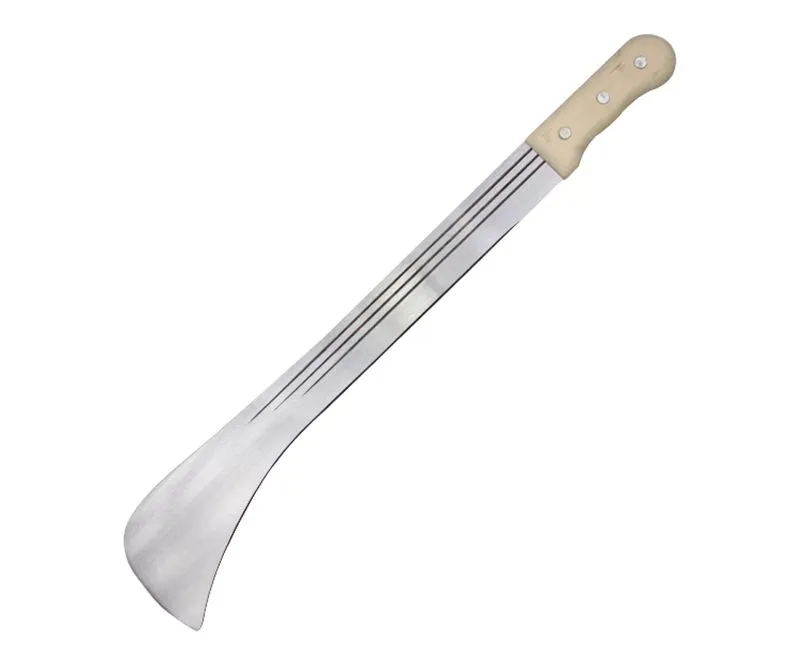
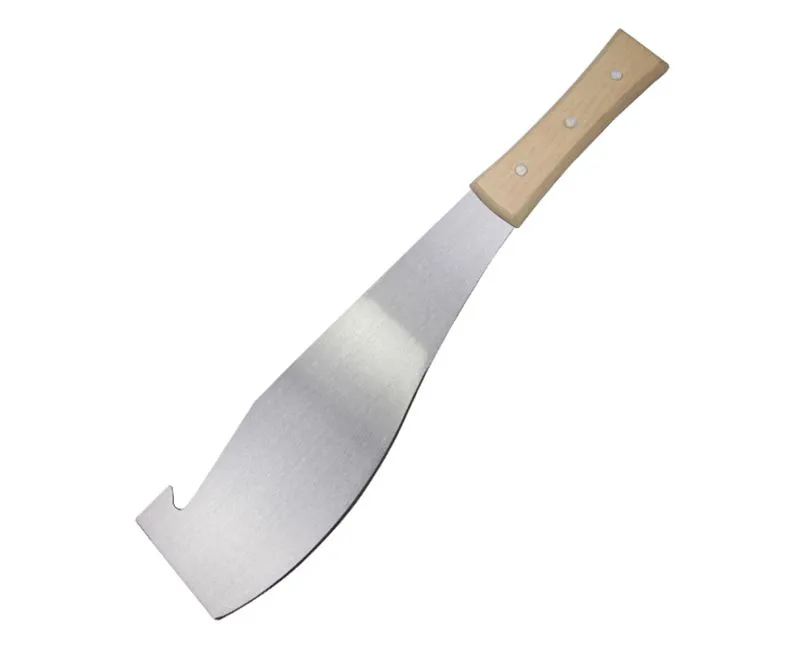
Most production machetes sit between 45 and 55 HRC. Inside that band, buyers choose a point that suits the work.
The lower end, around 45 to 48 HRC, gives a tough blade. It bends under impact and sharpens easily with a file.
The upper end, around 52 to 55 HRC, holds an edge longer on abrasive grass and clean stems.
Above 56 HRC the trade-off gets steep. Thin edges chip on knots, stones and dry bamboo.
Below 44 HRC the edge rolls over quickly. Users sharpen constantly and blame the steel.
Cane knives and estate tools often sit lower, because cutters sharpen daily with a file in the field.
Brush and hardwood blades can sit higher, because the edge meets clean wood rather than soil.
Edge angle matters as much as hardness. A thin edge at high hardness is fragile, and a thick edge at low hardness is dull.
Write hardness as a range with a defined measuring point. A single number always invites an argument.
How is hardness measured at the factory?
Factories use a Rockwell tester with a diamond cone and a 150 kg load, reported on the C scale.
The test leaves a small indentation, and the machine converts depth into a hardness value.
Location matters. The usual measuring point is about ten millimetres behind the edge, at mid blade.
Reading on the ground bevel gives a different number, and often a misleading one.
Ask how many pieces are tested per batch. Three random pieces is a sensible minimum.
Ask for the readings themselves, not just the range. Three numbers say more than a certificate.
Some plants retest after grinding, because grinding heat can soften an edge.
Request that check if your market complains about edges that dull faster than expected.
A hardness value without a steel grade and a tempering record is only half the story.
Hardness also drifts along the blade. Tips often read softer because they cool faster after grinding.
Ask for readings at the heel, the middle and the tip, not one point in the centre.
A blade at 50 HRC at the heel and 45 at the tip will bend at the tip in use.
Ask how the blade is held during quenching. Uneven cooling leaves soft patches.
Those patches appear as shiny spots on the bevel after a week of cutting grass.
Repeat the file test on every shipment, not only the first. Processes drift quietly.
Keep a simple log per supplier. Within a year it becomes your best buying tool.
Bring the log to every negotiation. Numbers change a conversation faster than opinions.
What file or cutting test can a buyer run on samples?
You do not need a laboratory to catch a bad batch. A few simple tests separate good from poor.
Start with a smooth file. Draw it across the bevel at a shallow angle, away from the edge.
On a hard blade the file skates and leaves little mark. On a soft blade it bites and removes steel.
Then cut a dry hardwood branch about the thickness of your wrist. Count the strokes.
Repeat on ten pieces from the same lot. Consistent counts mean consistent hardness.
Chop into a knot or a dry bamboo node. A chipped edge shows up immediately under good light.
Bend the blade twenty to thirty degrees against a soft support. It should spring back or take a set.
A snap at a low bend angle means the blade is too hard for its geometry.
Check the edge for rolling after cutting grass. A rolled edge means the steel is too soft.
Record every result per sample, then compare with the factory's stated range.
For a formal check, send three pieces to a local lab for Rockwell testing. The cost is small.
A portable Leeb tester gives a quick reading, but treat it as an indicator only, not proof.
What should the purchase order say about hardness?
Put the requirement in the specification, not in a chat message that nobody finds later.
State the steel grade, the hardness range and the exact measuring point.
Add the test method and the number of pieces tested per batch.
Require a hardness record with each shipment, tied to the batch number on the blades.
Define what happens when a piece falls outside the range: rework, replacement or credit.
Set the acceptance rule before production, not after the container arrives.
If you buy for tender supply, keep these records. Inspectors often ask for them.
Hardness RFQ checklist
Send this list and ask for each answer in numbers.
Steel grade and mill source
Target hardness range in HRC
Measuring point on the blade, in millimetres from the edge
Test method and equipment used
Number of pieces tested per batch
Hardness readings from the last three batches
Retest after grinding, yes or no
Tempering temperature range
Bend or impact test result and pass limit
Acceptance rule for out of range pieces
Hardness record supplied with each shipment
Hardness is a range, not a trophy. Pick the range your customer's work needs, then verify it with a file.
Recently Posted
-
What specifications do government and NGO tenders require for machetes?
October 23, 2026What specifications do government and NGO tenders require for machetes?Tender documents describe a machete in ways a retail buyer Read More
-
What HS code and import duty apply to agricultural machetes?
October 23, 2026What HS code and import duty apply to agricultural machetes?Get the tariff code wrong and two things happen. You pay the wrong dut Read More
-
How is the FOB price of an agricultural machete calculated?
October 23, 2026How is the FOB price of an agricultural machete calculated?Two factories quote the same drawing and the numbers differ by forty pe Read More
-
What should a pre-shipment inspection cover in a machete order?
October 23, 2026What should a pre-shipment inspection cover in a machete order?An inspection is not a formality before loading. It is your last ch Read More

Contact Us
Recommended Products
-
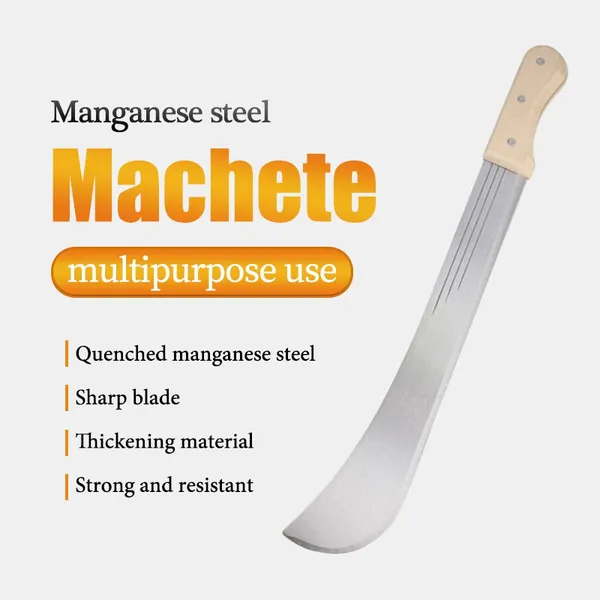
 Heavy Duty Cane Knife Machete for Wholesale Buyers Factory Direct Export for Rural Agricultural Projects Durable Hand ToolNegotiableMOQ: 1200 Pieces
-
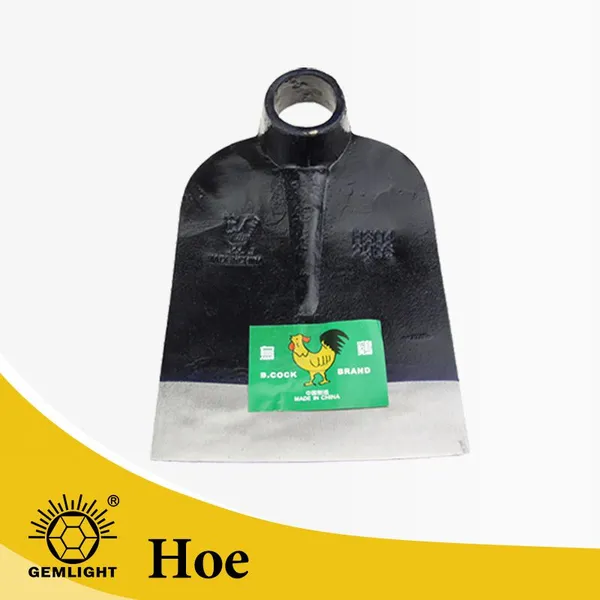
Agricultural Hoe Head Garden Rail Steel Tool for Tough Soil Cheap Price Hand ToolsUS$ 1.07 - 1.27MOQ: 1200 Pieces
-
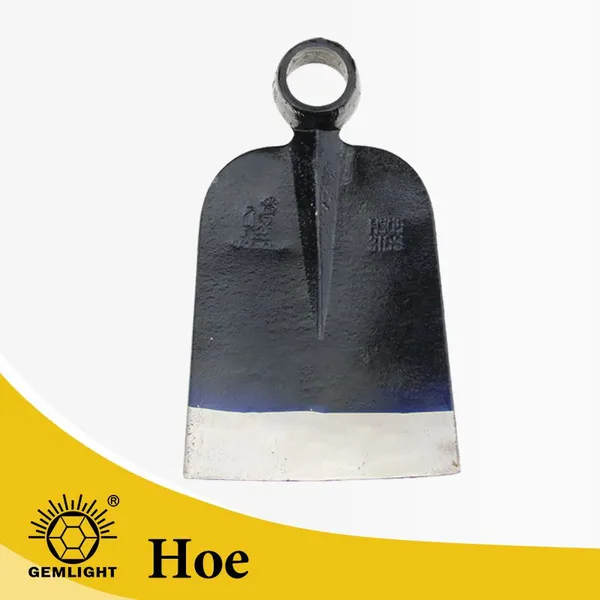
Sturdy Rail Steel Hoe for Weeding, H305 Perfect for Agricultural and Garden TasksUS$ 1.07 - 1.27MOQ: 1200 Pieces
-
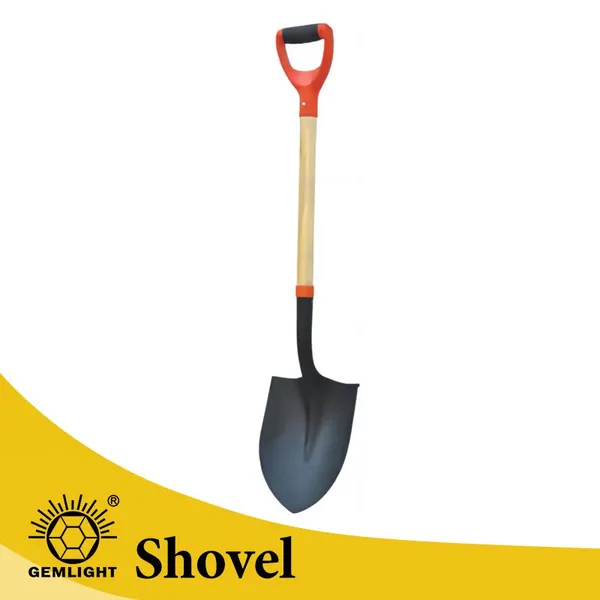
Heavy Duty Manganese Steel Garden Shovel Round Point Digging Shovel With Wooden Handle Farm Tool SupplierUS$ 2.14 - 2.36MOQ: 1200 Pieces
-
Big Shovel Wide Shovel Mud Shovel Heavy Duty Steel Blade for Farm Drainage Soil Moving Cleaning and Landscaping UseUS$ 2.14 - 2.36MOQ: 1200 Pieces
-
Strong Teeth Soil Rake for Farm Tool Suppliers Private Label Export for Farm Maintenance African Distribution Factory Bulk OrderUS$ 0.88 - 1.35MOQ: 2000 Pieces
-
Manual Cane Knife Machete for Wholesale Buyers Factory Direct Export for Rural Agricultural Projects Durable Hand ToolNegotiableMOQ: 1200 Pieces
-
Large High Carbon Steel Machete Knife Agricultural Machete for Farming Bush Cutting Garden Tool SupplierNegotiableMOQ: 1200 Pieces
-
Wholesale Heavy Duty Pick Mattock for Mining Road Work and Farm Digging for Wholesale Tool Dealers With Bulk Order ServiceUS$ 1.85 - 2.3MOQ: 1200 Pieces
-
Carbon Steel Manual Pickaxe for Hard Soil Breaking and Trenching for African Importers With OEM Bulk Order Support Agricultural ToolUS$ 1.85 - 2.3MOQ: 1200 Pieces

-
OEM Farm Sickle With Sharp Blade for African Importers OEM Bulk Order Support for Harvesting and Smallholder Farming for Wholesale BUS$ 0.28 - 0.33MOQ: 3000 Pieces
-
Heavy Duty Manganese Steel Round Point Shovel Garden Digging Shovel With Wooden Handle Agricultural Tool ManufacturerUS$ 2.14 - 2.36MOQ: 1200 Pieces
-
Farm Shovel Factory Supply for Regional Import Distributors Bulk Wholesale Supply for Garden Work and Trenching for Agricultural DealersUS$ 2.14 - 2.36MOQ: 1200 Pieces
-
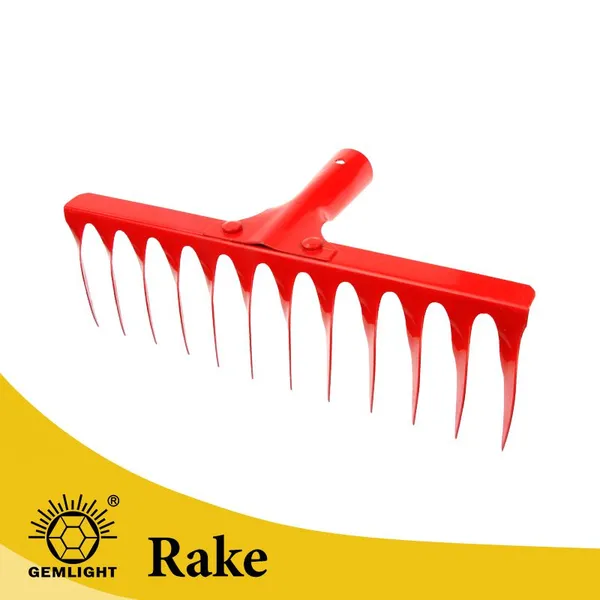
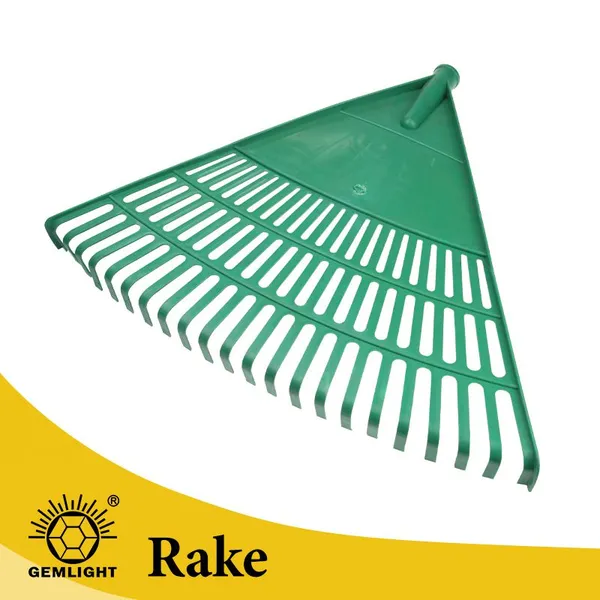
Heavy Duty Garden Rake for African Importers OEM Factory Supply for Agricultural Use African Market Factory Bulk OrderUS$ 0.88 - 1.35MOQ: 2000 Pieces
-
Agricultural Soil Rake for Agricultural Dealers Export Supply for Garden Cleaning African Dealer Channels Factory Bulk OrderUS$ 0.88 - 1.35MOQ: 2000 Pieces
-
Manual Farm Machete for African Importers OEM Factory Supply for Farming and Land Clearing Durable Hand ToolNegotiableMOQ: 1200 Pieces
-
Large Heavy Duty Carbon Steel Garden Landscaping Digging HoeUS$ 1.07 - 1.27MOQ: 1200 Pieces
-
Heavy Duty Rail Steel Mattock Pick Axe With Wooden Handle for Digging Soil Mining and Agricultural Tool SupplierUS$ 1.85 - 2.3MOQ: 1200 Pieces
-
Forged Farm Sickle With Sharp Blade for African Importers OEM Bulk Order Support for Harvesting and Smallholder Farming for WholesalUS$ 0.28 - 0.33MOQ: 3000 Pieces
-
Strong Carbon Steel Farming Sickle for Uganda Tanzania Zambia Agricultural Tool DistributorsUS$ 0.34 - 0.47MOQ: 3000 Pieces