
 Business License

How many machetes fit in a 20ft or 40ft container?
How many machetes fit in a 20ft or 40ft container?
Buyers ask this question expecting one number. The honest answer is a range, because carton size decides everything.
Blade length changes carton length. Sheaths add bulk. Handles add weight. All three shift the count.
Guessing wrong is expensive in both directions. Too few pieces means wasted freight. Too many means a weight problem at the port.
This guide gives a method, two worked examples, and a landed cost formula you can reuse.
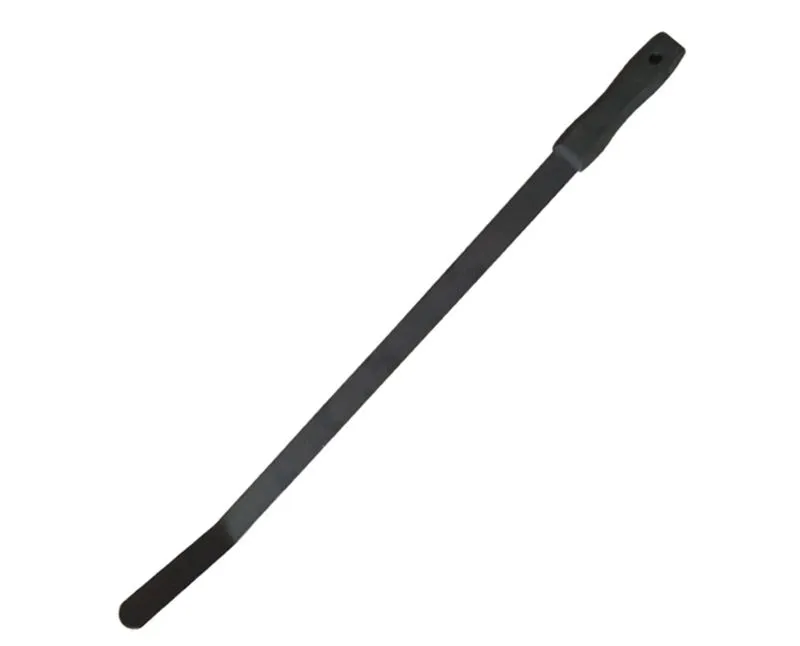
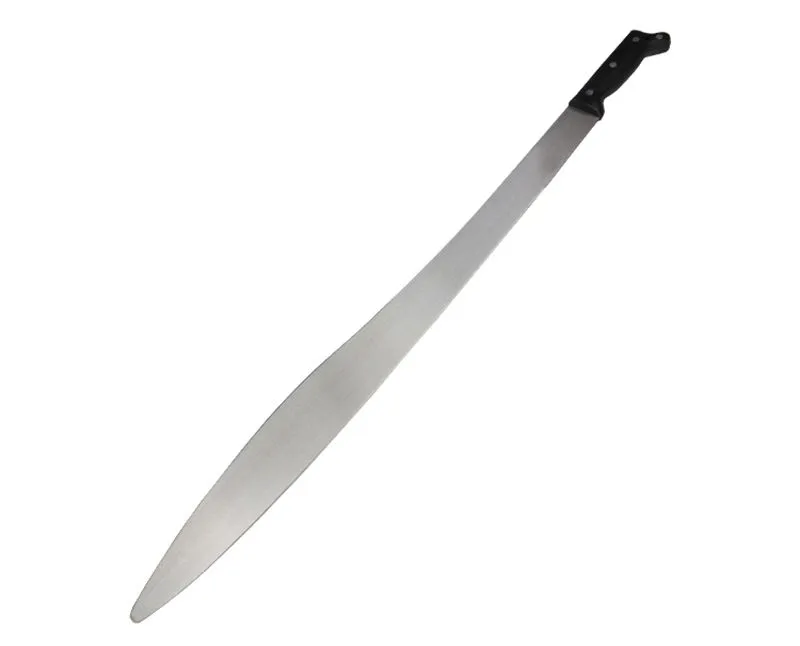
How do blade length and sheaths change carton counts?
Longer blades need longer cartons, and length is the least efficient dimension to waste.
A carton for 18 inch blades is roughly 50 to 60 cm long. A carton for 24 inch blades adds about 15 cm.
That extra length does not add many pieces. It adds empty air at the ends, and air costs the same as steel.
Sheaths are the second factor. A leather sheath can double the packed volume of a blade, and it adds weight.
Bundles without sheaths pack tighter. Many estate and tender orders ship this way for exactly that reason.
Handle style matters less on volume, but more on weight. A heavy wood handle adds grams to every piece.
Carton board thickness also matters. A five layer carton takes more space than a three layer one, though it protects better.
Ask for carton dimensions and gross weight before you calculate anything. Those two numbers are the only reliable base.

What do the numbers look like in practice?
Take a 20ft container with about 26 cubic metres of usable space. Usable is less than internal, because stacking is never perfect.
Example one: carton 60 by 25 by 25 cm, holding 24 pieces of 18 inch machete, gross weight 16 kg.
That carton is 0.0375 cubic metres. Divide 26 by 0.0375 and you get about 690 cartons.
That is roughly 16,500 pieces, weighing about 11 tonnes. Volume limits this load, not weight.
Example two: carton 70 by 28 by 26 cm, holding 12 pangas with sheaths, gross weight 9 kg.
That carton is about 0.051 cubic metres. Divide 26 by 0.051 and you get about 510 cartons.
That is around 6,100 pieces, weighing about 4.6 tonnes. Volume limits this one too.
A 40HQ gives roughly 65 usable cubic metres. The same light carton would allow about 1,730 cartons.
That is over 41,000 pieces. At 16 kg per carton the cargo weighs about 27 tonnes, which exceeds many payload limits.
So in that case weight, not volume, becomes the wall. Plan the load on both numbers.
Bundles, cartons or pallets: which costs least?
Bundles are the cheapest per piece. Blades are oiled, wrapped and strapped in tens or twelves, then packed in a carton.
Pallets cost more in space. A standard pallet footprint wastes volume at the edges and adds height.
Pallets do save labour at the destination, and some warehouses require them. Ask before you assume.
Cartons on the floor, hand stacked, use the most space. That is normal for this product in Asia to Africa routes.
Retail cartons are the least efficient. Printed boxes with windows and inserts take volume that carries no steel.
If your channel needs retail packaging, calculate with the retail carton, not the bulk one. The difference can be 20 to 30 percent.
Ask whether the factory can nest cartons in two orientations to fill the door area.
How do I calculate landed cost per machete?
Start with the FOB price per piece. Multiply by the quantity to get the goods value.
Add ocean freight for the container, then insurance, usually a small percentage of goods value.
Add duty and taxes at destination, using the correct tariff code and rate.
Add port handling, customs clearance, terminal fees and inland delivery to your warehouse.
Add bank charges and any inspection or certification cost.
Divide the total by the number of pieces that actually fit, not the number you ordered.
That last point matters. A carton that holds fewer pieces raises cost per piece even when the FOB price is unchanged.
Run the calculation twice, once with sheaths and once without. The gap often surprises buyers.
Round down, never up. Freight is booked on volume and weight, and a full container is rarely full.
Ask the factory for a loading plan by carton count, then check it against your own figures.
Pallet height matters as much as footprint. A tall stack can block the last rows at the door.
Keep about five percent of space free for dunnage and for the awkward door end.
Weigh one carton at loading. A one kilogram error becomes tonnes across a container.
If the forwarder sets a weight limit below your cargo weight, ask for a different container size.
Compare two carton sizes from the same factory. A shorter carton often carries more pieces per cubic metre.
Then recalculate landed cost with the better carton before you fix your selling price.
Ask for the container tare weight and the maximum payload, not just the internal volume.
Photograph the load at half and full. It helps if a shortage claim appears later.
Container loading RFQ checklist
Ask the factory for these details before you book freight.
Carton dimensions in centimetres
Units per carton
Gross weight per carton
Cartons per 20ft, 40ft and 40HQ as planned by the factory
Carton board grade and stacking strength
Bundle size inside the carton
Whether sheaths are packed separately
Pallet requirement and pallet dimensions
Loading photos before the doors close
Container number and seal number
Total gross weight and total volume
Port of loading and expected sailing date
Volume and weight together decide the load. Ask for both, then check the maths yourself.
Recently Posted
-
How do I prepare a bid for a machete supply contract?
October 23, 2026How do I prepare a bid for a machete supply contract?A machete tender is usually won or lost before pricing is opened. Bids get re Read More
-
What specifications do government and NGO tenders require for machetes?
October 23, 2026What specifications do government and NGO tenders require for machetes?Tender documents describe a machete in ways a retail buyer Read More
-
How should machetes be packed and rust-proofed for sea freight?
October 23, 2026How should machetes be packed and rust-proofed for sea freight?Carbon steel rusts. A machete in a humid container for five weeks w Read More
-
What HS code and import duty apply to agricultural machetes?
October 23, 2026What HS code and import duty apply to agricultural machetes?Get the tariff code wrong and two things happen. You pay the wrong dut Read More

Contact Us
Recommended Products
-
 Heavy Duty Cane Knife Machete for Wholesale Buyers Factory Direct Export for Rural Agricultural Projects Durable Hand ToolNegotiableMOQ: 1200 Pieces
-
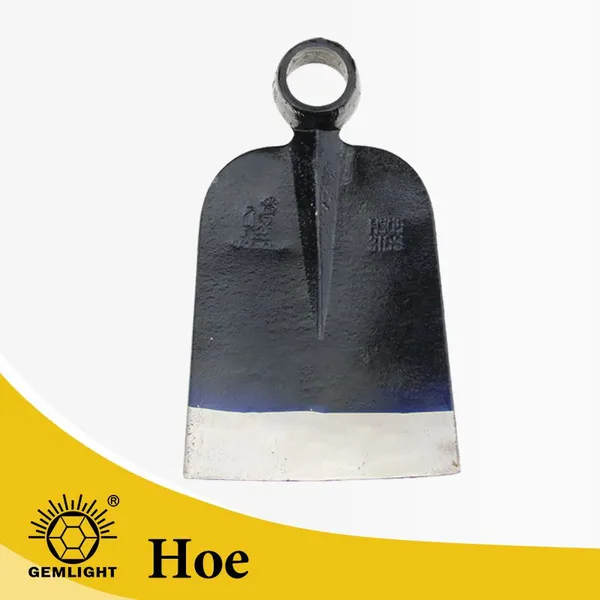
Agricultural Hoe Head Garden Rail Steel Tool for Tough Soil Cheap Price Hand ToolsUS$ 1.07 - 1.27MOQ: 1200 Pieces
-
Sturdy Rail Steel Hoe for Weeding, H305 Perfect for Agricultural and Garden TasksUS$ 1.07 - 1.27MOQ: 1200 Pieces
-
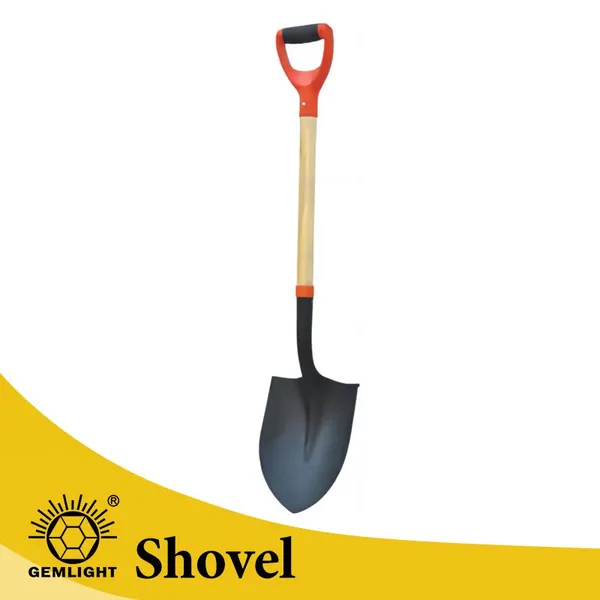
Heavy Duty Manganese Steel Garden Shovel Round Point Digging Shovel With Wooden Handle Farm Tool SupplierUS$ 2.14 - 2.36MOQ: 1200 Pieces
-
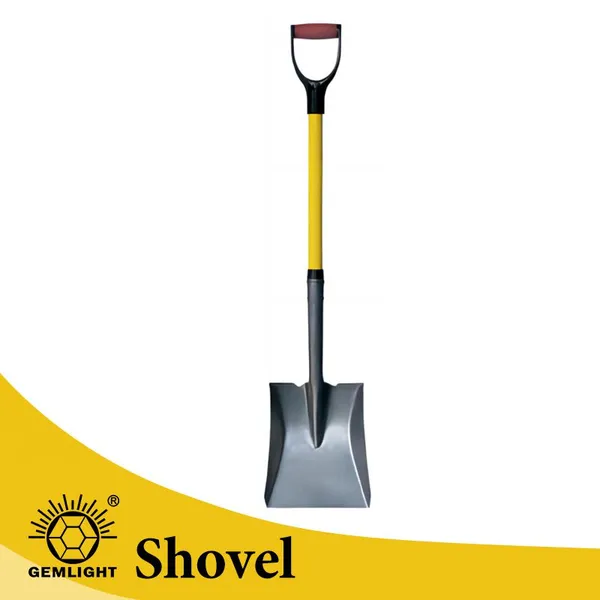
Big Shovel Wide Shovel Mud Shovel Heavy Duty Steel Blade for Farm Drainage Soil Moving Cleaning and Landscaping UseUS$ 2.14 - 2.36MOQ: 1200 Pieces
-
Strong Teeth Soil Rake for Farm Tool Suppliers Private Label Export for Farm Maintenance African Distribution Factory Bulk OrderUS$ 0.88 - 1.35MOQ: 2000 Pieces
-
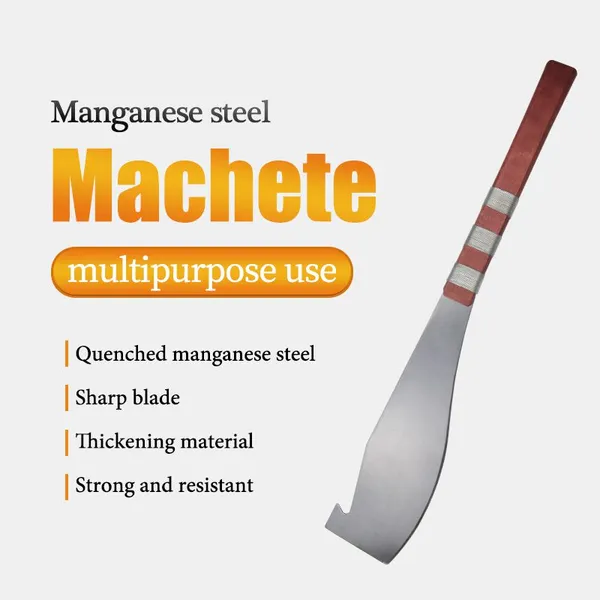
Manual Cane Knife Machete for Wholesale Buyers Factory Direct Export for Rural Agricultural Projects Durable Hand ToolNegotiableMOQ: 1200 Pieces
-
Large High Carbon Steel Machete Knife Agricultural Machete for Farming Bush Cutting Garden Tool SupplierNegotiableMOQ: 1200 Pieces
-
Wholesale Heavy Duty Pick Mattock for Mining Road Work and Farm Digging for Wholesale Tool Dealers With Bulk Order ServiceUS$ 1.85 - 2.3MOQ: 1200 Pieces
-
Carbon Steel Manual Pickaxe for Hard Soil Breaking and Trenching for African Importers With OEM Bulk Order Support Agricultural ToolUS$ 1.85 - 2.3MOQ: 1200 Pieces

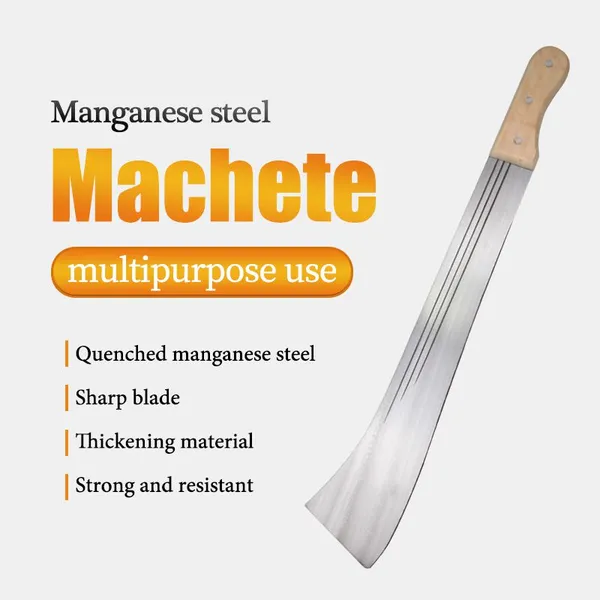
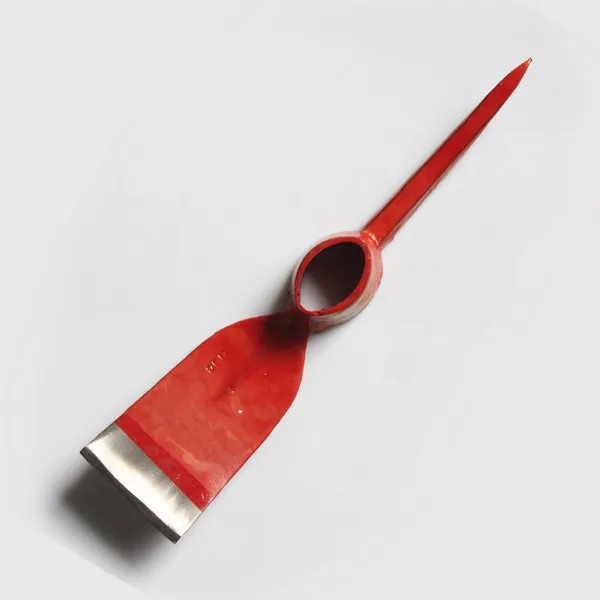
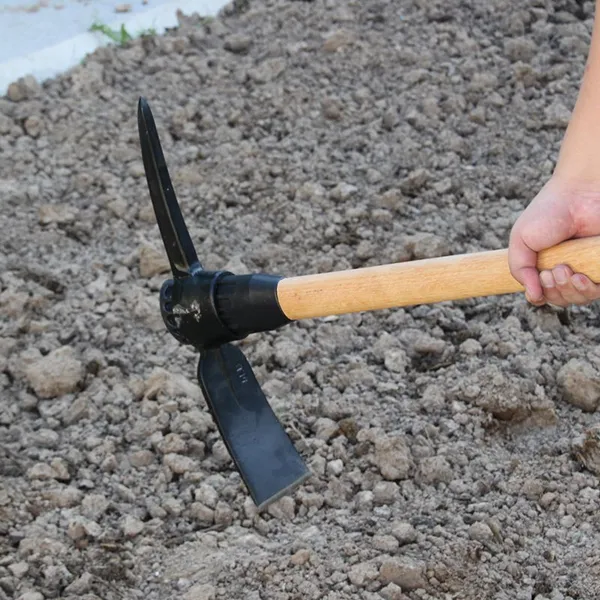
-
OEM Farm Sickle With Sharp Blade for African Importers OEM Bulk Order Support for Harvesting and Smallholder Farming for Wholesale BUS$ 0.28 - 0.33MOQ: 3000 Pieces
-
Heavy Duty Manganese Steel Round Point Shovel Garden Digging Shovel With Wooden Handle Agricultural Tool ManufacturerUS$ 2.14 - 2.36MOQ: 1200 Pieces
-
Farm Shovel Factory Supply for Regional Import Distributors Bulk Wholesale Supply for Garden Work and Trenching for Agricultural DealersUS$ 2.14 - 2.36MOQ: 1200 Pieces
-
Heavy Duty Garden Rake for African Importers OEM Factory Supply for Agricultural Use African Market Factory Bulk OrderUS$ 0.88 - 1.35MOQ: 2000 Pieces
-
Agricultural Soil Rake for Agricultural Dealers Export Supply for Garden Cleaning African Dealer Channels Factory Bulk OrderUS$ 0.88 - 1.35MOQ: 2000 Pieces
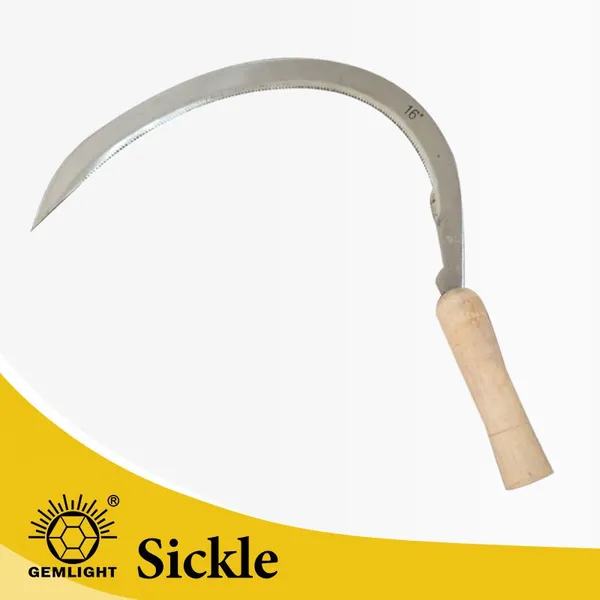
-
Manual Farm Machete for African Importers OEM Factory Supply for Farming and Land Clearing Durable Hand ToolNegotiableMOQ: 1200 Pieces
-
Large Heavy Duty Carbon Steel Garden Landscaping Digging HoeUS$ 1.07 - 1.27MOQ: 1200 Pieces
-
Heavy Duty Rail Steel Mattock Pick Axe With Wooden Handle for Digging Soil Mining and Agricultural Tool SupplierUS$ 1.85 - 2.3MOQ: 1200 Pieces
-
Forged Farm Sickle With Sharp Blade for African Importers OEM Bulk Order Support for Harvesting and Smallholder Farming for WholesalUS$ 0.28 - 0.33MOQ: 3000 Pieces
-
Strong Carbon Steel Farming Sickle for Uganda Tanzania Zambia Agricultural Tool DistributorsUS$ 0.34 - 0.47MOQ: 3000 Pieces