
 Business License

What machete do banana and plantain growers use for harvesting?
What machete do banana and plantain growers use for harvesting?
A banana bunch weighs between 15 and 30 kg. How it is cut decides whether it reaches the packhouse undamaged.
The cut is made on the stalk above the fruit, often in a tight space between leaves and the pseudostem.
A general purpose machete can do it, but the wrong shape bruises the fruit or tears the stalk.
This guide covers blade curve, length, weight and the way estates standardise tools for daily output.
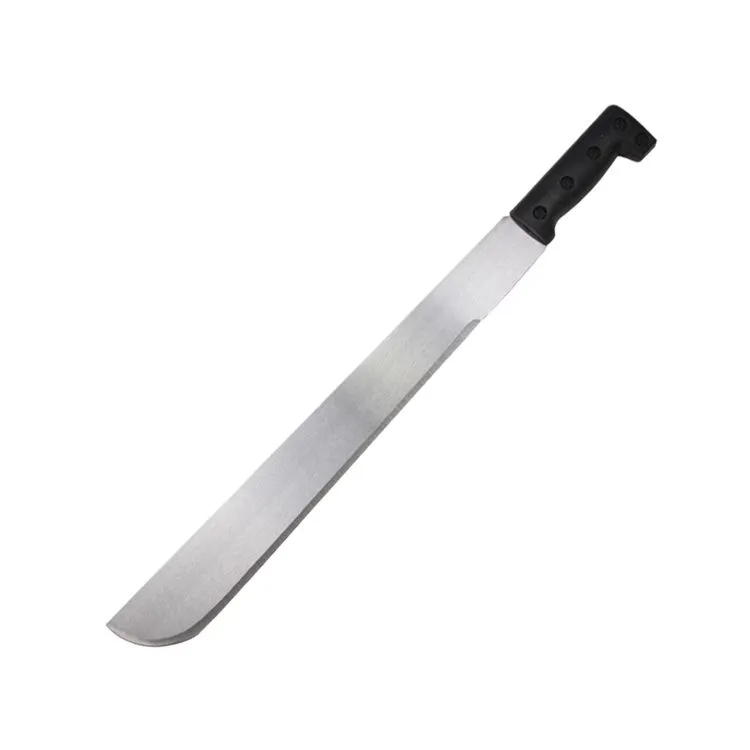
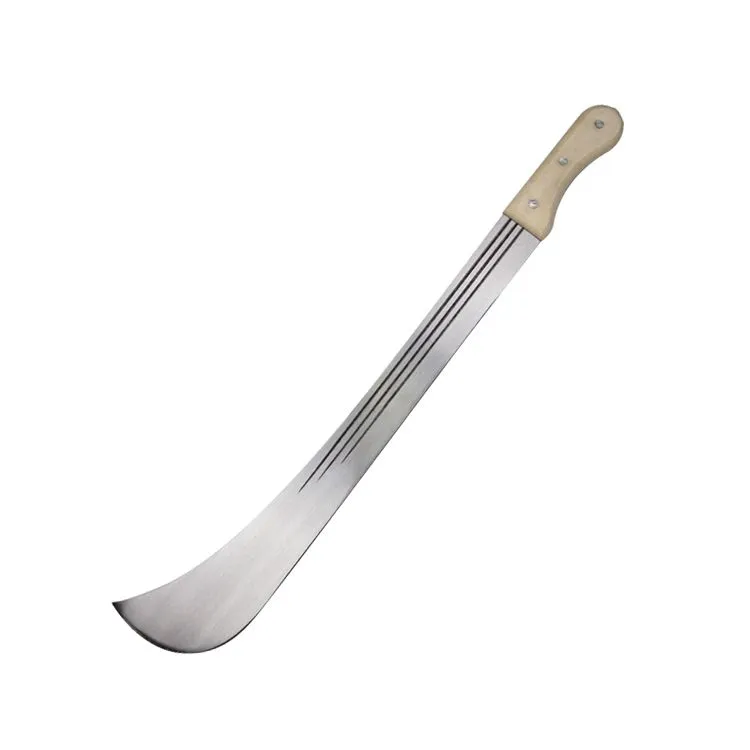
Why is a curved blade preferred on the pseudostem?
The bunch hangs close to the stem, and the cut point sits in a narrow gap.
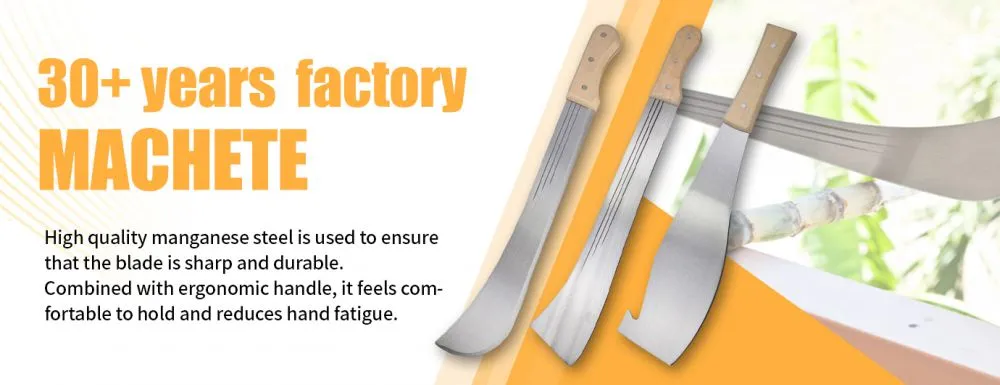
A curved blade lets the edge reach that gap while the handle stays clear of the fruit.
A straight blade forces the wrist into an awkward angle. The edge then lands unevenly and tears the stalk.
Tearing matters. A torn stalk damages the bunch neck, and damaged necks ripen early or rot in transit.
The curve also helps with the pseudostem itself, which is soft, wet and fibrous.
A thin curved blade slides through fibre. A thick blade wedges and needs two strokes.
Many growers also use the same tool to trim leaves and cut suckers, so the curve earns its place twice.
Look for a hooked or pointed tip on some models. It helps hook the stalk before the cut.
Which length reaches the bunch without bruising fruit?
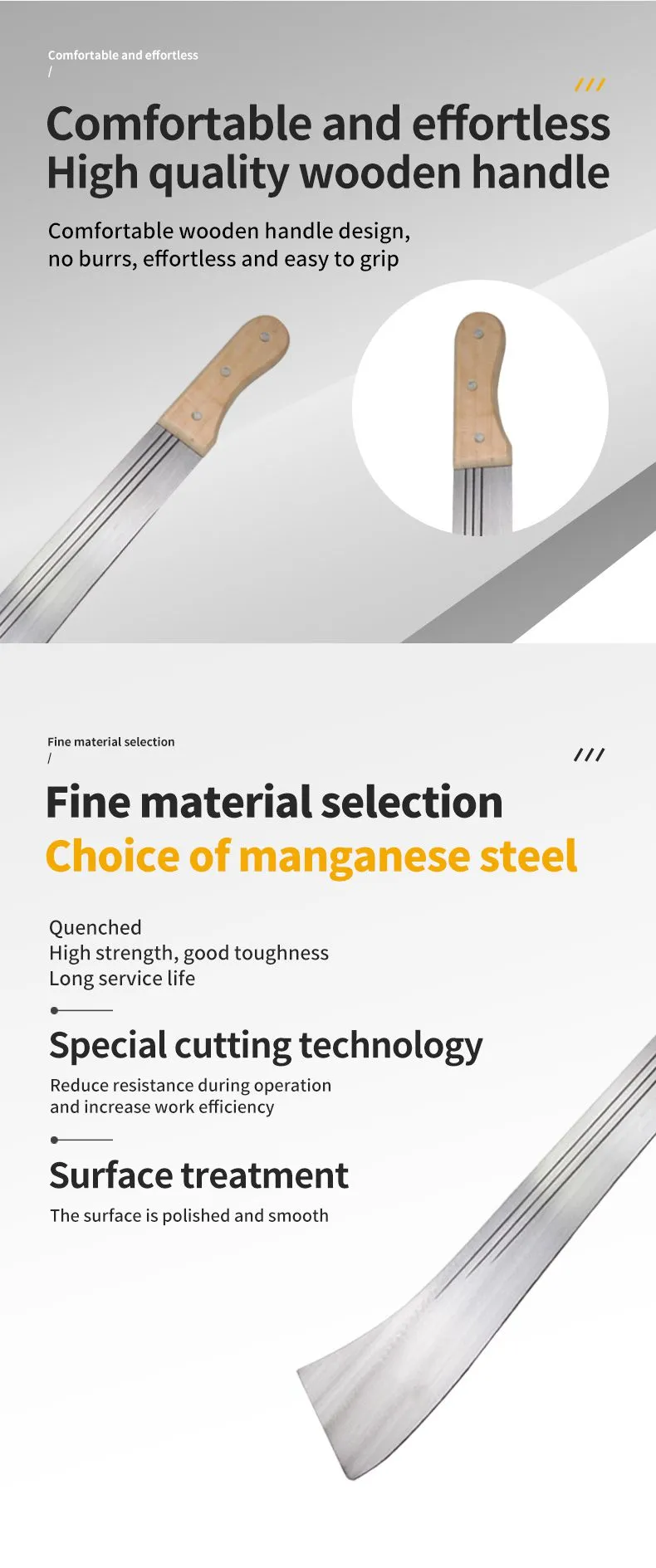
Most banana and plantain blades run 10 to 16 inches, or roughly 25 to 40 cm.
Shorter blades give control in tight spaces. Longer blades add reach in tall plantain stands.
Blade thickness usually sits between 1.8 and 2.2 mm at the spine. Thin blades cut fast and reduce bruising.
Weight follows length and thickness. A finished tool of 450 to 600 grams suits most workers.
A heavy blade swings past the target and hits the fruit. That is a quality claim, not a labour issue.
Handle length matters too. A short handle keeps the hand close and the blade accurate.
Ask the estate for its preferred length in centimetres. Inches and local names vary by country.
If workers harvest both banana and plantain, test both lengths with the same crew.
How do estates standardise blade weight for daily output?
A crew may cut several hundred bunches a day, so small differences in weight add up.
Estates standardise weight because it makes output predictable across gangs and blocks.
They usually state a range, for example 500 grams plus or minus five percent, rather than a single figure.
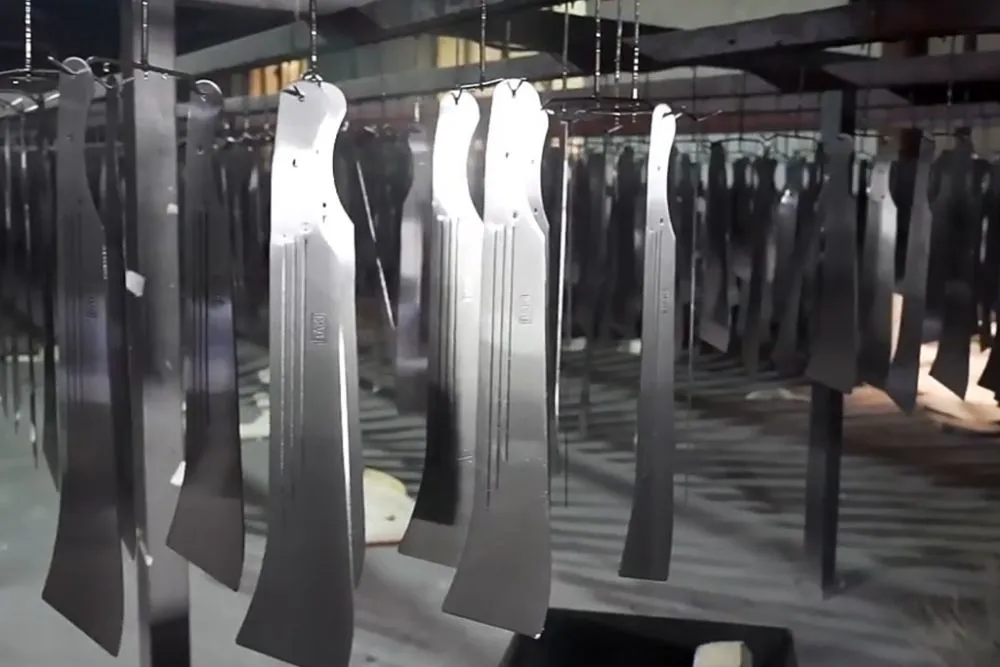
They also standardise the edge angle, so every worker sharpens to the same profile with the same file.
That way a replacement blade feels like the old one, and output does not drop for a week.
Ask how the estate trains new cutters. If training is short, the tool must be forgiving.
Ask how many blades each cutter is issued, and how often they are replaced.
That number tells you the real consumption rate, which is more useful than a first order quantity.
What else do crews cut with the same blade?
A banana farm rarely uses one tool for one job. The blade earns its price across several tasks.
Crews trim leaves to control disease and sunlight. A curved thin blade does this quickly.
They cut suckers to manage plant density, which needs a sharp tip and good control.
They also cut the pseudostem after harvest, so the next ratoon grows cleanly.
Some farms cut the bunch stalk again at the packhouse, where a short blade is safer.
Ask which of these tasks your buyer's crew does with the same knife.
If the answer is all four, a mid length curved blade is the practical choice.
Ask how the crew carries the tool between plants. A belt hook saves time and lost blades.
Ask whether blades are shared or issued per worker. Shared tools get abused and blunt.
A team of ten usually needs two spares on site, plus one file for every three workers.
That ratio is a useful guide when you quote a plantation for the first time.
Some estates paint blades with gang codes, which helps track losses and misuse.
Ask whether they want that marking done at the factory. It costs little and builds loyalty.
Ask how the cut is timed. Cutting early in the day reduces field heat in the bunch.
That affects tool choice only indirectly, but it shows how the crew really works.
Knowing the routine makes your quote read like it came from someone who knows bananas.
Ask what happens when the edge chips. Some farms retire the blade, others regrind it.
A farm that regrinds needs a thicker blade, so quote 2.0 mm rather than 1.8 mm.
The table below links each job on the farm to a blade shape and a length.
| Task | Blade shape | Blade length | Note |
|---|---|---|---|
| Cutting the bunch stalk | Curved, pointed tip | 10 to 12 in | Keeps edge clear of fruit |
| Felling the pseudostem | Curved, thin spine | 12 to 14 in | Slices wet fibre |
| Trimming leaves | Curved, light | 10 to 14 in | Repeated motion, low weight |
| Removing suckers | Short, pointed | 8 to 10 in | Control over depth |
Banana blade RFQ checklist
Ask for these answers in writing before you compare prices.
Blade shape and reference photo
Blade length, width and spine thickness
Steel grade and measured hardness range
Edge angle and bevel type
Finished weight with tolerance
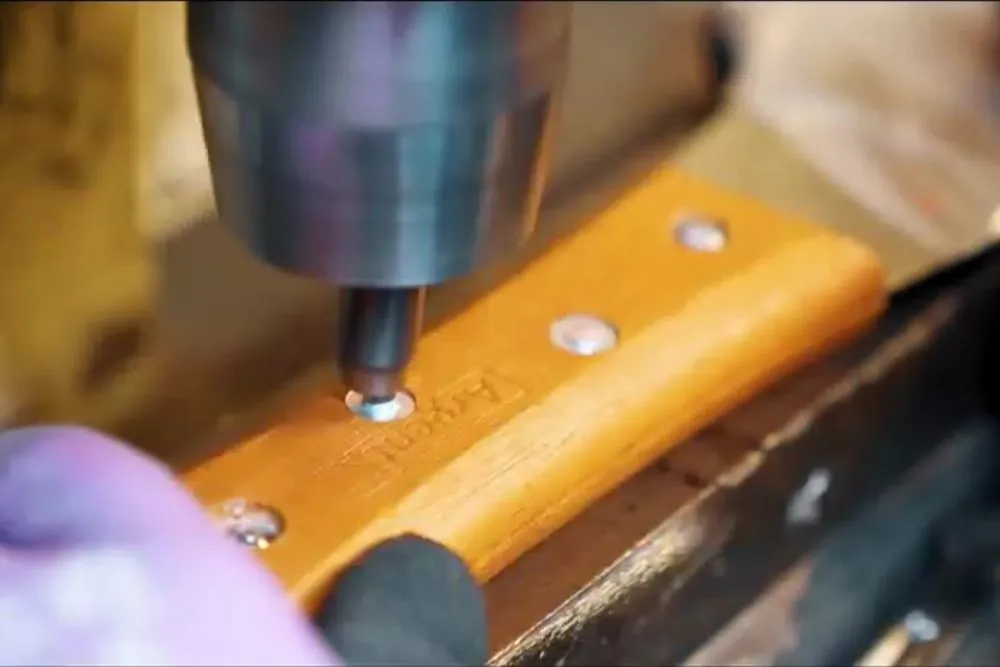
Handle length, material and tang type
Tip style: pointed, hooked or rounded
Surface finish and rust protection
Sheath type, if supplied
Packing, units per carton and carton size
MOQ and mix allowance with other models
Lead time for samples and bulk
Fruit damage is expensive and hard to argue about later. Choose the blade shape before you argue about price.
Recently Posted
-
What machete is used for cassava and root crop harvesting?
October 26, 2026What machete is used for cassava and root crop harvesting?Cassava is not cut like cane and not pruned like cocoa. The plant is lif Read More
-
Is a machete or a brush hook better for land clearing and firebreaks?
October 26, 2026Is a machete or a brush hook better for land clearing and firebreaks?Both tools cut vegetation. They cut different vegetation, wit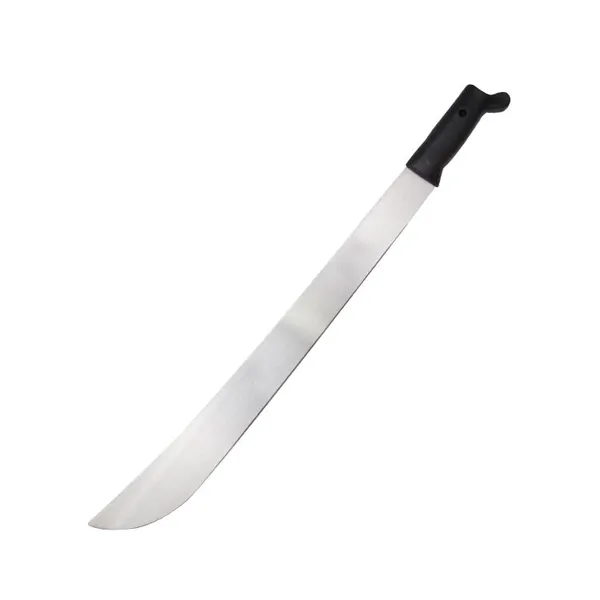 Read More
-
How do I choose a machete for cocoa and coffee farms?
October 26, 2026How do I choose a machete for cocoa and coffee farms?Cocoa and coffee are smallholder crops. Most farms are a few hectares, worked Read More
-
Which machete is best for harvesting oil palm fruit bunches?
October 26, 2026Which machete is best for harvesting oil palm fruit bunches?Oil palm harvesting is not a normal machete job. The tool is short, st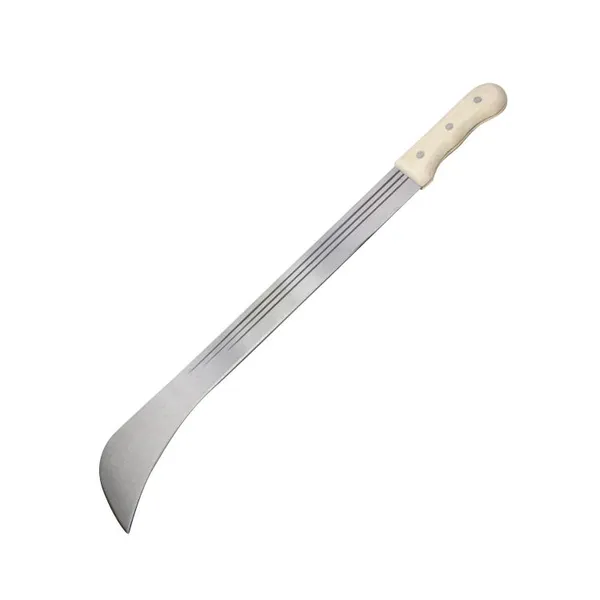 Read More

Contact Us
Recommended Products
-
 Heavy Duty Cane Knife Machete for Wholesale Buyers Factory Direct Export for Rural Agricultural Projects Durable Hand ToolNegotiableMOQ: 1200 Pieces
-
Agricultural Hoe Head Garden Rail Steel Tool for Tough Soil Cheap Price Hand ToolsUS$ 1.07 - 1.27MOQ: 1200 Pieces
-
Sturdy Rail Steel Hoe for Weeding, H305 Perfect for Agricultural and Garden TasksUS$ 1.07 - 1.27MOQ: 1200 Pieces
-
Heavy Duty Manganese Steel Garden Shovel Round Point Digging Shovel With Wooden Handle Farm Tool SupplierUS$ 2.14 - 2.36MOQ: 1200 Pieces
-
Big Shovel Wide Shovel Mud Shovel Heavy Duty Steel Blade for Farm Drainage Soil Moving Cleaning and Landscaping UseUS$ 2.14 - 2.36MOQ: 1200 Pieces
-
Strong Teeth Soil Rake for Farm Tool Suppliers Private Label Export for Farm Maintenance African Distribution Factory Bulk OrderUS$ 0.88 - 1.35MOQ: 2000 Pieces
-
Manual Cane Knife Machete for Wholesale Buyers Factory Direct Export for Rural Agricultural Projects Durable Hand ToolNegotiableMOQ: 1200 Pieces
-
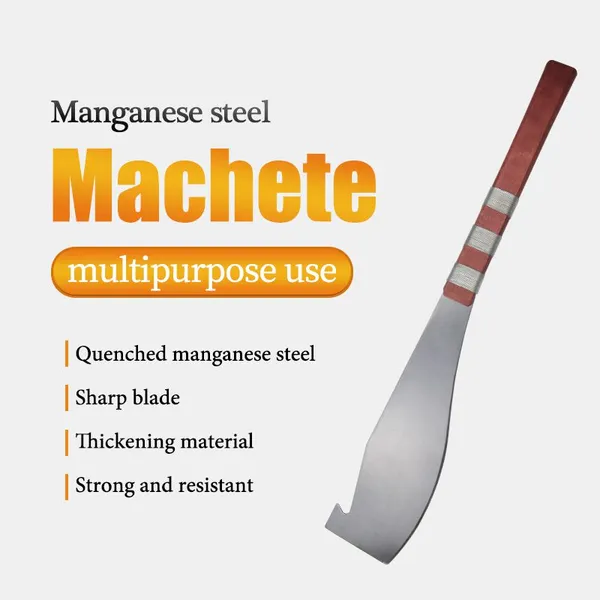
Large High Carbon Steel Machete Knife Agricultural Machete for Farming Bush Cutting Garden Tool SupplierNegotiableMOQ: 1200 Pieces
-
Wholesale Heavy Duty Pick Mattock for Mining Road Work and Farm Digging for Wholesale Tool Dealers With Bulk Order ServiceUS$ 1.85 - 2.3MOQ: 1200 Pieces
-
Carbon Steel Manual Pickaxe for Hard Soil Breaking and Trenching for African Importers With OEM Bulk Order Support Agricultural ToolUS$ 1.85 - 2.3MOQ: 1200 Pieces

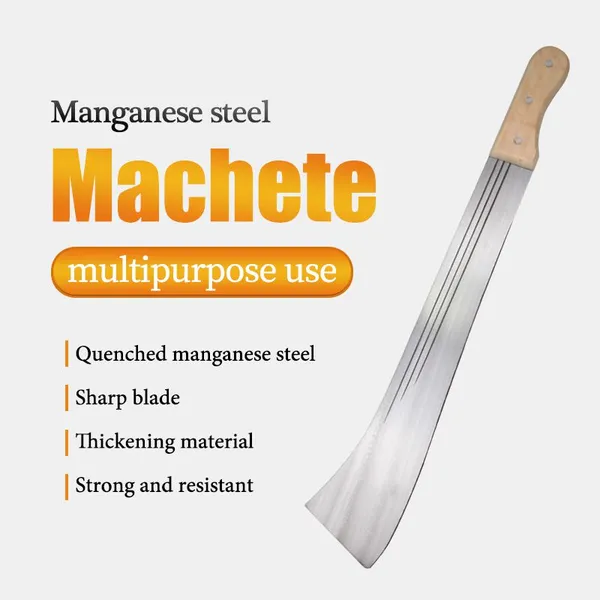
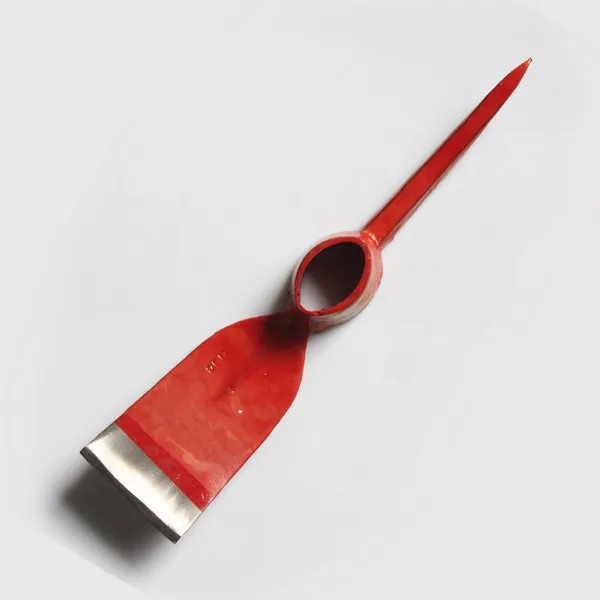
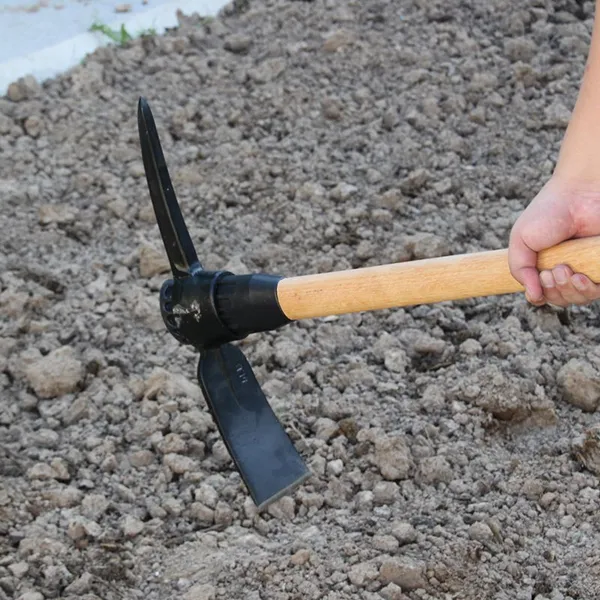
-
OEM Farm Sickle With Sharp Blade for African Importers OEM Bulk Order Support for Harvesting and Smallholder Farming for Wholesale BUS$ 0.28 - 0.33MOQ: 3000 Pieces
-
Heavy Duty Manganese Steel Round Point Shovel Garden Digging Shovel With Wooden Handle Agricultural Tool ManufacturerUS$ 2.14 - 2.36MOQ: 1200 Pieces
-
Farm Shovel Factory Supply for Regional Import Distributors Bulk Wholesale Supply for Garden Work and Trenching for Agricultural DealersUS$ 2.14 - 2.36MOQ: 1200 Pieces
-
Heavy Duty Garden Rake for African Importers OEM Factory Supply for Agricultural Use African Market Factory Bulk OrderUS$ 0.88 - 1.35MOQ: 2000 Pieces
-
Agricultural Soil Rake for Agricultural Dealers Export Supply for Garden Cleaning African Dealer Channels Factory Bulk OrderUS$ 0.88 - 1.35MOQ: 2000 Pieces
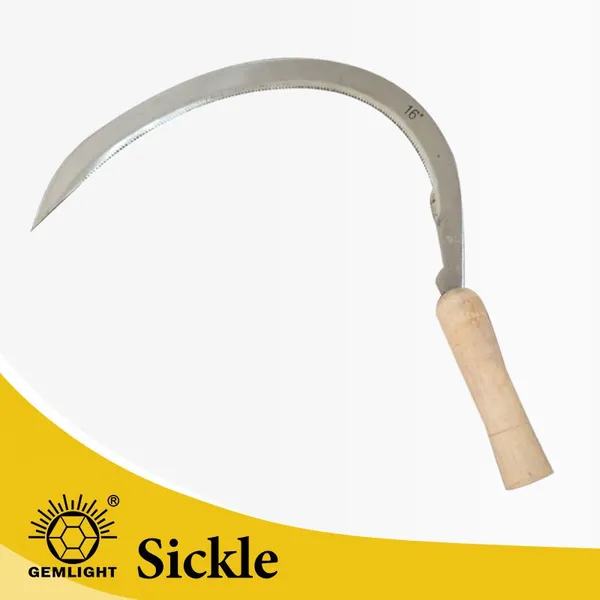
-
Manual Farm Machete for African Importers OEM Factory Supply for Farming and Land Clearing Durable Hand ToolNegotiableMOQ: 1200 Pieces
-
Large Heavy Duty Carbon Steel Garden Landscaping Digging HoeUS$ 1.07 - 1.27MOQ: 1200 Pieces
-
Heavy Duty Rail Steel Mattock Pick Axe With Wooden Handle for Digging Soil Mining and Agricultural Tool SupplierUS$ 1.85 - 2.3MOQ: 1200 Pieces
-
Forged Farm Sickle With Sharp Blade for African Importers OEM Bulk Order Support for Harvesting and Smallholder Farming for WholesalUS$ 0.28 - 0.33MOQ: 3000 Pieces
-
Strong Carbon Steel Farming Sickle for Uganda Tanzania Zambia Agricultural Tool DistributorsUS$ 0.34 - 0.47MOQ: 3000 Pieces