
 Business License

How do I choose a machete for cocoa and coffee farms?
How do I choose a machete for cocoa and coffee farms?
Cocoa and coffee are smallholder crops. Most farms are a few hectares, worked by a family with two or three tools.
That changes what the tool must do. It has to open pods, prune branches and clear shade without breaking.
A long heavy blade is the wrong answer on both crops. So is a flimsy one that folds on a hardwood branch.
This guide covers the two jobs, the sizes that suit each, and how traders bundle these tools for resale.
Which blade suits pod opening versus pruning?
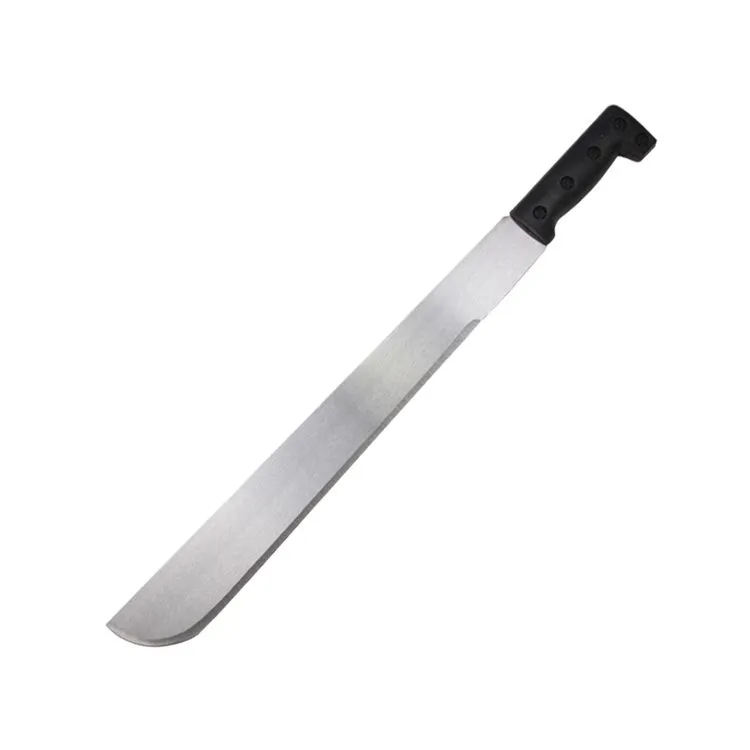
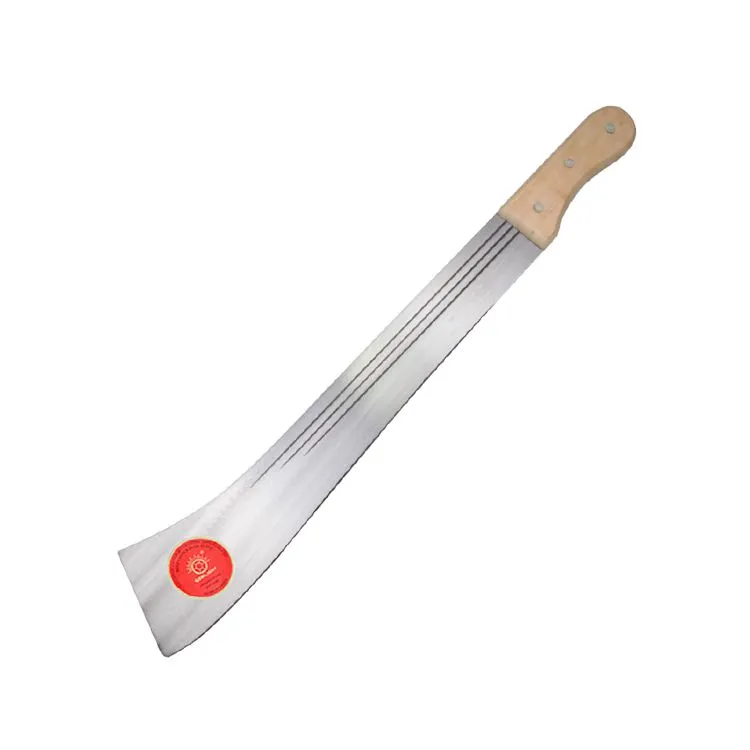
Pod opening needs precision, not power. The aim is to break the husk without cutting the beans inside.
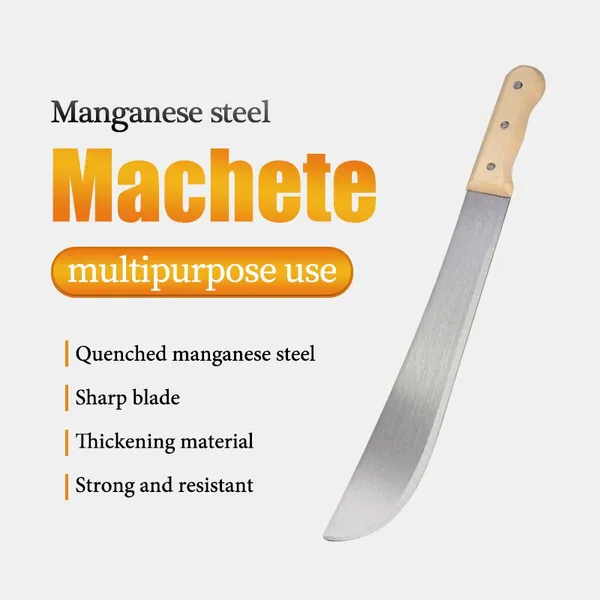
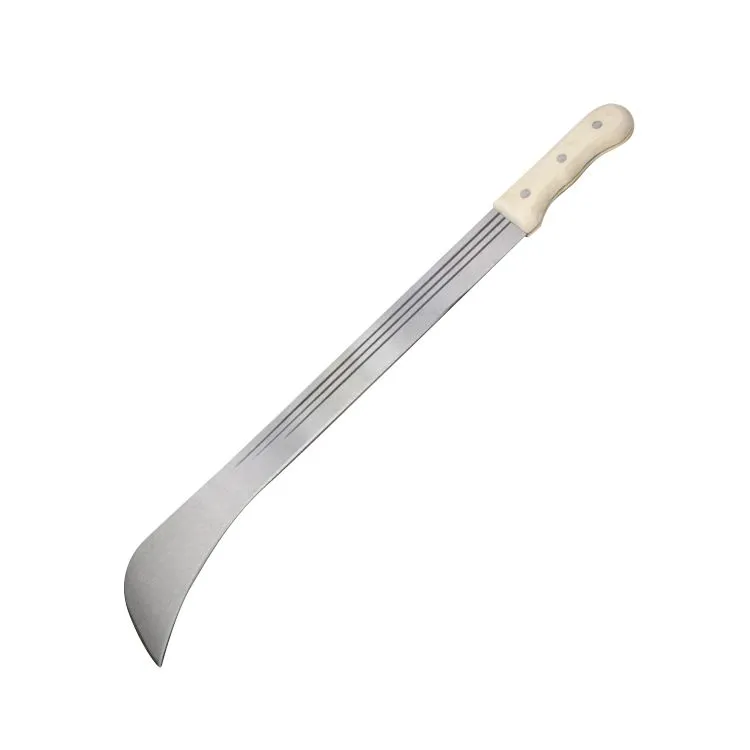
A short blade of 6 to 9 inches works best. Some designs have a small hook or a rounded tip for this.
Thin stock, around 1.5 to 2.0 mm, keeps the tool light and the cut controlled.
Many farmers simply tap the pod with the blade spine or a wooden club. The blade's job is then mostly pruning.
Pruning needs a longer blade, usually 10 to 14 inches, to reach branches and shade tree regrowth.
For that work, a slightly thicker spine and a steeper edge hold up better against dry wood.
So the practical answer is two sizes, or one mid size blade that compromises.
Ask your buyer which job dominates. In many districts, pruning takes more hours than pod opening.
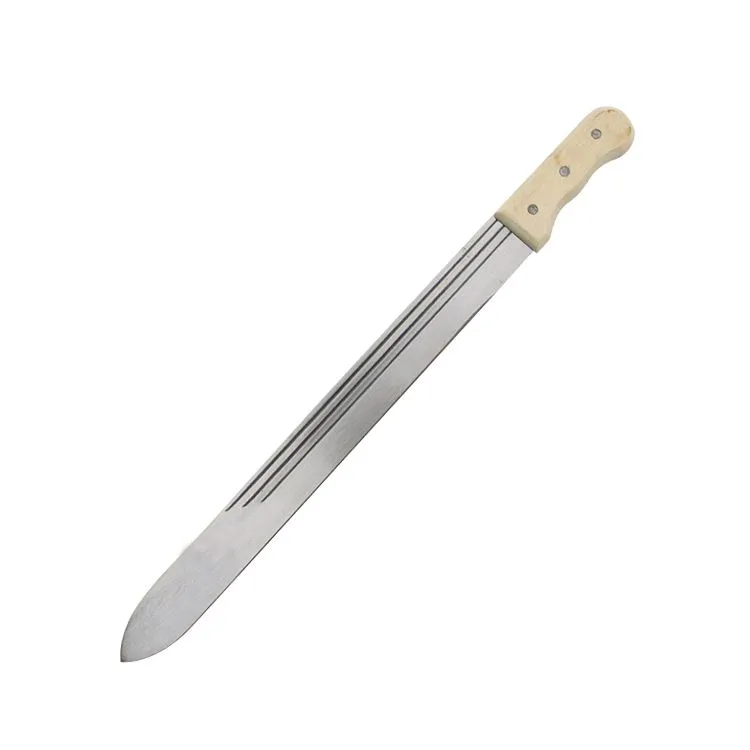
Cocoa pods also grow close to the trunk, so a pointed tip helps reach behind the pod.
Why do smallholders prefer shorter blades here?
A short blade costs less, and price matters when a farm earns seasonally.
It is also easier to control in a dense canopy, where a long swing hits branches and neighbouring plants.
Shorter blades are lighter to carry all day on slopes, which describes most cocoa terrain.
They are easier to sharpen with a file, and easier to replace when lost.
A short blade also fits a small sheath and a bicycle trip to the plot.
Coffee farms show the same pattern. Workers prune selectively and move constantly, so weight matters more than reach.
That said, shade management and stump removal need a heavier tool on some farms.
Most households therefore own one short blade and borrow or share a heavier one.
Selling a two-tool kit matches how these farms actually work.
How does a trader bundle cocoa and coffee tools?
Bundling is where a distributor adds value without adding much cost.
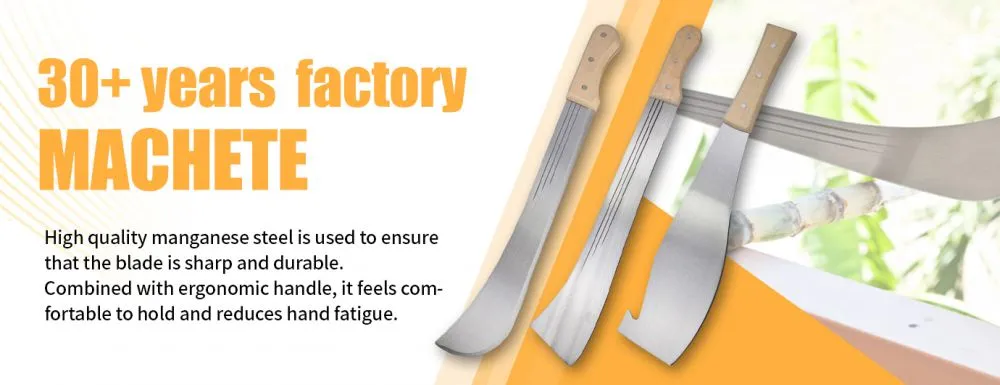
A typical kit holds one short blade, one pruning saw, a file and a sheath.
Some kits add a pair of gloves, a sharpening stone or a small hoe for weeding.
The kit sells to cooperatives, input shops and rural hardware stores.
Packing should be simple and strong. A printed sleeve or a poly bag with a header works for retail.
Price the kit around the dominant item, so the buyer sees value rather than arithmetic.
Keep the blade specification stable across kits. Farmers reorder the blade, not the box.
Offer a refill pack of blades only, which suits shops that already sold the kit.
Ask your buyer whether cooperatives buy kits or single tools. The answer decides your packing.
What else should the specification cover?
Cocoa and coffee farms are humid, and tools sit in damp stores for weeks.
Rust protection matters more than in dry markets. An oil film and a VCI wrap are worth the small cost.
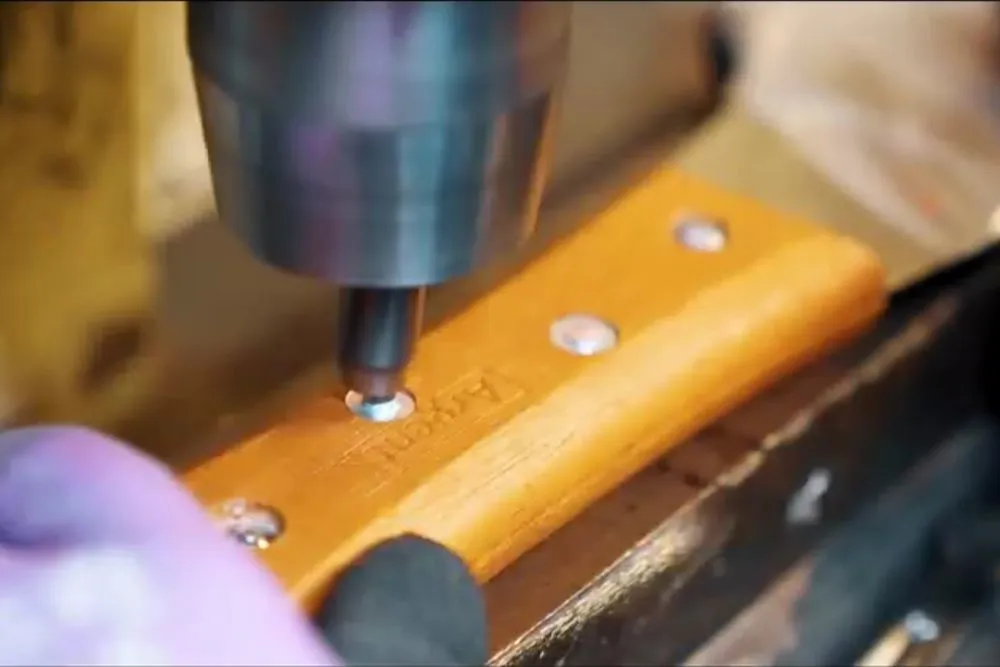
Handles should resist moisture. A sealed wood handle or a plastic handle both work, if the fit is tight.
The tang needs to be strong, because these blades get used as pry bars more often than anyone admits.
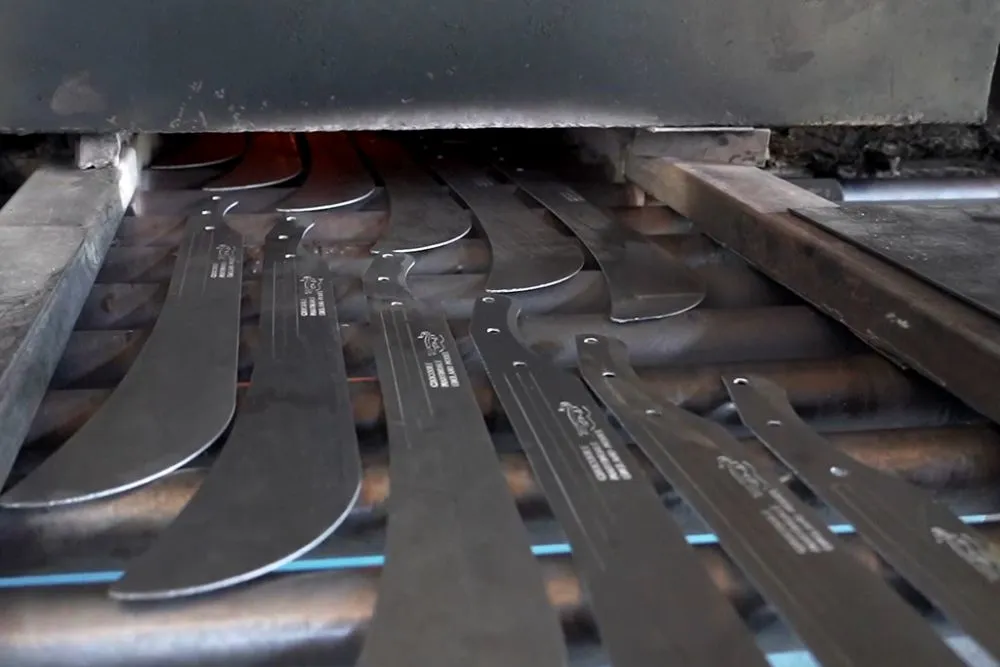
Edge geometry should allow field filing. A very hard edge that cannot be touched up will be abandoned.
Sheaths should drain water rather than hold it. Check the stitching and the drainage.
Keep the blade weight under about 500 grams for the short version, so it can be carried all day.
Ask how the tools are stored between seasons. Damp stores ruin more blades than work does.
A cheap VCI bag inside the sheath prevents most of that damage for a few cents.
Ask whether the buyer resells to cooperatives, which usually need invoices and fixed specs.
Cooperatives buy in batches before planting, so lead time follows the crop calendar.
Ask which month the money arrives. Payment terms in this trade follow harvest income.
A supplier who understands that cycle gets paid without pressure.
Keep the blade range small. Two lengths and one weight cover most cocoa and coffee farms.
Offer the same blade with and without a sheath, so the buyer can hold two price points.
The table below summarises the four jobs these farms repeat every season.
| Task | Blade length | Spine thickness | Priority |
|---|---|---|---|
| Pod opening | 6 to 9 in | 1.5 to 2.0 mm | Control and a safe tip |
| Selective pruning | 10 to 12 in | 2.0 to 2.5 mm | Edge holding on dry wood |
| Shade tree regrowth | 12 to 14 in | 2.5 to 3.0 mm | Mass and a strong tang |
| Sucker and weed clearing | 10 to 14 in | 1.8 to 2.2 mm | Light weight, easy filing |
Cocoa and coffee RFQ checklist
Use this list whether you buy blades alone or as kits.
Blade length, width and spine thickness
Steel grade and measured hardness range
Edge angle and bevel type
Tip style: pointed, hooked or rounded
Handle material, length and tang type
Sheath material and drainage
Rust protection method
Kit contents, if supplied as a set
Retail packing and header card artwork
Units per carton and carton weight
MOQ for blades and for kits separately
Price for a blade-only refill pack
Small farms buy tools that survive neglect. Specify for the damp store, not the showroom.
Recently Posted
-
What machete is used for cassava and root crop harvesting?
October 26, 2026What machete is used for cassava and root crop harvesting?Cassava is not cut like cane and not pruned like cocoa. The plant is lif Read More
-
Is a machete or a brush hook better for land clearing and firebreaks?
October 26, 2026Is a machete or a brush hook better for land clearing and firebreaks?Both tools cut vegetation. They cut different vegetation, wit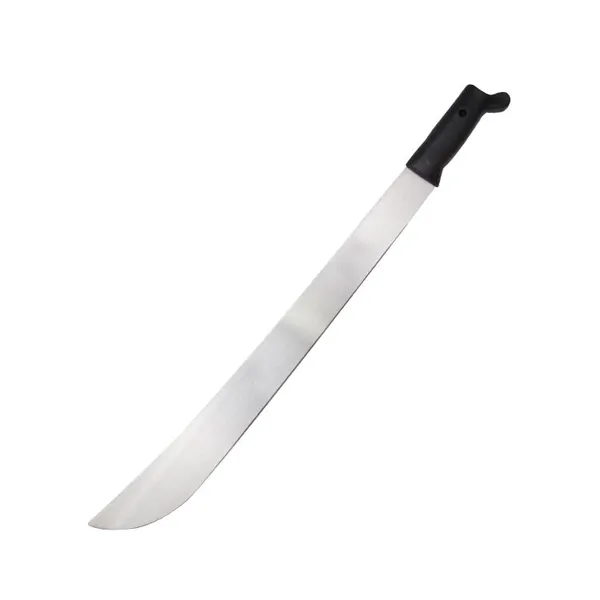 Read More
-
What machete do banana and plantain growers use for harvesting?
October 26, 2026What machete do banana and plantain growers use for harvesting?A banana bunch weighs between 15 and 30 kg. How it is cut decides w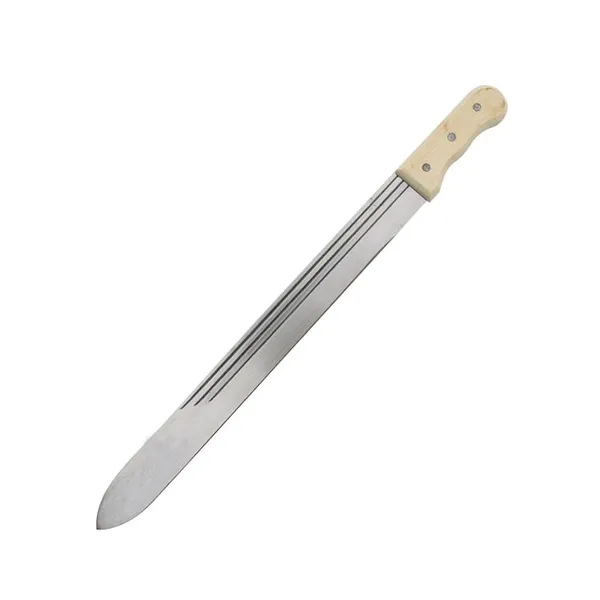 Read More
-
Which machete is best for harvesting oil palm fruit bunches?
October 26, 2026Which machete is best for harvesting oil palm fruit bunches?Oil palm harvesting is not a normal machete job. The tool is short, st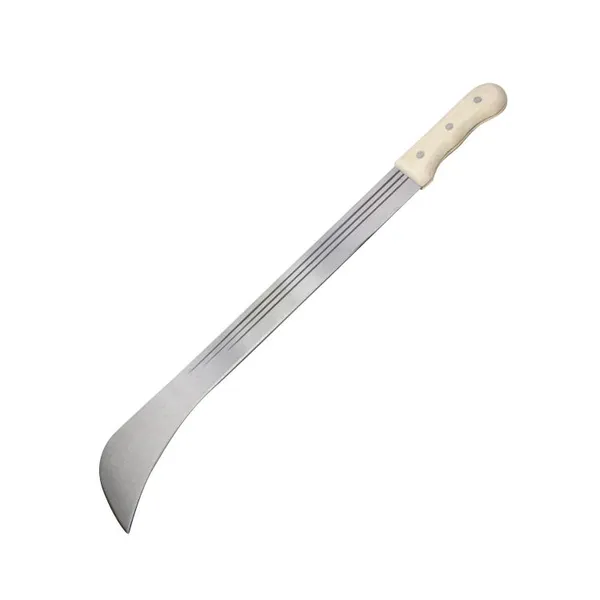 Read More

Contact Us
Recommended Products
-
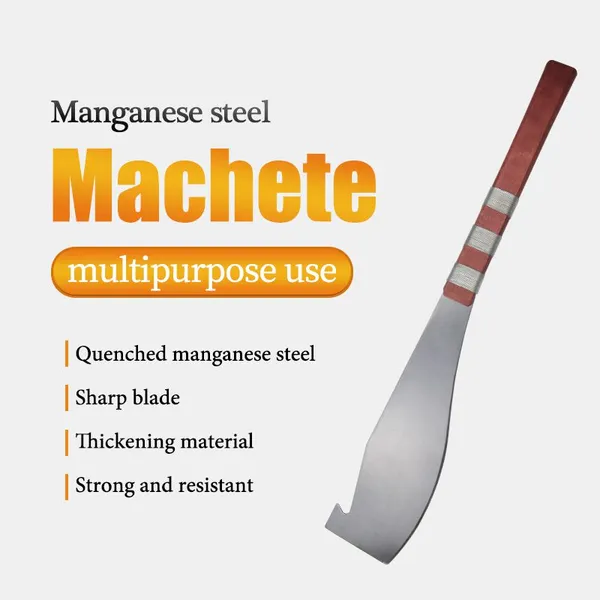
 Heavy Duty Cane Knife Machete for Wholesale Buyers Factory Direct Export for Rural Agricultural Projects Durable Hand ToolNegotiableMOQ: 1200 Pieces
-
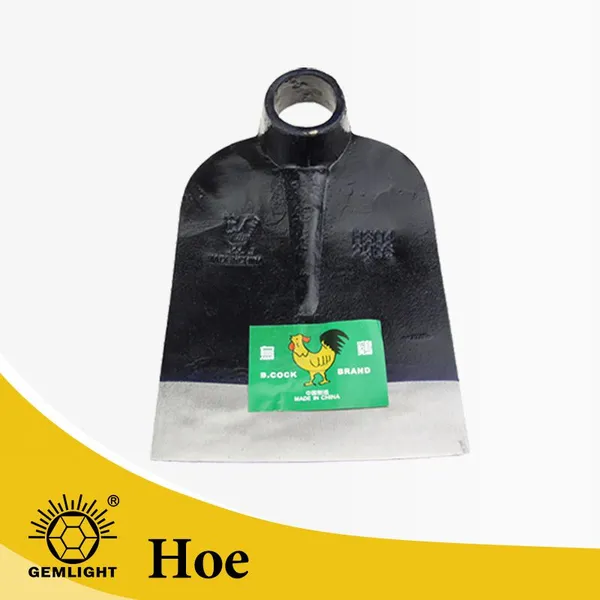
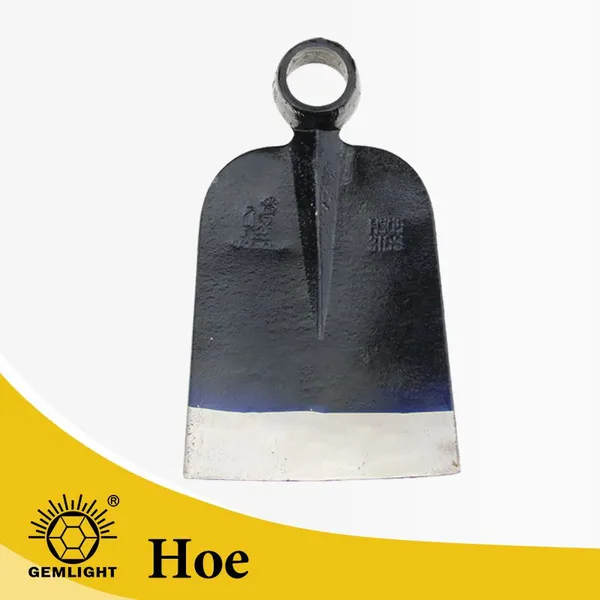
Agricultural Hoe Head Garden Rail Steel Tool for Tough Soil Cheap Price Hand ToolsUS$ 1.07 - 1.27MOQ: 1200 Pieces
-
Sturdy Rail Steel Hoe for Weeding, H305 Perfect for Agricultural and Garden TasksUS$ 1.07 - 1.27MOQ: 1200 Pieces
-
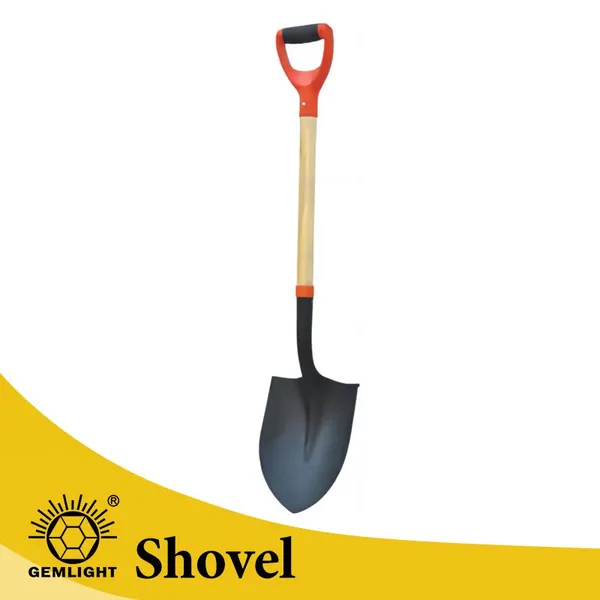
Heavy Duty Manganese Steel Garden Shovel Round Point Digging Shovel With Wooden Handle Farm Tool SupplierUS$ 2.14 - 2.36MOQ: 1200 Pieces
-
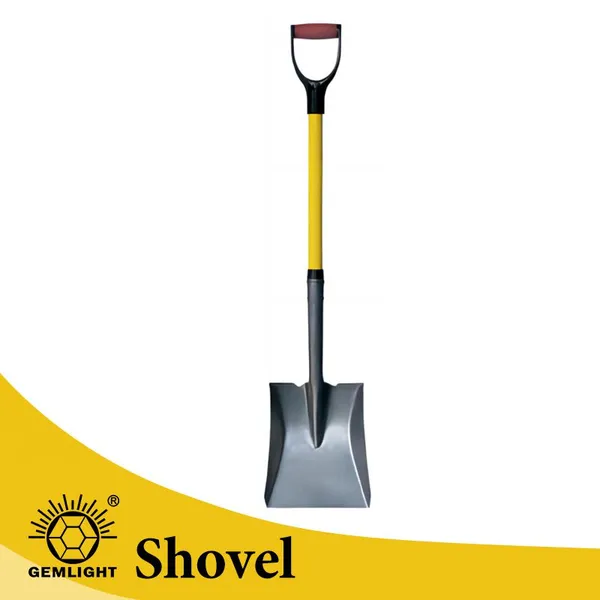
Big Shovel Wide Shovel Mud Shovel Heavy Duty Steel Blade for Farm Drainage Soil Moving Cleaning and Landscaping UseUS$ 2.14 - 2.36MOQ: 1200 Pieces
-
Strong Teeth Soil Rake for Farm Tool Suppliers Private Label Export for Farm Maintenance African Distribution Factory Bulk OrderUS$ 0.88 - 1.35MOQ: 2000 Pieces
-
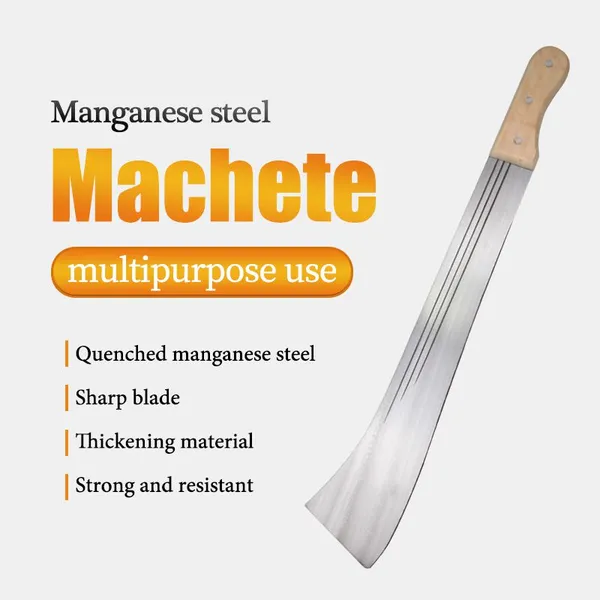
Manual Cane Knife Machete for Wholesale Buyers Factory Direct Export for Rural Agricultural Projects Durable Hand ToolNegotiableMOQ: 1200 Pieces
-
Large High Carbon Steel Machete Knife Agricultural Machete for Farming Bush Cutting Garden Tool SupplierNegotiableMOQ: 1200 Pieces
-
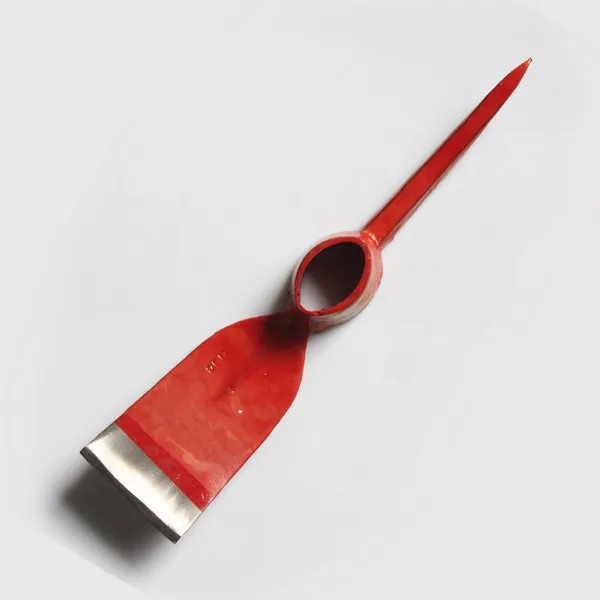
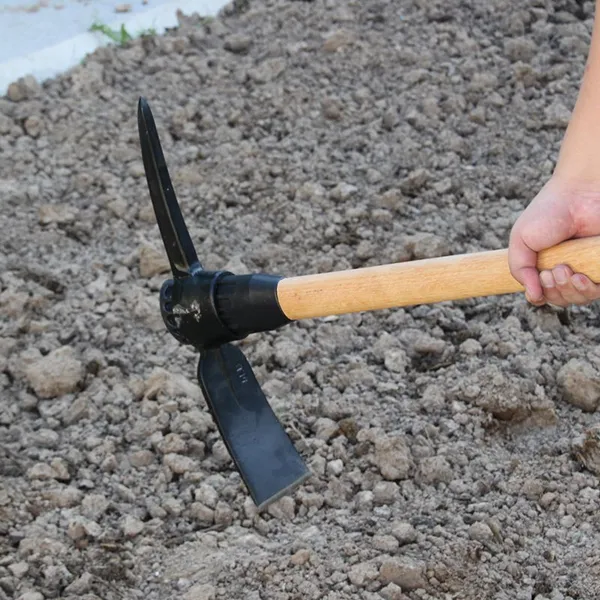
Wholesale Heavy Duty Pick Mattock for Mining Road Work and Farm Digging for Wholesale Tool Dealers With Bulk Order ServiceUS$ 1.85 - 2.3MOQ: 1200 Pieces
-
Carbon Steel Manual Pickaxe for Hard Soil Breaking and Trenching for African Importers With OEM Bulk Order Support Agricultural ToolUS$ 1.85 - 2.3MOQ: 1200 Pieces

-
OEM Farm Sickle With Sharp Blade for African Importers OEM Bulk Order Support for Harvesting and Smallholder Farming for Wholesale BUS$ 0.28 - 0.33MOQ: 3000 Pieces
-
Heavy Duty Manganese Steel Round Point Shovel Garden Digging Shovel With Wooden Handle Agricultural Tool ManufacturerUS$ 2.14 - 2.36MOQ: 1200 Pieces
-
Farm Shovel Factory Supply for Regional Import Distributors Bulk Wholesale Supply for Garden Work and Trenching for Agricultural DealersUS$ 2.14 - 2.36MOQ: 1200 Pieces
-
Heavy Duty Garden Rake for African Importers OEM Factory Supply for Agricultural Use African Market Factory Bulk OrderUS$ 0.88 - 1.35MOQ: 2000 Pieces
-
Agricultural Soil Rake for Agricultural Dealers Export Supply for Garden Cleaning African Dealer Channels Factory Bulk OrderUS$ 0.88 - 1.35MOQ: 2000 Pieces
-
Manual Farm Machete for African Importers OEM Factory Supply for Farming and Land Clearing Durable Hand ToolNegotiableMOQ: 1200 Pieces
-
Large Heavy Duty Carbon Steel Garden Landscaping Digging HoeUS$ 1.07 - 1.27MOQ: 1200 Pieces
-
Heavy Duty Rail Steel Mattock Pick Axe With Wooden Handle for Digging Soil Mining and Agricultural Tool SupplierUS$ 1.85 - 2.3MOQ: 1200 Pieces
-
Forged Farm Sickle With Sharp Blade for African Importers OEM Bulk Order Support for Harvesting and Smallholder Farming for WholesalUS$ 0.28 - 0.33MOQ: 3000 Pieces
-
Strong Carbon Steel Farming Sickle for Uganda Tanzania Zambia Agricultural Tool DistributorsUS$ 0.34 - 0.47MOQ: 3000 Pieces