
 Business License

Which machete is best for harvesting oil palm fruit bunches?
Which machete is best for harvesting oil palm fruit bunches?
Oil palm harvesting is not a normal machete job. The tool is short, strongly curved, and often mounted on a pole.
The cut happens in one place: the stalk that holds the bunch to the trunk. Miss it, and the bunch is damaged or dropped.
Harvesters are paid by bunch weight, so a slow or inaccurate blade costs money every day.
This guide covers blade shape, weight, pole tools, and the specs plantations put into tenders.
What blade shape and weight reach high bunches?
Bunches grow tight against the trunk, often above shoulder height. A straight blade cannot work around the stalk.
A curved blade with a hooked tip reaches behind the bunch and cuts the stalk in one pull.
Blade length for pole tools usually runs 25 to 40 cm. Thickness stays thin, around 2 to 3 mm, so the blade slices rather than splits.
Weight matters because the blade sits at the end of a long pole. A heavy head tires the shoulder within an hour.
For young palms, crews use a short chisel type blade, about 15 to 20 cm, on a short pole.
In Malaysia and Indonesia, the curved pole blade is often called an egrek, and the short chisel type a dodos.
Edge geometry should be a thin convex bevel. A thick bevel bruises the stalk and slows the cut.
The socket matters as much as the blade. A loose fit wastes the stroke and can drop the blade into the frond stack.
Ask for the socket thread and pin size, so new blades fit the poles already in the field.
How does a pole-mounted blade compare?
A pole tool lets one worker harvest palms above five metres without climbing.
Most poles are aluminium or bamboo, often in two sections, with a socket and a lanyard.
Aluminium is lighter and lasts for years. Bamboo is cheap and can be replaced locally.
Pole length follows palm height. Mature blocks in Southeast Asia often need 4 to 9 metres.
Cutting with a pole is slower per bunch than climbing with a short blade. It is also much safer.
Poles reach into dense frond stacks where a hand blade cannot enter.
Check the joint on a two-section pole. A joint that twists under load ruins accuracy.
Ask for a spare pin with every pole order. A missing pin stops a crew for the day.
Some estates use a hooked pole to pull down loose fruit. That hook is a separate item worth quoting.
Which specs do plantations write into tenders?
Estate tenders usually name the tool, the blade length and the socket type first.
Thickness and hardness come next, because thin soft blades fold in a bunch stalk.
Better written tenders also state blade weight with a tolerance and pole length in metres.
Safety items appear more often now, such as a lanyard, a blade guard and a spare pin.
Packing is specified too: blades per bundle, oiled, with sockets protected against rust.
Ask for the drawing, not only the name. Two estates use the same word for different blades.
Hardness should be high enough to hold an edge and low enough to file in the field.
Field sharpening happens daily, so a blade that cannot be filed becomes a blade that gets replaced.
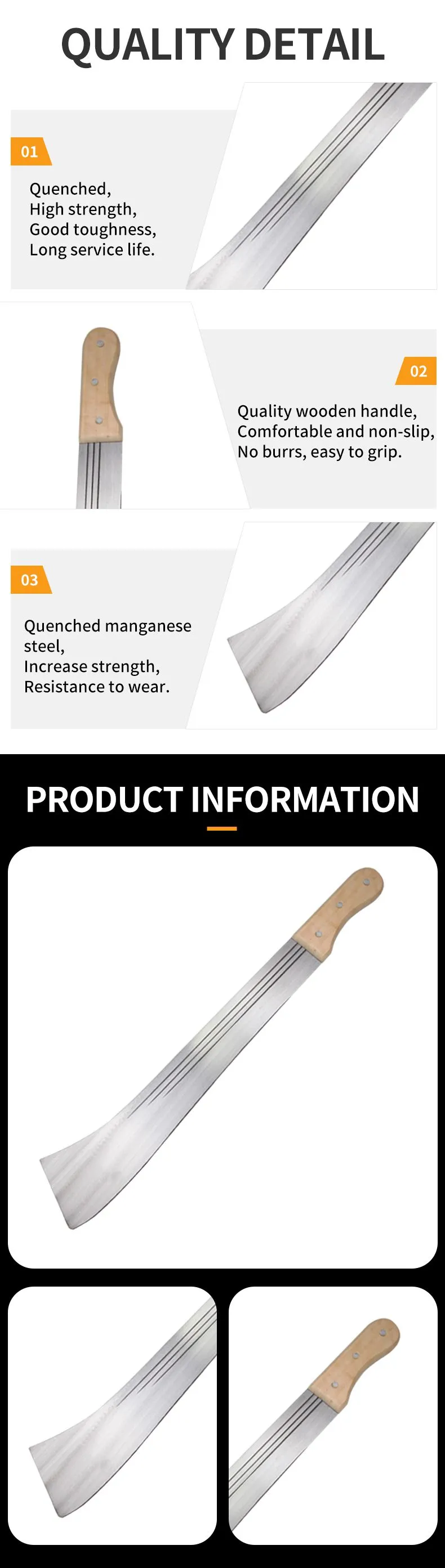
What does a harvester carry in a day?
Understanding the crew's kit tells you what to quote beyond the blade.
A harvester usually carries one pole, one spare blade, a file, and a hook knife for loose fruit.
Loose fruit collection is money. Bruised or dropped fruit is weight left on the ground.
Some crews also carry a short blade for cutting fronds during pruning rounds.
Ask which items the estate issues and which the worker buys. That answer shapes your offer.
Estates also issue a sharpening file with a handle, because a bare file cuts gloves.
Some now issue gloves and eye protection, especially after an accident report.
Ask whether the estate buys blades alone, or blades with poles and sockets.
A blade order without matching sockets often arrives unusable, which turns into a complaint.
Ask how used blades are collected. Some estates sell them for scrap weight.
That detail shows how organised the buyer is, and how repeatable the order will be.
Keep one example of every blade an estate uses. Photos prevent wrong repeats.
Ask how often poles are replaced. Poles outlast blades, but not forever.
A pole order every few seasons signals a serious, long term buyer.
The table below matches each palm stage to a blade type and a working length.
| Palm stage | Blade type | Blade length | Main use |
|---|---|---|---|
| Young palms, low bunches | Chisel blade on short pole | 15 to 20 cm | Cutting low stalks |
| Mature palms, mid height | Curved pole blade | 25 to 30 cm | Reaching behind the bunch |
| Tall palms | Curved pole blade, long pole | 30 to 40 cm | High bunches, safer than climbing |
| Loose fruit collection | Hook or narrow blade | 20 to 25 cm | Picking up fallen fruit |
Oil palm blade RFQ checklist
Send this list and ask for each value in numbers.
Blade type and reference drawing
Blade length, width and spine thickness
Steel grade and measured hardness range
Edge angle and bevel type
Finished blade weight with tolerance
Socket size, thread and pin diameter
Pole material, length and section count
Lanyard and blade guard, if required
Surface finish and rust protection
Units per bundle and per carton
MOQ per blade type and mix allowance
Lead time and packing details
Buy the blade the crew can sharpen, not the one with the best catalogue photo. Field use decides reorders.
Recently Posted
-
What machete is used for cassava and root crop harvesting?
October 26, 2026What machete is used for cassava and root crop harvesting?Cassava is not cut like cane and not pruned like cocoa. The plant is lif Read More
-
Is a machete or a brush hook better for land clearing and firebreaks?
October 26, 2026Is a machete or a brush hook better for land clearing and firebreaks?Both tools cut vegetation. They cut different vegetation, wit Read More
-
How do I choose a machete for cocoa and coffee farms?
October 26, 2026How do I choose a machete for cocoa and coffee farms?Cocoa and coffee are smallholder crops. Most farms are a few hectares, worked Read More
-
What machete do banana and plantain growers use for harvesting?
October 26, 2026What machete do banana and plantain growers use for harvesting?A banana bunch weighs between 15 and 30 kg. How it is cut decides w Read More

Contact Us
Recommended Products
-
 Heavy Duty Cane Knife Machete for Wholesale Buyers Factory Direct Export for Rural Agricultural Projects Durable Hand ToolNegotiableMOQ: 1200 Pieces
-
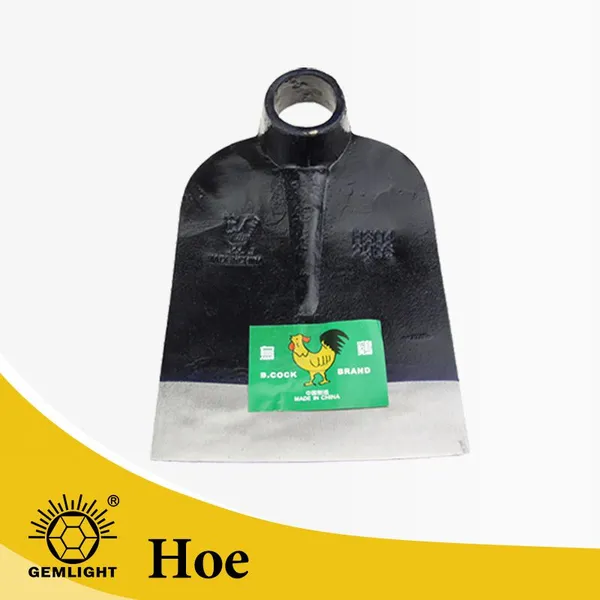
Agricultural Hoe Head Garden Rail Steel Tool for Tough Soil Cheap Price Hand ToolsUS$ 1.07 - 1.27MOQ: 1200 Pieces
-
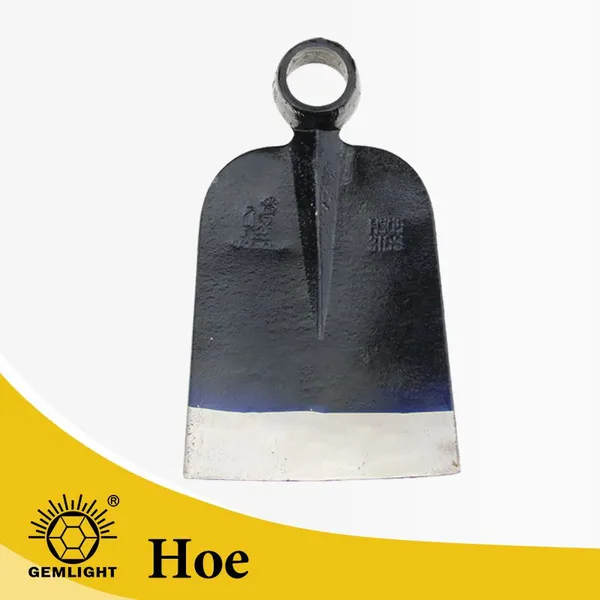
Sturdy Rail Steel Hoe for Weeding, H305 Perfect for Agricultural and Garden TasksUS$ 1.07 - 1.27MOQ: 1200 Pieces
-
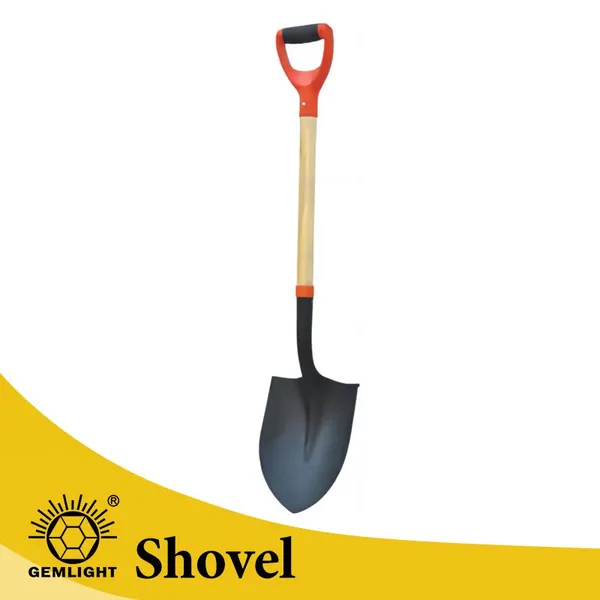
Heavy Duty Manganese Steel Garden Shovel Round Point Digging Shovel With Wooden Handle Farm Tool SupplierUS$ 2.14 - 2.36MOQ: 1200 Pieces
-
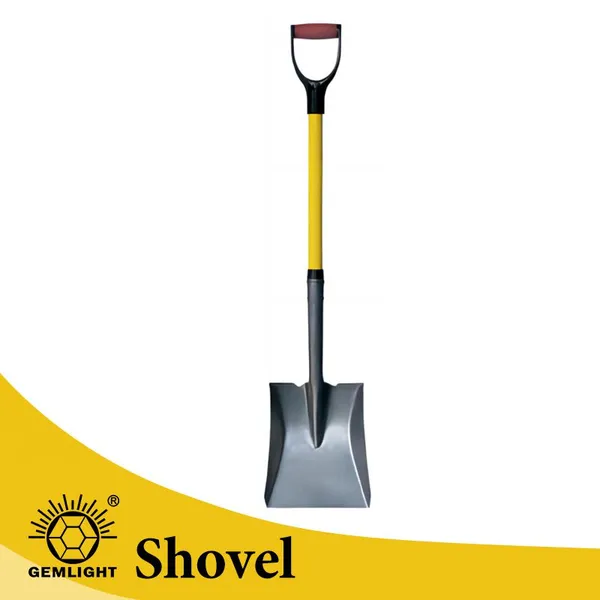
Big Shovel Wide Shovel Mud Shovel Heavy Duty Steel Blade for Farm Drainage Soil Moving Cleaning and Landscaping UseUS$ 2.14 - 2.36MOQ: 1200 Pieces
-
Strong Teeth Soil Rake for Farm Tool Suppliers Private Label Export for Farm Maintenance African Distribution Factory Bulk OrderUS$ 0.88 - 1.35MOQ: 2000 Pieces
-
Manual Cane Knife Machete for Wholesale Buyers Factory Direct Export for Rural Agricultural Projects Durable Hand ToolNegotiableMOQ: 1200 Pieces
-
Large High Carbon Steel Machete Knife Agricultural Machete for Farming Bush Cutting Garden Tool SupplierNegotiableMOQ: 1200 Pieces
-
Wholesale Heavy Duty Pick Mattock for Mining Road Work and Farm Digging for Wholesale Tool Dealers With Bulk Order ServiceUS$ 1.85 - 2.3MOQ: 1200 Pieces
-
Carbon Steel Manual Pickaxe for Hard Soil Breaking and Trenching for African Importers With OEM Bulk Order Support Agricultural ToolUS$ 1.85 - 2.3MOQ: 1200 Pieces
-
OEM Farm Sickle With Sharp Blade for African Importers OEM Bulk Order Support for Harvesting and Smallholder Farming for Wholesale BUS$ 0.28 - 0.33MOQ: 3000 Pieces
-
Heavy Duty Manganese Steel Round Point Shovel Garden Digging Shovel With Wooden Handle Agricultural Tool ManufacturerUS$ 2.14 - 2.36MOQ: 1200 Pieces
-
Farm Shovel Factory Supply for Regional Import Distributors Bulk Wholesale Supply for Garden Work and Trenching for Agricultural DealersUS$ 2.14 - 2.36MOQ: 1200 Pieces
-
Heavy Duty Garden Rake for African Importers OEM Factory Supply for Agricultural Use African Market Factory Bulk OrderUS$ 0.88 - 1.35MOQ: 2000 Pieces
-
Agricultural Soil Rake for Agricultural Dealers Export Supply for Garden Cleaning African Dealer Channels Factory Bulk OrderUS$ 0.88 - 1.35MOQ: 2000 Pieces
-
Manual Farm Machete for African Importers OEM Factory Supply for Farming and Land Clearing Durable Hand ToolNegotiableMOQ: 1200 Pieces
-
Large Heavy Duty Carbon Steel Garden Landscaping Digging HoeUS$ 1.07 - 1.27MOQ: 1200 Pieces
-
Heavy Duty Rail Steel Mattock Pick Axe With Wooden Handle for Digging Soil Mining and Agricultural Tool SupplierUS$ 1.85 - 2.3MOQ: 1200 Pieces
-
Forged Farm Sickle With Sharp Blade for African Importers OEM Bulk Order Support for Harvesting and Smallholder Farming for WholesalUS$ 0.28 - 0.33MOQ: 3000 Pieces
-
Strong Carbon Steel Farming Sickle for Uganda Tanzania Zambia Agricultural Tool DistributorsUS$ 0.34 - 0.47MOQ: 3000 Pieces