
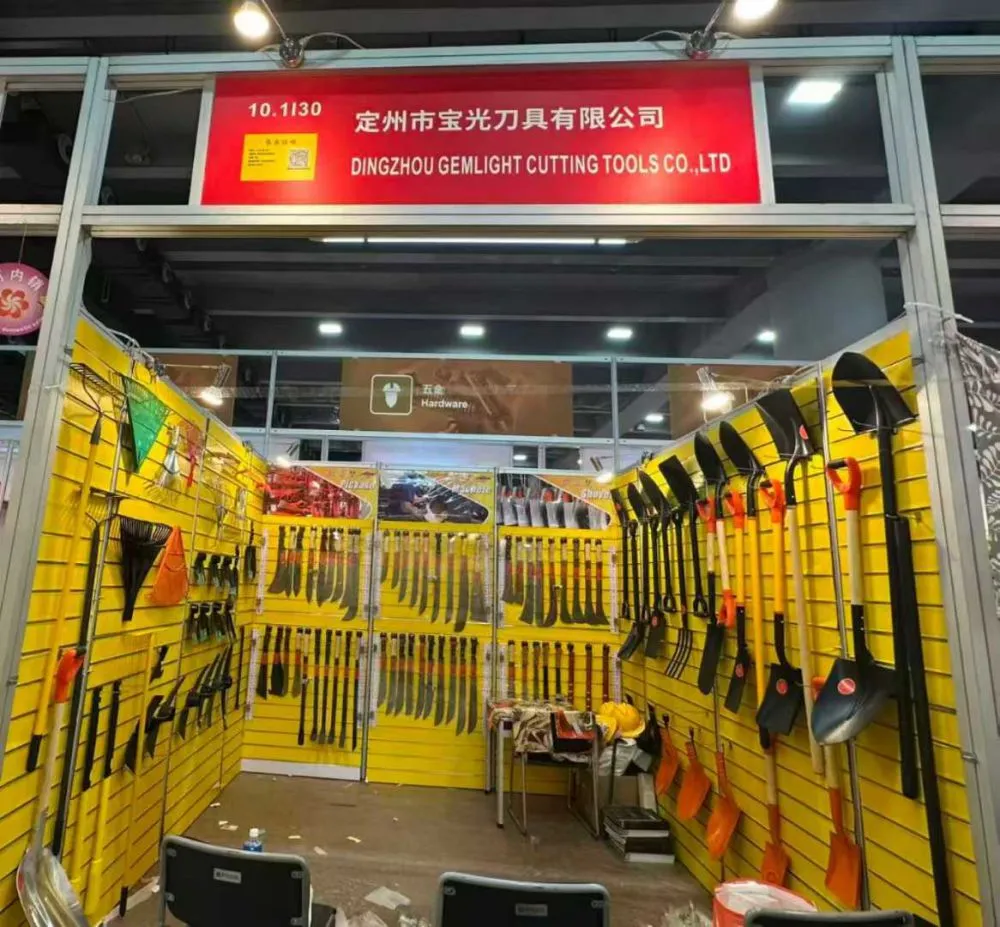
 Business License

How do I compare three machete quotes that look identical?
How do I compare three machete quotes that look identical?
Three quotes arrive, all for the same model, all looking reasonable. The prices differ by thirty percent.
The instinct is to take the middle one, or the cheapest. Both choices can be wrong.
Quotes look alike because they are written in the same format. The differences sit in what is included and what is not.
This guide shows how to normalise three offers into one sheet, and where to negotiate afterwards.
Which hidden cost items separate the quotes?
The first hidden item is the sheath. One quote includes it, another prices it separately.
The second is packing. A printed colour box adds cost that a poly bag does not carry.
The third is branding. Etching, laser marking and stamping carry different tooling and piece costs.
The fourth is carton quality. A five layer export carton costs more than a three layer one.
The fifth is inland freight. Some quotes are FOB port, others are still ex works.
The sixth is payment terms. Full prepayment is cheaper for the seller, and that discount is real.
The seventh is inspection. If the supplier expects you to pay for it, the price is incomplete.
The eighth is the loading plan. Fewer pieces per carton means more freight per piece.
The ninth is the exchange rate date. A quote fixed at a better rate expires quietly.
The tenth is the price validity. A quote open for thirty days carries a different risk.
Ask whether the quote assumes one model or a mixed order, because labour differs.
A mixed order with six models costs more to pack and inspect, and the quote should show it.
How do steel grade and thickness explain the gap?
A price difference of thirty percent rarely comes from margin alone.
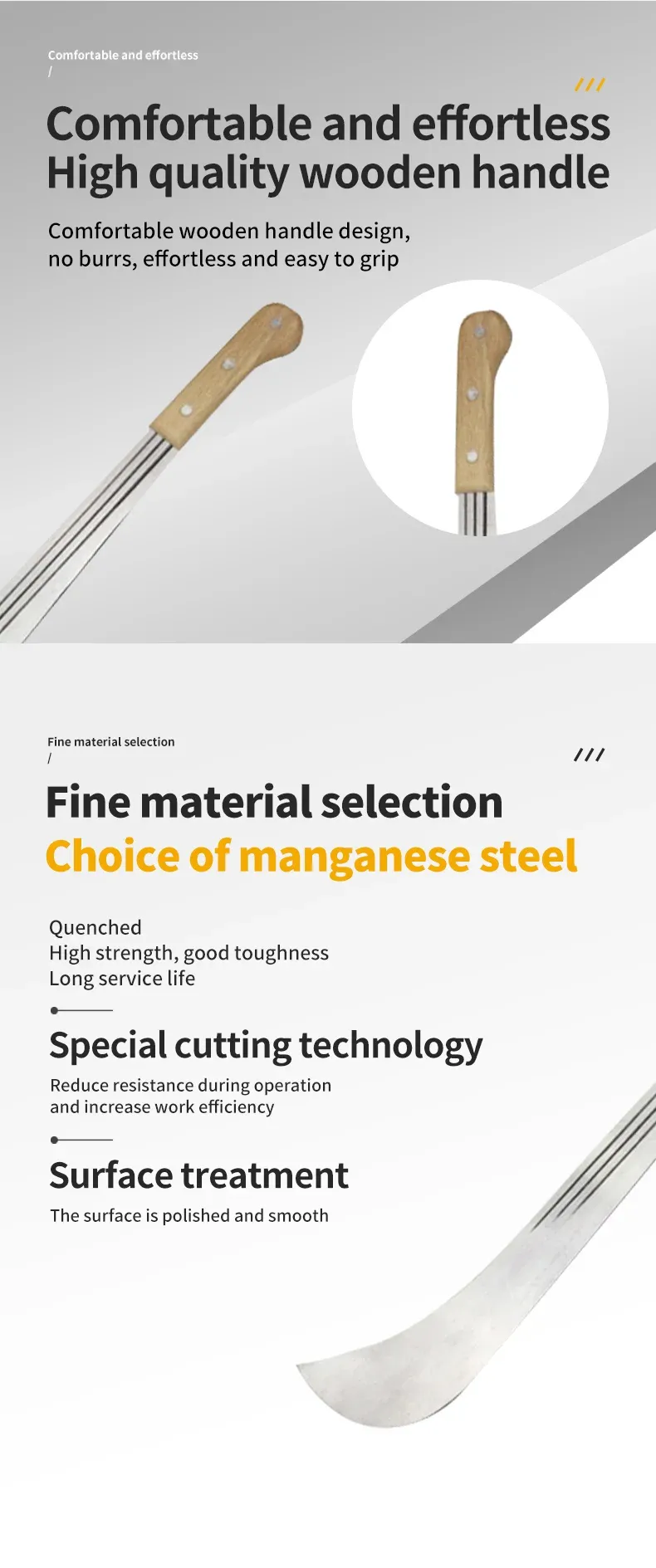
Check the steel grade first. A 1045 blade and a 1075 blade are different products at different cost.
Check the thickness. A nominal 2.0 mm blade measured at 1.8 mm uses less steel and cuts faster in a spreadsheet.
Check the hardness range in the quote. If it is missing, the supplier has not committed to anything.
Check the finish. Polish takes minutes; black oxide takes seconds.
Check the handle. A stock plastic handle and a shaped hardwood handle sit in different cost bands.
Check the tangent design. A full tang with three rivets costs more than a half tang with two.
Add up the differences in grams, minutes and components, and the price gap usually explains itself.
If it does not, ask for the cost breakdown of the three largest lines.
Ask for the measured weight of one piece. It is the fastest way to detect thin steel.
Weigh the sample yourself when it arrives, and compare it with the quoted figure.
A 40 gram difference on a 500 gram tool is a specification change, not a rounding error.
Check the edge angle too. A steeper edge takes longer to grind, and that shows in the price.
What should be normalised before negotiating?
Normalise the specification before you compare the price.
Write one requirement sheet with length, thickness tolerance, steel grade, hardness range, edge angle and handle type.
Add the commercial requirements: sheath included, packing type, branding, FOB port, payment terms.
Send that sheet to all three suppliers and ask for a revised quote against it.
Then convert every quote into the same Incoterm, usually FOB at the same port.
Convert the price into cost per piece at the same quantity band.
Convert packing into pieces per carton and cartons per container.
Convert payment terms into an equivalent cash price, if you can estimate the cost of credit.
Now the three prices are comparable, and the cheapest is genuinely the cheapest.
Any supplier who refuses to quote against a clear sheet is telling you something useful.
Keep the original quotes and the revised ones. The delta shows what each supplier would not move.
Share the normalised sheet with your best candidate, without naming the others.
That keeps the conversation technical and avoids a pure price fight.
Normalise the quantity too. A quote at 1,000 pieces cannot be compared with one at 5,000.
Write the inspection standard into the agreed document, so quality is part of the deal.
Agree the remedy for a failed lot before production, not after the container arrives.
Ask for the price at the next volume band, so growth does not need a new negotiation.
Keep a written record of what was agreed verbally. Memory differs between two companies.
That record is worth more than a discount when a dispute appears.
Where should you push, and where should you stop?
Push on items that do not affect the blade: finish, packing, carton grade, sheath material.
Push on volume bands, by combining models to reach a better quantity.
Push on tooling, by paying it separately and asking for the price without it.
Push on lead time, by ordering earlier and accepting a standard production slot.
Push on payment terms, by offering a larger deposit for a better unit price.
Stop pushing when the request touches hardness, tempering, tang design or declared thickness.
Those savings return as claims, replacements and lost customers.
A good negotiation ends with a clear spec, a fair price and a delivery date both sides can meet.
Keep the final agreed sheet signed and attached to the purchase order.
Quote comparison checklist
Build one row per supplier, and fill every column before you decide.
Model and full specification quoted
Steel grade and mill source
Nominal and measured thickness
Hardness range and test method
Edge angle and bevel type
Handle material, tang type and rivets
Sheath included or extra
Branding method and tooling cost
Packing type and carton grade
Incoterm and named port
Price at 1,000, 5,000 and 20,000 pieces
Units per carton and cartons per container
Payment terms and inspection responsibility
Lead time for samples and bulk
A quote is a claim, not a fact. Normalise it, then compare what is actually being sold.
Recently Posted
-
Is the hand machete losing ground to brush cutters?
October 27, 2026Is the hand machete losing ground to brush cutters?Brush cutters sell well in every market where labour costs rise. Buyers ask whe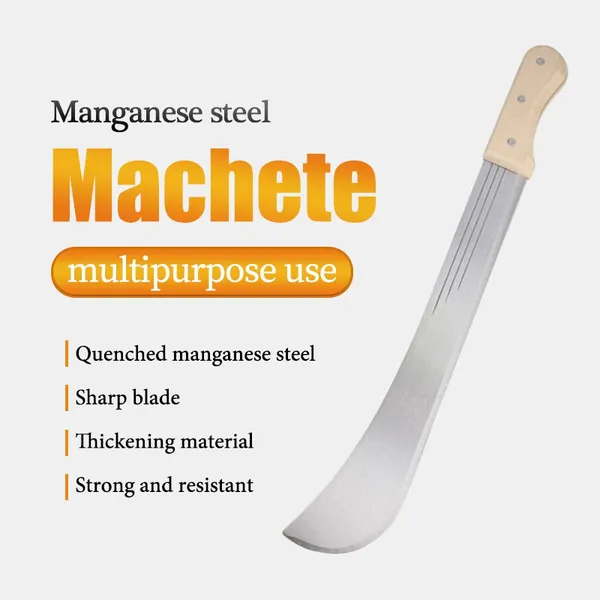 Read More
-
When is machete demand highest, and how do I plan stock around it?
October 27, 2026When is machete demand highest, and how do I plan stock around it?Machete demand is not flat across the year. It follows rain, har Read More
-
How do I build a machete range for a hardware distributor?
October 27, 2026How do I build a machete range for a hardware distributor?A distributor's catalogue is a bet on what customers will ask for ov Read More
-
China, Brazil or India: where should I source agricultural machetes?
October 27, 2026China, Brazil or India: where should I source agricultural machetes?Most buyers start with one country and stay there. That is con Read More

Contact Us
Recommended Products
-
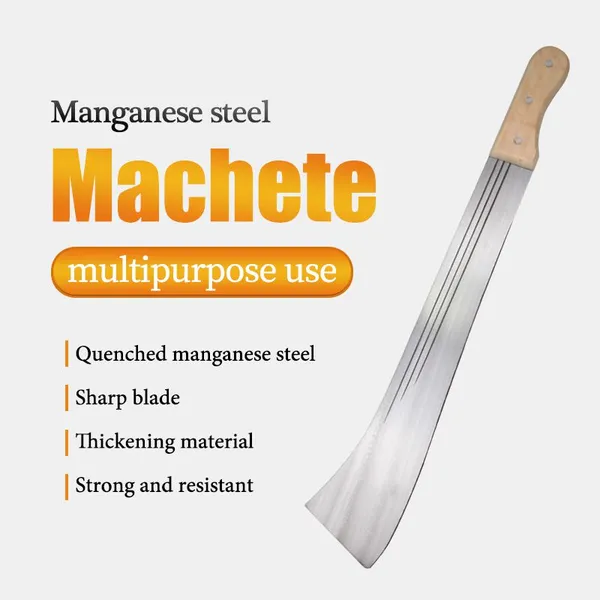
 Heavy Duty Cane Knife Machete for Wholesale Buyers Factory Direct Export for Rural Agricultural Projects Durable Hand ToolNegotiableMOQ: 1200 Pieces
-
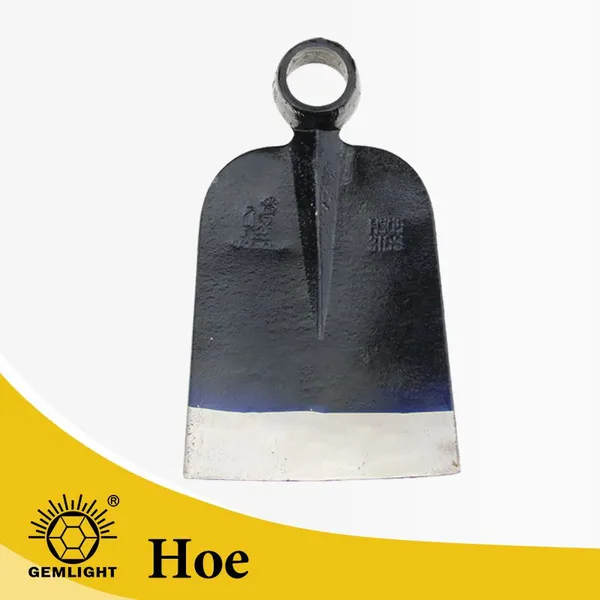
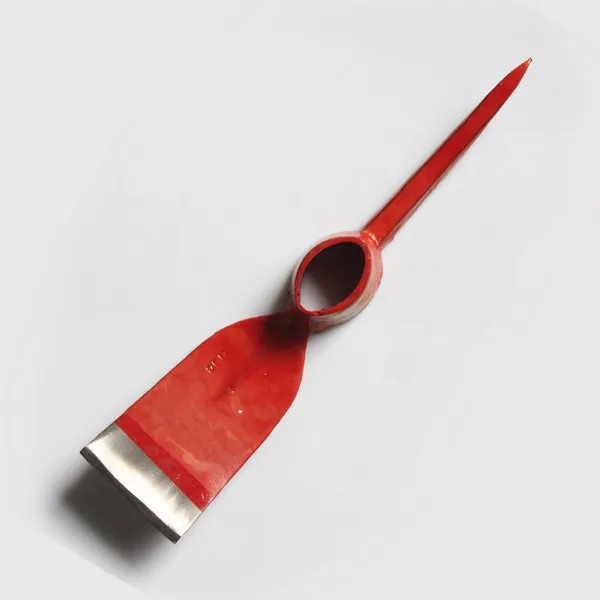
Agricultural Hoe Head Garden Rail Steel Tool for Tough Soil Cheap Price Hand ToolsUS$ 1.07 - 1.27MOQ: 1200 Pieces
-
Sturdy Rail Steel Hoe for Weeding, H305 Perfect for Agricultural and Garden TasksUS$ 1.07 - 1.27MOQ: 1200 Pieces
-
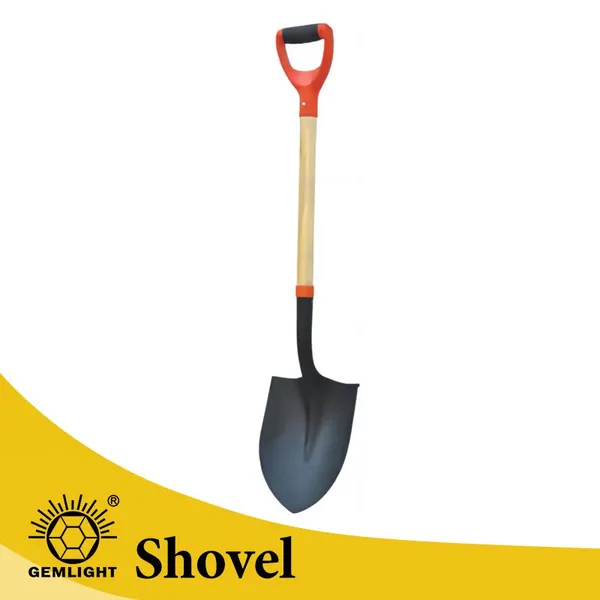
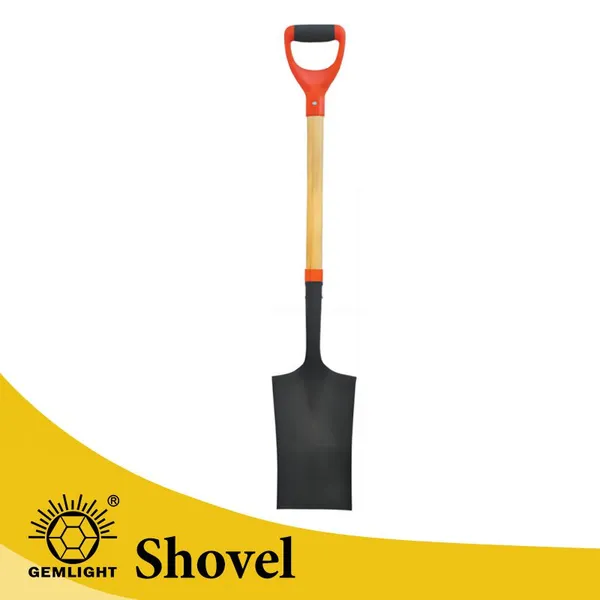
Heavy Duty Manganese Steel Garden Shovel Round Point Digging Shovel With Wooden Handle Farm Tool SupplierUS$ 2.14 - 2.36MOQ: 1200 Pieces
-
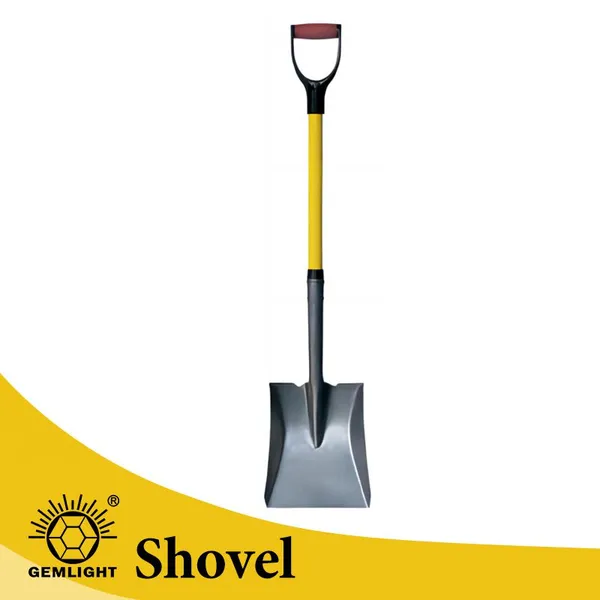
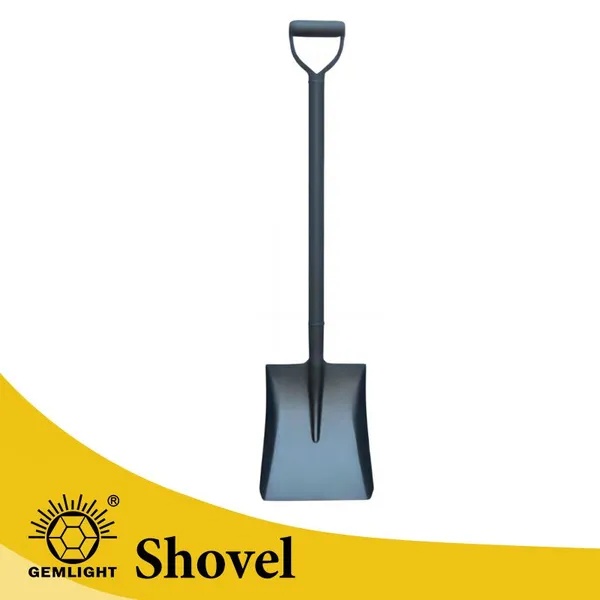
Big Shovel Wide Shovel Mud Shovel Heavy Duty Steel Blade for Farm Drainage Soil Moving Cleaning and Landscaping UseUS$ 2.14 - 2.36MOQ: 1200 Pieces
-
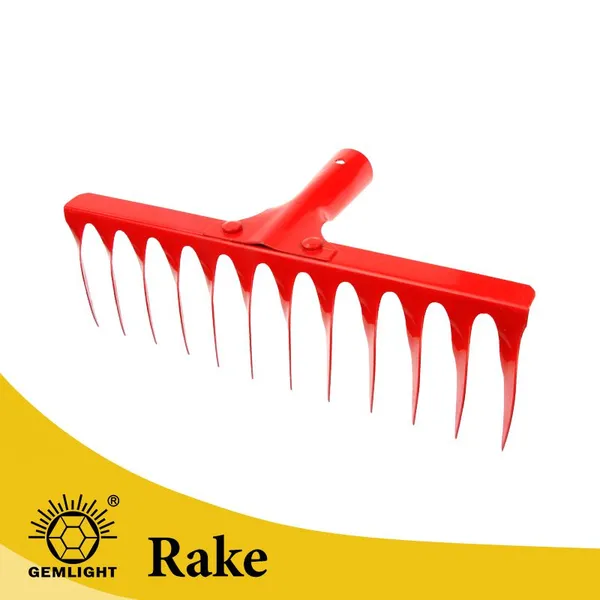
Strong Teeth Soil Rake for Farm Tool Suppliers Private Label Export for Farm Maintenance African Distribution Factory Bulk OrderUS$ 0.88 - 1.35MOQ: 2000 Pieces
-
Manual Cane Knife Machete for Wholesale Buyers Factory Direct Export for Rural Agricultural Projects Durable Hand ToolNegotiableMOQ: 1200 Pieces
-
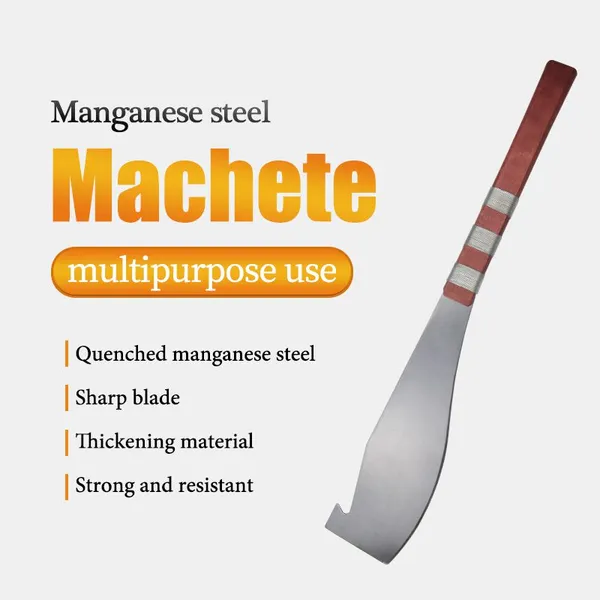
Large High Carbon Steel Machete Knife Agricultural Machete for Farming Bush Cutting Garden Tool SupplierNegotiableMOQ: 1200 Pieces
-
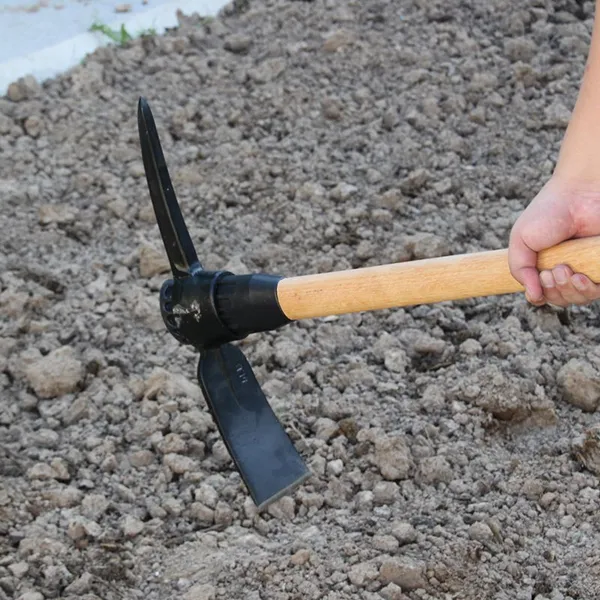
Wholesale Heavy Duty Pick Mattock for Mining Road Work and Farm Digging for Wholesale Tool Dealers With Bulk Order ServiceUS$ 1.85 - 2.3MOQ: 1200 Pieces
-
Carbon Steel Manual Pickaxe for Hard Soil Breaking and Trenching for African Importers With OEM Bulk Order Support Agricultural ToolUS$ 1.85 - 2.3MOQ: 1200 Pieces

-
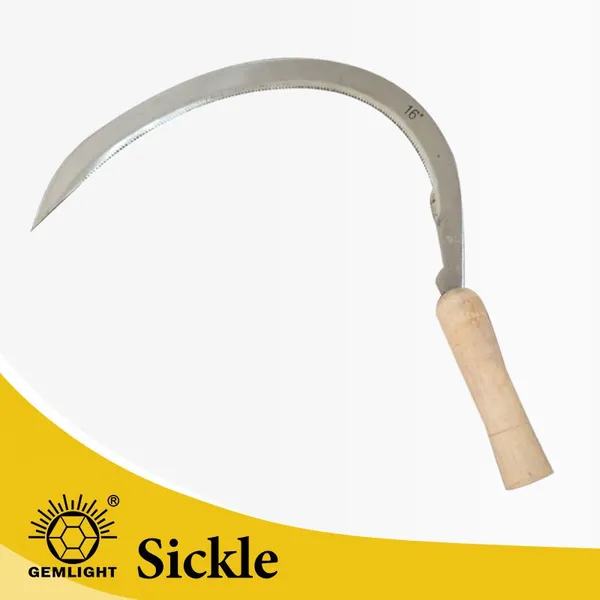
OEM Farm Sickle With Sharp Blade for African Importers OEM Bulk Order Support for Harvesting and Smallholder Farming for Wholesale BUS$ 0.28 - 0.33MOQ: 3000 Pieces
-
Heavy Duty Manganese Steel Round Point Shovel Garden Digging Shovel With Wooden Handle Agricultural Tool ManufacturerUS$ 2.14 - 2.36MOQ: 1200 Pieces
-
Farm Shovel Factory Supply for Regional Import Distributors Bulk Wholesale Supply for Garden Work and Trenching for Agricultural DealersUS$ 2.14 - 2.36MOQ: 1200 Pieces
-
Heavy Duty Garden Rake for African Importers OEM Factory Supply for Agricultural Use African Market Factory Bulk OrderUS$ 0.88 - 1.35MOQ: 2000 Pieces
-
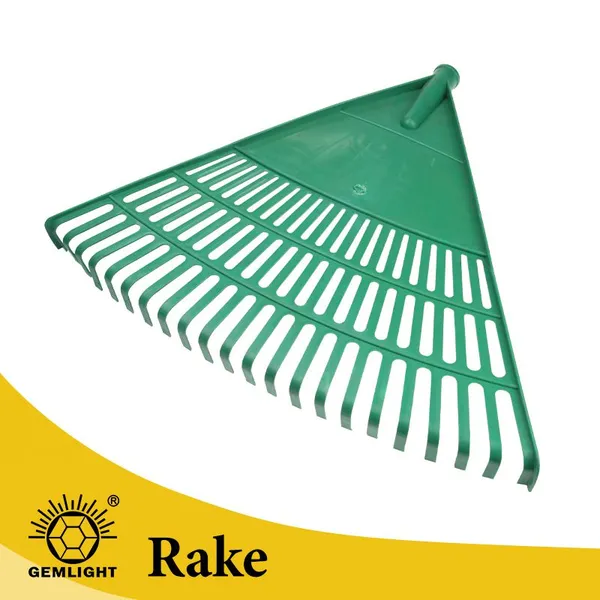
Agricultural Soil Rake for Agricultural Dealers Export Supply for Garden Cleaning African Dealer Channels Factory Bulk OrderUS$ 0.88 - 1.35MOQ: 2000 Pieces
-
Manual Farm Machete for African Importers OEM Factory Supply for Farming and Land Clearing Durable Hand ToolNegotiableMOQ: 1200 Pieces
-
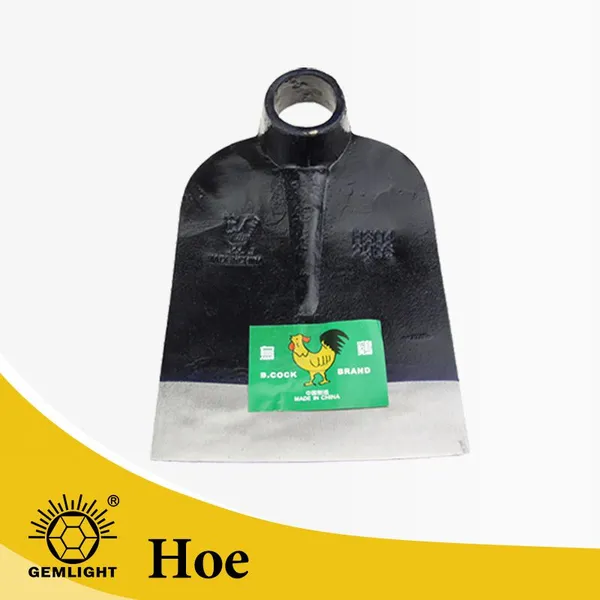
Large Heavy Duty Carbon Steel Garden Landscaping Digging HoeUS$ 1.07 - 1.27MOQ: 1200 Pieces
-
Heavy Duty Rail Steel Mattock Pick Axe With Wooden Handle for Digging Soil Mining and Agricultural Tool SupplierUS$ 1.85 - 2.3MOQ: 1200 Pieces
-
Forged Farm Sickle With Sharp Blade for African Importers OEM Bulk Order Support for Harvesting and Smallholder Farming for WholesalUS$ 0.28 - 0.33MOQ: 3000 Pieces
-
Strong Carbon Steel Farming Sickle for Uganda Tanzania Zambia Agricultural Tool DistributorsUS$ 0.34 - 0.47MOQ: 3000 Pieces