
 Business License

How do I build a machete range for a hardware distributor?
How do I build a machete range for a hardware distributor?
A distributor's catalogue is a bet on what customers will ask for over the next year.
Too few models and you lose the sale. Too many and cash sits in cartons nobody opens.
Machetes are simple products, which makes a tight range possible. But the range still needs structure.
This guide covers patterns, sizes, price tiers and the extras that lift sell-through.
Which patterns and sizes cover most demand?
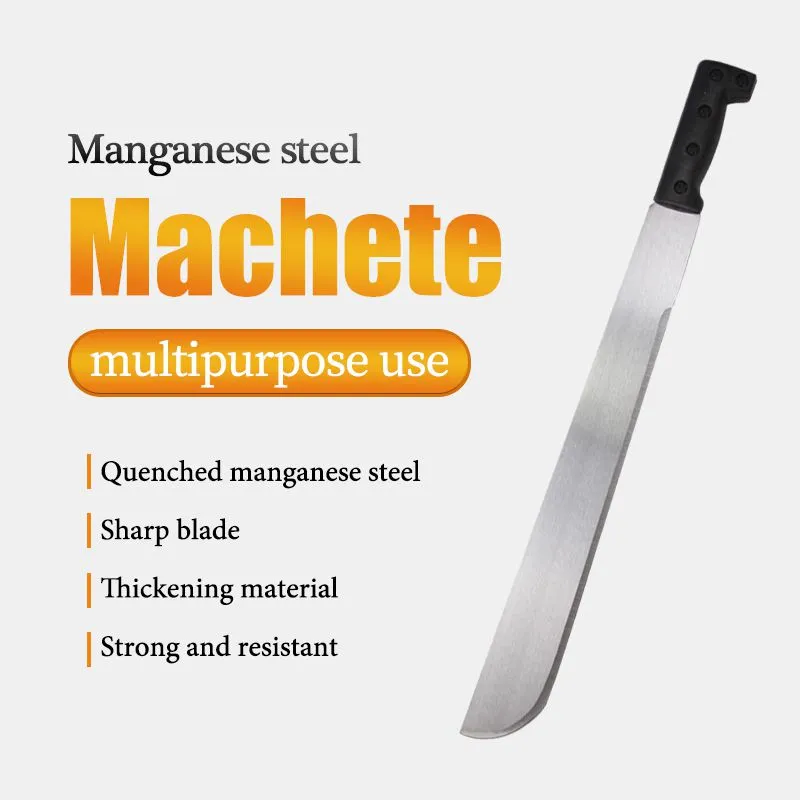
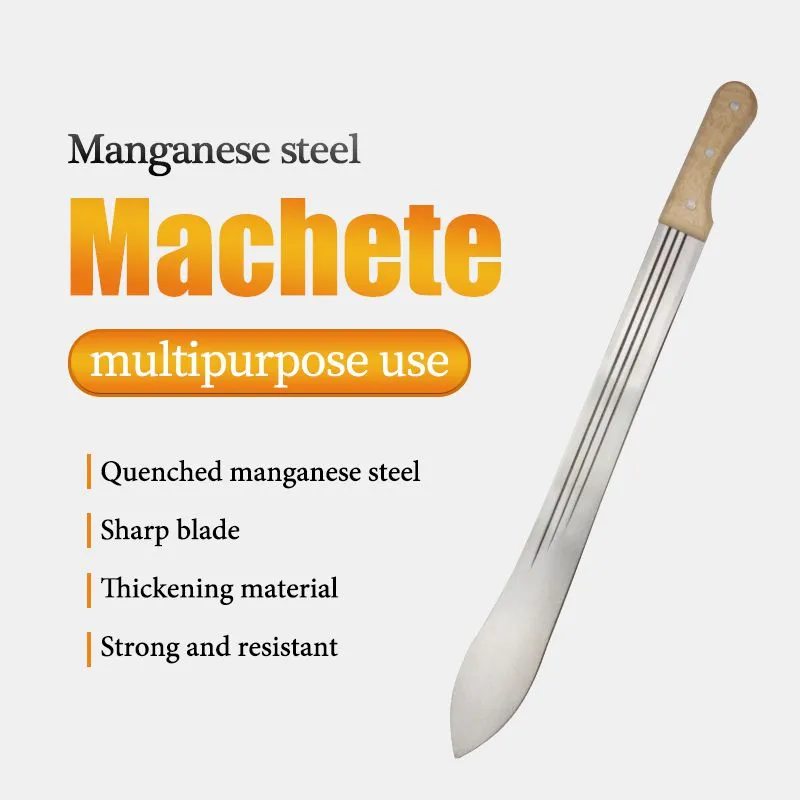
Start with the two patterns that dominate global trade: the Latin blade and the panga.
Add one cane knife for sugar markets, and one short heavy blade for brush work.
That gives four patterns, which covers most requests without confusing the buyer.
Length matters next. For the Latin pattern, 18 and 20 inches cover most of the range.
For the panga, 16 to 18 inches is the practical band in East and Southern Africa.
Handle options should stay at two: wood and plastic. Both sell, in different channels.
Sheaths belong to the range as an option, not as a separate model.
Resist regional specialities until a customer asks twice. One request is curiosity, two is demand.
Keep a hero model that always sits in stock. Most volume comes from a small number of SKUs.
Ask your buyer which patterns customers ask for by name.
Local names matter. A panga in one country is a bush knife in another.
Print both names on the carton label, so shelf staff recognise the product.
Check handle length too. Some markets expect a longer grip.
If a chain sells to farmers and gardeners, add one short garden blade.
Add a file or a sharpening stone. It supports the blades and ships cheaply.
A small accessory line raises basket value without adding a blade SKU.

How many price tiers should a range carry?
Three tiers work for almost every hardware catalogue: entry, core and premium.
The entry tier wins price comparisons and brings customers through the door.
The core tier carries the volume, with a solid blade, a decent handle and a fair finish.
The premium tier justifies a higher margin, with a polished blade, a better sheath and retail packaging.
Two tiers feel thin to a buyer, and four confuse the shelf.
The difference between tiers should be visible. Hardness, thickness, finish and packing are the usual levers.
Make sure the core tier is the one you promote. Entry tier margins rarely cover service costs.
Keep the same model name across tiers where possible, so the customer understands the ladder.
Ask your buyer which tier their market compares most often. That is where the shelf space goes.
Keep the tier difference honest. A premium blade should look and cut differently.
If tiers look the same, customers buy the cheapest and your margin disappears.
Use different sheaths to separate tiers, which costs less than a new blade.
Name the tiers in a way customers understand, not in factory codes.
Test the ladder with one dealer before rolling it out across the range.
Check the price gap between tiers. Too wide and the middle tier stops selling.
A gap of 20 to 35 percent between tiers usually holds.

Do sheaths and displays lift sell-through?
Sheaths raise the perceived value and protect the edge in transport.
In dry markets, leather sells. In humid markets, canvas and synthetic sheaths last better.
Offer sheathed and unsheathed versions, so the buyer can hit two price points.
Displays matter more in chain retail than in traditional hardware.
A carton that converts into a shelf tray reduces labour in the store, and stores reorder what is easy.
A peg-friendly header card helps where wall space is limited.
A small leaflet with sharpening advice reduces returns and builds brand recall.
Photograph the display in use, and send that image to buyers. It sells better than a spec sheet.
Ask how the chain stocks shelves. If they use planograms, your carton dimensions must fit them.
A display that fits the planogram gets reordered. One that does not gets delisted.
Ask for shelf dimensions in writing before you approve packaging artwork.
Keep the shelf unit shallow, because deep trays hide the product at the back.
Track sell-through by model for two full cycles before adding anything new.
Ask your top three dealers what they cannot get from you. That list is your next range.
Keep discontinued models on request, so loyal customers are not cut off.
Set a minimum order per SKU with the factory, so slow movers do not arrive in bulk.
Then a new pattern can be tested with one carton rather than a pallet.
How many SKUs is too many?
A working range usually holds eight to twelve SKUs. Beyond that, slow movers appear.
Judge each SKU by its rate of sale, not by its margin. A high margin item that sells twice a year ties up cash.
Apply a simple rule: if a model does not sell a carton a quarter, retire it or make it order-only.
Depth in the hero model beats breadth across ten patterns nobody asks for.
Watch the model mix over two seasons before expanding. Early data is noisy.
Keep one or two specialities for your best customers, and label them as special order.
That protects the relationship without filling the warehouse.
Revisit the range once a year, before the peak season buying cycle starts.
Range building checklist
Use this list to structure the first range conversation with a supplier.
Patterns included and the reason for each
Size range per pattern in inches and millimetres
Handle options: material, colour and length
Price tier structure and the difference between tiers
Steel grade and hardness per tier
Finish per tier: oxide, polished, painted or coated
Sheath options and pricing
Retail packaging and display carton options
Carton dimensions and shelf fit
MOQ per SKU and mix allowance
Replenishment lead time for repeat orders
Suggested reorder quantity per SKU
A range is a promise about availability. Keep it narrow enough to keep that promise.
Recently Posted
-
How do I compare three machete quotes that look identical?
October 27, 2026How do I compare three machete quotes that look identical?Three quotes arrive, all for the same model, all looking reasonable. The Read More
-
Is the hand machete losing ground to brush cutters?
October 27, 2026Is the hand machete losing ground to brush cutters?Brush cutters sell well in every market where labour costs rise. Buyers ask whe Read More
-
When is machete demand highest, and how do I plan stock around it?
October 27, 2026When is machete demand highest, and how do I plan stock around it?Machete demand is not flat across the year. It follows rain, har Read More
-
China, Brazil or India: where should I source agricultural machetes?
October 27, 2026China, Brazil or India: where should I source agricultural machetes?Most buyers start with one country and stay there. That is con Read More

Contact Us
Recommended Products
-
 Heavy Duty Cane Knife Machete for Wholesale Buyers Factory Direct Export for Rural Agricultural Projects Durable Hand ToolNegotiableMOQ: 1200 Pieces
-
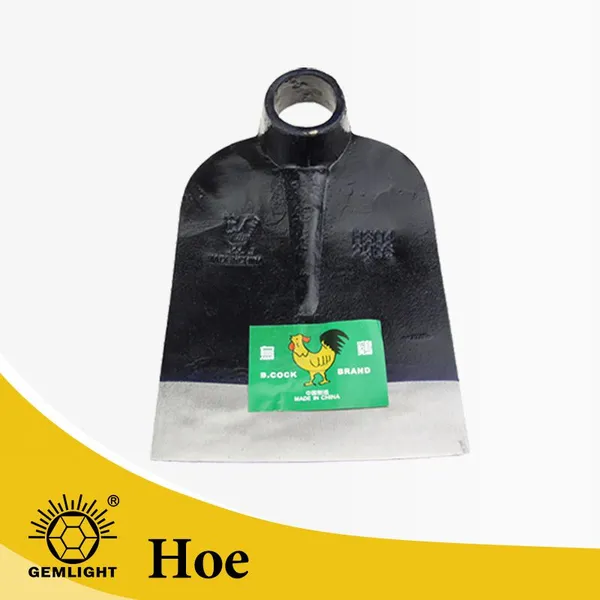
Agricultural Hoe Head Garden Rail Steel Tool for Tough Soil Cheap Price Hand ToolsUS$ 1.07 - 1.27MOQ: 1200 Pieces
-
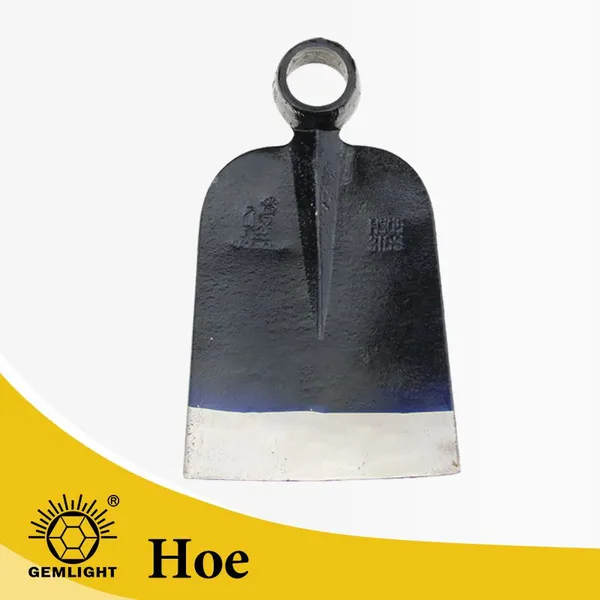
Sturdy Rail Steel Hoe for Weeding, H305 Perfect for Agricultural and Garden TasksUS$ 1.07 - 1.27MOQ: 1200 Pieces
-
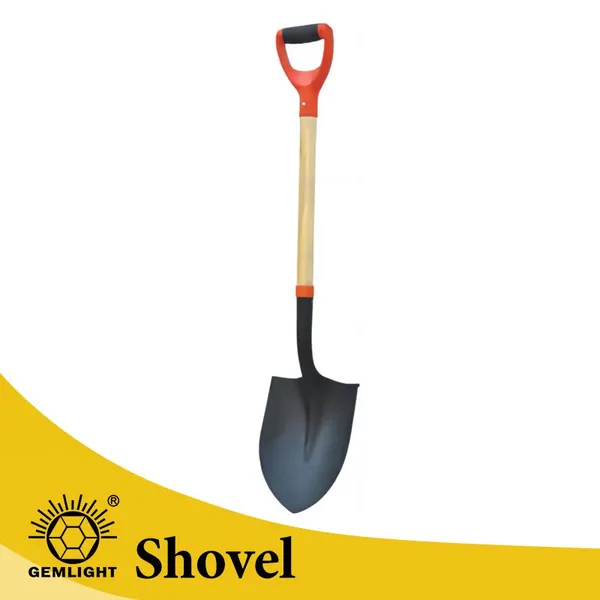
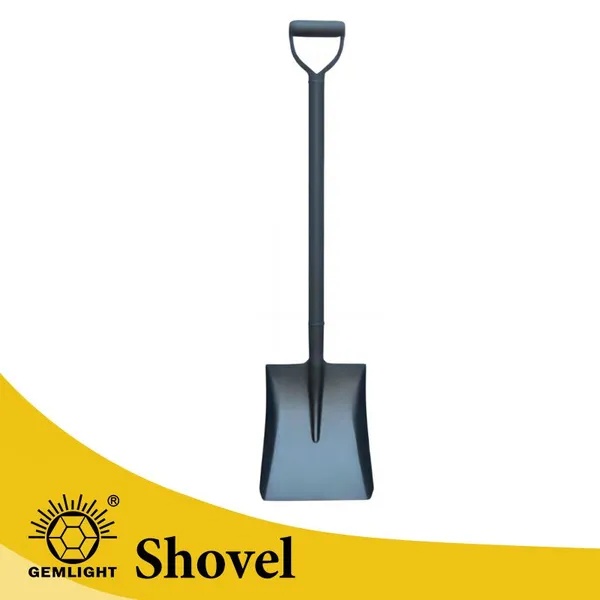
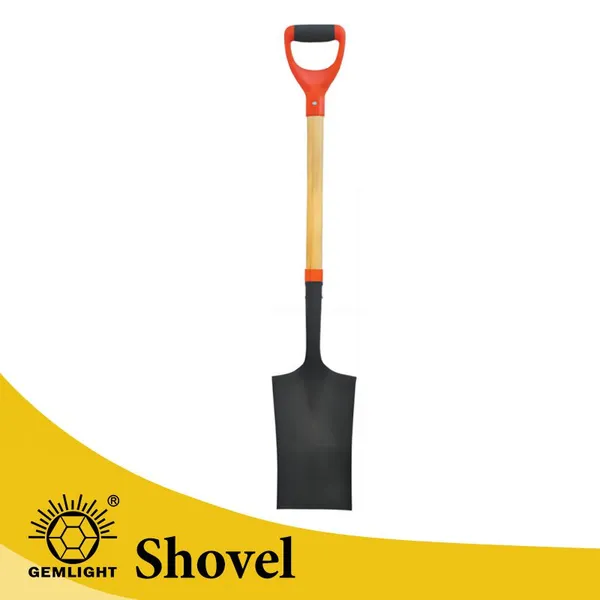
Heavy Duty Manganese Steel Garden Shovel Round Point Digging Shovel With Wooden Handle Farm Tool SupplierUS$ 2.14 - 2.36MOQ: 1200 Pieces
-
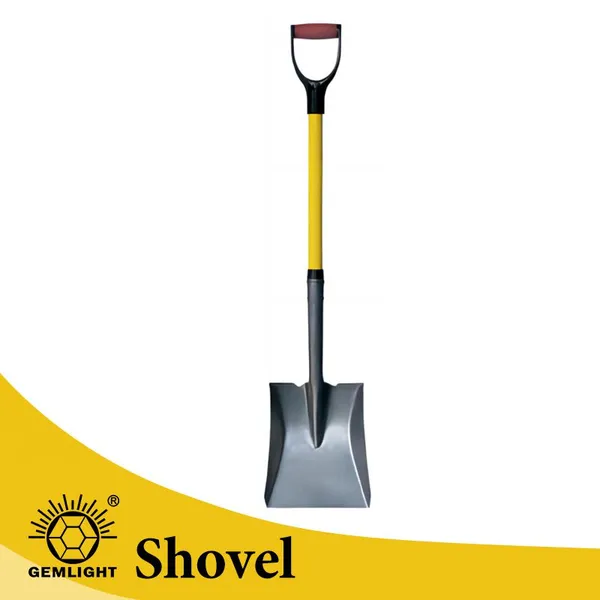
Big Shovel Wide Shovel Mud Shovel Heavy Duty Steel Blade for Farm Drainage Soil Moving Cleaning and Landscaping UseUS$ 2.14 - 2.36MOQ: 1200 Pieces
-
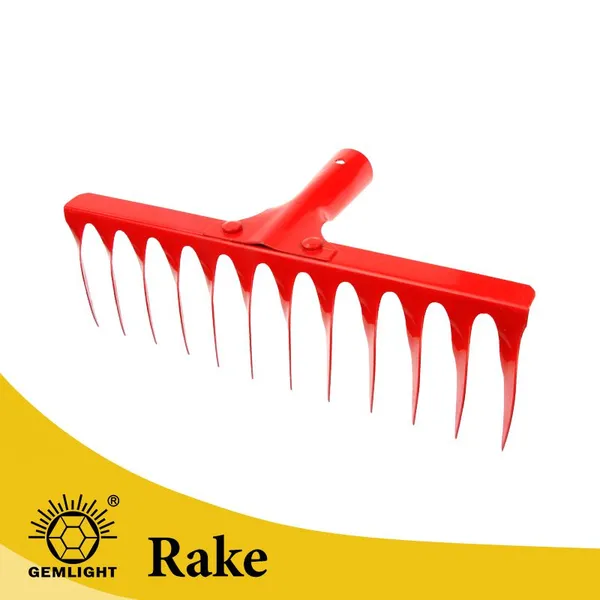
Strong Teeth Soil Rake for Farm Tool Suppliers Private Label Export for Farm Maintenance African Distribution Factory Bulk OrderUS$ 0.88 - 1.35MOQ: 2000 Pieces
-
Manual Cane Knife Machete for Wholesale Buyers Factory Direct Export for Rural Agricultural Projects Durable Hand ToolNegotiableMOQ: 1200 Pieces
-
Large High Carbon Steel Machete Knife Agricultural Machete for Farming Bush Cutting Garden Tool SupplierNegotiableMOQ: 1200 Pieces
-
Wholesale Heavy Duty Pick Mattock for Mining Road Work and Farm Digging for Wholesale Tool Dealers With Bulk Order ServiceUS$ 1.85 - 2.3MOQ: 1200 Pieces
-
Carbon Steel Manual Pickaxe for Hard Soil Breaking and Trenching for African Importers With OEM Bulk Order Support Agricultural ToolUS$ 1.85 - 2.3MOQ: 1200 Pieces

-
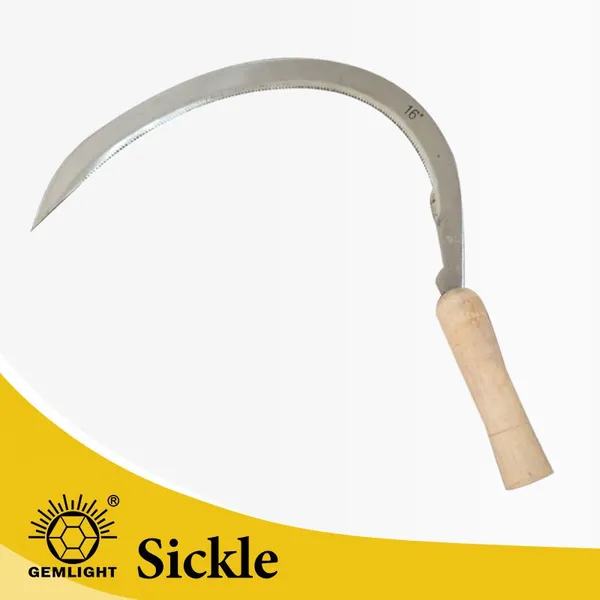
OEM Farm Sickle With Sharp Blade for African Importers OEM Bulk Order Support for Harvesting and Smallholder Farming for Wholesale BUS$ 0.28 - 0.33MOQ: 3000 Pieces
-
Heavy Duty Manganese Steel Round Point Shovel Garden Digging Shovel With Wooden Handle Agricultural Tool ManufacturerUS$ 2.14 - 2.36MOQ: 1200 Pieces
-
Farm Shovel Factory Supply for Regional Import Distributors Bulk Wholesale Supply for Garden Work and Trenching for Agricultural DealersUS$ 2.14 - 2.36MOQ: 1200 Pieces
-
Heavy Duty Garden Rake for African Importers OEM Factory Supply for Agricultural Use African Market Factory Bulk OrderUS$ 0.88 - 1.35MOQ: 2000 Pieces
-
Agricultural Soil Rake for Agricultural Dealers Export Supply for Garden Cleaning African Dealer Channels Factory Bulk OrderUS$ 0.88 - 1.35MOQ: 2000 Pieces
-
Manual Farm Machete for African Importers OEM Factory Supply for Farming and Land Clearing Durable Hand ToolNegotiableMOQ: 1200 Pieces
-
Large Heavy Duty Carbon Steel Garden Landscaping Digging HoeUS$ 1.07 - 1.27MOQ: 1200 Pieces
-
Heavy Duty Rail Steel Mattock Pick Axe With Wooden Handle for Digging Soil Mining and Agricultural Tool SupplierUS$ 1.85 - 2.3MOQ: 1200 Pieces
-
Forged Farm Sickle With Sharp Blade for African Importers OEM Bulk Order Support for Harvesting and Smallholder Farming for WholesalUS$ 0.28 - 0.33MOQ: 3000 Pieces
-
Strong Carbon Steel Farming Sickle for Uganda Tanzania Zambia Agricultural Tool DistributorsUS$ 0.34 - 0.47MOQ: 3000 Pieces