
 Business License

Garden Hose Sample Approval Checklist for Buyers
Garden Hose Sample Approval Checklist for Buyers
The sample stage is where most hose disputes begin. Not at the factory, and not at customs.
A buyer approves a coil by look and feel. Three months later the container arrives lighter, softer or a different shade.
Nothing was written down, so nothing can be proved. This checklist fixes that in about two hours of work.

Which measurements must be recorded?
Buy a cheap digital caliper and a tape measure. That is the whole toolkit for the first pass.
Cut three 30 cm sections from different parts of the coil. Measure wall thickness at four points around each cut.
Record the inner diameter and the outer diameter in millimetres. Compare the inner diameter with the nominal size on the quote.
A 5/8 inch hose should sit close to 15.5 to 16 mm inside. A 1/2 inch hose sits near 12 to 12.5 mm.
Measure the full length, then measure it again at working pressure. Some hose grows two to four percent when pressurised.
Weigh the coil and divide by metres. Weight per metre is the fastest way to detect a thinner wall or a cheaper compound.
Measure the coil diameter and the coil tie method. Both affect carton size and how many units load in a container.
Measure at three points along the coil, not at the end only. Ends are often stretched during winding.
Write every value with its tolerance. A length of 25 metres means little without plus or minus two percent.
Photograph every measurement with the caliper display visible. A number without a photo is an opinion.
How to test pressure and fittings in-house
You do not need a lab. You need a tap, a cap, a pressure gauge and a bucket of water.
Condition the sample at room temperature for a day before testing. Cold hose gives false results.
Connect one end to a gauge and cap the other. Raise the pressure slowly to the rated working pressure and hold for five minutes.
Look for weeping at the coupling, bulging at the middle and colour change on the cover. Then take it to burst if your supplier allows it.
Use a proper gauge, not the dial on a cheap spray nozzle. Gauges drift, so compare yours with a known one yearly.
Test with the hose straight, not coiled. A tight coil traps pressure and gives a false reading at the far end.
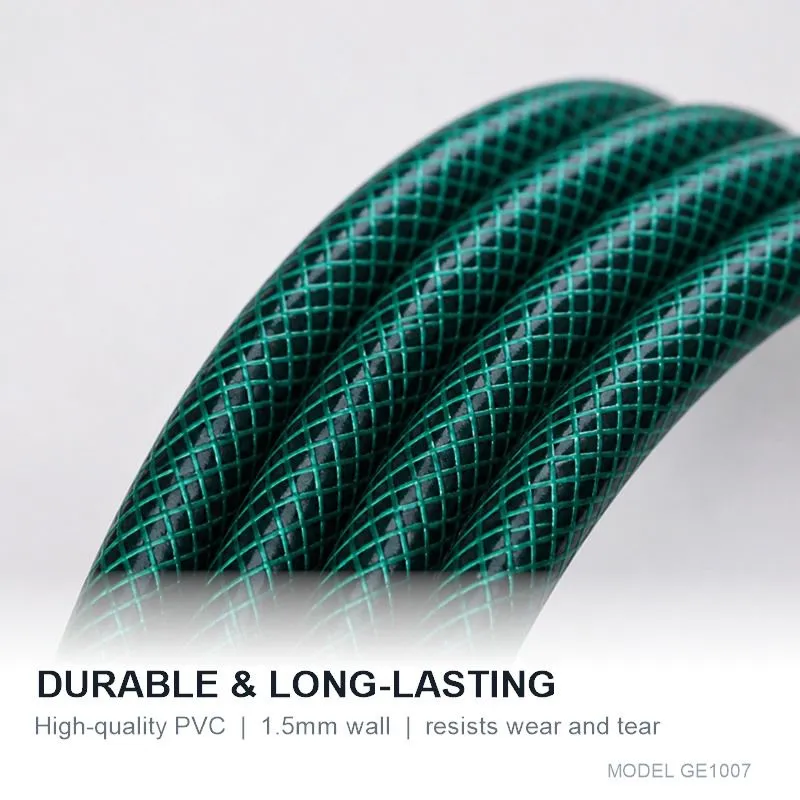
A three-layer PVC hose commonly bursts between 250 and 350 psi. A five-layer reinforced hose often passes 400 psi. Confirm with the supplier's test report.
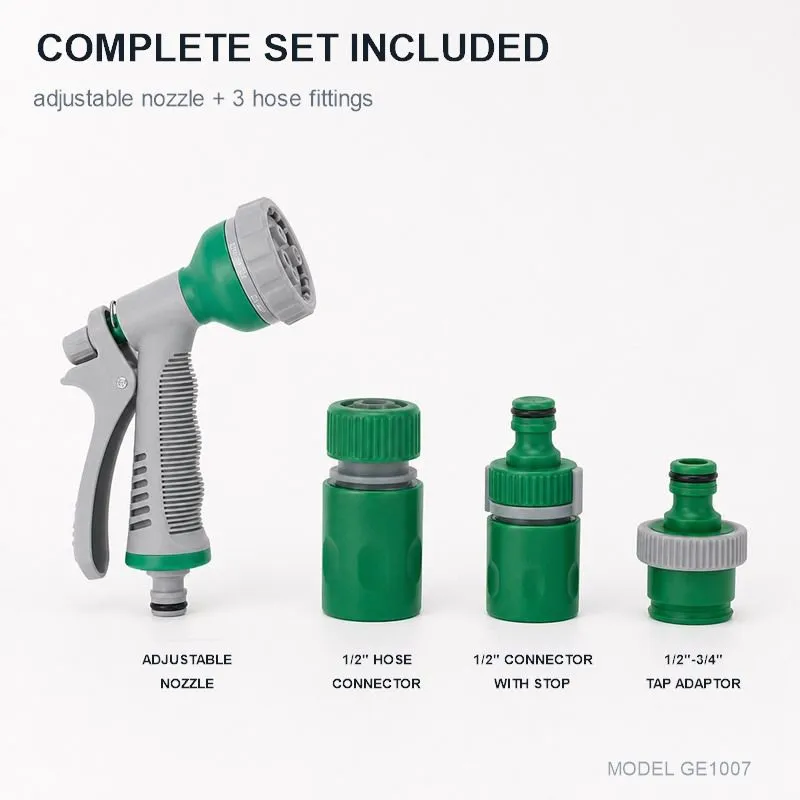
For fittings, do a pull test with a luggage scale. Fifty kilos of steady pull should not move the ferrule.
Then cross-thread the coupling on purpose, five times. A brass fitting recovers. A thin plastic one strips and leaks.
Fit and remove the coupling on a tap twenty times. Count how many turns it takes before it bites.
How to check the inner tube, cover and print
Cut a clean cross-section with a sharp blade, not a saw. You want to see the layers, not smear them.
Count the layers and photograph the cut. Three layers means inner tube, reinforcement and cover. Five layers adds a second tube or cover layer.
Look for voids and grit inside the tube wall. Small white spots usually mean moisture in the resin or poor mixing.
Smell the inside of the tube. A sharp chemical odour suggests excess plasticiser, which migrates and stains paving.
Soak a 20 cm piece in clean water overnight. Cloudy water or a plastic taste means the compound needs review.
Check the inner surface with a finger. It should feel smooth, with no ridges from a worn die.
On the cover, test print adhesion with clear tape. Press, wait ten seconds, pull fast. Ink should stay on the hose.
Bend the hose sharply at room temperature. Then leave a section in sun for a week and bend it again. Cracking tells you about the UV package.
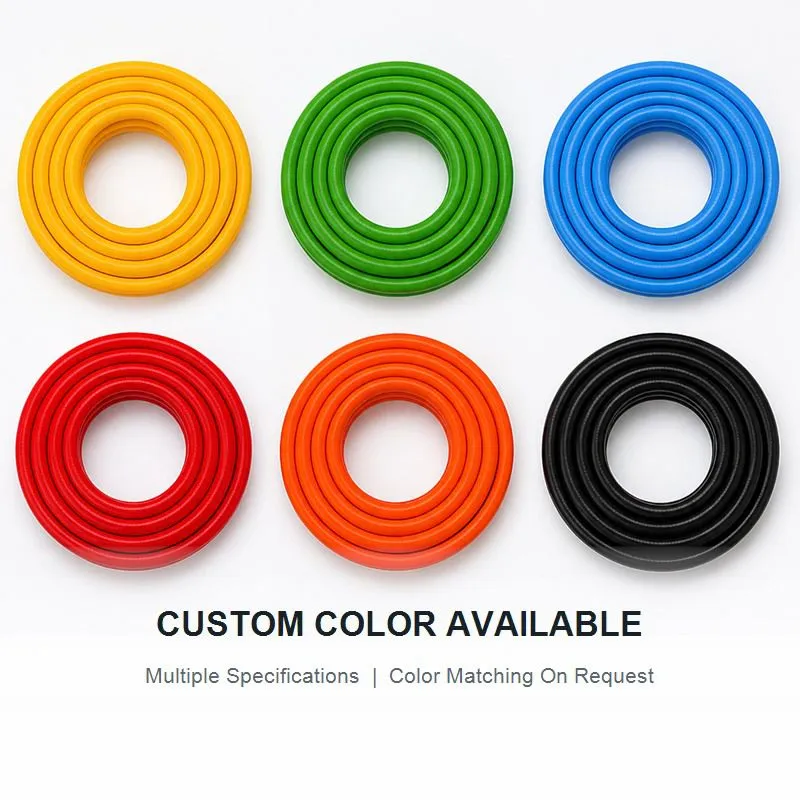
Compare colour against your approved Pantone or against the previous shipment. A different batch can shift shade.


How to freeze the approved sample
An approved sample is only useful if it is signed, dated and stored properly.
Cut one metre and seal it in a clear bag. Add a label with the PO number, size, layer count and approval date.
Sign across the label and the bag seal. Ask the supplier to keep an identical bag on their side.
Photograph the sample next to a ruler and the signed label. Store the photos with the PO, not in a chat thread.
Write the measured values into the purchase order as a specification table. Include tolerances, not just targets.
State which values are critical and which are reference. Suppliers prioritise what you mark as critical.
Update the sample whenever the supplier changes resin, yarn or fitting source. A silent material change is the most common cause of drift.
Keep two sealed samples, one in your office and one at the factory. Disputes end faster when both sides hold the same reference.
Review the sample file once a year. Old approvals drift away from current production and create false expectations.
Sample approval checklist
Print this and work through it before you sign anything.
Supplier name, sample date and reference number
Nominal size and measured inner diameter
Outer diameter and wall thickness at four points
Length cold and length at working pressure
Weight per metre and total coil weight
Coil diameter, tie method and carton fit
Layer count from a photographed cross-section
Inner tube surface and cover finish
Print adhesion tape test result
Fitting material, ferrule type and thread standard
Pull test result and cross-thread result
Hold pressure at rated working pressure, minutes
Burst pressure if available, with test report
Colour reference and UV exposure result
Sealed retained sample, signed and dated
Two hours of measuring prevents most of the claims you would otherwise handle in month four.
Recently Posted
-
Why Garden Hoses Burst at the Coupling: 5 Causes
October 29, 2026Why Garden Hoses Burst at the Coupling: 5 CausesHose failures cluster at the ends. The middle of a coil rarely splits; the couplin Read More
-
GHT vs BSP Hose Threads: Avoid Mismatch Claims
October 29, 2026GHT vs BSP Hose Threads: Avoid Mismatch ClaimsA garden hose can be perfectly made and still fail on the first day. The thread is u Read More
-
How Many Layers Should a Garden Hose Have?
October 29, 2026How Many Layers Should a Garden Hose Have?Layer count is the most quoted and least understood number in hose selling.Buyers ask fo Read More
-
Garden Hose Burst Pressure: What Buyers Must Specify
October 29, 2026Garden Hose Burst Pressure: What Buyers Must SpecifyTwo numbers decide whether a hose survives a summer. Working pressure and burs Read More

Contact Us
Recommended Products
-
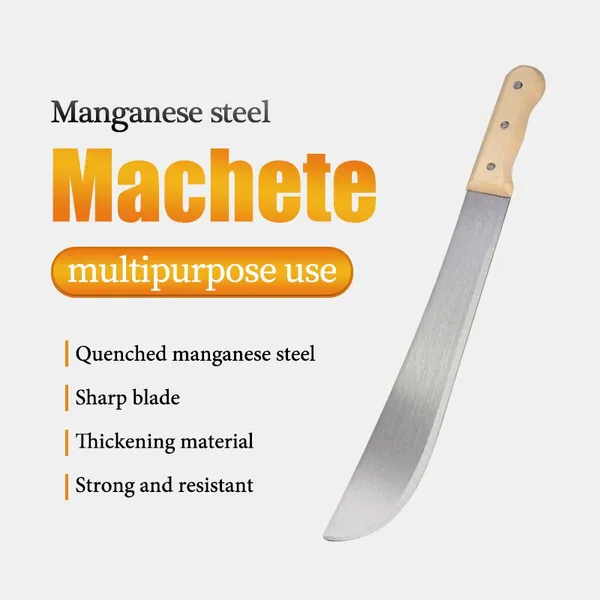
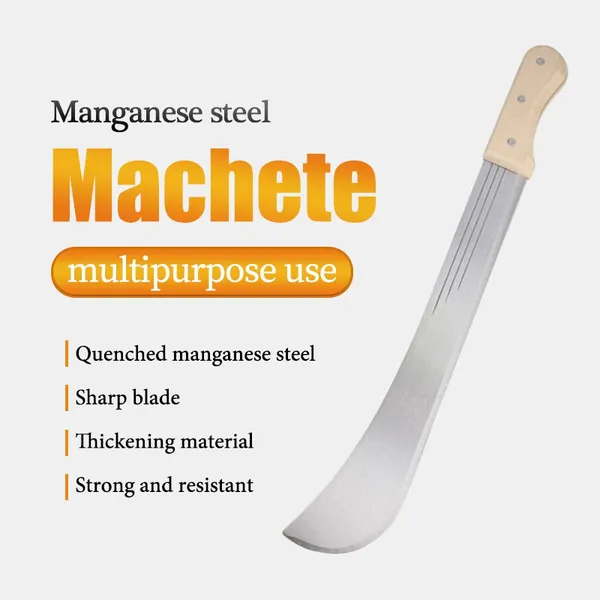
 Heavy Duty Cane Knife Machete for Wholesale Buyers Factory Direct Export for Rural Agricultural Projects Durable Hand ToolNegotiableMOQ: 1200 Pieces
-
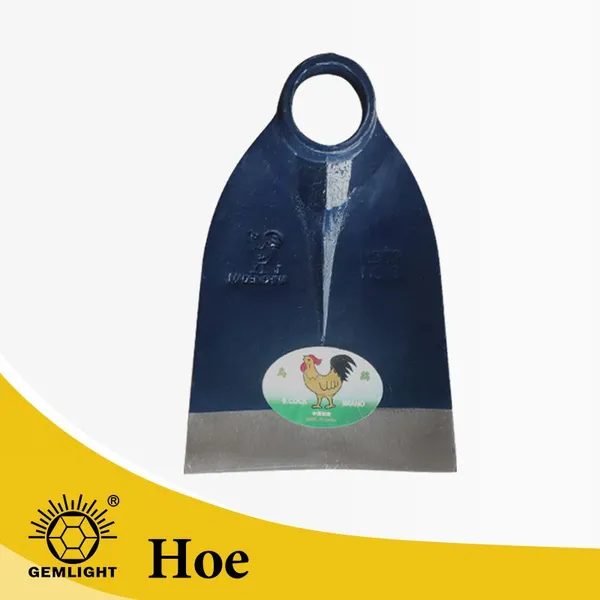
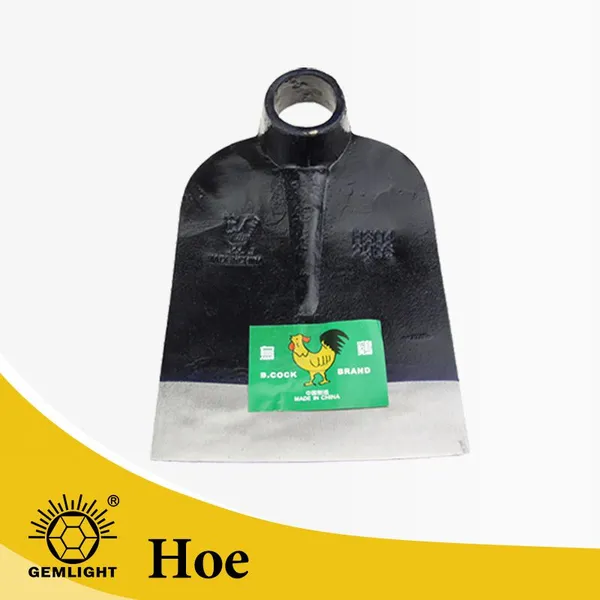
Agricultural Hoe Head Garden Rail Steel Tool for Tough Soil Cheap Price Hand ToolsUS$ 1.07 - 1.27MOQ: 1200 Pieces
-
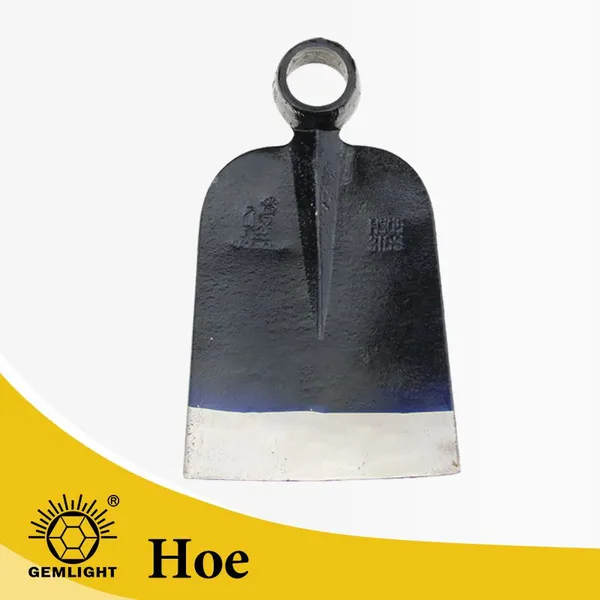
Sturdy Rail Steel Hoe for Weeding, H305 Perfect for Agricultural and Garden TasksUS$ 1.07 - 1.27MOQ: 1200 Pieces
-
Heavy Duty Manganese Steel Garden Shovel Round Point Digging Shovel With Wooden Handle Farm Tool SupplierUS$ 2.14 - 2.36MOQ: 1200 Pieces
-
Big Shovel Wide Shovel Mud Shovel Heavy Duty Steel Blade for Farm Drainage Soil Moving Cleaning and Landscaping UseUS$ 2.14 - 2.36MOQ: 1200 Pieces
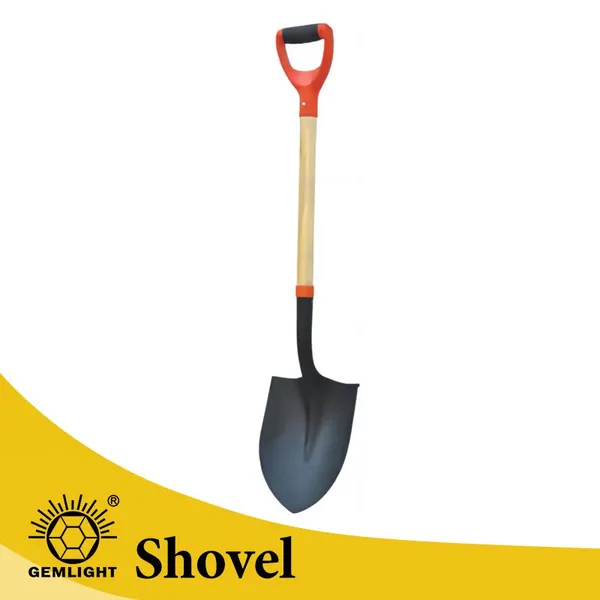
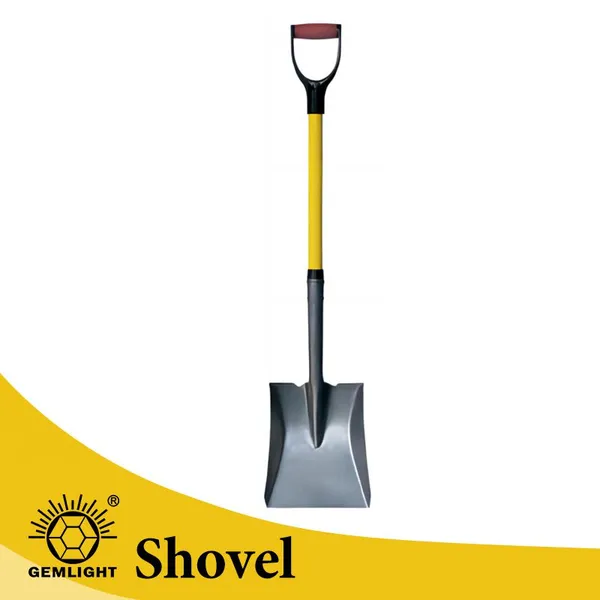
-
Strong Teeth Soil Rake for Farm Tool Suppliers Private Label Export for Farm Maintenance African Distribution Factory Bulk OrderUS$ 0.88 - 1.35MOQ: 2000 Pieces
-
Manual Cane Knife Machete for Wholesale Buyers Factory Direct Export for Rural Agricultural Projects Durable Hand ToolNegotiableMOQ: 1200 Pieces
-
Large High Carbon Steel Machete Knife Agricultural Machete for Farming Bush Cutting Garden Tool SupplierNegotiableMOQ: 1200 Pieces
-
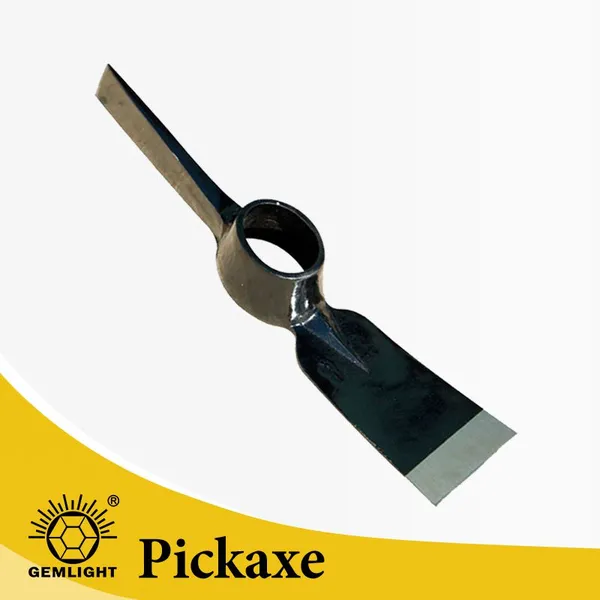
Wholesale Heavy Duty Pick Mattock for Mining Road Work and Farm Digging for Wholesale Tool Dealers With Bulk Order ServiceUS$ 1.85 - 2.3MOQ: 1200 Pieces
-
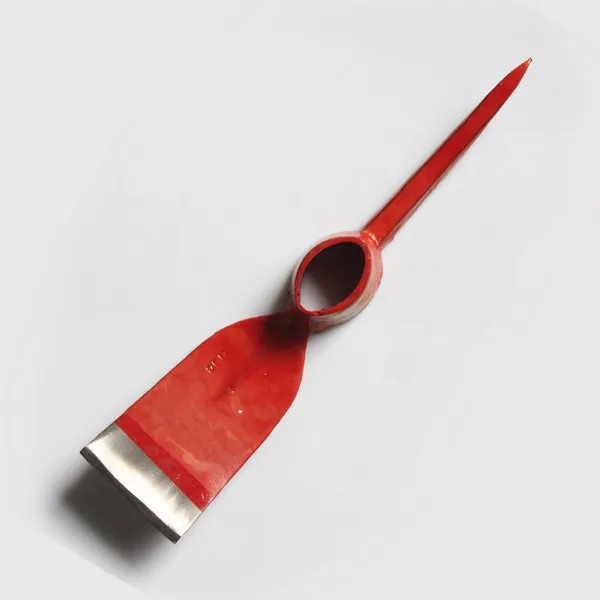
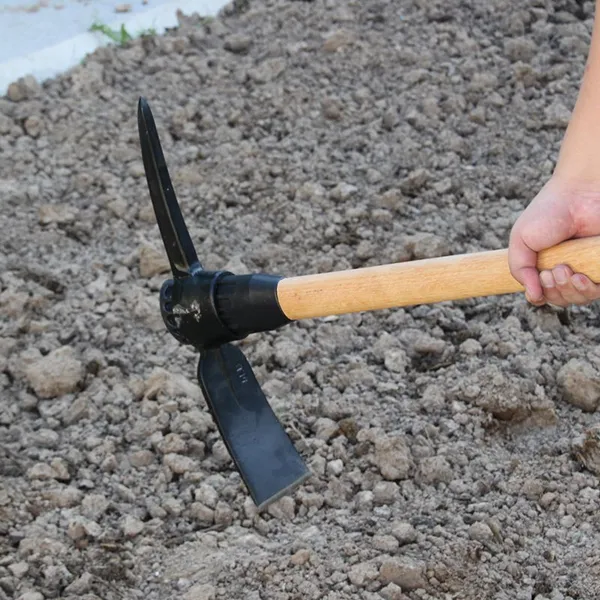
Carbon Steel Manual Pickaxe for Hard Soil Breaking and Trenching for African Importers With OEM Bulk Order Support Agricultural ToolUS$ 1.85 - 2.3MOQ: 1200 Pieces

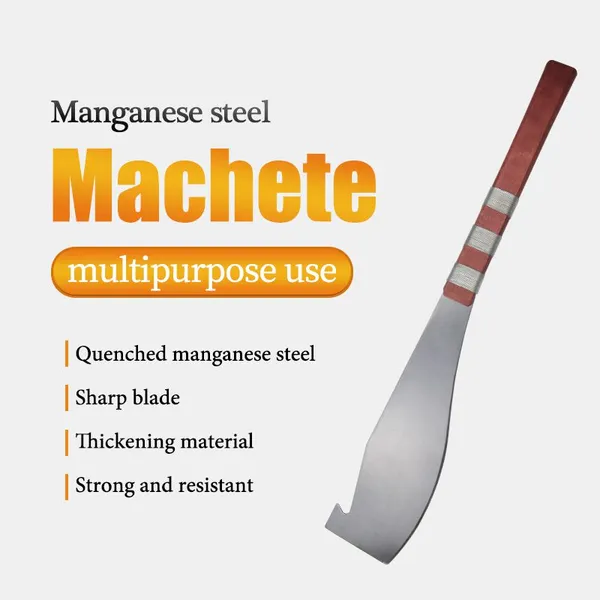
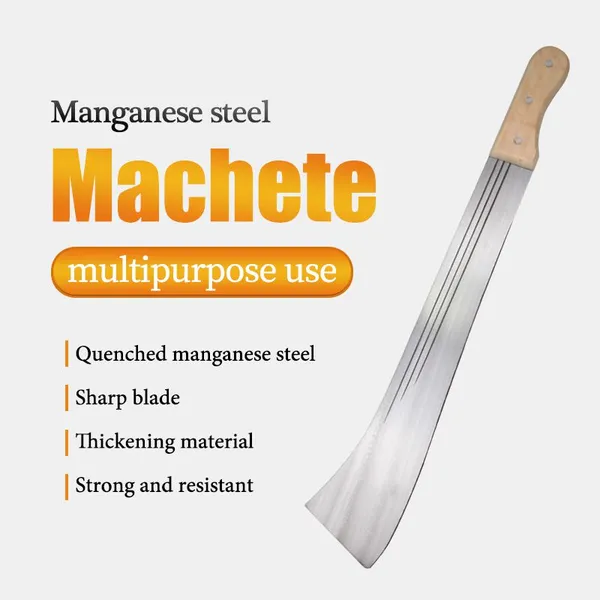
-
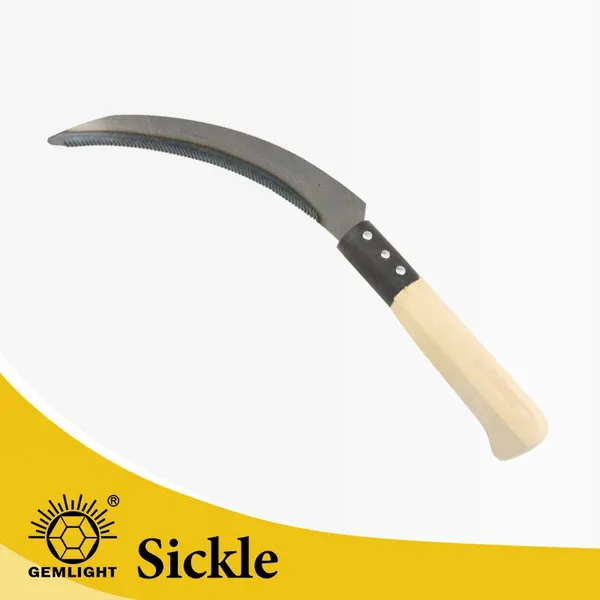
OEM Farm Sickle With Sharp Blade for African Importers OEM Bulk Order Support for Harvesting and Smallholder Farming for Wholesale BUS$ 0.28 - 0.33MOQ: 3000 Pieces
-
Heavy Duty Manganese Steel Round Point Shovel Garden Digging Shovel With Wooden Handle Agricultural Tool ManufacturerUS$ 2.14 - 2.36MOQ: 1200 Pieces
-
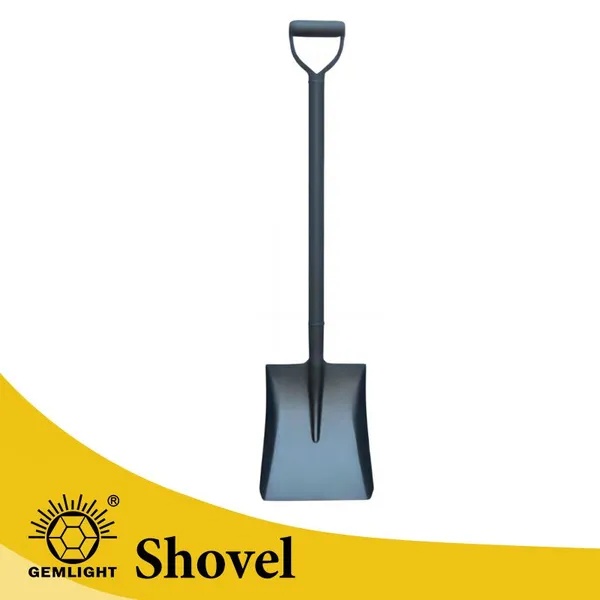
Farm Shovel Factory Supply for Regional Import Distributors Bulk Wholesale Supply for Garden Work and Trenching for Agricultural DealersUS$ 2.14 - 2.36MOQ: 1200 Pieces
-
Heavy Duty Garden Rake for African Importers OEM Factory Supply for Agricultural Use African Market Factory Bulk OrderUS$ 0.88 - 1.35MOQ: 2000 Pieces
-
Agricultural Soil Rake for Agricultural Dealers Export Supply for Garden Cleaning African Dealer Channels Factory Bulk OrderUS$ 0.88 - 1.35MOQ: 2000 Pieces
-
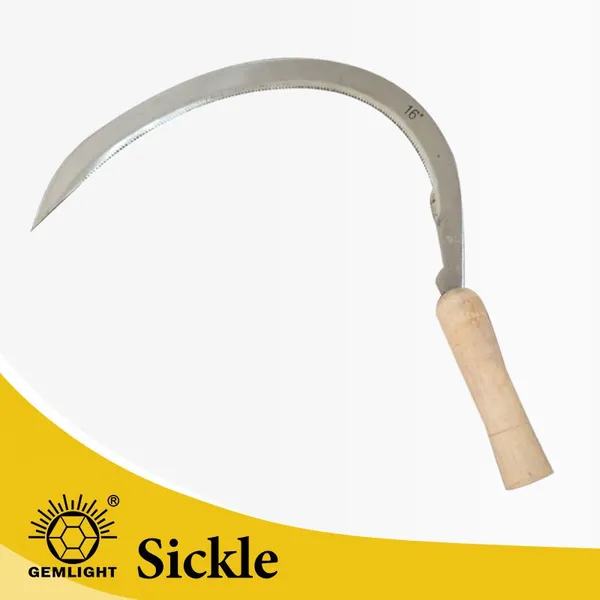
Manual Farm Machete for African Importers OEM Factory Supply for Farming and Land Clearing Durable Hand ToolNegotiableMOQ: 1200 Pieces
-
Large Heavy Duty Carbon Steel Garden Landscaping Digging HoeUS$ 1.07 - 1.27MOQ: 1200 Pieces
-
Heavy Duty Rail Steel Mattock Pick Axe With Wooden Handle for Digging Soil Mining and Agricultural Tool SupplierUS$ 1.85 - 2.3MOQ: 1200 Pieces
-
Forged Farm Sickle With Sharp Blade for African Importers OEM Bulk Order Support for Harvesting and Smallholder Farming for WholesalUS$ 0.28 - 0.33MOQ: 3000 Pieces
-
Strong Carbon Steel Farming Sickle for Uganda Tanzania Zambia Agricultural Tool DistributorsUS$ 0.34 - 0.47MOQ: 3000 Pieces