
 Business License

Boot Outsole Guide: Nitrile, PU and Rubber Compared
Boot Outsole Guide: Nitrile, PU and Rubber Compared
The upper sells the boot. The outsole decides whether the customer buys again.
Most complaints about safety footwear come from the sole: slipping, splitting, hardening or wearing through.
This guide compares the three compounds you will be quoted most often.
How does each compound resist oil and chemicals?
Nitrile rubber is the oil specialist. It swells very little when it meets mineral oil, grease and fuel.
That is why workshops, refineries and chemical plants ask for a nitrile sole by name.
Nitrile also handles heat well for short contact. A hot chip or a warm floor is less of a problem.
Polyurethane is the lightweight option. It resists abrasion strongly and feels comfortable underfoot.
But PU has limits. Strong acids, some solvents and prolonged hot water attack it.
PU also hydrolyses. In hot, humid storage it can crumble, even before it is worn.
Plain rubber sits between the two. It grips well, resists cutting and handles rough ground.
Rubber is weaker against oils and solvents than nitrile. Do not sell it as an oil sole.
If oil contact is daily, ask for a 48-hour immersion result. Swelling above a few percent is a warning.
TPU is the fourth option. It resists abrasion and oil well, and costs more than PU.
Most PU soles are dual density. A soft midsole cushions and a dense outer skin wears.
Ask for the density of both layers. A soft outer layer wears through fast.
Nitrile soles are usually single density and heavier. That weight shows up in your freight cost.
A two-layer nitrile sole with a softer midsole does exist. It costs more and feels better on concrete.
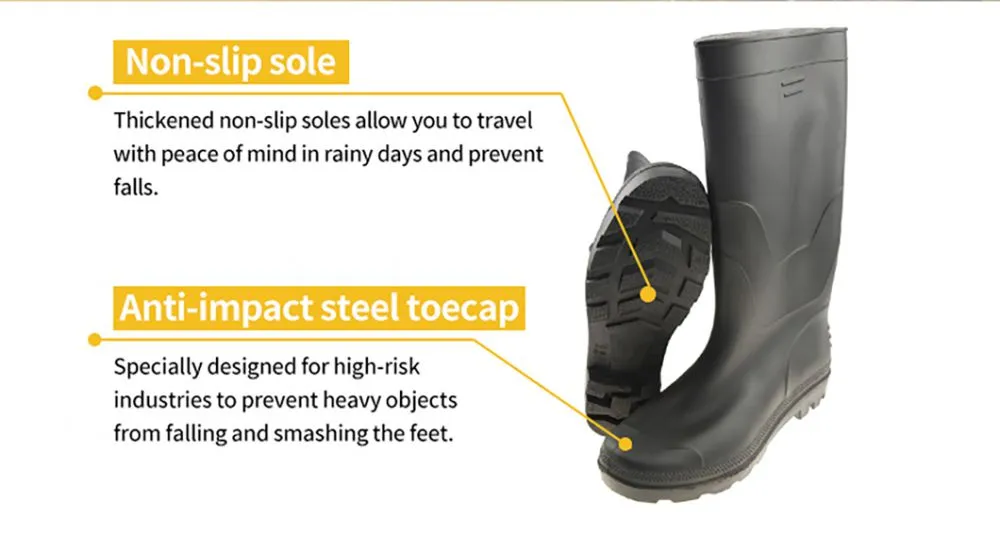
What do SRC and SR markings actually prove?
Slip markings look technical. They only prove one thing: the sole passed a specific test.
SRA is the ceramic tile test with a soap solution. It mimics a wet, smooth floor.
SRB is the steel floor test with glycerol. It mimics an oily metal plate.
SRC means the sole passed both. It was the familiar marking for years.
Under the 2022 edition of EN ISO 20345, slip resistance became a basic requirement.
The current marking is SR. You will still see SRA, SRB and SRC on older stock and older catalogues.
Some soles also carry HRO for resistance to hot contact. That is a separate test, not part of the class.
Read the marking line as a list of separate claims, not one overall score.
None of these markings guarantee grip on every floor. They only guarantee the tested conditions.
A sole marked SR can still slip on ice, on wet grass or on a floor covered in food waste.
Say that in your product text. One honest sentence prevents most slip complaints.
How is slip resistance tested in the factory?
The standard test uses a machine, not a person walking. Ask to see it.
A pendulum tester drops a spring-loaded slider onto the sole sample.
The slider travels a set distance. The machine measures the friction force and converts it to a coefficient.
Factories often run this in-house for development, then send samples to a laboratory for the formal report.
Ask for the laboratory report, not the factory printout. The report is what a buyer's auditor accepts.
Check the report date, the sole compound code and the test floor described.
Ask which compound batch was tested. A report for one batch does not cover every later batch.
The formal methods are ISO 13287 and SATRA TM144. Ask which one the report cites.
Then walk the sample on a wet tiled floor yourself. It is not science, but it catches bad batches.
How do you match the outsole to the job?
Start with the floor, not the price list.
Wet, greasy concrete in a food plant: nitrile with a deep, open pattern and SR marking.
Dry warehouse aisles: PU is fine, cheaper and lighter for all-day walking.
Outdoor construction and rough ground: rubber with a thick lug and good chip resistance.
Chemical splash areas: nitrile, and ask for compound-specific resistance data.
Hot contact work: ask about heat resistance separately. Standard classes do not cover it.
Cold stores: check that the compound stays flexible at low temperature. PU stiffens.
Mixed sites: choose one sole for the whole range, and specify it clearly per model.
Then check the sole thickness at heel and ball. Thin soles wear through before the upper fails.
Ask for tread depth in millimetres. Under three millimetres clogs quickly in mud and food waste.
Ask how the sole is bonded. A cemented sole can peel at the toe after flexing. Injection bonding rarely does.
If your market repairs boots, ask whether the sole can be replaced at all.
Outsole specification checklist
Send this list with your enquiry and ask for each answer in writing.
Compound: nitrile rubber, PU, rubber or TPU
Compound supplier and grade
Sole hardness in Shore A
Slip marking claimed: SR or SRC
Laboratory report reference and date
Heat resistance claim and test method
Oil and chemical resistance notes
Sole thickness at heel and ball
Tread depth and pattern type
Cold flex performance notes
Bond method: injection, cemented or vulcanised
Price difference between compounds in one model
Match the sole to the floor your customer walks on. Everything else on the boot is easier to change.
Recently Posted
-
Boot Lining Guide for Cold and Hot Climate Markets
November 5, 2026Boot Lining Guide for Cold and Hot Climate MarketsLining is the part of the boot nobody photographs and everybody feels.It decides Read More
-
Gumboot Size Chart: EU, UK and US Conversion
November 5, 2026Gumboot Size Chart: EU, UK and US ConversionSize is the cheapest thing to fix and the most expensive thing to get wrong.A return c Read More
-
Steel Toe vs Composite Toe Boots: Which to Import
November 5, 2026Steel Toe vs Composite Toe Boots: Which to ImportBoth caps pass the same impact test. Both protect at 200 joules. The difference i Read More
-
PVC vs Natural Rubber Gumboots: A Buyer Comparison
November 4, 2026PVC vs Natural Rubber Gumboots: A Buyer ComparisonAlmost every gumboot on the market is made from one of two materials. PVC compou Read More

Contact Us
Recommended Products
-
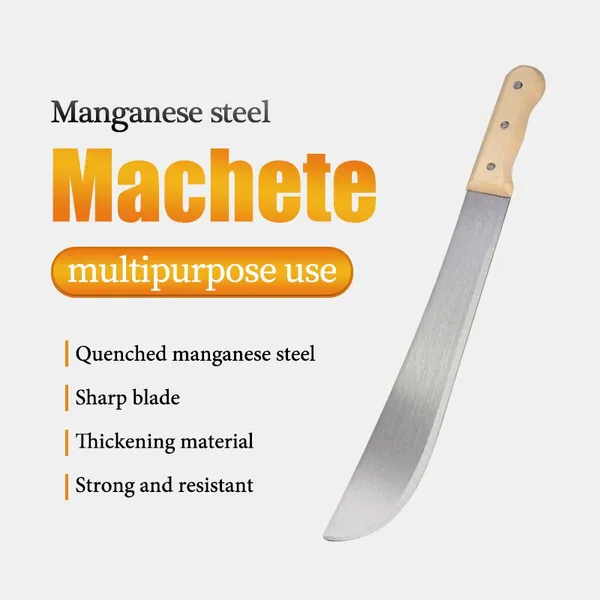
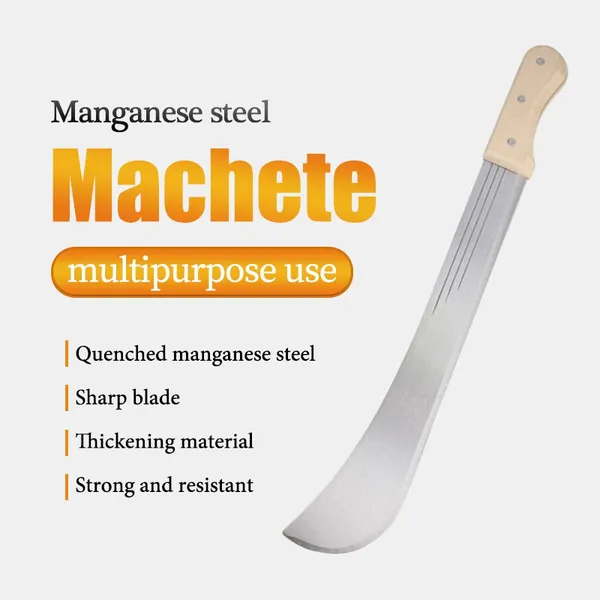
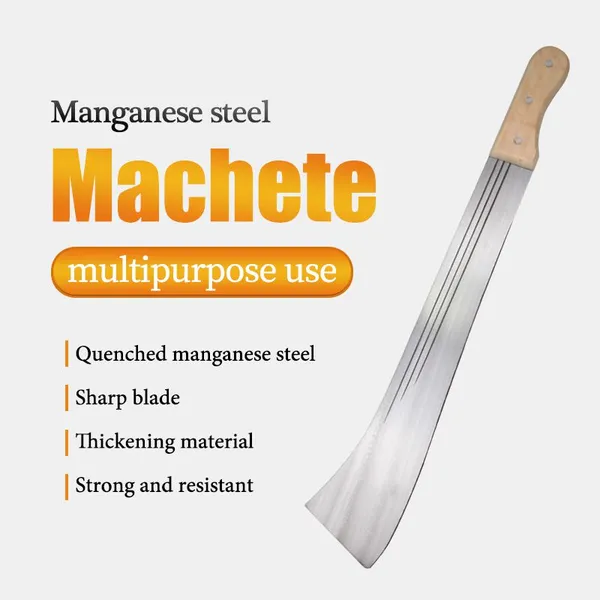
 Heavy Duty Cane Knife Machete for Wholesale Buyers Factory Direct Export for Rural Agricultural Projects Durable Hand ToolNegotiableMOQ: 1200 Pieces
-
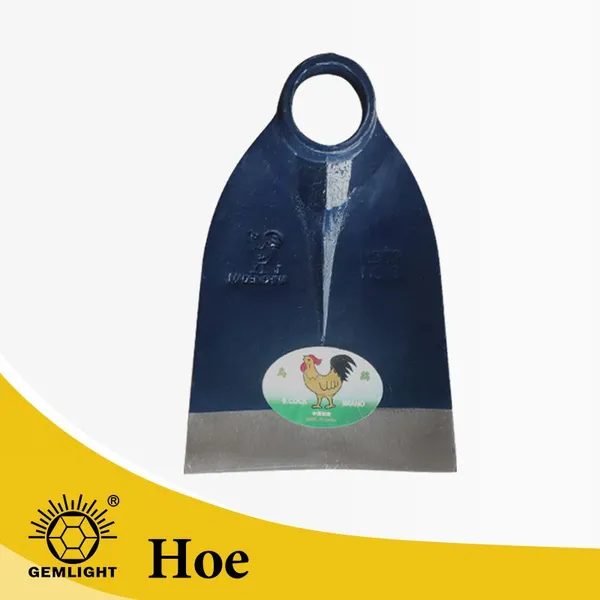
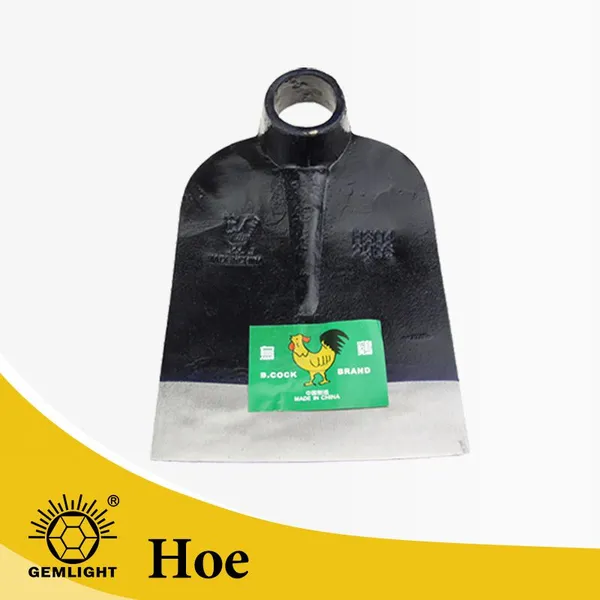
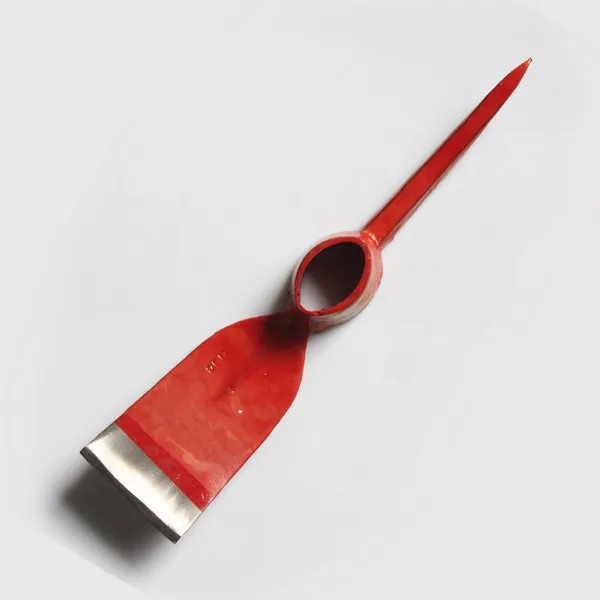
Agricultural Hoe Head Garden Rail Steel Tool for Tough Soil Cheap Price Hand ToolsUS$ 1.07 - 1.27MOQ: 1200 Pieces
-
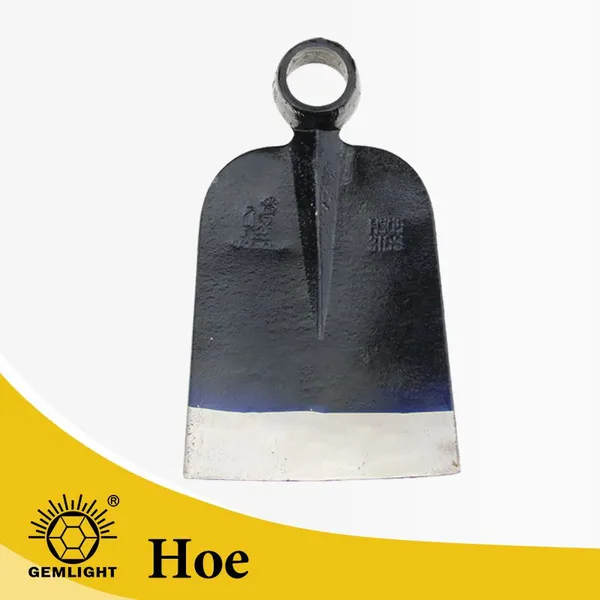
Sturdy Rail Steel Hoe for Weeding, H305 Perfect for Agricultural and Garden TasksUS$ 1.07 - 1.27MOQ: 1200 Pieces
-
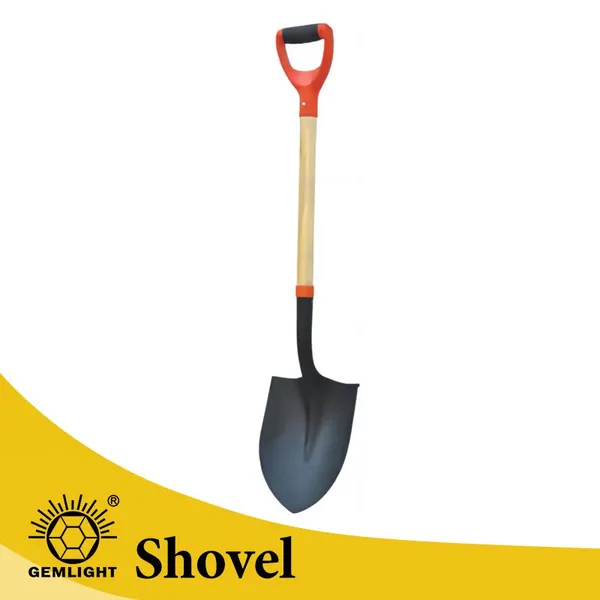
Heavy Duty Manganese Steel Garden Shovel Round Point Digging Shovel With Wooden Handle Farm Tool SupplierUS$ 2.14 - 2.36MOQ: 1200 Pieces
-
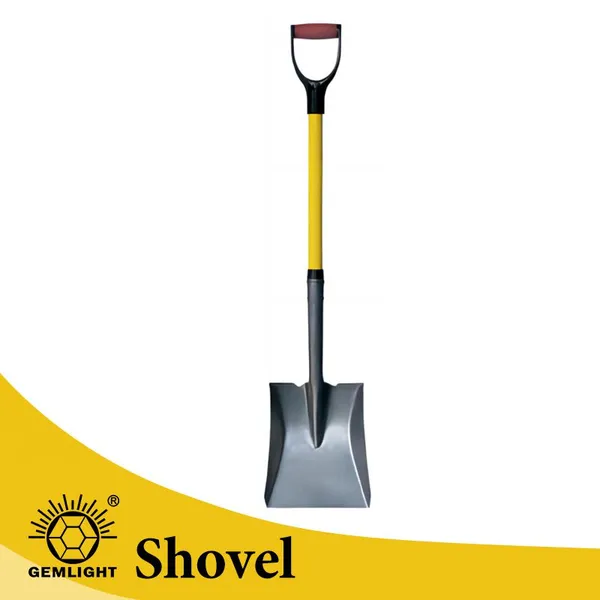
Big Shovel Wide Shovel Mud Shovel Heavy Duty Steel Blade for Farm Drainage Soil Moving Cleaning and Landscaping UseUS$ 2.14 - 2.36MOQ: 1200 Pieces
-
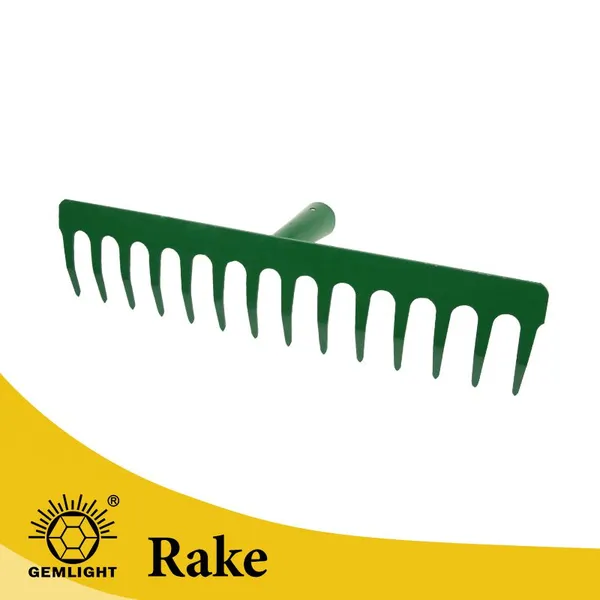
Strong Teeth Soil Rake for Farm Tool Suppliers Private Label Export for Farm Maintenance African Distribution Factory Bulk OrderUS$ 0.88 - 1.35MOQ: 2000 Pieces
-
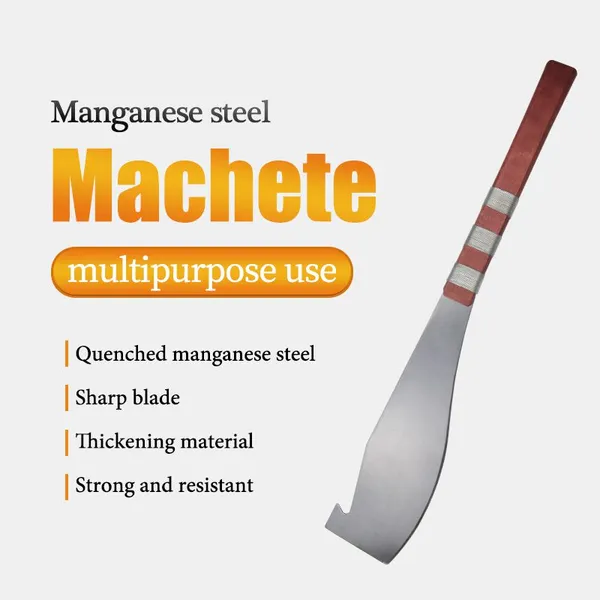
Manual Cane Knife Machete for Wholesale Buyers Factory Direct Export for Rural Agricultural Projects Durable Hand ToolNegotiableMOQ: 1200 Pieces
-
Large High Carbon Steel Machete Knife Agricultural Machete for Farming Bush Cutting Garden Tool SupplierNegotiableMOQ: 1200 Pieces
-
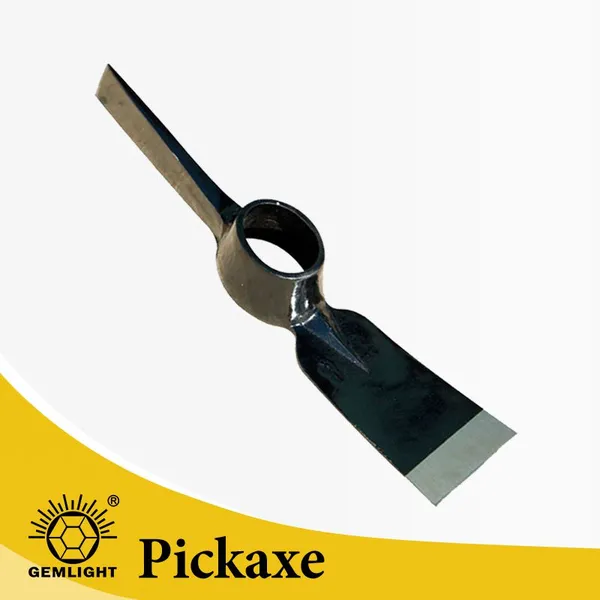
Wholesale Heavy Duty Pick Mattock for Mining Road Work and Farm Digging for Wholesale Tool Dealers With Bulk Order ServiceUS$ 1.85 - 2.3MOQ: 1200 Pieces
-
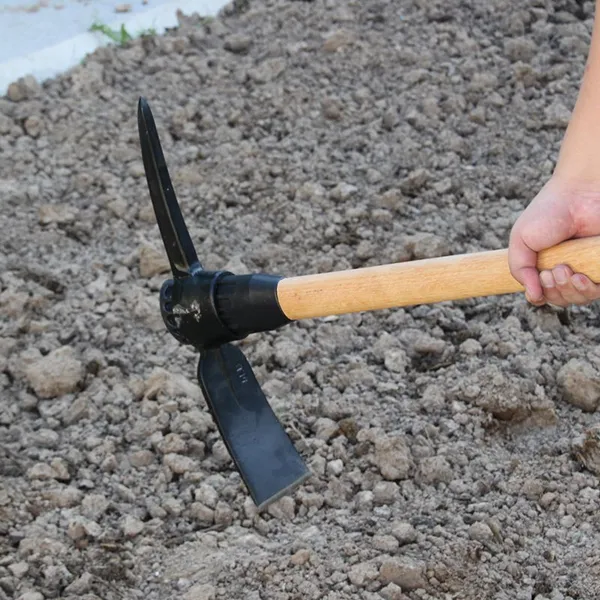
Carbon Steel Manual Pickaxe for Hard Soil Breaking and Trenching for African Importers With OEM Bulk Order Support Agricultural ToolUS$ 1.85 - 2.3MOQ: 1200 Pieces
-
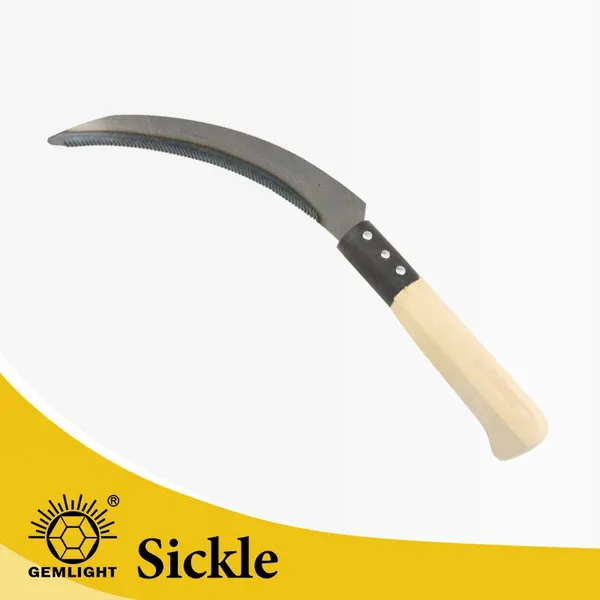
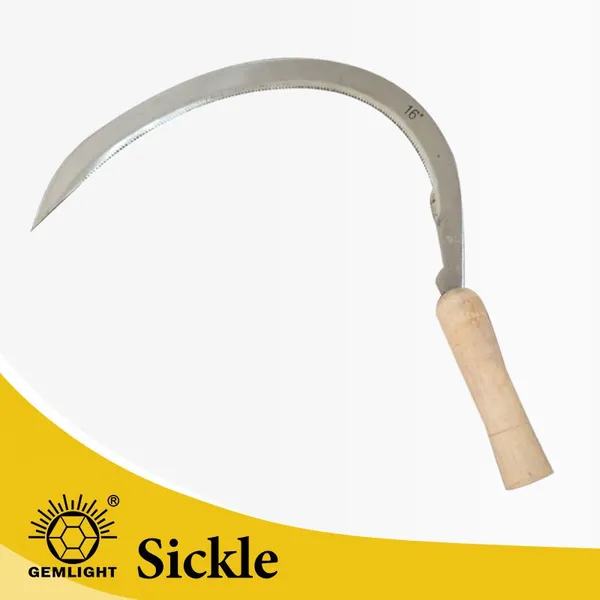
OEM Farm Sickle With Sharp Blade for African Importers OEM Bulk Order Support for Harvesting and Smallholder Farming for Wholesale BUS$ 0.28 - 0.33MOQ: 3000 Pieces
-
Heavy Duty Manganese Steel Round Point Shovel Garden Digging Shovel With Wooden Handle Agricultural Tool ManufacturerUS$ 2.14 - 2.36MOQ: 1200 Pieces
-
Farm Shovel Factory Supply for Regional Import Distributors Bulk Wholesale Supply for Garden Work and Trenching for Agricultural DealersUS$ 2.14 - 2.36MOQ: 1200 Pieces
-
Heavy Duty Garden Rake for African Importers OEM Factory Supply for Agricultural Use African Market Factory Bulk OrderUS$ 0.88 - 1.35MOQ: 2000 Pieces
-
Agricultural Soil Rake for Agricultural Dealers Export Supply for Garden Cleaning African Dealer Channels Factory Bulk OrderUS$ 0.88 - 1.35MOQ: 2000 Pieces
-
Manual Farm Machete for African Importers OEM Factory Supply for Farming and Land Clearing Durable Hand ToolNegotiableMOQ: 1200 Pieces
-
Large Heavy Duty Carbon Steel Garden Landscaping Digging HoeUS$ 1.07 - 1.27MOQ: 1200 Pieces
-
Heavy Duty Rail Steel Mattock Pick Axe With Wooden Handle for Digging Soil Mining and Agricultural Tool SupplierUS$ 1.85 - 2.3MOQ: 1200 Pieces
-
Forged Farm Sickle With Sharp Blade for African Importers OEM Bulk Order Support for Harvesting and Smallholder Farming for WholesalUS$ 0.28 - 0.33MOQ: 3000 Pieces
-
Strong Carbon Steel Farming Sickle for Uganda Tanzania Zambia Agricultural Tool DistributorsUS$ 0.34 - 0.47MOQ: 3000 Pieces