
 Business License

Boot Lining Guide for Cold and Hot Climate Markets
Boot Lining Guide for Cold and Hot Climate Markets
Lining is the part of the boot nobody photographs and everybody feels.
It decides whether a boot is worn all day or left in the van. It also decides your season and your price.
Two boots can look identical and feel completely different after four hours.
Here is how to specify a lining for cold markets and hot ones without guessing.
Which linings suit sub-zero conditions?
Cold markets need warmth that survives wet feet. That rules out thin cotton.
Fleece lining is the common choice for winter gumboots. It is soft, cheap and traps air.
Faux fur looks warmer and photographs better. Real wool costs more and performs better when damp.
Wool felt insoles matter more than the shaft lining. Cold comes up from the ground.
Neoprene lining works well in wet cold. It insulates while staying flexible.
Some ranges use a laminated thermal lining with a reflective layer. Ask for the thermal resistance data.
Thickness is the trade-off. A thick lining takes up volume inside the boot.
If you add fleece to a standard last, the fit shrinks. Go up one size or ask for a wider last.
Tell your customer to wear the boot with the socks they will actually use.
Shaft height matters as much as the lining. A knee boot traps warmth that a short boot loses.
A dark lining hides mud. A light lining shows it, which tells the wearer when to clean.
What breathes in tropical humidity?
Heat is harder than cold, because a moulded boot cannot breathe through its wall.
PVC and rubber are barriers. Moisture builds inside and stays there.
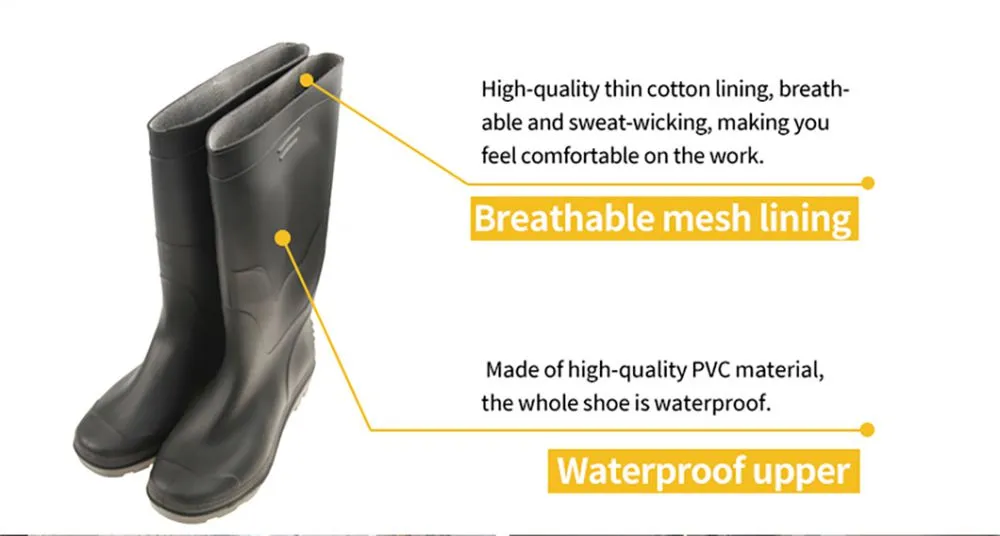
The lining has to move sweat away from the skin. A knit or mesh lining does that.
Cotton feels soft but holds water once wet. A polyester knit dries faster.
Brushed mesh linings are common in hot-climate work boots. They wick and they dry overnight.
Antibacterial treatment helps with odour. Ask whether it survives washing.
Perforated insoles and moisture-wicking socks complete the system. Lining alone is not enough.
Unlined boots suit short wear and washdown work. They fail in long shifts.
A working foot produces a lot of sweat in a shift. Inside a moulded boot, all of it stays there.
A removable insole can be washed and dried separately. That one feature cuts returns in hot markets.
Mesh lining is not the same as mesh panels on the outside. One manages moisture. The other only looks light.
For tropical retail, publish a "breathable lining" claim only if you can support it with a test.
How does the lining change cost and MOQ?
Lining is a material cost plus a labour cost. Both move with the specification.
A knit lining adds little. A laminated thermal lining can add a visible amount per pair.
Printed lining is a branding opportunity. It also adds a minimum order for the fabric.
Fabric MOQ is the hidden constraint. Suppliers buy lining by the roll.
One roll covers a fixed number of pairs. A small order in an unusual lining may be refused.
Colour matters too. A black lining and a grey lining may come from different rolls.
Ask for the lining MOQ in metres and in pairs. Then convert it to your order size.
Adding a lining to an existing model may also need a new sample and a new fit approval.
Ask whether the last changes. That answer decides your timeline.
Lining also adds assembly time. Each pair needs more handling at stitching and finishing.
Expect lead time to grow slightly when you switch a model from unlined to lined.
How do you test a lining before bulk?
You can test most of this with a pair of samples and a week.
Wear one pair for a full shift in the conditions your customer faces. Then take them off and feel the inside.
A good lining feels damp, not wet. A bad one is soaked through.
Weigh the boots before and after the shift. The gain tells you how much moisture stayed inside.
Dry both boots at room temperature and time it. A lining that needs two days will smell.
Rub the lining with a damp cloth twenty times. Cheap linings pill or tear at the heel.
Pull the lining at the heel and toe. It should be bonded, not loose.
Wash one pair as your care label instructs. Check for shrinkage and colour bleed.
If you sell into a cold market with a temperature claim, ask for a laboratory thermal test.
Guessing a comfort rating is how brands end up defending a claim they cannot support.
Lining specification checklist
Send this list with your enquiry and ask for written answers.
Lining type: knit, mesh, fleece, faux fur, wool felt, neoprene
Fibre content and weight in grams per square metre
Thermal resistance data if a cold claim is made
Moisture management or wicking claim and test reference
Antibacterial treatment and wash durability
Abrasion resistance at heel and toe
Bonding method and whether the lining is stitched or glued
Insole material and thickness
Last adjustment needed for the lining thickness
Fabric MOQ in metres and in pairs
Colour options and minimum per colour
Care instruction wording for the label
Pick the lining for the market, then adjust the last. Doing it the other way round costs you a season.
Recently Posted
-
Gumboot Size Chart: EU, UK and US Conversion
November 5, 2026Gumboot Size Chart: EU, UK and US ConversionSize is the cheapest thing to fix and the most expensive thing to get wrong.A return c Read More
-
Boot Outsole Guide: Nitrile, PU and Rubber Compared
November 5, 2026Boot Outsole Guide: Nitrile, PU and Rubber ComparedThe upper sells the boot. The outsole decides whether the customer buys again.M Read More
-
Steel Toe vs Composite Toe Boots: Which to Import
November 5, 2026Steel Toe vs Composite Toe Boots: Which to ImportBoth caps pass the same impact test. Both protect at 200 joules. The difference i Read More
-
PVC vs Natural Rubber Gumboots: A Buyer Comparison
November 4, 2026PVC vs Natural Rubber Gumboots: A Buyer ComparisonAlmost every gumboot on the market is made from one of two materials. PVC compou Read More

Contact Us
Recommended Products
-
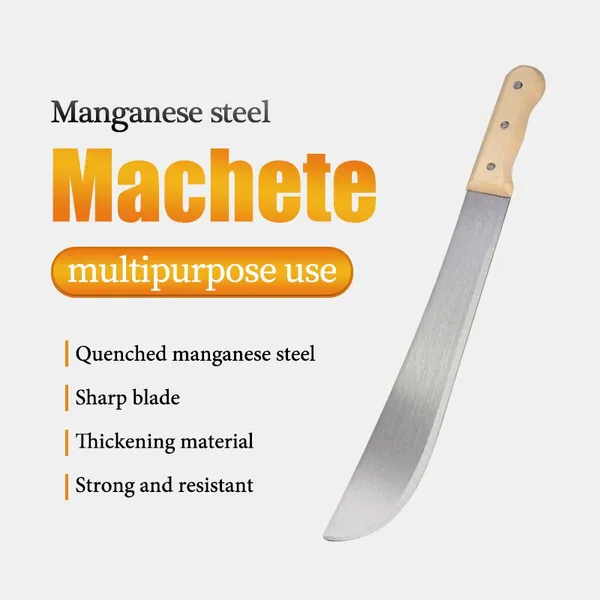
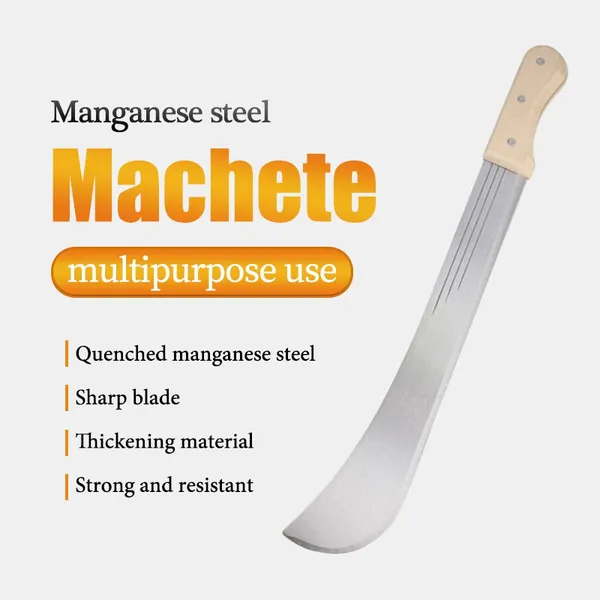
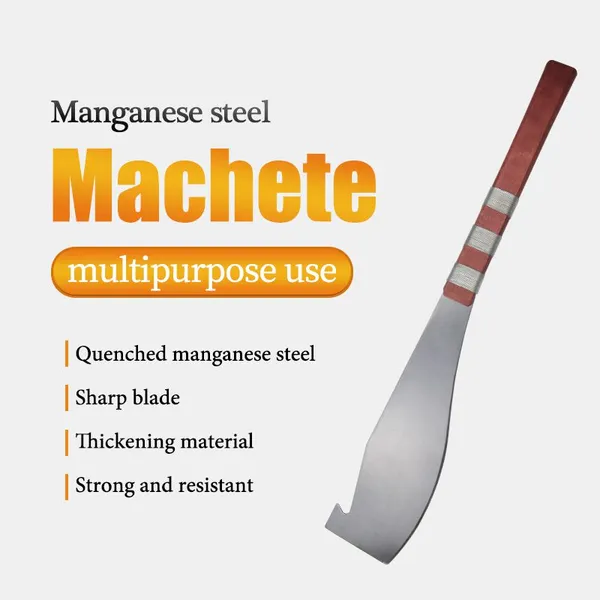
 Heavy Duty Cane Knife Machete for Wholesale Buyers Factory Direct Export for Rural Agricultural Projects Durable Hand ToolNegotiableMOQ: 1200 Pieces
-
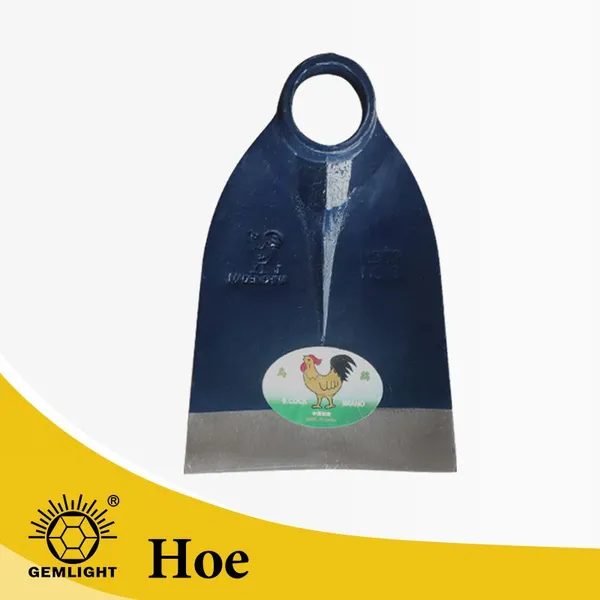
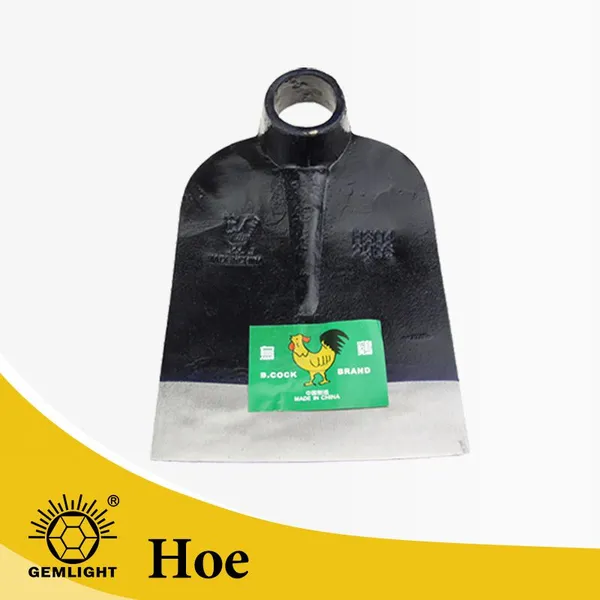
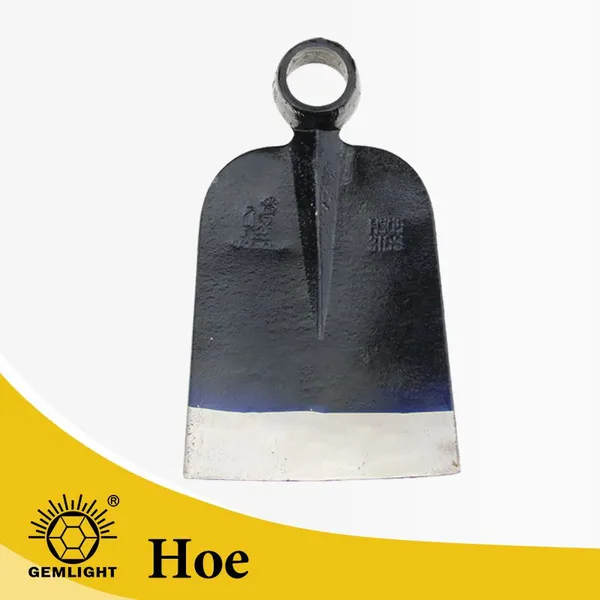
Agricultural Hoe Head Garden Rail Steel Tool for Tough Soil Cheap Price Hand ToolsUS$ 1.07 - 1.27MOQ: 1200 Pieces
-
Sturdy Rail Steel Hoe for Weeding, H305 Perfect for Agricultural and Garden TasksUS$ 1.07 - 1.27MOQ: 1200 Pieces
-
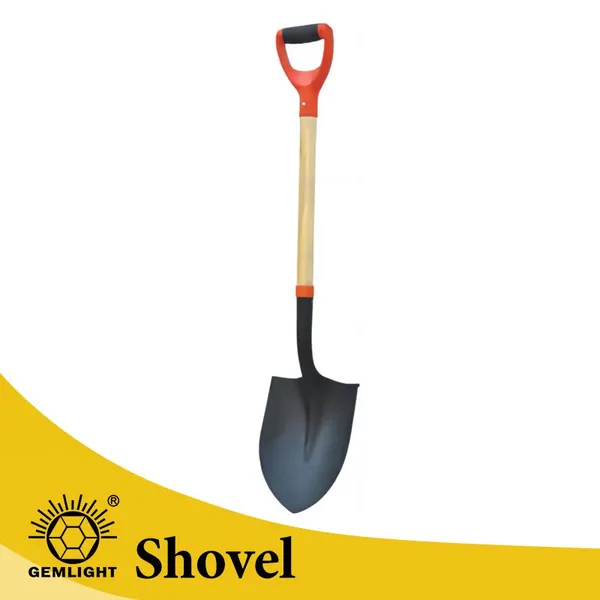
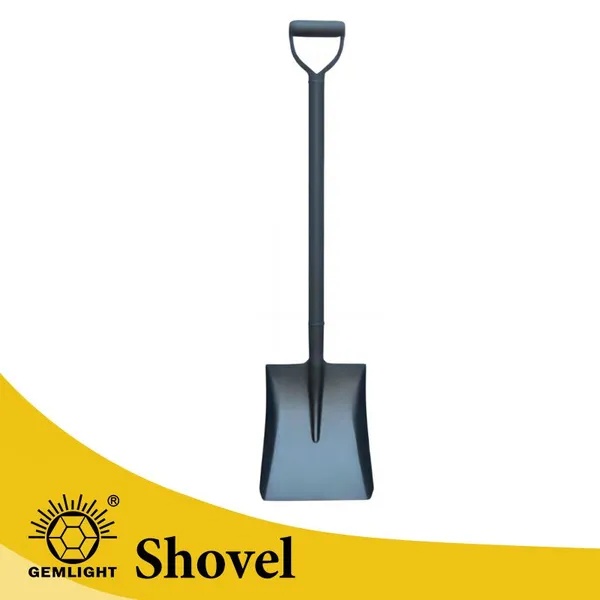
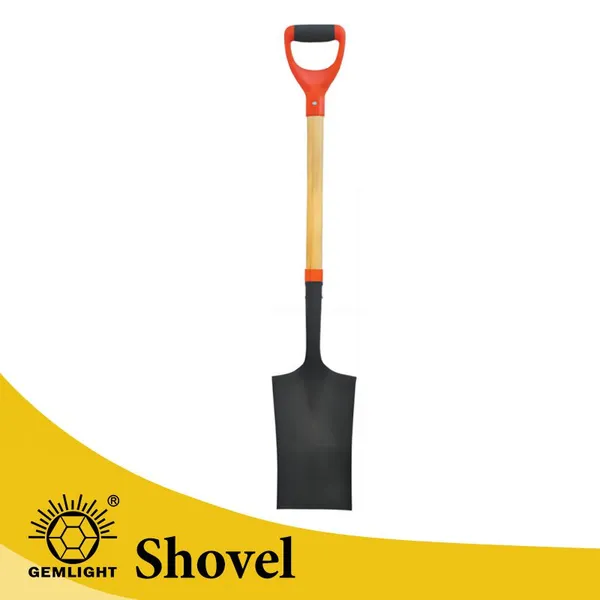
Heavy Duty Manganese Steel Garden Shovel Round Point Digging Shovel With Wooden Handle Farm Tool SupplierUS$ 2.14 - 2.36MOQ: 1200 Pieces
-
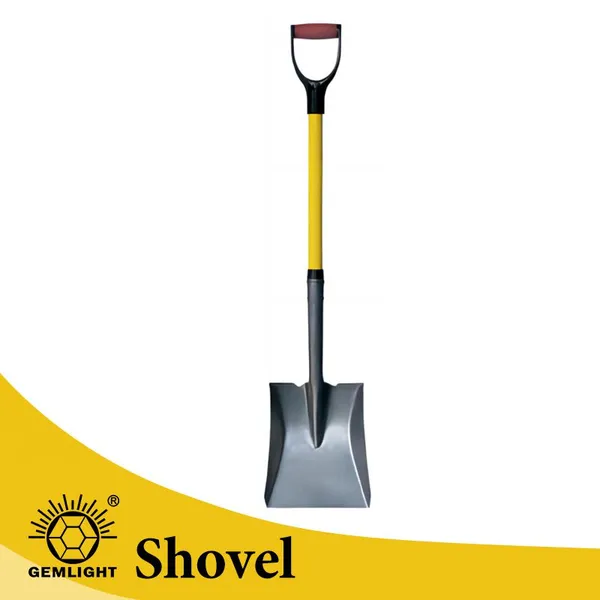
Big Shovel Wide Shovel Mud Shovel Heavy Duty Steel Blade for Farm Drainage Soil Moving Cleaning and Landscaping UseUS$ 2.14 - 2.36MOQ: 1200 Pieces
-
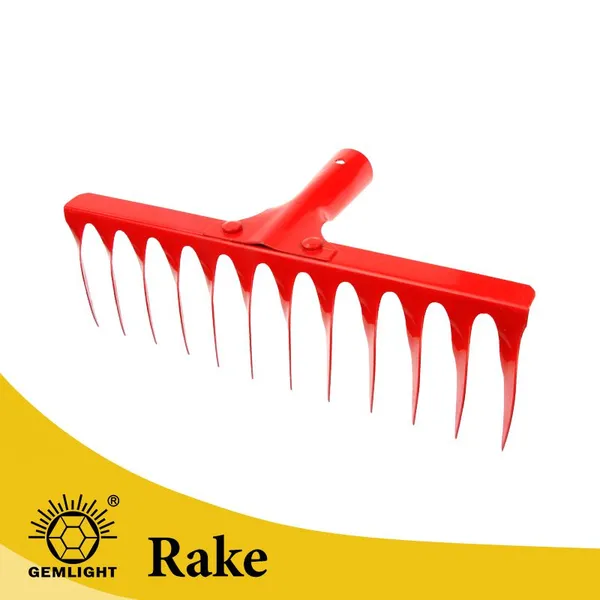
Strong Teeth Soil Rake for Farm Tool Suppliers Private Label Export for Farm Maintenance African Distribution Factory Bulk OrderUS$ 0.88 - 1.35MOQ: 2000 Pieces
-
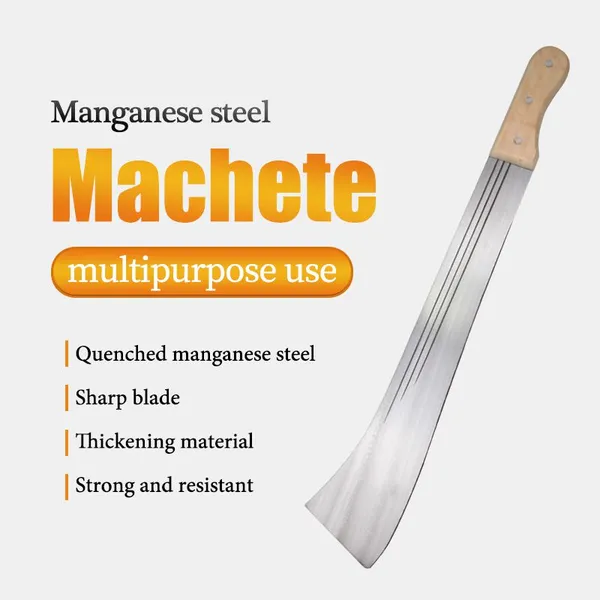
Manual Cane Knife Machete for Wholesale Buyers Factory Direct Export for Rural Agricultural Projects Durable Hand ToolNegotiableMOQ: 1200 Pieces
-
Large High Carbon Steel Machete Knife Agricultural Machete for Farming Bush Cutting Garden Tool SupplierNegotiableMOQ: 1200 Pieces
-
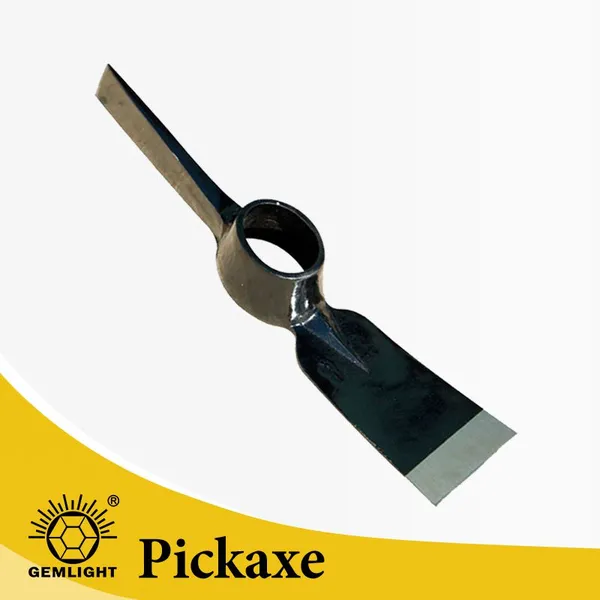
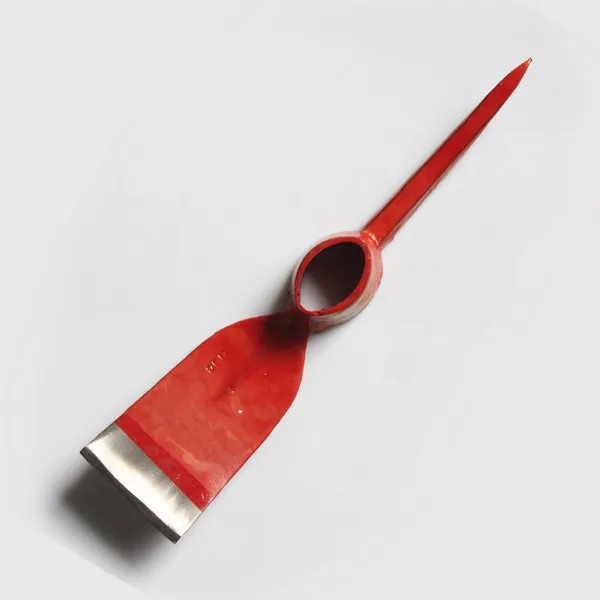
Wholesale Heavy Duty Pick Mattock for Mining Road Work and Farm Digging for Wholesale Tool Dealers With Bulk Order ServiceUS$ 1.85 - 2.3MOQ: 1200 Pieces
-
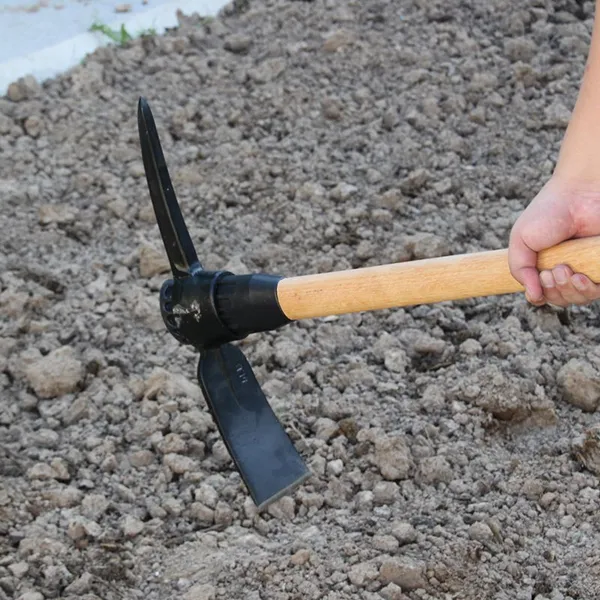
Carbon Steel Manual Pickaxe for Hard Soil Breaking and Trenching for African Importers With OEM Bulk Order Support Agricultural ToolUS$ 1.85 - 2.3MOQ: 1200 Pieces
-
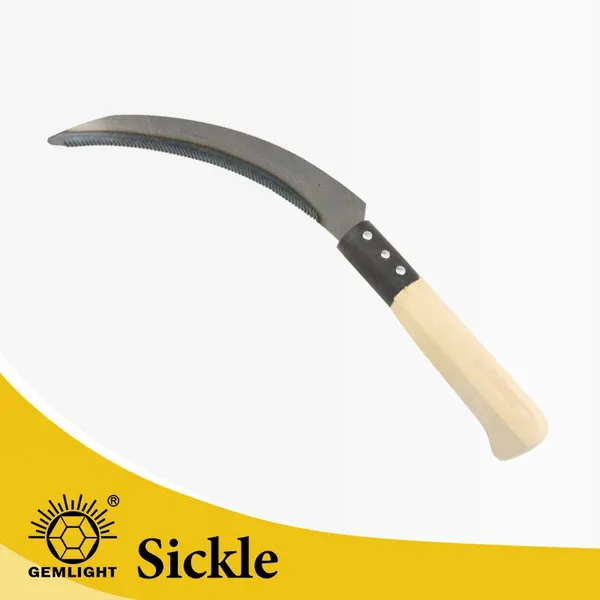
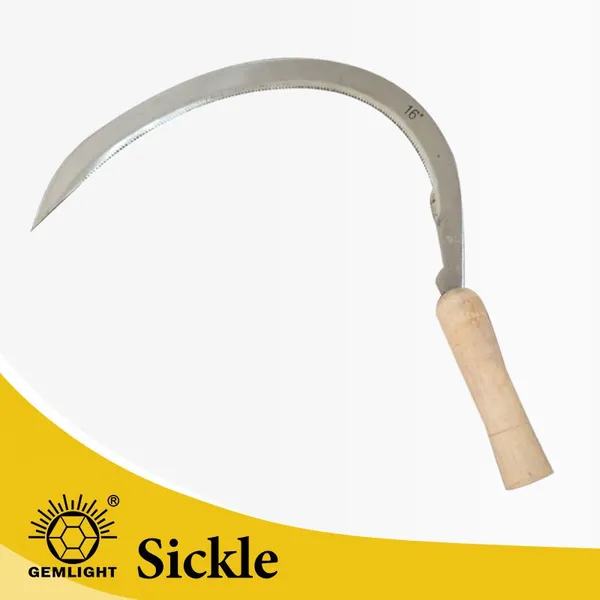
OEM Farm Sickle With Sharp Blade for African Importers OEM Bulk Order Support for Harvesting and Smallholder Farming for Wholesale BUS$ 0.28 - 0.33MOQ: 3000 Pieces
-
Heavy Duty Manganese Steel Round Point Shovel Garden Digging Shovel With Wooden Handle Agricultural Tool ManufacturerUS$ 2.14 - 2.36MOQ: 1200 Pieces
-
Farm Shovel Factory Supply for Regional Import Distributors Bulk Wholesale Supply for Garden Work and Trenching for Agricultural DealersUS$ 2.14 - 2.36MOQ: 1200 Pieces
-
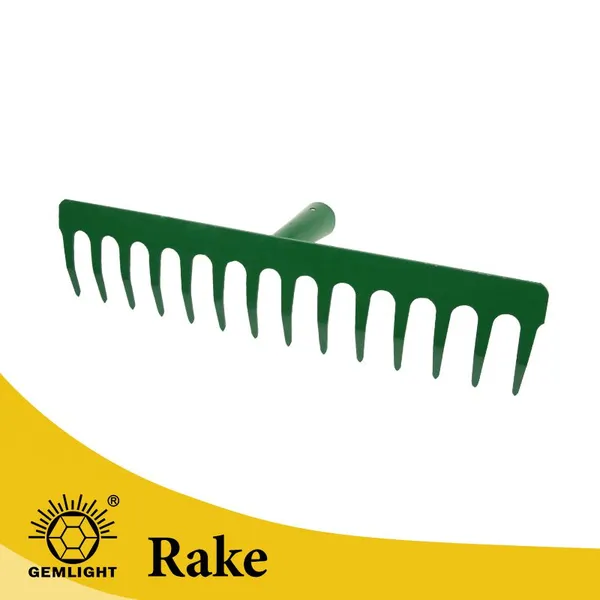
Heavy Duty Garden Rake for African Importers OEM Factory Supply for Agricultural Use African Market Factory Bulk OrderUS$ 0.88 - 1.35MOQ: 2000 Pieces
-
Agricultural Soil Rake for Agricultural Dealers Export Supply for Garden Cleaning African Dealer Channels Factory Bulk OrderUS$ 0.88 - 1.35MOQ: 2000 Pieces
-
Manual Farm Machete for African Importers OEM Factory Supply for Farming and Land Clearing Durable Hand ToolNegotiableMOQ: 1200 Pieces
-
Large Heavy Duty Carbon Steel Garden Landscaping Digging HoeUS$ 1.07 - 1.27MOQ: 1200 Pieces
-
Heavy Duty Rail Steel Mattock Pick Axe With Wooden Handle for Digging Soil Mining and Agricultural Tool SupplierUS$ 1.85 - 2.3MOQ: 1200 Pieces
-
Forged Farm Sickle With Sharp Blade for African Importers OEM Bulk Order Support for Harvesting and Smallholder Farming for WholesalUS$ 0.28 - 0.33MOQ: 3000 Pieces
-
Strong Carbon Steel Farming Sickle for Uganda Tanzania Zambia Agricultural Tool DistributorsUS$ 0.34 - 0.47MOQ: 3000 Pieces