
 Business License

PVC vs Natural Rubber Gumboots: A Buyer Comparison
PVC vs Natural Rubber Gumboots: A Buyer Comparison
Almost every gumboot on the market is made from one of two materials. PVC compound or natural rubber compound.
The choice decides your landed cost, your return rate and the channel you can sell into.
Here is how the two behave, and how to stock both without confusing your buyers.
How do cost, weight and flex compare?
PVC is the cheaper material, and the gap is not small. Expect a clear difference at FOB level.
PVC is a plastic compound. It is injection moulded in one step, which keeps labour low and output high.
Natural rubber needs mixing, calendering or dipping, plus vulcanisation. More steps, more energy, more cost.
Weight runs the other way in feel, not always on the scale. Natural rubber usually feels denser and more flexible.
A rubber shaft folds softly at the ankle. A PVC shaft holds its shape and can feel stiff on a cold morning.
Flex is where the materials separate most. Rubber recovers after thousands of flex cycles.
PVC relies on plasticiser to stay soft. When the plasticiser migrates or evaporates, the boot stiffens.
Both are waterproof when the wall is intact. Water rarely causes the failure. Cracks do.
One more cost hides in the same conversation: repair. Rubber boots are sometimes repairable.
PVC boots are usually replaced. That changes the lifetime cost, not just the unit price.
For a buyer comparing quotes, ask for the expected service life in the actual channel.
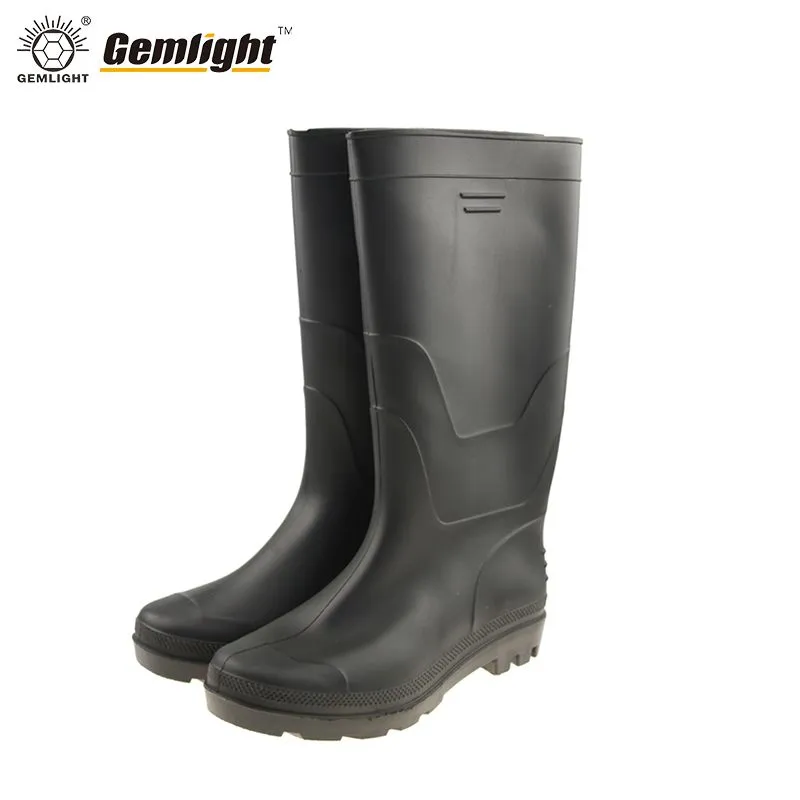
Which climate and chemical exposure suits each?
Match the material to the temperature first, then to the chemical.
Natural rubber keeps its flex in cold conditions. That is why fishing, farming and cold-climate work channels ask for it.
PVC performs well in mild and warm climates. It handles rain, mud and general wet work without trouble.
In sustained cold, PVC stiffens and can crack at the flex point. Storage makes this worse.
A PVC boot kept in an unheated container through winter may arrive stiff before it is worn once.
Chemicals need care with both materials. Neither is an oil boot.
Petroleum oils, solvents and some fuels attack rubber and PVC alike. Nitrile compounds handle those jobs.
Animal fats, slurry and mild detergents are normal service for a rubber farm boot.
Acids and alkalis vary by concentration. Ask the factory for compound-specific data, not a general claim.
Before you write a price list, check the channel. It decides the material more often than the specification does.
Garden centres, fashion retail and online marketplaces sell PVC. The price point fits, and colours are easy.
Agricultural suppliers, fishing stores and industrial distributors lean to rubber. Buyers there pay for flex.
Municipal and utility buyers often write rubber into the tender. Read the tender before you quote.
Promotional and seasonal ranges suit PVC. A printed boot for a festival is rarely rubber.
Contract and rental channels often prefer rubber, because it survives repeated cleaning.
If a distributor asks for "the cheapest boot that lasts a season", PVC is the honest answer.
If they ask for "the boot that does not crack in the cold", rubber is the only answer.
How do you build a two-tier price range?
Do not sell one material as if it were the other. Sell two tiers and explain the difference.
Tier one is PVC: entry price, wide colour range, general wet use, mild climates.
Tier two is natural rubber: higher price, better flex, cold performance, farm and marine channels.
Keep the shape and the sole pattern similar across both tiers. Buyers then compare material, not design.
Price the gap clearly. A range where rubber costs a little more looks like an upgrade, not a mistake.
Give each tier its own model code, its own carton marking and its own listing text.
Train your sales team on one sentence per tier. Confusion at the counter becomes returns in the warehouse.
Never mix tiers in one carton without marking it. Mixed cartons create picking errors.
How do you test the difference before you order?
Order both materials in the same shape and size. Then run the same tests.
Weigh each pair and write the numbers down. The gap should be consistent between sizes.
Bend the shaft at the ankle fifty times. Feel how quickly each one returns to shape.
Put both pairs in a freezer at around minus fifteen for four hours. Bend them straight out.
Rubber usually stays flexible. PVC usually stiffens, and some samples crack at the crease.
Leave both pairs in direct sun for two weeks. Rubber can develop a chalky surface without protection.
Check the compound data sheet for anti-ozonant and UV stabiliser content.
Then ask for the plasticiser type in the PVC. Ask what percentage is used.
Buyer comparison checklist
Send this to your supplier with your first enquiry.
Material: PVC compound or natural rubber compound
Compound supplier and grade name
Plasticiser type and content for PVC
Anti-ozonant and UV stabiliser content for rubber
Shore A hardness on shaft and sole
Weight per pair at size 42
Cold flex test result and test temperature
Flex cycle result at the flex point
Chemical resistance notes for your target use
Colour range and minimum per colour
Price difference between the two tiers
MOQ per material and per colour
Two materials, two tiers, one clear story. That is what keeps a gumboot range profitable in both channels.
Recently Posted
-
Boot Lining Guide for Cold and Hot Climate Markets
November 5, 2026Boot Lining Guide for Cold and Hot Climate MarketsLining is the part of the boot nobody photographs and everybody feels.It decides Read More
-
Gumboot Size Chart: EU, UK and US Conversion
November 5, 2026Gumboot Size Chart: EU, UK and US ConversionSize is the cheapest thing to fix and the most expensive thing to get wrong.A return c Read More
-
Boot Outsole Guide: Nitrile, PU and Rubber Compared
November 5, 2026Boot Outsole Guide: Nitrile, PU and Rubber ComparedThe upper sells the boot. The outsole decides whether the customer buys again.M
Read More -
Steel Toe vs Composite Toe Boots: Which to Import
November 5, 2026Steel Toe vs Composite Toe Boots: Which to ImportBoth caps pass the same impact test. Both protect at 200 joules. The difference i Read More

Contact Us
Recommended Products
-
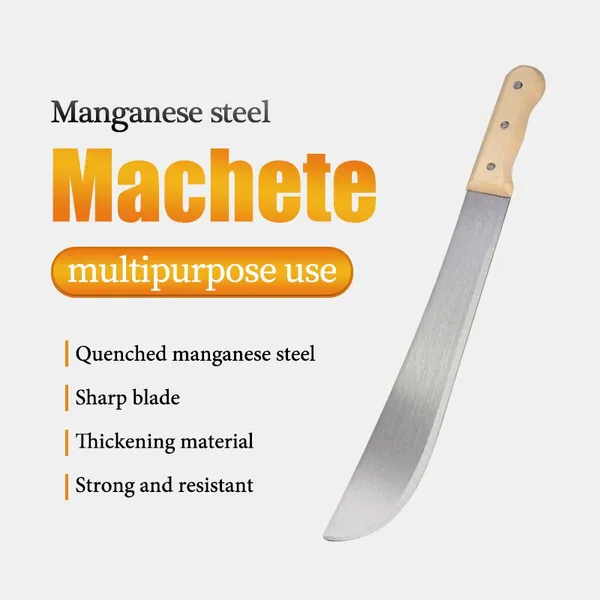
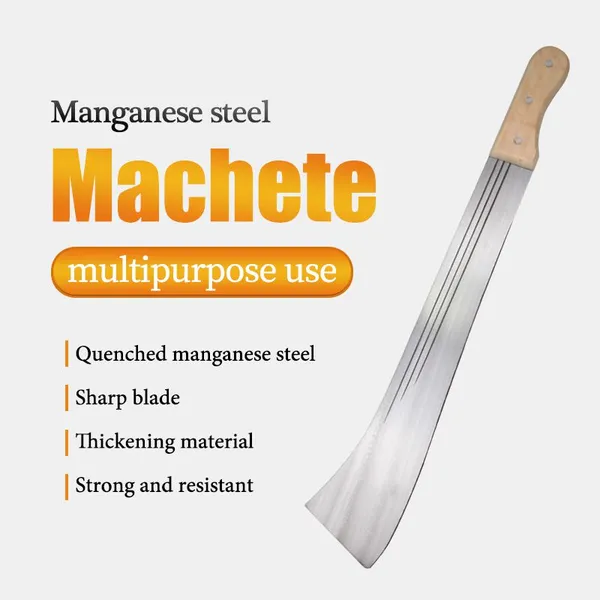
 Heavy Duty Cane Knife Machete for Wholesale Buyers Factory Direct Export for Rural Agricultural Projects Durable Hand ToolNegotiableMOQ: 1200 Pieces
-
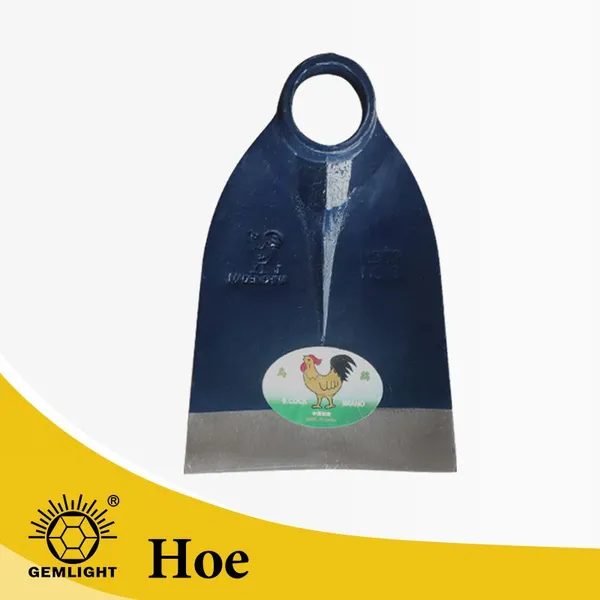
Agricultural Hoe Head Garden Rail Steel Tool for Tough Soil Cheap Price Hand ToolsUS$ 1.07 - 1.27MOQ: 1200 Pieces
-
Sturdy Rail Steel Hoe for Weeding, H305 Perfect for Agricultural and Garden TasksUS$ 1.07 - 1.27MOQ: 1200 Pieces
-
Heavy Duty Manganese Steel Garden Shovel Round Point Digging Shovel With Wooden Handle Farm Tool SupplierUS$ 2.14 - 2.36MOQ: 1200 Pieces
-
Big Shovel Wide Shovel Mud Shovel Heavy Duty Steel Blade for Farm Drainage Soil Moving Cleaning and Landscaping UseUS$ 2.14 - 2.36MOQ: 1200 Pieces
-
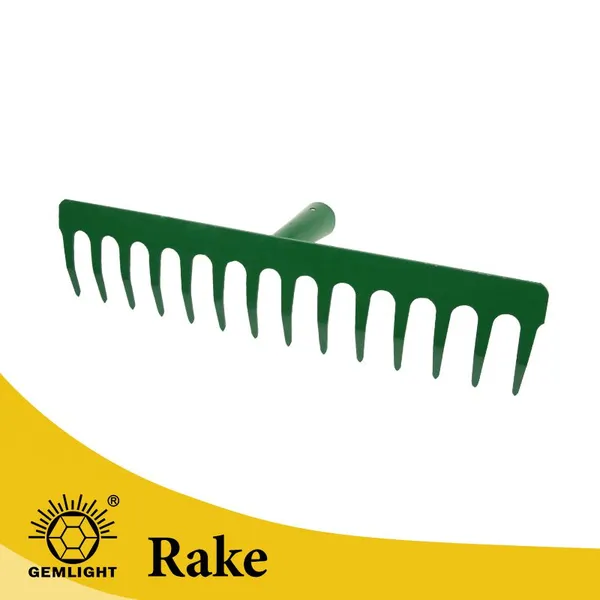
Strong Teeth Soil Rake for Farm Tool Suppliers Private Label Export for Farm Maintenance African Distribution Factory Bulk OrderUS$ 0.88 - 1.35MOQ: 2000 Pieces
-
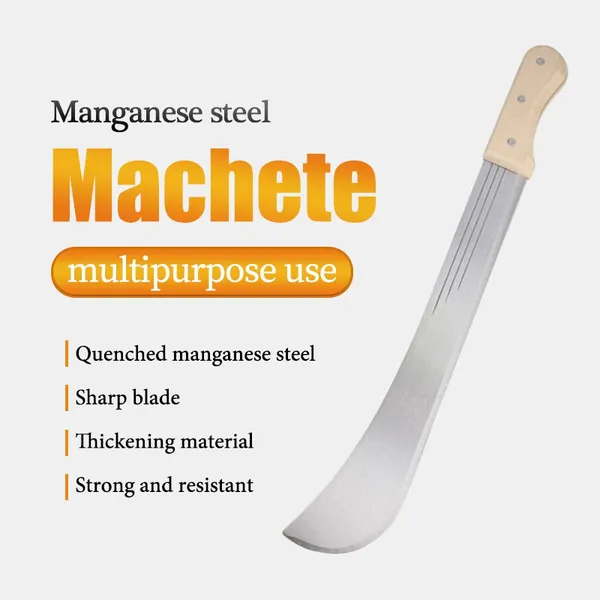
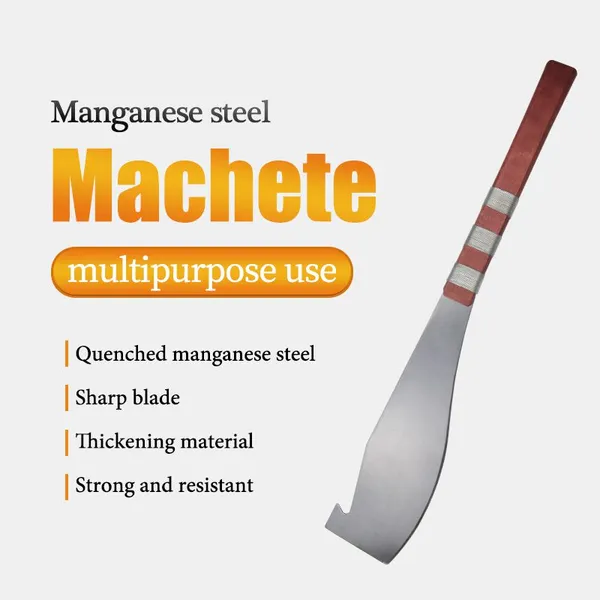
Manual Cane Knife Machete for Wholesale Buyers Factory Direct Export for Rural Agricultural Projects Durable Hand ToolNegotiableMOQ: 1200 Pieces
-
Large High Carbon Steel Machete Knife Agricultural Machete for Farming Bush Cutting Garden Tool SupplierNegotiableMOQ: 1200 Pieces
-
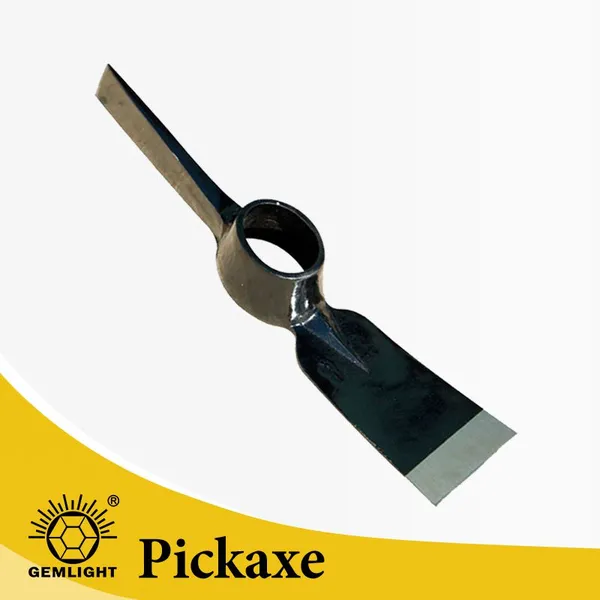
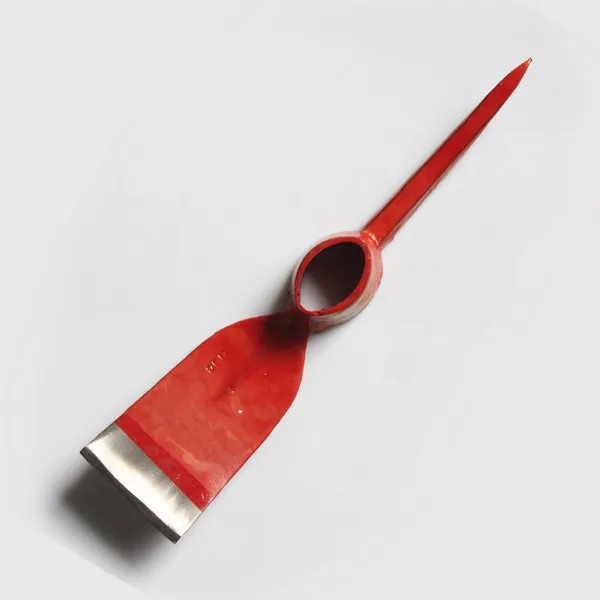
Wholesale Heavy Duty Pick Mattock for Mining Road Work and Farm Digging for Wholesale Tool Dealers With Bulk Order ServiceUS$ 1.85 - 2.3MOQ: 1200 Pieces
-
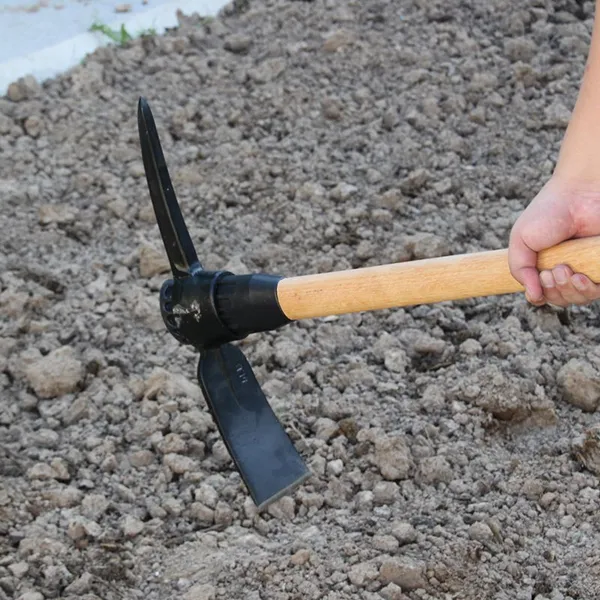
Carbon Steel Manual Pickaxe for Hard Soil Breaking and Trenching for African Importers With OEM Bulk Order Support Agricultural ToolUS$ 1.85 - 2.3MOQ: 1200 Pieces
-
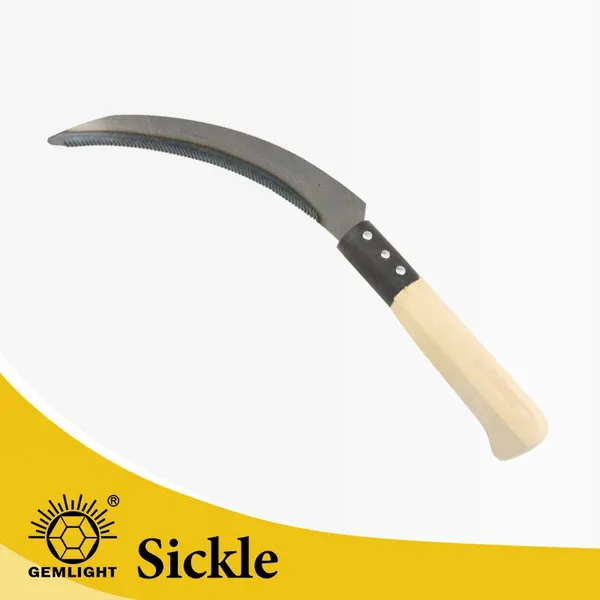
OEM Farm Sickle With Sharp Blade for African Importers OEM Bulk Order Support for Harvesting and Smallholder Farming for Wholesale BUS$ 0.28 - 0.33MOQ: 3000 Pieces
-
Heavy Duty Manganese Steel Round Point Shovel Garden Digging Shovel With Wooden Handle Agricultural Tool ManufacturerUS$ 2.14 - 2.36MOQ: 1200 Pieces
-
Farm Shovel Factory Supply for Regional Import Distributors Bulk Wholesale Supply for Garden Work and Trenching for Agricultural DealersUS$ 2.14 - 2.36MOQ: 1200 Pieces
-
Heavy Duty Garden Rake for African Importers OEM Factory Supply for Agricultural Use African Market Factory Bulk OrderUS$ 0.88 - 1.35MOQ: 2000 Pieces
-
Agricultural Soil Rake for Agricultural Dealers Export Supply for Garden Cleaning African Dealer Channels Factory Bulk OrderUS$ 0.88 - 1.35MOQ: 2000 Pieces
-
Manual Farm Machete for African Importers OEM Factory Supply for Farming and Land Clearing Durable Hand ToolNegotiableMOQ: 1200 Pieces
-
Large Heavy Duty Carbon Steel Garden Landscaping Digging HoeUS$ 1.07 - 1.27MOQ: 1200 Pieces
-
Heavy Duty Rail Steel Mattock Pick Axe With Wooden Handle for Digging Soil Mining and Agricultural Tool SupplierUS$ 1.85 - 2.3MOQ: 1200 Pieces
-
Forged Farm Sickle With Sharp Blade for African Importers OEM Bulk Order Support for Harvesting and Smallholder Farming for WholesalUS$ 0.28 - 0.33MOQ: 3000 Pieces
-
Strong Carbon Steel Farming Sickle for Uganda Tanzania Zambia Agricultural Tool DistributorsUS$ 0.34 - 0.47MOQ: 3000 Pieces