
 Business License

Gumboot Size Chart: EU, UK and US Conversion
Gumboot Size Chart: EU, UK and US Conversion
Size is the cheapest thing to fix and the most expensive thing to get wrong.
A return costs you the freight twice, plus the handling, plus the review that follows.
Two buyers can order the same size and both be right. Their feet simply differ.
Here is how moulded boot sizing actually works across the three main markets.

Why do moulded boot sizes not convert cleanly?
A moulded boot is made on a fixed mould. Each size needs its own mould, and moulds are not cheap.
That is why moulded ranges usually skip half sizes. The tooling cost doubles for very little demand.
A shoe factory changes the last and the pattern. A boot factory has to cut a new mould.
Most gumboots are also built on unisex lasts. One mould serves men and women.
That means the fit is generous by design, and the same size feels different on different feet.
Shoe sizing systems do not agree with each other either. EU, UK and US numbers are not simple conversions.
The only reliable reference is the internal length in millimetres.
Ask every supplier for that number before you publish a chart.
A mould is cut once. Adding a size later means new tooling, a new sample and a new approval.
Treat any chart as approximate, and label it that way.
Do not copy a chart from a competitor. Their last may be wider or narrower than yours.
A European 42 usually corresponds to a UK 8 and a US men's 9.
The gap between EU and UK adult sizes is about 34 numbers, but it drifts at the ends.
US men's sizes usually run one number above UK. US women's sizes run about two above UK.
European sizes step in larger increments than UK sizes, so the mapping is never exact.
French and German catalogues sometimes use a different internal length for the same number.
Japanese catalogues often quote centimetres of foot length, which is closer to Mondopoint.
Some industrial tenders ask for Mondopoint sizes in millimetres. That is the most honest system.
Check the supplier's own chart against the mould list. Then publish their numbers, not a generic table.
Which size runs must you stock per market?
Stock follows the market's foot distribution, not the factory's full range.
For the UK, a work boot range from 6 to 12 covers most of the volume.
For Germany and the Netherlands, 39 to 47 is a practical core range.
For the US, men's 8 to 13 covers the bulk of industrial demand.
For women's fashion rain boots, 36 to 41 carries most of the sales in Europe.
Nordic markets need larger sizes and often wider shafts than southern Europe.
Agricultural channels need larger sizes than city retail, in every country.
Ask the factory which sizes they hold moulds for today. That list is the real range.
Ask your customer for their last year's sales by size before you commit to a run.
If you cannot decide, order the middle six sizes first and add the ends on the second order.
Then stock the middle heavily and keep the ends in small depth.

How do you reduce returns from half-size gaps?
Half sizes are usually unavailable, so fit guidance has to do the work.
Publish the internal length for every size. It is the number that settles arguments.
Add a line telling buyers what to do between two sizes. Most boots run generous, so most say size down.
Publish shaft circumference too. Calf fit causes more returns than length in women's ranges.
Show a photo of the boot next to a ruler. It answers the question before it is asked.
Train your support team on one script. Ask for foot length in centimetres, then match to internal length.
Offer a sock allowance note for winter buyers. Thick socks need roughly five millimetres more.
Track returns by size for the first three months. One size usually accounts for most of them.
It is almost always the smallest or the largest size in the run. Check those two first.
What should appear on the size label and the chart?
The label is a legal and practical document. Keep it simple and consistent.
Print the size in the system your market uses, plus the EU equivalent in smaller type.
Add the internal length in millimetres. It costs nothing and prevents most disputes.
Print the model code and the colour code on the same label.
For safety boots, add the class and the standard reference on the label or the box.
Keep the same size number across cartons, inner boxes and the boot itself.
Mismatches between the three create picking errors in the warehouse.
Check the printed size against the boot with a tape measure on the first shipment.
Print in the language of the market. English alone is not enough for France or Germany.
On your website chart, show EU, UK, US men and US women in separate columns.
Add a note that moulded boots are unisex unless stated otherwise.
Sizing checklist for your next order
Send this list to your supplier with the enquiry.
Size range available per model
Half sizes available or not
Internal length in millimetres per size
Shaft height and top circumference per size
Last width and whether it is unisex
Mondopoint equivalent if the tender asks
Size marking position on the boot
Label content and language per market
Carton and inner box marking format
Recommended size-up or size-down guidance
Return rate by size from your current range
Mould list, so you know which sizes can be added
Get the internal length right and the chart writes itself. Guess the chart and the returns write themselves.
Recently Posted
-
Boot Lining Guide for Cold and Hot Climate Markets
November 5, 2026Boot Lining Guide for Cold and Hot Climate MarketsLining is the part of the boot nobody photographs and everybody feels.It decides Read More
-
Boot Outsole Guide: Nitrile, PU and Rubber Compared
November 5, 2026Boot Outsole Guide: Nitrile, PU and Rubber ComparedThe upper sells the boot. The outsole decides whether the customer buys again.M
Read More -
Steel Toe vs Composite Toe Boots: Which to Import
November 5, 2026Steel Toe vs Composite Toe Boots: Which to ImportBoth caps pass the same impact test. Both protect at 200 joules. The difference i Read More
-
PVC vs Natural Rubber Gumboots: A Buyer Comparison
November 4, 2026PVC vs Natural Rubber Gumboots: A Buyer ComparisonAlmost every gumboot on the market is made from one of two materials. PVC compou Read More

Contact Us
Recommended Products
-
 Heavy Duty Cane Knife Machete for Wholesale Buyers Factory Direct Export for Rural Agricultural Projects Durable Hand ToolNegotiableMOQ: 1200 Pieces
-
Agricultural Hoe Head Garden Rail Steel Tool for Tough Soil Cheap Price Hand ToolsUS$ 1.07 - 1.27MOQ: 1200 Pieces
-
Sturdy Rail Steel Hoe for Weeding, H305 Perfect for Agricultural and Garden TasksUS$ 1.07 - 1.27MOQ: 1200 Pieces
-
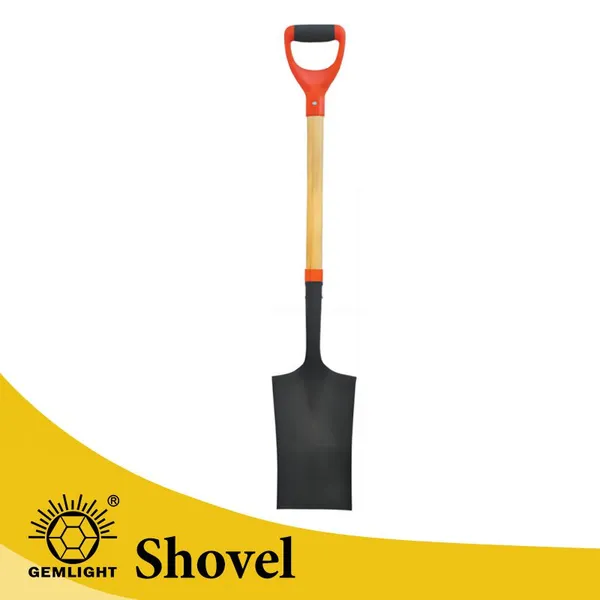
Heavy Duty Manganese Steel Garden Shovel Round Point Digging Shovel With Wooden Handle Farm Tool SupplierUS$ 2.14 - 2.36MOQ: 1200 Pieces
-
Big Shovel Wide Shovel Mud Shovel Heavy Duty Steel Blade for Farm Drainage Soil Moving Cleaning and Landscaping UseUS$ 2.14 - 2.36MOQ: 1200 Pieces
-
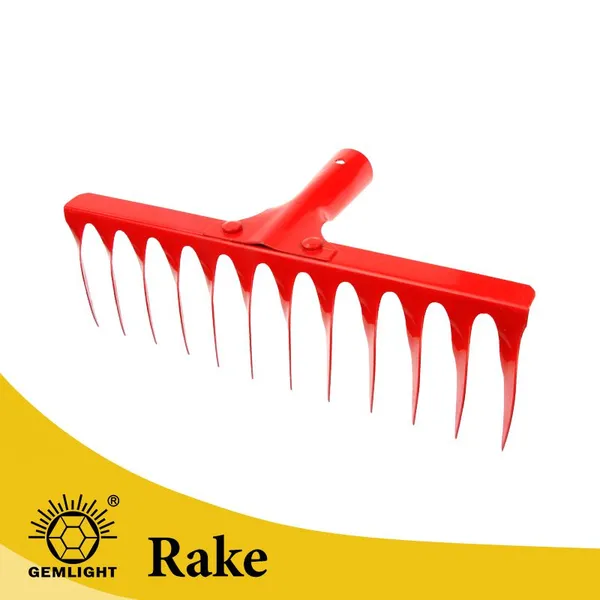
Strong Teeth Soil Rake for Farm Tool Suppliers Private Label Export for Farm Maintenance African Distribution Factory Bulk OrderUS$ 0.88 - 1.35MOQ: 2000 Pieces
-
Manual Cane Knife Machete for Wholesale Buyers Factory Direct Export for Rural Agricultural Projects Durable Hand ToolNegotiableMOQ: 1200 Pieces
-
Large High Carbon Steel Machete Knife Agricultural Machete for Farming Bush Cutting Garden Tool SupplierNegotiableMOQ: 1200 Pieces
-
Wholesale Heavy Duty Pick Mattock for Mining Road Work and Farm Digging for Wholesale Tool Dealers With Bulk Order ServiceUS$ 1.85 - 2.3MOQ: 1200 Pieces
-
Carbon Steel Manual Pickaxe for Hard Soil Breaking and Trenching for African Importers With OEM Bulk Order Support Agricultural ToolUS$ 1.85 - 2.3MOQ: 1200 Pieces

-
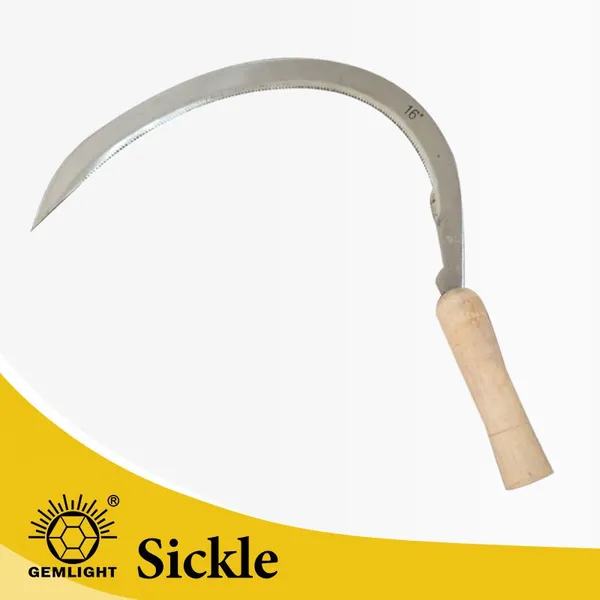
OEM Farm Sickle With Sharp Blade for African Importers OEM Bulk Order Support for Harvesting and Smallholder Farming for Wholesale BUS$ 0.28 - 0.33MOQ: 3000 Pieces
-
Heavy Duty Manganese Steel Round Point Shovel Garden Digging Shovel With Wooden Handle Agricultural Tool ManufacturerUS$ 2.14 - 2.36MOQ: 1200 Pieces
-
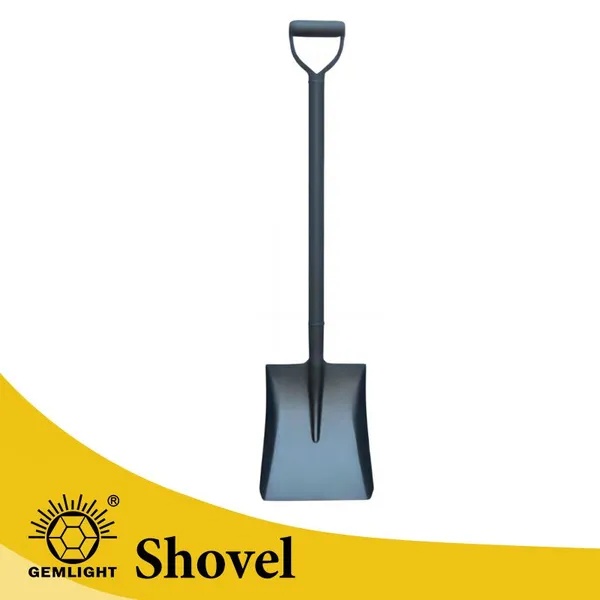
Farm Shovel Factory Supply for Regional Import Distributors Bulk Wholesale Supply for Garden Work and Trenching for Agricultural DealersUS$ 2.14 - 2.36MOQ: 1200 Pieces
-
Heavy Duty Garden Rake for African Importers OEM Factory Supply for Agricultural Use African Market Factory Bulk OrderUS$ 0.88 - 1.35MOQ: 2000 Pieces
-
Agricultural Soil Rake for Agricultural Dealers Export Supply for Garden Cleaning African Dealer Channels Factory Bulk OrderUS$ 0.88 - 1.35MOQ: 2000 Pieces
-
Manual Farm Machete for African Importers OEM Factory Supply for Farming and Land Clearing Durable Hand ToolNegotiableMOQ: 1200 Pieces
-
Large Heavy Duty Carbon Steel Garden Landscaping Digging HoeUS$ 1.07 - 1.27MOQ: 1200 Pieces
-
Heavy Duty Rail Steel Mattock Pick Axe With Wooden Handle for Digging Soil Mining and Agricultural Tool SupplierUS$ 1.85 - 2.3MOQ: 1200 Pieces
-
Forged Farm Sickle With Sharp Blade for African Importers OEM Bulk Order Support for Harvesting and Smallholder Farming for WholesalUS$ 0.28 - 0.33MOQ: 3000 Pieces
-
Strong Carbon Steel Farming Sickle for Uganda Tanzania Zambia Agricultural Tool DistributorsUS$ 0.34 - 0.47MOQ: 3000 Pieces